 Ancient Stadium
Circus Maximus
Ancient Rome's vast chariot-racing arena — free to explore at ground level, with an optional ticketed archaeological area
30-45 minutesFree to visitAncient Chariot-Racing StadiumVia del Circo Massimo, 00186 Roma RMOpen on MapPlan Your Visit
Compare tickets, tours and stays — booking ahead usually gives more choice
Book a TourHotels NearbyBy AllTrips Editors••8 min readCircus Maximus (Italian: Circo Massimo) is a chariot-racing valley between the Palatine and Aventine hills that, at its largest, was about 600 m long. Ancient sources and traditional estimates place its peak capacity as high as a quarter of a million spectators, though modern archaeological estimates are often lower and its size changed over the centuries. The grandstands are gone, but the original shape, the carceres starting gates, and the rounded southern turn are still visible. The open valley is free and generally accessible; a separate, ticketed archaeological area and the multimedia "Circo Maximo Experience" are optional paid add-ons.
📋 In This Guide
Duration
30-45 min
Cost
Free
Era
6th c. BC
Capacity
Up to ~250,000 (est.)
Why Visit Circus Maximus?
Circus Maximus lets visitors stand inside the valley of Rome's largest ancient entertainment venue. The wooden grandstands rotted away centuries ago, and the site's layout and scale changed considerably over the centuries as different emperors rebuilt and expanded it. At its peak under Trajan, the valley measured roughly 600 m by 140 m. Ancient sources and traditional estimates put its maximum capacity as high as 250,000, though modern archaeological estimates are often lower. Chariot races were typically run over seven laps, with the number of chariots racing together varying by era — commonly four or twelve depending on the period. Today the open valley is free, peaceful, and offers views up toward the Palatine Hill ruins.
Among History's Largest Stadiums
Ancient sources and traditional estimates place its peak capacity as high as 250,000, among the largest of any stadium in history, though modern estimates vary and the venue's size changed over time.
Free Palatine Views
The north side of the track offers views up toward the imperial palace ruins on the Palatine Hill.
Free & Open 24/7
No tickets, no queues, no closing time. One of Rome's most generous public spaces.
Strategic Walking Hub
10 minutes from the Colosseum, Palatine, Aventine and Mouth of Truth — the natural southern pivot of any Rome day.
Stadium Engineering Deep-Dive
Up to 600 m × 140 m Track
At its largest, under Trajan, the track was roughly this size — about six modern football pitches end-to-end. Races were typically run over seven laps.
Carceres Starting Gates
The starting gates were arranged on a slight curve so competing chariots had an equal distance to the first turn. The number of chariots racing together varied by era — commonly four or twelve.
The Spina Barrier
A central wall down the middle held two Egyptian obelisks (now in Piazza del Popolo and San Giovanni in Laterano) and the dolphin/egg lap-counters.
Tiered Wooden Stands
Lower tiers were stone, upper tiers timber. Ancient sources record occasional stand collapses over the venue's long history.
Caesar's Drainage Moat
In 46 BC Julius Caesar dug a 3 m water-filled euripus around the track — half safety barrier (after a wild animal escape), half drainage for storms.
Sphendone Curve
The rounded south-east end is the only original masonry visible above ground — climb the small grass mound there to stand on actual Trajanic stonework.
Timeline of Circus Maximus
From legendary kings to imperial grandeur, the story of history's largest stadium.
6th century BCLegendary Origins
According to legend, Rome's first kings hold chariot races in this natural valley between the Palatine and Aventine hills.
329 BCFirst Permanent Structures
Wooden starting gates (carceres) are built, marking the beginning of organized racing infrastructure.
46 BCJulius Caesar's Expansion
Caesar enlarges the circus and adds a protective moat around the track after a wild animal escapes during the games.
64 ADGreat Fire of Rome
The devastating fire that destroyed much of Rome reportedly started in shops near the Circus Maximus.
103 ADTrajan's Maximum Size
Emperor Trajan expands the circus to its largest known form: about 600 metres long and 140 metres wide. Ancient sources and traditional estimates place its capacity as high as 250,000, though modern estimates are often lower.
549 ADLast Race
The final chariot races are held under Ostrogothic rule. The circus falls into ruin and its materials are quarried for other buildings.
Best Time to Visit
Time of Day
Early Morning (7am–9am): Peaceful, cool, soft golden light on the Palatine.
Late Afternoon (4pm–6pm): Best directional light on the imperial ruins, sunset shots from the Aventine side.
Avoid Midday: Almost no shade — brutal in July/August.
Season
Spring (Mar–May): Green grass, wildflowers along the spina line — peak visual season.
Fall (Sep–Nov): Comfortable temperatures, fewer tourists, golden grass.
Summer: Visit early morning or after 6pm only.
Check local traffic rules: Vehicle restrictions on Via dei Cerchi change over time — check current city rules before planning around them.
Best Photo Spots at Circus Maximus
Sphendone Mound at Sunset
South-east grass climb — Palatine ruins glow gold across the full length of the valley.
Aventine Side at Dusk
From Via di San Teodoro side path — wide-angle frame of the entire 600 m bowl with city lights behind.
Carceres Starting Line
South-west corner — low gravel path with the metro exit behind, classic "starting grid" perspective.
Palatine Overlook (paid)
From inside the Palatine Hill ticketed area — a top-down view framing the circus from above.
Circus Maximus vs Other Great Stadiums
| Stadium | Built | Capacity | Length |
|---|---|---|---|
| Circus Maximus (Rome) | 6th c. BC – 103 AD | Up to ~250,000 (traditional estimate; modern estimates often lower) | Up to 600 m |
| Colosseum (Rome) | 80 AD | ~50,000 | 189 m |
| Stadium of Domitian (Rome) | 86 AD | ~30,000 | 275 m |
| Rungrado May Day (Pyongyang, modern) | 1989 | ~114,000 | — |
| Michigan Stadium (USA, modern) | 1927 | ~107,600 | — |
Traditional estimates of Circus Maximus's peak capacity exceed that of any modern stadium, though modern archaeological estimates are often more conservative, and the venue's size changed considerably over its centuries of use.
Common Mistakes to Avoid
Expecting Colosseum-level ruins
The grandstands are gone — what survives is the valley shape and the southern curve. Set expectations: it's a vast open space, not a building.
Skipping the Palatine pairing
The Palatine Hill above offers views over the track and is a natural pairing with a Circus Maximus visit.
Visiting at midday in summer
Zero shade across the entire 600 m — temperatures hit 38°C+ in July. Go before 9 AM or after 6 PM.
Assuming the €7 ticket includes the VR experience
The €7 archaeological-area ticket and the Circo Maximo Experience multimedia/VR product are separate purchases. The archaeological area is closed Mondays — check current hours before visiting.
Pair Your Visit With
Palatine HillAdjacent — climb above the Circus for the only top-down view, plus imperial palace ruins.
Aventine Hill & Orange Garden10-minute uphill walk — sunset view back over the entire Circus and Palatine.
Colosseum10-minute walk — a natural pairing. Circus Maximus is not part of the standard Colosseum–Forum–Palatine combined ticket, so plan admissions separately.
Colosseum & Palatine Tickets (Optional, Nearby)
The open public valley — the vast grass and gravel field most visitors walk through — is free and generally accessible.
The ticketed archaeological area, near the south-east end, costs €7 (full, non-resident) or €4 (reduced, non-resident). Entry is free for residents of Rome and the Metropolitan City of Rome with qualifying ID.
The "Circo Maximo Experience" is a separate multimedia/VR product sold on its own ticket — it is not automatically included in the €7 archaeological-area admission.
Circus Maximus is not part of the standard Colosseum–Roman Forum–Palatine Hill combined ticket. If you're also visiting the Colosseum and Palatine Hill, that combo ticket is booked separately. Compare official options below.
Archaeological area hours: open Tuesday–Sunday, closed Mondays, 25 December and 1 May. Late March–late October: 09:30–19:00. Late October–late March: 09:30–16:00. The open public valley has no set opening hours and is generally accessible at any time.
Colosseum Priority Entrance
Best for: First-time visitors
~2 hoursSkip-the-line access to the Colosseum with entry to Roman Forum and Palatine Hill included. Perfect for first-time visitors.
- Skip-the-line entry
- Colosseum access
- Roman Forum included
- Palatine Hill included
🎟️ Compare Prices:
TiqetsKlookTrip.comColosseum Guided Tour
Best for: History enthusiasts
~3 hoursExpert-led tour with professional guide sharing gladiator history, architecture secrets, and ancient Roman stories.
- Professional English-speaking guide
- Skip-the-line entry
- In-depth historical commentary
- Small group experience
🎟️ Compare Prices:
TiqetsKlookTrip.comColosseum Arena & Underground
Best for: Unique experience seekers
~3.5 hoursWalk where gladiators fought on the arena floor and explore the underground chambers where they awaited their fate.
- Arena Floor access
- Underground chambers access
- Roman Forum & Palatine Hill
- Expert guided tour included
🎟️ Compare Prices:
TiqetsKlookTrip.comMust-See Highlights
The full 600 m valley — walkable end-to-end on a flat gravel pathCarceres remains — the south-west starting gates, where the number of chariots launching together varied by eraThe sphendone — the rounded southern turn, still clearly defined in the landscapeSpina line — the central barrier where the Lateran obelisk once stood (now in Piazza San Giovanni)Palatine Hill imperial palace ruins towering above the north sideTicketed archaeological area and, separately, the Circo Maximo Experience multimedia/VR product at the south-east endTraffic arrangements around Via dei Cerchi vary — check current city rulesWhere to Stay Near Circus Maximus
Looking for convenient accommodation near Circus Maximus? Stay within walking distance to make the most of your visit.
Hotels Near This AttractionTop Rated HotelsBudget-Friendly OptionsLuxury HotelsCentral locations with easy access to Circus Maximus and other attractionsFrequently Asked Questions
Is Circus Maximus free to visit in 2026?
Yes, the open public valley is free and generally accessible. A separate, ticketed archaeological area at the south-east end costs €7 (full, non-resident) or €4 (reduced, non-resident); it is free for Rome and Metropolitan City of Rome residents with qualifying ID. The Circo Maximo Experience multimedia/VR product is a further, separate purchase and is not automatically included in the €7 admission.
How big was Circus Maximus?
About 600 m long and 140 m wide — a track perimeter of roughly 1.5 km. Ancient sources and traditional estimates place its maximum capacity as high as 250,000 at its peak under Trajan, although modern archaeological estimates are often lower, and the venue's size and capacity changed considerably over the centuries.
How do I get to Circus Maximus?
Take Metro Line B to 'Circo Massimo' station — the exit is at the south-west corner of the site. From the Colosseum it's a flat 10-minute walk via Via di San Gregorio.
Is there anything to actually see at Circus Maximus?
The grandstands are gone, but the original valley shape, the curved southern end (sphendone), the spina line, and remnants of the carceres (starting gates) are all visible. The Palatine Hill imperial palaces tower above the north side.
How long should I spend at Circus Maximus?
30–45 minutes for a walk-through. Add extra time if you visit the ticketed archaeological area or the separate Circo Maximo Experience, or allow about 2 hours total if combining with Palatine Hill above.
Is Circus Maximus worth visiting compared to the Colosseum?
It's worth a stop, not a destination on its own. Pair it with the Colosseum, Palatine Hill, or Aventine Hill — together they make the strongest ancient Rome morning in the city.
Can you run at Circus Maximus?
Yes — Romans use it daily for jogging and dog-walking. The flat 1.5 km gravel loop is one of the city's best free running tracks.
Related Attractions
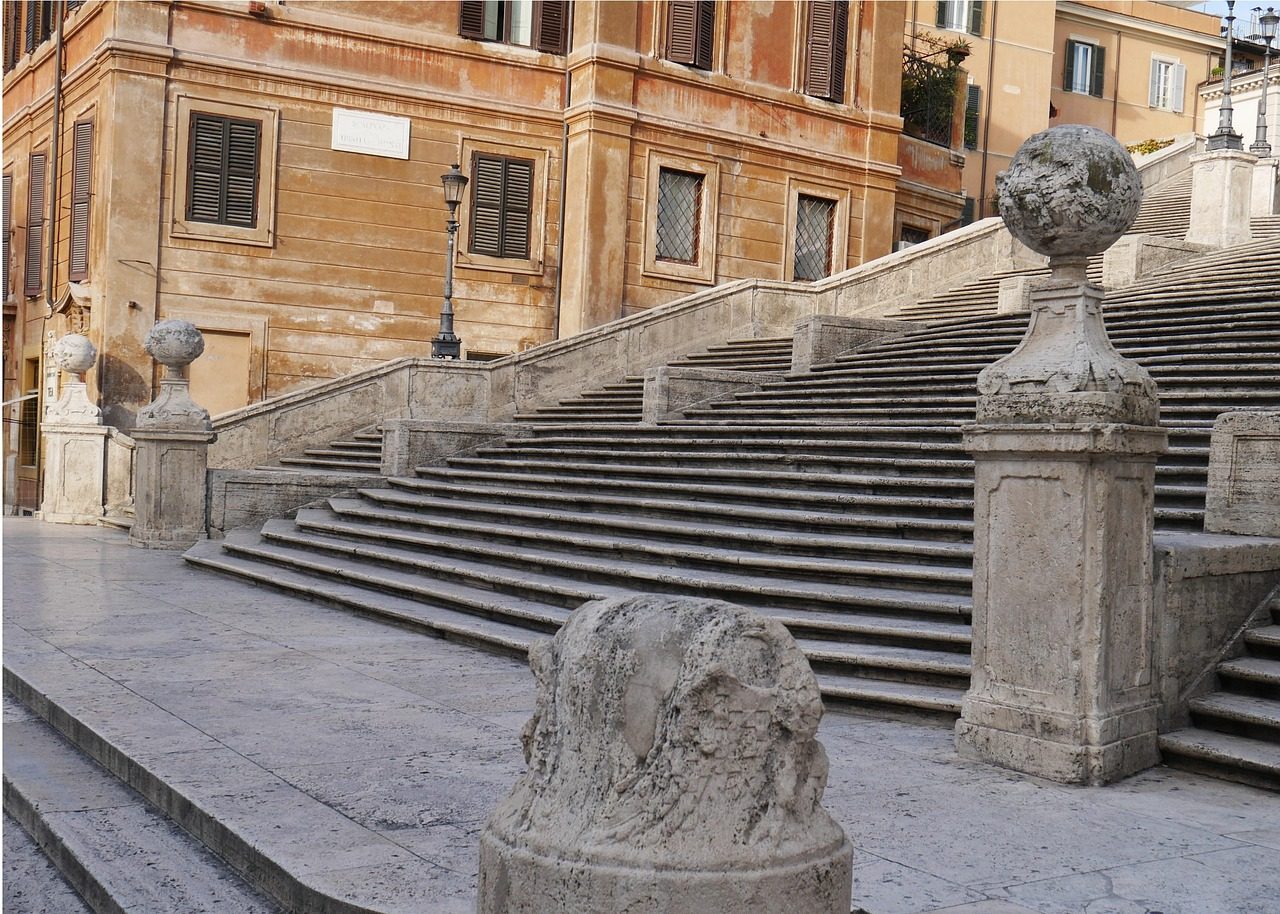
Spanish Steps
Famous Baroque stairway to Trinità dei Monti church
Explore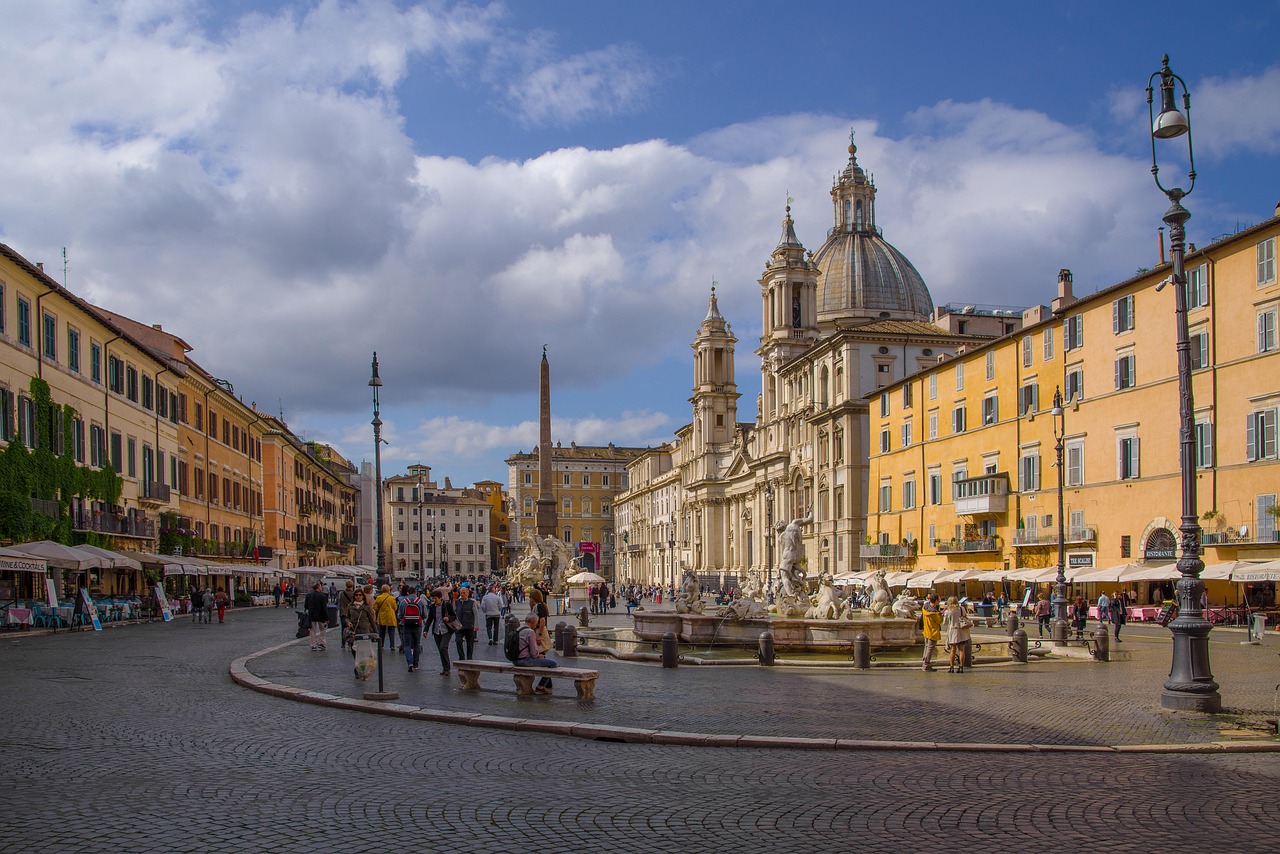
Piazza Navona
Rome's most beautiful baroque square with Bernini fountains
Explore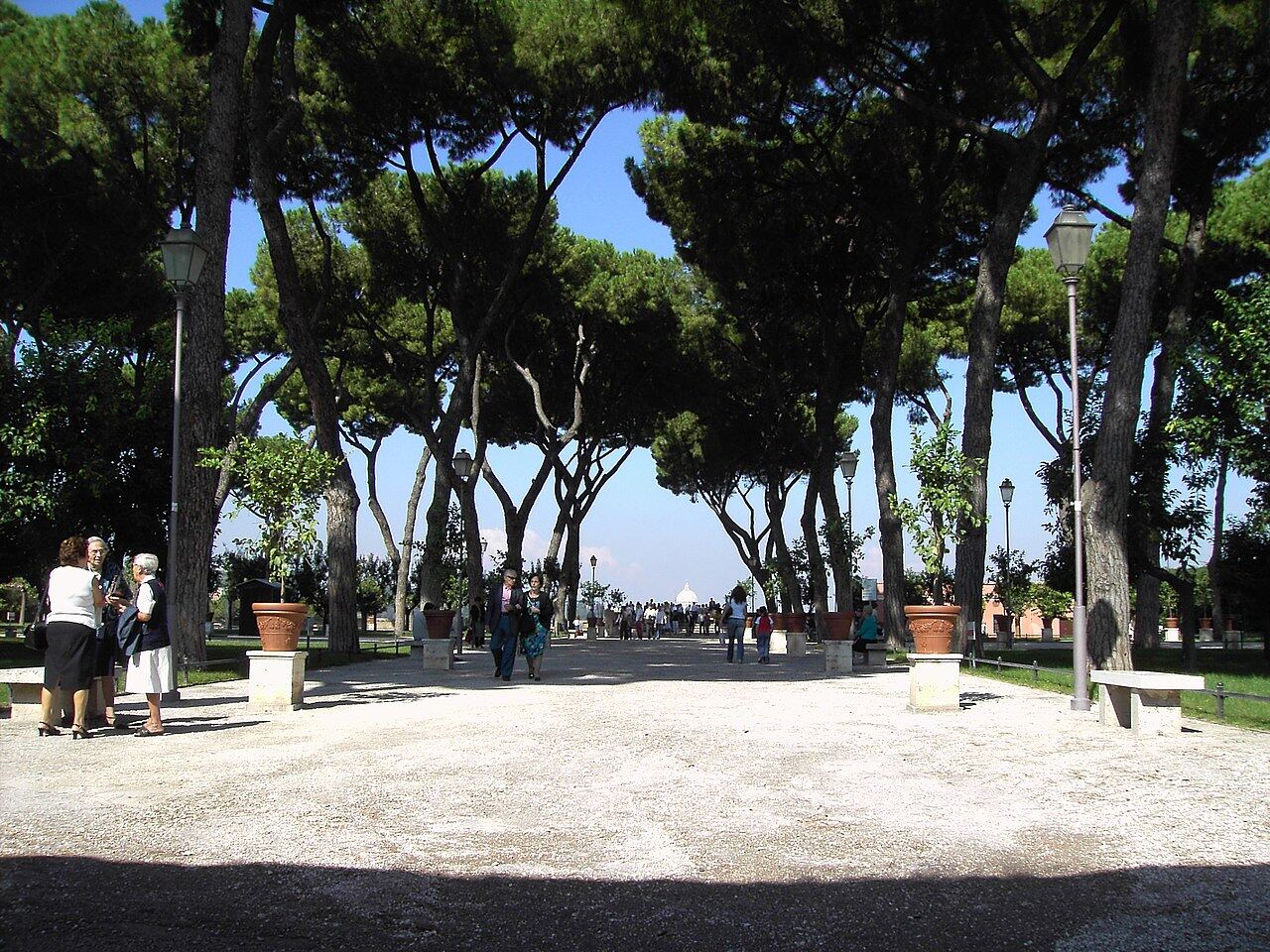
Aventine Hill: Orange Garden
Secret garden with the most beautiful sunset views
Explore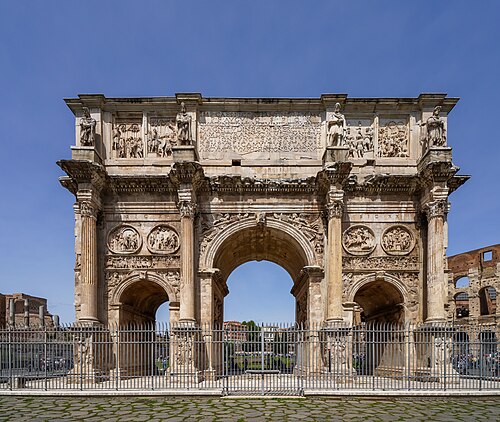
Arch of Constantine
Rome's largest triumphal arch (315 AD) next to the Colosseum
Explore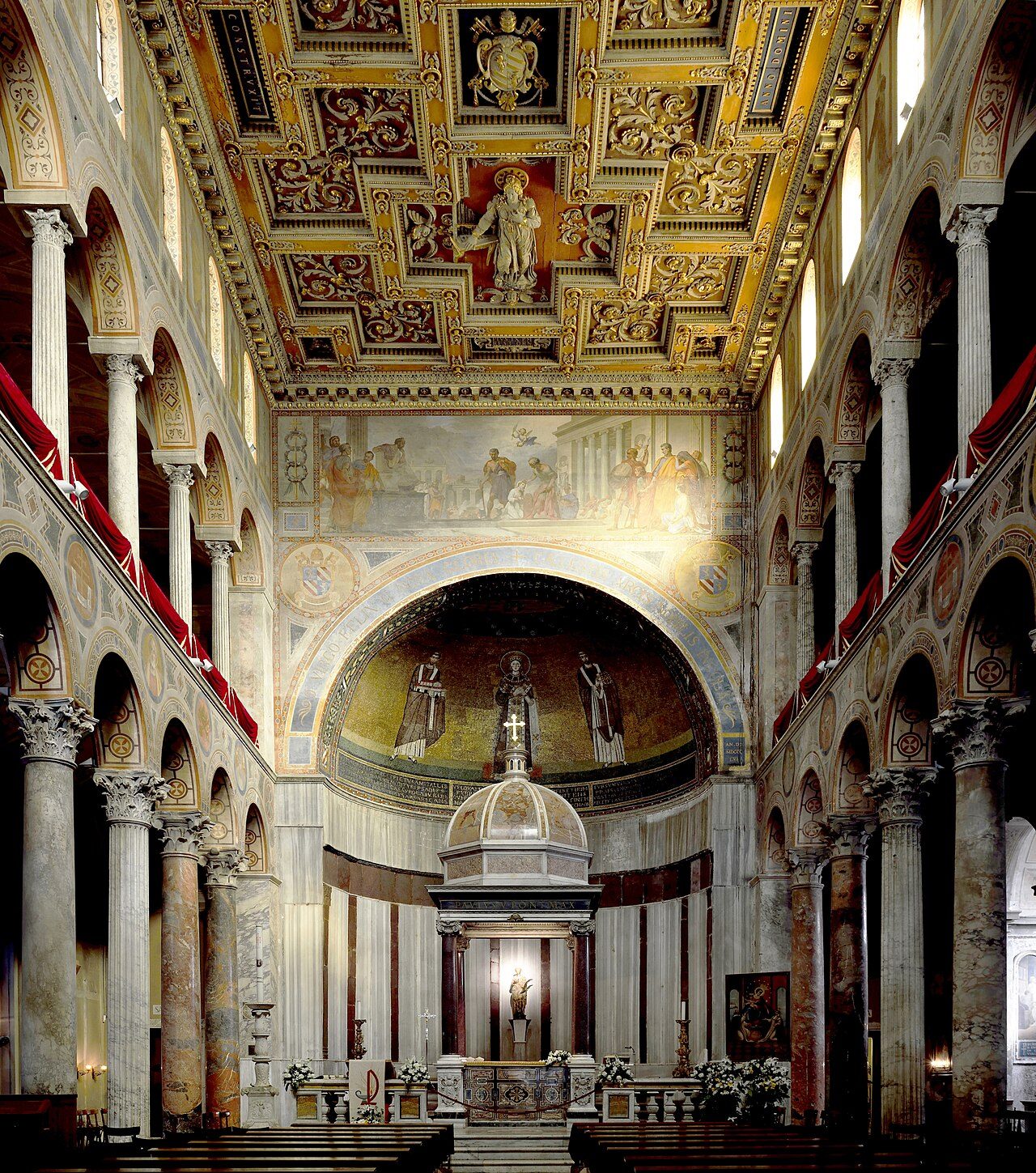
Basilica of St. Agnes
Free 7th-century pilgrimage church with Byzantine mosaics, near ticketed catacombs
Explore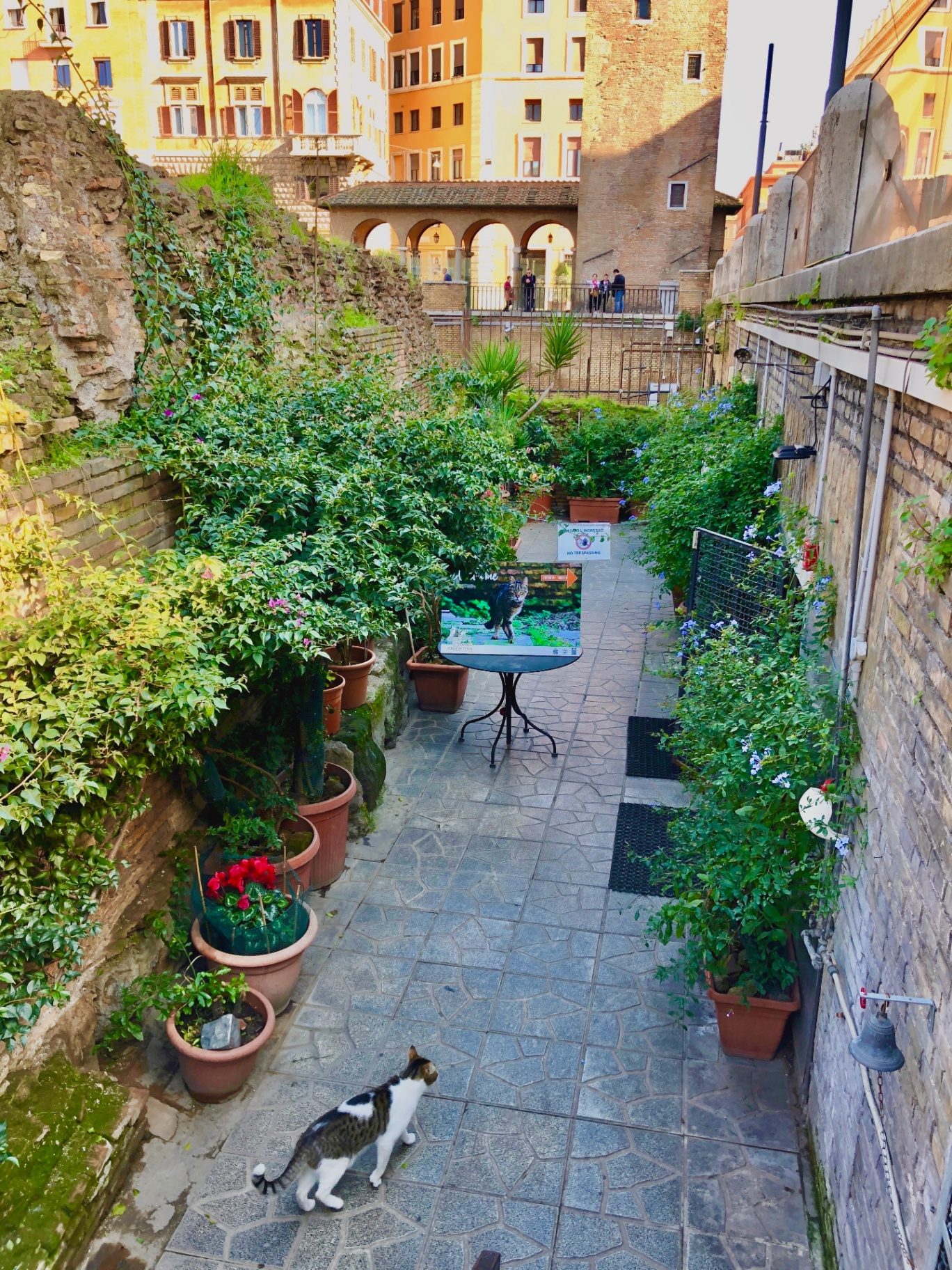
Largo di Torre Argentina
Ancient temples with 130+ rescue cats—history meets heart
ExploreQuick Planning Guide
⏱️ Time Needed
30-45 minutes
💰 Cost
Free valley; ticketed archaeological area €7 (€4 reduced)
🎫 Reservation
Not required
♿ Accessibility
Flat grassy area, fully accessible
📅 Best Time
Early morning or late afternoon
👨👩👧👦 Family Friendly
Yes, open space for kids to run
Nearby Attractions
Palatine Hilladjacent
Aventine Hill & Orange Garden10-minute walk
Colosseum10-minute walk
Mouth of Truth10-minute walk
Featured In These Itineraries
5 Day Rome ItineraryClassic Rome in 3 DaysFree Rome ItineraryEssential Tips
- ✓ Traffic arrangements on Via dei Cerchi change over time — check current city rules before your visit
- ✓ Combine with Palatine Hill above for context
- ✓ Almost no shade — bring sun protection in summer
- ✓ Best sunset shot is from the Aventine Hill side