 Ancient Monument
Arch of Constantine
Rome's largest triumphal arch — and a textbook of late-antique Roman art
15–30 minFree315 ADVia di San Gregorio, 00186 Roma RMOpen on MapPlan Your Visit
Compare tickets, tours and stays — booking ahead usually gives more choice
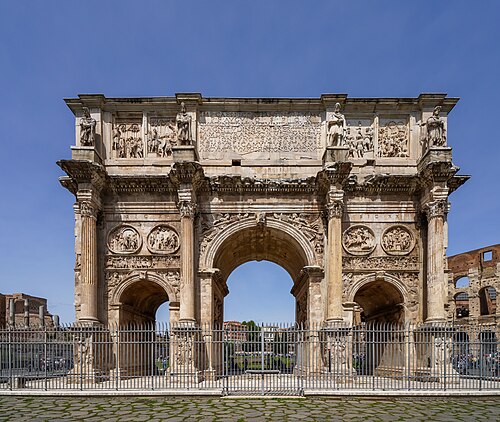
Get TicketsBook a TourHotels NearbyThe Arch of Constantine is the largest surviving Roman triumphal arch, standing 21 metres tall beside the Colosseum in Rome. It was inaugurated on 25 July 315 AD to celebrate Emperor Constantine's victory over Maxentius at the Battle of the Milvian Bridge. The arch is famous for reusing sculptural reliefs from earlier monuments of Trajan, Hadrian and Marcus Aurelius, with the original emperors' faces re-carved into Constantine's features. It is free to visit, open 24 hours a day, and floodlit at night.
Why visit the Arch of Constantine?
Most visitors photograph it from the Colosseum and walk on. They miss the point. The Arch of Constantine is not just a backdrop — it is the most important single monument of late-antique Roman art, the visual hinge between the classical world and the Middle Ages, and the only triumphal arch in Rome that still stands on its original ceremonial route.
Inaugurated in 315 AD on Constantine's tenth anniversary, three years after the battle that won him the Western Empire and two years after the Edict of Milan, which established religious toleration and restored rights and property to Christians, the arch reuses sculpture from three earlier emperors and frames it with a new continuous frieze in a frontal, hierarchical style that points directly to the art of Byzantium and medieval Europe. Spend twenty minutes here with informed eyes and you watch the ancient world end in marble.
Largest Roman arch
21 m tall, 25.9 m wide — bigger than the Arch of Titus and the Arch of Septimius Severus combined.
Three centuries on one wall
Reliefs from Trajan, Hadrian, Marcus Aurelius and Constantine, side by side — the textbook of Roman style change.
The classic Rome shot
From the south-east corner the three arches frame the Colosseum exactly — the most photographed single view in the city.
Free, 24/7, floodlit
No tickets and no queue — viewed from the surrounding public area, where barriers and circulation can change. Floodlit in the evening.
Inaugurated
25 July 315 AD
Honours
Constantine I
Height
21 m / 25.9 m wide
Entry
Free (exterior)
Visit time
15–30 min
Location
Beside the Colosseum
Table of Contents
Jump to any section of the itinerary
History & meaning
On 28 October 312 AD, two Roman armies met at the Milvian Bridge, on the northern outskirts of Rome. On one side was Maxentius, who had ruled the city since 306. On the other was Constantine, the son of the western Augustus, marching from Britain and Gaul. According to the Christian writer Lactantius, Constantine had seen a sign in the sky the night before — a Chi-Rho cross with the words 'In hoc signo vinces' ('In this sign you shall conquer'). He won. Maxentius drowned in the Tiber.
Three years later, on 25 July 315 AD — Constantine's tenth anniversary as emperor — the Senate and People of Rome inaugurated this arch to celebrate the victory. The dedication was carefully calibrated: the inscription credits the triumph to instinctu divinitatis, 'by inspiration of the divinity', a phrase deliberately vague enough to satisfy both the Senate's traditional pagans and the Christian community whose rights and property the Edict of Milan had restored two years earlier.
The arch was built fast — perhaps in only two construction seasons — which is why it relies so heavily on reused sculpture. Reliefs, columns and statues were reused from Trajanic sculpture, from a lost Hadrianic monument, and from the column-like monument of Marcus Aurelius. The original emperors' heads were chiselled off and re-cut into Constantine's features. Only a continuous frieze around the lower attic was carved fresh in 315: a frontal, hierarchical, schematic narrative of the Milvian Bridge campaign.
For art historians the contrast is the most studied stylistic break in Roman art. Above: the deep, naturalistic, classical bodies of the second century. Below: the flat, symmetrical, head-on figures that anticipate Byzantine and medieval art. The Arch of Constantine is where antiquity ends — visibly, in marble, on a single wall.
The arch survived because it was useful. Honorius marched through it after defeating the Goths in 403 AD. The Frangipane family fortified it in the 11th–12th centuries. Pope Clement VIII cleared the medieval accretions in 1597. Successive restorations from the 18th century onwards brought it to today's remarkably good condition, and a low-energy LED lighting system was inaugurated in 2020.
Arch of Constantine through the centuries
28 Oct 312 ADBattle of the Milvian Bridge
Constantine defeats his rival Maxentius at the Tiber crossing north of Rome. The night before, he reportedly sees a vision of the Chi-Rho — 'In hoc signo vinces'.
313 ADEdict of Milan
Constantine and Licinius establish religious toleration and restore rights and property to Christians; Christianity does not become the official religion.
313–315 ADArch construction
The Senate and People of Rome commission a triumphal arch to honour Constantine's tenth anniversary (decennalia) of rule. Sculptors reuse Trajanic, Hadrianic and Aurelian reliefs.
25 Jul 315 ADInauguration
The arch is dedicated on Constantine's decennalia. The bronze inscription credits victory to 'instinctu divinitatis' — divine inspiration.
4th–5th c.Final triumphs
Used as the climax of imperial adventus ceremonies into the late Empire. Honorius rides through it in 403 AD after defeating the Goths.
Middle AgesFortified into the Frangipane towers
Like the Colosseum, the arch is incorporated into the medieval fortress of the Frangipane family (11th–12th c.). The lateral arches are walled up.
1597Cleared by Pope Clement VIII
The medieval accretions are pulled down and the arch returns to view as a free-standing monument.
1733Restoration under Pope Clement XII
Several heads, the Constantinian frieze and missing column drums are restored under the direction of Pietro Bracci.
1804Napoleonic excavations
French archaeologists clear the ground around the arch and rediscover the original Roman pavement of the Triumphal Way.
1985Major modern restoration
Italy's Soprintendenza launches a multi-year cleaning and consolidation programme; modern stainless-steel pins replace rusted iron clamps.
2020New floodlighting
A low-energy LED lighting system for the arch is inaugurated, improving the night-time view alongside the Colosseum.
2026A free landmark beside the Colosseum
The arch remains freely visible from the surrounding public area, floodlit in the evening alongside the Colosseum.
The art of spolia
'Spolia' (literally 'spoils') is the technical name for reusing older sculpture in a new monument. The Arch of Constantine is the most famous example in the Roman world. Four periods are present, each identifiable by style.
Trajanic — c. 107–117 ADGreat Trajanic Frieze + Dacian prisoners
Two long battle-scene panels (now on the side bays) and the eight standing Dacian captives in purple-veined marble crowning the columns. Generally associated with Trajanic monuments, though the exact source is debated.
Hadrianic — c. 130 ADEight tondi (round medallions)
Hunting scenes (boar, bear, lion) and sacrifices to Apollo, Diana, Hercules, Silvanus. Source unknown — perhaps a hunting monument of Hadrian and his favourite Antinous.
Aurelian — c. 176 ADEight rectangular attic panels
Marcus Aurelius sacrificing, addressing the troops, receiving barbarian submissions, distributing largesse. Probably from a lost arch celebrating his German Wars.
Constantinian — 315 ADThe continuous frieze + spandrel Victories
Carved fresh in 315 below the tondi: siege of Verona, Battle of Milvian Bridge, adventus, oratio in the Forum, liberalitas. Frontal, hierarchical, schematic — the future style of late antiquity.
Three reliefs in depth
1. The Battle of the Milvian Bridge (Constantinian frieze, 315 AD)
On the south side of the arch, just below the western pair of Hadrianic tondi, runs the most historically charged Roman relief that survives from late antiquity. Constantine's cavalry charges from the left; Maxentius's army falls from a collapsing pontoon bridge on the right; bodies tumble into the Tiber, schematic and stacked one above the other in defiance of all classical perspective.
The figures are short, heavy, frontal and almost identical. Compare the deep undercutting and naturalistic anatomy of the Trajanic Great Frieze on the side bay 50 cm away. In a single carving campaign, late-antique style is born.
2. Hadrian's lion hunt (Hadrianic tondo, c. 130 AD)
On the north façade, leftmost tondo of the western pair: Hadrian on horseback drives a spear into a lion. The composition is fluid, the horse rears in a perfect contrapposto, the lion twists in agony. It is high-classical Roman art at the moment of its absolute confidence.
Look at the rider's head. It is too small for the body, slightly tilted, the carving cruder than the surrounding drapery. That is because it was re-cut in 315 from Hadrian's portrait into Constantine's. Once you see one re-carved head you see them all — every Hadrianic and Aurelian relief on the arch has been Constantine-ised.
3. Marcus Aurelius distributes largesse (Aurelian attic panel, c. 176 AD)
Third panel from the left on the north attic: the emperor stands on a tribunal, hand outstretched, distributing coin to the people of Rome. Below him plebeians stretch up, individualised, deeply carved, each face a separate Roman portrait. It is a snapshot of the Antonine Empire at peace.
The relief originally belonged to a lost monument of Marcus Aurelius — possibly an arch on the Capitol — that Constantine's builders dismantled in 315. Eight of its panels survive on this arch; three more are in the Capitoline Museums (sala degli Orazi e Curiazi). Together they form the largest body of state-relief sculpture from the reign of the philosopher-emperor.
What to see, façade by façade
The two long sides (south, facing the Colosseum, and north, facing the Palatine) are mirror compositions but with different keystones and different reliefs. Walk around all four.
Attic storey — the Dacian prisoners and the great inscription
- Eight standing Dacian captives in purple-veined pavonazzetto marble, taken from a lost Trajanic monument (c. 107 AD); they crown the columns on both façades.
- The central dedicatory inscription in bronze letters (now empty sockets): 'IMP·CAES·FL·CONSTANTINO MAXIMO… INSTINCTU DIVINITATIS… DE TYRANNO' — 'by inspiration of the divinity… he avenged the state on the tyrant', a deliberately ambiguous theological phrase.
- Eight rectangular relief panels reused from a lost monument of Marcus Aurelius (c. 176 AD) showing the emperor sacrificing, addressing the troops and receiving barbarian submissions.
- Look for the re-cut faces: in every Hadrianic and Aurelian relief the original emperor's head has been re-carved into Constantine's features — the most famous example of Roman 'damnatio' and re-appropriation.
Main façade reliefs — three centuries of Roman art on one wall
- Eight tondi (round medallions) of the Hadrianic period (c. 130 AD) showing hunts (boar, bear, lion) and sacrifices to Apollo, Diana, Hercules and Silvanus — early-2nd-century classicism at its peak.
- The Constantinian frieze (c. 312–315 AD) running just below the tondi: a continuous narrative of Constantine's campaign — the siege of Verona, the Battle of the Milvian Bridge, the entry into Rome (adventus), the address to the people (oratio) in the Forum, and the distribution of largesse (liberalitas).
- The contrast between the Hadrianic tondi and the Constantinian frieze on the same wall is the textbook image of the transition from classical to late-antique style: naturalism gives way to frontal, hierarchical, schematic figures.
- On the side bays: two Trajanic Great Frieze panels (c. 115 AD) of the emperor charging Dacian warriors — among the finest surviving Trajanic battle scenes.
Architectural details easily missed
- Four free-standing Corinthian columns of yellow Numidian marble (giallo antico) with white marble capitals and bases — also reused, probably from a 2nd-century building.
- Victories with trophies in the spandrels of the central arch, river-gods in the spandrels of the lateral arches — original Constantinian work.
- The keystone of the central arch on the south side (Colosseum-facing): a personification of Roma seated. North side: Mars in armour.
- Surviving traces of polychromy: under raking morning light you can still see faint pigment in the carved drapery folds of the Aurelian panels.
Best photo angles
- South-east corner (between arch and Meta Sudans foundations): frames all three arches with the Colosseum directly behind — the classic postcard shot.
- From Via di San Gregorio, looking north: the arch dominates the foreground with the Palatine slope rising behind.
- Arch of Titus axis (300 m up the Sacra Via): a long-lens shot compresses the Forum, the Arch of Titus and the Arch of Constantine into a single frame.
- After dark from Largo Gaetana Agnesi (above the Colosseum metro): the arch is floodlit alongside the Colosseum in the evening; lighting times can vary by season.
Visiting & cost in 2026
Cost
- • Free to view from the surrounding pedestrian zone
- • Open 24 hours a day, every day
- • No tickets, no booking, no queue
- • Floodlit in the evening (seasonal times)
Practical notes
- • You cannot walk through the archways (fenced)
- • Closest viewpoint: ≈ 3 m on south, west, east sides
- • Public toilets at the Colosseo metro station
- • Pickpocket alert — busy tourist zone
Rome's three surviving triumphal arches compared
| Arch | Date | Bays | Honours | Why visit |
|---|---|---|---|---|
| Arch of Titus | 81 AD | Single | Sack of Jerusalem | Best classical reliefs (Menorah) |
| Arch of Septimius Severus | 203 AD | Triple | Parthian Wars | Best Forum location, fine reliefs |
| Arch of Constantine | 315 AD | Triple | Battle of Milvian Bridge | Largest, best-preserved, three centuries of sculpture |
All three are free. They sit within 500 m of each other along the original Triumphal Way — visit in chronological order (Titus → Severus → Constantine) to follow the evolution of Roman triumphal architecture.
Best time to visit & photograph
Sunrise
06:30–08:00 in summer, 07:30–09:00 in winter. Warm side-light on the south façade, almost no people, the Colosseum behind in soft pink — the best light of the day.
Blue hour
15–25 minutes after sunset. Floodlights are on, sky is still deep blue, reliefs are crisply lit from below. The single best photograph of the year.
When to skip
11:00–15:00 in summer: harsh overhead light flattens the reliefs and the area is mobbed. Also avoid 1 January and Italian public holidays — Colosseum-area crowds peak.
Getting there
Metro
Line B, Colosseo station. The arch is 200 m / 3 min walk south of the exit, immediately visible. Step-free access via the lift on the Forum side.
Bus & tram
Buses 75, 81, 85, 87, 117, 118 stop at Piazza del Colosseo. Tram 3 stops 250 m east at Parco Celio. Hop-on hop-off open-top buses all stop here.
On foot
From Piazza Venezia 10 min along Via dei Fori Imperiali; from Trevi Fountain 20 min; from Termini station 20 min via the Esquiline; from Trastevere 25 min via Circus Maximus.
From the Colosseum
After exiting the Colosseum follow the perimeter clockwise; the arch appears in 50 m. Many guided Colosseum tours include the arch as their final outdoor stop.
Common mistakes first-timers make
1. Photographing only the south façade
The Colosseum-facing side is the famous one but the north side has different keystones (Mars instead of Roma) and a different selection of Aurelian panels. Walk all four sides — it takes three minutes.
2. Missing the re-carved heads
Every Hadrianic and Aurelian relief has had its emperor's head re-cut into Constantine's features. Once you see one you see them all — and the arch becomes a different monument.
3. Believing the arch is purely Constantinian
Less than 20% of the sculpture is from 315 AD. The reused Trajanic, Hadrianic and Aurelian elements account for most of the visible art. The arch is, deliberately, a museum of two centuries of Roman empire.
4. Skipping it after the Colosseum
After two hours inside the Colosseum visitors stream straight to the metro. Spend ten more minutes on the arch — it is twenty paces away and the closing image of the Roman triumphal tradition.
5. Coming at noon in July
Overhead light flattens the reliefs and the pavement reaches 50 °C. Visit at sunrise or after dark.
Insider tips
- The best free view of the arch from above is from the second-tier walkway of the Colosseum — book the upper-tier Colosseum ticket.
- For a long-lens compression shot, walk to the Arch of Titus 300 m up the Sacra Via and look back through the Forum.
- Bring binoculars — the attic reliefs are 15 m up and impossible to read with the naked eye.
- The Meta Sudans — a fountain that once stood between the arch and the Colosseum — is marked by a circular outline of brick on the pavement. Look down.
- For the best sunset combo, walk up the Palatine via Via di San Bonaventura: the Stadium of Domitian terrace looks straight down on the arch and the Colosseum.
- Watch out for centurions in costume offering paid photos — politely refuse, they often demand €10–€20 after the shot.
Combine with the Colosseum
The arch is free, but the best visit pairs it with the Colosseum and Roman Forum. A combined Colosseum ticket lets you see the arch from above (second-tier walkway) and from below (Forum side) in a single afternoon.
Colosseum Priority Entrance
Best for: First-time visitors
~2 hoursSkip-the-line access to the Colosseum with entry to Roman Forum and Palatine Hill included. Perfect for first-time visitors.
- Skip-the-line entry
- Colosseum access
- Roman Forum included
- Palatine Hill included
🎟️ Compare Prices:
TiqetsKlookTrip.comColosseum Guided Tour
Best for: History enthusiasts
~3 hoursExpert-led tour with professional guide sharing gladiator history, architecture secrets, and ancient Roman stories.
- Professional English-speaking guide
- Skip-the-line entry
- In-depth historical commentary
- Small group experience
🎟️ Compare Prices:
TiqetsKlookTrip.comColosseum Arena & Underground
Best for: Unique experience seekers
~3.5 hoursWalk where gladiators fought on the arena floor and explore the underground chambers where they awaited their fate.
- Arena Floor access
- Underground chambers access
- Roman Forum & Palatine Hill
- Expert guided tour included
🎟️ Compare Prices:
TiqetsKlookTrip.comWhere to Stay Near Arch of Constantine
Looking for convenient accommodation near Arch of Constantine? Stay within walking distance to make the most of your visit.
Hotels Near This AttractionTop Rated HotelsBudget-Friendly OptionsLuxury HotelsCentral locations with easy access to Arch of Constantine and other attractionsFrequently Asked Questions
What is the Arch of Constantine and why was it built?
The Arch of Constantine is a Roman triumphal arch inaugurated on 25 July 315 AD by the Senate and People of Rome. It celebrates Emperor Constantine's victory over Maxentius at the Battle of the Milvian Bridge (28 October 312 AD), the battle that decided who would rule the Western Empire and that Constantine attributed to a Christian vision. It also marked the tenth anniversary (decennalia) of Constantine's accession.
Is the Arch of Constantine free to visit in 2026?
Yes. The arch stands in a public open-air zone next to the Colosseum and is free to view, walk around and photograph 24 hours a day. There is no entrance, no ticket, no queue. The arch is floodlit in the evening, though lighting hours can change seasonally, and barriers or circulation controls around the area can vary.
Can you walk through the arch?
No. The three archways are fenced off to protect the ancient pavement and the lower reliefs. You can walk around all four sides at very close range — within about three metres on the south, west and east, and within about 10 metres on the Colosseum side.
How big is the Arch of Constantine?
It measures 21 m high, 25.9 m wide and 7.4 m deep. The central arch is 11.5 m high and 6.5 m wide; the two lateral arches are 7.4 m high and 3.4 m wide. It is the largest of Rome's three surviving triumphal arches (the others are the Arch of Titus and the Arch of Septimius Severus).
What is 'spolia' and why is the arch famous for it?
Spolia are sculptural elements taken from older monuments and reused in a new one. The Arch of Constantine reuses reliefs and statues from monuments of Trajan (c. 107–117 AD), Hadrian (c. 130 AD) and Marcus Aurelius (c. 176 AD), with the original emperors' faces re-carved into Constantine's features. It is the most famous, and most studied, example of spolia in the Roman world — debated for over a century as either a stylistic decline or a deliberate ideological statement.
How long should I spend at the arch?
15–30 minutes is enough to walk around all four sides, identify the main reliefs and take photographs. Combined with the adjacent Colosseum and Palatine Hill the area absorbs a half-day.
How do I get to the Arch of Constantine?
Metro line B to Colosseo. The arch is 200 m / 3 minutes' walk south of the station — visible the moment you exit. Buses 75, 81, 85, 87, 117, 118 and tram 3 also stop within 200 m. From Piazza Venezia it is a 10-minute walk along Via dei Fori Imperiali.
Why is the arch right next to the Colosseum?
It stands at the eastern end of the Triumphal Way (Via Triumphalis), the route that victorious generals followed from the Campus Martius up the Sacra Via to the Capitol. The arch was placed here so that triumphal processions would pass under it, framed by the Colosseum behind. It is the only surviving arch on the original Triumphal route.
What does the inscription on the arch say?
The bronze letters of the central inscription (now lost, but the sockets survive) read: 'IMP·CAES·FL·CONSTANTINO MAXIMO P·F· AVGUSTO S·P·Q·R QVOD INSTINCTV DIVINITATIS MENTIS MAGNITUDINE CVM EXERCITV SVO TAM DE TYRANNO QVAM DE OMNI EIVS FACTIONE VNO TEMPORE IVSTIS REM PVBLICAM VLTVS EST ARMIS ARCVM TRIVMPHIS INSIGNEM DICAVIT' — 'To Imperator Caesar Flavius Constantinus, the greatest, pious and blessed Augustus: because, by inspiration of the divinity and his own great mind, with his army he avenged the state both from the tyrant and all his faction at one stroke with just arms, the Senate and People of Rome dedicated this arch, distinguished by triumphs.'
Is the arch a Christian monument?
No, not directly. The phrase 'instinctu divinitatis' ('by inspiration of the divinity') is famously ambiguous — it could refer to the Christian God, to the Sun-god Sol Invictus whom Constantine still publicly venerated in 315, or to the traditional pantheon. There is no cross, no Chi-Rho, no Christian symbol on the arch. The Edict of Milan (313 AD) established religious toleration and restored rights and property to Christians; it did not make Christianity the empire's official religion, and Rome's public cult was still pagan in 315.
Can I photograph the arch from inside the Colosseum?
Yes — the second-tier Colosseum walkway offers an outstanding view of the arch from above, framed by the Roman Forum behind. This is one of the strongest reasons to upgrade to the second-tier or arena-floor Colosseum ticket.
When is the best time to photograph the arch?
Sunrise (06:30–08:00 in summer, 07:30–09:00 in winter) for warm side-lighting on the south façade and almost no people. Just after sunset for the floodlights with deep blue sky. Avoid 11:00–15:00 when the south façade is in flat overhead light.
Is the arch wheelchair accessible?
Yes. The pedestrian area around the arch is paved and level. There is one shallow step on the Via Triumphalis side, easily bypassed. The Colosseo metro station has a lift on the Forum side.
Why are some of the heads on the reliefs different sizes?
Because they have been re-carved. The Hadrianic and Aurelian reliefs originally showed Hadrian and Marcus Aurelius, but in 315 AD their heads were chiselled off and re-cut into Constantine's likeness — sometimes a little too small for the body. Look closely at the Aurelian sacrifice panels: the heads are visibly mis-proportioned.
Was the arch ever damaged?
Surprisingly little. It was incorporated into the medieval Frangipane fortress (11th–12th c.) but never demolished. It survived earthquakes that brought down half the Colosseum, the 1527 Sack of Rome, and centuries of neglect. The lower marble crust has suffered from biological growth and traffic pollution, and the monument has been cleaned and consolidated in successive conservation campaigns.
Can I see it at night?
Yes — and it is one of Rome's great free night-time spectacles. The arch is floodlit in the evening alongside the Colosseum, with times varying seasonally. The pedestrian zone is safe, well-lit and patrolled.
Related Attractions
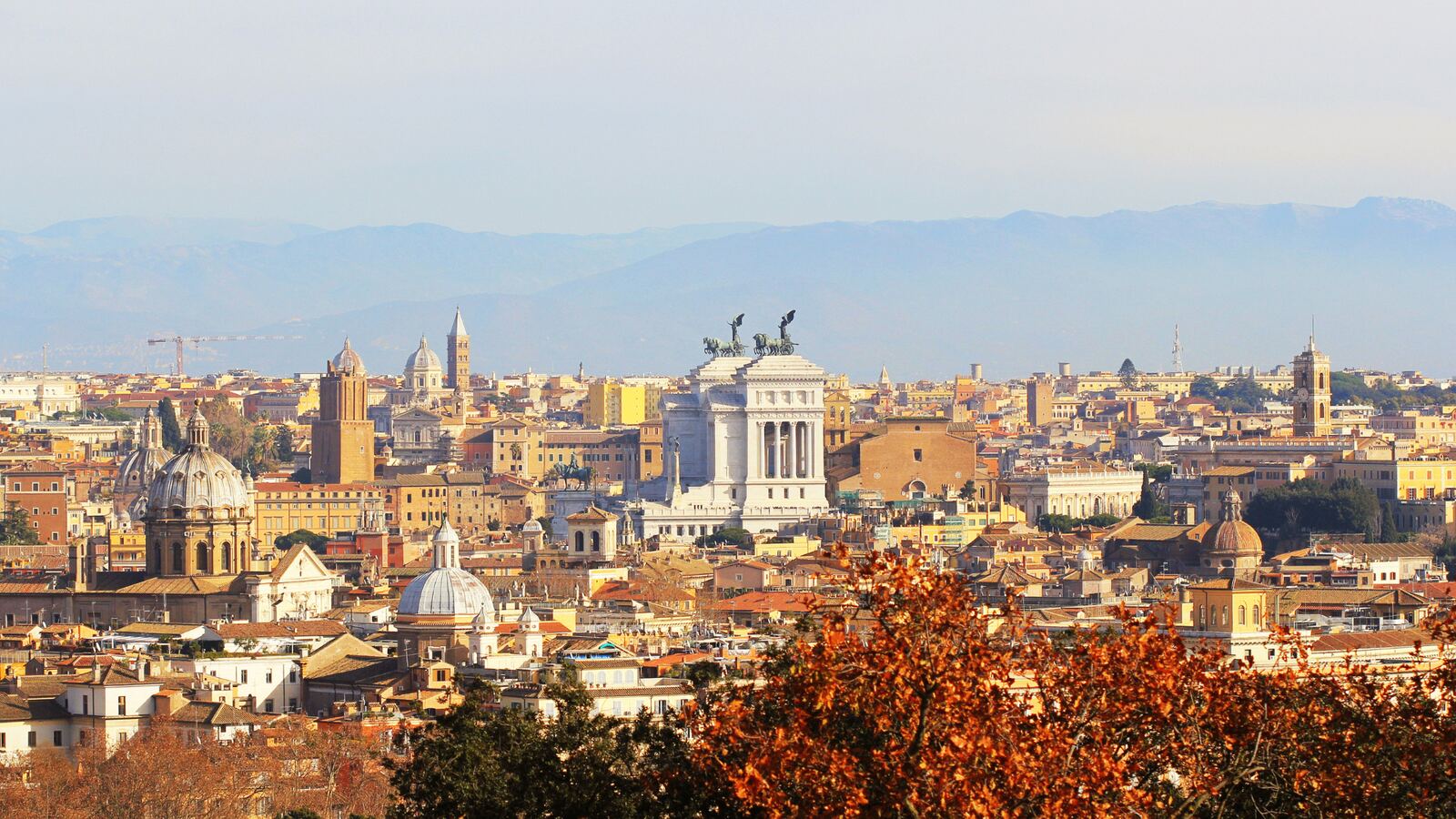
Janiculum Hill
Rome's best panoramic views with noon cannon
Explore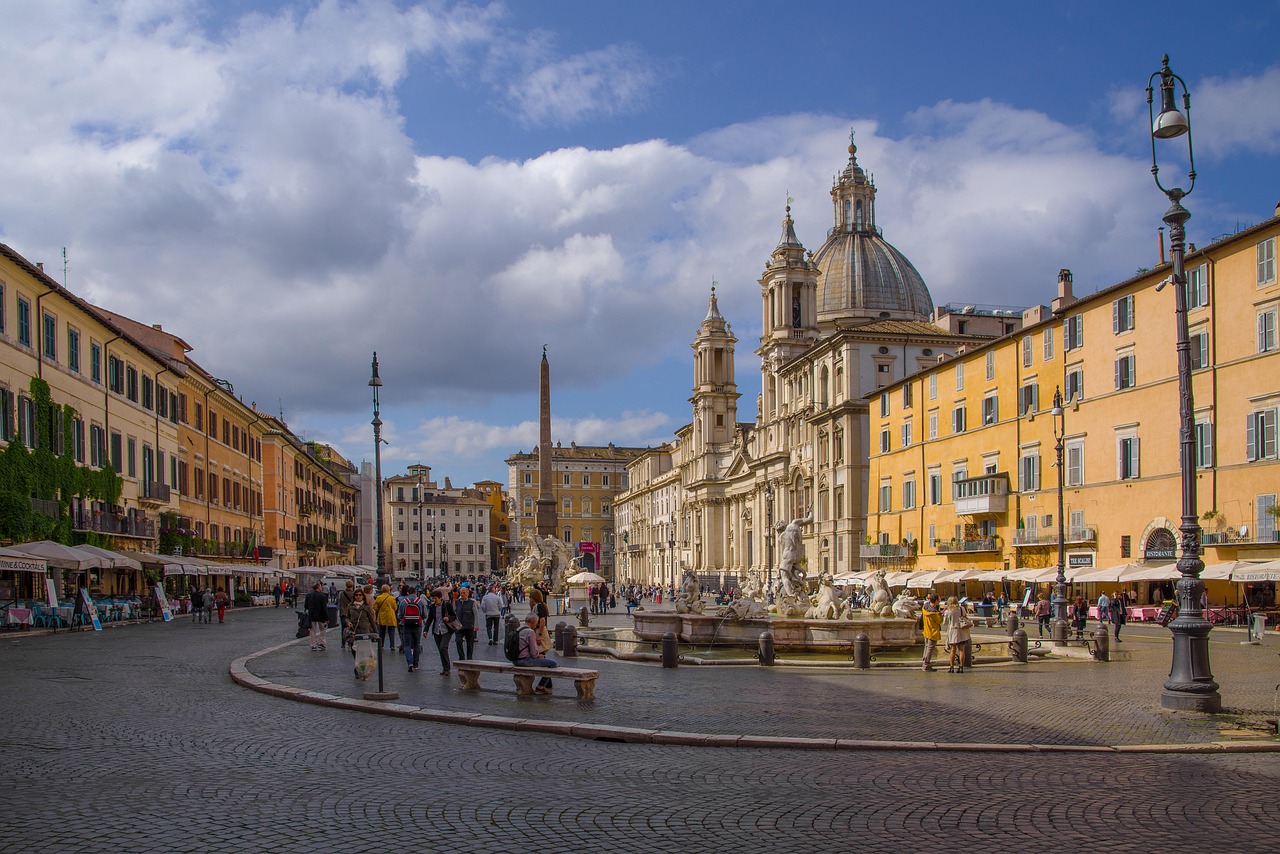
Piazza Navona
Rome's most beautiful baroque square with Bernini fountains
Explore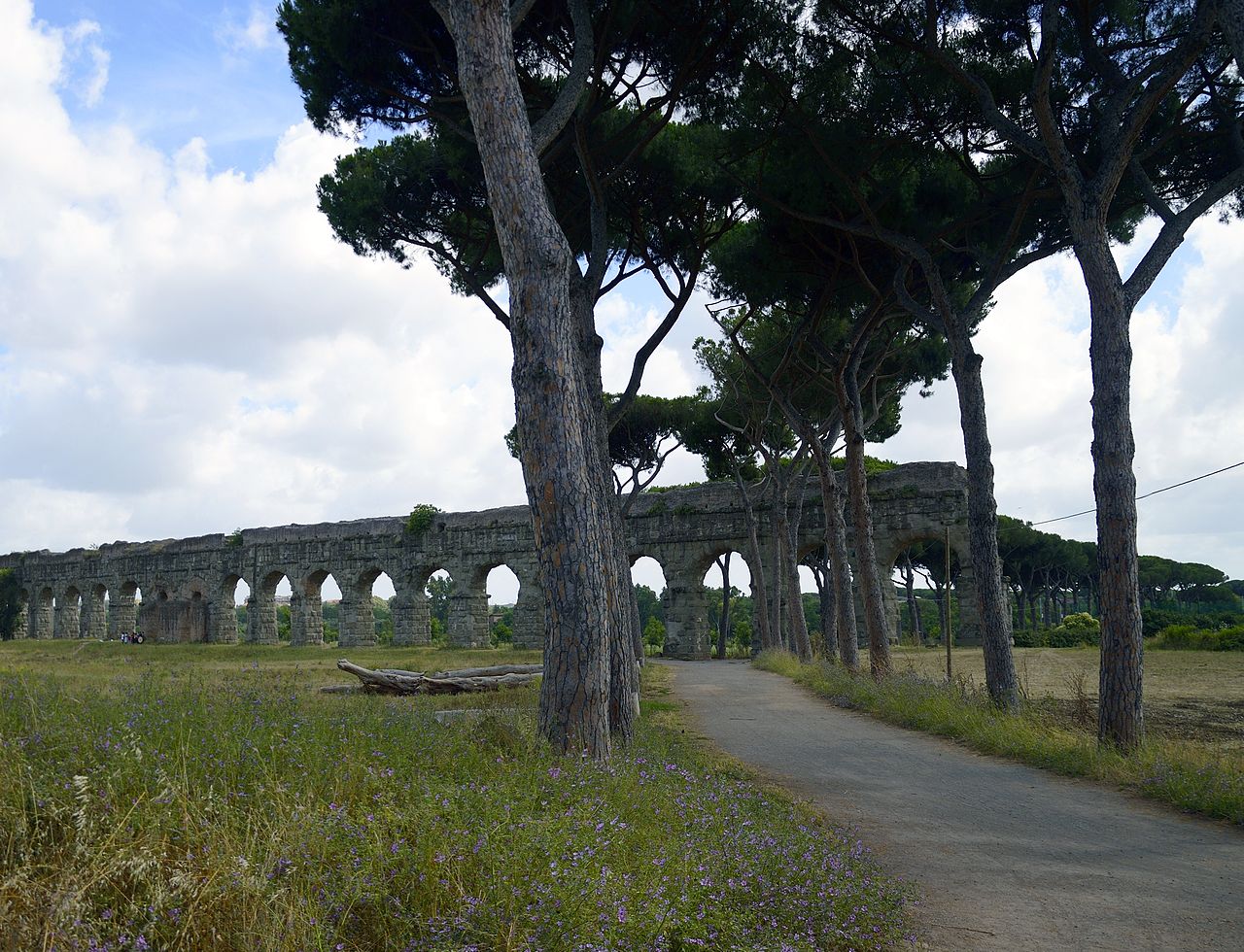
Park of the Aqueducts
Dramatic ancient aqueducts crossing open parkland
Explore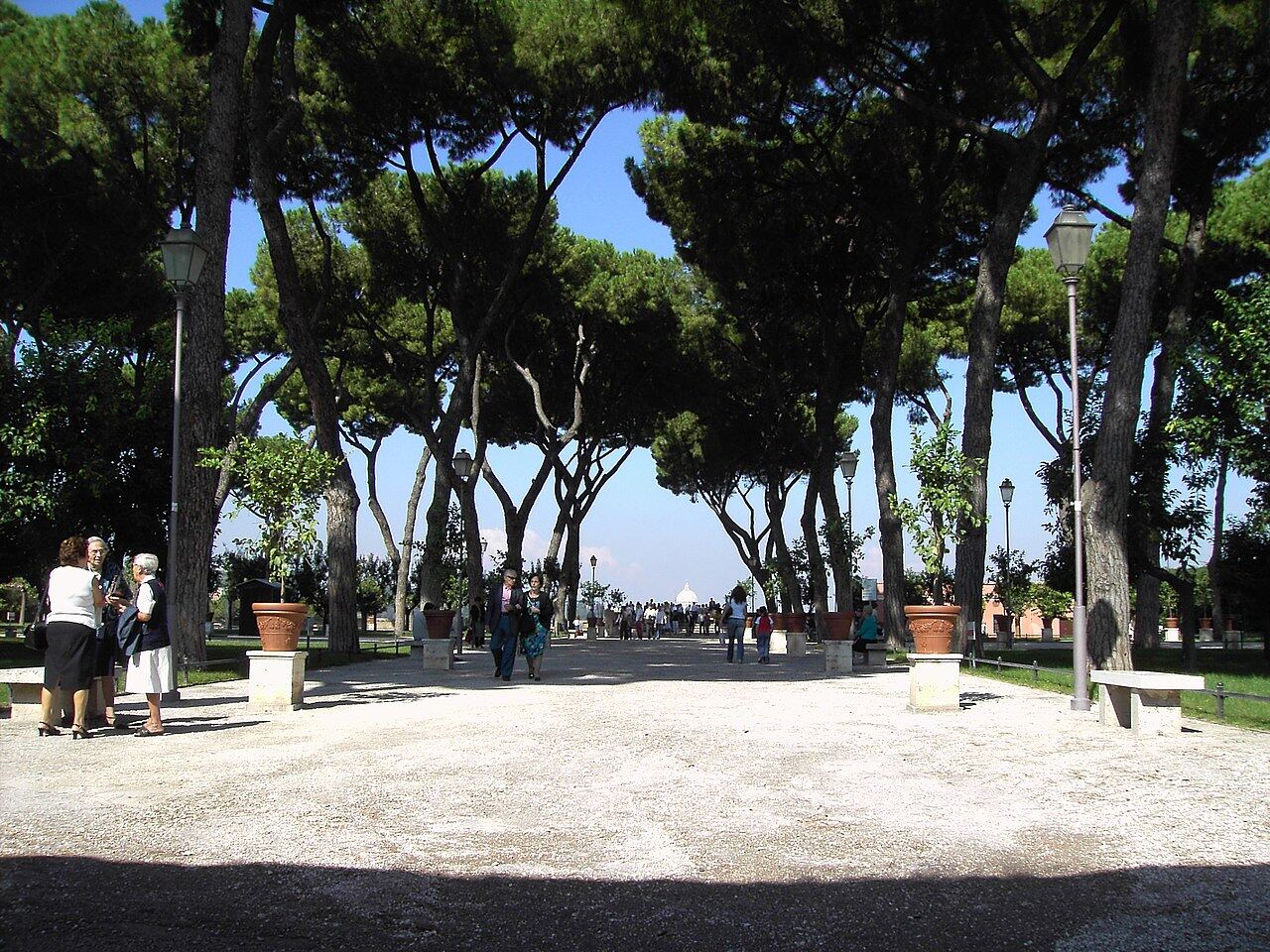
Aventine Keyhole
Rome's most famous secret view—see St. Peter's perfectly framed through the keyhole
Explore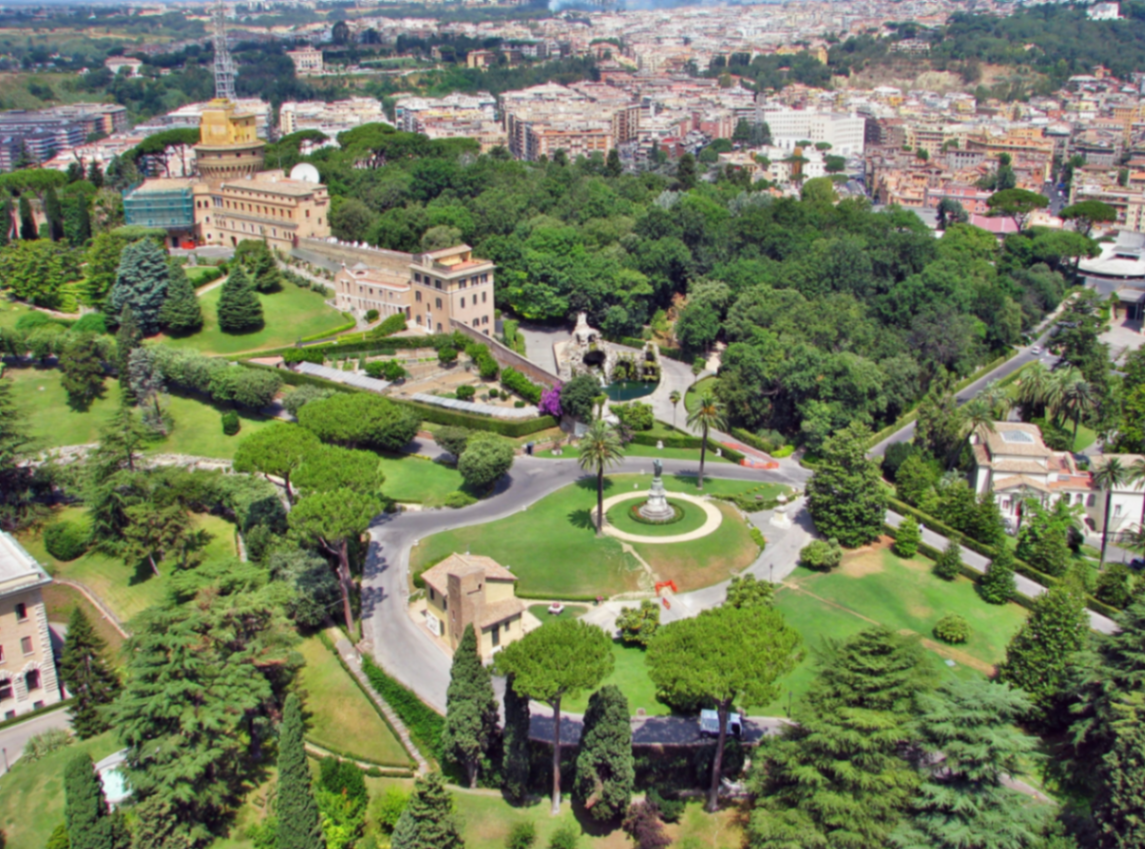
Vatican Gardens
Pope's private paradise—57 acres of Renaissance gardens
Explore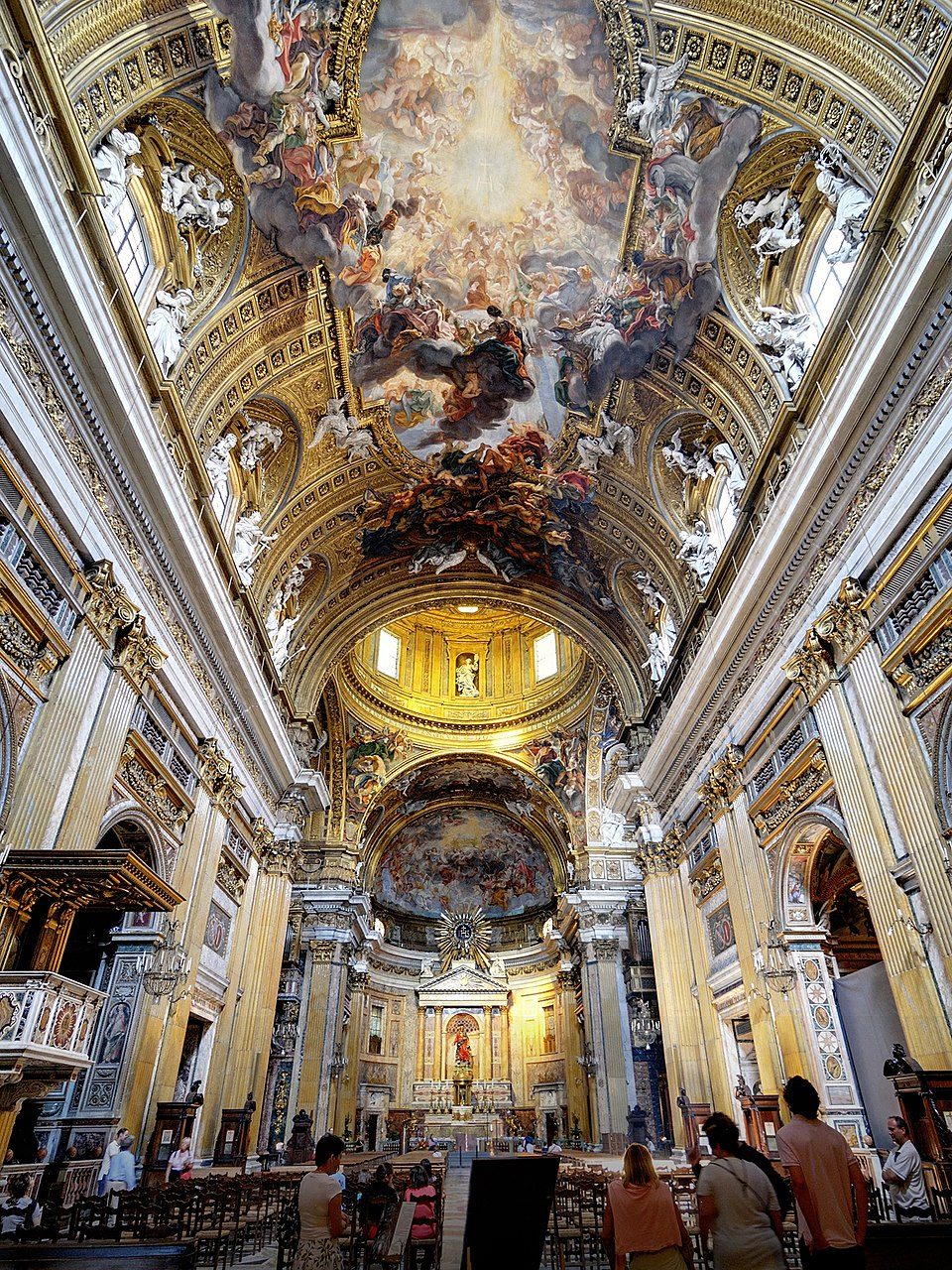
Chiesa del Gesù
Mother church of the Jesuits with stunning ceiling fresco
ExploreQuick Planning Guide
⏱️ Time Needed
15–30 minutes
💰 Cost
Free (exterior)
🎫 Reservation
Not required
♿ Accessibility
Fully accessible (paved, level)
📅 Best Time
Sunrise or after sunset
👨👩👧👦 Family Friendly
Yes — open-air monument
Nearby Attractions
Colosseum50 m
Meta Sudans foundations10 m
Roman Forum entrance5-min walk
Palatine Hill5-min walk
Arch of Titus5-min walk
Domus Aurea10-min walk
Featured In These Itineraries
Classic Rome 3 Days5 Day Rome ItineraryOne Day in RomeEssential Tips
- ✓ Free, open 24/7 — no booking needed
- ✓ Best photographed at sunrise or after dark
- ✓ Walk around all four sides — they're not identical
- ✓ Combine with Colosseum upper-tier ticket for the view from above