 UNESCO World Heritage Site
Colosseum Rome: Visitor Guide, History, What to See & Nearby
Everything you need to plan a visit — what the Colosseum is, why it matters, what to see inside, how to get there, accessibility and the best nearby attractions. For ticket prices and booking strategy, see our dedicated ticket guide.
Ancient Amphitheatre2–3 hours to visitMetro B: ColosseoPiazza del Colosseo, 00184 Roma RMOpen on MapHotels NearbyAllTrips Editors··10 min readDuration
2-3 hours
Cost
€18 standard / €24 Full Experience
Built
70-80 AD
Capacity
50,000 spectators
Live info from Google
P.za del Colosseo, 1, 00184 Roma RM, Italy
4.8based on 507,536 reviewsClosedToday: 8:30 AM – 4:30 PMMonumental 3-tiered Roman amphitheater once used for gladiatorial games, with guided tour option.
Amenities
Wheelchair entrance Accessible restroom Paid parking lot Paid street parking RestroomRecent reviews
Steve Sewell · 2 months agoIt’s one of the top three most impressive things I’ve seen in my lifetime. I just stood up to and was in awe of the colosseum. You can’t even imagine all of the history that’s happened inside. The outside is super impressive, as well. To walk around on the outside there is no cost. However, to inside, there is a fee. Having a tour guide does provide a wealth of additional information and insight. The length of the visit depends on whether you are just walking around the outside (30 minutes) or taking a tour from within (a couple of hours). The colosseum is crowded and when it is hot out, it becomes even hotter with all the bodies. Highly encourage doing a tour of the Colosseum early in the morning to avoid the heat. Observing the Colosseum at night also provides quite the site. This is an exceptional opportunity for anyone visiting Rome for the first time, for people who enjoy architecture and people who enjoy history. A definite must see!!
javier gonzalez-solis pampliega · 2 months agoUnforgettable views of the Colosseum An absolutely wonderful experience. The views of the Colosseum are simply breathtaking and make a stay in Rome even more special. Being able to admire one of the world’s most iconic monuments from such a privileged location, especially at sunset and in the evening, is truly unforgettable. The atmosphere, the location and the magic of having the Colosseum right in front of us exceeded our expectations. One of those experiences that turns a trip to Rome into a memory you will treasure forever. Highly recommended!
Ekram H-F · 2 months agoVisiting the Colosseum in Rome in 2026 was truly a once-in-a-lifetime experience. The impressive architecture, massive scale, and stunning views made it one of the highlights of my trip. Walking through the monument and exploring its different levels gave me a unique perspective of this iconic landmark. The site is exceptionally well maintained, with informative displays and breathtaking panoramic views of the surrounding area. Every corner offered memorable photo opportunities and a chance to appreciate the beauty of this world-famous attraction. Overall, the Colosseum exceeded my expectations and was an unforgettable experience. I highly recommend visiting it to anyone traveling to Rome.
View on Google Maps +39 06 2111 5843Live data from Google · refreshed weekly
Plan Your Visit
Compare tickets, tours and stays — booking ahead usually gives more choice
Get TicketsBook a TourHotels NearbyTop-Rated Hotels Near the Colosseum
Live data from Google · top reviewedHand-picked from Google's highest-rated stays within walking distance.
Hotel Colosseum
4.4(965)Functional rooms in a relaxed lodging offering a hip rooftop lounge, plus free breakfast & Wi-Fi.
Via Sforza, 10, 00184 Roma RM, ItalyCheck PricesView on Google MapsPalazzo Manfredi
4.4(711)Sophisticated hotel offering a restaurant, a rooftop terrace & a bar, plus Colosseum views.
Via Labicana, 125, 00184 Roma RM, ItalyCheck PricesView on Google MapsHilton Garden Inn Rome Colosseum
4.3(2,207)Straightforward rooms & suites in a casual hotel with a restaurant & a gym, plus a bar & lounge.
Via Emanuele Filiberto, 173, 00185 Roma RM, ItalyCheck PricesView on Google MapsRatings refreshed weekly from Google. Booking links may earn us a commission at no cost to you.
Why Visit the Colosseum in Rome?
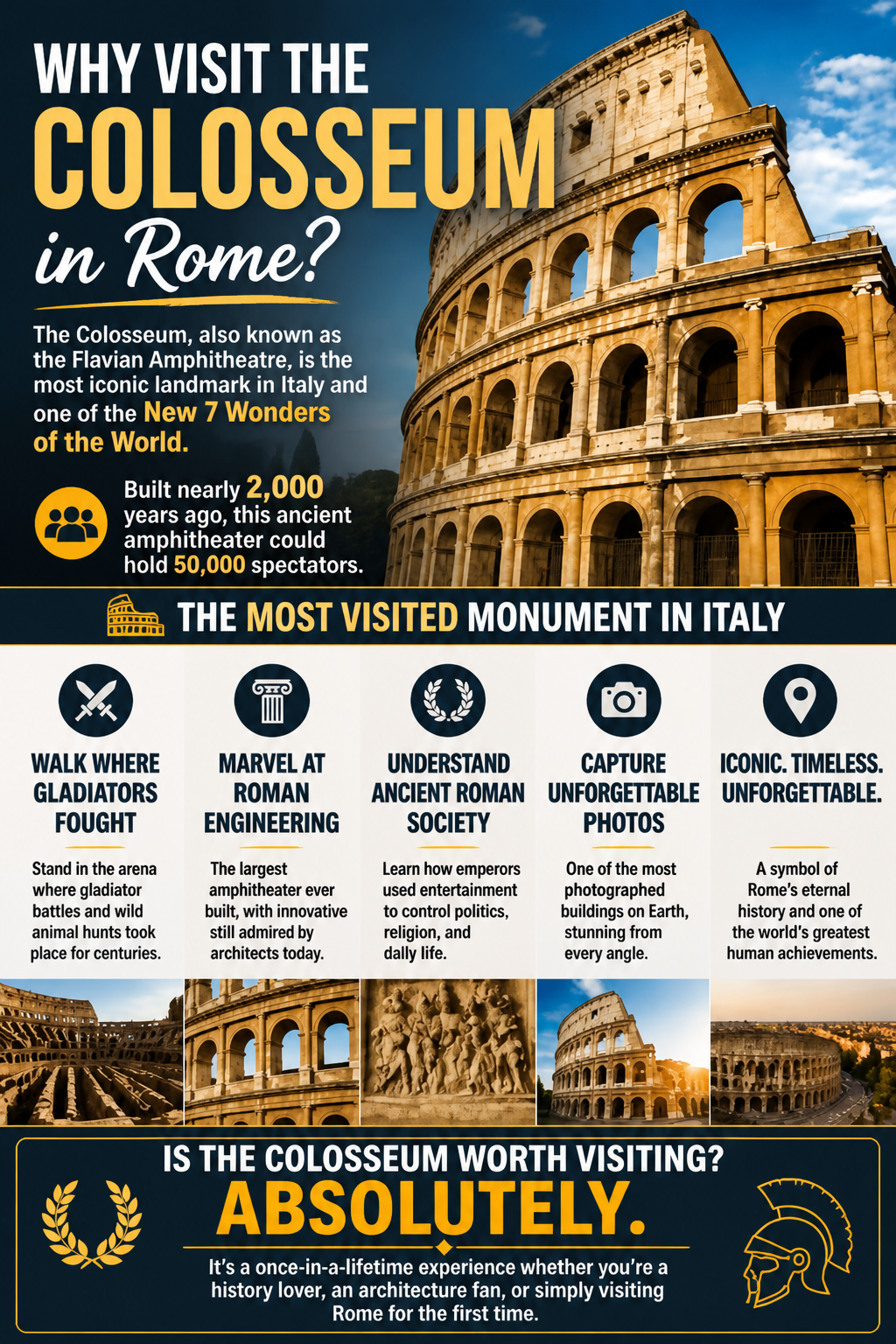
The Colosseum in Rome, also known as the Flavian Amphitheatre, is the most iconic landmark in Italy and one of the New 7 Wonders of the World. Built nearly 2,000 years ago, this ancient amphitheater could hold 50,000 spectators who came to watch gladiator battles, wild animal hunts, and public spectacles. Today, over 7 million people visit the Colosseum every year — making it the most visited monument in Italy.
Walk where gladiators fought
Stand in the arena where gladiator battles and wild animal hunts took place for centuries
Marvel at Roman engineering
The largest amphitheater ever built, with innovations still studied by architects today
Understand ancient Roman society
Learn how emperors used entertainment to control politics, religion, and daily life
Capture unforgettable photos
One of the most photographed buildings on Earth, stunning from every angle
Is the Colosseum worth visiting? Absolutely — it's a once-in-a-lifetime experience whether you're a history lover, an architecture fan, or simply visiting Rome for the first time.
History of the Colosseum
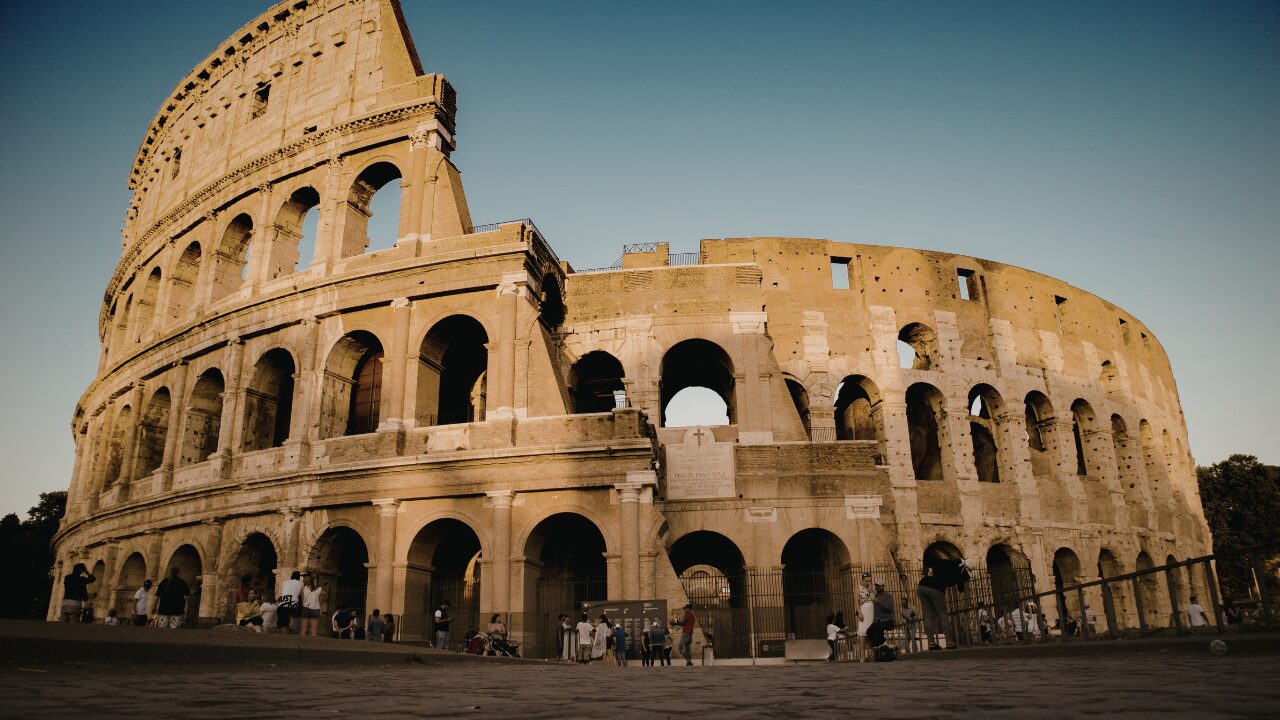
The Colosseum was built between 70 and 80 AD under the emperors Vespasian and Titus of the Flavian dynasty, giving it its original name: Amphitheatrum Flavium.
Capacity
50,000–80,000 spectators
Built
70-80 AD
Used for
Gladiator battles, animal hunts, executions
Material
Travertine limestone, tuff, concrete
The Colosseum symbolized the power of the Roman Empire and was a gift to the people—offering free events to maintain control and win public favor.
Timeline of the Colosseum
From imperial grandeur to medieval fortress, the Colosseum's history spans nearly 2,000 years.
72 ADConstruction Begins
Emperor Vespasian orders construction of the amphitheater on the site of Nero's artificial lake. Funded by spoils from the siege of Jerusalem.
80 ADGrand Opening
Emperor Titus inaugurates the Colosseum with 100 days of games, featuring gladiator battles, animal hunts, and even naval reenactments.
217 ADFire Damage
A major fire, likely caused by lightning, damages the upper wooden levels. Repairs continue for decades under subsequent emperors.
404 ADLast Gladiator Fight
Emperor Honorius bans gladiatorial combat after a monk named Telemachus is martyred trying to stop a fight.
Medieval EraTransformation
The Colosseum is converted to housing, workshops, a fortress, and later a Christian shrine. Earthquakes cause partial collapse.
1749Papal Protection
Pope Benedict XIV consecrates the arena to the Passion of Christ, halting quarrying of stone and beginning preservation efforts.
Location & Getting There
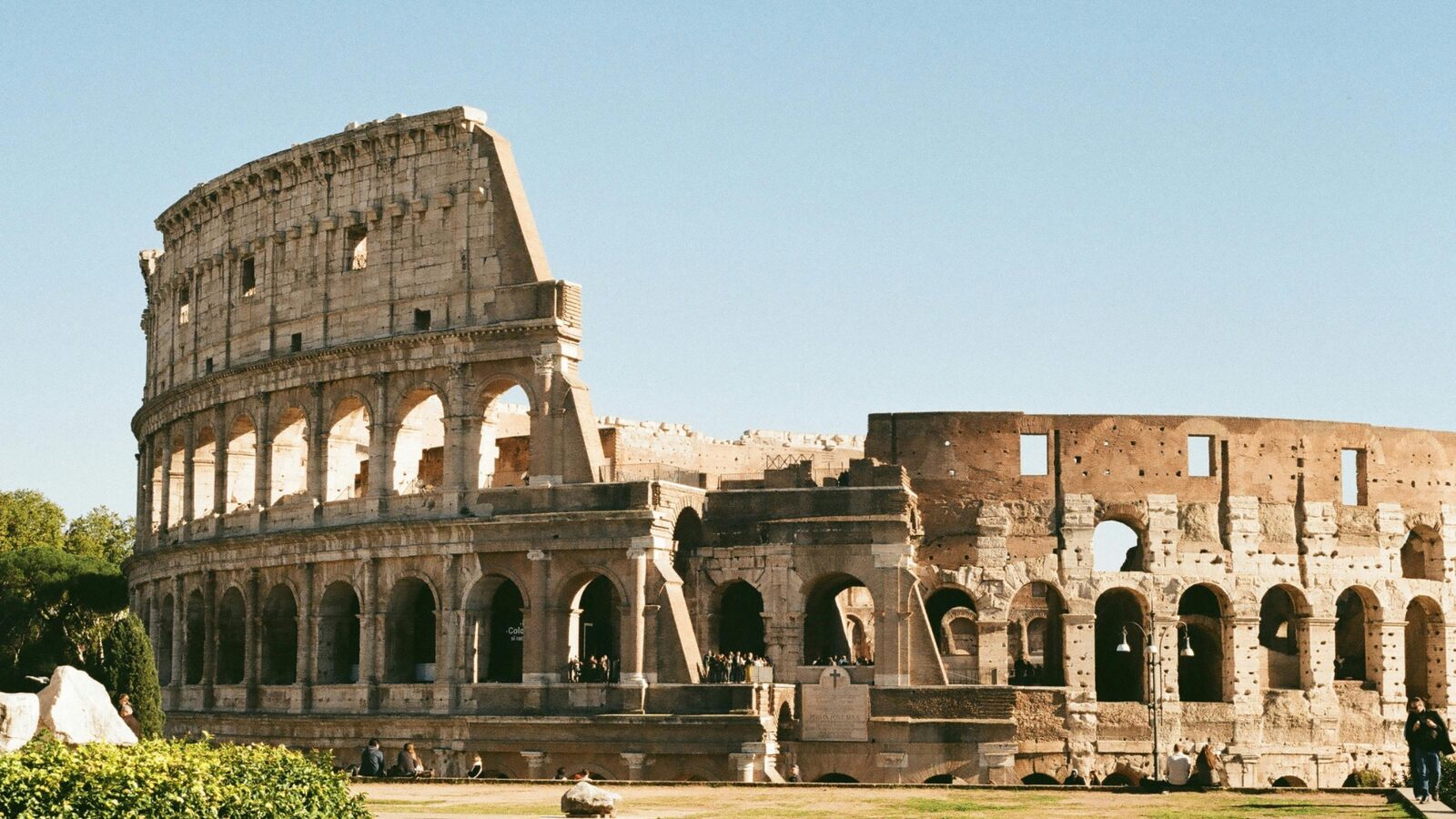
The Colosseum sits at the eastern end of the Roman Forum valley, at Piazza del Colosseo, 00184 Rome. It is one of the easiest major sights to reach in the city.
- Metro: Line B — Colosseo station exits directly opposite the monument.
- Tram: Line 3 stops at Parco Celio, a 3-minute walk south of the entrance.
- Bus: Lines 51, 75, 85, 87 and 118 all serve Via dei Fori Imperiali or Piazza del Colosseo.
- On foot: ~15 min from Piazza Venezia, ~25 min from the Pantheon, ~10 min from Monti.
Practical Visitor Summary
Opening hours: daily from 08:30; the official schedule runs to 19:15 through 30 September 2026, with last admission at 18:15. Winter closing is earlier — check the official calendar for your date.
Reservation rule: entry requires a named, timed reservation. Tickets normally go on sale 30 days in advance and the name on the ticket must match your ID.
Standard 24-hour ticket: covers the first and second levels, the museum, and one combined admission to the Roman Forum–Palatine area. The arena floor and underground are not included.
Duration: 2–3 hours for the Colosseum, Roman Forum and Palatine Hill together.
Reservation: Timed entry required — book online in advance.
Bring: ID matching the ticket name, refillable water bottle, sun hat, comfortable shoes.
Security guidance: bulky luggage and large bags are not admitted (there is no cloakroom), and items such as tripods, selfie sticks, glass bottles and large umbrellas are commonly refused at screening. Staff assess items at the checkpoint — travel light.
Bathrooms & water: restrooms on the ground floor and Level 2; free public nasoni fountains outside on Piazza del Colosseo.
Dress code: no formal rules — comfort matters more than modesty. Wear sturdy shoes for uneven ancient floors.
Food inside: none — small bookshop only. Eat in Monti or Celio before/after.
Pair Your Colosseum Visit With…
The Colosseum ticket already includes the Forum and Palatine, but most travelers pair their day with these nearby stops:
- → Roman Forum — included with your Colosseum ticket; the political heart of ancient Rome.
- → Palatine Hill — also included; emperors' palaces with the best Forum views in Rome.
- → Temple of Venus and Roma — directly opposite the Colosseum and often deserted.
- → Pantheon — 25-minute walk through the Forum; pair with a late lunch in the historic center.
- → Vatican Museums — schedule on a separate day; combining both in one day is exhausting.
Colosseum Tickets — Quick Summary
The Colosseum uses timed-entry tickets and the combined pass also covers the Roman Forum and Palatine Hill. Below is a short overview. For real prices, side-by-side reseller comparisons, sold-out strategies and booking windows, see our dedicated Colosseum ticket guide.
Ticket types: standard entry, Arena Floor add-on, Underground (hypogeum) tour, and full-experience combo tours. Details: all ticket types compared.
Prices & where to buy: see current ticket prices and official site vs resellers.
Guided vs self-guided: see the guided-vs-regular comparison.
Free first Sunday: entry is free on the first Sunday of every month, but queues typically run 2–3 hours and underground/arena floor are not included. Full analysis: are Colosseum tickets free?
Sold out? Read what to do when tickets are sold out.
Best time to book: see best time to visit.
Dress Code
There is no religious dress code at the Colosseum. Wear sturdy walking shoes for uneven ancient floors, bring a sun hat and water in summer, and travel light: there is no cloakroom, and large bags, tripods and bulky umbrellas are commonly refused at security. Vatican-style covered shoulders and knees are not required here.
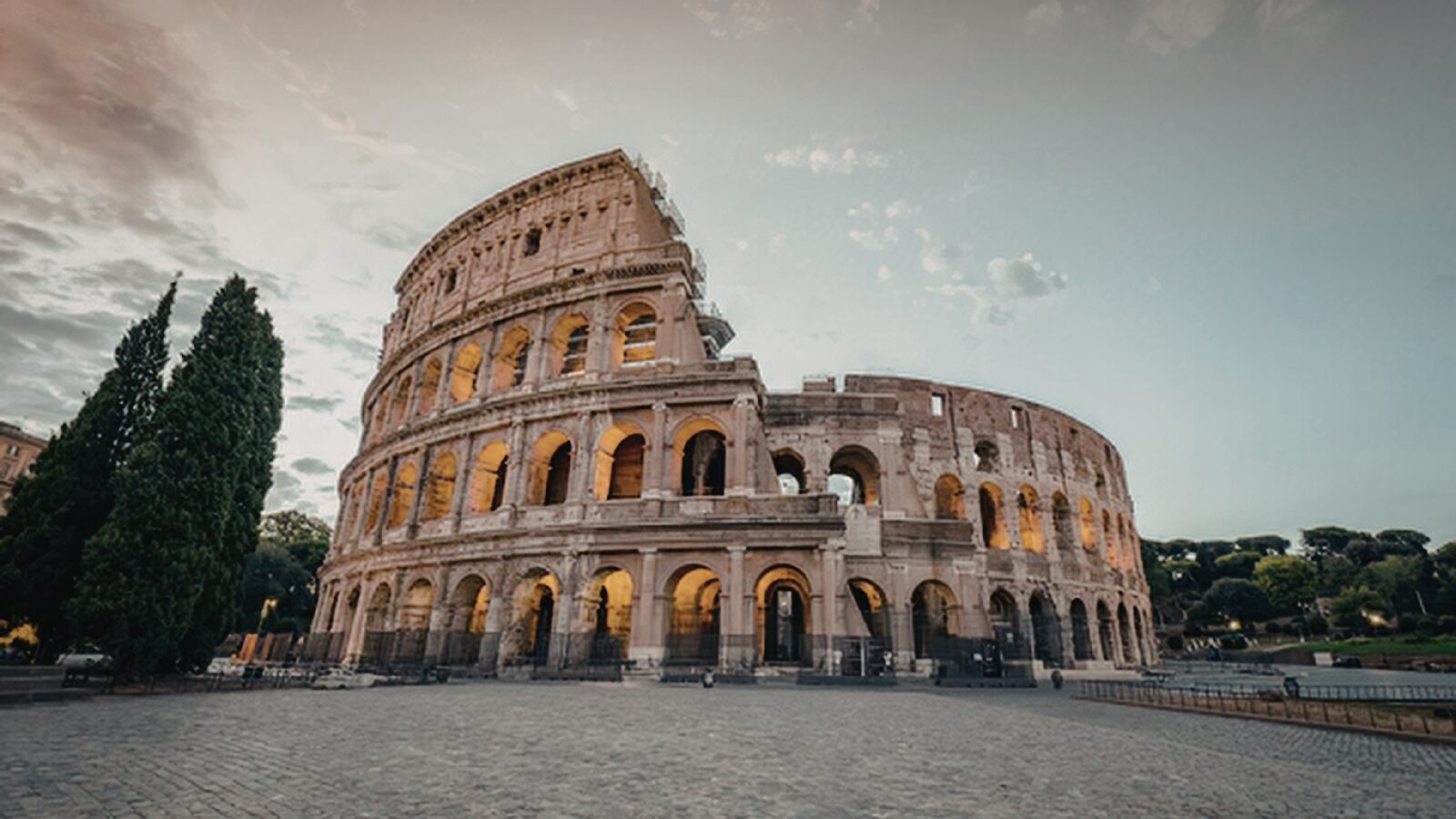
Photo Policy
Allowed
- • Personal photos & videos everywhere
- • Smartphones and compact cameras
- • Selfies (no selfie sticks)
- • Photos from all levels and the arena floor
Not Allowed
- • Tripods and monopods
- • Selfie sticks
- • Professional/commercial photography
- • Drone photography
- • Flash photography in underground areas
Best photo spots: Level 2 gives the best overview of the arena. For exterior shots, walk to the viewpoint on Via Nicola Salvi (opposite side from the Metro) for a crowd-free angle.
Where to Eat & Stay Nearby
Skip the tourist traps on Via dei Fori Imperiali. The neighbouring Monti and Celio quarters are packed with real Roman trattorias 5–10 minutes on foot. For a full curated list, see our dedicated guides:
Accessibility & Special Needs
Wheelchair Access
- • Ground floor and Level 1 are wheelchair accessible via elevator
- • Upper levels are NOT accessible (stairs only)
- • Underground/hypogeum is NOT wheelchair accessible
- • Free entry for disabled visitors + one companion
- • Priority entry at the dedicated accessibility entrance
Families & Children
- • Visitors under 18 enter free, subject to official eligibility and ID rules
- • A reservation is still required for each free ticket
- • Strollers allowed but challenging on uneven floors
- • Baby carriers strongly recommended
- • Family-friendly audio guides available
Where to Stay Near the Colosseum
Looking for convenient accommodation near the Colosseum? Stay within walking distance to make the most of your visit.
Hotels Near the ColosseumCentral locations with easy access to the Colosseum and other attractions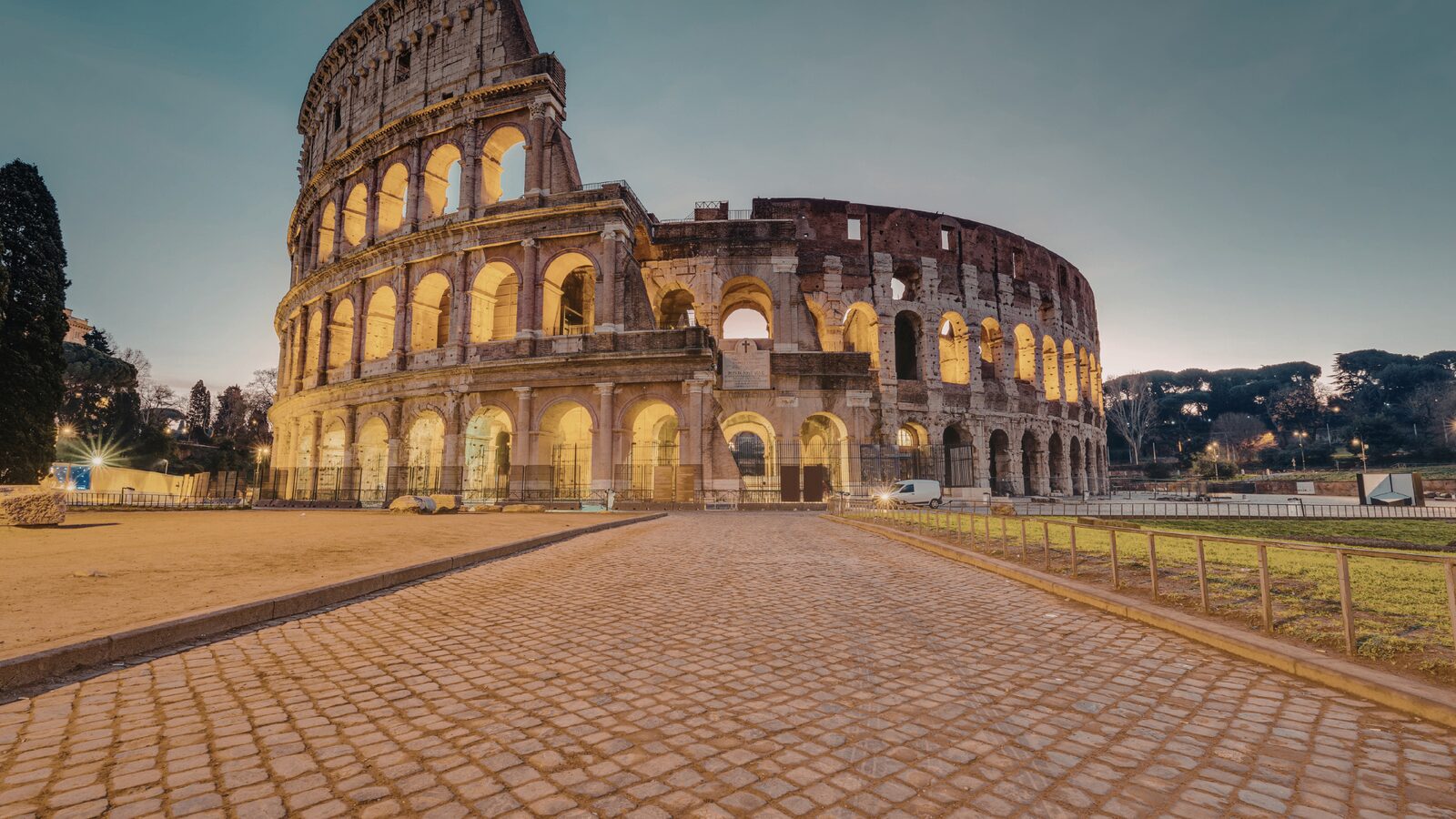
Best Time to Visit
Early Morning
8:30-10:00 AM for fewer crowds and better photos
Late Afternoon
4:00 PM onwards for golden hour lighting
Off-Season
November-February for smallest crowds
What to See at the Colosseum
Must-See Features
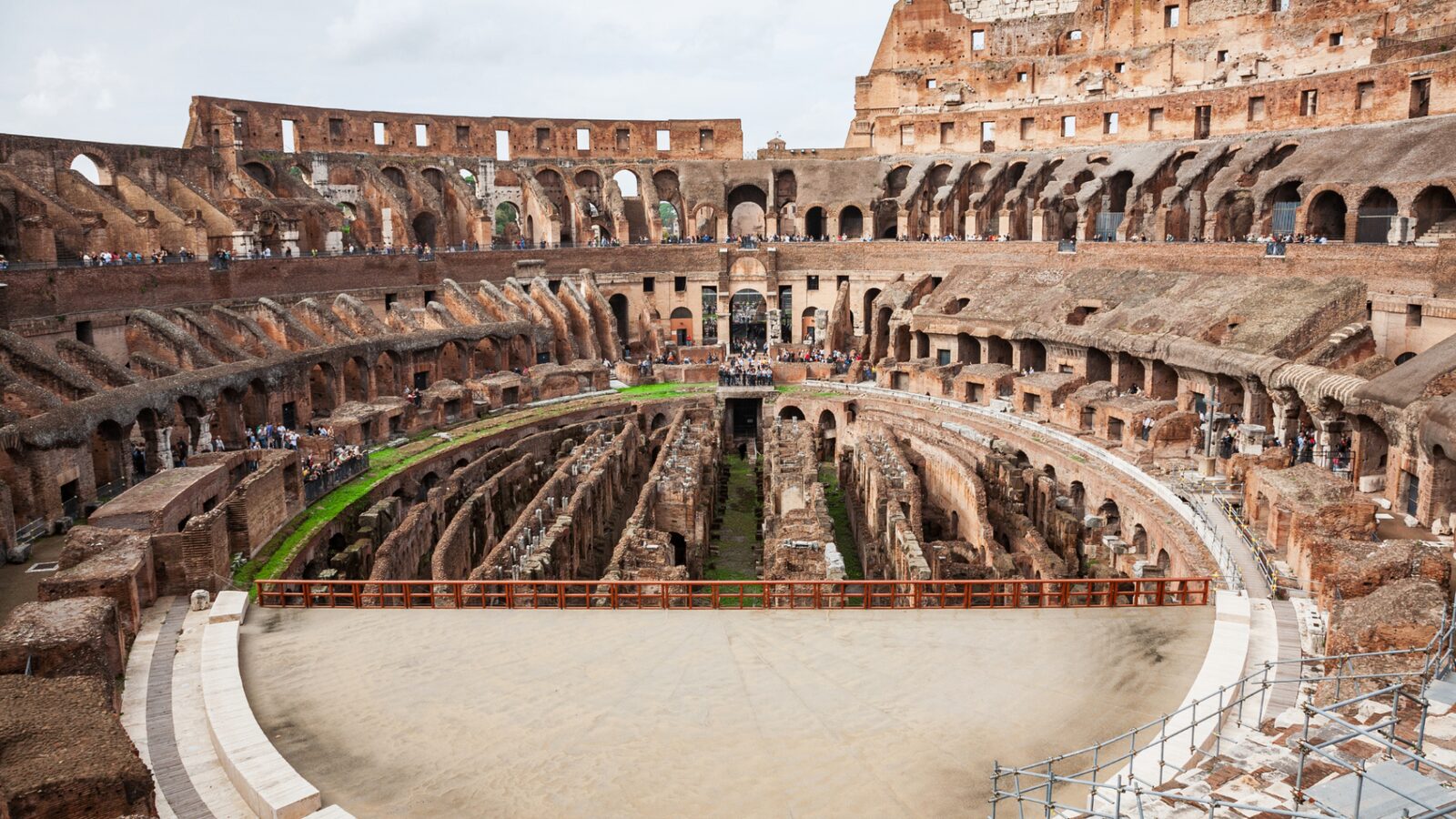
- Outer Arches & Facade
- Interior Arena and Seating Levels
- Underground Hypogeum (if included)
- Arena Platform – Walk where gladiators once stood
- Views of Roman Forum & Palatine Hill from upper levels
Nearby Attractions
- Arch of Constantine (right next to the Colosseum)
- Roman Forum – the political and commercial heart of Ancient Rome
- Palatine Hill – the legendary birthplace of Rome
Essential Visitor Tips
Book in Advance
Tickets sell out quickly, especially during peak season (April-October). Book at least 2 weeks ahead through the official website or authorized vendors.
Arrive Early
Get there 15-30 minutes before your time slot. Security lines can be long, and late arrivals may miss their entry window.
Stay Hydrated
Bring a refillable water bottle—there's limited shade inside. Summer temperatures can exceed 35°C (95°F).
Comfortable Footwear
The ancient stone floors are uneven. Wear sturdy, comfortable shoes for walking on cobblestones and climbing stairs.
Important Warnings
Beware of Unofficial Guides
Only use officially licensed guides. Street vendors offering 'skip the line' tickets near the entrance are often scams or significantly overpriced.
Watch for Pickpockets
The Colosseum area is a known hotspot for pickpockets. Keep valuables secure and be aware of your surroundings, especially in crowded areas.
Combine with Roman Forum & Palatine Hill
Your Colosseum ticket includes access to the Roman Forum and Palatine Hill. Plan for a full day to explore all three sites—they're within walking distance of each other.
Colosseum or Vatican First?
If you only have one full day and are torn between the two, we compare cost, time, crowds, weather and kid-friendliness side-by-side in the dedicated guide: Colosseum vs Vatican Museums →. If you have a day for each, see how to visit both in one day.
Related Guides
All Ticket Types Compared
From the €18 standard ticket to €24 Full Experience products — which is actually worth it
Official Site vs Resellers
Real price test — who's cheaper and who adds hidden fees
Sold Out? Read This
7 tested ways to still get in today
Are Colosseum Tickets Free?
Free first Sundays, EU under-18s, and who else qualifies
Underground Tour Guide
Is the hypogeum worth the extra cost?
How to Skip the Line
Proven strategies to avoid 2-hour queues
Best Time to Visit
Month-by-month and hour-by-hour guide
Colosseum with Kids
Age-appropriate tips and what to expect
Roman Forum Guide
Included in your ticket — don't miss it
Classic 3-Day Itinerary
The ideal pace for first-time visitors
5 Days in Rome
Day-by-day plan with what to book first
Watch: The Colosseum in 60 seconds
Why visit · tickets · best time · tipsColosseum at a Glance: 2026 Quick Facts
Save · share · pin it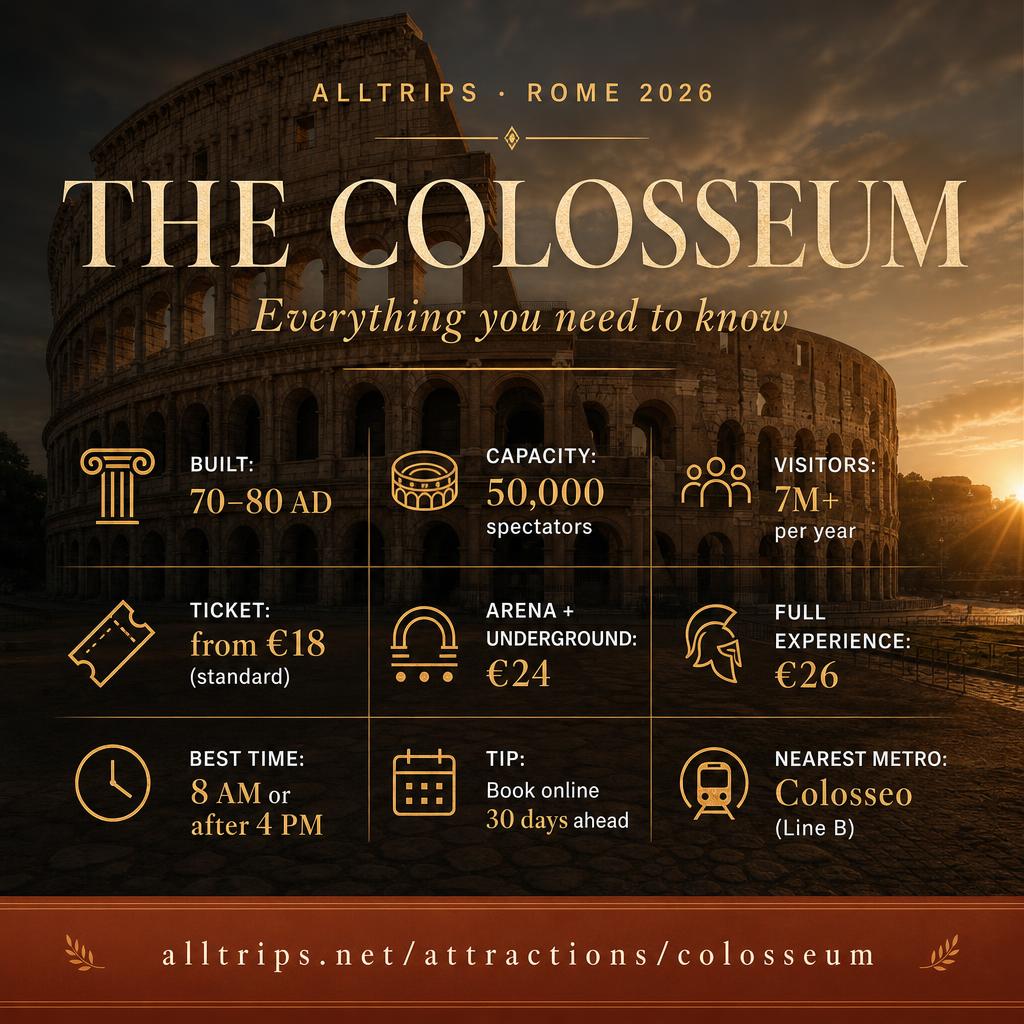 alltrips.net
Related Attractions
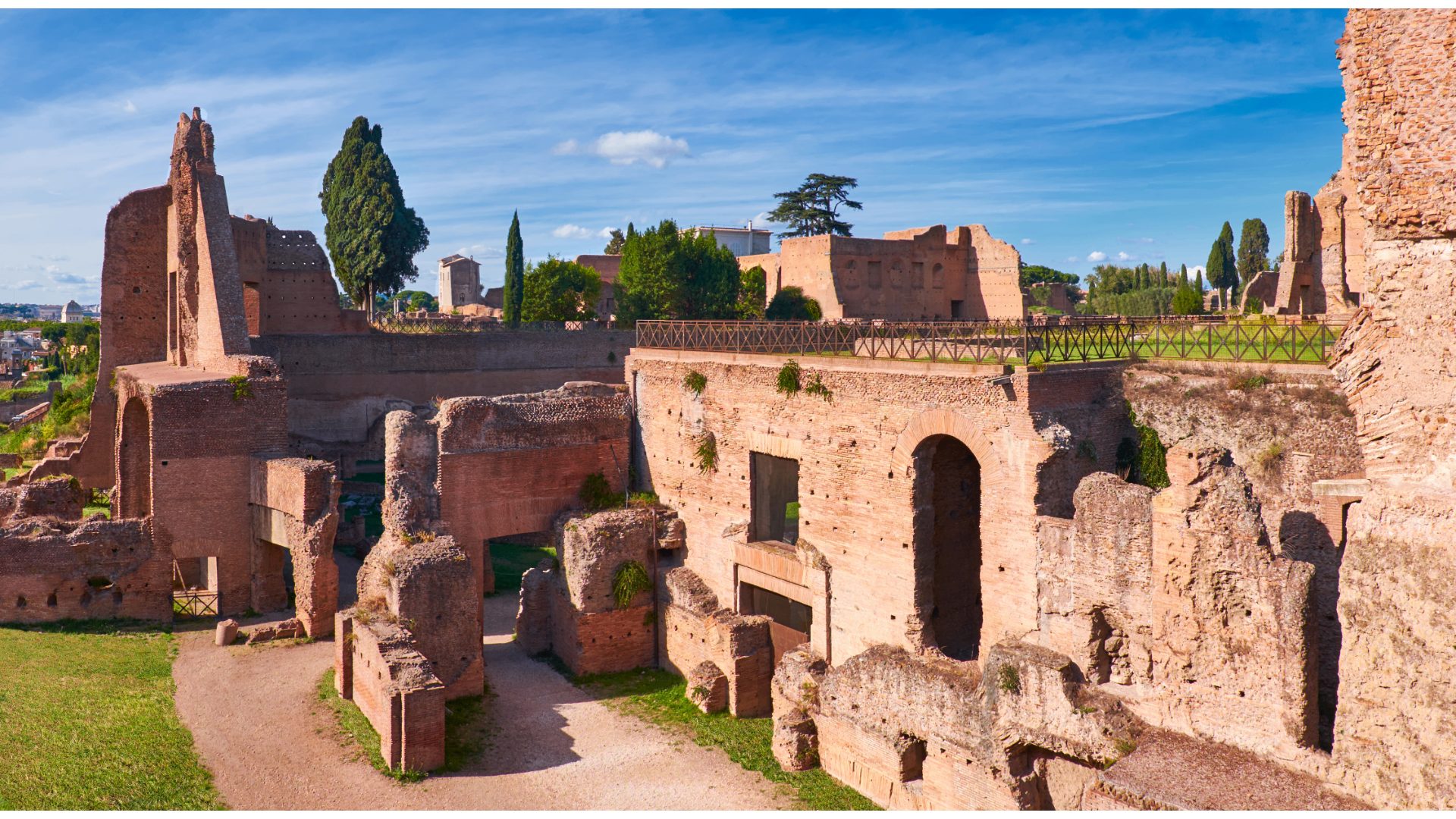
Palatine Hill
Legendary birthplace of Rome and luxurious home of emperors
Explore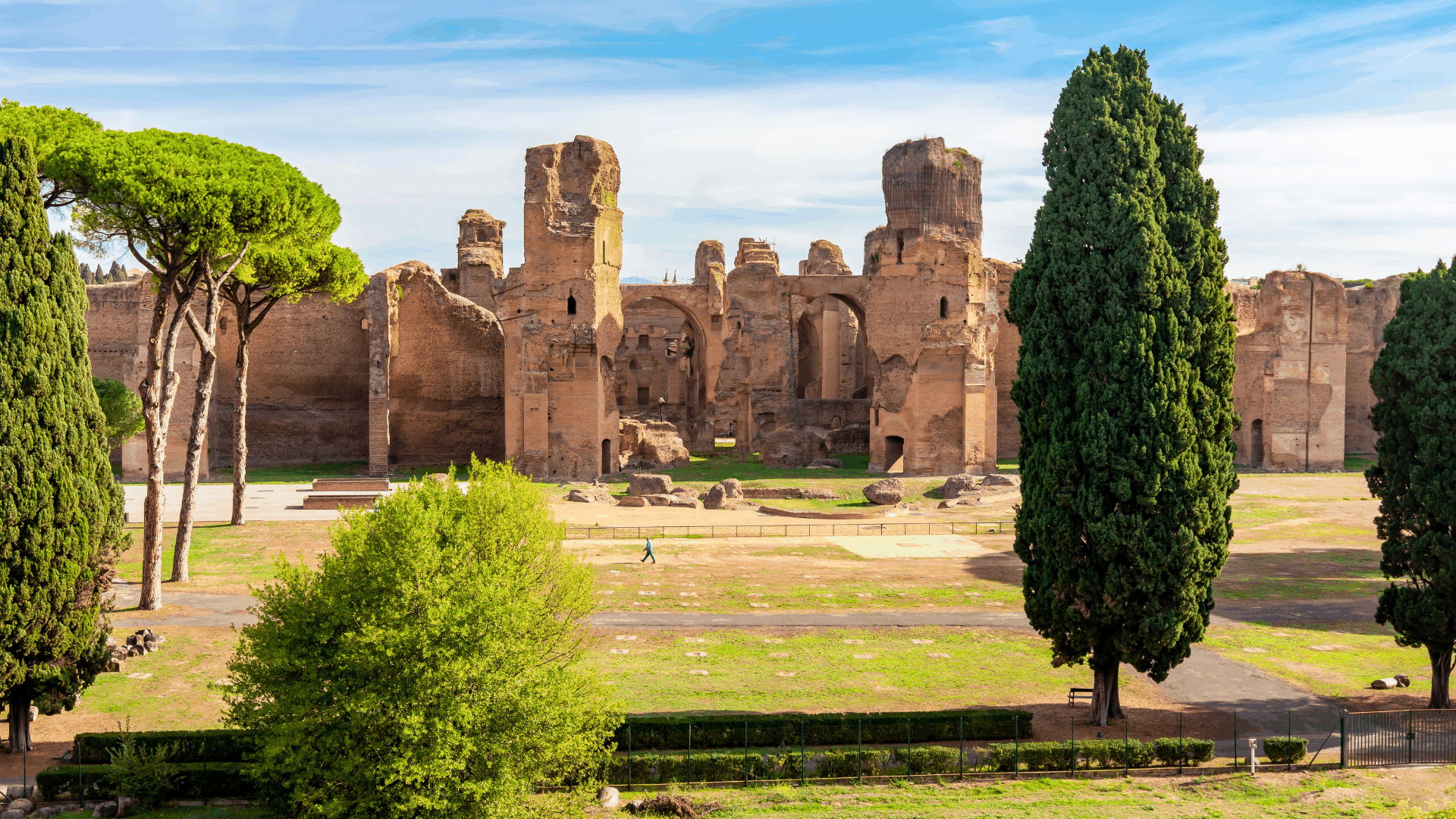
Baths of Caracalla
Ancient Rome's most magnificent public baths with towering ruins
Explore
Hadrian's Villa
Emperor's magnificent UNESCO estate in Tivoli—120 hectares
Explore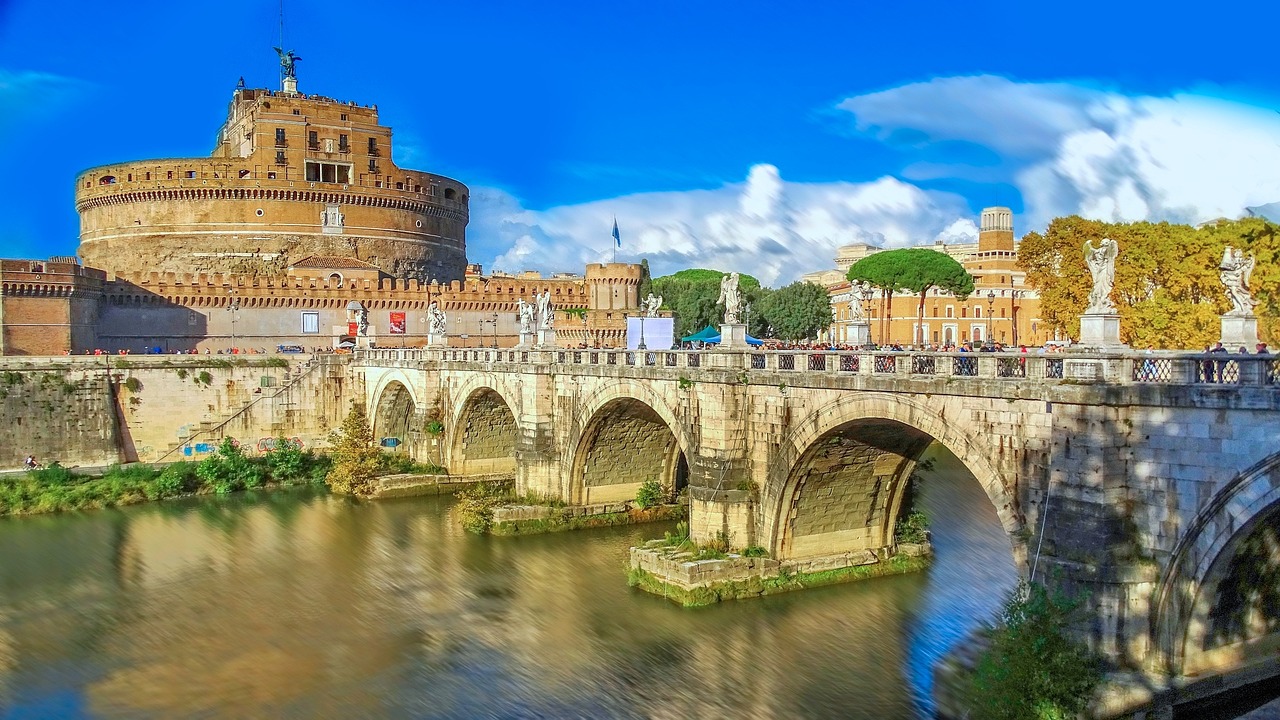
Castel Sant'Angelo
Ancient mausoleum turned papal fortress with panoramic city views
Explore
Piazza del Popolo
Iconic square with twin churches and Pincio views
Explore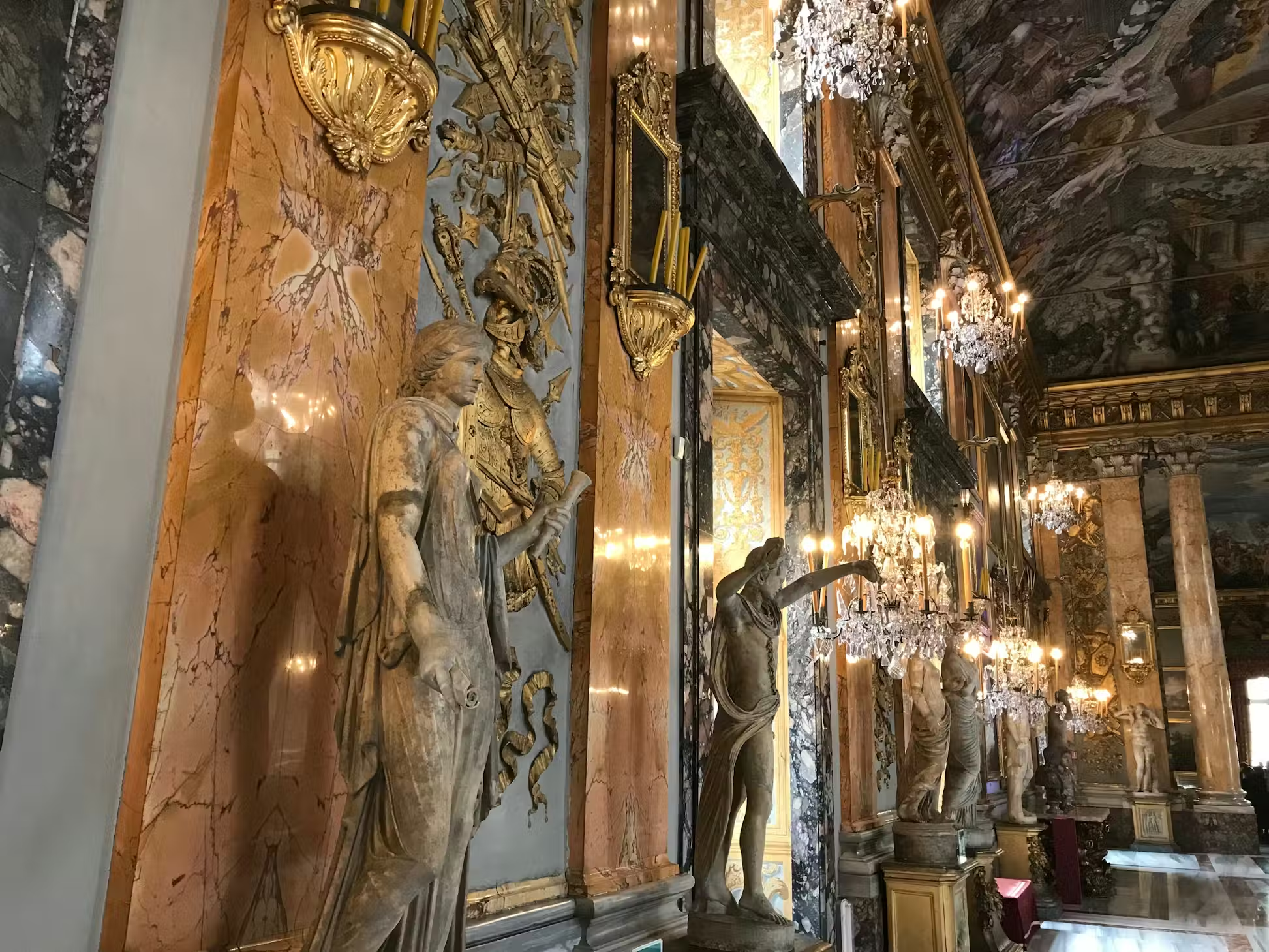
Galleria Colonna
Rome's most magnificent private Baroque gallery (open Friday and Saturday mornings; guided tour format)
ExploreQuick Planning Guide
⏱️ Time Needed
2-3 hours
💰 Cost
€18 standard / €24 Full Experience
🎫 Reservation
Required (advance booking essential)
♿ Accessibility
Partial wheelchair access
📅 Best Time
Early morning or late afternoon
👨👩👧👦 Family Friendly
Yes (fascinating for all ages)
Nearby Attractions
Arch of Constantineright next to the Colosseum
Roman Forumthe political and commercial heart of Ancient Rome
Palatine Hillthe legendary birthplace of Rome
You May Also Like
Roman ForumPalatine HillArch of ConstantineArch of TitusDomus AureaFeatured In These Itineraries
One Day in RomeClassic Rome 3-Day5 Day Rome ItineraryEssential Tips
- ✓ Book tickets online at least 2 weeks in advance
- ✓ Arrive 15-30 minutes before your time slot
- ✓ Bring water and wear comfortable shoes
- ✓ Consider a guided tour for deeper insights