 Church · 3 Layers
Basilica di San Clemente
Rome's most layered church — descend through 2,000 years from a 12th-century gold mosaic to a 2nd-century Mithraeum, ten minutes from the Colosseum.
1–1.5 hoursFree upper / €10 underground3 levelsMithraeumVia Labicana 95, 00184 Roma RMOpen on MapPlan Your Visit
Compare tickets, tours and stays — booking ahead usually gives more choice
Get TicketsBook a TourHotels NearbyBy AllTrips Editors••10 min readBasilica di San Clemente al Laterano is the most layered church in Rome — three superimposed buildings spanning almost 2,000 years, ten minutes' walk east of the Colosseum on Via Labicana. The current 12th-century basilica, with its golden Tree of Life apse mosaic, sits on top of a 4th-century early-Christian church, which was itself built over a 1st-century Roman apartment block and a 2nd-century Mithraic temple. The upper church is free; the underground excavations cost €10 and are arguably the single most extraordinary archaeological experience in central Rome.
📋 In This Guide
Upper Church
1108–1123 AD
Levels
3 stacked layers
Oldest Layer
1st century AD
Entry
Free / €10 underground
Visit Time
1–1.5 hours
Metro
Colosseo (Line B)
Why Visit Basilica di San Clemente?
Rome is the only city in the world where you can walk vertically through history — and San Clemente is where that promise is most literal. In 90 minutes you descend through a glittering medieval basilica, past 11th-century frescoes with the earliest written Italian, and finally into a 2nd-century pagan temple where Roman soldiers worshipped a bull-slaying god by torchlight. You can hear an ancient stream still running 18 metres below the Colosseum's nearest neighbour. €10 underground, free upstairs.
Three Stacked Layers
12th-century basilica → 4th-century church → 1st-century Roman insula and Mithraeum.
The Best Mithraeum in Rome
The most intact Mithraic sanctuary in the historic centre, with original altar and benches in situ.
Tree of Life Apse Mosaic
The 1120s gold-and-green mosaic of the Crucifixion — one of the great masterpieces of medieval Roman art.
Calm 5 Minutes from the Colosseum
A quiet refuge ten minutes' walk from the busiest site in Rome — and rarely more than half-full.
Exploring the Three Levels
San Clemente is best understood as an archaeological layer cake. Start at street level and descend through time — from the medieval present down to imperial Rome. Each level reveals a different chapter of the city's 2,000-year story.
Level 1: 12th-Century Basilica (Ground · Free)
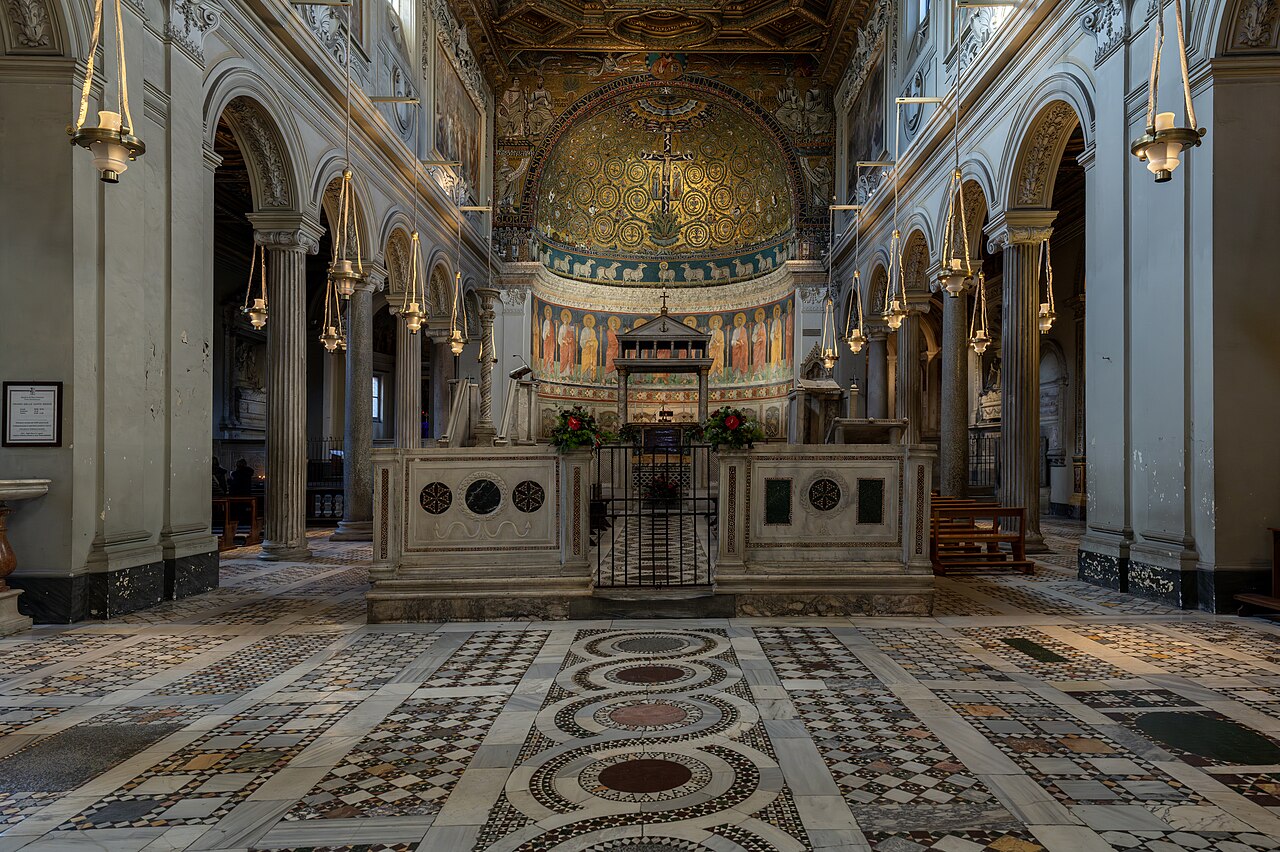
- Apse Mosaic — the gold-and-green 'Tree of Life' Crucifixion mosaic, swirling acanthus vines, birds, deer drinking from rivers of paradise
- Schola Cantorum — the original 6th-century marble choir enclosure, salvaged from the lower church and reassembled here
- Cosmati Floor — geometric polychrome marble inlay typical of 12th-century Roman basilicas
- Chapel of St Catherine — early 15th-century frescoes by Masolino da Panicale and (debated) the young Masaccio
Level 2: 4th-Century Church (Underground · €10)
- Ancient nave — walk through the original early-Christian basilica, used continuously from the 4th century until 1084
- 9th–11th-century frescoes — the Legend of St Alexis, the Mass of St Clement and the famous Sisinnius cycle
- The 'Sisinnius Fresco' — contains some of the earliest written vernacular Italian, with surprisingly crude colloquial insults
- Original columns and brickwork — the bones of the church before it was buried and built over
Level 3: 1st-Century Roman Buildings (Deepest)
- The Mithraeum — a 2nd-century sanctuary with the original altar relief of Mithras slaying the cosmic bull, flanking torchbearers Cautes and Cautopates, and stone benches for initiates
- Roman insula — remains of a 1st-century apartment-and-warehouse block, with vaulted brick rooms
- Triclinium — the long vaulted room beside the temple, generally interpreted as a space for communal gatherings
- Possible imperial mint building — large industrial chambers possibly linked to Domitian's mint
The Underground Stream
- Constant running water 18 metres below street level — listen at the deepest point
- Ancient drainage that probably feeds the Cloaca Maxima, Rome's antique sewer
- Atmospheric soundtrack to the Mithraeum — a near-mystical effect
- Natural climate control: lower levels stay around 14 °C year-round (bring a layer)
Hidden Details to Notice
- Stratification — see how each century was built directly on top of the previous
- Spolia and reuse — many marble fragments in the upper basilica come from the lower church
- St Cyril's tomb — the apostle to the Slavs, who brought Clement's relics back to Rome in 869, is buried in the lower church
- Irish Dominican stewardship — the basilica has belonged to the Irish Dominicans since 1677, who began the excavations in 1857
Tickets, Hours & Entry Options 2026
The upper basilica is free. To explore the underground excavations — including the 4th-century church and the Mithraeum — you need the official timed excavation ticket, which the basilica asks visitors to book online. Arrive before the time printed on your ticket. Under-16s accompanied by a parent are free when booked with at least one adult ticket, and visitors with disabilities and their carers enter free.
RecommendedUnderground Guided Tour
Best for: Best for first-time visitors
Timed entry with an expert English-speaking guide. Explore all three levels including the Mithraeum and the early-Christian frescoes. Small groups (max 15). Duration 1h 30min.
Book TicketsSelf-Guided Underground Entry
Standard ticket to the underground archaeological levels — 4th-century church, 1st-century Roman insula and the Mithraeum — at your own pace. Roughly 60 minutes.
Upper Basilica Only (Free)
Free entry to the 12th-century church with the golden Tree of Life apse mosaic, Cosmati floors, the Schola Cantorum and the Chapel of St Catherine frescoes by Masolino.
Reduced Admission
Discounted underground entry (€5) for students under 26 with valid ID and organised school groups. Authorised guides should present their professional card; confirm their current admission treatment directly with the basilica. Under-16s with a parent, and visitors with disabilities and their carers, enter free.
Book Your Time Slot
Underground capacity is small and admission is by timed slot — book the official excavation ticket online in advance. Guided tours lasting about 90 minutes cover all three levels with expert commentary.
2026 Opening Hours
Upper basilica (free)
- Mon–Sat: 09:00–12:30 · 14:00–18:00
- Sun: 12:00–18:00 (services in morning)
Underground excavations (€10)
- Mon–Sat: 09:00–12:30 · 14:00–18:00
- Sun & holidays: 12:00–18:00
- Last admission 12:00 / 17:30
Closed 25 December, 1 January and during Holy Week services. Roma Pass NOT valid (private Dominican site).
The Mithraeum: A Bull Temple Beneath the Basilica
On the deepest level of San Clemente — roughly 18 metres below modern Via Labicana by most published estimates — sits a small vaulted chamber, one of the few Mithraea still visible in situ in central Rome. Built around 200 AD inside the courtyard of an existing Roman insula, the sanctuary is barely 9 metres long and 6 wide, with stone benches running along both side walls where initiates reclined for ritual meals.
At the far end stands the original marble altar, carved on its front face with the canonical scene of Mithras tauroctony: the young god, in Phrygian cap, kneels on a bull and plunges a dagger into its neck while a dog and a serpent leap up to drink the blood and a scorpion attacks the bull's testicles. Flanking the altar relief are the twin torchbearers Cautes and Cautopates, symbolising sunrise and sunset. Above, a vaulted ceiling pierced with seven niches represents the cosmos and the seven planetary spheres through which initiates ascended.
The mystery cult of Mithras flourished in the Roman Empire between roughly 100 and 400 AD, is generally associated with soldiers and traders in the surviving evidence, and admitted only male initiates through seven graded degrees. It vanished after Theodosius's anti-pagan edicts of the 390s — the same decade in which the Christians next door began converting the upper insula into a church. The two religions literally lived on top of each other for a generation.
The Sisinnius Fresco: Earliest Written Italian
On the wall of the buried 4th-century church, one fresco panel (c. 1080) shows the Roman pagan nobleman Sisinnius trying to arrest St Clement and instead finding himself dragging a heavy column. Speech bubbles emerge from the figures' mouths — and they are written not in Latin but in colloquial early volgare italiano, the spoken vernacular that would eventually become Italian.
The most-quoted line, shouted by Sisinnius at his straining servants, is "Fili de le pute, traite!" — politely translated as "Pull, you sons of bitches!" — and is taught in Italian universities as the earliest surviving written sentence in vernacular Italian outside legal documents. The contrast with the Latin liturgical inscription beside it ("Duritiam cordis vestri…") is one of the most poignant document-pairs in European linguistic history. Don't miss it: it's the second fresco on the right as you enter the lower nave.
The Tree of Life Apse Mosaic
Completed in the 1120s, the mosaic that fills the apse of the upper basilica is one of the supreme achievements of medieval Roman art. At its centre Christ is crucified on a tree whose roots and branches spread outward as great spirals of green acanthus, populated with birds, deer, the Four Doctors of the Church, peasants tending flocks and tiny scenes of everyday 12th-century life.
The iconography is deliberately ambiguous: half Crucifixion, half Tree of Life from the Book of Genesis, with the Christianised vine of Isaiah grafted on. The dense gold ground and the sinuous Byzantine line betray contact with Constantinople via Sicily; the cheerful naturalism of the everyday vignettes is unmistakably Roman. Stand in the central nave and let your eyes travel slowly outward from the cross — the mosaic was designed to be read as a single 7-metre-wide poem.
The Irish Dominicans & the Excavations
San Clemente has been Ireland's national church in Rome since 1677, when Pope Innocent XI assigned the basilica to the Dominican friars exiled by the English Penal Laws. The Irish Dominican Province has run it continuously ever since — making it one of only two Roman basilicas under permanent foreign stewardship.
In 1857 the Irish prior Father Joseph Mullooly began digging beneath the upper basilica and discovered the buried 4th-century church with its frescoes startlingly intact. Excavations continued through the 1870s — eventually reaching the Mithraeum and the Roman insula — and conservation work has never stopped. Ticket revenue supports the basilica and archaeological site. This is one of the few major Roman sites where ticket revenue stays on the premises.
San Clemente Through 2,000 Years
64 ADGreat Fire of Rome
Nero's fire destroys much of central Rome. The cleared plot south-east of the future Colosseum is rebuilt with a 1st-century Roman apartment block (insula) and a possible warehouse — the deepest layer visible at San Clemente today.
c. 200 ADMithraeum Installed
A small Mithraic temple is carved into the courtyard of the Roman insula. The vaulted sanctuary, with its bull-slaying altar relief, becomes a meeting place for initiates — whose membership is not documented in detail — until the late 4th century.
390s ADFirst Church Built
After Christianity is legalised (313) and made the state religion (380), the early-Christian community converts the upper rooms of the insula into a small basilica dedicated to Pope Clement I (the third successor of St Peter), buried at sea c. 99 AD with an anchor around his neck.
858 ADFrescoes Painted
Pope Nicholas I sponsors the first cycle of fresco decoration in the lower church, including scenes of the life of St Alexis and the Mass of St Clement.
869 ADSt Cyril's Burial
Saint Cyril, the Greek monk who (with his brother Methodius) evangelised the Slavs and invented the Glagolitic alphabet, dies in Rome and is buried in the lower basilica — bringing with him the relics of St Clement, recovered from Crimea.
c. 1080Sisinnius Fresco
An anonymous fresco depicting the Roman pagan Sisinnius struggling to capture St Clement is painted with speech-bubble inscriptions in colloquial early Italian — including one of the earliest known written sentences in Italian rather than Latin (with mildly obscene wording).
1084Norman Sack of Rome
Robert Guiscard's Normans burn the Lateran district while liberating Pope Gregory VII from the Castel Sant'Angelo siege. The 4th-century San Clemente is severely damaged and abandoned — soon filled in to serve as foundations for a new church above.
1108–1123Upper Basilica Built
Cardinal Anastasius rebuilds the basilica entirely at the new street level, reusing columns, the marble Schola Cantorum and the paschal candlestick from the buried church. The luminous gold Tree of Life apse mosaic is completed in the 1120s.
1430Masolino Frescoes
The Florentine painter Masolino da Panicale (and possibly the young Masaccio) frescoes the Chapel of St Catherine of Alexandria with the saint's life cycle — one of the earliest Renaissance fresco cycles in Rome.
1677Irish Dominicans Take Over
Pope Innocent XI assigns San Clemente to the exiled Irish Dominicans, who flee penal-law persecution at home. The community has cared for the basilica continuously ever since — making it Ireland's national church in Rome.
1857Father Mullooly's Excavation
Irish Dominican prior Father Joseph Mullooly begins excavating beneath the upper basilica and discovers the buried 4th-century church with its frescoes intact. The excavation continues through the 1870s, finally reaching the Mithraeum and the Roman insula.
2026Rome's Most Layered Site
After 169 years of continuous excavation and conservation, San Clemente remains the single most legible vertical section through Roman history — and one of the few sites in central Rome that is still calm enough to feel like a private discovery.
Best Time to Visit in 2026
Tue–Fri 09:00–10:30 (best)
Walk in straight from the Colosseum's 09:00 opening, before tour groups arrive. Underground office opens at 10:00.
Late afternoon 16:00–17:30
Quiet, atmospheric, and the apse mosaic catches the warmest natural light through the upper windows.
Rainy or hot days
The lower levels stay at 14 °C year-round — a perfect refuge from a Roman August heatwave or a winter downpour.
Avoid
Sundays before 12:00 (closed for Mass), the 12:30–14:00 lunch closure, and Holy Week mornings (limited access for services).
San Clemente vs Other Underground Rome Sites
| Site | Layers / depth | Booking | Visit time | Cost |
|---|---|---|---|---|
| San Clemente | 3 layers · 18 m | Book online (timed) | 1–1.5 h | Free / €10 |
| Domus Aurea | 1 layer · 6 m | Mandatory advance booking | 75 min guided | €18 |
| Catacombs of Priscilla | 2 levels · 13 m | Walk-up | 45 min guided | €10 |
| Crypta Balbi | 3 layers · 8 m | Temporarily closed | Not currently visitable | Included in the €15 MNR ticket when reopened |
| Vicus Caprarius (Trevi) | 1 layer · 9 m | Walk-up | 30 min | €4 |
San Clemente offers the deepest descent, the broadest chronological range and an in-situ Mithraeum — for a €10 timed ticket. It is the single best underground site in central Rome for first-time visitors.
Common Mistakes to Avoid
❌ Visiting only the upper church
The free upper basilica is beautiful, but the entire reason to come is the underground. Always pay the €10 — it is one of the best-value tickets in Rome.
❌ Trying to use the Roma Pass
The basilica is run by the Irish Dominicans, not the state. Roma Pass and OMNIA Card are not valid for the underground — pay separately.
❌ Showing up at lunchtime
Both the upper basilica and the underground close for the 12:30–14:00 lunch break. Plan around the lunch shutdown or you will be turned away.
❌ Photographing underground
Strictly forbidden to protect the fragile early-Christian frescoes. Phones must be put away on the staircase. Take your photos in the upper church only.
❌ Going underground in a sleeveless top
The lower levels stay at 14 °C year-round, even in August. Bring a light layer, and remember the dress code (covered shoulders and knees) for the upper church too.
❌ Skipping the Sisinnius fresco
It is small and easy to walk past — but it contains the earliest known written sentence in colloquial Italian. Look for the second fresco on the right as you enter the 4th-century nave.
Colosseum Tickets to Book Same Day
San Clemente is ten minutes' walk from the Colosseum and most visitors combine the two in a single morning. Colosseum entry requires a timed-slot ticket booked in advance — here are the best 2026 options:
Colosseum Priority Entrance
Best for: First-time visitors
~2 hoursSkip-the-line access to the Colosseum with entry to Roman Forum and Palatine Hill included. Perfect for first-time visitors.
- Skip-the-line entry
- Colosseum access
- Roman Forum included
- Palatine Hill included
🎟️ Compare Prices:
TiqetsKlookTrip.comColosseum Guided Tour
Best for: History enthusiasts
~3 hoursExpert-led tour with professional guide sharing gladiator history, architecture secrets, and ancient Roman stories.
- Professional English-speaking guide
- Skip-the-line entry
- In-depth historical commentary
- Small group experience
🎟️ Compare Prices:
TiqetsKlookTrip.comColosseum Arena & Underground
Best for: Unique experience seekers
~3.5 hoursWalk where gladiators fought on the arena floor and explore the underground chambers where they awaited their fate.
- Arena Floor access
- Underground chambers access
- Roman Forum & Palatine Hill
- Expert guided tour included
🎟️ Compare Prices:
TiqetsKlookTrip.comPair Your Visit
San Clemente takes 90 minutes — pair it with one of these nearby sites for a perfect half-day in the Colosseum / Lateran area:
Colosseum
10-min walk west — the Flavian Amphitheatre and the Arch of Constantine, the most recognised silhouette in Rome.
Domus Aurea
8-min walk north — Nero's buried Golden House on the Oppian Hill, with the most ambitious VR archaeology in Rome.
San Giovanni in Laterano
10-min walk east — the cathedral of Rome and the Pope's official seat, with Borromini's Baroque interior and the Sancta Sanctorum across the square.
Santi Quattro Coronati
5-min walk north — fortified medieval monastery with a tiny cloister and the extraordinary 13th-century Oratory of San Silvestro frescoes.
Highlights Checklist
Three superimposed layers spanning ~2,000 yearsFree upper basilica with the gold 'Tree of Life' apse mosaic (1120s)9th–11th century frescoes in the buried 4th-century churchThe Sisinnius Fresco — earliest written vernacular Italian (with comic insults)The 2nd-century Mithraeum with the bull-slaying altar relief1st-century Roman insula and a still-flowing underground stream 18 m below the streetMasolino da Panicale frescoes in the Chapel of St CatherineTomb of St Cyril, apostle to the Slavs, in the lower basilicaGetting There in 2026
🚶 On foot (best)
10-min walk east of the Colosseum exit on Via San Giovanni in Laterano, then left into Via Labicana. Entrance at no. 95.
🚇 Metro
Line B to Colosseo (8-min walk). Alternatively Line C to San Giovanni or Manzoni (10-min walk from either).
🚋 Tram
Tram 3 stops directly outside on Via Labicana — connects from Trastevere and Piramide.
🚌 Bus
Lines 51, 85, 87 and 117 stop nearby on Via Labicana or Via di San Giovanni in Laterano.
Where to Stay Near Basilica di San Clemente
Looking for convenient accommodation near Basilica di San Clemente? Stay within walking distance to make the most of your visit.
Hotels Near This AttractionTop Rated HotelsBudget-Friendly OptionsLuxury HotelsCentral locations with easy access to Basilica di San Clemente and other attractionsFrequently Asked Questions
What is Basilica di San Clemente in 2026?
Basilica di San Clemente al Laterano is a unique three-level church on Via Labicana in Rome, ten minutes' walk east of the Colosseum. The current 12th-century basilica (1108–1123) sits on top of a 4th-century church, which in turn was built over a 1st-century Roman insula and a 2nd-century Mithraic temple. Visitors descend through nearly 2,000 years of continuous use — there is nowhere else like it in Rome. Run by the Irish Dominican Province since 1677.
How much does it cost to visit San Clemente in 2026?
The upper 12th-century basilica is completely free to enter. To access the underground archaeological levels (the 4th-century church, the Roman insula and the Mithraeum) you need a ticket: €10 standard adult, €5 reduced (students under 26 with ID, teachers, ICOM members). Under-16 students accompanied by a parent are free when booked together with at least one adult ticket, and visitors with disabilities and their carers enter free. The Roma Pass is NOT valid here — the basilica and excavations are managed by the Dominican Order, not the Italian state.
What are the three levels of San Clemente?
Level 1 (ground floor, free): the 12th-century medieval basilica with its golden Tree of Life apse mosaic, Cosmati pavement, Schola Cantorum and Chapel of St Catherine. Level 2 (about 4 metres down, €10): the 4th-century early-Christian church with 9th–11th-century frescoes including the famous Sisinnius cycle. Level 3 (about 18 metres down): a 1st-century Roman apartment and warehouse block, plus the 2nd-century Mithraeum with its bull-slaying altar.
What is the Mithraeum at San Clemente?
The Mithraeum is a small 2nd-century AD sanctuary dedicated to the mystery cult of Mithras, an Eastern god especially popular with Roman soldiers between roughly 100 and 400 AD. The vaulted chamber preserves its original altar — a marble relief of Mithras slaying the cosmic bull, flanked by the torchbearers Cautes and Cautopates — and stone benches along the walls where initiates reclined for ritual meals. It is among the best-preserved Mithraea visible in central Rome.
How long do I need at San Clemente?
Plan 1 to 1.5 hours total: 20–25 minutes in the upper basilica admiring the apse mosaic and the Catherine chapel, then 45–60 minutes underground working down through the 4th-century church, the Roman insula and the Mithraeum. Guided tours run 90 minutes. History buffs and archaeology enthusiasts easily spend two hours.
What are the opening hours in 2026?
Monday–Saturday: upper basilica 09:00–12:30 and 14:00–18:00. Sunday: upper basilica 12:00–18:00 only (services in the morning). Underground excavations follow the same schedule. Sundays and holidays: 12:00–18:00. Last admission 12:00 in the morning and 17:30 in the afternoon (17:30 on Sundays and holidays). Closed 25 December, 1 January and during Holy Week services (check official calendar).
How do I get to Basilica di San Clemente?
Walk: 10 minutes east of the Colosseum on Via San Giovanni in Laterano, then turn into Via Labicana — the entrance is at no. 95. Metro: Line B to Colosseo (8-minute walk) or Line C to San Giovanni / Manzoni (10-minute walk from either). Tram: line 3 stops directly outside on Via Labicana. The basilica is on the standard route between the Colosseum and San Giovanni in Laterano.
Is San Clemente accessible?
The upper basilica is fully accessible at street level. The underground excavations are NOT wheelchair-accessible: descent involves steep narrow staircases on each of the three levels, with low ceilings and uneven flooring. Visitors with mobility issues can enjoy the upper church and a printed/video guide to the underground.
Is photography allowed?
Photography is permitted in the upper basilica without flash. Photography is strictly forbidden in the underground excavations to protect the fragile early-Christian frescoes — phones must be put away on entering the staircase. Plan your shots before going below.
Is San Clemente worth visiting if I've already seen the Colosseum?
Yes — arguably more so. The Colosseum shows you imperial spectacle; San Clemente shows you continuous everyday Roman life across 2,000 years, layered vertically beneath your feet. Most visitors say it is the single most memorable archaeological experience of their Rome trip — and it takes only 90 minutes ten minutes' walk from the Colosseum exit.
Related Attractions
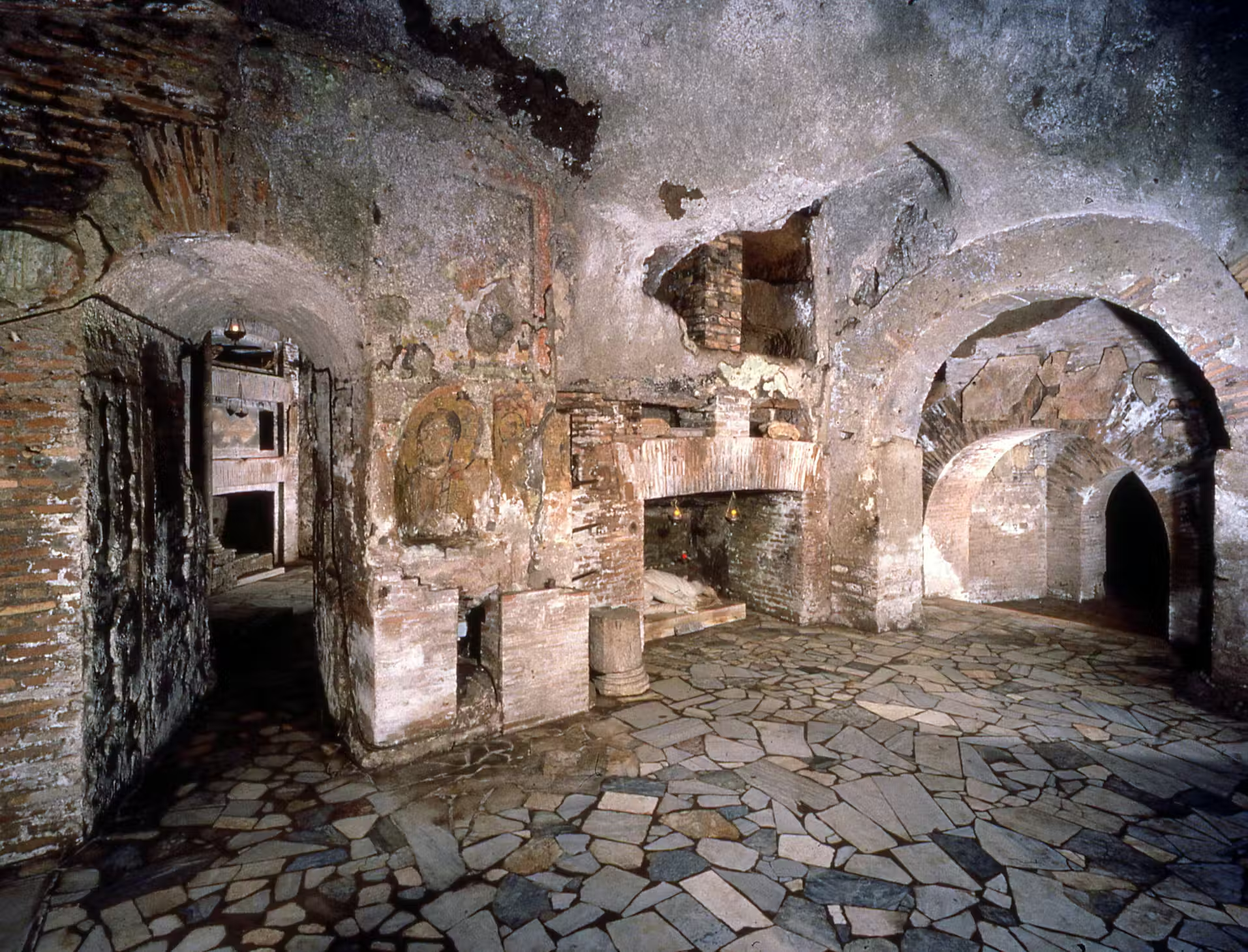
Catacombs of Saint Callixtus
Rome's largest Christian catacombs—20km of tunnels, 16 popes
Explore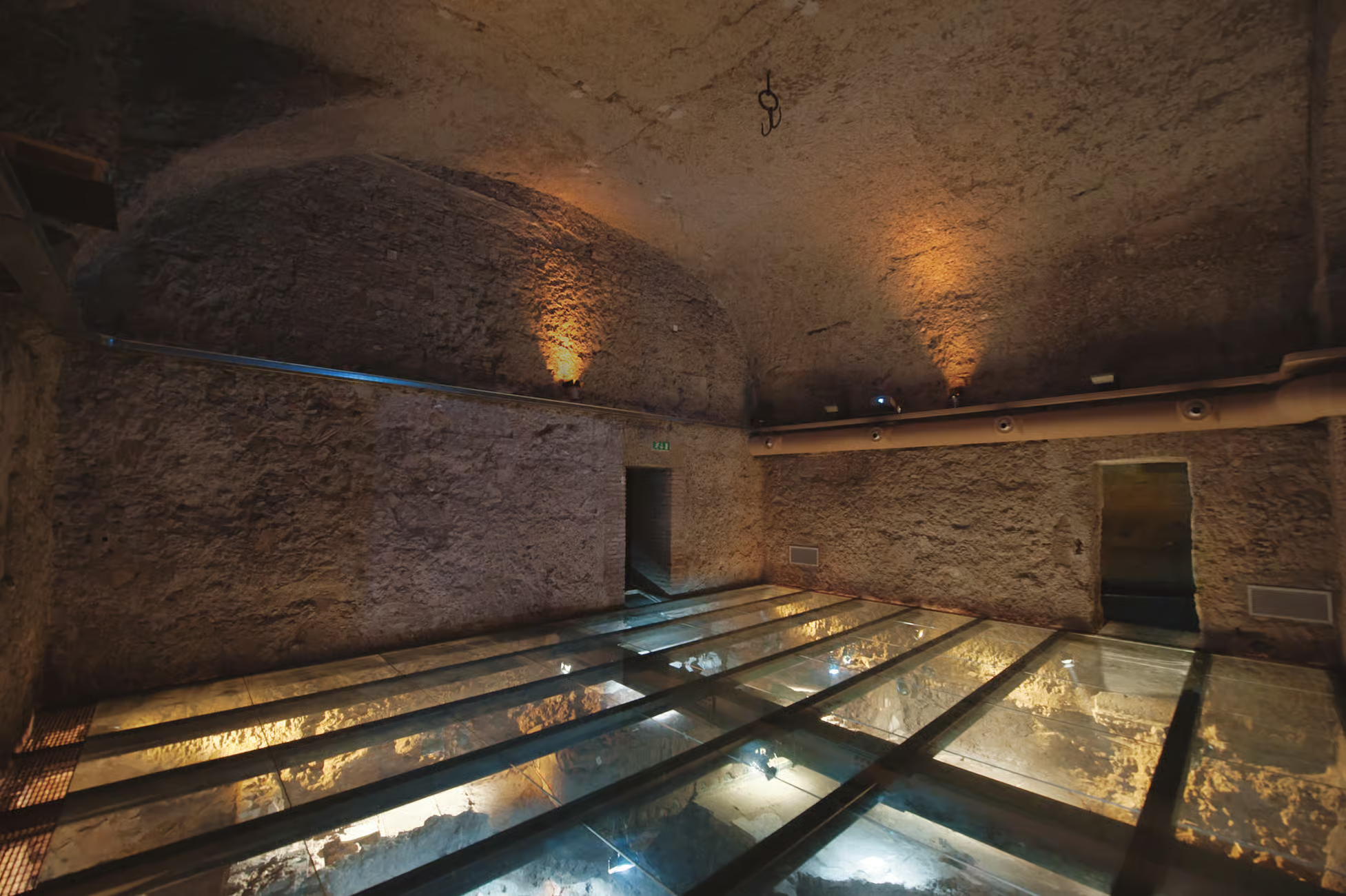
Domus Romane at Palazzo Valentini
Timed multimedia visits of ancient Roman houses; schedules vary seasonally
Explore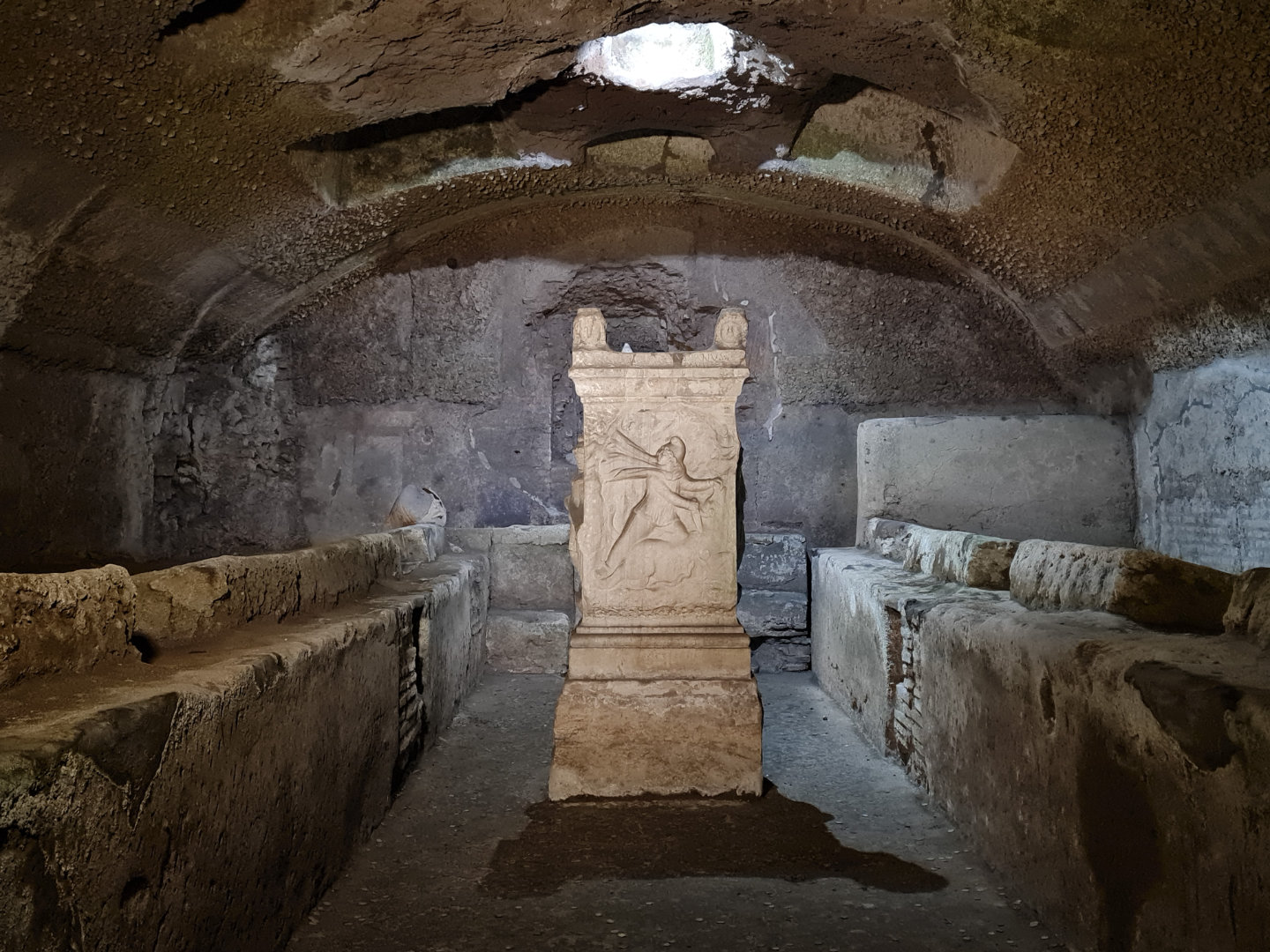
Mithraeum under San Clemente
Ancient Roman temple to Mithras hidden three levels below
Explore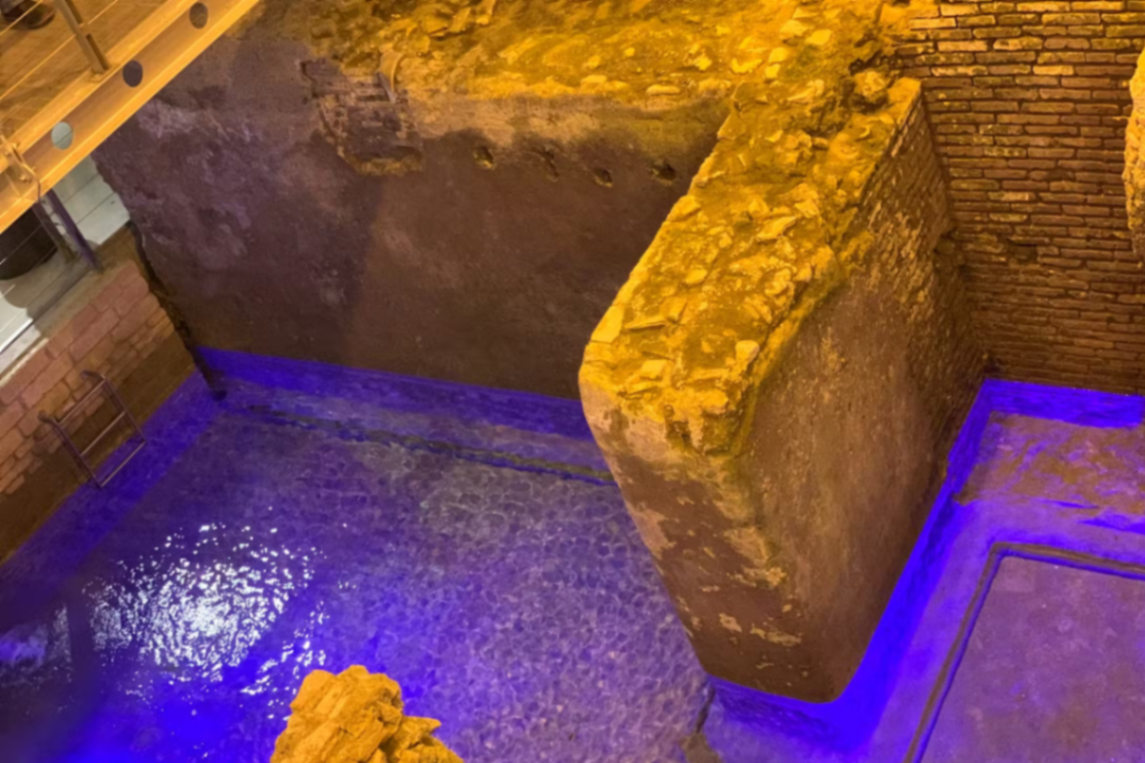
Vicus Caprarius
Ancient ruins linked to the Aqua Virgo aqueduct beneath the Trevi district
Explore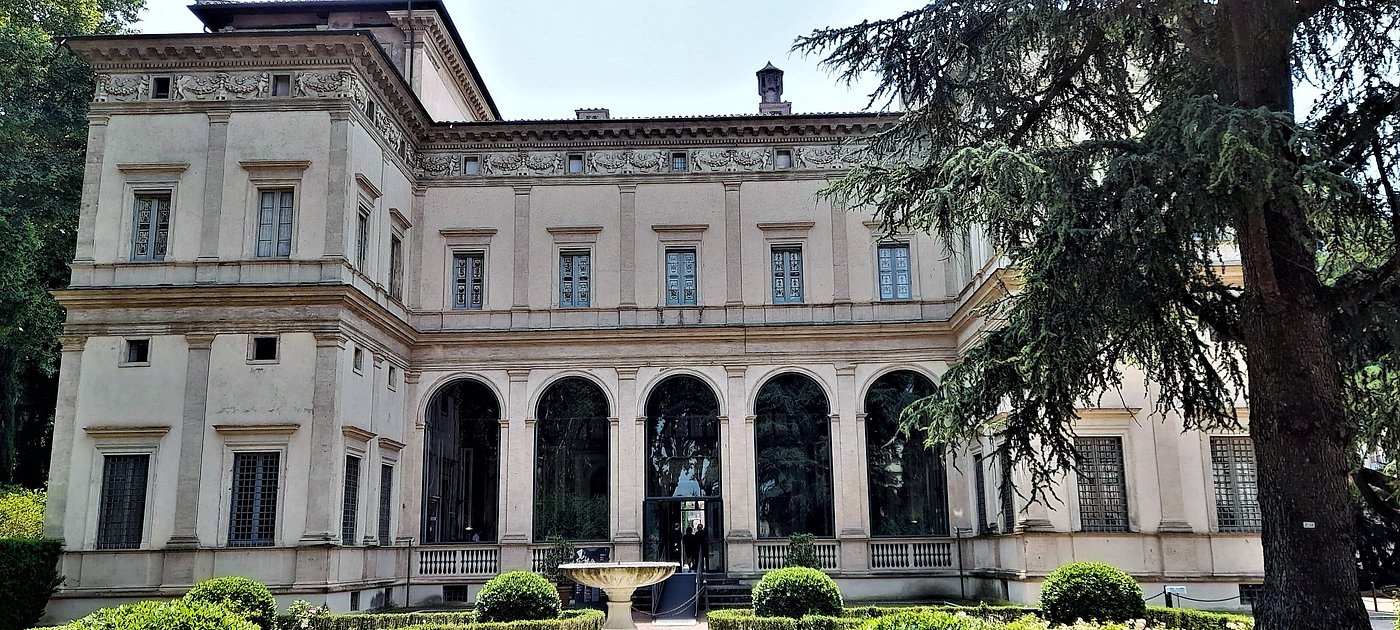
Villa Farnesina
Renaissance villa with Raphael's Triumph of Galatea frescoes
Explore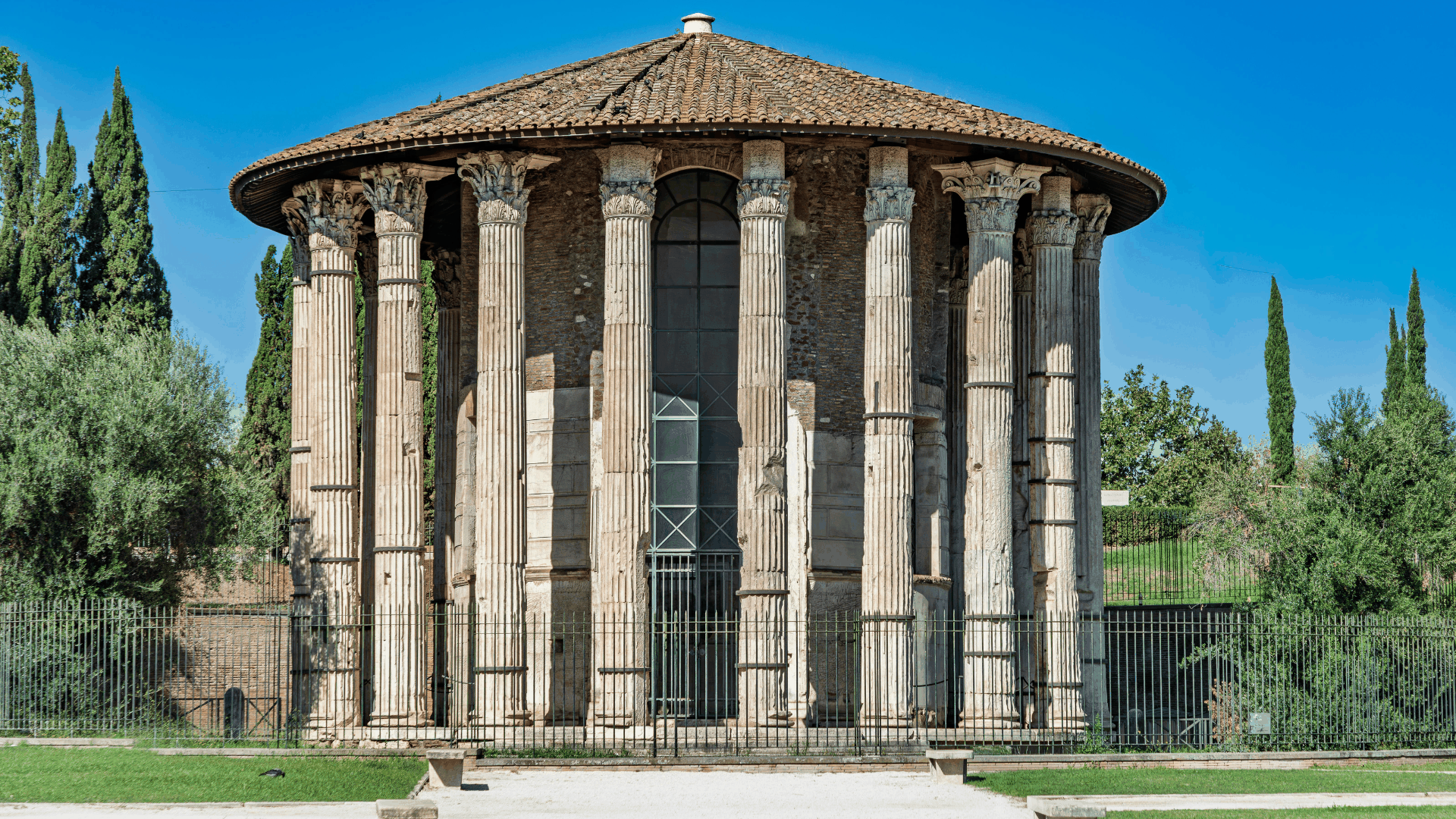
Temple of Hercules Victor
Rome's oldest surviving marble building—beautifully preserved round temple
ExploreQuick Planning Guide
⏱️ Time Needed
1–1.5 hours
💰 Cost
Free upper / €10 underground
🎫 Reservation
Book the official timed excavation ticket online
♿ Accessibility
Upper level fully accessible; underground via stairs only
📅 Best Time
Tue–Fri 09:00–10:30
👨👩👧👦 Family Friendly
Yes — kids 8+ love the underground
🌡️ Weather
Indoor — perfect rainy-day stop
Nearby Attractions
Colosseum10-min walk
Domus Aurea8-min walk
San Giovanni in Laterano10-min walk
Roman Forum15-min walk
Celio Hill5-min walk
Santi Quattro Coronati5-min walk
You May Also Like
Mithraeum of San ClementeColosseumSan Pietro in VincoliFeatured In These Itineraries
Hidden Gems of Rome5 Day Rome ItineraryRome with KidsEssential Tips
- ✓ Bring a light jacket — underground is 14 °C
- ✓ No photos allowed underground
- ✓ Listen for the ancient stream below
- ✓ Upper church mosaic is free — always worth a look
- ✓ Combine with the Colosseum or Domus Aurea