 Free Entry
Basilica di San Giovanni in Laterano
The 'Mother and Head of All Churches'—Rome's official cathedral and the Pope's seat as Bishop of Rome. Founded in the early fourth century, it predates the present St Peter's Basilica by roughly 1,300 years and remains the highest-ranking Catholic church worldwide
1-2 hoursFree entryPope's CathedralPiazza di San Giovanni in Laterano, 4, 00184 RomeOpen on MapPlan Your Visit
Compare tickets, tours and stays — booking ahead usually gives more choice
Get TicketsBook a TourHotels NearbyTable of Contents
Jump to any section of the itinerary
Visit Time
1-2 hours
Entry Fee
Free (donations)
Crowd Level
Moderate
Type
Papal Basilica
Founded
Early 4th c.
Location
Piazza di San Giovanni
Why Visit San Giovanni in Laterano
While most visitors rush to St. Peter's Basilica, San Giovanni in Laterano is actually Rome's most important church—the Pope's official cathedral and the "Mother of All Churches" in the Catholic world. Founded by Emperor Constantine in the early fourth century, it was Rome's first Christian basilica and has served as the seat of the Bishop of Rome for centuries.
The church's primacy is literally carved into stone: its façade bears the Latin inscription "Omnium Urbis et Orbis Ecclesiarum Mater et Caput"—"Mother and Head of All Churches of the City and the World." This means San Giovanni in Laterano technically outranks every other Catholic church, including St. Peter's Basilica and the great cathedrals of Europe.
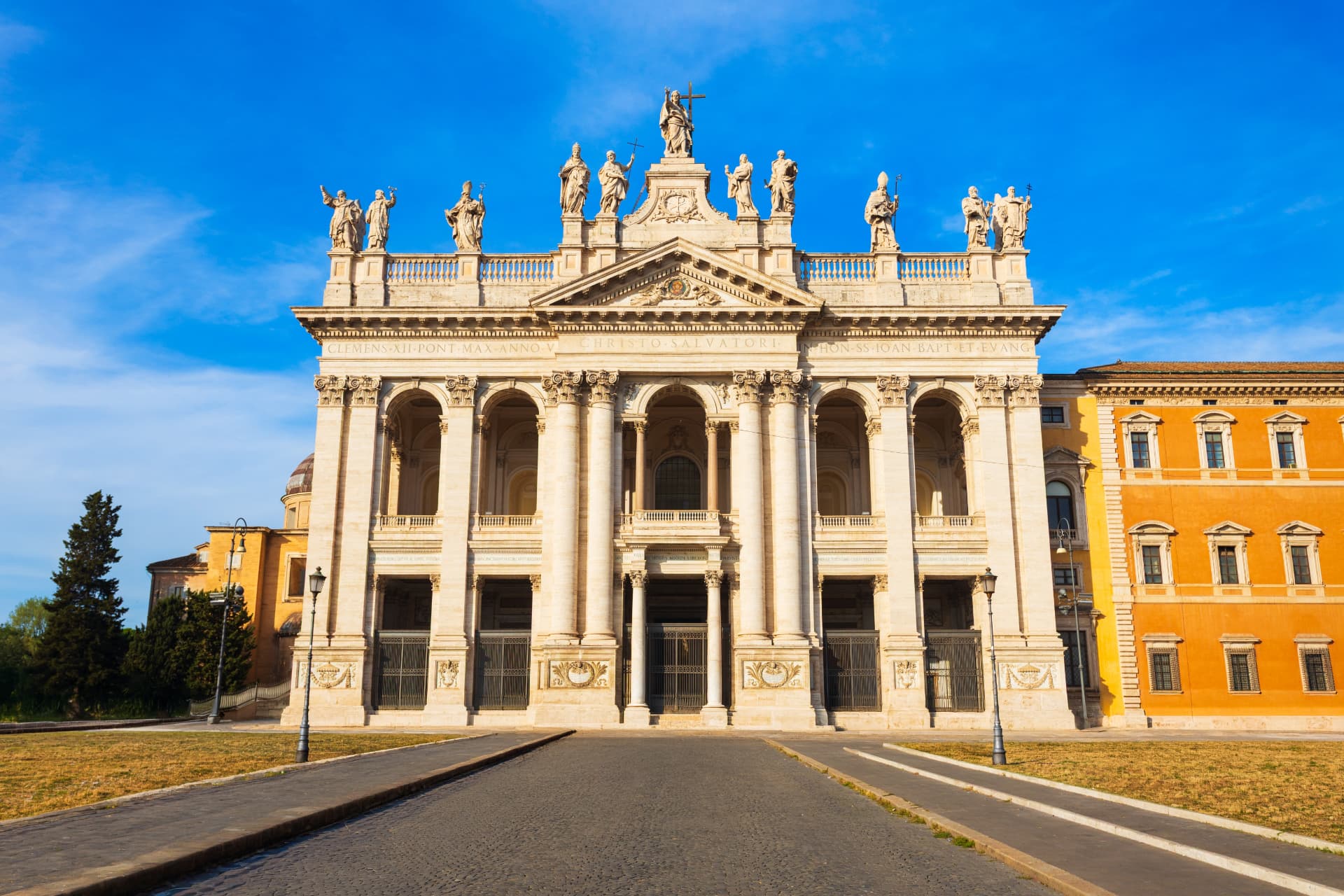
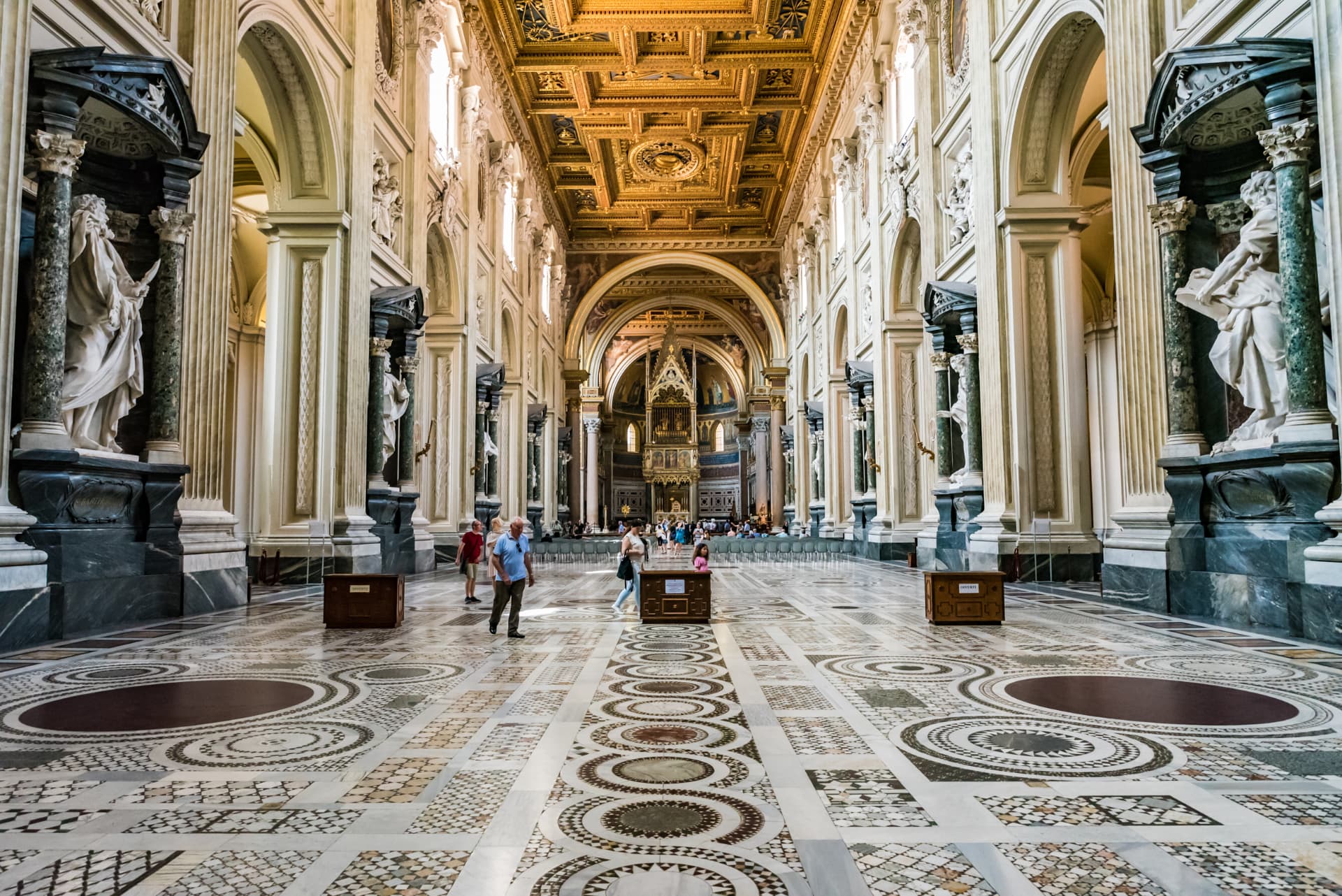
Beyond its spiritual significance, the basilica is an architectural masterpiece. The Baroque interior redesigned by Francesco Borromini in 1650 is a stunning display of Counter-Reformation grandeur, while the 1735 Neoclassical façade by Alessandro Galilei—crowned with 7-meter statues of Christ and the Apostles—is one of Rome's most impressive frontispieces.
What to See
Borromini's Baroque Nave
The stunning interior features 12 massive statues of the Apostles in dramatic niches inside the nave, gilded ceilings, and the magnificent baldachin over the Papal Altar.
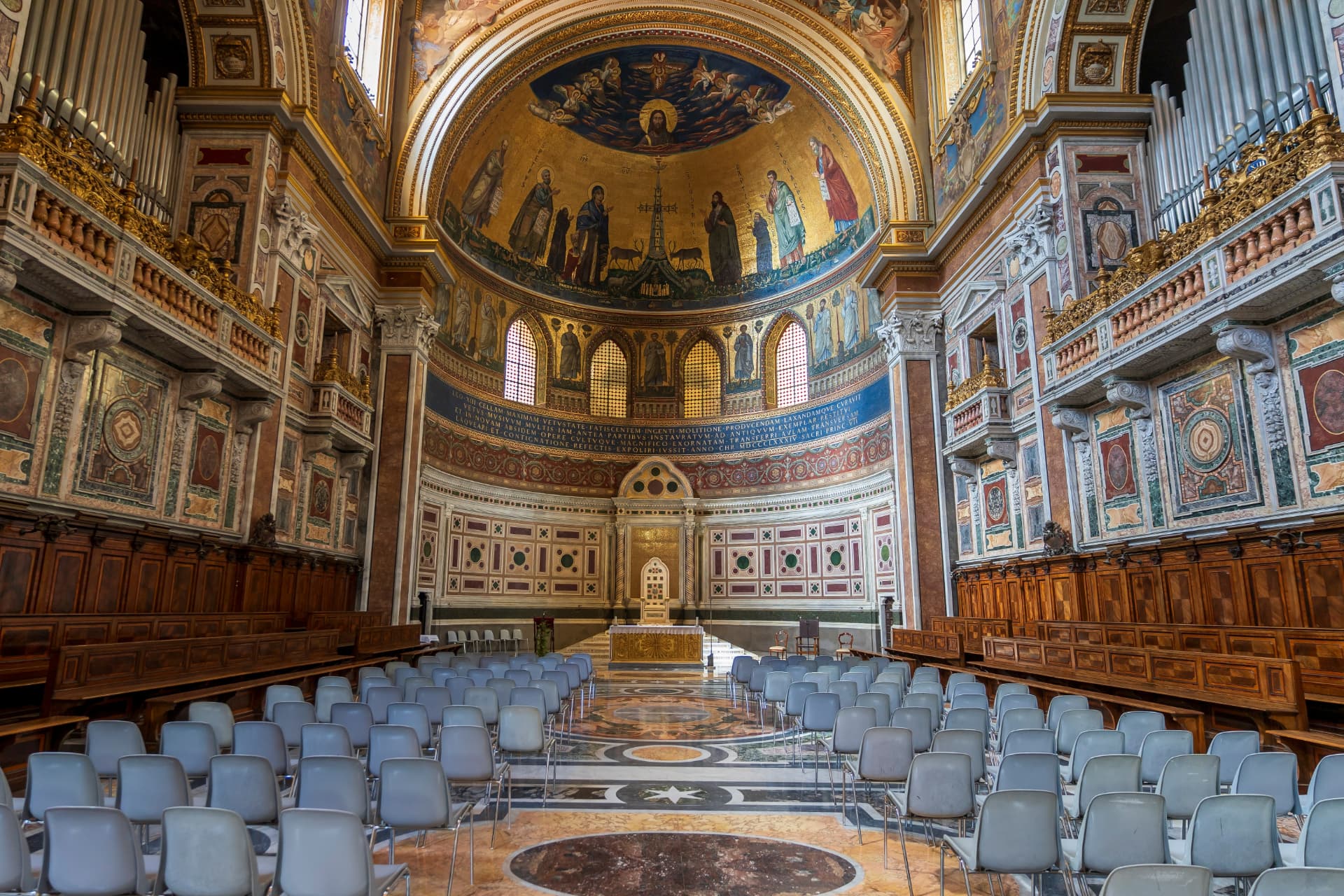
The Papal Altar
Papal altars such as this may be used with the required authorization; the reliquary is traditionally venerated as containing the heads of Saints Peter and Paul, though the relics' identity has not been historically verified.
Ancient Bronze Doors
The central bronze doors were taken from the Roman Senate (Curia Julia) in the Forum—they're over 2,000 years old and connected to ancient Rome's political heart.
Cosmati Cloister
A 13th-century masterpiece of Cosmati mosaic work with twisted columns, intricate marble inlays, and peaceful gardens—one of Rome's most beautiful cloisters.
Scala Santa (Holy Stairs)
Across the piazza, climb the 28 marble steps that tradition says Jesus walked during his Passion—brought to Rome by St. Helena in 326 AD.
The Grand Façade
Alessandro Galilei's 1735 Neoclassical masterpiece is topped by 7-meter statues of Christ, saints, and Doctors of the Church; the statues of the Apostles are found inside the nave.
The Basilica in Photos
History of the Basilica
Early 4th c.Foundation
Emperor Constantine I commissioned the Basilica in the early fourth century as Rome's first Christian church, built on the site of the Lateran Palace
455 ADVandal Destruction
The Vandals under Gaiseric sacked Rome and stripped the basilica of its treasures
896 ADEarthquake Damage
A major earthquake caused severe damage, requiring extensive reconstruction
1308Papal Residence Ends
The Avignon Papacy began, and the popes left Rome. The Lateran Palace was destroyed by fire
1650Borromini Restoration
Pope Innocent X commissioned Francesco Borromini to redesign the interior in Baroque style for the Holy Year of 1650
1735New Façade
Alessandro Galilei completed the iconic Neoclassical east façade crowned with statues of Christ and the Apostles
PresentCathedral of Rome
Remains the Pope's official seat as Bishop of Rome and the highest-ranking Catholic church in the world
Visitor Tips
🚇 Getting There
Take Metro Line A to San Giovanni station—the basilica is a 2-minute walk. Tram 3 also stops here. It's about 15 minutes from the Colosseum on foot.
⏰ Opening Hours
Basilica: 7:00 AM - 6:30 PM daily (free). Museum: 9:00 AM - 5:30 PM daily. Cloister: 9:00 AM - 5:00 PM daily. Baptistery: 9:00 AM - 7:00 PM daily. Visitor movement may be restricted during liturgies. Arrive early to avoid tour groups that come mid-morning.
👗 Dress Code
Modest dress required—no bare shoulders, shorts above the knee, or miniskirts. Carry a scarf if visiting in summer.
📍 Combine With
Walk to nearby Basilica San Clemente (15 min) to see stunning underground layers of history. The Colosseum is also a 20-minute walk through the park.
Common Mistakes to Avoid
Skipping it for St. Peter's only
Many tourists think St. Peter's is the Pope's cathedral—it's not. San Giovanni IS Rome's cathedral. Missing it means missing the most important church in Catholicism.
Ignoring the Scala Santa
Most people walk past the building across the piazza. The Holy Stairs are free to ascend and are one of Christianity's most venerated relics—climbed on knees by pilgrims for centuries. Note the Sancta Sanctorum and some associated areas can have separate access arrangements or fees.
Skipping the cloister
The entry fee (check current official prices) feels easy to skip, but the 13th-century Cosmati cloister with its twisted columns is among Rome's most beautiful spaces—worth the visit.
Wearing shorts or tank tops
A modest dress code applies at the door. Always carry a scarf or light layer when visiting Rome's basilicas in summer.
Visiting during Mass
Sunday mornings and feast days mean visitor movement may be restricted during liturgies in parts of the basilica. Time your visit on a weekday morning for unhurried exploration.
Missing the bronze doors
Most visitors walk straight past the central doors. They were taken from the Roman Senate (Curia Julia) in the Forum—you're literally touching ancient Rome.
Insider Tips
Visit at 8 AM sharp
The basilica opens at 7 AM. Arriving by 8 means you'll have the vast nave virtually to yourself for an hour before tour buses arrive.
Look up at the gilded ceiling
Most visitors focus on the apostle statues at eye level and miss the spectacular coffered wooden ceiling—one of Rome's finest, designed in the 16th century.
Find the medieval Pope tomb fragments
Along the side aisles, look for fragments of Gothic papal tombs that survived the 1308 fire—a rare glimpse of the basilica's medieval form.
Climb Scala Santa on knees
Whether you're religious or not, watching pilgrims slowly ascend the 28 steps in prayer is one of Rome's most moving sights. Side stairs allow walking up. Ascending the Holy Stairs is free; the Sancta Sanctorum and some associated areas can have separate access arrangements or fees.
Where to Stay Near Basilica di San Giovanni in Laterano
Looking for convenient accommodation near Basilica di San Giovanni in Laterano? Stay within walking distance to make the most of your visit.
Hotels Near This AttractionTop Rated HotelsBudget-Friendly OptionsLuxury HotelsCentral locations with easy access to Basilica di San Giovanni in Laterano and other attractionsFrequently Asked Questions
Related Attractions
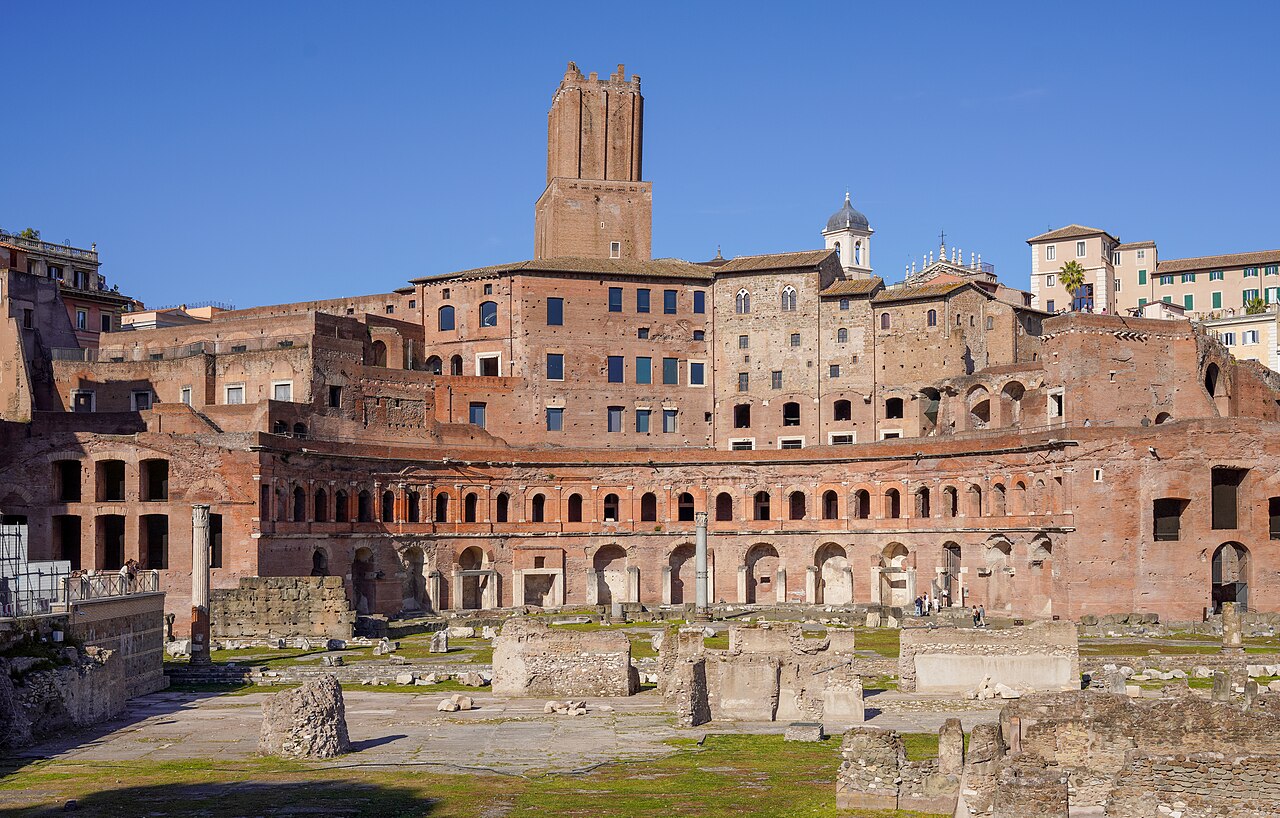
Trajan's Market
A vast multilevel Roman complex beside Trajan's Forum—now the Museum of the Imperial Fora
Explore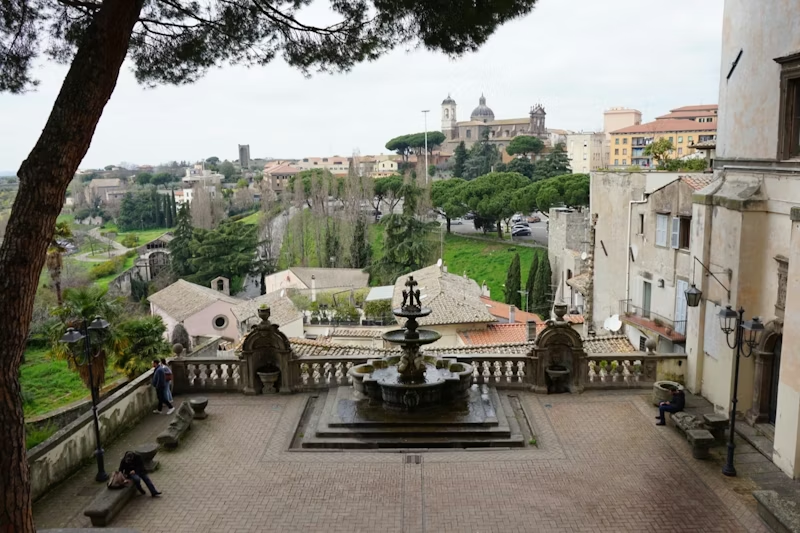
Palazzo dei Priori
Viterbo's Gothic town hall with Renaissance frescoes
Explore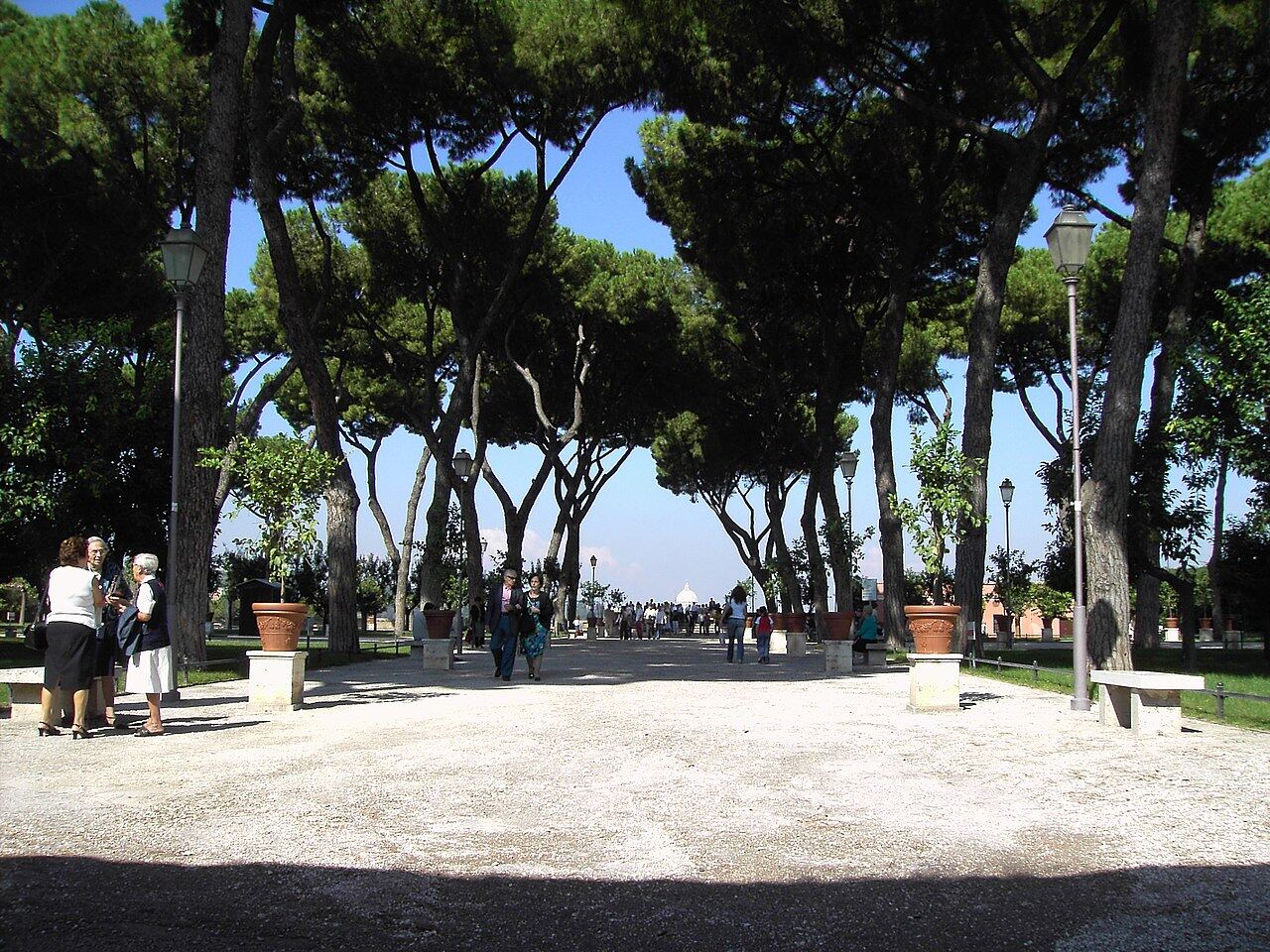
Aventine Keyhole
Rome's most famous secret view—see St. Peter's perfectly framed through the keyhole
Explore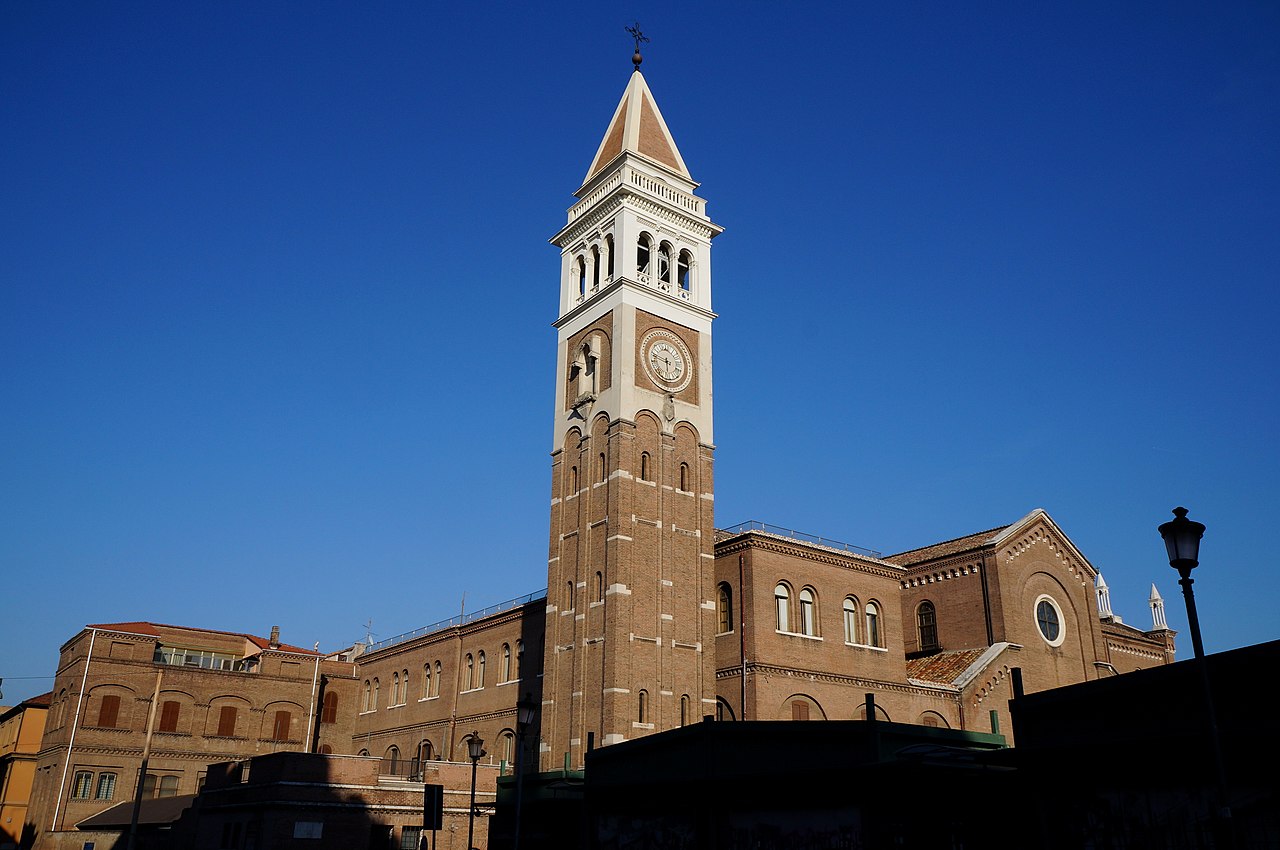
Chiesa di Santa Maria Immacolata e San Giovanni Berchmans
Free active parish church with distinctive neo-Romanesque bell tower
Explore
Porta Maggiore
Monumental 1st-century aqueduct arches later incorporated into the Aurelian Walls
Explore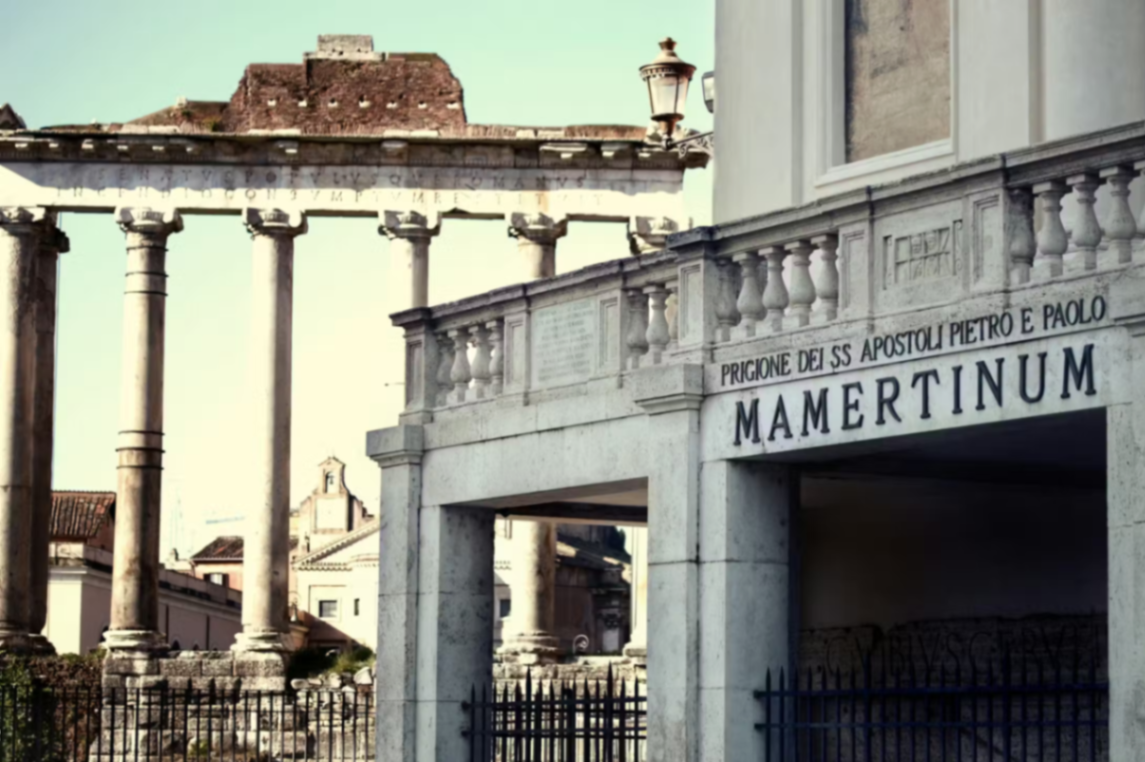
Mamertine Prison
Ancient detention complex traditionally associated with Saints Peter and Paul
ExploreQuick Planning Guide
⏱️ Time Needed
1-2 hours (add 30 min for cloister)
💰 Cost
Free (cloister and museum: check current official prices)
🎫 Reservation
Not required
♿ Accessibility
Wheelchair accessible via ramps
📅 Best Time
Early morning (8-10 AM) for fewer crowds
👨👩👧👦 Family Friendly
Yes—spacious interior, fascinating history
Nearby Attractions
Scala SantaHoly Stairs
Basilica of San ClementeColosseumSanta Maria MaggioreFeatured In These Itineraries
Classic Rome 3 Days5 Day Rome ItineraryEssential Tips
- ✓ The Scala Santa across the piazza is free—don't miss it
- ✓ Dress code applies: cover shoulders and knees
- ✓ The cloister is worth a visit for its Cosmati mosaics—check current official prices
- ✓ A quieter alternative to the crowds at St. Peter's