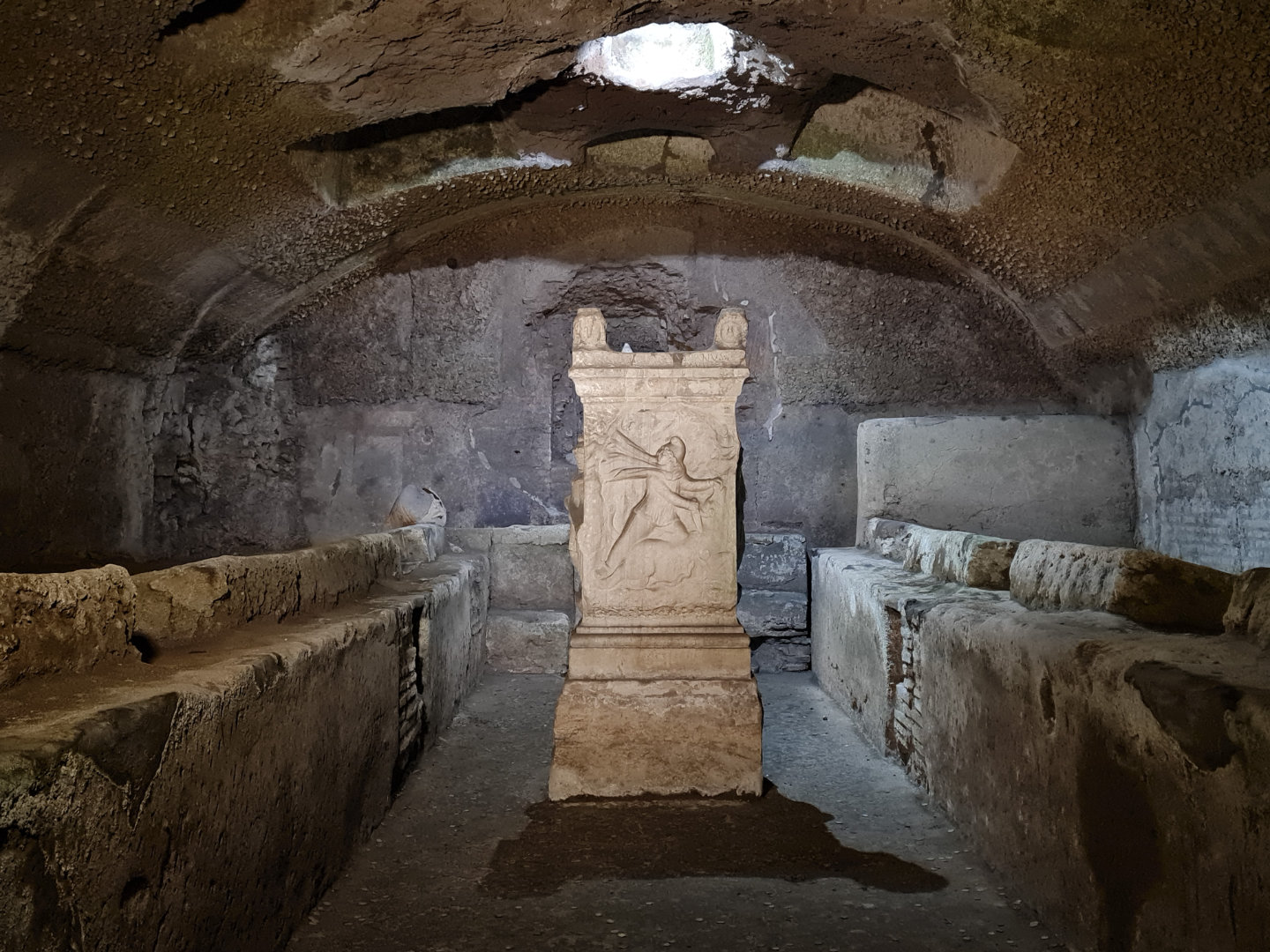
 Underground Rome — three layers of history
Mithraeum under San Clemente
A secret 2nd-century Roman temple to Mithras hidden three levels below the medieval basilica, near the Colosseum.
60–90 min visit€10 underground3 levels deepOriginal altar in situVia Labicana 95, 00184 Roma RMOpen on MapPlan Your Visit
Compare tickets, tours and stays — booking ahead usually gives more choice
Get TicketsBook a TourHotels NearbyThe Mithraeum under San Clemente is one of Rome's most evocative underground sites — a 2nd–3rd century Roman temple to the Persian god Mithras, buried three levels below the medieval Basilica of San Clemente, just five minutes' walk east of the Colosseum. As you descend, you pass back through time: a 12th-century medieval church on the surface, a 4th-century early Christian basilica with rare 11th-century frescoes (including the famous Sisinnium fresco containing some of the earliest written Italian ever recorded), a 1st-century Roman apartment building with an alleyway preserved between its walls, and finally the Mithraeum itself — a barrel-vaulted chamber with the original tauroctony altar showing Mithras slaying the cosmic bull, stone benches for ritual meals, and the unmistakable sound of an underground watercourse still flowing beneath your feet. €10 entry, open Mon–Sat 09:00–12:30 and 14:00–18:00, Sunday and holidays 12:00–18:00; booking required (timed-entrance system).
Why visit the Mithraeum under San Clemente?
San Clemente is the single best vertical section of urban Rome you can visit. In one descent you pass through a 12th-century medieval church, a 4th-century early Christian basilica with rare frescoes, a 1st-century Roman apartment block and a 2nd-century pagan temple — each layer datable, each preserved on top of the next. There is no other Roman site where 1,200 years of urban history are stacked so clearly above the same square metre.
- Original tauroctony altar: the central Mithraic relief — Mithras slaying the cosmic bull, flanked by the torchbearers Cautes and Cautopates — preserved in situ on the lowest level. Most other mithraea have been moved to museums or reconstructed.
- The Sisinnium fresco: 11th-century painted speech bubbles in vulgar Latin — among the earliest surviving examples of written Italian. A foundational document for the history of the Italian language, on the wall of the 4th-century lower basilica.
- Three layers in one visit: medieval basilica → early Christian basilica → Roman insula + Mithraeum. The vertical archaeology makes urban Rome legible in a way ruins above ground rarely do.
- The underground stream: an ancient watercourse still flowing beneath the lowest level, its exact identity not established. Stop, listen and you can hear the running water.
- Quiet, atmospheric, near the Colosseum: 5 minutes from the busiest site in Rome but with a fraction of the crowds. The perfect afternoon antidote to a morning at the Forum.
Quick facts
Built
2nd–3rd century AD
Depth
3 levels below
Cult
Mithraism (Persian)
Entry 2026
€10 adult (reductions vary)
Visit time
60–90 minutes
Open
Mon–Sat 09:00–18:00
Underground temp
14–16°C, humid
Location
5 min from Colosseum
Table of Contents
Jump to any section of the itinerary
A brief history
In the 1st century AD, on the slope between the Colosseum valley and the Caelian Hill, a typical urban Roman block was built: a multi-storey insula (apartment building) and possibly an imperial mint, with brick walls, narrow alleys and ground-floor shops. The lowest level of San Clemente preserves these original 1st-century structures — including a clear scorch line from the Great Fire of Rome (64 AD) on Nero's watch.
In the 2nd–3rd century AD, followers of the Persian god Mithras converted part of the ground floor of one of these buildings into a secret temple. Mithraism — a mystery religion popular among soldiers, merchants and imperial officials — required windowless underground or semi-underground chambers (mithraea) for its initiation rituals, with a central tauroctony scene of Mithras slaying the cosmic bull. The San Clemente Mithraeum still has its original altar, stone benches for ritual meals and barrel-vaulted ceiling once painted with stars.
After Constantine legalised Christianity in 313 AD and Theodosius banned pagan cults in 392 AD, the Mithraeum was abandoned. In the 4th century a Christian basilica dedicated to Pope Clement I (third successor of St Peter) was built directly above the abandoned Mithraeum — literally sealing the pagan temple beneath the new church. The 4th-century basilica was decorated through the centuries; in the 11th century it received a remarkable fresco cycle including the famous Sisinnium fresco, whose painted speech bubbles in vulgar Latin are among the earliest surviving examples of written Italian.
In 1084 AD, Robert Guiscard's Norman army sacked Rome and severely damaged the lower basilica. Rather than restore it, the church authorities filled it with rubble and built the current medieval Basilica of San Clemente (1108–1123) on top — using the rubble fill as foundation. The lower levels were sealed and forgotten for the next 700 years. The new church was given to the Irish Dominicans by Pope Urban VIII in 1667 as a refuge during the Cromwellian persecution; the community is still here today.
In 1857, the Irish Dominican prior Father Joseph Mullooly began systematic excavations beneath the medieval church. He uncovered the 4th-century basilica with its frescoes, and over the next decades the 1st-century Roman insula and the Mithraeum itself — one of the greatest archaeological discoveries of 19th-century Rome. Father Louis Nolan completed the excavation of the Mithraeum in 1912–1914. Conservation work in the 2000s–2010s stabilised the frescoes and modernised the site's lighting and ticketing.
San Clemente through the centuries
1st Century ADRoman buildings constructed
A multi-storey Roman insula (apartment block) and possibly an imperial mint are built on the site, representing typical urban life in 1st-century imperial Rome — solid brick walls, narrow alleys and ground-floor shops.
64 ADGreat Fire of Rome
Evidence of fire damage in the lowest level corresponds to the catastrophic Great Fire of Rome under Nero, which devastated ten of fourteen districts. Some of the original brick walls show the scorch line.
2nd–3rd Century ADMithraeum established
Followers of Mithras convert part of the ground floor of the Roman building into a secret temple — barrel-vaulted ceiling painted with stars, stone benches for ritual meals, central altar showing the tauroctony. The cult spreads among soldiers, merchants and imperial officials.
313 ADChristianity legalised
Constantine's Edict of Milan legalises Christianity. Across Rome, mithraea are progressively abandoned or filled in. The cult of Mithras is officially banned by Theodosius in 392 AD.
4th Century ADEarly Christian basilica built
A Christian basilica is built directly above the abandoned Mithraeum, dedicated to Pope Clement I (the third successor of St Peter). The pagan temple is sealed off but not destroyed — literally buried under the new church.
11th CenturySisinnium fresco painted
The lower basilica receives a remarkable fresco cycle of the legends of St Clement and St Alessio. The 'Sisinnium' fresco contains speech bubbles in vulgar Latin — among the earliest surviving examples of written Italian.
1084 ADNorman destruction
Robert Guiscard's Norman army sacks Rome to rescue Pope Gregory VII from Henry IV. The 4th-century basilica is severely damaged and eventually filled with rubble to support a new church above.
1108–1123Medieval church built
The current Basilica di San Clemente is constructed on top of the ruined lower basilica, using the rubble fill as foundation. Its golden Cosmati floor, Triumph of the Cross apse mosaic and Cappella di Santa Caterina (Masolino, 1428) make it one of Rome's finest medieval churches.
1667Irish Dominicans take over
Pope Urban VIII gives the Basilica of San Clemente to the Irish Dominicans as a refuge during the Cromwellian persecution of Catholics in Ireland. The community is still here today and continues to manage the site.
1857Rediscovery by Father Mullooly
Irish Dominican prior Father Joseph Mullooly begins systematic excavations beneath the medieval church, uncovering the 4th-century basilica and eventually the Mithraeum — one of the greatest archaeological discoveries of 19th-century Rome.
1912–1914Mithraeum fully excavated
Father Louis Nolan continues the work, fully exposing the Mithraeum chamber, identifying the tauroctony altar and the 1st-century Roman insula, and publishing the first complete archaeological report of the multi-level site.
2000s–2010sConservation and modern ticketing
Conservation projects stabilise the 11th-century frescoes and modernise the site's lighting and ticketing system. The Sisinnium fresco is restored and re-displayed.
What to see at San Clemente
The Mithraeum & Sacred Altar
- Original tauroctony relief showing Mithras slaying the cosmic bull — flanked by the torchbearers Cautes and Cautopates, with the symbolic dog, snake, scorpion and raven.
- Stone benches (podia) on either side of the chamber where initiates reclined for ritual meals — the temple deliberately mimics a Roman triclinium (dining room).
- Barrel-vaulted ceiling once painted dark blue with stars — representing the cosmos that Mithras was believed to have set in motion by killing the bull.
- Narrow entrance and absence of windows emphasising the secret, initiation-only nature of the cult — Mithraism was the most famous of the Roman 'mystery religions'.
Three archaeological layers
- Level 1 (street level): 12th-century medieval basilica with golden Triumph of the Cross apse mosaic, Cosmati floor and Masolino's 1428 Cappella di Santa Caterina.
- Level 2 (~5m down): 4th-century early Christian basilica with rare 11th-century frescoes of St Clement, St Alessio and the Sisinnium scene with the earliest written Italian.
- Level 3 (~10m down): 1st-century Roman insula and possibly imperial mint, with the Mithraeum installed inside in the 2nd–3rd century AD.
- Evidence in the lowest level of the Great Fire of Rome (64 AD) — a clear scorch line in the original brick walls.
11th-century frescoes
- The Sisinnium fresco — speech bubbles in vulgar Latin among the earliest surviving examples of written Italian (a foundational text for the history of the Italian language).
- The Legend of St Clement cycle — the saint's miracle of the underwater tomb at Cherson and the column lifted by angels.
- The Legend of St Alessio (Alexius) — the only surviving major medieval cycle of the Roman saint who lived as a beggar under his own father's staircase.
- Rare survival: most 11th-century Roman frescoes were destroyed in later renovations — these were preserved precisely because the lower basilica was sealed off and forgotten.
Hidden features
- An active underground stream flowing beneath the lowest level — an ancient watercourse or drainage channel of uncertain identification, audible (and in places visible through grilles) throughout the visit.
- A complete 1st-century Roman alleyway preserved between the buildings — you walk along an actual street of imperial Rome.
- The remains of an early Christian baptistery in the 4th-century basilica, with the original immersion font.
- Renaissance and modern graffiti by 19th-century excavators alongside ancient Roman markings — the layered history continues to the present day.
The Mithraeum chamber & the cult of Mithras
The Mithraeum proper is a small, barrel-vaulted chamber on the lowest level of the site, installed in the 2nd–3rd century AD inside what had been a ground-floor room of a 1st-century Roman building. The space is deliberately intimate — about 9.6 by 6 metres — with narrow stone benches (podia) running along both long walls. Initiates would recline on these benches for ritual meals, in the same posture as a Roman triclinium (dining room), facing the central altar.
The altar at the end of the chamber bears the classical tauroctony scene — Mithras kneeling on the back of a cosmic bull, plunging a dagger into its neck. The torchbearers Cautes (torch raised, dawn) and Cautopates (torch lowered, dusk) flank him, while a snake and dog lap the bull's blood and a scorpion attacks its genitals. The scene is rich in cosmological symbolism: the bull's death is the moment of cosmic creation, the spilling blood is generative life, and the constellations represented in the scene encode an astronomical reference (probably to the precession of the equinoxes from Taurus to Aries around 2000 BC).
The barrel-vaulted ceiling above the chamber was originally painted dark blue with golden stars, evoking the cosmos that Mithras was believed to have set in motion. The room had no windows — initiates entered through a narrow side passage, sealed off from the outside world. Mithraism organised its followers into seven grades of initiation: Raven (Corax), Bridegroom (Nymphus), Soldier (Miles), Lion (Leo), Persian (Perses), Sun-Runner (Heliodromus) and Father (Pater) — each with its own symbols, planet and ritual obligations.
At the cult's peak in the 2nd–3rd century AD there were more than 40 mithraea in the city of Rome alone, and hundreds more across the empire from Hadrian's Wall to the Euphrates. Mithraism was a major rival to early Christianity — both promised individual salvation, both used initiation rites, both held communal meals — but it remained restricted to men and lacked Christianity's universal appeal. After Theodosius's anti-pagan laws of 392 AD it disappeared within a generation. The San Clemente Mithraeum is one of the very few that survives almost intact.
The Sisinnium fresco — birth of written Italian
On the right wall of the 4th-century lower basilica, an 11th-century fresco illustrates a comic scene from the legend of St Clement. The pagan prefect Sisinnius, jealous that his wife Theodora has converted to Christianity, orders his servants to drag St Clement to prison — but the saint blinds him, and the servants, also miraculously blinded, drag a heavy column out of the church instead.
What makes the fresco one of the most important documents in the history of the Italian language is the painted speech bubbles. Sisinnius's furious orders to his servants are written above his head in vulgar Latin — the spoken language of 11th-century Rome — rather than in classical Latin: "Fili dele pute, traite!" ("Sons of whores, pull!"). The reply of one servant — "Albertel, trai!" ("Albertello, pull!") — uses a recognisably Romance vocative. The Latin response of St Clement is written above in deliberate contrast: the Church speaking classical Latin, the people speaking the new Romance vernacular.
These few painted lines are among the earliest surviving written examples of Italian as it was actually spoken — earlier than the Indovinello Veronese (8th–9th c., though debated), contemporary with the Placiti Cassinesi (960 AD) and earlier than the Ritmo Laurenziano. For historians of the Romance languages they are a foundational document: the moment the spoken vernacular of Rome forces its way into the visual record of the Latin Church.
The fresco is also a wonderful piece of medieval comedy — Sisinnius's swearing, the slapstick of the column-pulling, the wife Theodora kneeling devoutly in the corner. Most visitors walk past without noticing; the audio guide explains both the linguistic significance and the comic narrative. Bring a small phone torch (no flash) to read the speech bubbles clearly.
The underground stream beneath your feet
The most evocative single moment of a San Clemente visit is not visual but auditory. As you stand in the Mithraeum chamber on the lowest level and the group falls silent, you can hear — clearly — running water beneath the floor. In several places along the lowest corridor, metal grilles in the floor let you see the water itself, flowing fast through a stone-lined channel just below.
This is an active underground watercourse or drainage channel whose precise ancient identity is not established — some visitors and older guidebooks assume a connection to the famous Cloaca Maxima, Rome's ancient main drain, but that identification has not been confirmed and should be treated as uncertain rather than fact.
The constant water flow and the high humidity it generates are the reason the lowest level of San Clemente has both endangered and preserved its archaeology. The damp has weathered the brick, but the constant stable temperature (14–16°C year-round) has paradoxically kept the structures from the freeze-thaw cycles that destroy above-ground masonry. The Irish Dominicans have long managed drainage and conservation at the site.
Stand still for thirty seconds with your eyes closed and listen. The Romans who worshipped Mithras here in the 2nd century heard exactly the same sound. So did the early Christian congregation in the 4th-century basilica above. So did the Norman troops who sacked Rome in 1084. So did Father Mullooly when he opened the chamber in 1857. It is the most direct sensory connection to the deep history of Rome that any single site offers.
San Clemente vs other underground Rome sites
| Feature | San Clemente | Domus Aurea | Catacombs |
|---|---|---|---|
| Era of main highlight | 2nd–3rd c. Mithraeum + 4th c. basilica | 64–68 AD Nero's palace | 2nd–4th c. Christian burial galleries |
| Depth | 3 levels (~10m) | 1 level (~9m) | Up to 5 levels (~30m) |
| Visit format | Self-guided, audio guide | 75-min mandatory guided tour | Mandatory group guided tour |
| Entry 2026 | €10 adult (reductions vary) | €18 with VR | €10–12 |
| Booking required | Required (timed entry) | Required, 2–3 weeks ahead | Recommended |
| Open days | Mon–Sun (Sun from 12:00) | Saturdays & Sundays only | Closed one day/week (varies) |
| Best for | Layered urban Rome, frescoes | Imperial luxury + VR | Early Christian Rome |
| Crowds | Moderate, never extreme | Capped at 25 per group | Group-by-group, low overall |
Verdict: if you only do one underground site in Rome, do San Clemente — the layered urban archaeology and accessible logistics are unmatched. If you do two, add the Domus Aurea (Saturday or Sunday morning) for imperial luxury and VR. The Catacombs are wonderful but lie outside the centre on the Appian Way and require a separate half-day.
Best time to visit
Time of day
Opening slot (best)
Book the first available timed-entry slot. Empty crypt, fresh air, no queue. You can stand alone in the Mithraeum chamber for several minutes.
17:30 last entry (weekday)
Excellent backup. The midday school groups are gone; light through the upper church mosaic is at its most golden.
Book ahead
Timed-entrance booking is required, so reserve your slot in advance rather than relying on walk-up entry, especially in April–October.
Best days & seasons
November–March (best)
Quiet, easy walk-up, and the underground temperature is gentler against the cooler outside air.
April–June, September–October
Book a morning slot or a 15:30 last entry; midday is busy.
July–August
The 35°C–14°C temperature contrast makes the underground a welcome refuge — but bring a light jacket, the chill bites quickly.
Sunday morning closed
On Sundays and holidays the underground only opens at 12:00 after Mass. Plan a Sunday afternoon — or another day.
Getting there
Metro Line B — Colosseo (best)
Take Metro Line B to Colosseo. From the station, walk past the Colosseum on its south-east side, follow Via di San Giovanni in Laterano for 5 minutes — the basilica is on your right at Via Labicana 95.
Walking from the centre
From Piazza Venezia, walk 15 minutes east via Via dei Fori Imperiali to the Colosseum, then 5 minutes south-east on Via di San Giovanni in Laterano. The most scenic approach with the Forum and Colosseum on the way.
Bus & tram
Tram 3 stops directly outside (Labicana/San Clemente). Buses 85, 87, 117 stop at the Colosseum, then a 5-minute walk. Bus 51 from the centre stops on Via Labicana.
Find the entrance
The basilica is at Via Labicana 95 — a plain door in a long high wall, easy to walk past. The entrance to the underground levels is via the gift shop in the right transept of the upper church, where you buy the €10 ticket. The upper basilica itself is free.
Common mistakes to avoid
Skipping the upper basilica
Visitors rush downstairs and miss the upper church — but its 12th-century Triumph of the Cross apse mosaic and Masolino's 1428 chapel are among the most beautiful art in Rome. Allow 15–20 minutes upstairs first (free, no ticket needed).
Not buying the audio guide
The wall labels in the underground levels are minimal and entirely in Italian and English. The audio guide explains the Mithras myth, the Sisinnium fresco's linguistic importance, and the layering of the site — without it, some meaning is lost.
Not booking your time slot
The underground levels use timed-entrance booking, so advance booking is required, not optional. Booking a slot near opening or a later afternoon slot tends to mean a quieter visit.
Wearing inappropriate clothing
The lowest level is 14–16°C with very high humidity year-round. Bring a light layer in summer, a real jacket in winter. Closed shoes are essential — the floor on the lowest level is uneven and damp.
Bringing strollers or wheelchairs
There are 60+ steps and no lift to the underground levels. The upper basilica is accessible at street level (free) but the underground archaeological levels are unfortunately not. Plan accordingly with mobility-impaired visitors.
Visiting during Sunday morning Mass
On Sundays and holidays the underground levels open later than on weekdays — from 12:00 after the principal Mass in the upper church. Plan a Sunday afternoon visit, or pick another day for the underground.
Insider tips from locals
Book the first slot of the day
The single best slot. The crypt is empty, the air is fresh, and you can stand alone in the Mithraeum chamber for several minutes. Book your timed-entry slot in advance, descend, then come back up to enjoy the upper basilica afterwards.
Find the Sisinnium fresco speech bubbles
The Sisinnium fresco is in the 4th-century lower basilica, on the right wall as you enter. Look for the vulgar-Latin speech bubbles ('Fili dele pute, traite!') — among the earliest written Italian. The audio guide explains the linguistic significance; most visitors walk past without noticing.
Listen for the underground stream
On the lowest level (Mithraeum) stop and stand still for 30 seconds. You will hear running water below the floor — an ancient watercourse or drainage channel of uncertain identification. One of the most evocative experiences in any Roman site.
Combine with San Pietro in Vincoli & the Colosseum
From San Clemente walk 5 minutes north to San Pietro in Vincoli (free) to see Michelangelo's Moses, then 5 more minutes to the Colosseum. A perfect 'hidden Rome' afternoon route after a morning Forum visit.
Lunch at Li Rioni or Luzzi on Via dei SS Quattro
After your San Clemente visit, walk 2 minutes south for Roman pizza at Li Rioni (best near the Colosseum) or classic trattoria at Luzzi (no booking, around €10 pasta). Avoid the tourist traps directly on Via Labicana facing the basilica.
Visit the Dominican gift shop for the official guidebook
The €8 official guidebook published by the Irish Dominicans (sold only on site) is the best detailed companion to the underground levels — far better than the standard Rome guidebook coverage. Available in English, Italian, French, German and Spanish.
Practical visitor tips
Start from the Top
Enter through the upper medieval church, then descend level by level. This way you experience history chronologically backwards — most impactful.
Photography Rules
Photos allowed in the underground levels but flash is prohibited. The dim lighting adds atmosphere but makes photos challenging — use night mode.
Wear Sturdy Shoes
The stairs are steep and worn. The underground areas can be damp — the ancient stream still flows beneath your feet.
Don't Miss the Frescoes
The 4th-century basilica level has remarkable early Christian frescoes depicting the life of St Clement — often overlooked in the rush to the Mithraeum.
Where to Stay Near Mithraeum San Clemente
Looking for convenient accommodation near Mithraeum San Clemente? Stay within walking distance to make the most of your visit.
Hotels Near This AttractionTop Rated HotelsBudget-Friendly OptionsLuxury HotelsCentral locations with easy access to Mithraeum San Clemente and other attractionsFrequently Asked Questions
What is the Mithraeum under San Clemente?
The Mithraeum is an ancient Roman temple dedicated to the Persian god Mithras, located three levels beneath the medieval Basilica of San Clemente, a 5-minute walk from the Colosseum. Built in the 2nd–3rd century AD inside the rooms of an existing 1st-century Roman building, it preserves the original tauroctony altar (Mithras slaying the cosmic bull), the stone benches where initiates reclined during ritual meals, the barrel-vaulted ceiling once painted with stars, and the surrounding 4th-century early Christian basilica that was built directly over it. It is one of the best-preserved Mithraea in Rome.
What is Mithraism?
Mithraism was a Roman mystery religion popular from the late 1st to the 4th century AD, especially among soldiers, merchants and imperial officials. Followers worshipped Mithras — a god of Persian origin — in small underground or windowless temples called mithraea, with rituals centred on the cosmic bull-slaying scene (the tauroctony) and seven grades of initiation (Raven, Bridegroom, Soldier, Lion, Persian, Sun-Runner, Father). At its peak there were more than 40 mithraea in the city of Rome alone. Mithraism was a major rival to early Christianity before it was suppressed in the late 4th century after Theodosius's anti-pagan laws.
How much do tickets cost in 2026?
Entry to the upper medieval basilica is free. The underground archaeological levels (4th-century basilica + 1st-century Roman buildings + Mithraeum) cost €10 adult. Reduced rates, free entry for children and audio-guide pricing may apply but are subject to change — check the official San Clemente website (basilicasanclemente.com) to confirm current categories. The site operates timed-entrance booking, so advance booking is required rather than optional. The site is operated by the Irish Dominicans, who have managed the basilica since 1667.
Do I need to book in advance?
Yes. The site operates timed-entrance booking for the underground archaeological levels, so advance booking is required rather than optional. Book a slot on basilicasanclemente.com or through an authorised ticket partner. Booking an early or late-afternoon slot tends to mean a quieter visit.
What can you see at the Mithraeum?
Three things stand out. (1) The Mithraeum proper — a barrel-vaulted chamber with the original tauroctony altar (Mithras slaying the bull) and stone benches for ritual meals; the ceiling was once painted with stars to evoke the cosmos. (2) The 1st-century Roman buildings beneath the Mithraeum — a Roman insula (apartment block) and possibly a mint, with original walls, brick patterns and an alleyway preserved between buildings. (3) The 4th-century early Christian basilica between the two, with rare 11th-century frescoes of the legend of St Clement and St Alessio, including the famous 'Sisinnium' fresco containing some of the earliest written Italian (vulgar Latin) ever recorded — a key document of the birth of the Italian language.
Where is the Mithraeum located?
The entrance is inside the Basilica of San Clemente at Via Labicana 95, a 5-minute walk east of the Colosseum. The closest metro is Colosseo (Line B, 7 minutes' walk). The basilica is between the Colosseum and the Lateran. The underground entrance is via the gift shop in the right transept of the upper church — once you pay, you descend a stone staircase into the lower levels.
How long does the visit take?
Allow 60–90 minutes for the full visit. The upper medieval basilica takes 15–20 minutes (free, no ticket needed), the 4th-century basilica with frescoes 25–30 minutes, and the 1st-century Roman buildings + Mithraeum a further 25–30 minutes. Reading the wall labels and listening to the audio guide adds another 15–20 minutes. Many visitors rush the lower levels; the early Christian frescoes and the linguistic significance of the Sisinnium fresco deserve real time.
What is the Sisinnium fresco?
An 11th-century fresco in the 4th-century lower basilica showing a comic scene from the legend of St Clement: the pagan prefect Sisinnius orders his servants to drag St Clement to prison, but the saint blinds him and the servants drag a column instead. The remarkable thing is the speech bubbles painted into the fresco — Sisinnius's furious orders ('Fili dele pute, traite!' — 'Sons of whores, pull!') are written in vulgar Latin, the spoken language of 11th-century Rome. They are among the earliest surviving examples of written Italian as it was actually spoken — a foundational document for the history of the Italian language. The Latin reply of St Clement above is a deliberate contrast: the Church speaking Latin, the people speaking the new vernacular.
Is there really an underground stream?
Yes. As you descend to the lowest 1st-century level you can hear (and in places see through grilles) running water — an ancient watercourse or drainage channel of uncertain identification (it is sometimes assumed to connect to the Cloaca Maxima, though that identification is not established). The sound is one of the most memorable parts of the visit. The water creates the high humidity that has both endangered and preserved the lowest level.
Is the Mithraeum good for children?
Yes for ages 8 and up. The vertical archaeology — peeling back three layers of Rome — is genuinely exciting for older children and easier to grasp than abstract ruins. The atmospheric lighting, the sound of the underground stream, and the story of Mithras killing the bull are vivid. For younger children (under 6), the steep stairs, dim lighting and 60-minute concentration are challenging. Note that strollers cannot be taken down — there are 60+ steps and no lift.
What is the temperature underground?
A constant 14–16°C / 57–61°F year-round, with very high humidity. Bring a light layer in summer (the contrast with a 35°C August day is sharp) and a real jacket in winter — the underground is unheated. Closed shoes are essential; the floor on the lowest level is uneven brick and can be damp. The air on the deepest level is noticeably musty — anyone with severe asthma or claustrophobia should be aware.
Is the Mithraeum wheelchair accessible?
Unfortunately no. The underground levels are accessed by 60+ steep stone steps with narrow corridors, low headroom in places, and a worn stone surface. There is no lift. The upper medieval basilica is accessible at street level (free entry) and includes most of the famous mosaic, the Cosmati floor and the Cavallini frescoes — visitors with mobility issues can still see the most beautiful church without descending.
Why is the Mithraeum so important to historians?
Three reasons. (1) It is one of the best-preserved mithraea in the world, with the original altar in situ — most others are reconstructed or moved to museums. (2) It is a unique vertical section of urban Rome — a 1st-century apartment block, a 2nd-century pagan temple, a 4th-century Christian basilica and a 12th-century medieval church stacked one above the other on the same square metre, with each layer datable. (3) The 11th-century Sisinnium fresco contains some of the earliest surviving written Italian — a foundational document for the history of the Italian language. There is no other single site in Rome where you can see all three things at once.
Can I take photos inside?
Photography for personal use is permitted in the underground levels (no flash, no tripod, no commercial use). The site is deliberately dim to protect the frescoes — modern phones with night mode (iPhone 12+, Pixel 6+) take excellent shots; older phones struggle. The Sisinnium fresco, the tauroctony altar and the barrel vault of the Mithraeum are the best subjects. Photography is not permitted in the upper medieval basilica during services.
Should I combine the visit with the Colosseum?
Yes. The Mithraeum is a 5-minute walk east of the Colosseum and tells a complementary story. Recommended order: Colosseum + Forum + Palatine in the morning (book the 09:00–10:00 slot on coopculture.it), lunch on Via dei SS Quattro at Li Rioni or Luzzi, then San Clemente in the afternoon (the underground levels are quietest 14:00–16:00). Add San Pietro in Vincoli (Michelangelo's Moses, free) on the walk back to make a 'hidden Rome' afternoon.
Who manages the Basilica of San Clemente?
The Irish Dominicans have administered San Clemente since 1667, when the basilica was given to them by Pope Urban VIII as a refuge for Catholic priests during the persecution of Catholics in Cromwellian Ireland. The 1857 excavations that rediscovered the underground levels were led by the Irish Dominican prior Father Joseph Mullooly — one of the great archaeological discoveries of 19th-century Rome. The community is still based here and runs the daily liturgy, the gift shop and the underground archaeological visit. The Dominicans publish English-language books and lead tours by request.
Related Attractions

Underground Basilica of Porta Maggiore
Rome's most mysterious 1st-century subterranean basilica
Explore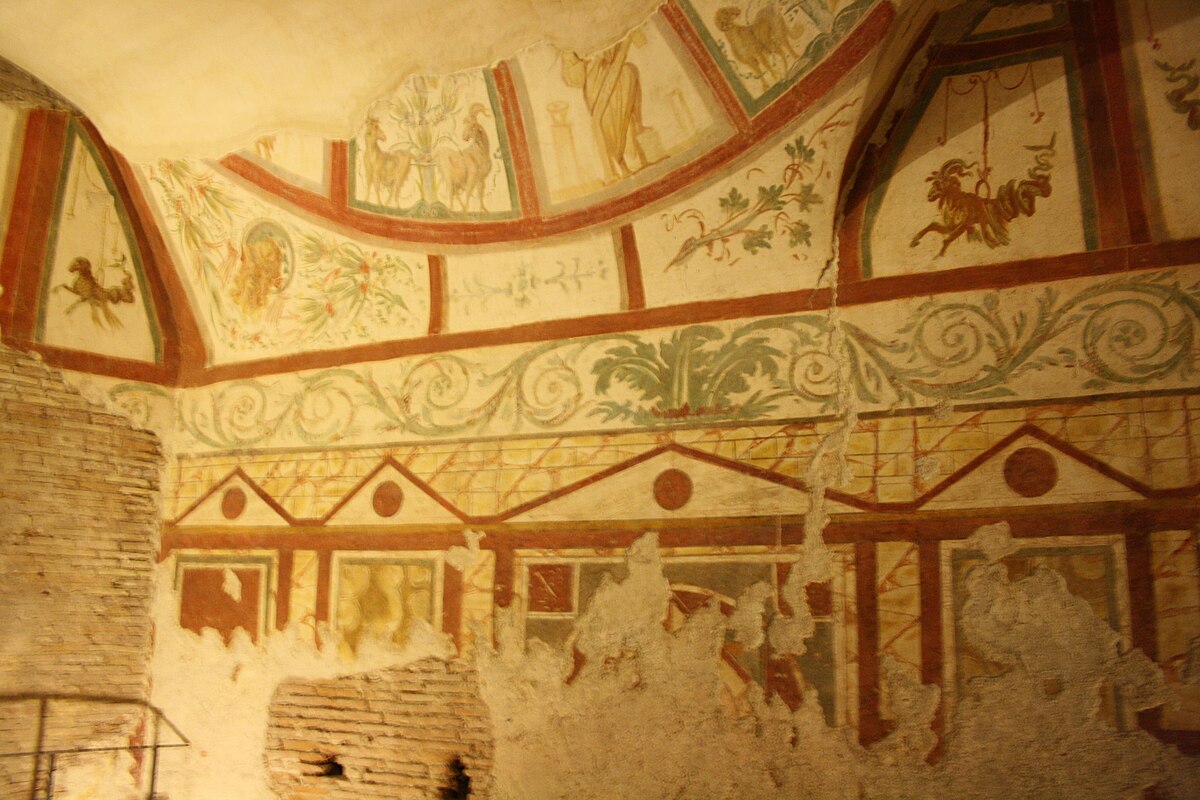
Case Romane del Celio
Late Roman houses with well-preserved frescoes beneath the Caelian Hill
Explore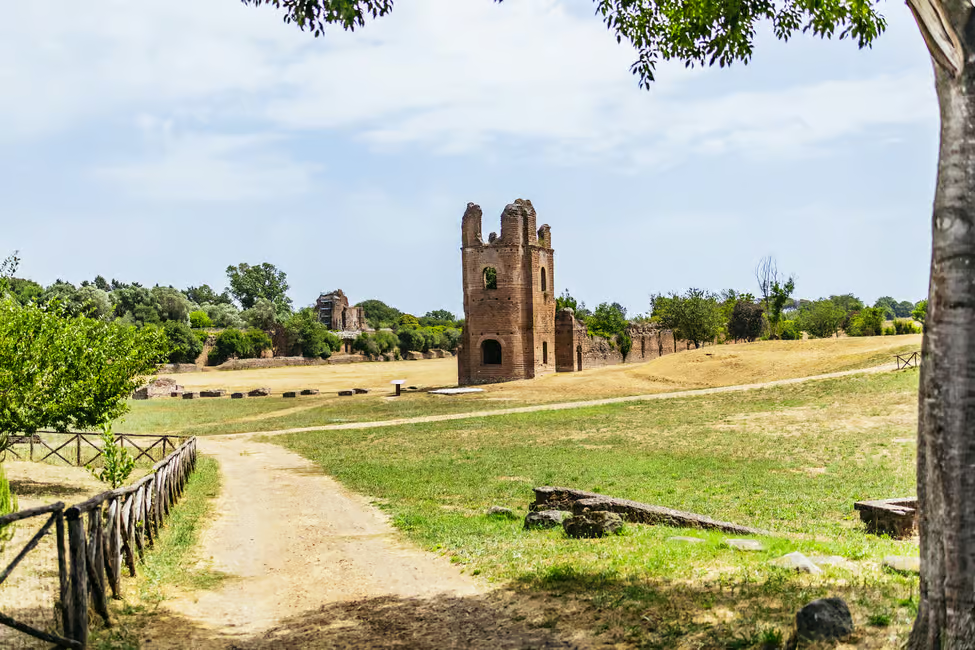
Appian Way
The Queen of Roads—walk on 2,300-year-old Roman paving stones
Explore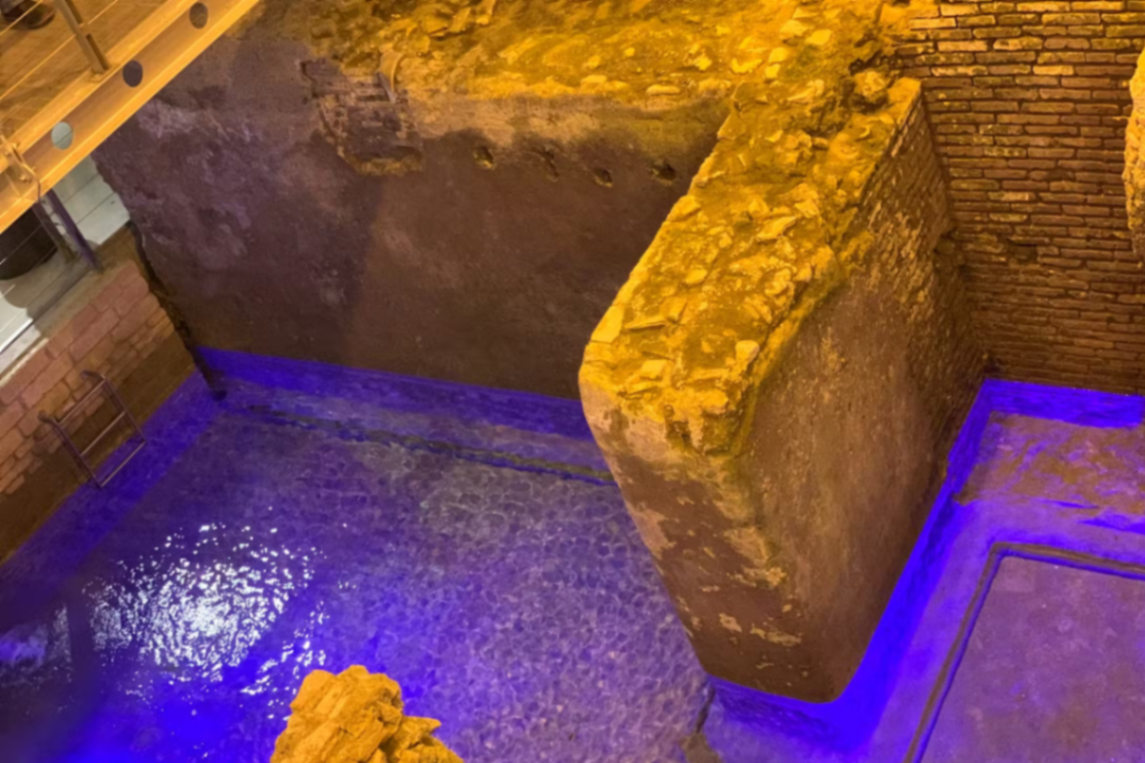
Vicus Caprarius
Ancient ruins linked to the Aqua Virgo aqueduct beneath the Trevi district
Explore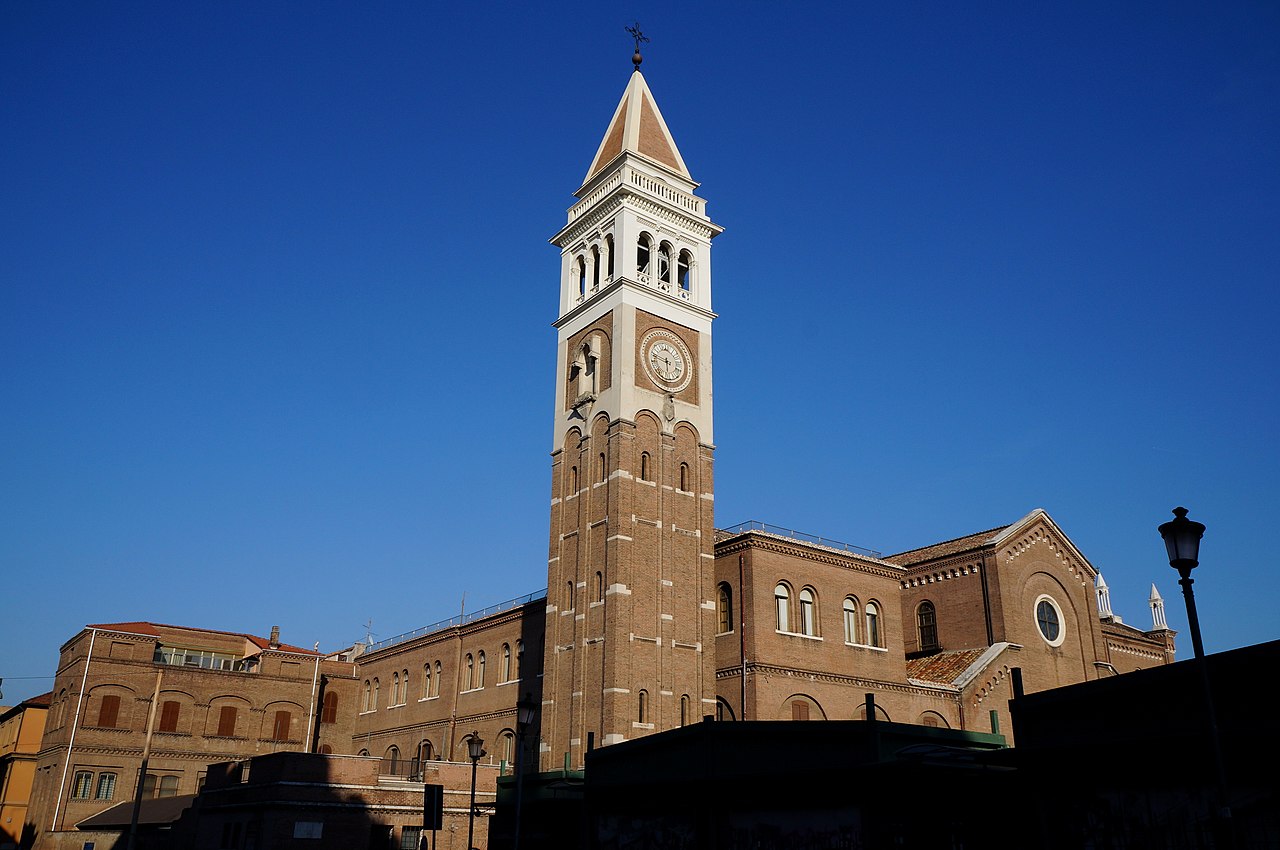
Chiesa di Santa Maria Immacolata e San Giovanni Berchmans
Free active parish church with distinctive neo-Romanesque bell tower
Explore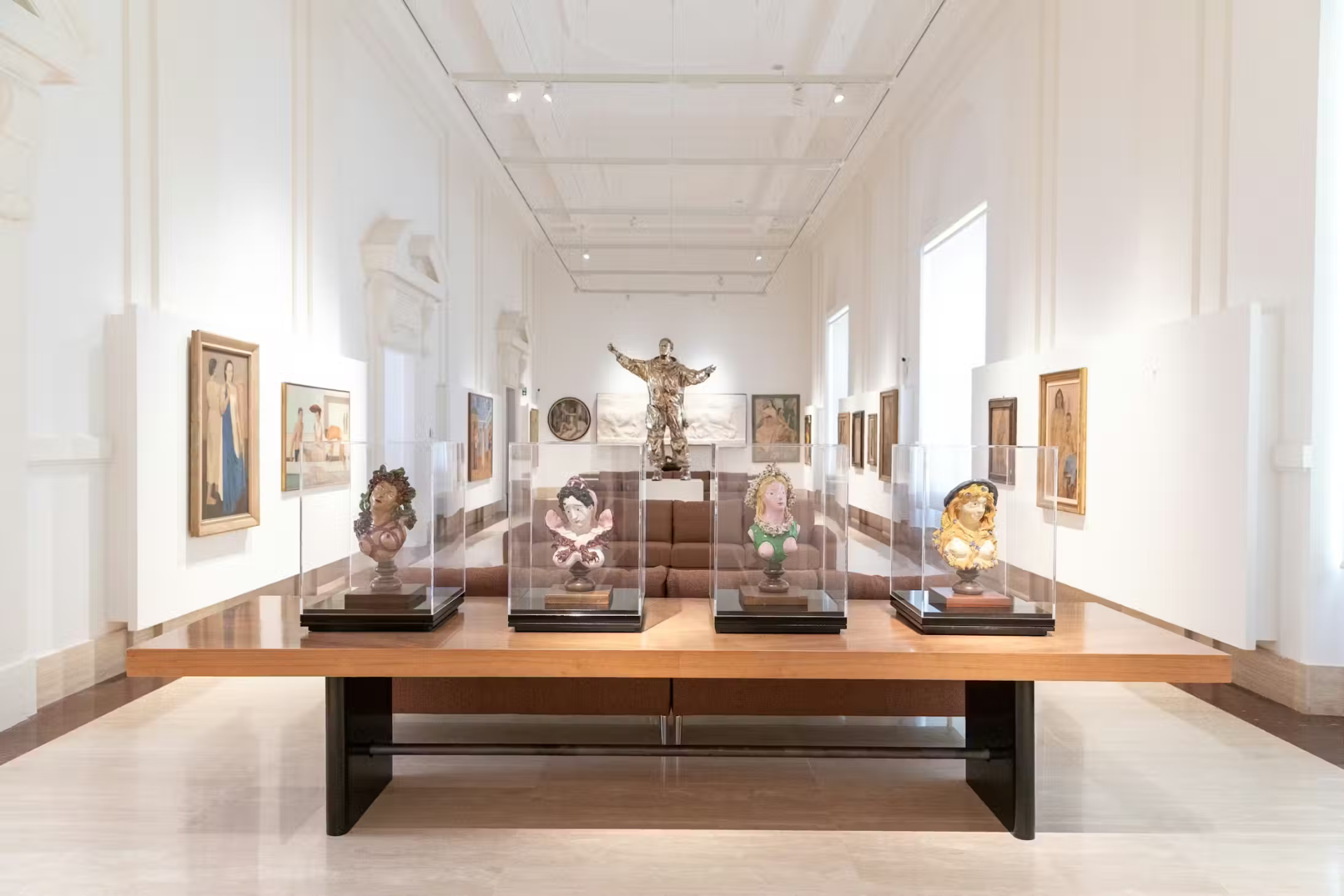
Palazzo Merulana
Hidden gem with 20th-century Italian masterpieces
ExploreQuick Planning Guide
⏱️ Time Needed
60–90 minutes
💰 Cost
€10 underground adult (reductions vary; check official site)
🎫 Reservation
Required — timed-entrance booking
♿ Accessibility
Limited — 60+ steep steps, no lift
📅 Best Time
Opening slot or late afternoon
👨👩👧👦 Family Friendly
Ages 8+ ideal; no strollers below
🌡️ Weather
Underground constant 14–16°C, humid
Nearby Attractions
Colosseum5-minute walk
San Pietro in Vincoli — Michelangelo's Moses5-minute walk
Domus Aurea10-minute walk
Roman Forum15-minute walk
Lateran Basilica15-minute walk
Featured In These Itineraries
Hidden Gems of Rome5 Day Rome ItineraryRome Rainy DayEssential Tips
- ✓ Enter the upper basilica free, pay €10 for the underground
- ✓ Booking required — timed-entrance system
- ✓ Bring a light jacket — 14–16°C below ground
- ✓ Listen for the underground stream on the lowest level
- ✓ Don't miss the Sisinnium fresco (earliest written Italian)
- ✓ Sunday and holiday hours are 12:00–18:00