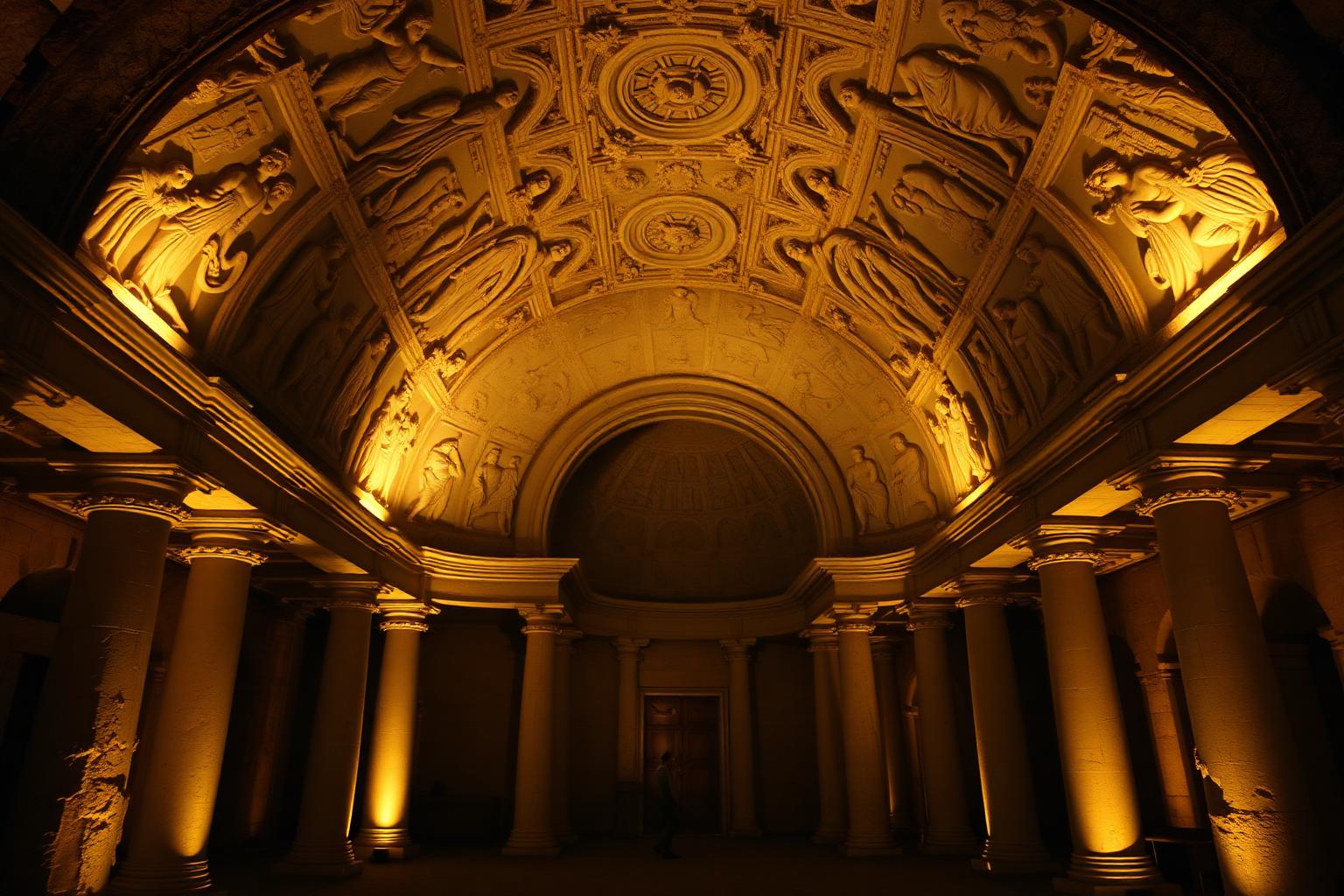
 Debated 1st-Century Sanctuary
Underground Basilica of Porta Maggiore
Roughly nine metres below the railway tracks lies a rare underground sanctuary whose original purpose is still debated — likely sealed around the mid-1st century AD, rediscovered by accident in 1917, and still one of archaeology's enduring puzzles.
Selected dates onlyCheck official listing1st c. ADPorta MaggiorePiazzale Labicano, 00185 RomaOpen on MapPlan Your Visit
Compare tickets, tours and stays — booking ahead usually gives more choice
Get TicketsBook a TourHotels NearbyBy AllTrips Editors••9 min readThe Underground Basilica of Porta Maggiore (Italian: Basilica Sotterranea di Porta Maggiore) is a 1st-century AD subterranean sanctuary roughly nine metres below the railway embankment, beside the monumental arch Emperor Claudius built to carry two aqueducts — later incorporated into the Aurelian Walls. The basilica's function remains debated: a Neo-Pythagorean interpretation is influential, but archaeologists have also proposed a funerary purpose. It may have been built around c. AD 30–50, possibly by the Statilius family, though this attribution is a hypothesis rather than a settled fact, and it appears to have been sealed and forgotten for centuries before railway workers accidentally rediscovered it in 1917. The monument is not continuously open like a conventional museum — check the Soprintendenza or Ministry of Culture calendar for current opening dates and conditions.
📋 In This Guide
Duration
~60–90 min
Cost
Check listing
Photos
Forbidden
Type
Neo-Pythagorean
Why Visit the Underground Basilica?
It is one of the more unusual survivals from ancient Rome: a well-preserved 1st-century AD sanctuary whose layout anticipates the Christian basilica form used centuries later, decorated with a refined stucco programme, and possibly connected to a philosophical mystery cult known mostly from texts. Its exact purpose and the circumstances of its sealing are still debated by archaeologists.
The Stucco Ceiling
An entire vaulted ceiling and apse covered in delicate white stucco reliefs — Sappho's leap, Ganymede, winged spirits, philosophical allegories. An exceptionally well-preserved Roman stucco programme.
A Christian Basilica — 250 Years Early
Three naves, side aisles, semi-circular apse — an early Roman example of the basilical plan later widely adopted in Christian architecture. Built two and a half centuries before Constantine.
A Possible Mystery Cult Site
Neo-Pythagoreanism is known mostly from philosophical texts. If the influential interpretation of this basilica is correct, it is a rare physical trace of that movement — though a funerary purpose has also been proposed.
Sealed and Forgotten
The basilica appears to have been sealed at some point — one hypothesis points to around AD 50 amid suppression of unfamiliar cults — and was forgotten for centuries, which likely helped its decoration survive. It was rediscovered only when a 1917 railway worker fell through the ground.
What to See on the Tour
Sappho's Leap
The poet diving from the Leucadian cliff into the sea — neo-Pythagorean allegory for the soul's purifying plunge into matter. The basilica's most famous image.
Ganymede & the Eagle
Zeus's eagle abducting the Trojan prince — the soul carried up to divinity, central to Pythagorean afterlife teaching.
The Apse Psychopomp Scene
A winged figure leading a soul across the threshold — the focal image at the head of the central nave, exactly where a Christian altar would later stand.
The Three-Nave Basilica Plan
Six travertine columns dividing the space — central nave plus two side aisles plus apse. The architectural template Christianity would adopt 250 years later.
Winged Spirits & Genii
Dozens of small winged figures, putti, dancing maenads and tiny mythological vignettes filling every coffer of the vault — exquisite miniaturist stuccowork.
The Sealed Vestibule
The original entrance corridor — sealed at some point, possibly around AD 50, with items believed to be ritual or funerary furnishings left inside. The bricks are still in place; you enter via the modern shaft.
Two Millennia of Silence — Then Rediscovery
From the gardens of a wealthy Julio-Claudian family to a railway accident in 1917 — the strangest survival in Roman archaeology.
c. 30–50 AD (hypothesised)Possible Construction by the Statilius Family
One hypothesis credits the Statilii Tauri, a wealthy senatorial family thought to have owned the surrounding estate, with carving the basilica roughly nine metres below their gardens as a private sanctuary — possibly Neo-Pythagorean, though this attribution is not firmly established.
52 ADPorta Maggiore Aqueduct Arch Built Above
Emperor Claudius completes the monumental travertine aqueduct arch carrying the Aqua Claudia and Anio Novus directly over the basilica — not yet sealed, but the ground above is now permanent.
c. 50–55 AD (hypothesised)Possibly Sealed
One hypothesis links the sealing to senatorial crackdowns on unfamiliar philosophical cults, or to the political fall of the Statilii — but the timing and reason are not firmly established. Items believed to be ritual or funerary furnishings were left in place.
271 ADAurelian Walls
Emperor Aurelian incorporates the Porta Maggiore aqueduct arch into the new city walls. The basilica below is by now forgotten.
Middle Ages → 1900Eighteen Centuries of Silence
The site lies undisturbed beneath the gate, beneath market gardens, beneath railway tracks. Not a single medieval, Renaissance or 19th-century source mentions it.
April 23, 1917Accidental Discovery
Workers digging foundations for the new Rome–Naples railway tracks fall through the ceiling of the central nave. The sanctuary is found remarkably intact, roughly 9 m below ground.
1951–1965Stucco Conservation
Decades of consolidation work to stabilise the friable stucco against the new humidity introduced by excavation — the central scientific challenge of the 20th century at the site.
Present (2026)Limited Access
Not continuously open. Visits are offered on selected official dates, normally with mandatory reservation, to help protect the stucco. Check the Soprintendenza or Ministry of Culture calendar for current dates and conditions.
Visiting & Booking 2026
🎟️ Not Continuously Open
Unlike a conventional museum, the basilica is not open every day. Visits are offered only on selected official opening dates, normally with mandatory reservations.
📅 Check the Official Calendar
The Soprintendenza Speciale di Roma and the Ministry of Culture publish current opening dates, prices and reservation conditions. Always confirm details there before planning a visit, as they change.
💶 Pricing
Ticket prices and any reduced or free categories are set for each official opening and can change — check the current listing rather than relying on a fixed price.
🌐 Tour Languages
Language availability varies by opening date; both Italian and occasional foreign-language tours have historically been offered. Confirm with the official listing.
Best Time to Visit
Time of Day
Morning slots: If offered, these tend to mean smaller groups and easier photographs of the gate and Baker's Tomb above before the heat.
Later in the day: Underground conditions stay fairly constant regardless of the hour.
Check availability early: Openings can be limited and dates announced with short notice.
Mid-August: Openings may pause for Ferragosto or conservation work — check the calendar.
Season
Spring (Mar–May): Mild aboveground, generally a fuller schedule of official openings.
Autumn (Sep–Nov): Similarly pleasant — golden light on the travertine of Porta Maggiore.
Summer: The cooler underground can be a relief from Roman heat, though openings may pause around mid-August.
Winter: Often quieter if openings are scheduled. Bring a jacket — it can feel cold underground.
Rules & What to Bring
📵 Photography Likely Restricted
Photography underground is typically limited to protect the friable 1st-century stucco from flash and humidity changes; rules are confirmed at each opening.
🧥 Bring a Jacket
Underground spaces tend to be cool and humid year-round, even in summer.
👟 Flat, Grippy Shoes
A stairway leads roughly 9 m down, with potentially damp surfaces underfoot. No heels, no flip-flops, no slick soles.
🎒 Minimal Bags
Tight corridors and the protected stucco mean large bags, tripods and umbrellas are usually not permitted underground.
Porta Maggiore vs Other Underground Rome
| Site | Cost | Booking | Highlight | Crowds |
|---|---|---|---|---|
| Underground Basilica Porta Maggiore | Varies — check listing | Selected dates, reservation usually required | Debated sanctuary, likely Neo-Pythagorean or funerary | Very low |
| San Clemente Underground | €10 | Walk-up OK | Three layers — basilica, Mithraeum, Roman alley | Medium |
| Santa Maria in Via Lata Crypt | Unclear | Limited, irregular access; confirm with the church | Roman rooms later used as an early Christian oratory | Almost none |
| Mithraeum of Circus Maximus | €10 | Required, 2 weeks ahead | 2nd-century mystery cult sanctuary, intact relief | Very low |
| Catacombs of Marcellinus & Peter | From €10 | Required, 2–4 weeks ahead | 900+ early Christian frescoes | Very low |
Porta Maggiore is a rare sanctuary type without a clear parallel elsewhere in the Roman world. Combine it with San Clemente or the Circus Maximus Mithraeum for a complete underground-Rome day.
Common Mistakes to Avoid
Assuming it's always open
There is no regular walk-in entry. Without checking the Soprintendenza calendar for an official opening date, you will see only the iron gate beneath the railway embankment.
Not checking the calendar in advance
Openings can be infrequent and reservations limited. Check the Soprintendenza or Ministry of Culture site well ahead of your trip.
Confusing it with San Clemente
San Clemente is the famous Christian-era undercroft near the Colosseum. Porta Maggiore is a separate, debated sanctuary 3 km east — entirely different site, different operator.
Skipping the Baker's Tomb
The bizarre cylindrical Tomb of the Baker Eurysaces, 2 minutes' walk from the meeting point, is one of Rome's most unusual surviving monuments — and free.
Booking with claustrophobia or back issues
A roughly 9 m descent, narrow stairs and low corridors mean no quick exit. Confirm accessibility conditions before booking.
Expecting to photograph freely
Photography underground is often restricted; check the current rules at booking. The official Soprintendenza site is a reliable source of images.
Nearby Colosseum & Forum Tickets
Porta Maggiore is a 25-minute walk or one tram ride from the Colosseum — pair an early underground tour with a Colosseum afternoon for a quintessential ancient-Rome day.
Colosseum Priority Entrance
Best for: First-time visitors
~2 hoursSkip-the-line access to the Colosseum with entry to Roman Forum and Palatine Hill included. Perfect for first-time visitors.
- Skip-the-line entry
- Colosseum access
- Roman Forum included
- Palatine Hill included
🎟️ Compare Prices:
TiqetsKlookTrip.comColosseum Guided Tour
Best for: History enthusiasts
~3 hoursExpert-led tour with professional guide sharing gladiator history, architecture secrets, and ancient Roman stories.
- Professional English-speaking guide
- Skip-the-line entry
- In-depth historical commentary
- Small group experience
🎟️ Compare Prices:
TiqetsKlookTrip.comColosseum Arena & Underground
Best for: Unique experience seekers
~3.5 hoursWalk where gladiators fought on the arena floor and explore the underground chambers where they awaited their fate.
- Arena Floor access
- Underground chambers access
- Roman Forum & Palatine Hill
- Expert guided tour included
🎟️ Compare Prices:
TiqetsKlookTrip.comPair Your Visit With
Porta Maggiore Gate (above)The monumental travertine aqueduct arch built under Claudius (AD 52), later incorporated into the Aurelian Walls — the basilica's literal ceiling, and free to admire from the street.
San Clemente UndergroundThe other essential underground site of Rome — three layers from the 1st-century alley to the medieval basilica. 20-minute walk or one tram stop.
Santa Maria in Via Lata CryptA small, atmospheric Roman warehouse converted to an early Christian oratory in the historic centre — perfect third stop for a hidden-Rome day.
Must-See Highlights
A rare, debated 1st-century AD underground sanctuary, often linked to Neo-Pythagoreanism1st-century AD white stucco ceiling — well preserved thanks to centuries undergroundSappho's Leap relief — the poet diving from the Leucadian cliffGanymede's abduction by Zeus' eagle, above the central naveThe psychopomp scene over the apse — soul guided to the afterlifeThree-nave structure with apse — the prototype of Christian basilica architecture, 250 years earlyDiscovered by accident in 1917 during railway works, roughly 9 m below the tracksCombined with the Porta Maggiore gate and the Baker's Tomb — three monuments in one stopGetting There
🚋 Tram 5, 14, 19 (best)
Direct from Termini in 15 minutes — stop "Porta Maggiore". €1.50 single ticket. Drops you 2 minutes from the meeting point on Via Prenestina.
🚌 Bus 105 from Termini
Frequent service via San Giovanni in Laterano. About 20 minutes including walking — useful in the evening when trams thin out.
🚶 Walk from the Colosseum
25 minutes via San Giovanni in Laterano and the Aurelian Walls — a beautiful walk past three of Rome's major basilicas if you have the time.
Where to Stay Near Underground Basilica of Porta Maggiore
Looking for convenient accommodation near Underground Basilica of Porta Maggiore? Stay within walking distance to make the most of your visit.
Hotels Near This AttractionTop Rated HotelsBudget-Friendly OptionsLuxury HotelsCentral locations with easy access to Underground Basilica of Porta Maggiore and other attractionsFrequently Asked Questions
What makes the Underground Basilica of Porta Maggiore notable in 2026?
It is a rare 1st-century AD subterranean sanctuary cut 9 metres below ground, with three naves, a semi-circular apse and an entire ceiling covered in delicate white stucco reliefs of Greek mythology — Sappho's leap, Ganymede's abduction, winged spirits, philosophical allegories. Its original purpose is debated: an influential interpretation reads it as a Neo-Pythagorean cult sanctuary, though a funerary function has also been proposed. It appears to have been sealed at some point and was rediscovered only by accident in 1917.
How do I book a visit in 2026?
The monument is not continuously open like a conventional museum. Visits are offered on selected official opening dates, normally with mandatory reservations run by the Soprintendenza Speciale di Roma. Check the Soprintendenza or Ministry of Culture calendar for current dates, prices and conditions before planning a trip.
How much does a ticket cost?
Pricing and reduced/free categories are set for each official opening period and can vary. Check the current Soprintendenza or Ministry of Culture listing for exact prices before your visit.
What was the basilica actually used for?
The basilica's function remains debated. A Neo-Pythagorean interpretation is influential — the hypothesis being that the Statilius family, who may have owned the surrounding estate, built it around c. AD 30–50 as a private cult sanctuary blending Pythagorean number-mysticism, Orphic mystery rites and Greek philosophical allegory. However, archaeologists have also proposed a funerary purpose, and the Statilius attribution remains a hypothesis rather than a settled fact.
Why was it sealed?
The reason and exact timing are not firmly established. One hypothesis links the sealing, possibly around AD 50, to a Roman Senate crackdown on 'foreign' philosophical cults or to the political fall of the Statilius family, but this remains speculative. What is clear is that the basilica was closed off and largely forgotten for centuries, which likely contributed to the survival of its decoration.
Can I take photos inside?
Photography is typically restricted underground to protect the fragile stucco from flash and humidity changes; rules are set for each official opening. The aboveground Porta Maggiore monument and the Tomb of the Baker Eurysaces beside it can be freely photographed.
Is the basilica accessible for wheelchair users?
Access typically involves a stairway descending roughly 9 metres and low corridors, so the site is generally unsuitable for wheelchair users or those with limited mobility. Confirm accessibility details with the Soprintendenza before booking.
How do I get to Porta Maggiore from central Rome?
Tram 5, 14 and 19 all stop at Porta Maggiore (15 min from Termini). Bus 105 from Termini, or a 25-minute walk from the Colosseum via San Giovanni in Laterano. The site is at Piazzale Labicano, beside the ancient gate later incorporated into the Aurelian Walls.
Related Attractions
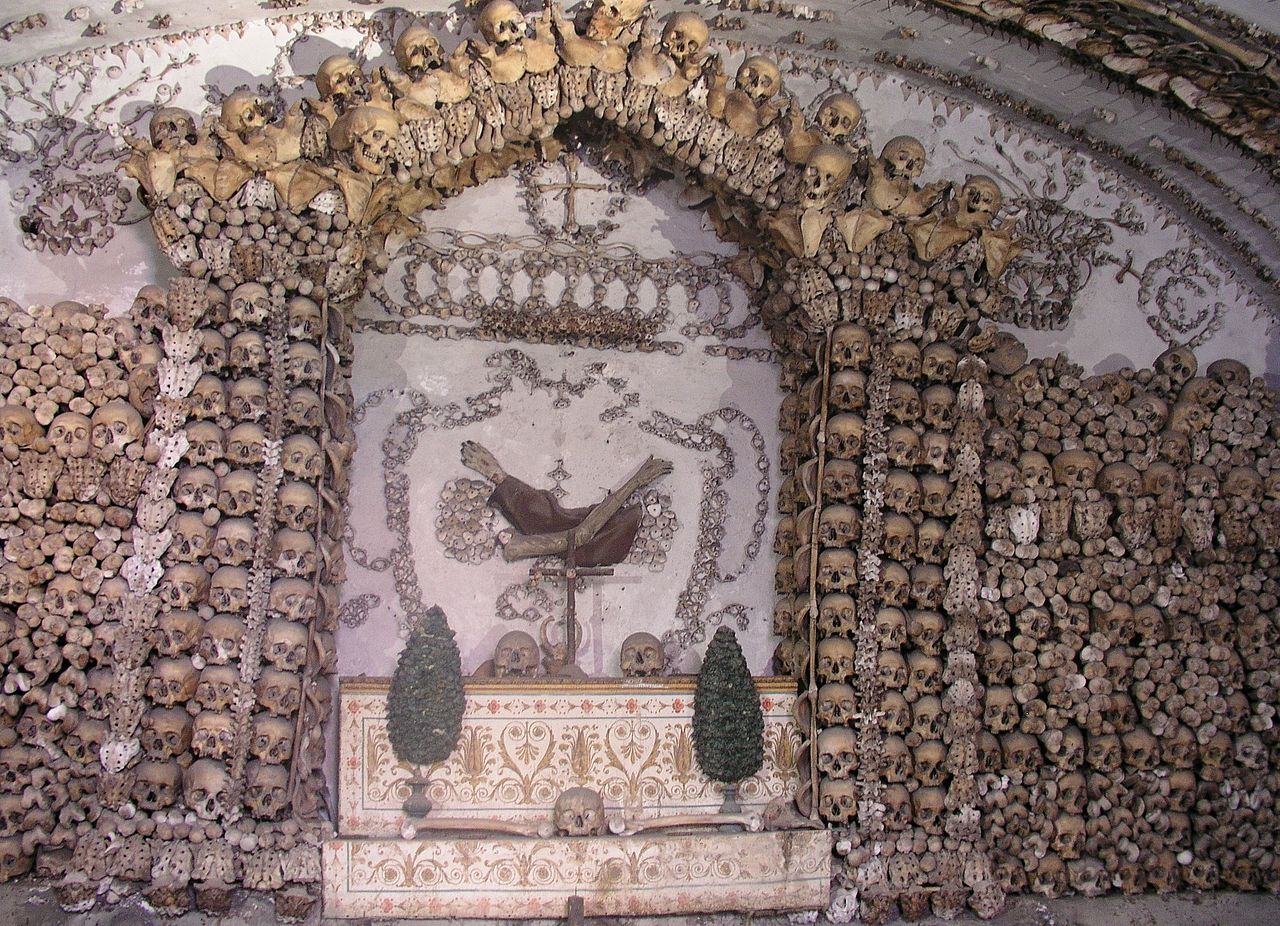
Capuchin Crypt
Haunting ossuary with 3,700 friars' bones arranged artistically
Explore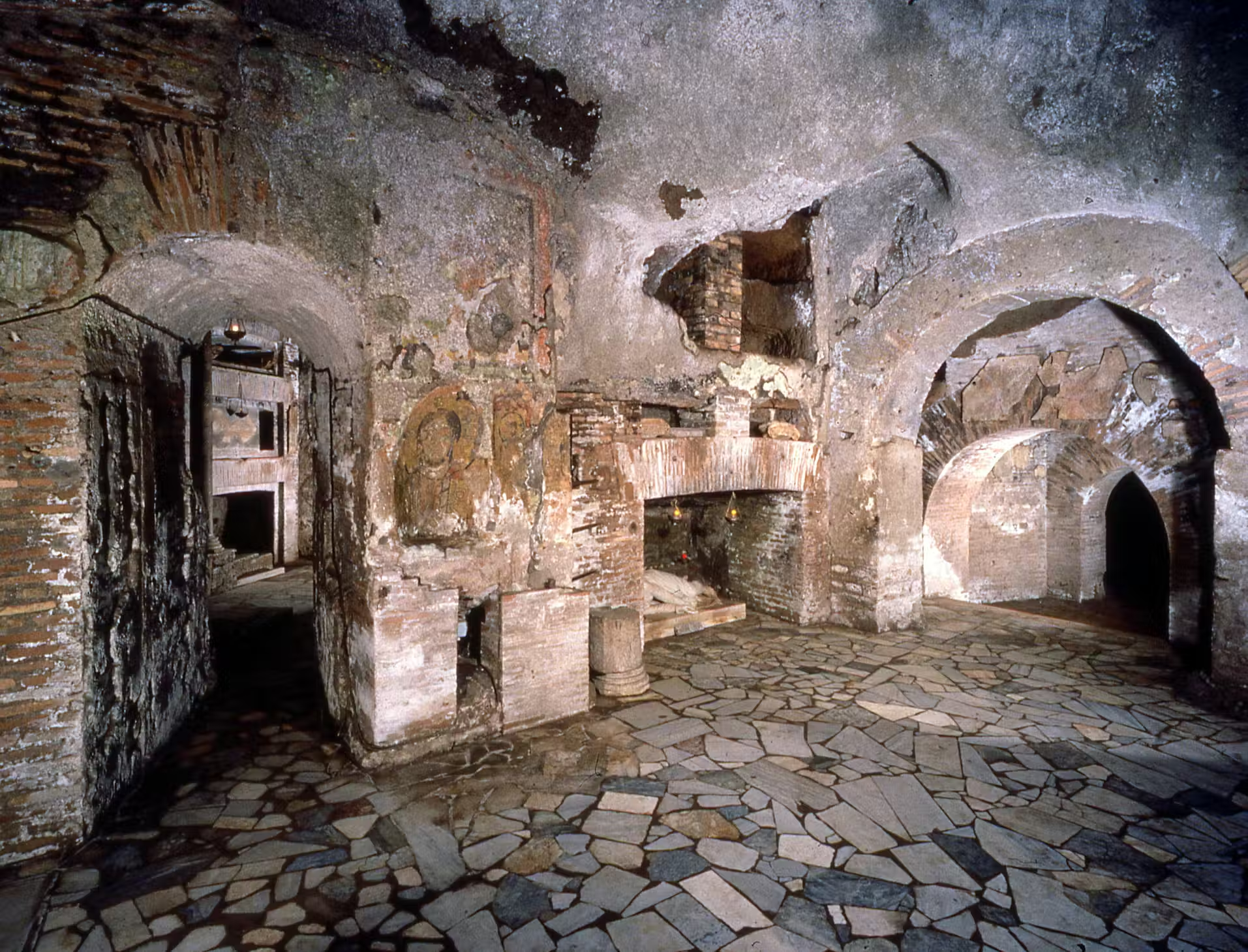
Catacombs of Saint Callixtus
Rome's largest Christian catacombs—20km of tunnels, 16 popes
Explore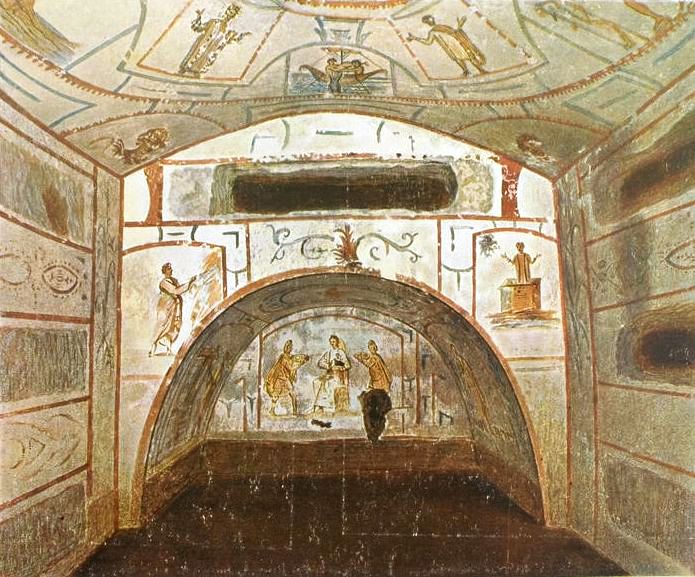
Catacombs of Marcellinus & Peter
900+ painted biblical scenes—Rome's finest early Christian frescoes
Explore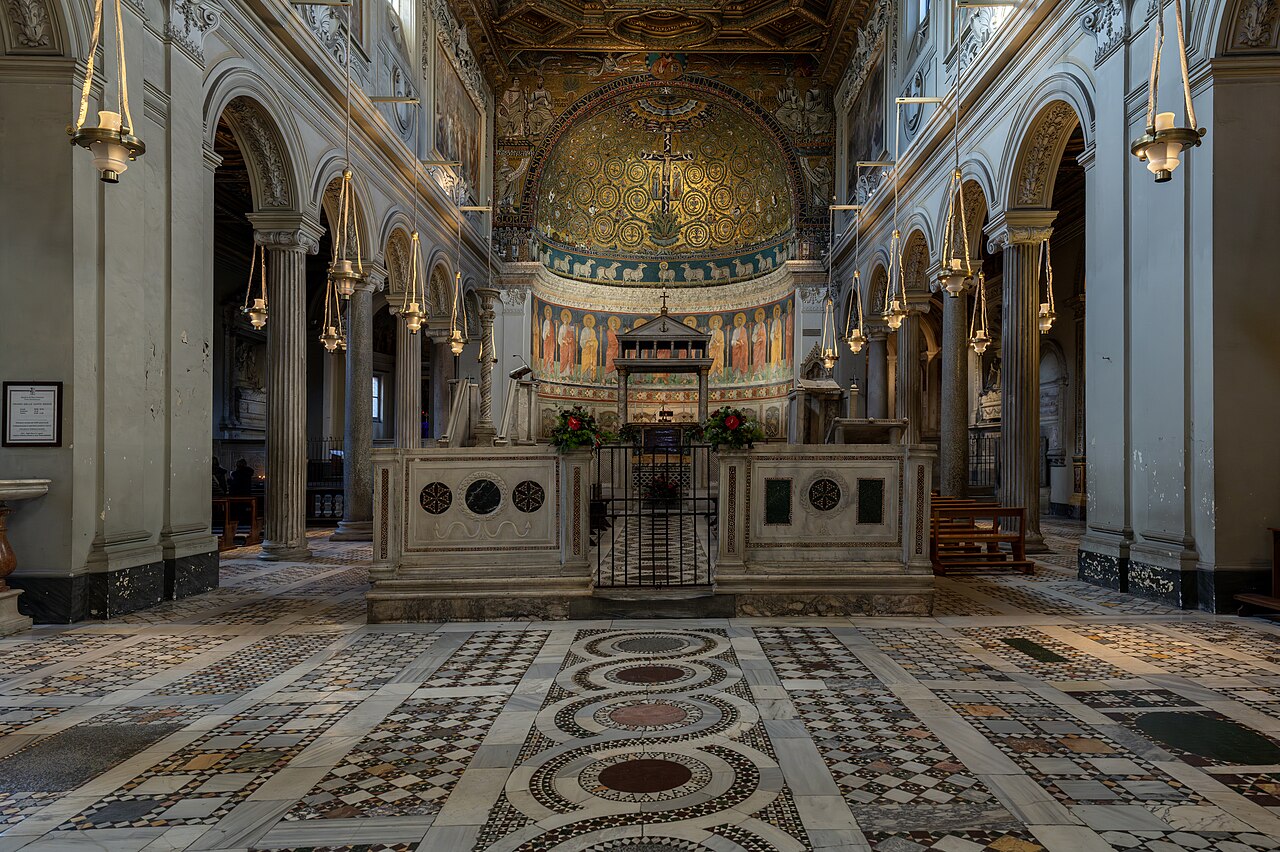
Basilica San Clemente
Descend through 2,000 years—medieval mosaics to Mithraic temple
Explore
Bracciano Castle
Medieval fortress overlooking Lake Bracciano—Tom Cruise's wedding venue
Explore
Temple of Venus and Roma
Rome's largest ancient temple—Emperor Hadrian's masterpiece
ExploreQuick Planning Guide
⏱️ Time Needed
Roughly 60–90 min underground + 30 min above
💰 Cost
Varies by opening — check official listing
🎫 Reservation
Open on selected dates only — check Soprintendenza calendar
♿ Accessibility
Limited — stairway descent, likely unsuitable for reduced mobility
📅 Best Time
Depends on official opening schedule
👨👩👧👦 Family Friendly
Recommended 12+
🌡️ Weather
Cool and humid underground year-round
Nearby Attractions
Porta Maggiore aqueduct archabove
Tomb of the Baker Eurysaces2-min walk
Basilica of Santa Croce in Gerusalemme10-min walk
Aurelian Walls Museum15-min walk
San Giovanni in Laterano15-min walk
Featured In These Itineraries
Hidden Gems of Rome5 Day Rome ItineraryClassic Rome ItineraryEssential Tips
- ✓ Check the Soprintendenza calendar — the site is not always open
- ✓ Bring a light jacket — underground spaces are typically cool and humid
- ✓ Wear flat, grippy shoes for the stairway descent
- ✓ Skip if you have claustrophobia or mobility/back problems
- ✓ Combine with the Baker's Tomb 2 minutes away