 Underground Rome hidden gem
Case Romane del Celio
Late Roman houses beneath the Caelian Hill basilica — the Nymphaeum of Proserpina, the Room of the Genii and the martyrium of Saints John and Paul, with original 3rd–4th century frescoes sealed since the 5th century.
45–75 min€820 rooms2nd–4th c. ADClivo di Scauro, 00184 Roma RMOpen on MapPlan Your Visit
Compare tickets, tours and stays — booking ahead usually gives more choice
Get TicketsBook a TourHotels NearbyThe Case Romane del Celio are late Roman houses on the Caelian Hill — beginning life as a 2nd-century apartment block with shops on the Clivo di Scauro, transformed in the 3rd century into a luxury private residence with frescoed reception rooms and a private nymphaeum, and finally sealed in the 5th century when the Basilica of Santi Giovanni e Paolo was built directly on top, deliberately preserving the martyrium of two Roman officers — John and Paul — beheaded here in 362 AD under Julian the Apostate. Rediscovered by Father Germano di San Stanislao in 1887 after 1,400 years underground, the site preserves one of the largest cycles of original late-Roman domestic frescoes anywhere in the city — the Nymphaeum of Proserpina, the Room of the Genii and the Room of the Oranti — for €8, and almost never any crowds.
Why visit Case Romane del Celio?
The grand monuments of ancient Rome show you how emperors and gods lived. The Case Romane del Celio show you how a wealthy Roman family actually lived — and then, on the same walls, how that family's home became a Christian shrine within a single generation. There is nothing else quite like it in the city.
- Original 3rd–4th century frescoes: the Nymphaeum of Proserpina, the Room of the Genii, the Room of the Oranti — one of the largest series of late-Roman domestic painting anywhere in the city.
- Three buildings in one: 2nd-century insula → 3rd-century luxury domus → 4th-century martyrium, all preserved in stratigraphy across 20 rooms.
- Pagan-to-Christian moment captured: the Room of the Oranti shows pagan panels overpainted with Christian figures — the religious transformation of late antiquity in a single wall.
- Almost no crowds: You will likely have the frescoed rooms to yourself, since the site draws far fewer visitors than nearby major attractions like the Colosseum.
- €8 entry: one of the best-value tickets in central Rome, 10 minutes' walk from the Colosseum.
Quick facts
Built
2nd–4th century AD
Entry
€8
Visit time
45–75 minutes
Rooms
20+ across 2 underground levels
Metro
Line B — Colosseo (10 min walk)
Location
Clivo di Scauro, Caelian Hill
Table of Contents
Jump to any section of the itinerary
A brief history
The Caelian Hill (Mons Caelius) was one of Rome's most prestigious residential addresses from the late Republic onwards. By the 2nd century AD a multi-storey commercial-residential block — an insula — had been built on its southern slope, with shops (tabernae) opening onto the Clivo di Scauro at street level and rented apartments above. The original brick frontage and one of the shop counters can still be seen at the bottom of the underground circuit today.
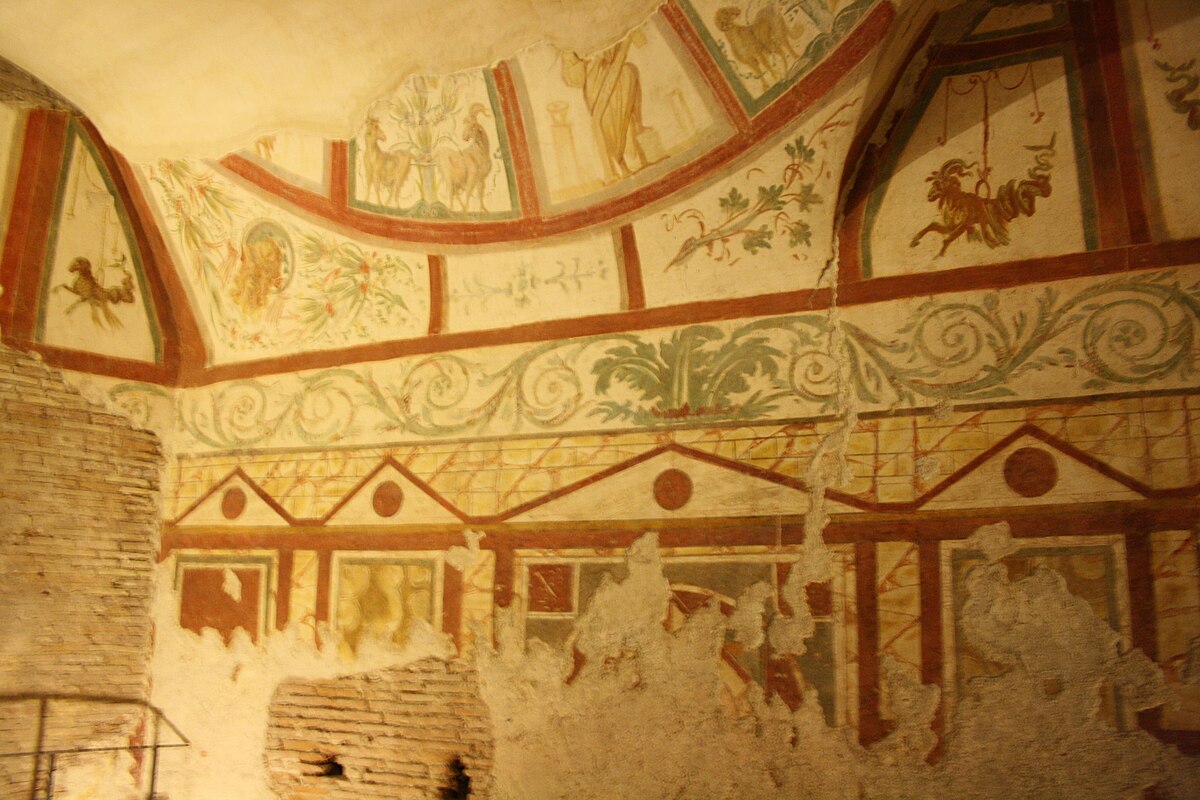
In the early 3rd century the entire insula was bought up, gutted and rebuilt as a single luxury private residence — a domus — for a wealthy Roman family, possibly senatorial. A frescoed reception suite, a private bath complex, a peristyle courtyard and the famous Nymphaeum of Proserpina (a small frescoed dining-pavilion built around a marble fountain niche) were added. Between roughly 250 and 320 AD the walls were decorated with the surviving cycle of late-Roman frescoes — the Nymphaeum of Proserpina, the Room of the Genii, marine scenes and trompe-l'œil architecture, comparable in quality to the best wall painting from Pompeii two centuries earlier.
In 362 AD, according to tradition, two Roman officers (officiales) at the court of Constantia, daughter of Constantine — John and Paul — were beheaded in their own home on the Caelian during the brief pagan revival of Emperor Julian the Apostate, after refusing to serve in his imperial guard. They were buried secretly beneath the house, and within a generation the spot had become a Christian shrine. A small oratory was built directly over their graves, and pagan frescoes in the adjoining room were partly painted over with the standing Christian Oranti figures that give the room its name.
In the 5th century the senator Pammachius built the Basilica of Santi Giovanni e Paolo directly on top of the houses, deliberately preserving the martyrium below. The Roman rooms were gradually filled in with rubble and forgotten — a disaster for habitation but precisely the reason the frescoes survive in such extraordinary condition. In the 9th–12th centuries the Confessio (the small chapel directly over the martyrs' burial spot) was decorated with a medieval fresco cycle of the martyrdom and Christ enthroned; pilgrims venerated the saints through a small viewing window (fenestella) without entering the sacred chamber. In 1216 the future Pope Honorius III added the magnificent Romanesque bell tower of the basilica, building it directly into the foundations of the ancient houses.
The houses were rediscovered in 1887 by Father Germano di San Stanislao, a Passionist priest of the basilica, who over the following seven years systematically excavated the 20 rooms — sealed for 1,400 years and almost perfectly preserved. The site opened to the public as a museum in 1913 and remains today the most intimate, atmospheric and uncrowded encounter with late-Roman daily life anywhere in central Rome.
Case Romane del Celio through the centuries
1st century BCThe Caelian becomes elite
The Caelian Hill (Mons Caelius) is colonised by senatorial and equestrian families during the late Republic. By the early Empire it is one of Rome's four most prestigious residential addresses, alongside the Aventine, the Esquiline and the Pincian.
2nd c. ADThe original insula is built
A multi-storey commercial-residential block (insula) is constructed on the slope of the Caelian, with shops (tabernae) opening onto the Clivo di Scauro at street level and apartments above. The original brick frontage and one of the shop counters are still visible underground.
Early 3rd c.Unified into a luxury domus
The insula is bought up, gutted and rebuilt as a single luxury private residence (domus) for a wealthy Roman family — possibly senatorial. A nymphaeum, frescoed reception rooms, a private bath suite and a peristyle courtyard are added.
c. 250–320 ADThe great fresco cycle painted
The walls of the domus are decorated with the surviving cycle of late-Roman frescoes: the Nymphaeum of Proserpina, the Room of the Genii, the Room of the Oranti, marine scenes and trompe-l'œil architecture — one of the largest series of late-antique domestic painting in the city.
362 ADMartyrdom of John and Paul
According to tradition, two Roman officers at the court of Constantia (daughter of Constantine) — John and Paul — are beheaded in their home on the Caelian during the brief pagan revival of Emperor Julian the Apostate, after refusing to serve in his imperial guard. They are buried secretly beneath the house.
Late 4th c.Christian shrine established
A small Christian oratory and the Confessio are built directly over the martyrs' burial spot. The former Roman home becomes a place of pilgrimage; pagan frescoes are partly painted over with Christian scenes (the Room of the Oranti).
5th c.Basilica built above
The senator Pammachius builds the Basilica of Santi Giovanni e Paolo directly on top of the houses, deliberately preserving the martyrium below. The Roman rooms are gradually filled in with rubble and forgotten — a disaster for habitation but the reason the frescoes survive.
9th–12th c.Medieval Confessio frescoes
The Confessio is decorated with the surviving medieval fresco cycle of the martyrdom of John and Paul and Christ enthroned. Pilgrims venerate the saints through the fenestella (small viewing window) without entering the sacred chamber.
1216Cardinal Cencio Savelli's bell tower
The future Pope Honorius III adds the magnificent Romanesque bell tower of Santi Giovanni e Paolo above — built directly into the foundations of the ancient houses, recycling the original Roman brickwork in its lower courses.
1887–1894Father Germano's excavations
Father Germano di San Stanislao, a Passionist priest, begins systematic excavations beneath the basilica. Over seven years he uncovers the 20 rooms of the late Roman houses, the frescoes and the martyrium — sealed for 1,400 years and almost perfectly preserved.
1913Opens as a museum
The Case Romane del Celio open to the public as one of Rome's first underground archaeological museums. The Antiquarium displays pottery, coins, lamps and architectural fragments from the excavations.
1913Museum era continues
The site remains a working underground archaeological museum today; conservation of the frescoes is an ongoing effort by the Sovrintendenza Capitolina.
The frescoes — late-Roman painting in context
Why so well preserved?
When Pammachius built the basilica over the houses in the 5th century, the rooms were filled with rubble and sealed. For 1,400 years they were buried, dark, at constant temperature and humidity — the perfect conservation environment. When Father Germano excavated them in 1887, the colours were as vivid as the day they were painted.
Pigments & technique
True fresco (buon fresco): pigments mixed with water and applied to wet lime plaster, becoming chemically bonded to the wall as the plaster dries. Pigments used: Egyptian blue, cinnabar red, yellow ochre, green earth, carbon black — many imported from across the empire and astonishingly expensive.
Style & importance
The cycles date from c. 250–320 AD — the very end of the great tradition of Roman wall painting. They are among the largest series of late-antique domestic frescoes anywhere in the city, and the Room of the Oranti is one of the earliest known examples of pagan painting overpainted with Christian imagery in the Roman world.
What to see at Case Romane del Celio
The Nymphaeum of Proserpina
- The architectural and decorative heart of the entire complex — a small frescoed dining-pavilion (triclinium) built around a marble fountain niche, designed for elite dinners around 250–350 AD.
- The walls are covered with the most complete late-Roman mythological cycle to survive in the city: the Rape of Proserpina, marine creatures (dolphins, tritons, nereids), garlanded cupids, peacocks and trompe-l'œil architecture.
- Original water channels and the lead piping of the Roman plumbing system are still in place. The fountain originally cascaded over coloured marble shells into the dining-room floor.
- The vivid red, ochre, green and blue pigments are entirely original — sealed underground from the 5th century until 1887, the colours have suffered almost no fading.
The Room of the Genii
- The single most photographed room — a vaulted reception hall whose walls are covered in winged genii (good spirits) carrying garlands and offering bowls between framed mythological vignettes.
- Painted around 250–300 AD in the high late-Roman style; comparable in quality to the best surviving frescoes from Pompeii a century older.
- Notice the architectural illusion in the upper register — painted columns, niches and pediments that visually extend the small room into an imaginary palace.
- Conservation work has cleaned the surface and stabilised the plaster in recent years; check with CoopCulture or the Sovrintendenza Capitolina for the latest details on restoration and lighting.
The Room of the Oranti & Christian oratory
- A late-4th century space that captures the moment of religious transition — pagan decorative panels overpainted with Christian Oranti figures (standing with arms raised in prayer, the standard Early Christian posture).
- Below the Oranti panels are scenes of the martyrdom of three Christians — possibly the earliest surviving narrative depiction of Christian martyrdom in Roman painting.
- A small Christian oratory adjoins the Oranti room, with traces of the original 4th-century altar and offering niches.
- The room is the visual key to the entire site: a single wall shows the conversion of a Roman pagan domus into a Christian shrine within a single generation.
The original 2nd-century insula
- Walk along the surviving brick frontage of the original 2nd-century apartment block, with one shop counter (taberna) preserved in situ and a faint painted shop sign still legible above.
- The original Roman staircase climbs from the shop level to the first-floor apartments — you walk the same stone steps that the residents used 1,800 years ago.
- Black-and-white geometric mosaic floor fragments survive in three of the rooms — typical of the high Empire.
- Compare the modest insula construction (lower courses) with the lavish domus reconstruction (upper courses) in a single elevation — Roman social mobility frozen in stratigraphy.
The Antiquarium & don't-miss details
- A small ground-level museum displaying the finds from Father Germano's 1887–1894 excavations: terracotta lamps, finewares, glassware, coins, bronze fittings and architectural fragments.
- Christian graffiti scratched into the plaster of the Confessio corridor by early pilgrims — names, prayers, dates, the earliest dating from the 5th century.
- A small modern viewing window allows you to look up into the church of Santi Giovanni e Paolo above — confirming the literal layering of Christian basilica over Roman home.
- Atmospheric low lighting throughout the route is deliberate — give your eyes 60 seconds to adjust at the bottom of the entrance staircase before judging the colour saturation of the frescoes.
Saints John and Paul — the martyrs
The Saints John and Paul venerated here are not the apostles. They were two 4th-century Roman officers (officiales) at the court of Constantia, daughter of the Emperor Constantine — and almost certainly historical figures, although the surviving Acts of their martyrdom (the Passio Sanctorum Iohannis et Pauli) are a 6th-century compilation that mixes fact with hagiographical embellishment.
According to tradition, when Constantia died she left a substantial legacy to the two officers, who used it to support Christian charitable works. After the brief pagan revival of Emperor Julian the Apostate (361–363 AD), Julian summoned them to serve in his imperial guard. They refused on Christian grounds. On 26 June 362 AD they were beheaded in their own home on the Caelian and buried secretly beneath the house — the burial spot directly above which the Confessio still stands.
Their cult began almost immediately. By the late 4th century a small Christian oratory had been built over the martyrs' graves, pagan frescoes in the adjoining room were overpainted with Christian Oranti, and Christian pilgrims were leaving graffiti on the plaster — the earliest dated to the 5th century. In the 12th century the Confessio was redecorated with the medieval fresco cycle of the martyrdom and Christ enthroned. The saints' feast day is still celebrated at the basilica above on 26 June every year.
The Confessio
The Confessio is a small, richly frescoed 4th-century chapel built directly over the burial spot of Saints John and Paul — the historical and emotional climax of the entire underground circuit. The walls are covered with a medieval fresco cycle from the 9th–12th centuries depicting the martyrdom of the two saints, their entombment, and Christ enthroned in majesty above.
The chamber is closed to general visitors to protect the fragile paintings, but is accessible by special guided tour, offered on a limited basis subject to demand mostly on weekends — ask at the ticket desk on arrival and check current pricing with CoopCulture. The standard route includes a viewing window (the fenestella confessionis) through which medieval pilgrims venerated the saints' relics, and from which you can still see the painted vault overhead.
Case Romane del Celio walking itinerary
A 3-hour, 7-stop walk covering the medieval Clivo di Scauro arches, the basilica above, the underground 20-room circuit, lunch on the Clivo and the Villa Celimontana gardens. Total distance ~1.2 km, with one short climb up the Clivo and one staircase descent into the houses themselves.
Walking route map


 📍
📍
📍
📍
📍
📍
📍
+− Leaflet | © OpenStreetMap contributors
📍
📍
📍
📍
📍
📍
📍
+− Leaflet | © OpenStreetMap contributorsClick on markers for stop details. Numbers indicate the walking order.
1StartColosseo metro station (Line B)
Easy starting pointGet off at Colosseo metro (Line B) on the south side of the Colosseum opposite the Arch of Constantine. The Caelian Hill is the wooded slope rising to the south.
210 minClivo di Scauro arches
Iconic street viewWalk south on Via di San Gregorio for 200 m, then turn left into the Clivo di Scauro — a medieval brick-arched lane built directly on top of the late Roman houses below. The arches are one of Rome's most photographed urban set-pieces.
320 minBasilica of Santi Giovanni e Paolo (free)
Free; orientationClimb to the top of the Clivo and enter the basilica (free, 08:30–12:00). Stand on the cosmatesque marker on the floor showing where the houses lie directly below. Don't miss the Romanesque bell tower.
45 minCase Romane entrance & ticket
Ask about audio guideDescend the Clivo and find the small entrance opposite the bell tower. Pay €8, and ask at the ticket desk whether an audio guide is currently available and whether the Confessio tour is listed for today.
560 minUnderground circuit (20 rooms)
Original frescoesFollow the one-way route: Nymphaeum of Proserpina → Room of the Genii → Room of the Oranti → 2nd-century insula → Antiquarium. Take time at each fresco; the lighting rewards patient viewing.
660 minLunch on Clivo di Scauro
Atmospheric lunchExit and walk 50 m further up to Taverna dei Quaranta or Il Tempio di Iside for Roman cucina under the medieval brick arches. €25–35 a head; book ahead on weekends.
730 minVilla Celimontana gardens
Peaceful parkWalk 5 min south to the Villa Celimontana — a peaceful 16th-century park with an Egyptian obelisk, panoramic views and a small public museum. The perfect post-visit decompression.
Case Romane del Celio vs Domus Aurea — which to visit?
| Feature | Case Romane del Celio | Domus Aurea |
|---|---|---|
| Date built | 2nd–4th century AD (private house) | 64–68 AD (Nero's imperial palace) |
| Type of building | Insula → luxury domus → martyrium | Imperial pleasure palace |
| Entry cost | €8 (self-guided) | €18 (booked guided tour with VR) |
| Booking | Walk-up almost always possible | Compulsory online booking, weekends only |
| Visit duration | 45–75 minutes | 75 minutes (fixed tour) |
| Frescoes | Original 3rd–4th c. domestic cycle | Original 1st c. imperial 'grotesques' |
| Atmosphere | Intimate, low-lit, almost empty | Cathedral-like, busy, theatrical VR |
| Best for | Daily Roman life + early Christianity | Imperial scale + Renaissance influence |
Verdict: do both. The Domus Aurea for imperial scale and the theatrical VR tour; the Case Romane del Celio for intimate Roman daily life and the religious transition of late antiquity. Together they are the definitive 'underground Rome' double-bill.
Best time to visit
Time of day
Morning (10:30–11:30)
Best — the site opens at 10:00, the school groups clear by 10:30 and you have the frescoed rooms almost to yourself.
Late afternoon (15:00–16:00)
Excellent — fewer visitors, and the visit finishes naturally with golden-hour light on the Clivo di Scauro arches outside.
Underground year-round
Constant 14–16°C inside regardless of season — refreshing in August, chilly in winter (bring a light jacket).
Best days & seasons
Wednesday & Friday
Quietest days. Avoid Saturdays (school groups + Confessio tour days bring more visitors).
Free-admission days
Set by the current concession rules — verify on the official CoopCulture ticket page before planning around them.
March–May & October–November
Ideal weather, soft light on the Clivo di Scauro arches outside, manageable crowds, full opening hours.
Avoid Tuesdays & Thursdays
Site closed on non-holiday Tuesdays and Thursdays. Plan Wed, Fri, Sat, Sun or Mon, 10:00–16:00, and always verify current hours on CoopCulture before travelling.
Getting there
Metro Line B — Colosseo (best)
From Termini take Metro Line B to Colosseo, 4 minutes. Walk south on Via di San Gregorio for 200 m, then turn left into the Clivo di Scauro — the Case Romane entrance is on the right after 150 m. Total: 10 minutes from metro.
Metro Line B — Circo Massimo (alternative)
Get off at Circo Massimo and walk east 12 minutes via the Caelian Hill. A more peaceful approach via Via di San Paolo della Croce.
Tram 3 from Trastevere/Piramide
Tram 3 stops at Parco Celio on Viale del Parco del Celio, a 5-minute walk from the Case Romane entrance. Useful if coming from Trastevere (12 min) or Testaccio.
Walking from San Giovanni in Laterano
15 minutes west via the peaceful Via di San Giovanni in Laterano and the gardens of Villa Celimontana. The most scenic approach if combining with the Lateran complex.
Common mistakes to avoid
Visiting on Tuesday or Thursday
The site is closed on non-holiday Tuesdays and Thursdays. Admission on operating days (Wednesday, Friday, Saturday, Sunday, Monday) is 10:00–16:00, with the ticket office closing one hour earlier. Always verify current hours on CoopCulture before travelling — occasional conservation closures occur.
Confusing Saints John and Paul with the apostles
These are not the apostles. They are two 4th-century Roman officers at the court of Constantia (daughter of Constantine), beheaded in their own home on the Caelian under Julian the Apostate in 362 AD.
Skipping the basilica above
The Basilica of Santi Giovanni e Paolo (free, 08:30–12:00) is directly on top of the houses and the chronological reading depends on visiting it first. Don't descend cold.
Using flash for photographs
Flash damages the original 1,700-year-old pigments and is forbidden. The site lighting is deliberately low to protect the frescoes — a smartphone in low-light mode produces excellent results.
Bringing a stroller
The original Roman staircases and uneven floors make the route impossible with a stroller. Use a back-carrier for toddlers or visit Domus Romane di Palazzo Valentini instead (fully accessible elevated walkway).
Skipping the Confessio supplementary tour
When the Confessio tour is currently listed by CoopCulture (mostly weekends, subject to availability), take it. The medieval frescoes inside the small chapel directly over the martyrs' burial spot are the historical and emotional climax of the entire visit.
Insider tips from locals
Visit at 10:30 on a Wednesday
The site opens at 10:00 and the first 30 minutes is busy with school groups. Arrive at 10:30 on a midweek day and you have the frescoed rooms entirely to yourself — the lighting and silence are extraordinary.
Free-entry days
Designated free-admission days are set by the current concession rules rather than a blanket national rule. Check the official CoopCulture ticket page for the days that apply to your visit.
Combine with San Clemente in the afternoon
Walk 10 minutes north to the Basilica of San Clemente (€10), the other great underground site of the Caelian — a 12th-century basilica over a 4th-century church over a 1st-century Mithraeum. Together the two visits are the definitive 'underground Rome' afternoon.
Lunch on the Clivo di Scauro
Taverna dei Quaranta (Via Claudia 24) and Il Tempio di Iside (Via di Sant'Erasmo 5) are two old-school Roman trattorias under the medieval brick arches — €25–35 a head, atmospheric, beloved by locals. Book ahead on weekends.
Bring a light jacket year-round
The underground temperature is a constant 14–16°C (57–61°F) — refreshing in August but distinctly chilly from October to April. A light layer makes the difference between enjoying the visit and rushing through it.
Best photograph: Clivo di Scauro arches at 17:00
After the visit, walk back down the Clivo around 17:00 (15:30 in winter). The afternoon sun fills the medieval brick arches with golden light — one of the most beautiful 100 metres of street in the entire city, and almost always empty.
Where to Stay Near Case Romane del Celio
Looking for convenient accommodation near Case Romane del Celio? Stay within walking distance to make the most of your visit.
Hotels Near This AttractionTop Rated HotelsBudget-Friendly OptionsLuxury HotelsCentral locations with easy access to Case Romane del Celio and other attractionsFrequently Asked Questions
Related Attractions
Catacombs of Saint Sebastian
Ancient Christian burial site on the Appian Way—12km of passages
Explore
Appian Way
The Queen of Roads—walk on 2,300-year-old Roman paving stones
Explore
Crypta Balbi
Temporarily closed for archaeological excavation and restoration work
Explore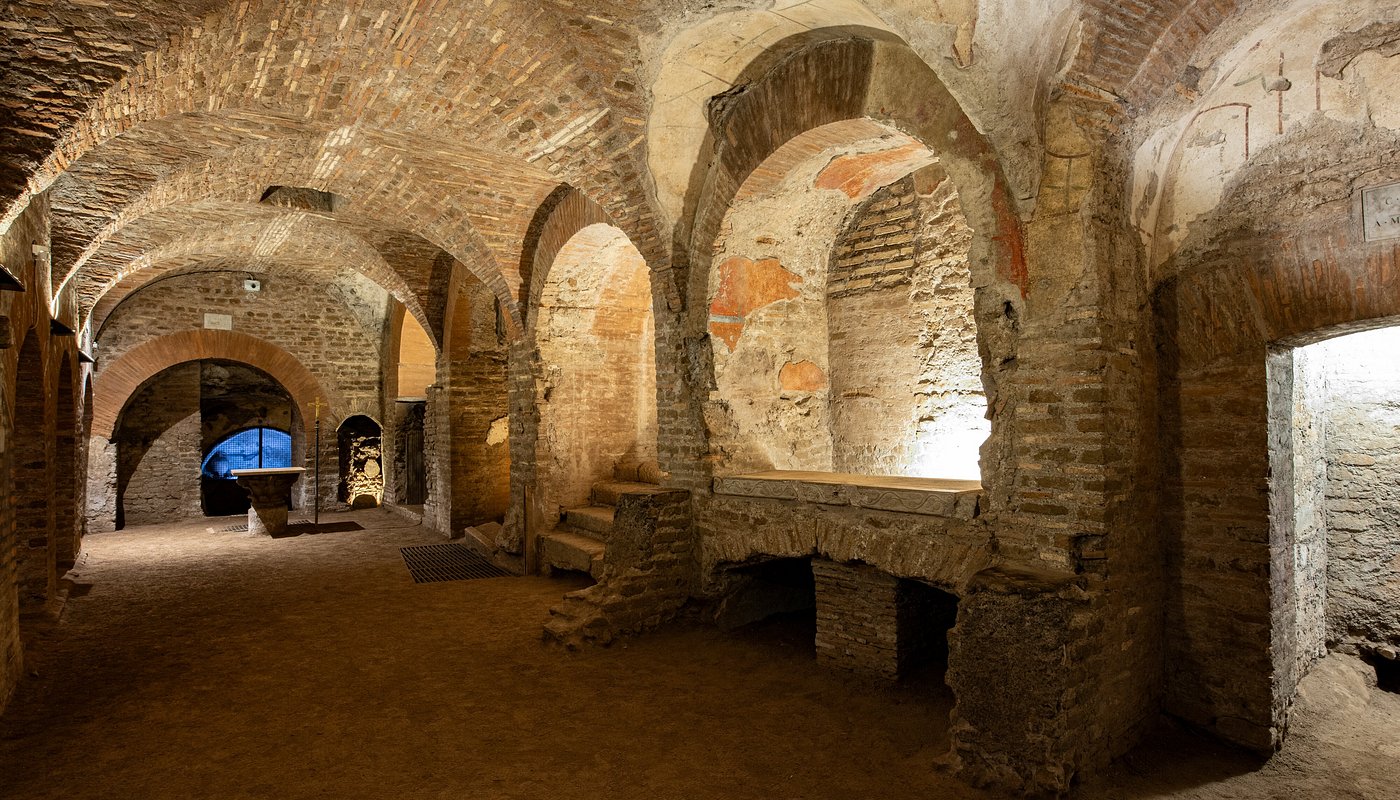
Catacombs of Priscilla
Rare early Christian frescoes including an early image identified as the Virgin and Child
Explore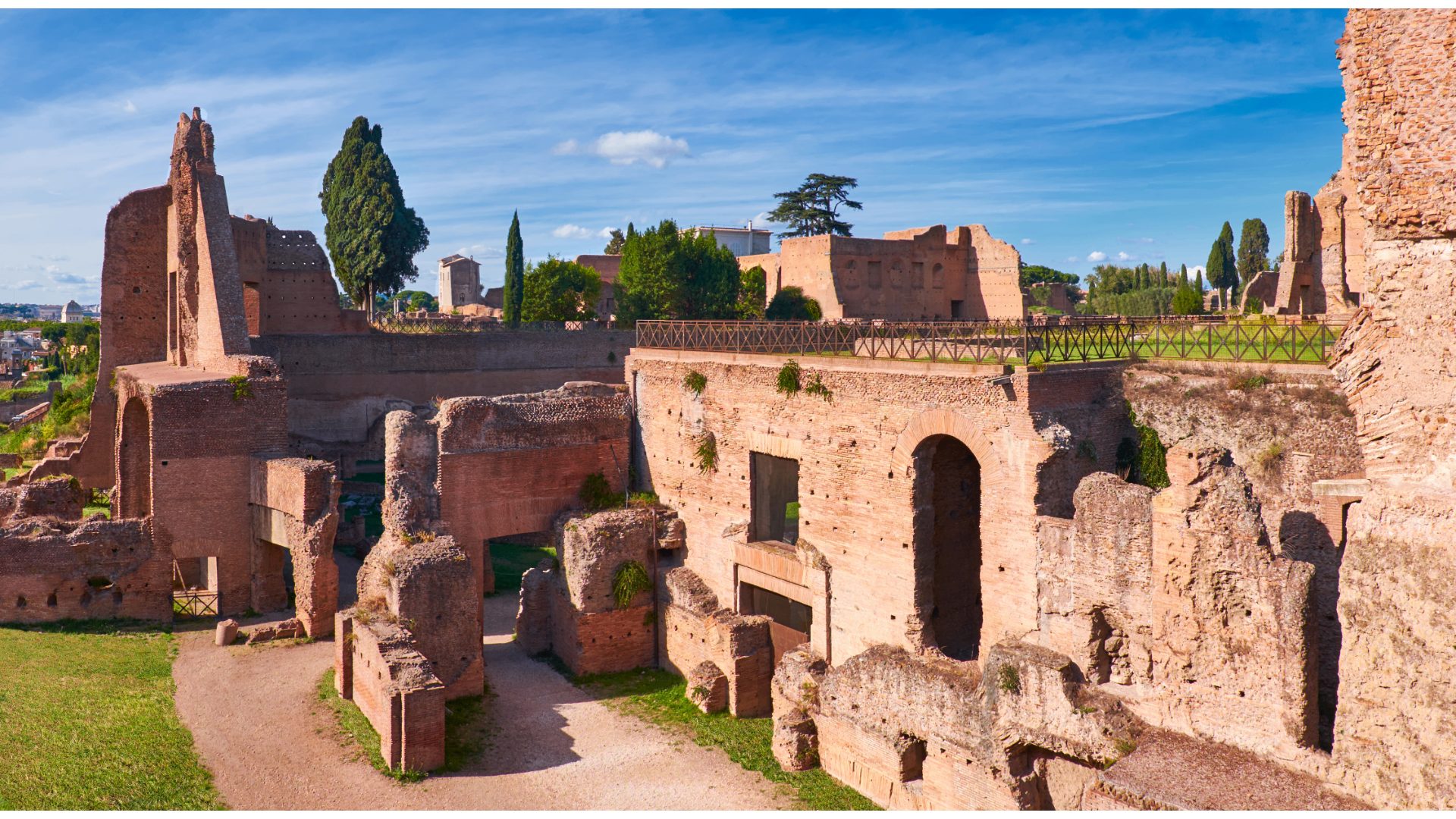
Palatine Hill
Legendary birthplace of Rome and luxurious home of emperors
Explore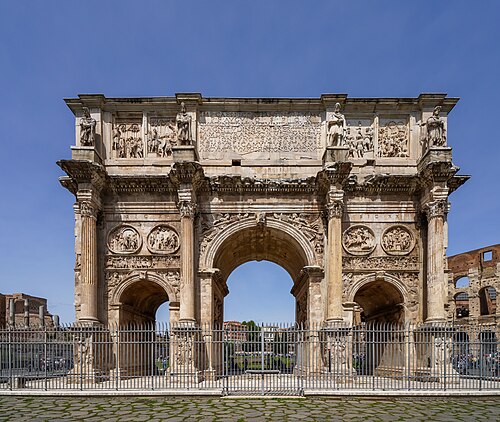
Arch of Constantine
Rome's largest triumphal arch (315 AD) next to the Colosseum
ExploreQuick Planning Guide
⏱️ Time Needed
45–75 minutes
💰 Cost
€8 standard, €6 reduced
🎫 Reservation
Walk-up almost always possible
♿ Accessibility
Limited — original Roman staircases
📅 Best Time
Wednesday/Friday morning, 10:30–11:30
👨👩👧👦 Family Friendly
Yes — ages 6+, no strollers
🌡️ Weather
Underground; constant 14–16°C year-round
Nearby Attractions
Basilica di Santi Giovanni e Paoloabove
Basilica di San Clemente10 min walk
Colosseum10 min walk
Villa Celimontana5 min walk
Circus Maximus10 min walk
Featured In These Itineraries
Hidden Gems of Rome5 Day Rome ItineraryRome with KidsEssential Tips
- ✓ Closed non-holiday Tuesdays & Thursdays; open Wed, Fri, Sat, Sun, Mon 10:00–16:00
- ✓ Free-admission days follow current concession rules — check CoopCulture
- ✓ Ask about audio guide availability at the ticket desk
- ✓ Bring a light jacket — constant 14–16°C
- ✓ Verify current hours on CoopCulture before travelling