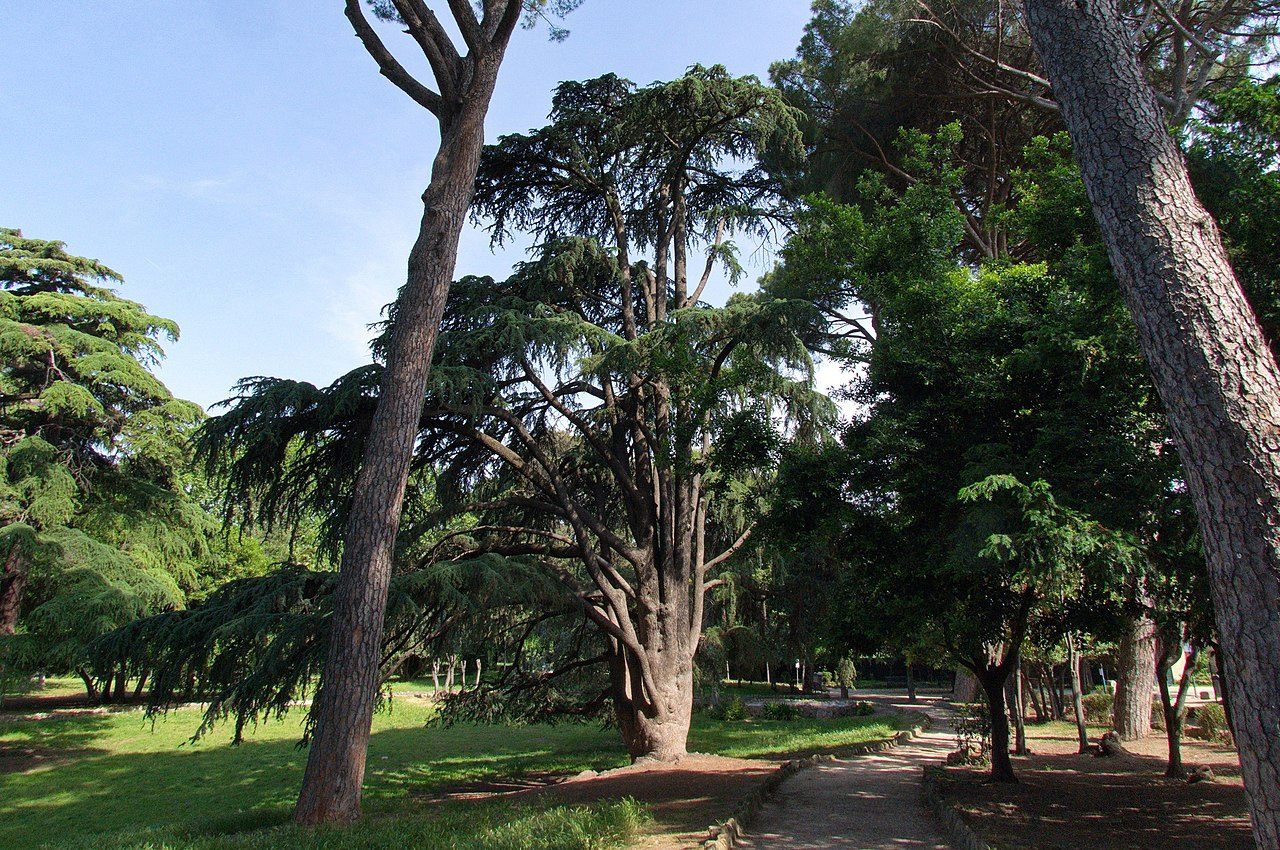
 Free Renaissance Gardens · Near the Colosseum
Villa Celimontana Gardens
A peaceful free park on the Caelian Hill with shaded paths, a children's playground, the Mattei obelisk and free summer music events.
30–90 minAlways freeSince 1582Caelian HillPiazza della Navicella 12, 00184 RomaOpen on MapPlan Your Visit
Compare tickets, tours and stays — booking ahead usually gives more choice
Get TicketsBook a TourHotels NearbyBy AllTrips Editors••9 min readVilla Celimontana (formerly Villa Mattei) is the historic 16th-century Renaissance garden on Rome's Caelian Hill, roughly 15–20 minutes' walk from the Colosseum depending on route. Created in 1582 by Ciriaco Mattei on slopes historically associated with the Caelian Hill's ancient past, it remains today a free, peaceful public park with shaded umbrella-pine avenues, ancient Roman ruins, a fenced playground and — at its centre — the Mattei obelisk, which combines ancient Egyptian material with later restored sections and is historically linked with Heliopolis and the Sanctuary of Isis Capitolina. The 16th-century villa now houses the Italian Geographical Society. Open daily, generally dawn to dusk (07:00–18:00 from 1 May to 31 October; 07:00–17:00 from 1 November to 30 April), no ticket or reservation is normally required for daytime park access.
📋 In This Guide
Duration
30–90 min
Cost
Always free
Photos
Yes — golden hour ideal
Type
Renaissance garden + obelisk
Why Visit Villa Celimontana?
Most travellers walk past the Caelian Hill on their way from the Colosseum to San Clemente without realising that one of Rome's loveliest free historic gardens is sitting nearby. Villa Celimontana is a quiet Renaissance park with the historic Mattei obelisk, ancient marble fragments embedded in the lawns, shaded paths and a park used day-to-day by Roman families rather than tourists. Spend half an hour here and you get something the Colosseum cannot give you — the Caelian Hill the way Romans actually use it.
The Mattei Obelisk
The Obelisco Matteiano combines genuine ancient Egyptian material with later restored and added sections, historically linked with Heliopolis and the Sanctuary of Isis Capitolina. It is one of the few ancient obelisks standing inside a public park in Rome.
Renaissance Mattei Garden
Designed in 1582 by Giacomo del Duca for Ciriaco Mattei — one of the earliest grand Renaissance gardens in Rome, with the original parterre layout still visible around the villa.
Free Shaded Park
Shaded benches under enormous umbrella pines and large lawns, popular with local families. Roughly 15–20 minutes' walk from the Colosseum and entirely free of charge — check current municipal rules on picnicking.
Free Summer Music Events
The Village Celimontana programme in 2026 advertises around 100 free-entry events running from 15 May to 5 September, continuing the site's long tradition of open-air summer entertainment in the gardens.
What to See in the Gardens
Obelisco Matteiano
The Mattei obelisk combines ancient Egyptian material with later restored sections, set on a 17th-century base in the central garden — the visual heart of the park.
Villa Mattei
The 16th-century villa, today the headquarters of the Società Geografica Italiana — façade and library accessible during cultural events.
Renaissance Parterre
Original geometric box-hedge parterre in front of the villa — among the earliest surviving Renaissance garden compositions in Rome.
Belvedere Terrace
A shaded terrace on the southern flank of the park with a partial view over the surrounding Caelian Hill neighbourhood.
Ancient Roman Cisterns
Brick-faced ruins of Roman cisterns and foundations from the imperial period embedded throughout the gardens — most still partially buried.
Marble Fragments
Antique marble columns, capitals and inscriptions arranged through the park — remnants of the Mattei family's antiquities collection.
Children's Playground
Fenced playground with swings, slides and climbing frames in the eastern half — one of the best free play areas near the Colosseum.
Umbrella Pine Avenue
The grand axial avenue under towering Roman umbrella pines — quintessential Roman parkscape, perfect for golden-hour photos.
Festival Stage Area
Open lawn beside the villa used for the Village Celimontana programme, which in 2026 hosts around 100 free-entry events from 15 May to 5 September.
From Imperial Slope to Roman Public Park
From the ancient structures of the Caelian Hill to the Mattei family's Renaissance villa, from the antiquarian collection of the Pope's household to the city's free family park — Villa Celimontana compresses two thousand years of Caelian Hill history into a quiet shaded loop.
c. 27 BCImperial Slope
The Caelian Hill above the future villa becomes a fashionable patrician quarter under Augustus, with imperial property and the gardens of the Domus Augustana extending across the lower slopes.
Ancient EgyptObelisk Material Quarried
Ancient Egyptian material later incorporated into the obelisk is historically linked with Heliopolis, though the monument as it stands today also includes later restored and added sections.
Roman eraLinked to the Sanctuary of Isis
The obelisk's history is connected with the Sanctuary of Isis Capitolina (Iseum Campense) in ancient Rome.
Medieval/Renaissance eraRecovery and Relocation
The obelisk material is recovered and relocated over subsequent centuries before eventually being moved to its present position in the gardens.
1553Mattei Family Acquires the Land
The aristocratic Roman Mattei family — patrons of Caravaggio — buys the slope on the Caelian Hill that will become Villa Mattei.
1582Villa & Gardens Created
Ciriaco Mattei commissions the architect Giacomo del Duca to lay out a grand Renaissance garden with parterres, fountains, antiquities and a celebrated collection of inscriptions.
1582Obelisk Installed in the Garden
The obelisk is moved and installed on a new base in the central avenue of the new garden — where it still stands, restored and completed with later sections.
17th c.Antiquarian Showpiece
The Mattei collection of inscriptions, sculptures and marble fragments displayed in the garden becomes one of the most famous antiquarian sights of Grand Tour Rome.
1802Hoffmann von Hohenlohe
The villa passes to Princess Marianna Hoffmann-Hohenlohe, who romantically remodels parts of the gardens in the new English-landscape style.
1873City of Rome Acquires the Park
After the Italian unification the gardens are acquired by the new municipal authorities and progressively opened to the public as one of central Rome's first free parks.
1926Italian Geographical Society
The villa building is assigned to the Società Geografica Italiana, which still occupies it today — the gardens remain a free public park.
1995Summer Festival Tradition Founded
The Villa Celimontana Jazz Festival launches as a small summer concert series. It evolves into the Village Celimontana programme, which by 2026 advertises around 100 free-entry events each summer.
Present (2026)Free Daily, Dawn to Dusk
Open every day, generally dawn to dusk (07:00–18:00 from 1 May to 31 October; 07:00–17:00 from 1 November to 30 April), free of charge, used by Roman families, joggers and visitors. The Village Celimontana programme runs 15 May–5 September 2026 with around 100 free events; the rest of the year the park is quiet and shaded.
Entry & Hours 2026
🆓 Always Free
Entry to the gardens is and always has been free. No ticket, no booking, no security check. Walk straight in through one of the park's entrances.
🕐 Opening Hours
Daily 07:00–18:00 from 1 May to 31 October, and 07:00–17:00 from 1 November to 30 April — generally described as dawn to dusk. The park is gated and locked overnight; check posted hours at the gates.
🚪 Entrances
The main entrance is on Piazza della Navicella 12, with additional entrances around the park including one on Via della Navicella. All are free and open the same hours — check current signage for exact locations.
🏛️ Villa Building
The 16th-century villa is the headquarters of the Italian Geographical Society and is not normally open to the public. Library and historic interior access during occasional cultural events — check sgi.it for the schedule.
🎷 Village Celimontana 2026
The Village Celimontana programme advertises around 100 free-entry events from 15 May to 5 September 2026 — daytime park access stays free year-round as well.
♿ Accessibility
Main gravel paths are largely flat and stroller-friendly. Some side paths and the Belvedere terrace involve gentle slopes and a few steps. Wheelchair accessibility should be treated cautiously while any renovation work continues — check current conditions before visiting.
Best Time to Visit
Time of Day
07:00–09:00 ⭐ Best for runners: The park is silent — Roman joggers and dog-walkers only. Cool air, soft light on the obelisk.
10:00–12:00: Sunny, lightly used, perfect for a slow loop and photography.
13:00–15:00 ⭐ Picnic time: Roman families settle on the lawns. Plenty of shade under the umbrella pines.
Golden hour: Good photographic light on the obelisk and villa façade — last hour before closing.
Season
Spring (Apr–Jun) ⭐ Best: Warm but not hot, gardens at peak greenness, open until 18:00 from 1 May.
Summer (Jul–Aug): Hot but heavily shaded by pines — far cooler than the Forum. Free Village Celimontana events add evening atmosphere (15 May–5 September 2026), open until 18:00.
Autumn (Sep–Oct): Similar to spring — soft Roman light through the pines, fewer tourists in the surrounding monuments; open until 18:00 through 31 October.
Winter: Quietest and most atmospheric. From 1 November to 30 April the park closes at 17:00 — plan a daytime visit.
Rules & What to Bring
🧺 Lawns & Benches
The park has lawns and shaded benches, but current rules on picnicking should be checked on site or via the Roma Capitale website, as they can change. There are no cafés inside the park.
🚫 General Park Rules
Like most Roman municipal parks, open flames, barbecues and amplified sound systems are typically restricted — check current signage for full details before visiting.
🐕 Dog Rules
Check current municipal rules on dogs before visiting, as specific leash and access requirements can vary by park and by season.
🚴 Bicycle Rules
Check current municipal rules on bicycles, e-scooters and skateboards before visiting, as restrictions can vary and change.
🌳 Respect the Pines
The umbrella pines and the marble fragments are protected — don't climb, lean ladders or hang hammocks. The park dates back to the 16th century.
⏰ Leave Before Closing
The park closes at 18:00 (1 May–31 October) or 17:00 (1 November–30 April), generally described as dawn to dusk, and is gated and locked overnight. Don't get caught inside.
Villa Celimontana vs Other Free Roman Parks
| Park | Size | Cost | Highlight | Crowds |
|---|---|---|---|---|
| Villa Celimontana | 7 ha · Caelian Hill | Free | Mattei obelisk, ~15–20 min from Colosseum | Low |
| Villa Borghese | 80 ha · Pincian | Free (museums paid) | Galleria Borghese, lake, museums | High |
| Giardino degli Aranci (Aventine) | 0.8 ha | Free | Famous panoramic view of St Peter's | High |
| Parco del Colle Oppio | 11 ha · adjacent to Colosseum | Free | Close Colosseum views, Domus Aurea above | Medium |
| Villa Doria Pamphilj | 184 ha · Janiculum | Free | Largest park in Rome, baroque villa | Low |
For travellers basing days around the Colosseum, Villa Celimontana offers a peaceful, nearby free park. For grand views pick the Aventine. For sheer scale go to Villa Doria Pamphilj.
Common Mistakes to Avoid
Skipping the obelisk
Many visitors loop the perimeter and miss the central avenue. The Egyptian obelisk is 100 m uphill from the main gate — go straight in, not sideways.
Looking for a café
There is no café inside the gardens. Buy food at the bakeries on Via di San Giovanni in Laterano or the supermarket on Via Claudia before going in.
Trying to enter the villa
The 16th-century villa is the Italian Geographical Society HQ — closed to the public except during specific cultural events. Don't queue at the door.
Arriving after closing
The park is gated overnight and closes at 18:00 (1 May–31 October) or 17:00 (1 November–30 April). Many travellers arrive later in winter and find it shut.
Bringing a bike
Check current municipal rules on bicycles and e-scooters before bringing one inside — restrictions can apply on the gravel paths.
Treating it as a tourist site
It is a working neighbourhood park used by Roman families. Voices low, bins used, lawns respected — and the experience stays special for the next visitor.
The Summertime Jazz Festival
Founded in 1995 as the Villa Celimontana Jazz Festival, this tradition of open-air summer entertainment continues today as the Village Celimontana programme. In 2026 it advertises around 100 free-entry events running from 15 May to 5 September, staged on a platform beside the villa, under the umbrella pines.
Programme
A mix of music and cultural events across the summer — check the official 2026 schedule for specific acts, dates and times.
Free Entry
The 2026 Village Celimontana programme advertises around 100 free-entry events from 15 May to 5 September — check the official schedule for details.
Daytime Park
During festival months the gardens stay free during the day exactly as usual — the events use only part of the evening hours and one corner of the park.
Nearby Colosseum & Forum Tickets
Villa Celimontana is the perfect free pause inside a paid Colosseum-area day. Lock in your skip-the-line tickets and use the gardens for a picnic between monuments.
Colosseum Priority Entrance
Best for: First-time visitors
~2 hoursSkip-the-line access to the Colosseum with entry to Roman Forum and Palatine Hill included. Perfect for first-time visitors.
- Skip-the-line entry
- Colosseum access
- Roman Forum included
- Palatine Hill included
🎟️ Compare Prices:
TiqetsKlookTrip.comColosseum Guided Tour
Best for: History enthusiasts
~3 hoursExpert-led tour with professional guide sharing gladiator history, architecture secrets, and ancient Roman stories.
- Professional English-speaking guide
- Skip-the-line entry
- In-depth historical commentary
- Small group experience
🎟️ Compare Prices:
TiqetsKlookTrip.comColosseum Arena & Underground
Best for: Unique experience seekers
~3.5 hoursWalk where gladiators fought on the arena floor and explore the underground chambers where they awaited their fate.
- Arena Floor access
- Underground chambers access
- Roman Forum & Palatine Hill
- Expert guided tour included
🎟️ Compare Prices:
TiqetsKlookTrip.comPair Your Visit With
Case Romane del Celio3 minutes' walk — the spectacular underground frescoed Roman houses below Santi Giovanni e Paolo. The perfect paid pendant to a free park visit.
Basilica of San Clemente8 minutes' walk — the 3-level basilica with 12th-century frescoes and a Mithraic temple beneath. Caelian Hill's archaeological masterpiece.
Colosseum8 minutes' walk downhill — start with the Colosseum at dawn, lunch in Villa Celimontana, finish with the Forum. The classic Caelian half-day loop.
Must-See Highlights
Free historic Renaissance gardens, roughly 15–20 minutes' walk from the ColosseumThe Mattei obelisk, combining ancient Egyptian material with later restored sections16th-century Villa Mattei — now the Italian Geographical Society headquartersShaded paths and a peaceful Renaissance park atmosphere on the Caelian HillFenced playground and stroller-friendly main paths for familiesVillage Celimontana: around 100 free-entry events, 15 May–5 September 2026Ancient Roman ruins scattered through the gardens (cisterns, foundations)One of the few ancient obelisks in Rome standing inside a public parkGetting There
🚇 Metro Line B
Colosseo station — 8 minutes uphill via Via Claudia or Via di San Paolo della Croce. The most common approach for visitors arriving from the historic centre.
🚊 Tram 3 or 8
Stop at Parco Celio, 2-minute walk from the eastern gate on Via di San Paolo della Croce. €1.50, the locals' route.
🚌 Bus 81 / 87 / 117
Stop at Navicella or Claudia, 3 minutes from the main gate. Useful from Trastevere (81), Piazza del Popolo (87) and the Spanish Steps (117).
Where to Stay Near Villa Celimontana
Looking for convenient accommodation near Villa Celimontana? Stay within walking distance to make the most of your visit.
Hotels Near This AttractionTop Rated HotelsBudget-Friendly OptionsLuxury HotelsCentral locations with easy access to Villa Celimontana and other attractionsFrequently Asked Questions
Is Villa Celimontana free to enter in 2026?
Yes — the gardens are completely free. Opening hours are 07:00–18:00 from 1 May to 31 October and 07:00–17:00 from 1 November to 30 April, generally described as dawn to dusk. The villa building itself houses the Italian Geographical Society and is not normally open to the public except during occasional cultural events. The park is municipally managed and never requires booking.
Where is Villa Celimontana exactly and how do I get there?
The main entrance is on Piazza della Navicella, on the Caelian Hill (Celio), roughly 15–20 minutes' walk from the Colosseum depending on your route and which entrance you use, and a few minutes from Santi Giovanni e Paolo. Easiest by Metro Line B to Colosseo, tram 3 / 8 to Parco Celio, or bus 81 / 87 / 117. There is also a smaller entrance on Via della Navicella, useful for the obelisk.
What is the Egyptian obelisk in Villa Celimontana?
The Obelisco Matteiano combines genuine ancient Egyptian material with later restored and added sections, and is historically linked with Heliopolis and the Sanctuary of Isis Capitolina in Rome. Ciriaco Mattei installed it in his garden in 1582, and it remains one of the few ancient obelisks standing inside a public park in Rome.
Is Villa Celimontana good for kids and families?
Excellent. The park has a fenced playground with swings and slides, wide flat paths suitable for strollers and balance bikes, large grass areas for running, and shade from umbrella pines. It is one of the best free family spaces in central Rome — locals use it daily. Check current municipal signage for facilities such as fountains and toilets, as availability can vary.
Can I picnic in Villa Celimontana?
The park has plenty of lawns and shaded benches popular with Roman families, though picnic rules, dog rules and bicycle rules are set by the municipality and can change — check current signage or the Roma Capitale website before you go. There are no on-site cafés inside the park, so bring food from the bakeries on Via di San Giovanni in Laterano or the supermarket on Via Claudia.
What is the Villa Celimontana Jazz Festival?
Founded in 1995, the Villa Celimontana Jazz Festival evolved into the Village Celimontana programme, which in 2026 advertises around 100 free-entry events running from 15 May to 5 September. International and Italian music, cultural and entertainment acts take place in the gardens, and the rest of the park stays free during the day as always.
Is Villa Celimontana safe at night?
The park closes daily — 18:00 from 1 May to 31 October and 17:00 from 1 November to 30 April, generally described as dawn to dusk — and is gated overnight, so visitors should leave before the posted closing time. During festival evenings the central area is staffed and well-lit; outside festival hours and after closing the park is not accessible. The surrounding Caelian neighbourhood is among Rome's safer residential districts.
How much time should I spend at Villa Celimontana?
30–45 minutes for a relaxed stroll covering the obelisk, the villa façade and the ancient ruins. 1.5–2 hours if you bring a picnic, a book or kids who want to use the playground. Easily combined with the Colosseum, Santi Giovanni e Paolo, the Case Romane del Celio or San Clemente in a single day.
Related Attractions
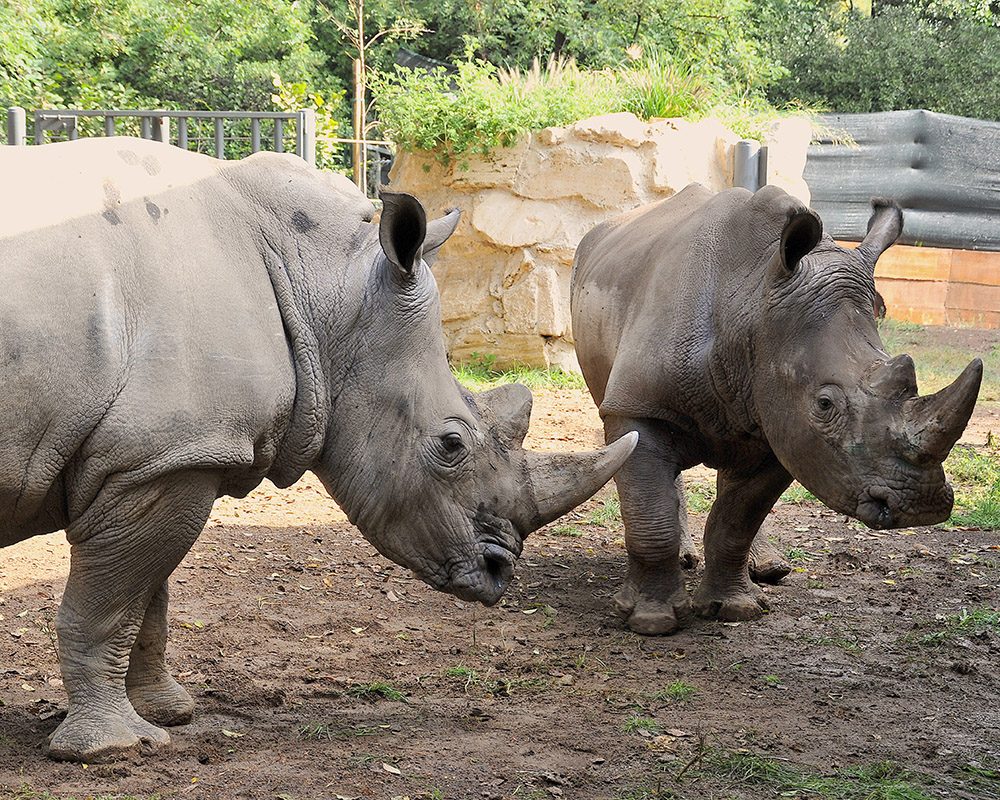
Bioparco di Roma
Rome's zoo with 1,200+ animals in Villa Borghese
Explore
Explora Children's Museum
Rome's best interactive museum for kids 0-11
Explore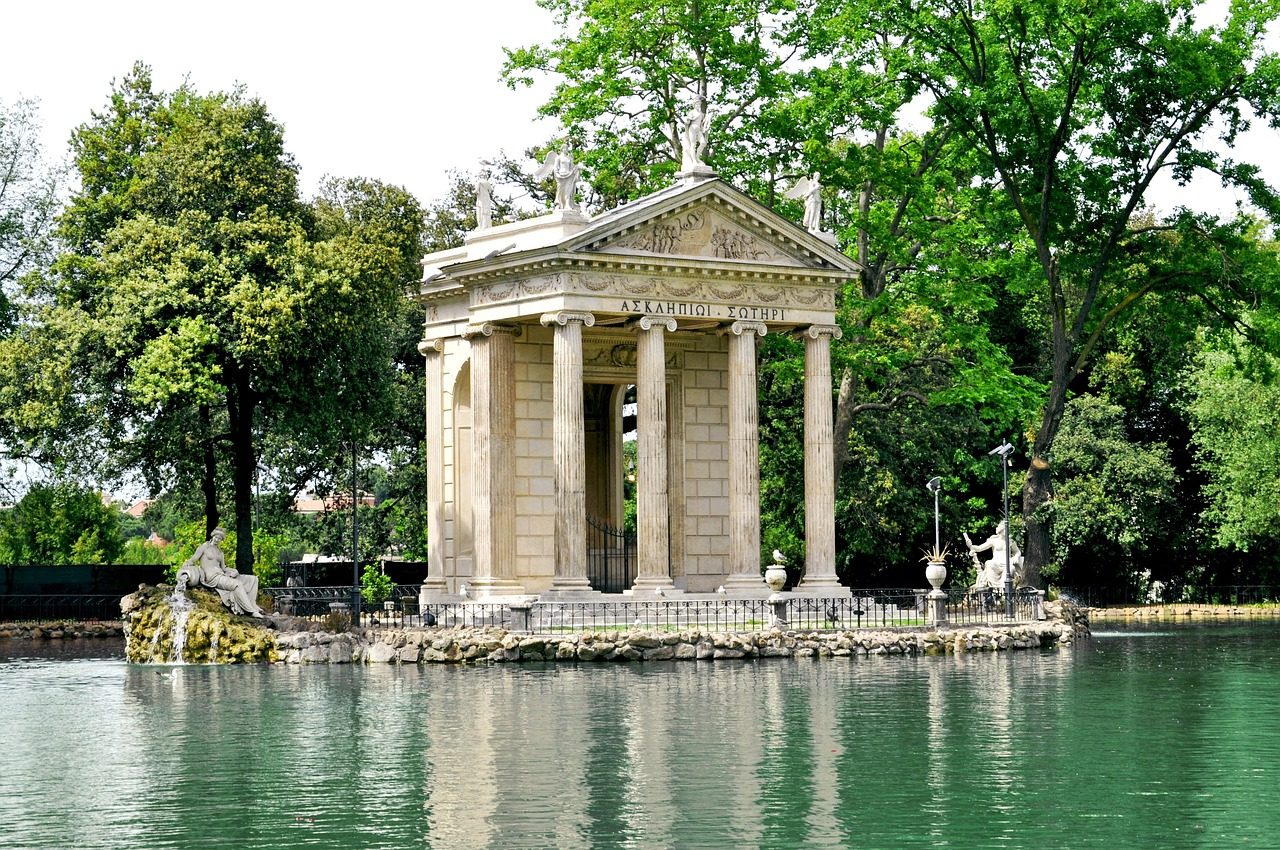
Villa Borghese Gardens
Rome's most famous park with bike rentals and rowboats
Explore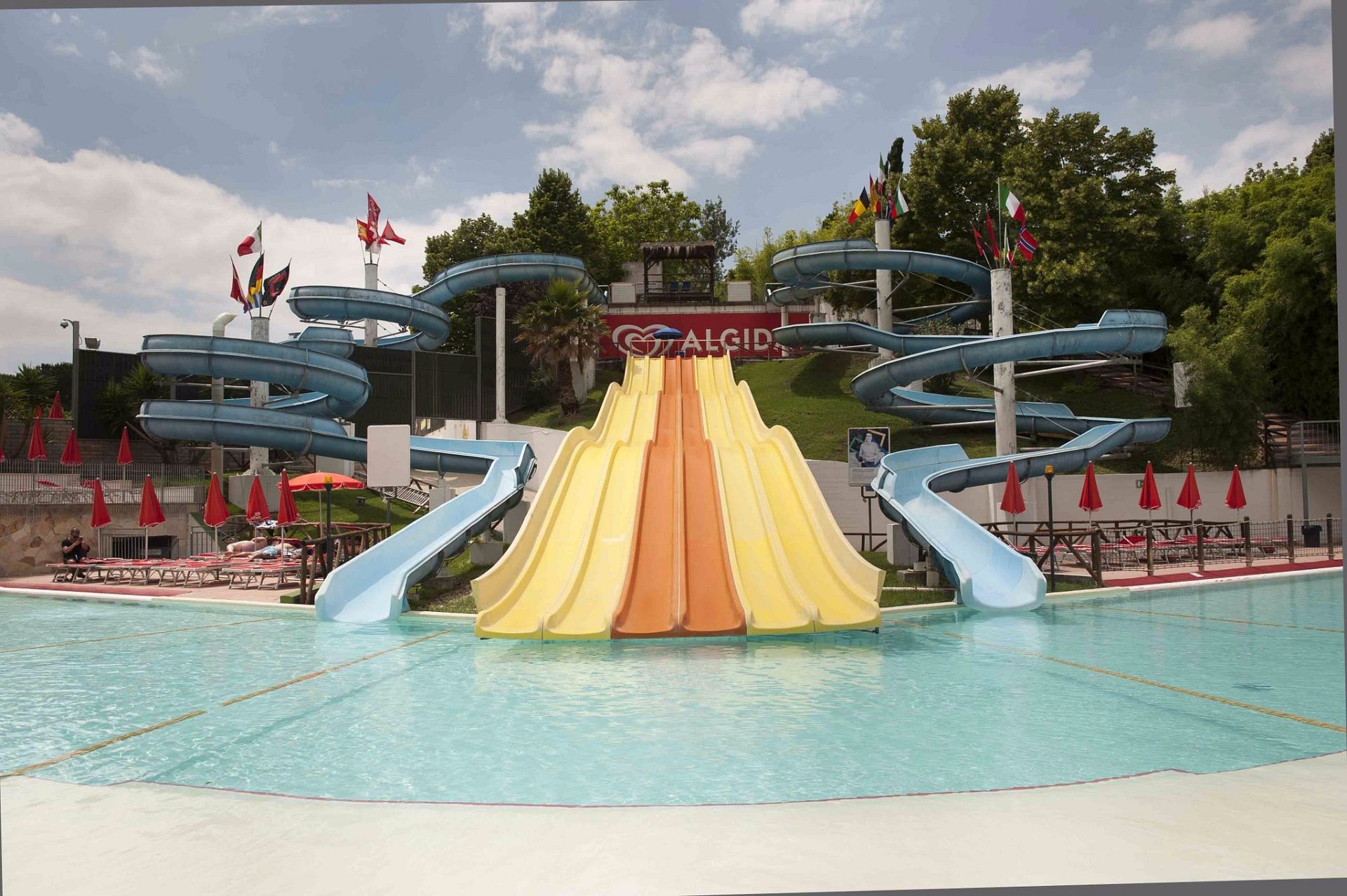
Hydromania Water Park
Rome's thrilling water park—perfect summer escape
Explore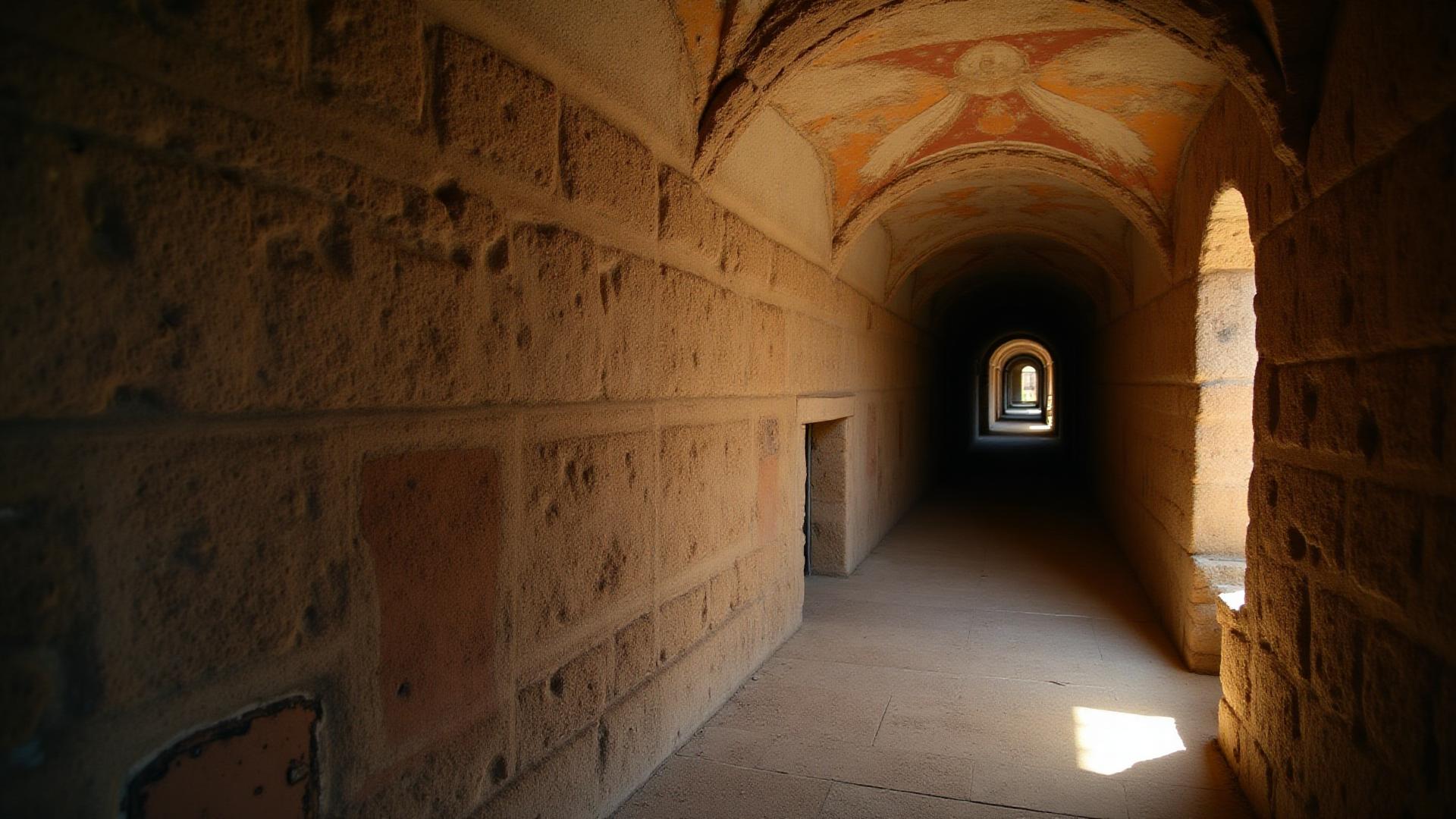
Catacombs of Saint Sebastian
Ancient Christian burial site on the Appian Way—12km of passages
Explore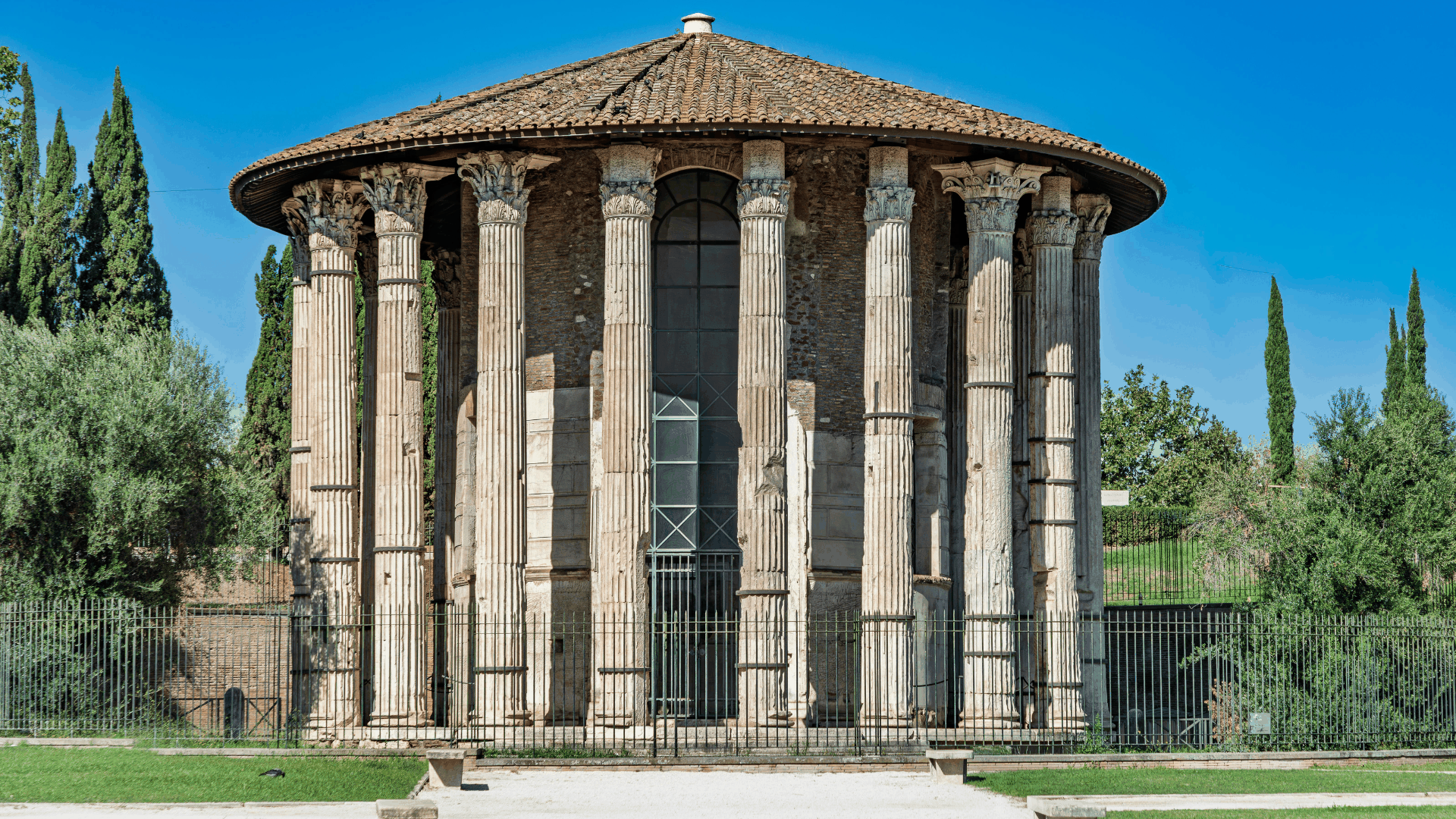
Temple of Hercules Victor
Rome's oldest surviving marble building—beautifully preserved round temple
ExploreQuick Planning Guide
⏱️ Time Needed
30–45 min stroll · 1.5–2 h picnic
💰 Cost
Always free
🎫 Reservation
Never required
♿ Accessibility
Mostly flat main paths, though some renovation work may affect wheelchair access — check current conditions before visiting
📅 Best Time
Weekday morning · Weekend evening
👨👩👧👦 Family Friendly
Excellent — playground, lawns
🌡️ Weather
Outdoor only — shaded by pines
Nearby Attractions
Case Romane del Celio3-min walk
Santi Giovanni e Paolo3-min walk
Santa Maria in Domnicaacross the gate
Colosseumroughly 15–20 min walk
San Clemente8-min walk
Baths of Caracalla15-min walk
Featured In These Itineraries
Free Things to Do in RomeHidden Gems of Rome5 Day Rome ItineraryEssential Tips
- ✓ Always free — no ticket, no booking
- ✓ No on-site café — bring your own food and check current park rules
- ✓ Combine with the Colosseum and San Clemente
- ✓ Visit at golden hour for the best obelisk photos
- ✓ Check the Village Celimontana 2026 schedule for free events