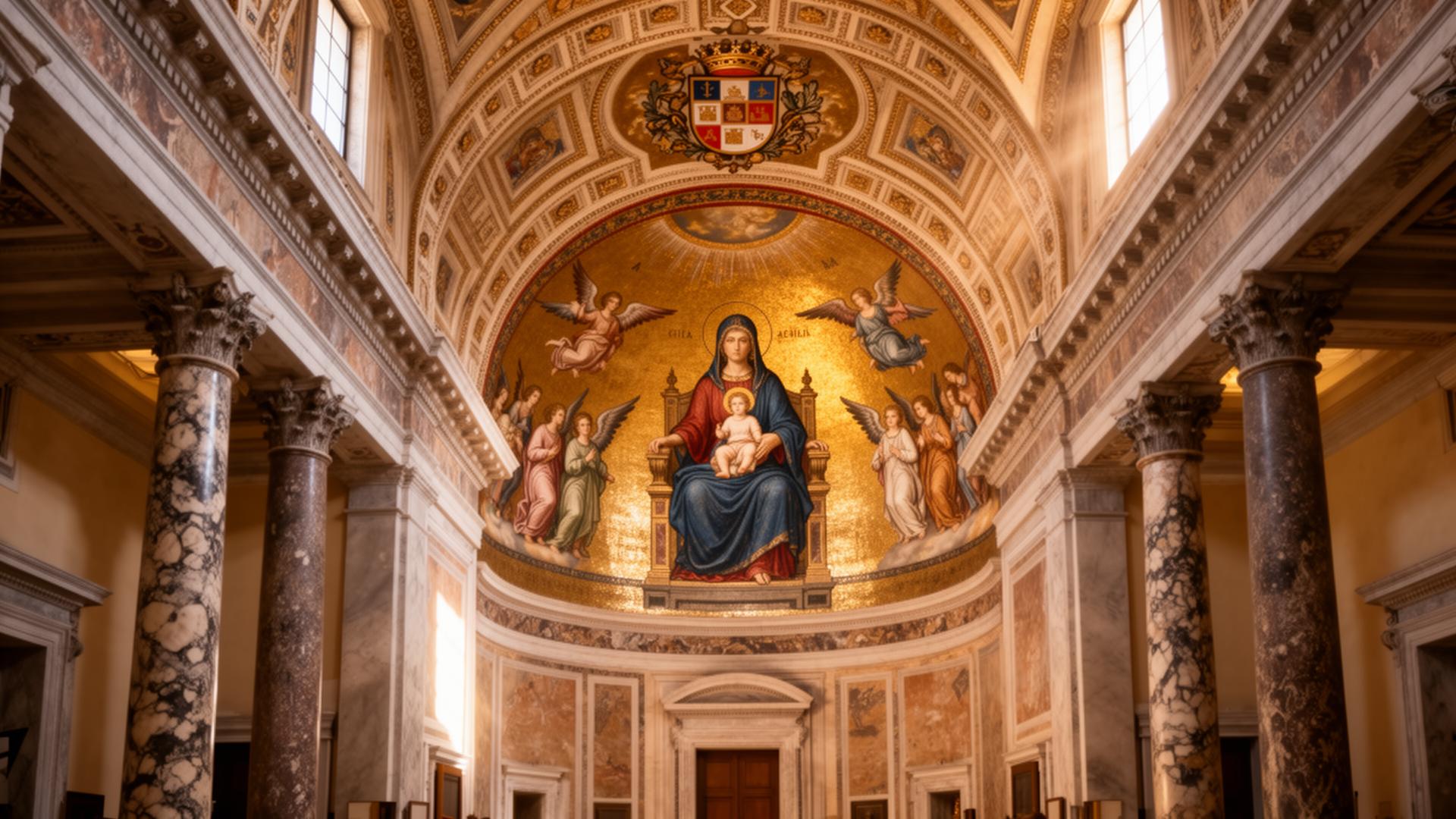
 Free 9th-Century Basilica · ~10 Min from Colosseum
Basilica Santa Maria in Domnica
Rome's quietest mosaic masterpiece — Pope Paschal I's golden Byzantine apse, the marble Navicella fountain and a Medici Renaissance ceiling, on the Caelian Hill about ten minutes from the Colosseum.
20–30 minAlways free9th CenturyNavicellaVia della Navicella, 10, 00184 RomaOpen on MapPlan Your Visit
Compare tickets, tours and stays — booking ahead usually gives more choice
Book a TourHotels NearbyBy AllTrips Editors••8 min readSanta Maria in Domnica — also called Santa Maria della Navicella — is a 9th-century basilica on Rome's Caelian Hill, about ten minutes' walk south of the Colosseum. Rebuilt by Pope Paschal I between 817 and 824, it preserves one of the finest Byzantine-style apse mosaics in Rome: the Virgin Mary enthroned with the Christ Child in a glittering gold field, surrounded by a heavenly host of angels. Outside the church stands the Navicella, a marble boat-fountain dating to approximately 1518–1519, perhaps from a design by Andrea Sansovino, added for the Medici Pope Leo X. Free entry, almost always empty, and one of the great hidden treasures of early-medieval Rome.
📋 In This Guide
Duration
20–30 min
Cost
Always free
Photos
Parish discretion
Type
9th-c. basilica + mosaic
Why Visit Santa Maria in Domnica?
Most visitors to the Caelian Hill walk straight from the Colosseum to San Clemente without realising that one of Rome's three greatest 9th-century mosaics is sitting in a tiny piazza halfway between them — for free, with no queue. Santa Maria in Domnica is the quietest member of Pope Paschal I's mosaic trilogy (the others are Santa Prassede and Santa Cecilia), and the only one with a marble Roman boat parked outside the door.
A 1,200-Year-Old Byzantine Mosaic
The apse glows with gold tesserae from 817–824 AD — the Virgin Mary enthroned in a sea of angels, an iconography unique in early medieval Rome.
The Marble Navicella
The Navicella fountain (c. 1518–1519) — a Renaissance copy of an ancient Roman votive ship, perhaps designed by Sansovino — sits in the piazza and gives the church its nickname.
Medici Renaissance Ceiling
Look up: the coffered wooden ceiling carries the gold-and-blue Medici coat of arms, installed in 1565–1566 under Cardinal Ferdinando de' Medici.
Almost Always Empty
About ten minutes from the Colosseum and yet you'll often have the basilica entirely to yourself — Rome's quietest great mosaic church.
What to See Inside
The Apse Mosaic (817–824)
The Virgin Mary sits enthroned holding the Christ Child in the centre, flanked by a closely packed crowd of angels — the famous "sea of angels" iconography. Pope Paschal I kneels at her feet wearing a square halo, the medieval signal that he was still alive when the mosaic was made. On the triumphal arch above, Christ appears between two angels and the apostles Peter and Paul.
The Navicella Fountain
Before entering, pause at the marble boat in the piazza. It dates to approximately 1518–1519, perhaps from a design by Andrea Sansovino, under Pope Leo X, and copies an ancient Roman votive ship. One theory holds it was originally an offering to the goddess Isis, whose temple may have stood somewhere on this side of the Caelian, though this remains unconfirmed. It gives the church its full name: Santa Maria in Domnica alla Navicella.
Coffered Renaissance Ceiling
Look up immediately on entering. The wooden ceiling, installed in 1565–1566 under Cardinal Ferdinando de' Medici, is divided into deep gilded coffers; at its centre, the gold-ball-and-fleur-de-lis coat of arms of the Medici.
The Ancient Granite Columns
The nave is divided by 18 ancient granite columns reused from Roman buildings on this site, officially identified as barracks of the Fifth Cohort of the Vigiles — some scholars instead associate the complex with the Castra Peregrina, though the archaeological identification remains debated. Pause to notice that the columns don't quite match, a typical 9th-century recycling technique.
The Façade & Portico
The elegant triple-arched portico was added in the early sixteenth century under Pope Leo X, with the design traditionally associated with Andrea Sansovino. Above it runs an inscription celebrating Pope Leo X. The Romanesque bell tower (12th century) rises discreetly behind.
The Paschal I Mosaic — A Closer Look
Pope Paschal I (817–824) commissioned three of Rome's greatest 9th-century mosaics: at Santa Prassede, Santa Cecilia in Trastevere and here at Santa Maria in Domnica. All three deliberately revive the late-antique Byzantine style at a moment when Iconoclasm was tearing the Eastern Church apart — a political statement as much as a devotional one.
The Domnica mosaic is the most original of the three. Rather than the usual symmetric saints, the artist surrounds the Virgin with a dense, almost rhythmic "sea of angels" — heads turned slightly inward, robes catching the light. The Virgin's robe is a deep ultramarine blue, the Child raises his hand in blessing, and the entire field shimmers in gold tesserae.
Don't miss the square halo on Pope Paschal I, who kneels at the Virgin's feet kissing her slipper. In medieval iconography a square halo always indicates that the person was alive at the moment of depiction — a kind of "living donor" signature.
On the triumphal arch above the apse, Christ enthroned blesses between two angels, the twelve apostles approaching from either side and the symbols of the four evangelists at the corners.
Santa Maria in Domnica Through History
1st c. ADRoman Foundations
The site is officially identified as barracks associated with the Fifth Cohort of the Vigiles (Rome's firefighting/watch corps); some scholars debate whether the complex should instead be identified as the Castra Peregrina, barracks for soldiers serving outside Italy — the archaeological identification remains uncertain. Stones from this complex will later be reused in the church.
7th CenturyFirst Diaconia
An early Christian charitable centre (diaconia) is established on the hill, dedicated to the Virgin Mary — one of the seven original diaconiae of Rome.
817–824Pope Paschal I Rebuilds
Paschal I demolishes the older church and constructs the basilica we see today. He commissions the spectacular gold apse mosaic in the Byzantine style, depicting himself with a square halo at the Virgin's feet.
9th c.Granite Columns Installed
Eighteen ancient Roman granite columns are reused to divide the nave into three aisles — a typical practice of early medieval Roman builders.
12th CenturyRomanesque Bell Tower
A characteristic Roman Romanesque campanile is added, rising above the umbrella pines of the Caelian Hill.
c. 1518–1519The Navicella Fountain
Under the Medici Pope Leo X, a marble boat-shaped fountain is added in front of the church, perhaps from a design by Andrea Sansovino, copying an ancient Roman votive ship found nearby. One theory holds it was originally an offering to the goddess Isis, though this is not established fact.
1565–1566Coffered Ceiling Installed
Under Cardinal Ferdinando de' Medici, the church receives its coffered wooden ceiling, decorated with the Medici coat of arms still visible today.
1566Drawing by Pirro Ligorio
The Renaissance architect Pirro Ligorio documents the church's mosaics, helping later scholars understand the original 9th-century iconography.
1820Restoration
A scholarly restoration consolidates the mosaic and the medieval structure under papal patronage; minor 19th-century retouching is later identified and reversed.
1944World War II
The Caelian Hill churches narrowly avoid Allied bombing damage thanks to Rome's open-city status. Santa Maria in Domnica emerges intact.
1959–1961Modern Conservation
A meticulous Vatican-led restoration cleans the mosaic, revealing the full luminosity of the gold tesserae and confirming Paschal I's portrait.
2010sCardinal Titulus
The basilica continues as a titular church (assigned to a cardinal). William Joseph Levada and successors hold the title, keeping the building in active use.
2026Free & Almost Empty
Despite being one of Rome's most important early-medieval churches, Santa Maria in Domnica still receives a fraction of the visitors of San Clemente or Santa Prassede — Rome's quietest mosaic masterpiece.
Entry & Hours 2026
🕐 Opening Hours
Visitor opening hours are not reliably published online. Mass is normally celebrated at 19:00, with an additional Sunday Mass at 11:00, but schedules can change. Check the church entrance or contact the parish before making a special journey.
💶 Cost
- Entry: Always free
- Booking: Never required
- Donation box: €1–2 helps maintenance
- Mass: Open to worshippers free
Best Time to Visit
Best of Day
Late morning (10:30–12:00) — natural light through the upper windows lifts the gold tesserae.
Best Day
Tue–Fri are quietest. Saturdays may have weddings; Sundays Mass dominates the schedule.
Best Season
Year-round indoor stop — perfect rainy-day refuge, also blissfully cool in August.
Dress Code & Etiquette
Dress: Shoulders and knees covered for both men and women — a light scarf is enough.
Silence: Speak in whispers; the church is small and acoustics carry.
Photography: Rules are at the discretion of the parish and may vary. As a general courtesy, avoid flash and photography during services.
Mass: Mass is normally celebrated at 19:00, with an additional Sunday Mass at 11:00, but schedules can change — check the church entrance or contact the parish before making a special journey.
Donations: The candle box near the entrance funds mosaic maintenance — leave a euro or two.
Vs Other Roman Mosaic Churches
| Church | Mosaic Date | Cost | Crowds | Best For |
|---|---|---|---|---|
| Santa Maria in Domnica | 817–824 | Free | Empty | Quietest Paschal I mosaic |
| Santa Prassede | 817–824 | Free | Light | Zeno Chapel — best Paschal I overall |
| Santa Cecilia in Trastevere | 817–824 | Free (crypt €2.50) | Light | Cavallini frescoes upstairs |
| Santa Maria Maggiore | 5th c. & 13th c. | Free | Heavy | Oldest narrative mosaics in Rome |
| San Clemente | 12th c. | Free (excavations €10) | Heavy | Tree of Life mosaic + 3-level archaeology |
Common Mistakes to Avoid
Assuming fixed opening hours
Visitor opening hours are not reliably published online. Check the church entrance or contact the parish before making a special journey.
Wearing shorts or tank tops
You will be asked to cover up. Bring a scarf — the same one works for Vatican churches all day.
Skipping the Navicella outside
Most visitors walk straight in. Pause at the marble boat in the piazza first — it's why the church has its nickname.
Using flash on the mosaic
Flash is forbidden and damages the gold tesserae. Bump up your ISO and rest your camera on a pew.
Not looking up at the ceiling
The Medici coffered ceiling is the second-best art in the building — most visitors miss it entirely.
Visiting alone, ignoring the hill
Always combine with Villa Celimontana (across the gate) and Santo Stefano Rotondo — you're already on Rome's best free walking hill.
Colosseum Tickets (10 Min Walk Away)
Santa Maria in Domnica is a perfect free morning warm-up before your timed Colosseum entry. Compare prices below — book the same day if possible.
Colosseum Priority Entrance
Best for: First-time visitors
~2 hoursSkip-the-line access to the Colosseum with entry to Roman Forum and Palatine Hill included. Perfect for first-time visitors.
- Skip-the-line entry
- Colosseum access
- Roman Forum included
- Palatine Hill included
🎟️ Compare Prices:
TiqetsKlookTrip.comColosseum Guided Tour
Best for: History enthusiasts
~3 hoursExpert-led tour with professional guide sharing gladiator history, architecture secrets, and ancient Roman stories.
- Professional English-speaking guide
- Skip-the-line entry
- In-depth historical commentary
- Small group experience
🎟️ Compare Prices:
TiqetsKlookTrip.comColosseum Arena & Underground
Best for: Unique experience seekers
~3.5 hoursWalk where gladiators fought on the arena floor and explore the underground chambers where they awaited their fate.
- Arena Floor access
- Underground chambers access
- Roman Forum & Palatine Hill
- Expert guided tour included
🎟️ Compare Prices:
TiqetsKlookTrip.comPair Your Visit With
Villa Celimontana
Free Renaissance gardens with an Egyptian obelisk — directly across the piazza.
Basilica of San Clemente
Three superimposed churches and Rome's most famous archaeology — 10 min walk.
Santa Maria Maggiore
Rome's greatest mosaic basilica — pair the 9th and 5th-century gold together.
Highlights at a Glance
- Free 9th-century basilica with one of Rome's finest Byzantine mosaics
- Apse mosaic of the Virgin Mary in a 'sea of angels' — commissioned 817–824 by Pope Paschal I
- Pope Paschal I depicted with a rare square halo (he was still alive)
- Navicella marble boat-fountain (c. 1518–1519), perhaps designed by Sansovino, in front of the church
- Coffered Renaissance ceiling with Medici arms, installed 1565–1566 under Cardinal Ferdinando de' Medici
- 18 ancient granite columns reused from Roman buildings
- Romanesque bell tower from the 12th century
- Quietest of Rome's great mosaic churches — almost always empty
How to Get There
By Metro
- Colosseo (Line B): 10-min uphill walk via Via Claudia
- Circo Massimo (Line B): 12-min walk via Clivo di Scauro
By Tram
Tram 3 stops at Parco Celio (check current operating status), then 3-min walk uphill.
By Bus
Lines 81, 87, 117 stop close to Piazza della Navicella.
On Foot
From the Colosseum, take Via Claudia uphill — a pleasant 10-minute climb past the Temple of Claudius ruins to Piazza della Navicella.
Where to Stay Near Santa Maria in Domnica
Looking for convenient accommodation near Santa Maria in Domnica? Stay within walking distance to make the most of your visit.
Hotels Near This AttractionTop Rated HotelsBudget-Friendly OptionsLuxury HotelsCentral locations with easy access to Santa Maria in Domnica and other attractionsFrequently Asked Questions
Is Santa Maria in Domnica free to enter in 2026?
Yes — entry is completely free, no ticket and no booking. The basilica is an active titular church run by the Diocese of Rome and operates on donations. A small offering (€1–2) in the candle box is appreciated to help maintain the 9th-century mosaics.
What are the opening hours?
Visitor opening hours are not reliably published online. Mass is normally celebrated at 19:00, with an additional Sunday Mass at 11:00, but schedules can change. Check the church entrance or contact the parish before making a special journey.
What is the Navicella fountain?
The 'Navicella' (little boat) is a marble fountain shaped like an ancient Roman ship, dating to approximately 1518–1519, perhaps from a design by Andrea Sansovino. It is a copy of an antique votive offering — one theory holds it was an offering to the goddess Isis, whose temple may have stood nearby — and gives the church its full name: Santa Maria in Domnica alla Navicella.
What makes the apse mosaic so important?
Created between 817 and 824 under Pope Paschal I, it is one of the finest surviving Byzantine-style mosaics in Rome. The Virgin Mary sits enthroned with the Christ Child in a glittering gold field, surrounded by a 'sea' of angels — an iconography unique in early medieval art. Pope Paschal I appears at her feet with a square halo, the medieval signal that he was still alive when the work was made.
How long do I need for a visit?
20–30 minutes is enough for a slow look at the apse mosaic, the coffered ceiling, the ancient columns and the Navicella fountain outside. Combine with Villa Celimontana next door (add 45 min) and Santo Stefano Rotondo (add 30 min) for a perfect free Caelian Hill morning.
Is there a dress code?
Yes — it is an active church. Shoulders and knees must be covered for both men and women. A scarf or light shawl is enough; no one is turned away unkindly, but inappropriately dressed visitors may be asked to wait outside or cover up.
Can I take photos inside?
Photography rules are at the discretion of the parish and may vary. As a general courtesy, avoid flash and photography during services. The apse mosaic is the highlight shot if photography is permitted — bring a fast lens, the church is dim.
What's the best way to get there from the Colosseum?
Walk south from Metro Colosseo on Via Claudia for about 10 minutes uphill; the church sits on Piazza della Navicella opposite the gate of Villa Celimontana. Tram 3 stops at Parco Celio (3-min walk) — check current operating status. Buses 81, 87 and 117 also stop nearby. Avoid driving — the area has a ZTL.
Related Attractions
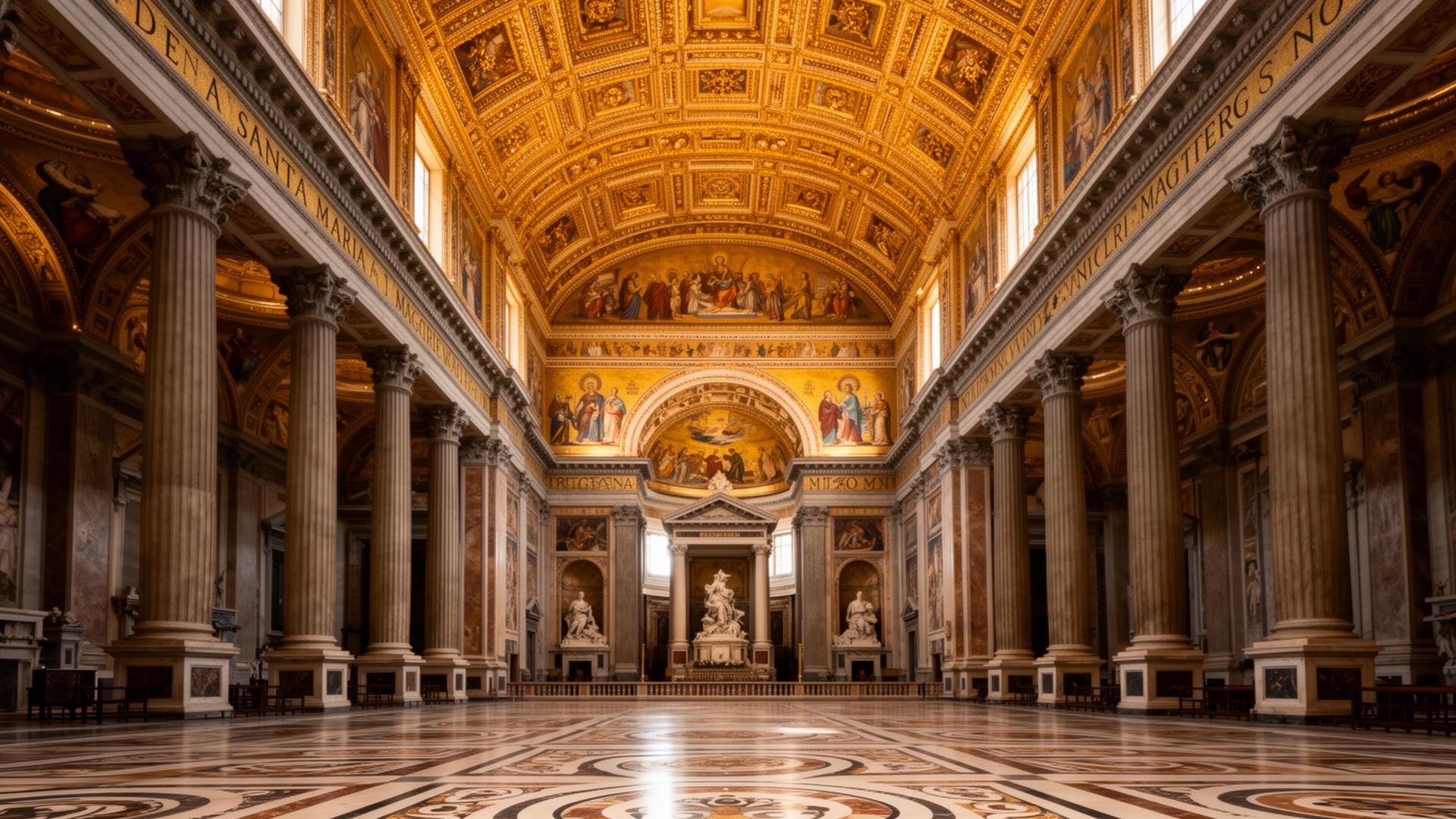
Santa Maria Maggiore
Rome's largest Marian church with stunning 5th-century mosaics
Explore
Palace of the Popes Viterbo
Medieval papal residence—site of longest papal conclave
Explore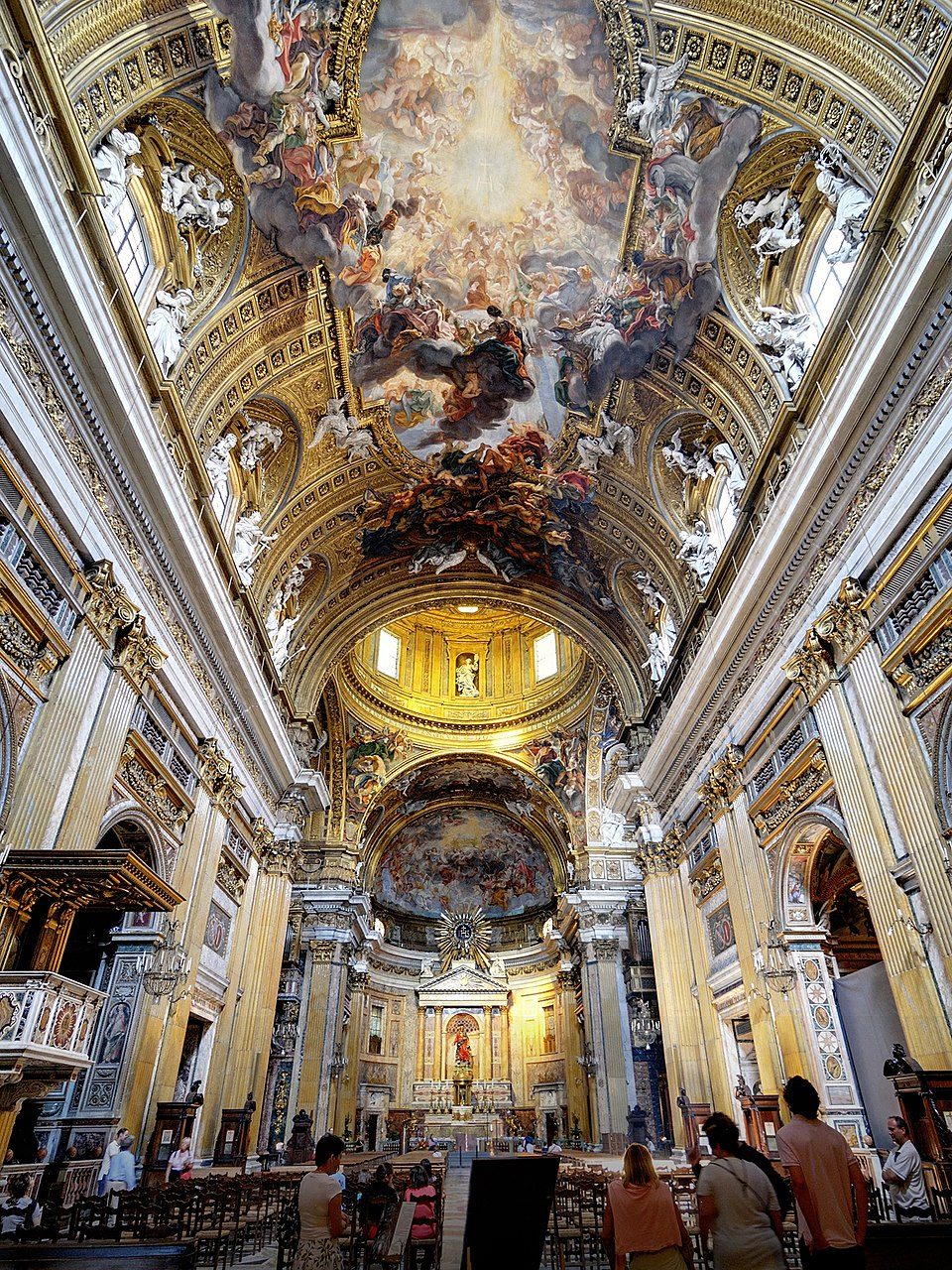
Chiesa del Gesù
Mother church of the Jesuits with stunning ceiling fresco
Explore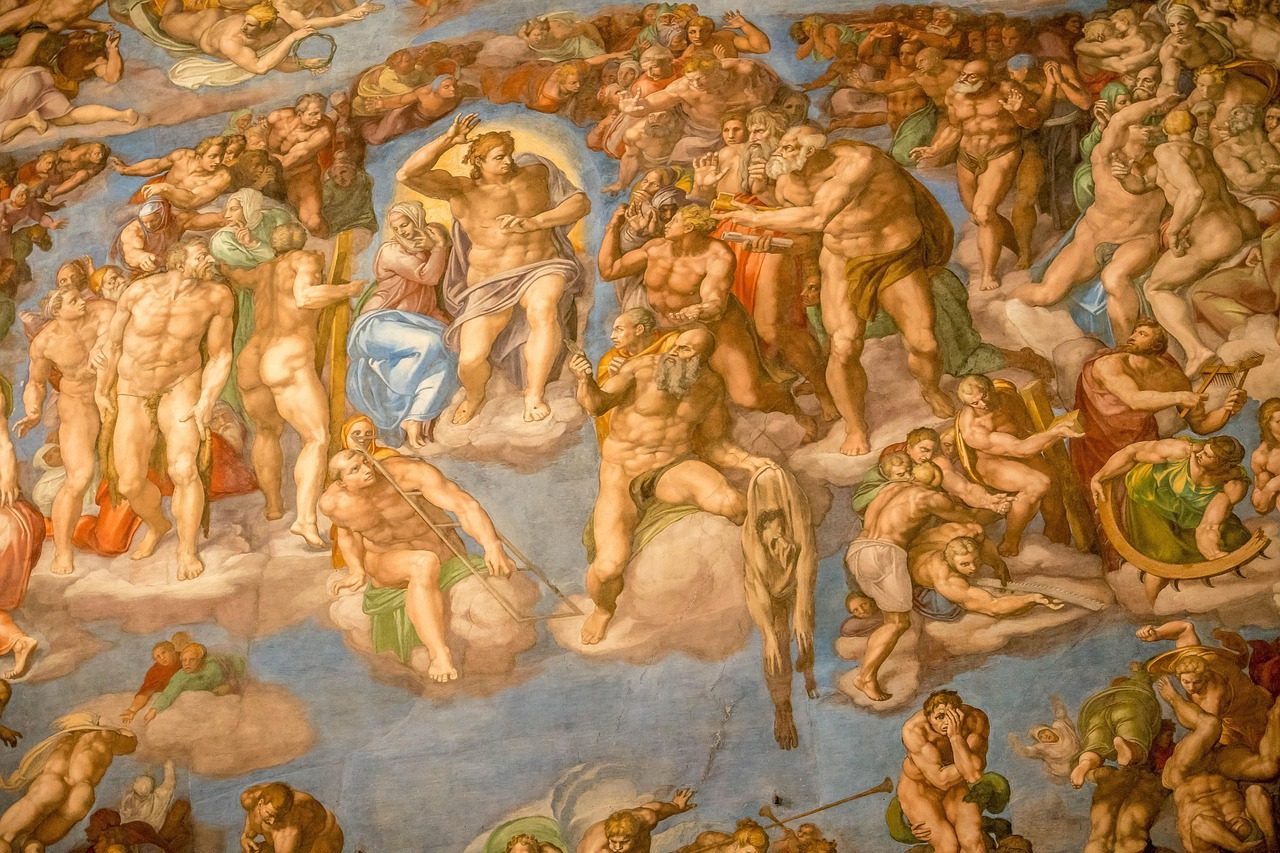
Vatican Museums
World's most visited cultural attraction—home to Sistine Chapel
Explore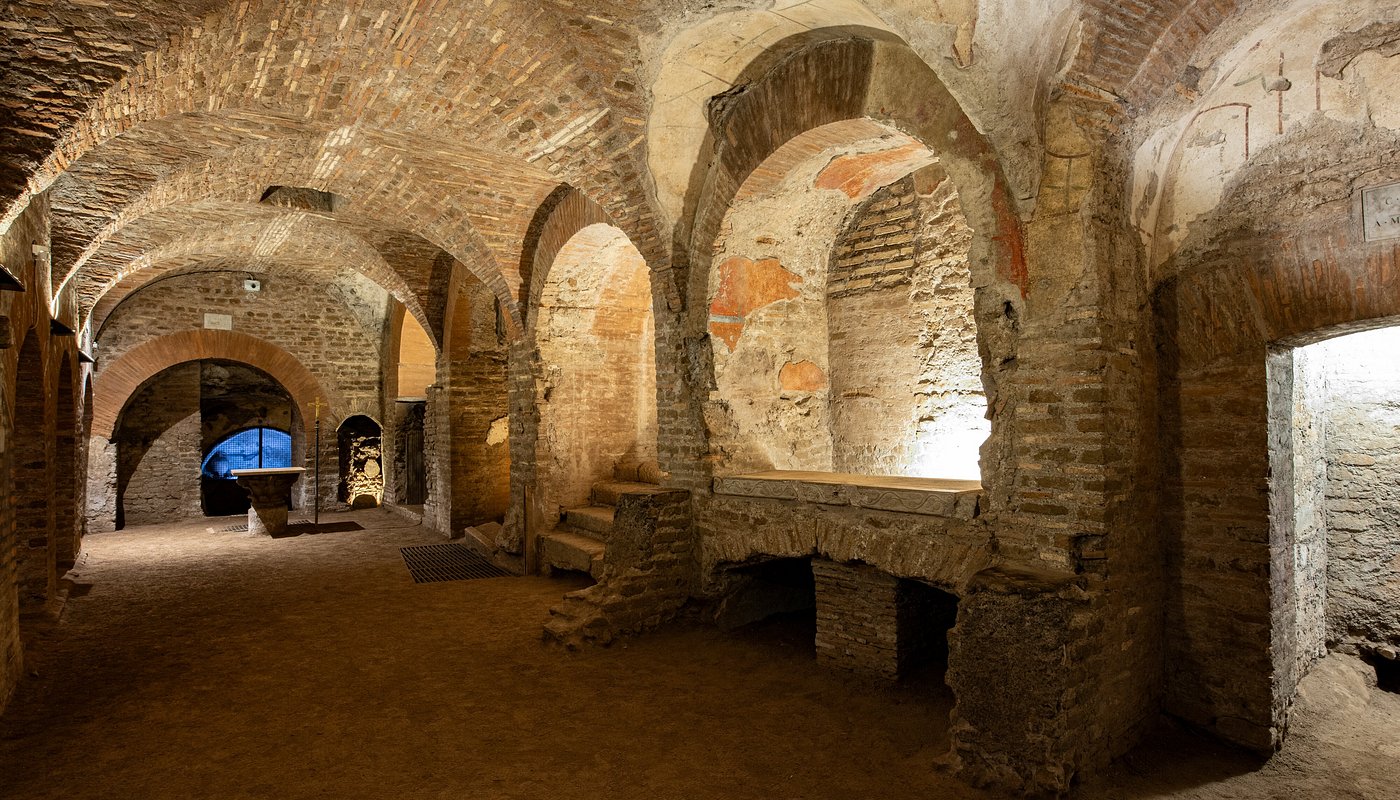
Catacombs of Priscilla
Rare early Christian frescoes including an early image identified as the Virgin and Child
Explore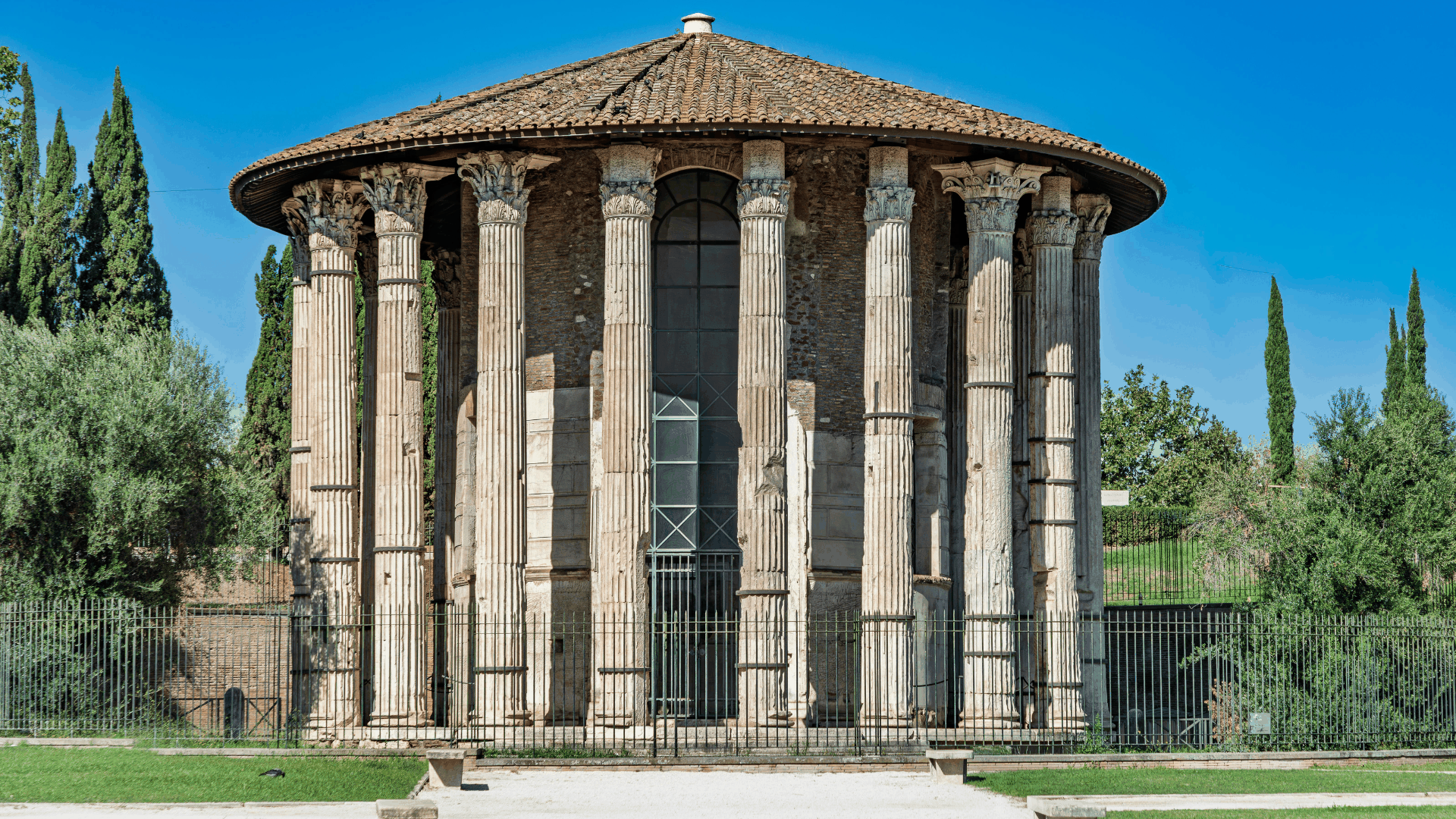
Temple of Hercules Victor
Rome's oldest surviving marble building—beautifully preserved round temple
ExploreQuick Planning Guide
⏱️ Time Needed
20–30 minutes
💰 Cost
Always free
🎫 Reservation
Never required
♿ Accessibility
Steps at entrance, limited inside
📅 Best Time
Morning 09:30–12:00 or 16:00–17:30
👨👩👧👦 Family Friendly
Yes — short and visually striking
🌡️ Weather
Indoor — perfect rainy-day stop
Nearby Attractions
Villa Celimontana Gardensacross the gate
Santo Stefano Rotondo5-min walk
Case Romane del Celio5-min walk
Santi Quattro Coronati8-min walk
Basilica of San Clemente10-min walk
Colosseum10-min walk
Featured In These Itineraries
Hidden Gems of RomeFree Things to Do in RomeClassic Rome ItineraryEssential Tips
- ✓ Always free — no ticket, no booking
- ✓ Cover shoulders and knees
- ✓ Visit late morning for best mosaic light
- ✓ Combine with Villa Celimontana next door
- ✓ Bring a fast lens — the church is dim