 Industrial Museum · Capitoline Branch
Centrale Montemartini
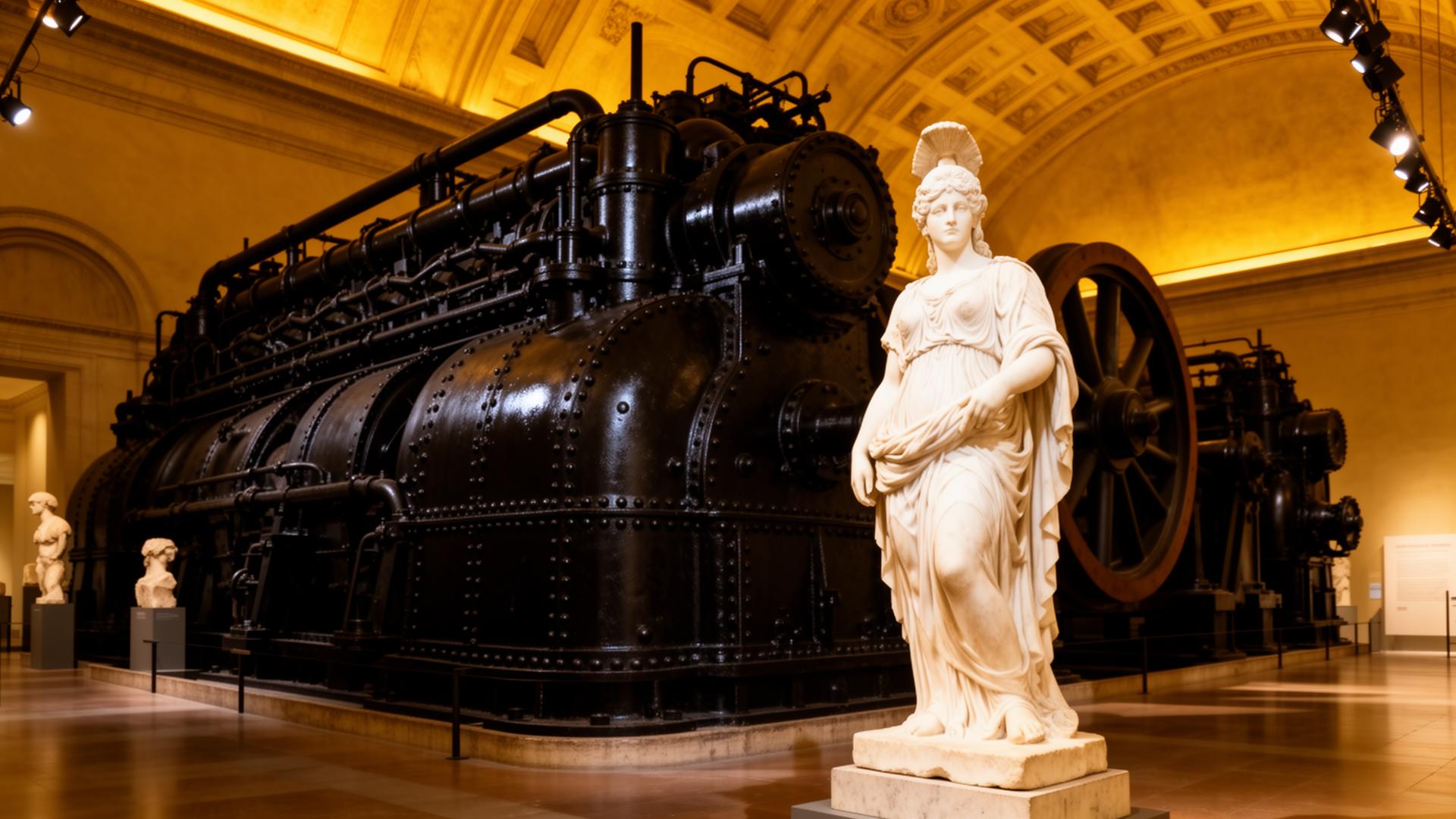
Where ancient Roman gods stand between the diesel engines of Rome's first public power station — a museum unlike any other in the world.
1.5–2 hours€14.50 with exhibitionOff the beaten pathPhotographer's paradiseVia Ostiense 106, 00154 Roma RMOpen on MapPlan Your Visit
Compare tickets, tours and stays — booking ahead usually gives more choice
Get TicketsBook a TourHotels NearbyBy AllTrips Editors••9 min readCentrale Montemartini is a branch of the Capitoline Museums housed inside Rome's first public electricity power station — the Giovanni Montemartini Thermoelectric Centre, opened in 1912 on Via Ostiense. Since 1997 it has permanently displayed over 400 ancient objects and antiquities from the Horti and Esquiline collections among the original diesel engines, steam turbines and colossal boiler hall, where Greek and Roman marbles stand against early-20th-century industrial machinery — from €11, almost no queue, fully accessible.
📋 In This Guide
Power station
1912
Museum since
1997
Collection
400+ antiquities
Entry
€14.50 now
Visit time
1.5–2 hours
Metro
Garbatella (B)
Why Visit Centrale Montemartini?
Most visitors to Rome see the Capitoline Museums on the Campidoglio and assume they have seen the city's classical collection. A substantial part of that collection is instead two metro stops south, in a 1912 power station — and it may be the most unforgettable museum interior in Italy. Centrale Montemartini is where the city's white marble gods stand eye-to-eye with black riveted diesel engines: a deliberate visual dialogue between two ages of imperium.
Unique Setting
A rare setting where ancient Greek and Roman marbles are permanently displayed among early-20th-century industrial machinery.
Capitoline Collection
Over 400 ancient objects and antiquities from the Horti gardens of imperial Rome — pieces too good for storage, too many for the Campidoglio.
Photographer's Paradise
White marble against black iron, classical drapery framed by riveted boilers — the most distinctive museum photography in Rome.
Empty Halls
Even on a Saturday in July you may have entire rooms to yourself. After the crowds of the Vatican and Colosseum, the silence is a revelation.
What to See at Centrale Montemartini
The museum occupies three vast halls of the original power station. Each has its own atmosphere — and each pairs a different piece of industrial machinery with a different chapter of Roman sculpture.
Engine Hall (Sala Macchine)
The museum's spectacular heart. Two enormous 1933 Franco Tosi diesel engines tower over Roman gods including the Aphrodite of the Esquiline and a colossal Athena Promachos. The single most photographed room in the museum.
Aphrodite of the Esquiline
A 1st-century AD Roman copy of a Hellenistic original, found on the Esquiline Hill in 1874. Identified by some scholars as a young Cleopatra, by others as a generic Aphrodite — either way one of the loveliest nudes in any Roman collection.
Apollo Sosianus Pediment
A 5th-century BC Greek pediment showing the battle of Greeks against Amazons — looted from Greece by Caius Sosius and reinstalled on the Apollo temple beside the Theatre of Marcellus. Reinstalled at Montemartini in 2016 after major conservation.
Boiler Hall (Sala Caldaie)
Dominated by the original cylindrical steam boiler, this hall displays sculptures from the Horti of Sallust and Maecenas — the imperial pleasure gardens of ancient Rome. Portrait busts of emperors and patricians line the walls beside the riveted iron.
Republican Mosaic Floors
Three large mosaic floors from late-Republican aristocratic houses — including a delicate hunting scene and a polychrome geometric pattern — set against the industrial walls. Their intricacy against the heavy machinery is striking.
Horti of Sallust Group
Sculptures from the legendary 1st-century BC gardens of the Roman historian Sallust, later imperial property. Includes the famous 'Wounded Niobid' — a Greek 5th-century BC original probably brought to Rome by Augustus.
Girl of Anzio
A beautifully preserved Hellenistic marble of a young priestess carrying sacred objects, recovered from the imperial villa at Anzio. One of the most graceful figures in the Capitoline collection.
Photo Compositions
Try: a marble torso framed by valves; a portrait bust silhouetted against a flywheel; the long axial view down the Engine Hall with a goddess in the foreground and a turbine behind. No flash, no tripod — phone or hand-held only.
The Engine Hall — A Closer Look
The first floor of Centrale Montemartini opens into the Sala Macchine — the Engine Hall — and most visitors stop in their tracks. Two enormous 1933 Franco Tosi diesel engines, each the length of a city bus, occupy the centre of the hall. Around them, on plain white plinths, stand some of the finest Greek and Roman marbles in the Capitoline collection.
The Franco Tosi company of Legnano, founded in 1881, was Italy's greatest industrial engineering firm of the early 20th century. These two engines — restored but unmoved since installation — produced the electricity that powered Rome's first public tramways, the Termini railway station and much of the southern half of the city. Each weighs over 200 tonnes. The riveted iron still shows the soot of fifty years of operation.
The most famous statue in the hall is the Aphrodite of the Esquiline, a 1st-century AD Roman copy of a Hellenistic original found in 1874 on the Esquiline Hill. Some scholars identify her as a young Cleopatra VII, depicted as Venus-Isis; others see a generic Aphrodite preparing for the bath. The marble is exceptional, and the juxtaposition with the black engine behind her — pale flesh against industrial dark — is one of the most reproduced museum images in Italy.
Take time to walk around the engines: the back of the hall, less photographed, contains a row of imperial portrait busts (including a fine head of Trajan) lined up against the machinery as if waiting to be transformed into electricity.
Boiler Hall & the Horti of Imperial Rome
The Sala Caldaie — Boiler Hall — is dominated by the colossal cylindrical steam boiler that supplied the power station's first turbines. Black, riveted, the size of a small house, it is one of the largest pieces of preserved industrial machinery in Rome.
Around it the museum has installed sculptures from the Horti — the legendary pleasure gardens of imperial Rome. The Horti of Sallust (created by the historian of the same name, later imperial property), the Horti of Maecenas (Augustus's cultural minister) and the Horti of Lamia were vast estates where the wealthiest Romans displayed their finest Greek originals and Roman copies. Excavations on the Esquiline and Pincian hills in the late 19th century recovered hundreds of pieces — many of them now here.
Look for the Wounded Niobid from the Horti of Sallust — an exceptional Greek 5th-century BC original probably brought to Rome by Augustus — and the colossal head of a Triton from the Horti of Lamia. The contrast between the delicate musculature of the Niobid and the brute industrial boiler behind her is the museum's quieter masterpiece.
Industrial Heritage of Via Ostiense
Centrale Montemartini is the most prominent surviving piece of Rome's brief but remarkable industrial age. Between the 1880s and the 1930s, the strip along the Tiber south of the Aurelian Walls — from Testaccio to Ostiense — was the city's industrial corridor: the slaughterhouse (Mattatoio, now MACRO Testaccio), the gasometer (Gazometro), the customs depot (Mercati Generali) and the Centrale Montemartini all stood within a square kilometre.
The power station itself was named after Giovanni Montemartini (1867–1913), a socialist economist and Rome city councillor who championed the municipalisation of public utilities. He died at 46, just one year after his power station opened, and the building was named in his honour. Today his bust stands at the museum entrance.
Much of the original machinery was preserved in situ when the plant was decommissioned in 1963 — an exceptional decision in a country that mostly demolished its industrial past. By the 1990s, when the Capitoline Museums needed a temporary home, the building was already a protected example of early-20th-century industrial architecture. The marriage of two heritages — classical and industrial — was almost an accident, but it has come to define the museum.
Centrale Montemartini Through History
1883Rome's First Power Network
The Anglo-Roman Society lights Rome with electricity for the first time, but capacity is tiny — only the Quirinale, Parliament and a handful of private houses are connected.
1912Centrale Giovanni Montemartini Opens
Designed by engineer Franco Tosi, Rome's first municipal thermoelectric power station opens on Via Ostiense, named after the city councillor who championed public electricity. It begins as Rome's primary public power source.
1933Major Expansion
Two enormous Franco Tosi diesel engines are installed alongside steam turbines, allowing the plant to triple its output and supply much of southern Rome. These engines are still in place today as the museum's centrepieces.
1963Decommissioned
After half a century powering Rome, Centrale Montemartini is shut down — superseded by the new ENEL national grid. The building is mothballed but, crucially, never demolished or stripped of its machinery.
1990Industrial Heritage Listing
ACEA (Rome's municipal utility) restores the building as one of Italy's most important examples of industrial architecture. The original turbines, boilers and engines are conserved in situ rather than removed.
1997'The Machines and the Gods' Opens
With the Capitoline Museums on Campidoglio undergoing major restoration, 400+ Greek and Roman sculptures from storage are temporarily exhibited at Montemartini in a landmark show called Le Macchine e gli Dei (The Machines and the Gods). It is an instant critical and popular triumph.
2001Permanent Status Confirmed
Following overwhelming visitor demand, the city of Rome announces that the experiment will become permanent. The marbles will stay among the engines.
2005Capitoline Museums Branch
Centrale Montemartini is officially incorporated as a permanent branch of the Musei Capitolini system, with its own curatorial programme.
2016Apollo Sosianus Reinstallation
After conservation, the spectacular Greek pediment sculptures from the Temple of Apollo Sosianus are reinstalled in the Columns Hall as the museum's archaeological centrepiece.
2022LED Relighting
A complete LED lighting redesign dramatically improves the contrast between marble and machinery, creating the cinematic chiaroscuro now familiar from social media.
2024Garbatella Centenary
The historic Garbatella neighbourhood next door celebrates its 100th anniversary, drawing renewed cultural attention to the entire Ostiense district and Centrale Montemartini at its heart.
2026Capital of Industrial-Classical Crossover
Centrale Montemartini remains Rome's most photographed 'hidden' museum and the only place in the world where you can stand between an ancient goddess and a colossal black engine — €11, almost no queue.
Tickets & Hours 2026
🕐 Opening Hours
- Tue–Sun: 09:00–19:00 (last admission 18:30)
- Closed: Mondays (a municipal Musei in Comune museum), 1 Jan, 1 May, 25 Dec
- Free entry: First Sunday of every month, 21 April (Rome's birthday)
- The museum opens promptly at 09:00 and is gloriously empty for the first hour.
💶 Tickets
- Ordinary admission: €11 full / €6.50 reduced
- Through 15 Nov 2026 (incl. "Moda in luce"): €14.50 full / €10 reduced
- Roma Pass: Included (1st or 2nd visit)
- Free: Children under six, qualifying Rome / Metropolitan City residents, MIC Card holders and other eligible categories
- Audio guide: Available in 6 languages (€6)
Ticket prices change with the exhibition programme, so always check the official ticket page for the current price before you go.
Compare Ticket Options
Tickets can usually be bought on arrival at Centrale Montemartini, but booking online in advance is advisable, especially at weekends.
Museum Entry Ticket
Best for: Curious explorers
~1 - 1.5 hoursExplore this unique museum where ancient Roman sculptures are displayed among towering industrial machinery in a converted early 1900s power plant.
- Skip-the-line entry
- Self-paced exploration
- Ancient sculptures collection
- Industrial architecture setting
🎟️ Compare Prices:
TiqetsTrip.comAudio Guide Add-On
Best for: Independent visitors
~1.5 - 2 hoursAdd a multilingual audio guide to your visit for context on the Horti and Esquiline sculpture collections and on the 1912 power station machinery around them.
- Available in several languages
- Self-paced commentary
- Context on machinery and marbles
- Purchased alongside entry
🎟️ Compare Prices:
TiqetsTrip.comGuided Tour Experience
Best for: Deep-dive visitors
~1.5 - 2 hoursExpert-led tour revealing the fascinating contrast between ancient masterpieces and industrial heritage, with stories behind the sculptures and the power station itself.
- Professional English-speaking guide
- Skip-the-line entry
- Behind-the-scenes context
- Small group experience
🎟️ Compare Prices:
TiqetsTrip.comBest Time to Visit
Best Time of Day
09:00 sharp at opening — you may have the entire Engine Hall to yourself for a full half-hour. Late afternoon (16:30–18:00) is also very calm, with golden light catching the marbles.
Best Day
Tuesday to Friday are quietest. Saturday afternoons see local families; Sunday mornings are popular but never overcrowded. Closed Mondays — never plan a Monday visit.
Best Season
Year-round — perfect rainy-day stop in winter, blissfully cool refuge in August (the brick walls keep it 5°C below outside temperature). Spring and autumn pair well with a Garbatella walk afterwards.
Visitor Tips
Check the current price: Admission is €11 full / €6.50 reduced ordinarily, but rises to €14.50 / €10 through 15 November 2026 for the "Moda in luce" exhibition — always confirm on the official ticket page, as exhibition programming changes the price.
Arrive at 09:00: You will have the Engine Hall almost entirely to yourself for the first half-hour. Photographers in particular should arrive early.
Photography: Allowed throughout without flash or tripod. Phone or hand-held cameras only. Photography of staff or other visitors requires consent.
Audio guide or app: The €6 audio guide is good; the free MuseiCapitoliniGuide mobile app (download before arrival) is even better and includes Centrale Montemartini.
Children: Bring them. The combination of giant black engines and white marble gods works on every age — and the museum is rarely so crowded that families feel out of place.
Pair with Garbatella: After the museum, walk 5 minutes south into the historic Garbatella quarter — Rome's earliest 'garden city' (1920) and one of the most photogenic neighbourhoods in the city.
Or with Testaccio Market: 15 minutes north along the Tiber — the best food market in Rome and ideal for lunch.
Vs Other Rome Sculpture Museums
| Museum | Setting | Cost | Time | Crowds |
|---|---|---|---|---|
| Centrale Montemartini | 1912 power station, industrial | €14.50 (€11 normally) | 1.5–2 hr | Very low |
| Capitoline Museums | Renaissance palaces, Campidoglio | €16 | 3–4 hr | High |
| Palazzo Massimo (Roman National) | Late-19th-century palazzo | €12 | 2–3 hr | Low |
| Palazzo Altemps | Renaissance palazzo, Navona | €12 | 1.5 hr | Low |
| Vatican Museums (sculpture) | Papal palaces | €20+ | 4+ hr | Very high |
Common Mistakes to Avoid
Coming on a Monday
Closed all day Monday, as with other Musei in Comune venues. Plan for Tuesday–Sunday — there is no flexibility.
Not checking the current ticket price
Exhibition programming changes the admission price throughout the year — always check the official ticket page before you go so you know what to expect at the desk.
Skipping it because 'it's far'
It is two metro stops from the Colosseum on Line B. 'Far' here means 'mildly inconvenient' — and the reward is a near-empty museum unlike any other.
Bringing flash or a tripod
Both prohibited. The museum lighting is excellent — modern phones handle the contrast easily without any extra gear.
Rushing through in 30 minutes
The display rewards slowness — walk around each engine, read the captions, photograph the same marble from three sides. 1.5 hours minimum.
Not pairing with the neighbourhood
Garbatella, Testaccio Market, the Pyramid of Cestius, the Protestant Cemetery and the Ostiense street art are all within 20 minutes' walk. Make a half-day of it.
Colosseum & Forum Tickets Nearby
Centrale Montemartini is only two metro stops south of the Colosseum on Line B. If you are pairing the two on the same day, remember that the Colosseum requires advance booking in 2026 — arrive at Montemartini for opening (09:00), then take the metro back for an early-afternoon Colosseum slot.
Colosseum Priority Entrance
Best for: First-time visitors
~2 hoursSkip-the-line access to the Colosseum with entry to Roman Forum and Palatine Hill included. Perfect for first-time visitors.
- Skip-the-line entry
- Colosseum access
- Roman Forum included
- Palatine Hill included
🎟️ Compare Prices:
TiqetsKlookTrip.comColosseum Guided Tour
Best for: History enthusiasts
~3 hoursExpert-led tour with professional guide sharing gladiator history, architecture secrets, and ancient Roman stories.
- Professional English-speaking guide
- Skip-the-line entry
- In-depth historical commentary
- Small group experience
🎟️ Compare Prices:
TiqetsKlookTrip.comColosseum Arena & Underground
Best for: Unique experience seekers
~3.5 hoursWalk where gladiators fought on the arena floor and explore the underground chambers where they awaited their fate.
- Arena Floor access
- Underground chambers access
- Roman Forum & Palatine Hill
- Expert guided tour included
🎟️ Compare Prices:
TiqetsKlookTrip.comPair Your Visit With
Pyramid of Cestius
15-min walk north — the only ancient Roman pyramid, built for a magistrate in 12 BC. A surreal pairing with the industrial museum.
Protestant Cemetery
15-min walk — the green, romantic cemetery where Keats and Shelley lie buried at the foot of the Pyramid. One of Rome's most peaceful corners.
Capitoline Museums
Two metro stops north — the parent museum on the Campidoglio, home to a substantial part of Rome's classical collection.
Highlights at a Glance
- Two original 1933 Franco Tosi diesel engines — among the largest in Europe
- Aphrodite of the Esquiline (1st-century AD), the museum's signature marble
- Pediment sculptures from the Temple of Apollo Sosianus (5th century BC)
- Sculptures from the Horti of Sallust and Maecenas — imperial pleasure gardens
- The colossal cylindrical steam boiler still in situ in the Boiler Hall
- Republican mosaic floors set against riveted iron walls
- Almost zero crowds — often you'll have entire halls to yourself
- Fully accessible with lifts to all three exhibition halls
How to Get There
By Metro
Metro Line B (direction Laurentina) → Garbatella. From the station exit, walk north-west along Via Ostiense for 8 minutes — the museum is the long brick industrial building on your left at number 106. From the Colosseum it is 4 stops; from Termini 5 stops.
By Bus
- Bus 23: Stops directly outside (Via Ostiense / Giustiniani) — the most scenic option, runs along the Tiber.
- Bus 769, 770: Local buses from Garbatella station and the Ostiense district.
- Tram 3: Stops at Piramide, then a 15-min walk along Via Ostiense.
On Foot
From Pyramid of Cestius / Piramide metro: 15 min south along Via Ostiense. From Testaccio Market: 15 min south crossing the Aurelian Walls. From the Colosseum: 35–40 min direct walk along the Tiber — pleasant in spring and autumn.
By Taxi
From the historic centre: €12–€15, about 12 minutes outside rush hour. Ask for "Centrale Montemartini, Via Ostiense centosei".
Where to Stay Near Centrale Montemartini
Looking for convenient accommodation near Centrale Montemartini? Stay within walking distance to make the most of your visit.
Hotels Near This AttractionTop Rated HotelsBudget-Friendly OptionsLuxury HotelsCentral locations with easy access to Centrale Montemartini and other attractionsFrequently Asked Questions
What is Centrale Montemartini in 2026?
Centrale Montemartini is a branch of the Capitoline Museums housed inside Rome's first public electricity power station — the Giovanni Montemartini Thermoelectric Centre, opened in 1912 on Via Ostiense. Since 1997 it has permanently displayed over 400 ancient objects and antiquities (chiefly from the Horti gardens of imperial Rome and the Esquiline excavations) among the original diesel engines, steam turbines and the colossal boiler hall, combining classical statuary with early-20th-century industrial machinery.
How much does it cost in 2026?
Through 15 November 2026, admission including the 'Moda in luce' exhibition is €14.50 full / €10 reduced. When no ticketed exhibition applies, ordinary admission is €11 full / €6.50 reduced. Residents of Rome and the Metropolitan City enter free with qualifying ID. Because exhibition programming changes, always check the official ticket page for the current price before you go. Free first Sunday of every month and on Rome's birthday (21 April).
What are the opening hours?
Tuesday–Sunday 09:00–19:00, last admission 18:30. Closed Mondays, 1 January, 1 May and 25 December. The museum opens early and is gloriously empty at 09:00 — by far the best time to visit.
How do I get to Centrale Montemartini?
Easiest: Metro Line B to Garbatella, then a flat 8-minute walk along Via Ostiense. Alternatively bus 23 (which runs along the Tiber) stops directly outside the museum at Via Ostiense / Giustiniani. From the historic centre allow about 25 minutes door-to-door.
Why are ancient sculptures inside a power plant?
In 1997, with the Capitoline Museums on the Campidoglio undergoing a major restoration, hundreds of Greek and Roman sculptures from the storerooms had to be temporarily relocated. The decommissioned Montemartini power station — empty since 1963 — was chosen as a striking provisional venue. The combination of marble gods against black iron turbines was so successful that in 2005 it was made permanent and the museum was officially incorporated into the Musei Capitolini system.
Is photography allowed?
Yes — photography is permitted throughout, without flash or tripod. The museum is a paradise for photographers: the contrasts between white marble and black industrial steel produce some of the most distinctive museum images in Europe.
Is Centrale Montemartini accessible?
Yes, the museum is fully wheelchair accessible with lifts to all three exhibition halls (Engine Hall, Boiler Hall, Columns Hall). Accessible toilets and reserved parking are available. Service dogs are welcome.
How long should I plan for a visit?
1.5 to 2 hours is enough to see the three main halls thoroughly, take photographs and read the captions. Add 30 minutes if you want to explore the Ostiense neighbourhood (street art, Pyramid of Cestius, Testaccio Market) afterwards — a perfect half-day pairing.
Is it suitable for families with children?
Yes — children are often more impressed by Centrale Montemartini than by any other museum in Rome. The huge black engines are genuinely thrilling, the museum is rarely crowded, and the contrast with the marble statues sparks real curiosity. Strollers are easy thanks to the open industrial layout and full lift access.
Related Attractions
Roman Forum
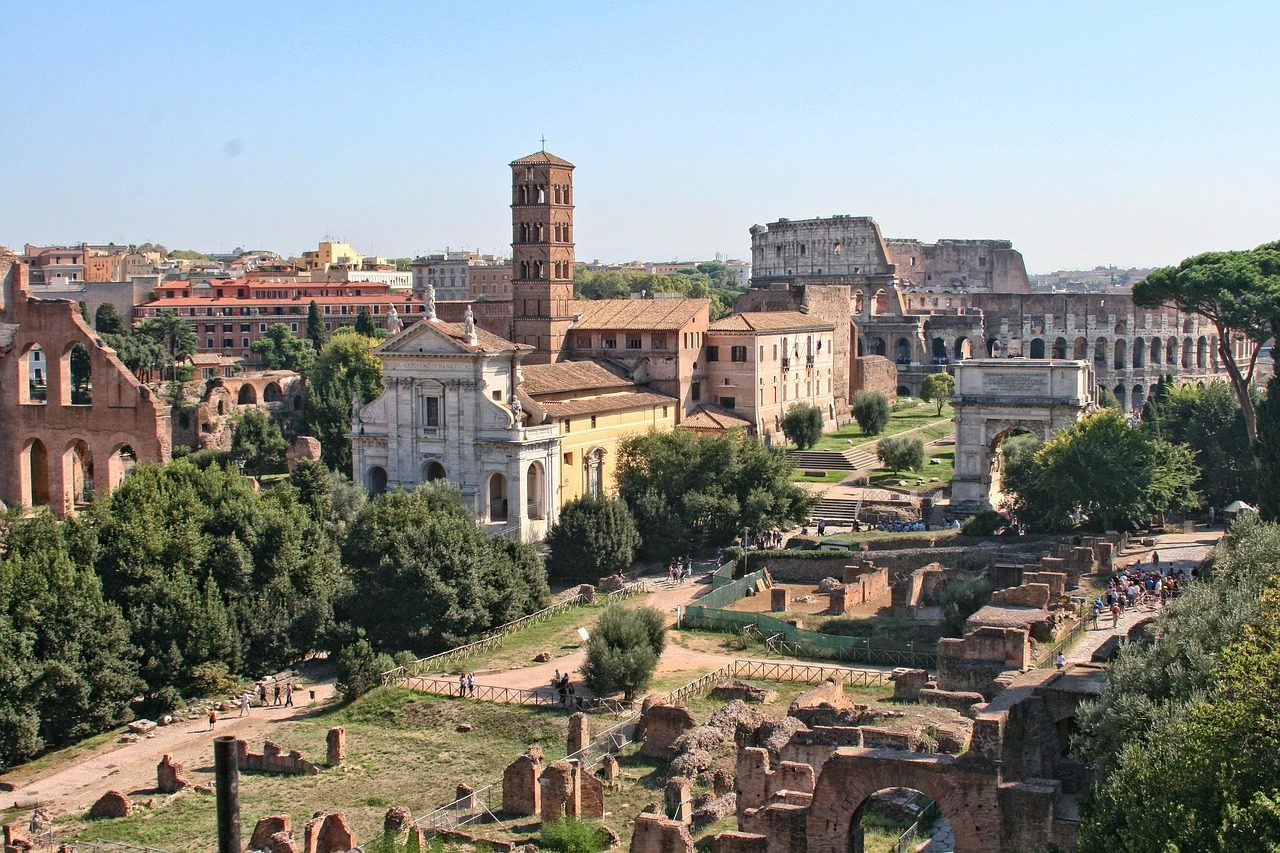
The beating heart of ancient Rome where politics and daily life flourished
Explore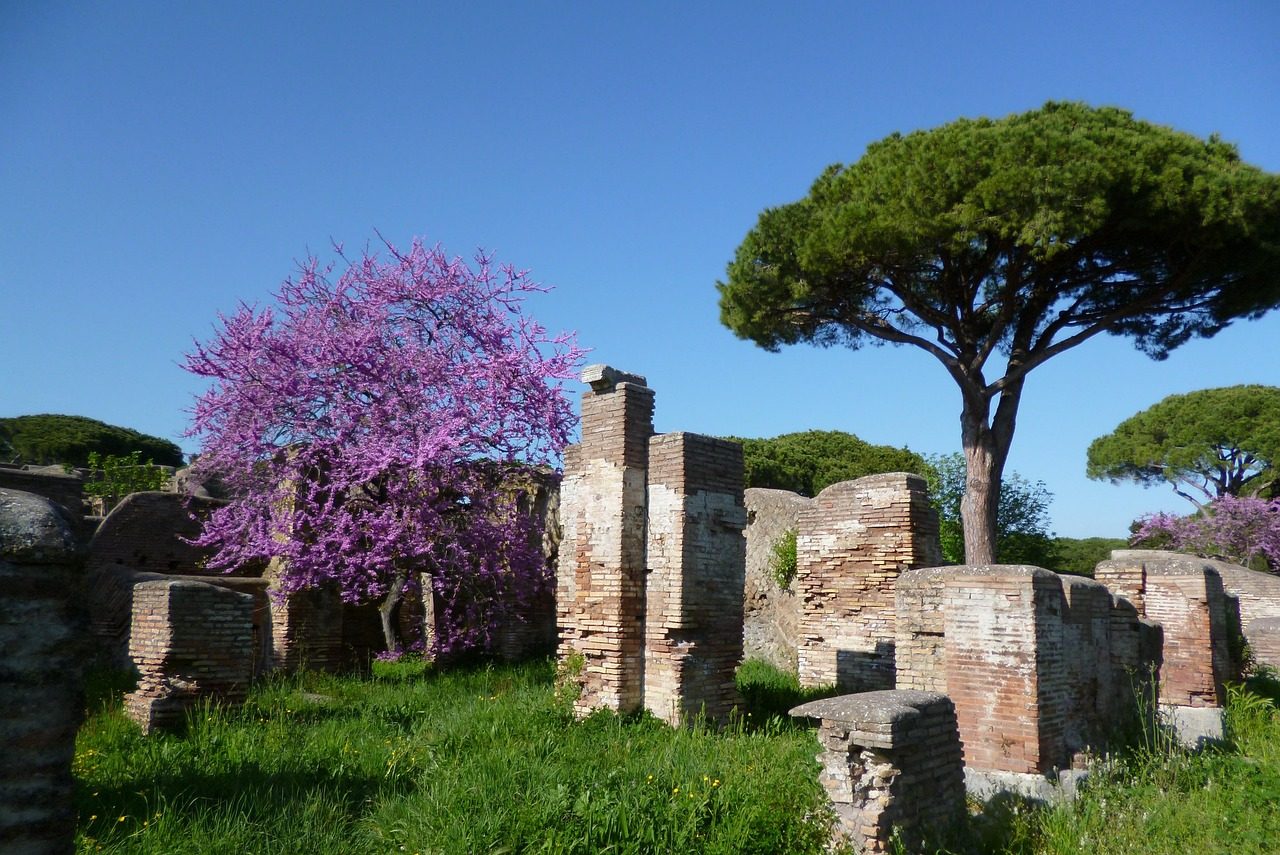
Ostia Antica
Rome’s ancient harbour city; €18 integrated park ticket valid eight days from first entry
Explore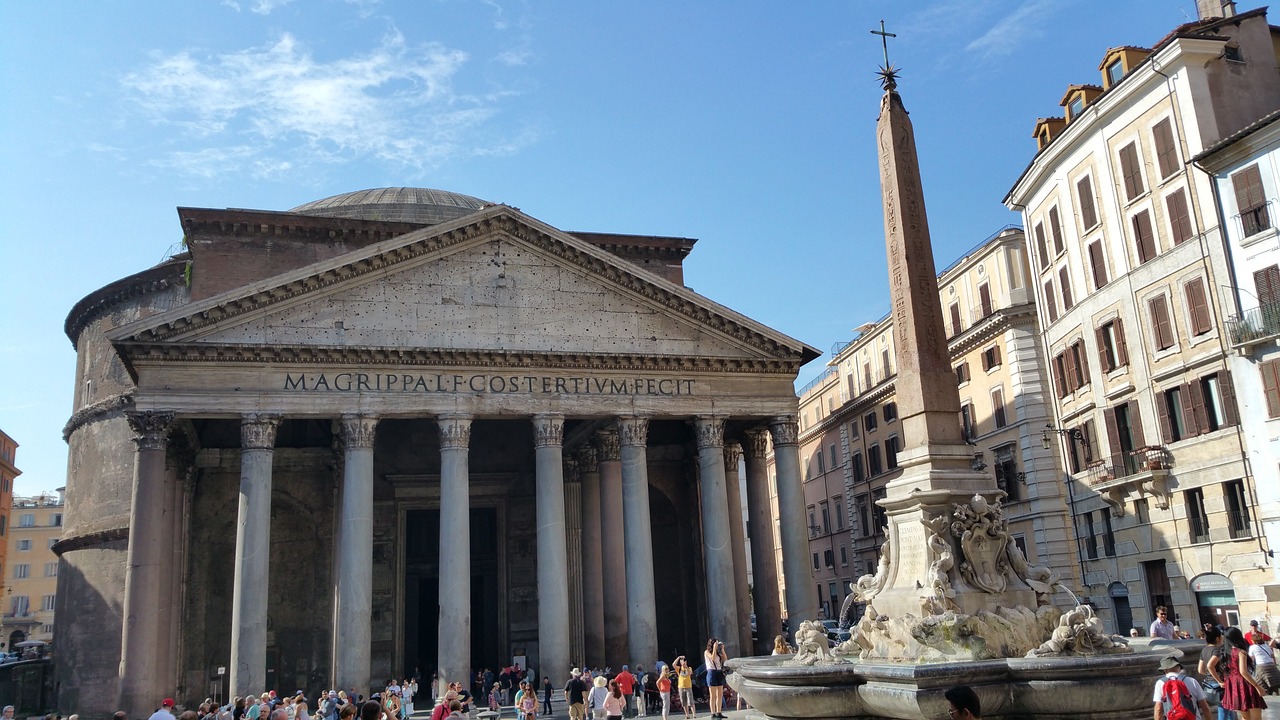
Pantheon
Best-preserved Roman building with the world's largest unreinforced concrete dome
Explore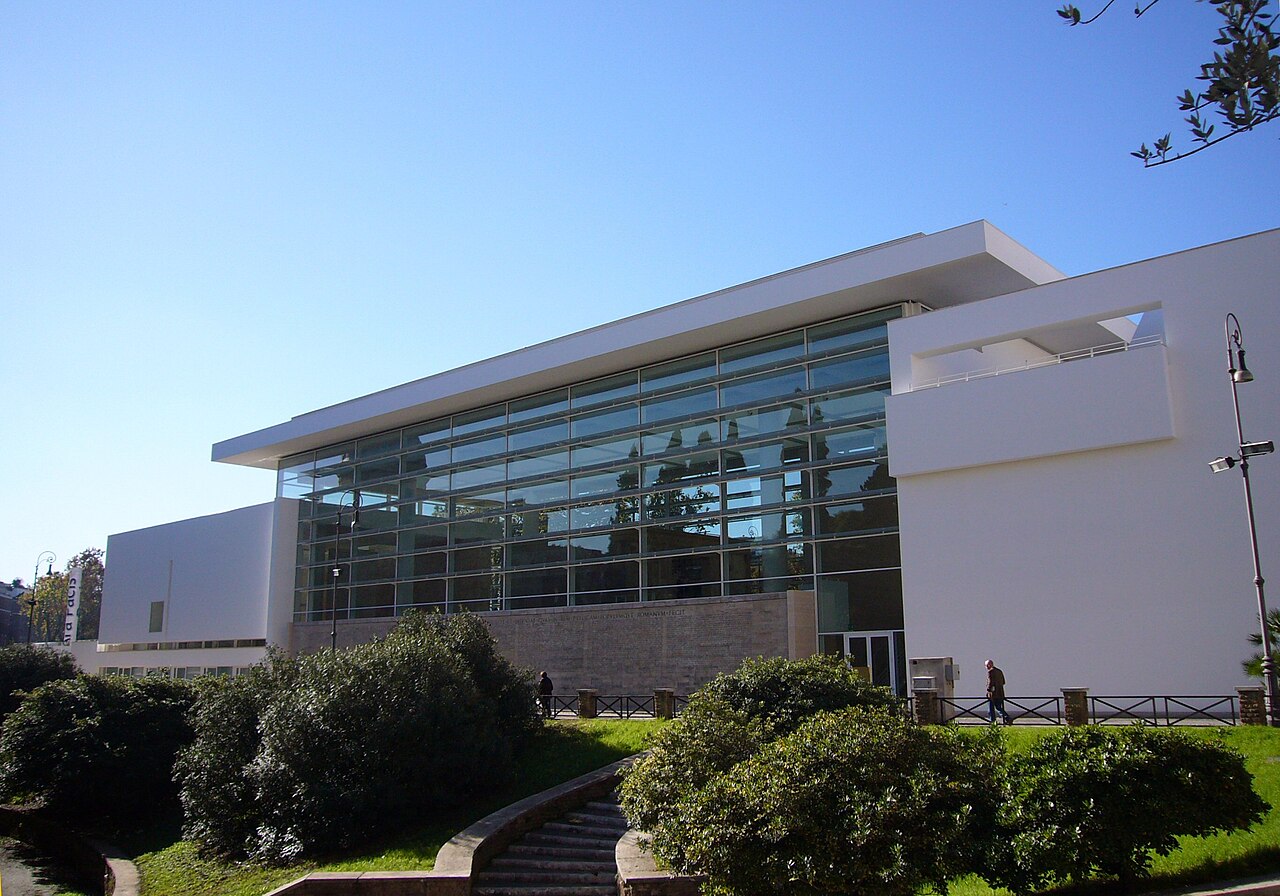
Ara Pacis Museum
Augustus's exquisite Altar of Peace in Richard Meier's modern museum
Explore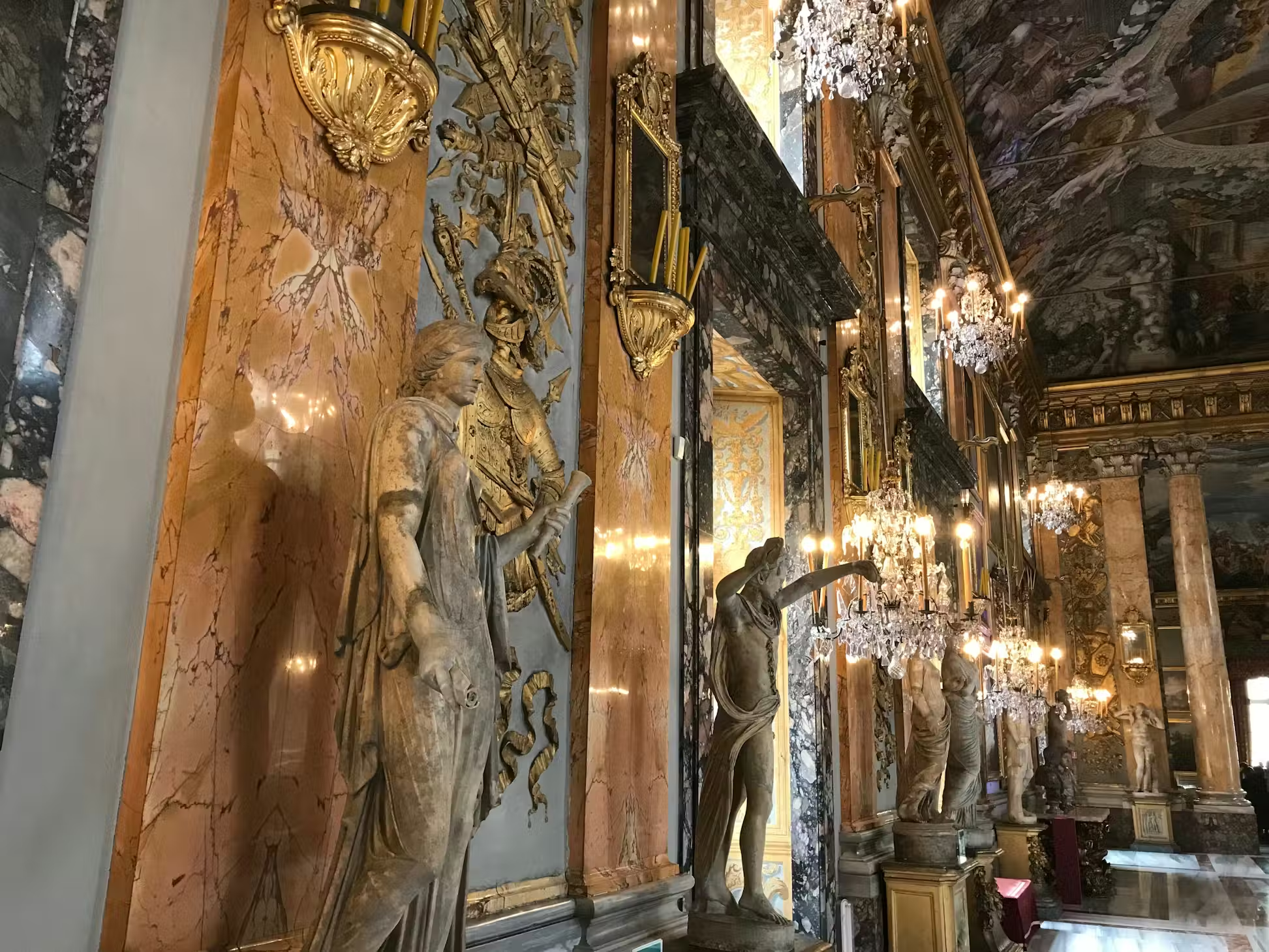
Galleria Colonna
Rome's most magnificent private Baroque gallery (open Friday and Saturday mornings; guided tour format)
Explore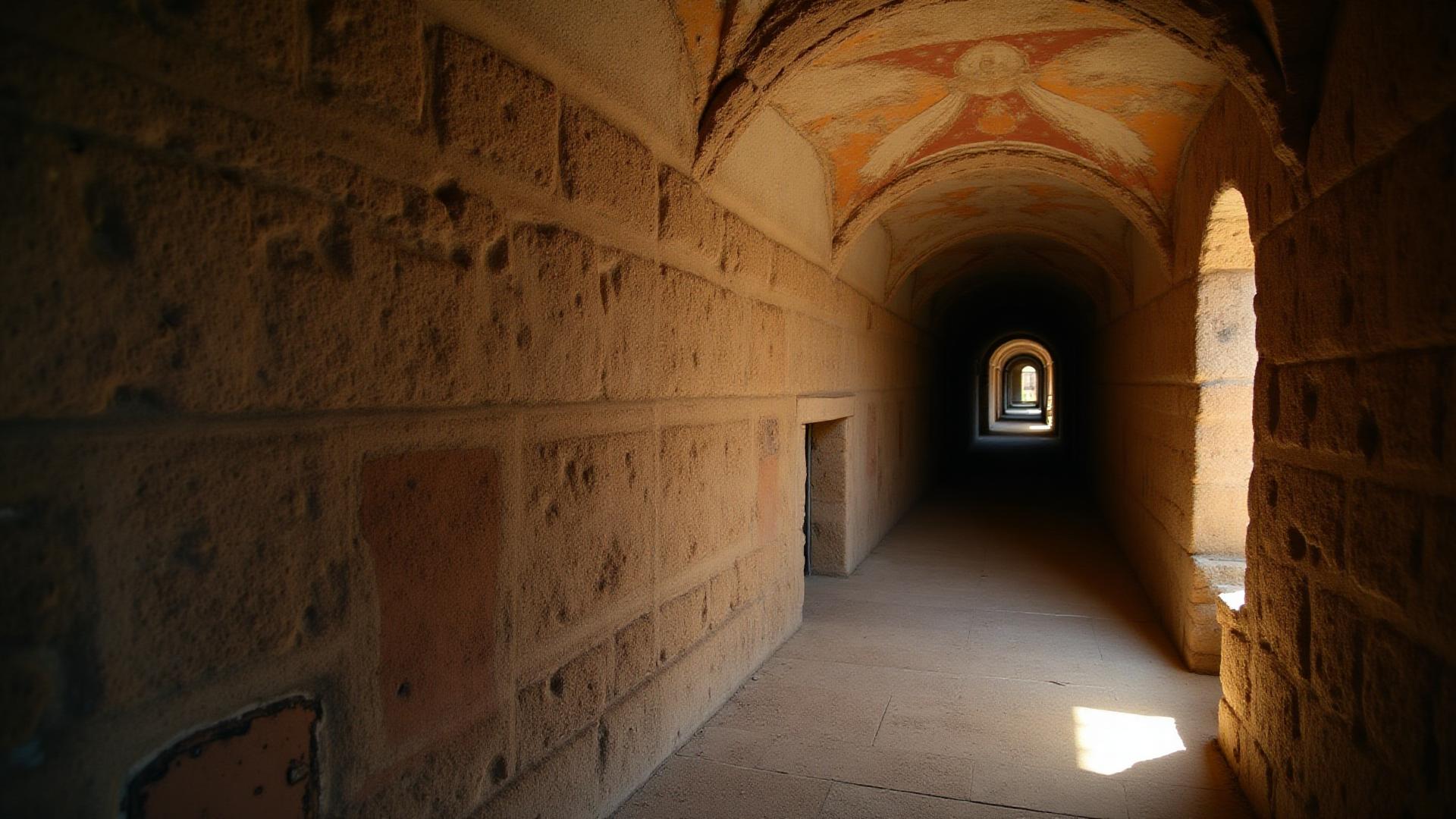
Catacombs of Saint Sebastian
Ancient Christian burial site on the Appian Way—12km of passages
ExploreQuick Planning Guide
⏱️ Time Needed
1.5–2 hours
💰 Cost
€14.50 full / €10 reduced with the current exhibition (through 15 Nov 2026); normally €11 / €6.50 — check official ticket page
🎫 Reservation
Usually available on arrival; booking online advisable
♿ Accessibility
Fully accessible — lifts to all halls
📅 Best Time
Tue–Fri 09:00 (right at opening)
👨👩👧👦 Family Friendly
Excellent — kids love the engines
🌡️ Weather
Indoor — perfect rainy-day stop
Nearby Attractions
Pyramid of Cestius15-min walk
Protestant Cemetery15-min walk
Testaccio Market15-min walk
Garbatella historic quarter5-min walk
Ostiense street artalong Via Ostiense
Basilica of San Paolo fuori le MuraMetro B, 2 stops
You May Also Like
TestaccioTestaccio MarketPorta PorteseFeatured In These Itineraries
Hidden Gems of RomeRome Like a LocalRainy Day in RomeEssential Tips
- ✓ Closed Mondays — never come on a Monday
- ✓ Check the official ticket page — prices change with exhibitions
- ✓ Tuesday–Friday at 09:00 = empty halls
- ✓ Photography allowed throughout (no flash, no tripod)
- ✓ Pair with Testaccio Market for a perfect half-day