 Flea MarketFree Entry
Porta Portese Flea Market
Rome's long-running Sunday-morning flea market — a relaxed treasure hunt for antiques, vintage finds, and local curiosities along Via Portuense
Sunday morningsHours varyAntiques & vintageVia Portuense, 00153 Roma RMOpen on MapPlan Your Visit
Compare tickets, tours and stays — booking ahead usually gives more choice
Book a TourHotels NearbyTable of Contents
Jump to any section of the itinerary
Why Visit Porta Portese?
Porta Portese is Rome's best-known flea market, a long-running Sunday-morning tradition along Via Portuense. From antiques and vintage fashion to vinyl records and everyday curiosities, it's an authentic slice of Roman weekend life. The market traces its roots to informal post-war trading and remains a lively spot for browsing and bargaining.
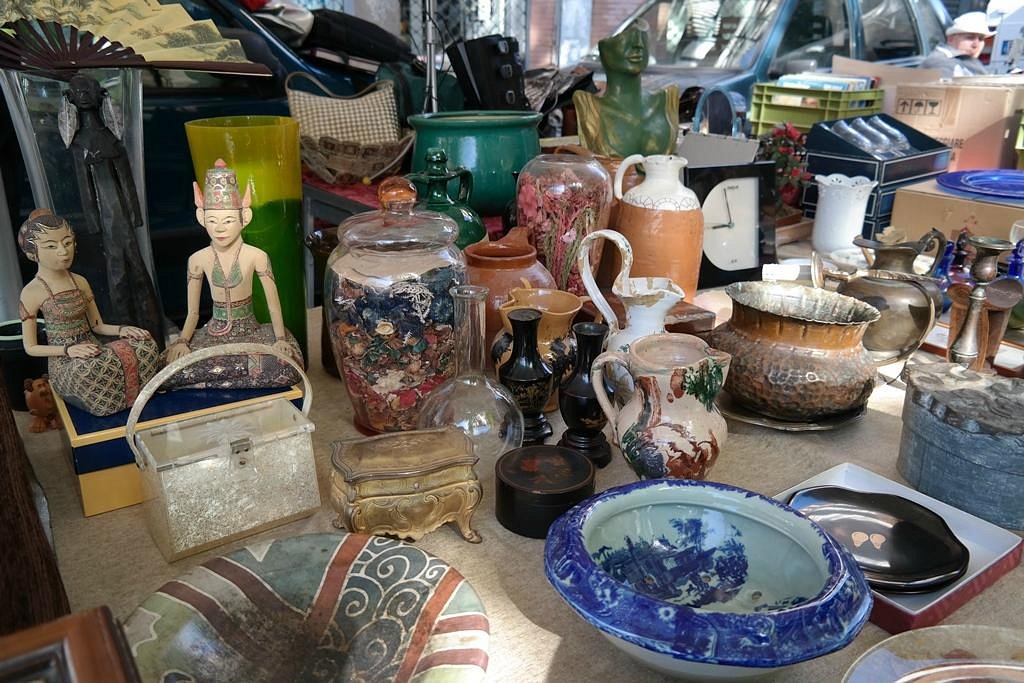
Antiques & Collectibles
Vintage jewelry, old books, prints, mid-century furniture, and unusual finds await patient browsers
Treasure Hunting
The mix of stalls means you never know what you might find—part of the fun is in the search
Authentic Experience
A Sunday ritual rooted in post-war trading—see Roman bargaining culture in a relaxed setting
Sunday Morning Ritual
Combine with a slow Trastevere coffee for an easy Roman Sunday
Day
Sunday mornings
Hours
Approx. 6am-2pm (varies)
Stalls
Many vendors
Visit Time
2-3 hours
Best For
Antiques & vintage
Location
Trastevere area
What to Find
Antiques Section (Near Gate)
- Vintage jewelry and watches
- Old prints, maps, and artwork
- Mid-century furniture and design
- Roman artifacts and religious items
Vintage Fashion
- Leather jackets and coats
- Designer pieces from past decades
- Military surplus and uniforms
- Costume jewelry and accessories
Records & Books
- Vinyl records (Italian and international)
- Old books and first editions
- Vintage magazines and posters
- Sports memorabilia and ephemera
General Goods
- New clothing at bargain prices
- Household items and kitchenware
- Electronics and accessories
- Where locals shop for deals
Market Sections Explained
Antiques Section (Near the Gate)
The area closest to Porta Portese gate usually has the most interesting vintage and antique stalls: jewelry, old prints and maps, religious artifacts, mid-century design pieces, and collectibles. Serious collectors tend to arrive early. Prices vary, and bargaining is common.
Vintage Clothing & Fashion
Look for vintage leather jackets, designer pieces from past decades, military surplus, retro accessories, and costume jewelry. Quality varies, so inspect items carefully before buying.
Books, Records & Memorabilia
Vinyl lovers can dig through crates of Italian and international records. Old books, vintage magazines, movie posters, and sports memorabilia are scattered throughout the market. Patient searching can turn up interesting finds at modest prices.
General Goods (Further Along)
Further from the gate, the market tends to shift toward new clothing, household items, shoes, phone accessories, and everyday goods. This area is less interesting for antique hunters but useful for locals shopping for practical items.
Arrive Early
Antique hunters usually arrive by 7-8 AM. Earlier tends to mean fewer crowds and a better chance of interesting finds, though selection and timing vary week to week.
Bargaining Strategy
Bargaining is common, but there's no fixed rule. Offer what feels fair, be polite, and be ready to walk away. Cash often helps, but some vendors now accept cards.
Photography
Ask before photographing vendors or their stalls. Many are happy to oblige, especially if you're buying. The market makes for lively street photography.
Navigation
Start at the Porta Portese gate and walk along Via Portuense. Antiques and vintage items are usually concentrated near the gate; further along you'll find more everyday goods.
Important Safety Tips
Watch for Pickpockets
The crowded aisles are prime pickpocket territory. Use a money belt or front pocket. Keep bags zipped and in front of you. Don't flash expensive phones, cameras, or jewelry.
Bring Cash
Many vendors prefer cash, though some now accept cards. Bring small bills (€5, €10, €20) for bargaining. ATMs can be scarce nearby on Sunday morning.
History of Porta Portese
1945Market Begins
In the difficult years after WWII, informal trading emerges near Porta Portese gate as Romans buy and sell goods.
1950sMarket Grows
The Sunday market becomes an established Roman tradition as the city rebuilds.
1970sAntique Focus
The market gains a reputation for antiques and collectibles, drawing dealers and collectors.
1990sInternational Fame
Porta Portese becomes well known abroad as one of Rome's classic flea markets.
2000sModern Era
New goods increasingly mix with antiques and vintage items along Via Portuense.
PresentRoman Institution
The market remains a long-running Sunday-morning ritual for Romans and visitors.
Common Mistakes to Avoid
Showing up on the wrong day
Why it hurts: Porta Portese is normally a Sunday-morning market. Visiting on another day usually means an empty street.
Do this instead: Plan for Sunday morning and confirm the market is running that day before you travel.
Arriving after 10 AM
Why it hurts: By mid-morning the most interesting stalls may already be picked over and the crowds can become dense.
Do this instead: Aim to arrive by 7-8 AM for a calmer browse and a better chance of good finds.
Carrying a backpack on your back
Why it hurts: Open zippers and side pockets are easy pickpocket targets in crowded market aisles.
Do this instead: Wear a crossbody bag in front, or use a money belt. Leave passports and large cash amounts at the hotel.
Walking the whole route
Why it hurts: The far end tends toward everyday new goods rather than antiques or vintage treasures.
Do this instead: Focus on the area near the Porta Portese gate, then head toward Trastevere for lunch.
Paying the first asking price
Why it hurts: Vendors often expect some negotiation, so accepting the first price can mean overpaying.
Do this instead: Offer what feels fair, be polite, and be ready to walk away. Cash can help close a deal.
Bringing only a credit card
Why it hurts: Many vendors still prefer cash, and ATMs can be scarce nearby on Sunday morning.
Do this instead: Bring a reasonable amount of small bills (€5/€10/€20) for bargaining, but don't carry more than you need.
Insider Tips from Locals
Start at the Porta Portese gate
The area near the gate usually has the best vintage jewelry, prints, and antiques. Arriving early lets you browse before the crowds build.
Pair with Trastevere brunch
Finish by late morning, then walk to Piazza di Santa Maria in Trastevere for coffee and a relaxed Sunday atmosphere.
Tram 8 from the centre
From Largo di Torre Argentina, tram 8 serves the area, but check current ATAC service for any route changes or disruptions.
Bring a tote bag
Vendors don't always provide bags. A foldable tote makes spontaneous purchases easier.
Learn three words: 'Quanto costa?'
Asking the price in Italian can help start a friendly negotiation. Add 'troppo caro' (too expensive) and see how the vendor responds.
Skip Porta Portese during heavy rain
Many vendors may not show up in bad weather. Check the Sunday forecast and have an indoor backup plan.
Where to Stay Near Porta Portese
Looking for convenient accommodation near Porta Portese? Stay within walking distance to make the most of your visit.
Hotels Near This AttractionTop Rated HotelsBudget-Friendly OptionsLuxury HotelsCentral locations with easy access to Porta Portese and other attractionsFrequently Asked Questions
When is Porta Portese open?
Porta Portese is generally held on Sunday mornings. Hours and stall participation vary, so check current local listings before travelling. Arriving early (7-9 AM) usually means fewer crowds.
What can I find at Porta Portese?
The market is known for antiques, vintage clothing, vinyl records, old books, furniture, artwork, jewelry, and collectibles. You'll also find new clothing, household goods, and curiosities. The area near the Porta Portese gate tends to have the most interesting vintage and antique stalls.
Is it safe to visit Porta Portese?
The market is generally safe but can be crowded. Be vigilant about pickpockets—keep valuables secure and avoid carrying large amounts of cash. Leave expensive jewelry at the hotel. Crowds usually thin out further from the gate.
Should I bargain at Porta Portese?
Bargaining is common and part of the experience, but there's no fixed formula. Offer what feels fair, be polite, and be willing to walk away. Cash can help, though some vendors accept cards.
How do I get to Porta Portese?
The market runs along Via Portuense from the Porta Portese gate. Tram 8 and tram 3 serve the area, but routes and stops can change—check current ATAC service before you travel. It's roughly a 20-minute walk from central Trastevere.
What's the history of Porta Portese market?
The market traces its origins to informal trading after World War II, when Romans bought and sold goods in difficult economic conditions. It grew into a regular Sunday tradition, named after the ancient Porta Portese gate in the Aurelian Walls.
How long is Porta Portese market?
The market extends for a considerable distance along Via Portuense, though the exact length and number of vendors vary each Sunday. You don't need to walk the whole route—the most interesting vintage and antique stalls are usually near the gate. Budget 2-3 hours for a relaxed visit.
Related Attractions
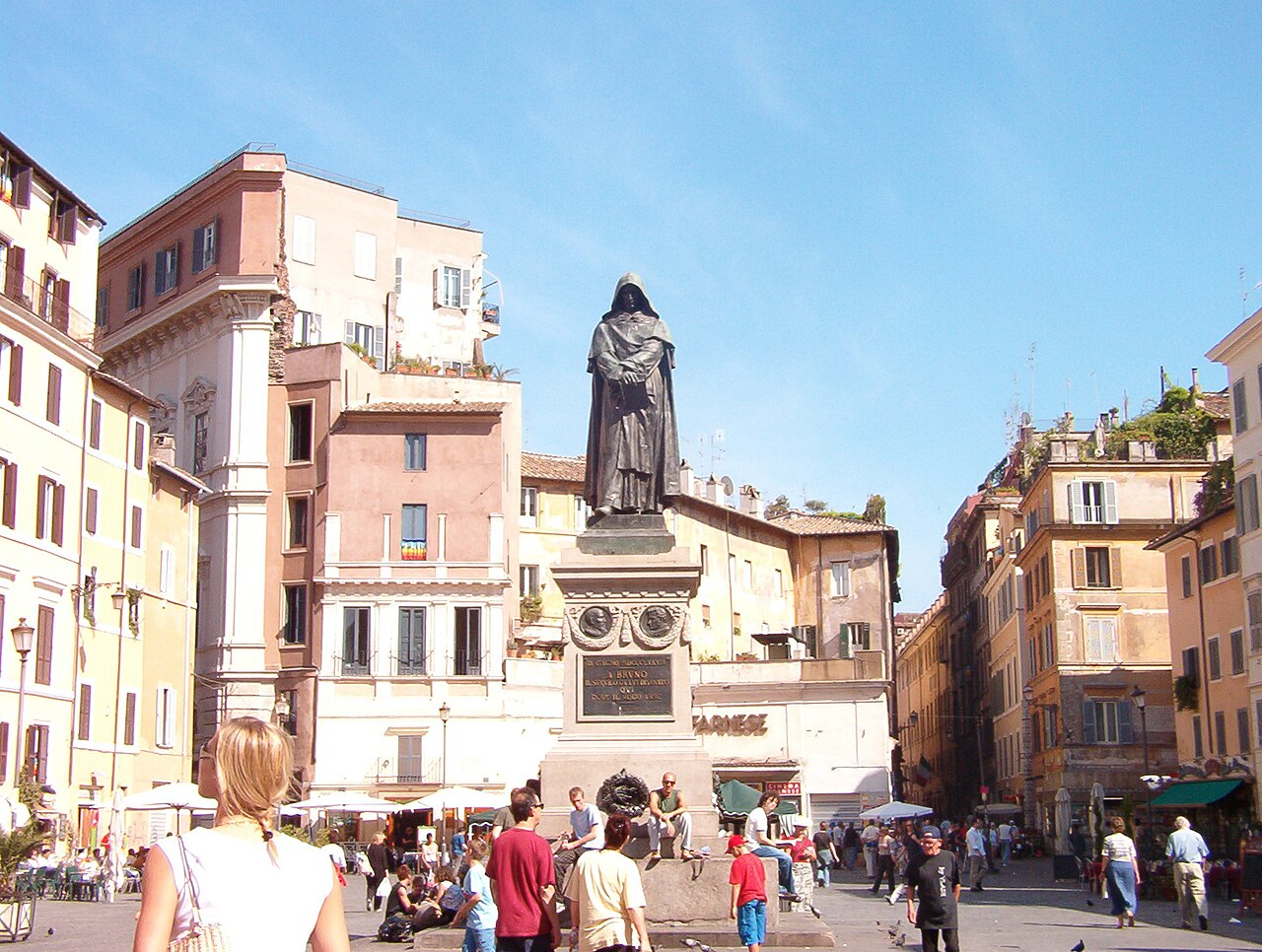
Campo de' Fiori Market
Rome's most vibrant outdoor market and piazza
Explore
Mercato Trionfale
Rome's largest covered market near Vatican
Explore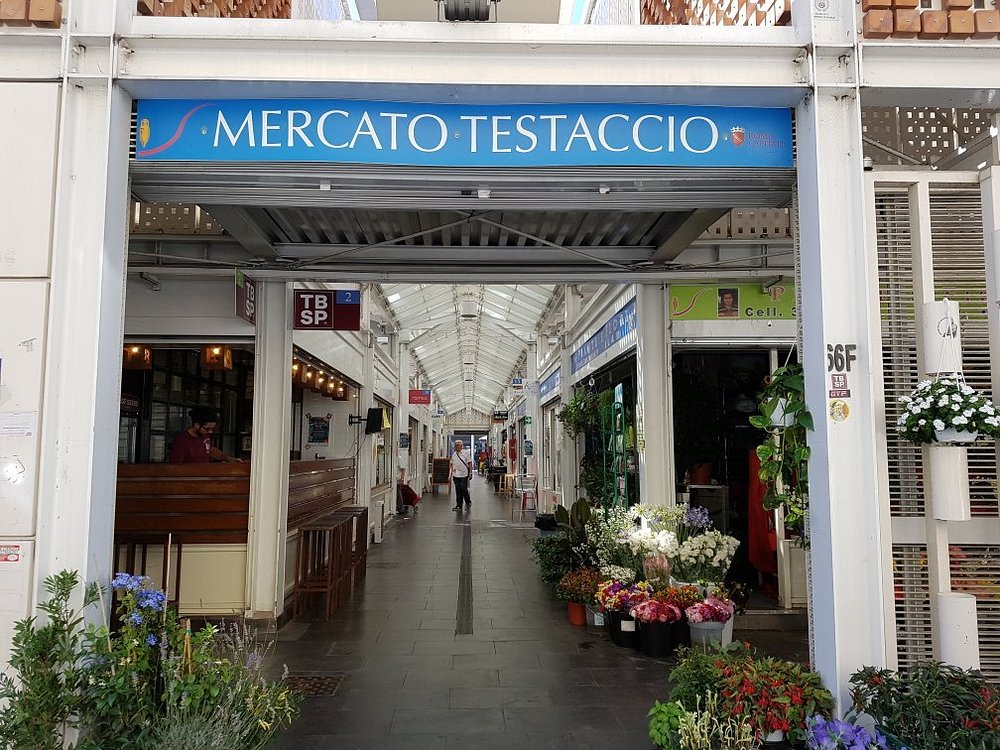
Testaccio Market
Rome's best food market with street food stalls
Explore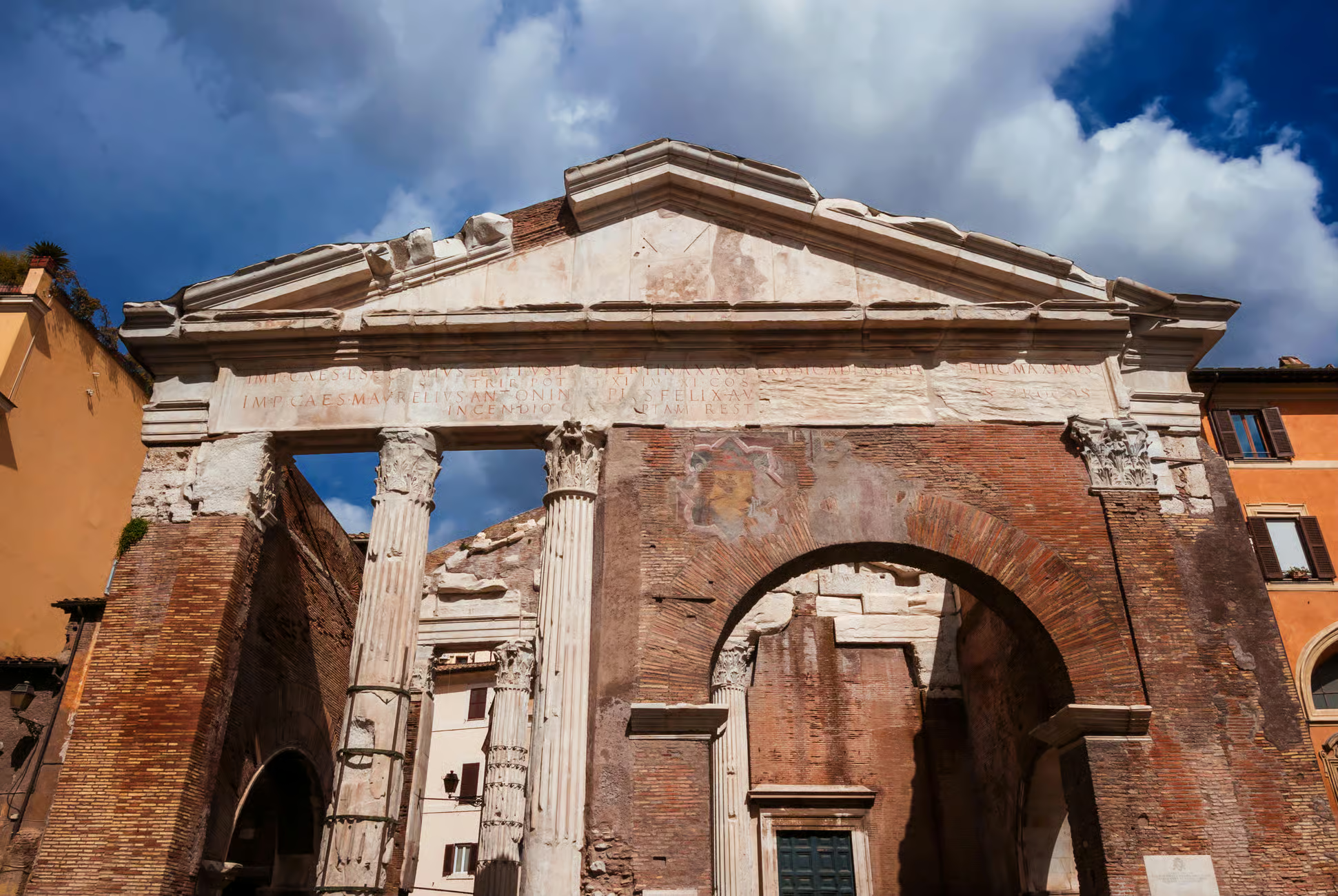
Jewish Ghetto
Historic Jewish quarter with unique cuisine and heritage
Explore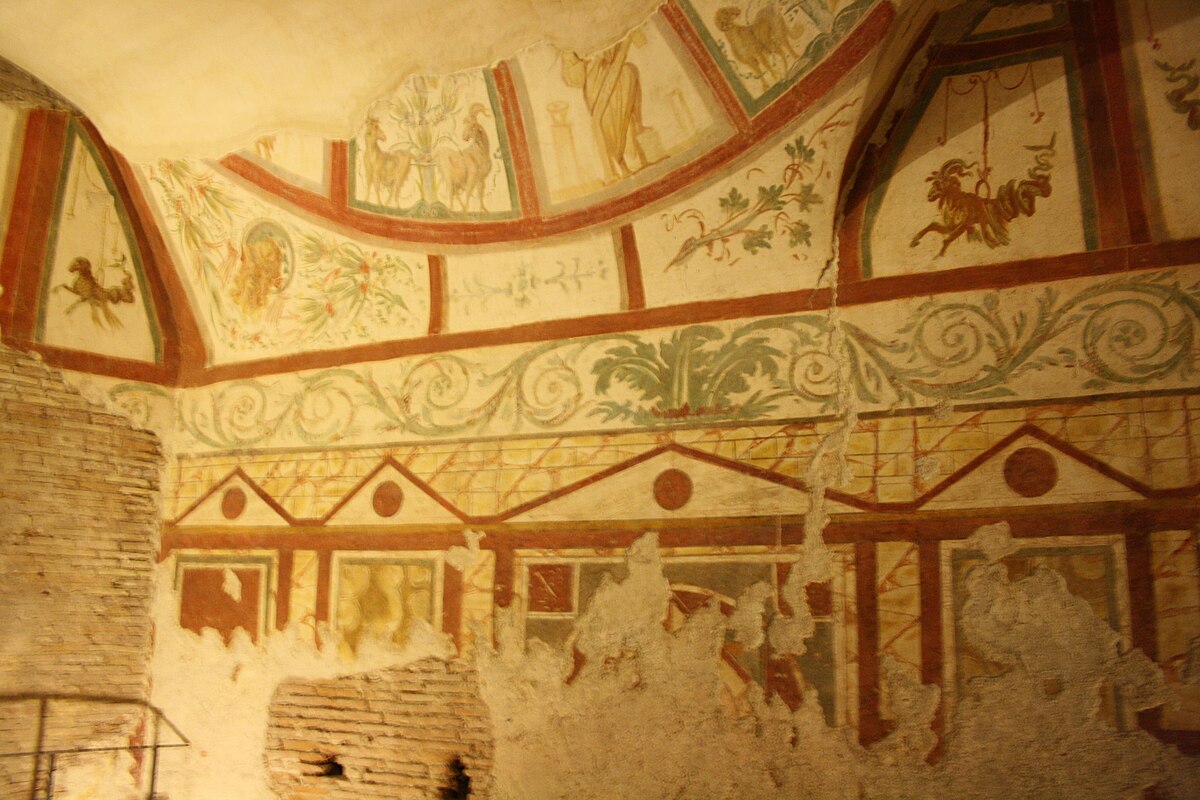
Case Romane del Celio
Late Roman houses with well-preserved frescoes beneath the Caelian Hill
Explore
San Francesco a Ripa
Hidden Trastevere church with Bernini's stunning sculpture
ExploreQuick Planning Guide
⏱️ Time Needed
2-3 hours
💰 Cost
Free entry
🎫 Reservation
Not needed
♿ Accessibility
Crowded, uneven surfaces
📅 Best Time
Early Sunday morning
👨👩👧👦 Family Friendly
Yes, but watch crowds
Nearby Attractions
Trastevereadjacent
Tiber Island10-minute walk
Jewish Ghetto15-minute walk
Testaccio15-minute walk
Featured In These Itineraries
Rome Like a LocalHidden Gems RomeTrastevereEssential Tips
- ✓ Normally open Sunday mornings; confirm before travelling
- ✓ Arrive early for a calmer browse
- ✓ Bargaining is common
- ✓ Watch for pickpockets in crowds