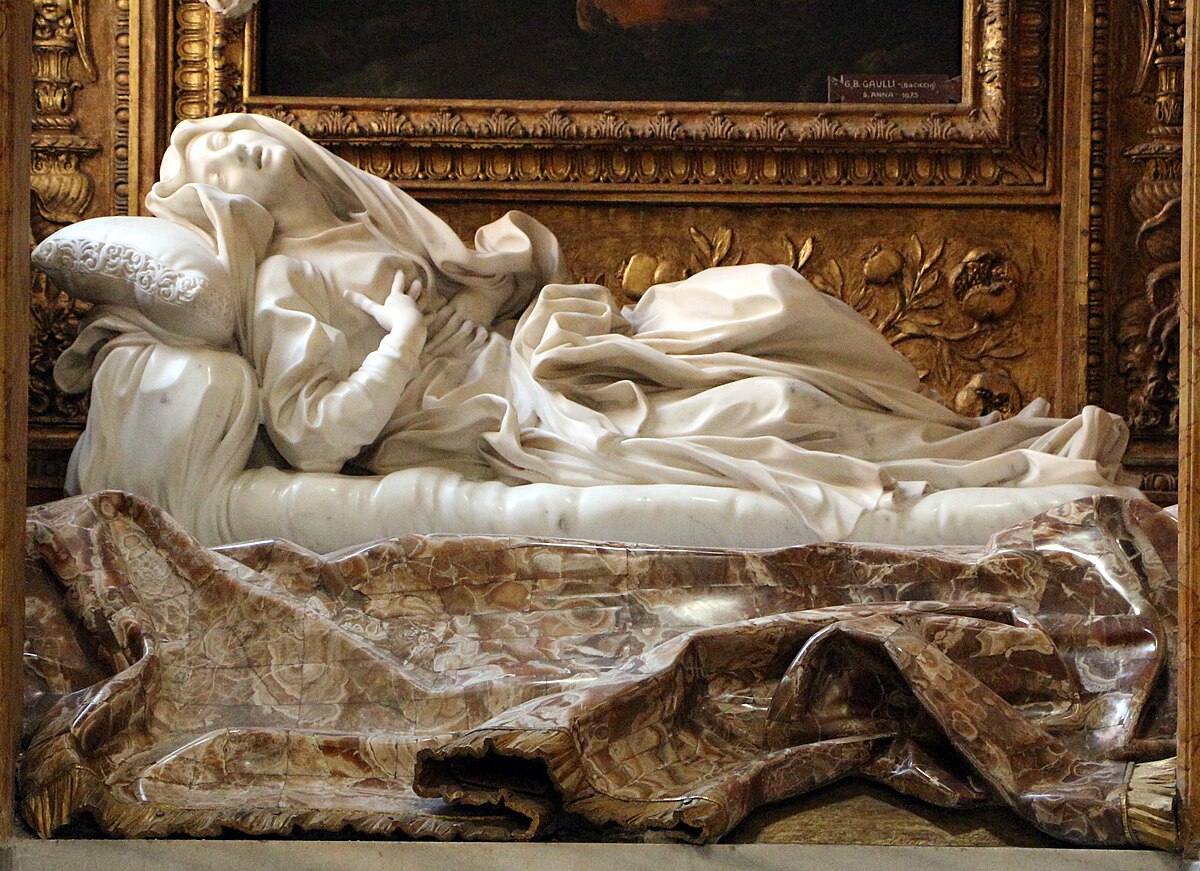
 Free church — Bernini's last Ecstasy
San Francesco a Ripa
A Franciscan church in southern Trastevere founded in 1231 on the site of a hospice traditionally associated with St. Francis of Assisi's stays in Rome — home to Bernini's late masterpiece 'The Ecstasy of the Blessed Ludovica Albertoni', a 13th-century cloister, the saint's traditionally associated cell upstairs, and the tomb of Giorgio de Chirico.
30–60 minFreeBernini 1674St. Francis traditionPiazza di San Francesco d'Assisi 88, 00153 Roma RMOpen on MapPlan Your Visit
Compare tickets, tours and stays — booking ahead usually gives more choice
Get TicketsBook a TourHotels NearbySan Francesco a Ripa is the rare Roman church where you can see a Bernini masterpiece, the traditionally associated cell of a saint, a 13th-century cloister and the tomb of a 20th-century painter — all in one peaceful Trastevere visit, all completely free. Founded in 1231 on the site of the 10th-century Benedictine hospice with which tradition associates St. Francis of Assisi's stays in Rome, the church houses Gian Lorenzo Bernini's late masterpiece 'The Ecstasy of the Blessed Ludovica Albertoni' (1671–1674) — one of his last major sculptures, side-lit by a hidden window in the Altieri Chapel exactly as he designed it. Access to the traditionally associated cell and cloister in the convent upstairs is sometimes possible on request, subject to friar availability; the cell preserves the stone tradition says he used as a pillow and an early-13th-century icon. The 13th-century cloister, with its central well and recycled antique columns, is one of the most atmospheric and least-visited corners of Trastevere. And in the second chapel on the right of the nave, a simple black marble slab marks the tomb of Giorgio de Chirico (1888–1978), founder of Metaphysical art. Compared with nearby Santa Maria in Trastevere the church sees very few visitors — outside Sunday mass the Bernini chapel is often quiet.
Why visit San Francesco a Ripa?
Most visitors to Trastevere never make it past Piazza di Santa Maria. They miss the southern half of the neighbourhood — and they miss a Bernini masterpiece. San Francesco a Ripa is the rare Roman church where 800 years of art, architecture and spirituality stack into a single 30-minute visit, free of charge and almost free of crowds.
- Bernini's last Ecstasy (1671–1674): 'The Ecstasy of the Blessed Ludovica Albertoni' in the Altieri Chapel — a single block of Carrara marble carved when Bernini was 73–76, side-lit by a hidden window exactly as he designed it.
- The cell traditionally associated with St. Francis: upstairs in the convent, with the stone tradition says he used as a pillow and a 13th-century icon. Access is sometimes possible on request, subject to friar availability.
- 13th-century cloister: small, peaceful, planted with citrus trees, with recycled antique columns — one of the most atmospheric corners of Trastevere, almost entirely unvisited.
- Tomb of Giorgio de Chirico (1978): the founder of Metaphysical art is buried in the second chapel on the right — a simple black marble slab, exactly as he requested.
- Free, uncrowded, beautifully placed: Far quieter than nearby Santa Maria in Trastevere. A 5-minute walk from Santa Cecilia, 8 minutes from Da Enzo for lunch, and on Sunday mornings about 5 minutes from Porta Portese flea market.
Quick facts
Founded
1231, on the site of an earlier hospice
Highlight
Bernini's last Ecstasy (1674)
Entry
Free — donation appreciated
Visit time
30–60 minutes
Also see
St. Francis's cell, de Chirico tomb
Location
Southern Trastevere
Table of Contents
Jump to any section of the itinerary
A brief history
The site begins in the 10th century as a Benedictine hospice dedicated to St. Blaise (San Biagio), built on the southern edge of Trastevere near the medieval Tiber harbour of Ripa Grande — once Rome's main commercial port, where pilgrims and goods arrived by river from the south. The hospice's purpose was practical: to lodge travellers stepping ashore.
Among those travellers, tradition associates St. Francis of Assisi with stays at the hospice of San Biagio during his visits to Rome. His early way of life received oral approval from Pope Innocent III around 1209–1210, while Pope Honorius III formally approved the definitive Rule in 1223 (bull Solet annuere). The room traditionally associated with his stays — with the stone tradition says he used as a pillow — is still preserved on the upper floor of the convent; access is sometimes possible on request, subject to friar availability.
Three years after Francis's death (1226), Pope Gregory IX granted the hospice and adjoining land to the new Franciscan Order. The first Franciscan church on the site was built in 1231 under Cardinal Rodolfo dei Rosanova, dedicated to St. Francis (canonised in 1228). The 13th-century cloister, with its central well and recycled antique columns, dates from this campaign.
The medieval church was rebuilt in stages between 1603 and 1689 by the Longhi family of architects (Onorio and Martino) and completed by Mattia de' Rossi, a pupil of Bernini, who designed the present travertine facade with three doors (1681–1689) and the gilded coffered ceiling. The single-nave Latin-cross plan dates from this Baroque reconstruction.
In 1671, Pope Clement X (Emilio Altieri — himself a descendant of Ludovica Albertoni) beatified the Roman noblewoman and Franciscan tertiary who had died in 1533. The Altieri family immediately commissioned Gian Lorenzo Bernini, then 73, to design her funerary chapel in the left transept. He delivered the sculpture in 1674 — one of his last major works, completed just six years before his death (1680).
The convent suffered the standard Roman ecclesiastical traumas: Napoleonic suppression (1798–1814), then Italian-state suppression after the unification of Italy (1873). The Friars Minor returned each time and continue to administer the parish today. In 1978 the Greek-born Italian painter Giorgio de Chirico, founder of the Metaphysical movement and one of the most influential figures in 20th-century European art, was buried here at his own request — a simple black marble slab in the second chapel on the right.
San Francesco a Ripa through the centuries
10th c.Hospice of San Biagio
A Benedictine hospice dedicated to St. Blaise is established on the southern edge of Trastevere, near the Tiber harbour of Ripa Grande. It serves pilgrims arriving in Rome by river — a practical accommodation for travellers from the south.
c. 1209–1223St. Francis of Assisi and Rome
Tradition associates Francis with stays at the San Biagio hospice during visits to Rome. His early way of life received oral approval from Pope Innocent III around 1209–1210, while Pope Honorius III formally approved the definitive Rule in 1223 (bull Solet annuere). The cell traditionally associated with his stays — with the stone tradition says he used as a pillow — is still preserved upstairs.
1229Site granted to the Franciscans
Three years after Francis's death (1226), Pope Gregory IX grants the hospice and adjoining land to the Franciscan Order — the first Franciscan foundation in Rome and one of the order's earliest in Italy.
1231First church built
Cardinal Rodolfo dei Rosanova oversees construction of the first Franciscan church on the site, dedicated to St. Francis (canonised in 1228). The 13th-century cloister, with its central well and recycled antique columns, dates from this campaign.
1473Birth of Ludovica Albertoni
Ludovica Albertoni is born into the Roman aristocracy. Widowed at 33 with three daughters, she becomes a Franciscan tertiary and devotes her wealth and labour to the poor of Trastevere — especially during the famine after the 1527 Sack of Rome. She dies in 1533.
1603–1689Baroque reconstruction
The medieval church is rebuilt in stages by Onorio Longhi and his son Martino, then completed by Mattia de' Rossi (a pupil of Bernini), who designs the present travertine facade with three doors (1681–1689) and the gilded coffered ceiling.
1671Beatification of Ludovica Albertoni
Pope Clement X (Emilio Altieri) — Ludovica's own descendant — beatifies her on 28 January 1671. The Altieri family immediately commissions Gian Lorenzo Bernini, then 73, to design her funerary chapel in the left transept of San Francesco a Ripa.
1674Bernini's Ecstasy completed
Bernini, now 76 and at the very end of his career, completes 'The Ecstasy of the Blessed Ludovica Albertoni' — a single block of Carrara marble side-lit by a hidden window. It is one of his last major sculptures, often paired in the literature with the Ecstasy of St. Teresa (1652) at Santa Maria della Vittoria.
1798–1814Napoleonic suppression
Under the French occupation of Rome, the Franciscan convent is suppressed and the church briefly closed. The Friars Minor return in 1814 and resume the parish; the cloister and cell are restored.
1873Italian state suppression
Following the unification of Italy and the seizure of Papal-State religious property, the convent is partly nationalised and reduced; a small Franciscan community remains in residence and continues to administer the parish, as today.
1978Giorgio de Chirico buried here
The Greek-born Italian painter Giorgio de Chirico (1888–1978), founder of the Metaphysical movement and one of the most influential painters of the 20th century, is buried at his own request in the second chapel on the right of the nave — a simple black marble slab with his name and dates.
Bernini's last Ecstasy — the Ludovica Albertoni in detail
The chapel was commissioned in 1671 by Cardinal Paluzzo Paluzzi degli Albertoni Altieri (the family had merged through marriage with the Altieri popes) to celebrate the beatification of his ancestor Ludovica. Bernini, then 73 and the unrivalled grand old man of Roman Baroque, delivered the entire ensemble — chapel architecture, marble bier, sculpture, side-window — by 1674.
The sculpture itself is carved from a single block of Carrara marble. Ludovica is shown at the moment of her mystical death, her head fallen back on a pressed-down cushion, hands clasped to her breast in an ecstasy of divine love. The virtuoso passages are the heavy fabric folds bunched between her thighs (representing the moment of spiritual climax) and the contorted left hand at her breast — among the most technically demanding marble carvings of the entire Baroque.
Bernini's signature device is the hidden side window, set high in the south wall above the altar. On sunny days from late morning (c. 10:30–11:30) the raking light bathes the marble at exactly the angle Bernini designed — the figure appears literally to glow from within. To read the effect properly, stand to the right of the chapel railing, not directly in front.
Beneath the sculpture, an urn of red jasper and gilt bronze contains Ludovica Albertoni's actual remains, transferred here for the 1671 beatification. The two side paintings — by Giovanni Battista Gaulli (Baciccio), Bernini's frequent collaborator — depict scenes from the Beata's life and the apparition of St. Anne to her.
The work is universally compared to the better-known Ecstasy of St. Teresa (1647–1652) at Santa Maria della Vittoria — Bernini's other ecstatic woman, sculpted 22 years earlier when he was at the height of his fame. The Ludovica Albertoni is the older, quieter, more private work — a sculptor in his late 70s returning one last time to his greatest theme.
What to see in the church
Altieri Chapel — Bernini's Ecstasy of Blessed Ludovica Albertoni (1671–1674)
- In the left transept. A single block of Carrara marble carved by Bernini between the ages of 73 and 76 — one of his last major sculptures.
- Side-lit by a hidden south-facing window above the altar, a Bernini trademark — best in late morning (10:30–11:30) when sunlight rakes across the marble.
- The virtuoso passages: the heavy fabric folds bunched between her thighs, the pressed-down cushion, the contorted left hand at her breast. Stand to the right of the chapel for the intended viewpoint.
- Beneath the sculpture: an urn of red jasper and gilt bronze containing Ludovica Albertoni's actual remains. The chapel architecture, also by Bernini, frames the sculpture as a theatrical tableau.
Tomb of Giorgio de Chirico (1978)
- Second chapel on the right of the nave — a simple slab of black marble flush with the floor, inscribed only 'Giorgio de Chirico 1888–1978'.
- The painter, founder of the Metaphysical art movement and one of the most influential figures of 20th-century European art, requested this exact unmarked simplicity.
- His Roman studio was on Piazza di Spagna (now the Casa Museo Giorgio de Chirico, a 25-minute walk north) — a satisfying pairing for a half-day de Chirico itinerary.
- Look around: the chapel also contains a 17th-century altarpiece of the Immaculate Conception.
Nave, ceiling and side chapels
- Single-nave Latin-cross plan, the result of the 1603–1689 Baroque reconstruction by the Longhi family and Mattia de' Rossi.
- Gilded coffered ceiling (late 17th century) with the central panel of the Madonna and Child — a fine example of Roman late-Baroque carpentry.
- Side chapels with 17th- and 18th-century paintings of Franciscan saints. The Mariano Chapel (third on right) holds an early-18th-century Madonna of the Rosary.
- Travertine facade by Mattia de' Rossi (1681–1689), a pupil of Bernini — three doors, modest volutes, exactly the late-Baroque restraint that characterises post-Bernini Roman church facades.
St. Francis's cell & the medieval cloister
St. Francis's cell (upstairs)
- A small chamber on the upper floor of the convent — the room traditionally associated with St. Francis of Assisi's stays in Rome.
- The stone pillow: a small block of polished travertine that tradition says Francis used as a pillow — set into a niche behind a wrought-iron grille.
- The 'Tavoletta': an early-13th-century painted icon of St. Francis, possibly a contemporary likeness, displayed under glass.
- Relics and devotional objects associated with the saint's stay, preserved by the Franciscan community.
13th-century cloister
- Small, peaceful and almost entirely unvisited — one of the most atmospheric corners of Trastevere.
- Central marble well-head; portico of pointed arches resting on recycled antique columns of varying heights and capitals (a tell-tale sign of medieval reuse, just like at San Nicola in Carcere).
- Garden planted with citrus trees and roses, tended by the friars themselves.
- A marble plaque on the south wall lists the Franciscans of this convent killed in the two World Wars.
Convent library & sacristy
- Not normally open to the public, but the friars will sometimes show interested visitors the small reading room with 17th- and 18th-century Franciscan editions.
- The sacristy (right of the apse) contains 17th-century vested cabinets and a small collection of liturgical silverware — ask politely if you can put your head in.
- The convent remains a working Franciscan friary with a small resident community of Friars Minor — please respect the silence and routines of the house.
- A small bookshop near the entrance sells Franciscan literature, holy cards and a reasonably priced (€3) booklet on the Bernini chapel in English, Italian and Spanish.
Who was the Blessed Ludovica Albertoni?
Ludovica Albertoni was born in Rome in 1473, into one of the city's old aristocratic families. At 23 she married James de la Cetera; widowed at 33 with three young daughters, she made the unusual choice for a noblewoman of her class to remain a widow and to enter the Third Order of St. Francis as a tertiary — a lay member who took simple vows and lived in the world rather than in a convent.
She devoted her wealth, her labour and her household to the poor of Trastevere — washing the sick, distributing food and clothing, paying off debts of imprisoned debtors. The defining moment of her life was the famine following the catastrophic 1527 Sack of Rome, when imperial troops loyal to Charles V looted the city and the population starved through the following winter. Ludovica converted her palazzo into a soup kitchen and reportedly sold her own clothes and jewellery to feed the destitute.
She died on 28 January 1533, aged 60, reciting the words of St. Paul: 'Cupio dissolvi et esse cum Christo' ('I desire to be dissolved and to be with Christ'). Her cult began immediately; the present church became her burial site. She was beatified 138 years later, on 28 January 1671, by Pope Clement X (Emilio Altieri), who happened to be one of her own descendants — a piece of dynastic theatre that drove the rapid commission of Bernini's chapel.
She has never been canonised (formally declared a saint), partly because the Albertoni-Altieri family lost dynastic power after Clement X's death (1676) and there has been no powerful sponsor to pursue the cause. Liturgically she is venerated as Beata ('Blessed'), the step below sainthood.
Two Bernini Ecstasies compared — Ludovica Albertoni vs St. Teresa
| Feature | Ludovica Albertoni (1674) | St. Teresa (1652) |
|---|---|---|
| Date completed | 1671–1674 (Bernini aged 73–76) | 1647–1652 (Bernini aged 49–54) |
| Subject | Ludovica Albertoni — Franciscan widow on her deathbed | St. Teresa of Ávila — Carmelite nun pierced by an angel |
| Location | San Francesco a Ripa, Trastevere | Santa Maria della Vittoria, Quirinale |
| Patron | Pope Clement X (Altieri family) | Cardinal Federico Cornaro |
| Lighting | Hidden side window — south light | Hidden top window with gilt rays |
| Context | Solo figure on a marble bier | Twin sculpture with the angel + Cornaro family in 'theatre boxes' |
| Entry | Free | Free |
| Crowds | Almost always empty | Steady stream — bookable group tours |
Verdict: do both. The St. Teresa is the more famous and theatrical work, with its full Cornaro Chapel apparatus of 'theatre boxes' and the gilt rays from above. The Ludovica Albertoni is the older Bernini's quieter, more private return to the same theme — a sculptor in his late 70s distilling 50 years of mastery into a single block of marble. Both churches are free. Together they bookend Bernini's career.
San Francesco a Ripa walking itinerary
A 3-hour, 7-stop walk anchored on San Francesco a Ripa and covering the southern half of Trastevere — the San Cosimato food market, the church, the cell upstairs, Santa Cecilia in Trastevere with its Cavallini fresco, and lunch at Da Enzo. Total distance ~1.5 km, completely flat, in the heart of one of Rome's most atmospheric quarters.
Walking route map


 📍
📍
📍
📍
📍
📍
📍
+− Leaflet | © OpenStreetMap contributors
📍
📍
📍
📍
📍
📍
📍
+− Leaflet | © OpenStreetMap contributorsClick on markers for stop details. Numbers indicate the walking order.
1StartTram 8 stop Belli (start)
Easy tram startFrom Largo di Torre Argentina or Piazza Venezia take tram 8 south. Get off at Belli on Viale di Trastevere. The walk south on Via di San Francesco a Ripa is one of the most atmospheric streets in Trastevere.
210 minPiazza di San Cosimato — morning market
Real Roman marketA small daily food market in a leafy square — fruit, cheese, fish, fresh bread. The local Trasteverini do their shopping here. Perfect for picking up a snack before the church visit.
330 minSan Francesco a Ripa — church (free)
Bernini's last EcstasyEnter under the late-Baroque facade by Mattia de' Rossi. Walk to the Altieri Chapel in the left transept for Bernini's last Ecstasy, then the de Chirico tomb in the second chapel right.
420 minSt. Francis's cell + cloister (free)
Traditionally associated cell + cloisterAccess to the traditionally associated cell and cloister is sometimes possible on request, subject to friar availability — ring the convent bell to the right of the church or ask at the sacristy.
530 minPorta Portese (Sundays only)
Sunday flea marketIf it's Sunday morning, walk about 5 min south to the Porta Portese flea market — a long-running Sunday tradition of antiques, clothes, books and curiosities. Hours and vendor numbers vary; expect crowds and pickpockets.
630 minSanta Cecilia in Trastevere
Cavallini fresco + Maderno marbleWalk 8 min north-east to Santa Cecilia — the early-Christian basilica with Stefano Maderno's heart-stopping marble of the saint (1600), Pietro Cavallini's Last Judgment fresco (1293, separate ticket €2.50) and a 9th-century mosaic in the apse.
790 minLunch at Da Enzo al 29
Textbook Roman lunchWalk 5 min north to Da Enzo al 29 (Via dei Vascellari 29) — the textbook Roman cucina povera trattoria. Cacio e pepe, carbonara, saltimbocca. €25–30 a head, no booking, queue from 12:30.
Best time to visit
Time of day
Late morning (10:30–11:30)
Best — sunlight through the hidden south-facing window above the Bernini sculpture rakes across the marble at exactly the angle Bernini designed.
Late afternoon (16:00–18:00)
Excellent — quiet, atmospheric, the cell upstairs reliably opened by the friars.
Avoid 12:00–16:00
Church closed for the Roman riposo. Avoid also Sunday mornings (multiple congregations) and 18:30 evening mass.
Best days & seasons
Tuesday, Wednesday & Thursday
Quietest days. The cell upstairs is most reliably opened on weekdays 09:00–11:30 and 16:30–18:00.
March–May & October–November 2026
Ideal weather. Combine with the southern Trastevere walk and lunch at Da Enzo.
Year-round indoor
Climate-stable interior — perfect rainy-day Rome activity.
Sunday morning bonus
Combine with Porta Portese flea market (about 5 min south; hours vary).
Getting there
Tram 8 (best)
From Largo di Torre Argentina or Piazza Venezia take tram 8 south. Get off at Belli (5 min walk) or one stop earlier at Mastai. The walk south on Via di San Francesco a Ripa to the church takes 5 minutes.
Bus to Viale di Trastevere
Buses H, 23, 44, 75, 115, 125, 271, 280, 780 stop within 5 minutes' walk on Viale di Trastevere or Lungotevere Ripa.
Metro Line B — Piramide
Get off at Piramide (Line B) and walk 15 minutes north across Ponte Sublicio. Less convenient than tram 8.
Walking from the historic centre
Cross Ponte Garibaldi from Largo di Torre Argentina (5 min), walk south through Piazza Belli and Via di San Francesco a Ripa for 10 minutes. The most scenic approach.
Common mistakes to avoid
Visiting between 12:00 and 16:00
The church is closed during the Roman riposo. Plan for the morning slot (07:00–13:00) or the afternoon (15:00–19:30). The cell upstairs is most reliably opened weekday mornings 09:00–11:30.
Standing in front of the Bernini sculpture
Bernini designed the chapel for a specific viewpoint from the right-hand side, where the side window's raking light hits the marble at the intended angle. Stand to the right of the chapel railing — not directly in front.
Skipping the cell upstairs
Most visitors see the Bernini and leave, not realising the room traditionally associated with St. Francis's stays is a 30-second walk away through the convent door to the right. Entry is free and access is sometimes possible on request, subject to friar availability.
Missing the de Chirico tomb
It's a flat black slab in the floor of the second chapel on the right, easy to walk past. One of the most famous painters of the 20th century is buried there — pause for a moment.
Confusing it with San Francesco a Trastevere on the right bank
There is no other major Franciscan church in Trastevere — the only one is San Francesco a Ripa in Piazza di San Francesco d'Assisi 88. Some older guidebooks confuse it with the Convent of Sant'Onofrio on the Janiculum (different order, no Bernini).
Booking a tour
There is nothing to book. The church and the cell are walk-up only and entirely free. Any 'tour' charging more than €0 for entry is selling you a guide, not access.
Insider tips from locals
Visit at 10:30 sharp on a Tuesday
The Bernini chapel is at its visual best from 10:30 to 11:30 when sunlight through the south-facing hidden window above the altar rakes across the marble at exactly the angle Bernini designed. Tuesday is the quietest weekday — no morning-mass groups, and mornings are generally the best time to ask about the cell upstairs.
Ring the convent bell to the right
The cell upstairs is opened on request, free of charge — but most visitors don't realise how to ask. Exit the church, turn right along the facade, ring the bell at the convent door (small brass plate marked 'Convento'). If a friar is available they will take you up the narrow staircase; access cannot be guaranteed. A small donation in the box is appreciated.
Pair with the Ecstasy of St. Teresa
Bernini sculpted only two ecstatic women — Ludovica Albertoni here (1674) and St. Teresa at Santa Maria della Vittoria (1652). Seen together they bookend his career: confident maturity vs end-of-life virtuosity. The two churches are 25 minutes apart by bus 64; both are free.
Lunch at Da Enzo or coffee at Bar San Calisto
Five minutes' walk north: Da Enzo al 29 (Via dei Vascellari 29) for textbook Roman cucina povera, €25–30 a head, queue from 12:30, no booking. Or Bar San Calisto on the eponymous piazza for a €1.20 cappuccino and a Negroni at €4 with the Trastevere old guard.
Sunday morning bonus — Porta Portese
On Sunday mornings the church is busy with mass, but you can combine a visit with the Porta Portese flea market about 5 minutes south. Hours and vendor numbers vary, so check current local listings before planning around it. Slip into the church at 11:00 between the 10:00 and 12:00 masses for a quick Bernini visit.
Where to Stay Near San Francesco a Ripa
Looking for convenient accommodation near San Francesco a Ripa? Stay within walking distance to make the most of your visit.
Hotels Near This AttractionTop Rated HotelsBudget-Friendly OptionsLuxury HotelsCentral locations with easy access to San Francesco a Ripa and other attractionsFrequently Asked Questions
Related Attractions
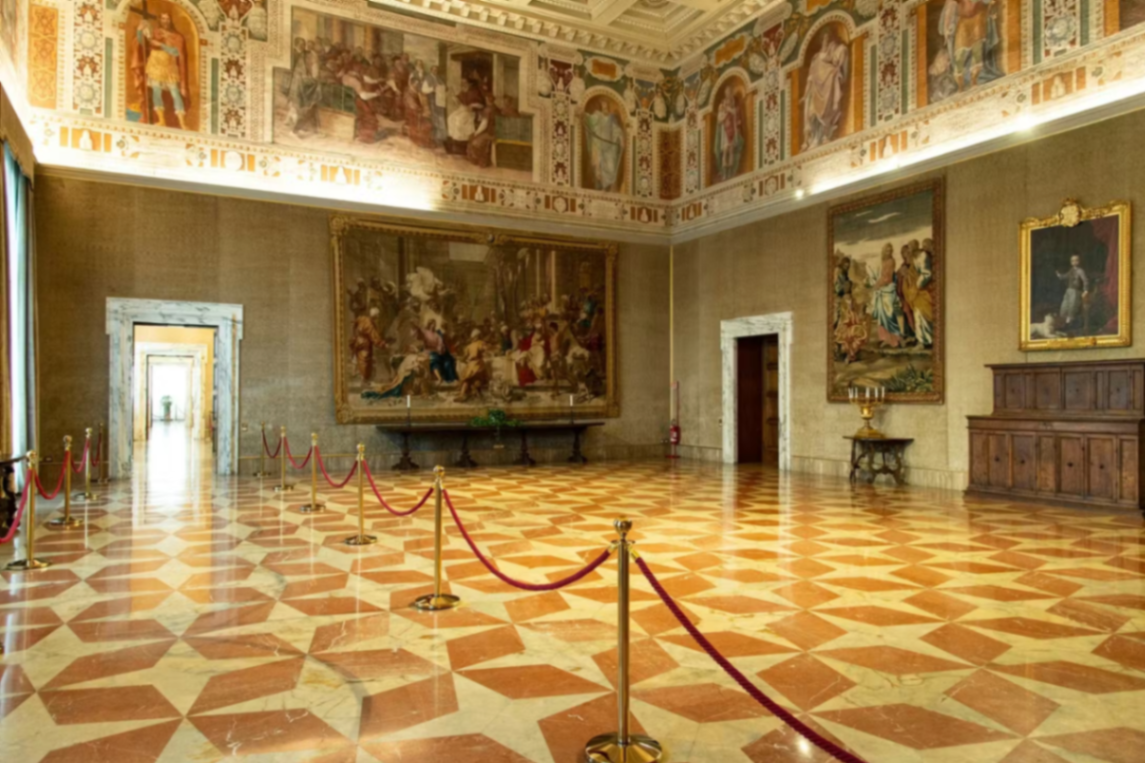
Lateran Palace
Original papal residence for 1,000 years
Explore
Basilica di San Paolo fuori le Mura
Rome's second largest church over St. Paul's tomb
Explore
Palace of the Popes Viterbo
Medieval papal residence—site of longest papal conclave
Explore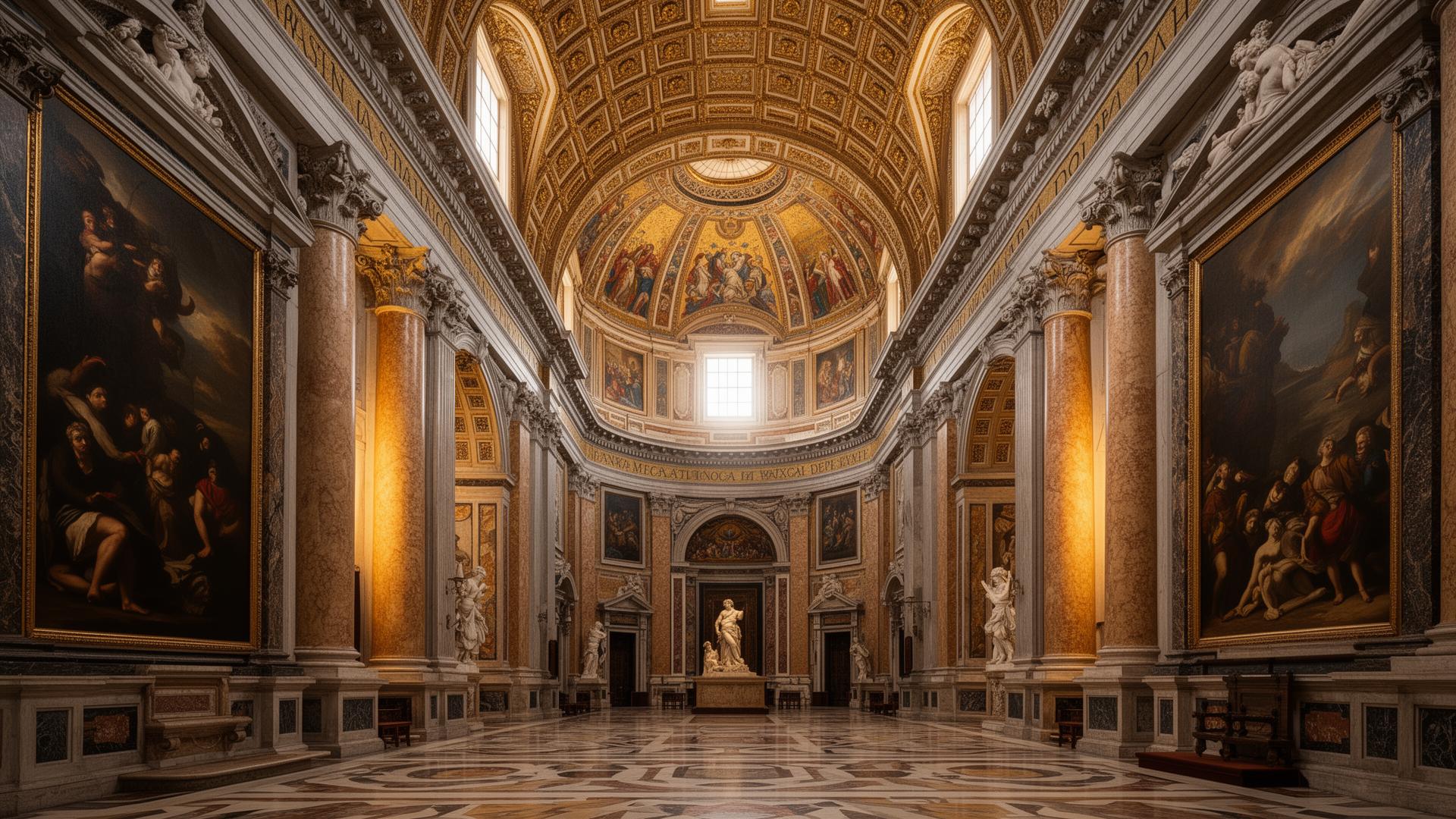
Santa Maria del Popolo
Renaissance church with two Caravaggio masterpieces
Explore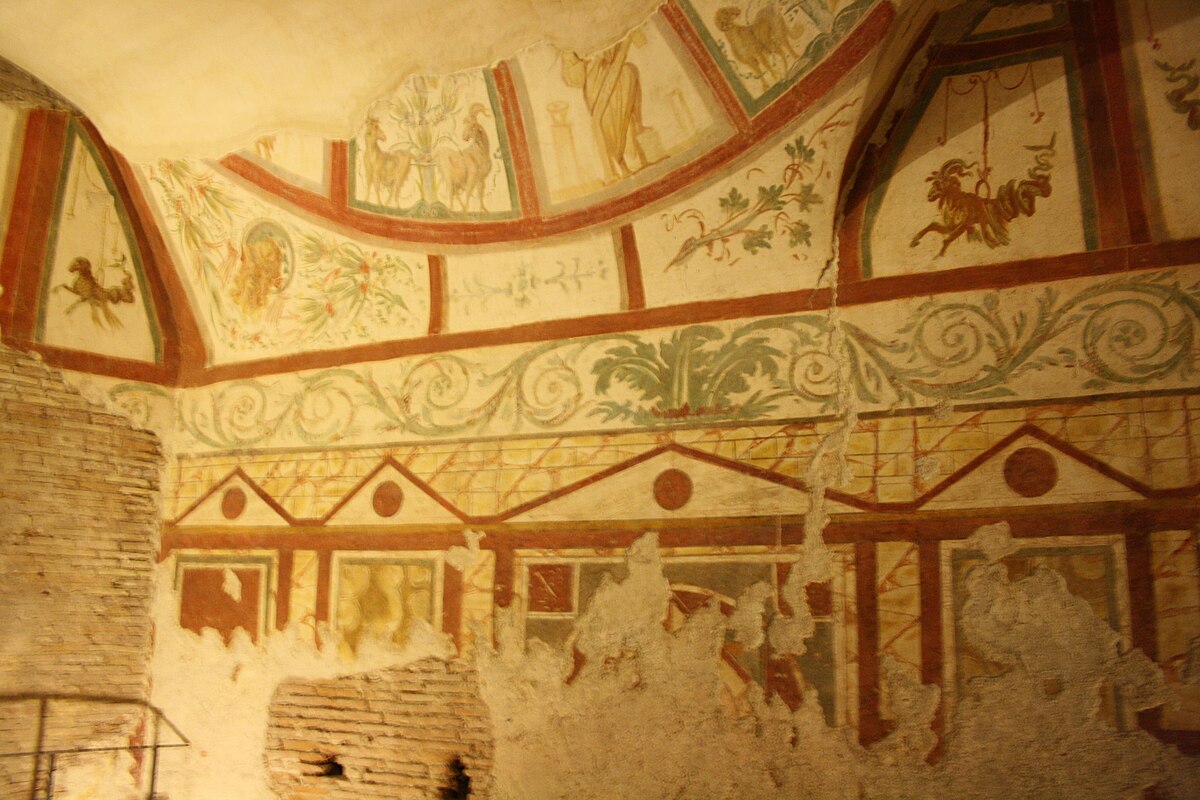
Case Romane del Celio
Late Roman houses with well-preserved frescoes beneath the Caelian Hill
Explore
Catacombs of San Pancrazio
Intimate catacombs beneath Janiculum Hill with fewer crowds
ExploreQuick Planning Guide
⏱️ Time Needed
30 min church, 60 min with cell & cloister
💰 Cost
Free — donation appreciated
🎫 Reservation
Sanctuary on request; groups reserve
♿ Accessibility
Church accessible; cell upstairs via narrow stairs
📅 Best Time
Tue–Thu 10:30–11:30 (Bernini side-light)
👨👩👧👦 Family Friendly
Yes — quiet, atmospheric
🌡️ Weather
Indoor; year-round
Nearby Attractions
Santa Cecilia in Trastevere5 min walk
Piazza di Santa Maria in Trastevere10 min walk
Porta Portese flea marketabout 5 min walk, Sunday mornings
Tiber Island12 min walk
Aventine Hill & orange garden15 min walk
Featured In These Itineraries
Hidden Gems of RomeFree Rome ItineraryRome Like a LocalEssential Tips
- ✓ Free — church walk-up; cell on request
- ✓ Open 07:00–13:00 & 15:00–19:30 (closed midday)
- ✓ Bernini chapel best 10:30–11:30
- ✓ Ring convent bell for cell upstairs
- ✓ Combine with Santa Cecilia & Trastevere lunch