 Papal History
Lateran Palace
The medieval papal residence that gave way to a Sixtus V-era palace—where the Lateran Treaty created Vatican City
1-1.5 hours€12 (reported — check official product)Papal ResidencePiazza di San Giovanni in Laterano 4, 00184 Roma RMOpen on MapPlan Your Visit
Compare tickets, tours and stays — booking ahead usually gives more choice
Get TicketsBook a TourHotels NearbyTable of Contents
Jump to any section of the itinerary
Why Visit the Lateran Palace?
Before the Vatican, there was the Lateran. The Lateran complex served as the principal papal residence through much of the Middle Ages, from Emperor Constantine's gift in the 4th century until 1377. The current palace was commissioned by Sixtus V in the late 16th century after the medieval residence had deteriorated. Today, the palace offers a fascinating glimpse into papal history, from frescoes depicting Constantine's life (check the current official route for details) to the room generally understood to be where the 1929 Lateran Treaty established Vatican City as an independent state.
Medieval Papal Residence
Principal papal residence through much of the Middle Ages, before the current palace was built
Lateran Treaty Site
Generally understood as where Vatican City was created as an independent state in 1929
Hall of Constantine
Frescoes depicting the emperor's conversion and victories—check the current official route
Lateran Complex
The nearby Basilica di San Giovanni (free) and Scala Santa are separate sights, not a combined paid ticket
Built
Residence since antiquity; present palace late 16th century
Style
Baroque/Renaissance
Historical Role
Papal Residence
Entry
€12
Visit Time
1-1.5 hours
Status
Vatican Property
History of the Lateran Palace
From Constantine's gift to the Lateran Treaty—1,700 years of papal history
4th CenturyImperial Gift
Emperor Constantine donates the Lateran estate to Pope Miltiades, establishing it as the first papal residence.
313 ADSeat of Christianity
Following the Edict of Milan, the Lateran becomes the center of Western Christianity and remains so for nearly 1,000 years.
1309Avignon Papacy
The papal court moves to Avignon, France, and the Lateran Palace falls into decline.
1377Return to Rome
Pope Gregory XI returns to Rome but finds the Lateran uninhabitable; the papacy moves to the Vatican.
1586Sixtus V Rebuilding
Pope Sixtus V demolishes the medieval palace and commissions Domenico Fontana to build the current structure.
1929Lateran Treaty
The historic treaty between Italy and the Vatican is signed here, establishing Vatican City as an independent state.
PresentVatican Historical Collections
Today the palace houses the Historical Museum of the Vatican's collections, visitable on a booked route, and hosts important papal ceremonies.
Tickets & Tours
Access to the Lateran Palace interior is by guided tour only. Book ahead to secure your preferred time.
RecommendedLateran Palace Visitor Route
€12 (reported current price — check the official product)
A booked visitor route/tour through the historic papal apartments, including areas often called the private chapel and the Hall of Constantine (check the current official route for exact stops).
Book TicketsLateran Complex Tip
The Basilica di San Giovanni is free to enter, so it isn't a paid inclusion. The Scala Santa is a separate site and is not interchangeable with paid Sancta Sanctorum access—check the official product for what's included.
Visitor Tips
Hall of Constantine
Frescoes depicting Constantine's life are often a highlight—check the current official route for what's included.
Book Ahead
Access requires a booked visitor route/tour; language and schedule vary by product, so reserve online in advance.
Nearby Sites
The Basilica di San Giovanni (free to enter) and the Scala Santa are nearby, but note the Scala Santa is not interchangeable with paid Sancta Sanctorum access.
Treaty Room
This is generally understood to be where the 1929 Lateran Treaty was signed—check the current official route for details.
Common Mistakes to Avoid
Showing up without a tour booking
Palace interior access is by guided tour only. Walk-in visitors are turned away—book your time slot online days in advance.
Confusing palace with the basilica
The Basilica di San Giovanni next door is free to enter, but the palace requires a paid ticket. They are separate buildings with separate entry.
Visiting on Sunday
The palace is closed Sundays and major Catholic holidays. Always plan for a Monday–Saturday visit.
Wearing shorts or tank tops
Vatican dress code applies—shoulders and knees must be covered. Carry a scarf or light layer to avoid being denied entry.
Skipping the Treaty Room
Many visitors photograph only the frescoes and miss the room generally identified as where the 1929 Lateran Treaty was signed—check the current official route for access.
Assuming a combined ticket exists
There is no standard combined ticket covering palace, basilica, cloister, and Scala Santa. The basilica is free, and Scala Santa access is separate from paid Sancta Sanctorum visits—check the official product.
Insider Tips
Ask about the medieval history
The pope who commissioned the current palace after the medieval residence had deteriorated, Sixtus V, has a colorful backstory worth asking your guide about.
Note the Treaty Room details
The Lateran Treaty was signed here in 1929 by Mussolini for Italy and Cardinal Gasparri for the Holy See. Details about the room's furnishings and markers should be checked against the current official route.
Walk the Lateran piazza at dusk
After your visit, the obelisk (Rome's tallest, from Karnak) glows golden against San Giovanni's façade—one of the city's most underrated views.
Where to Stay Near Lateran Palace
Looking for convenient accommodation near Lateran Palace? Stay within walking distance to make the most of your visit.
Hotels Near This AttractionTop Rated HotelsBudget-Friendly OptionsLuxury HotelsCentral locations with easy access to Lateran Palace and other attractionsFrequently Asked Questions
What is the Lateran Palace?
The Lateran complex served as the principal papal residence through much of the Middle Ages, from the 4th century until the popes moved to the Vatican in 1377. The current palace was commissioned by Sixtus V in the late 16th century after the medieval residence had deteriorated. It houses Vatican historical collections and remains extraterritorial Vatican property.
Why did the popes leave the Lateran Palace?
After the Avignon Papacy (1309-1377), Pope Gregory XI returned to Rome to find the Lateran Palace in ruins. The Vatican, which had better fortifications and was in better condition, became the new papal residence.
What is the Lateran Treaty?
The Lateran Treaty of 1929 was signed in this palace between Italy and the Holy See. It established Vatican City as an independent sovereign state and resolved the 'Roman Question' that had existed since Italian unification in 1870.
How much does the Lateran Palace cost to visit?
€12 is the reported current price — check the official product before booking. Access requires a booked visitor route/tour, and language and schedule vary by product. Note the Basilica di San Giovanni is free to enter and isn't a paid inclusion.
What are the Lateran Palace opening hours?
The Lateran Palace is open Monday to Saturday from 9:00 AM to 5:00 PM. It is closed on Sundays and major religious holidays. Guided tours run at specific times—check when booking.
Related Attractions
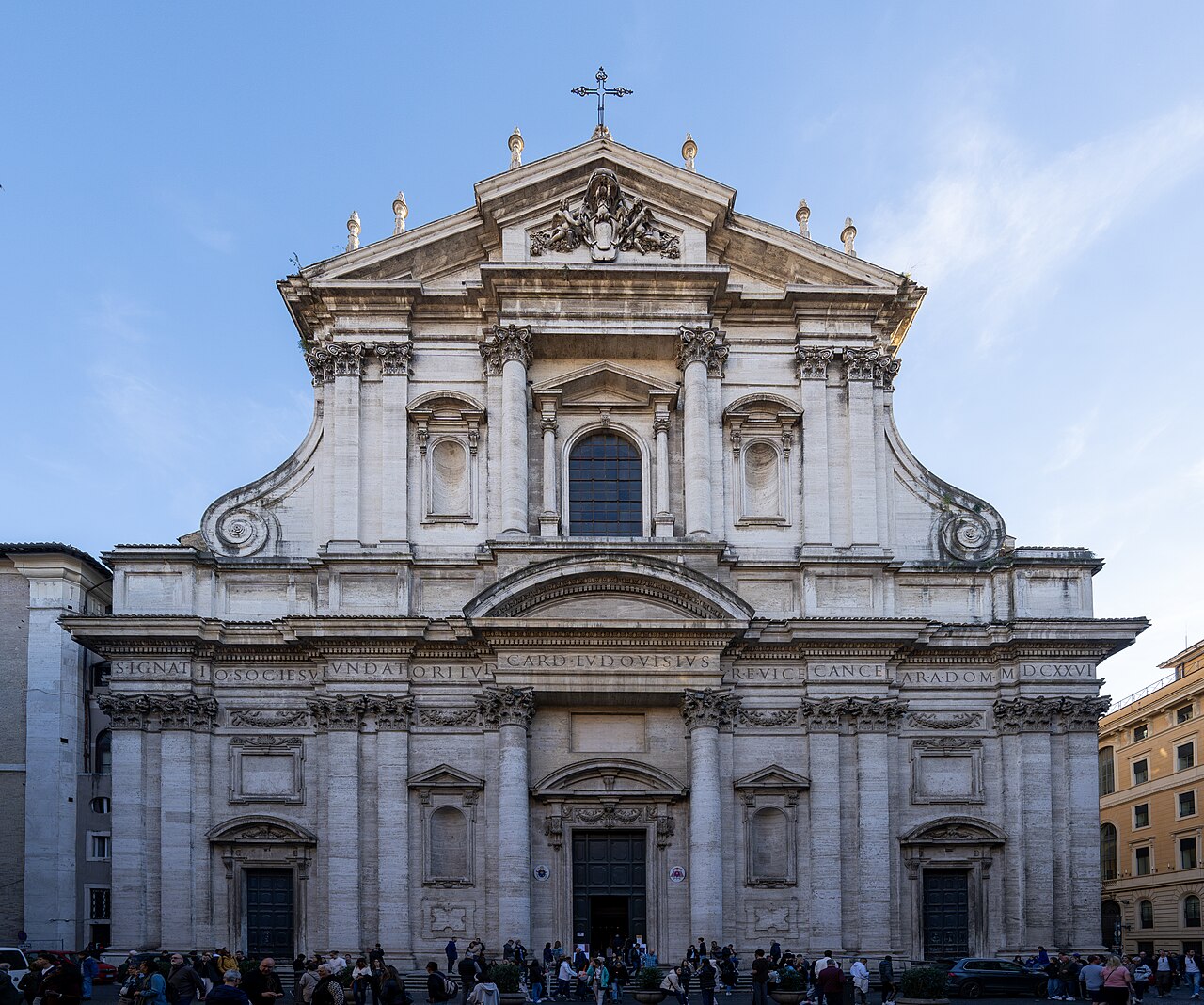
Sant'Ignazio di Loyola
Rome's most spectacular trompe-l'œil ceiling illusion
Explore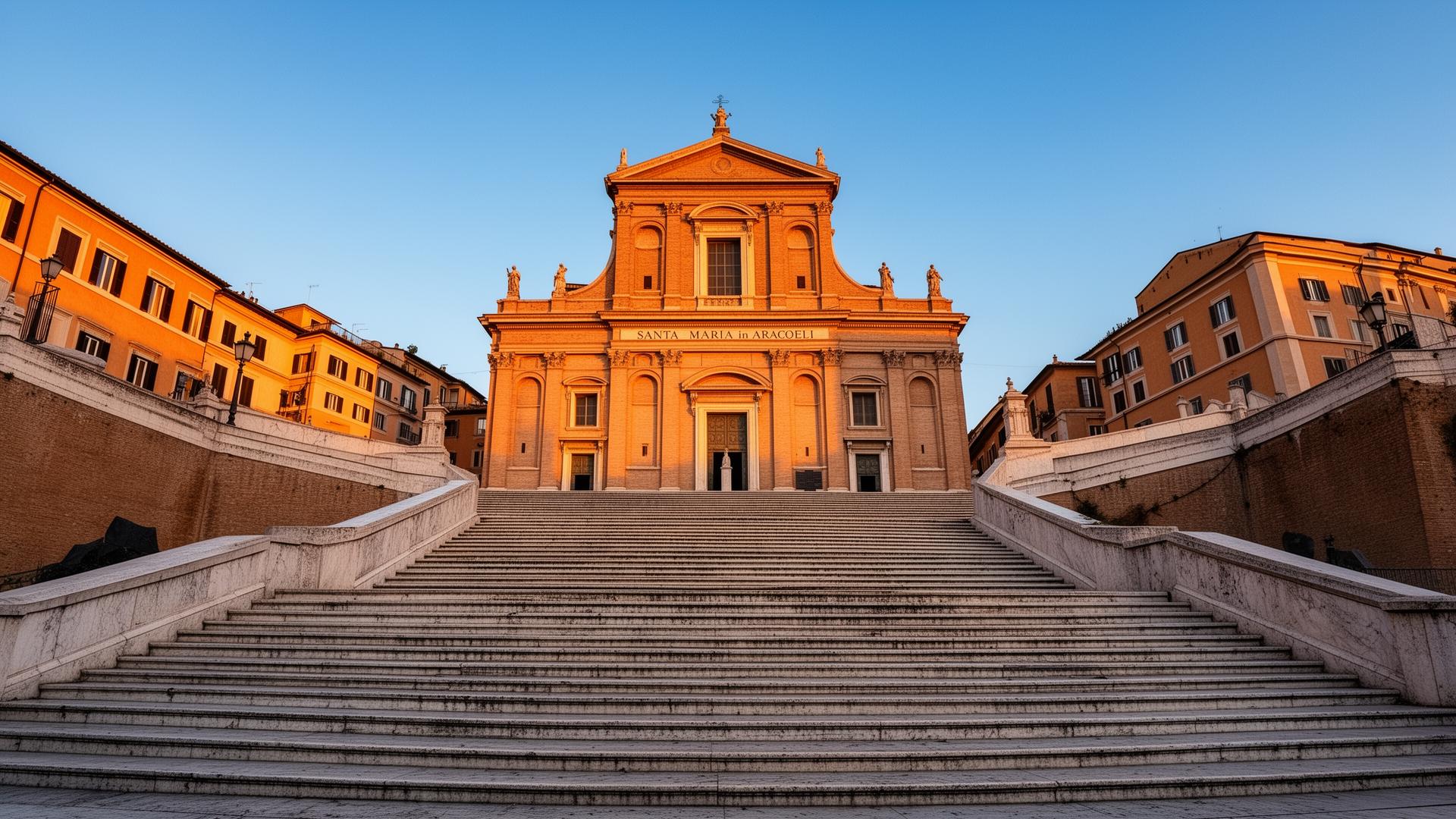
Santa Maria in Aracoeli
Hilltop church with 124 marble steps and Santo Bambino
Explore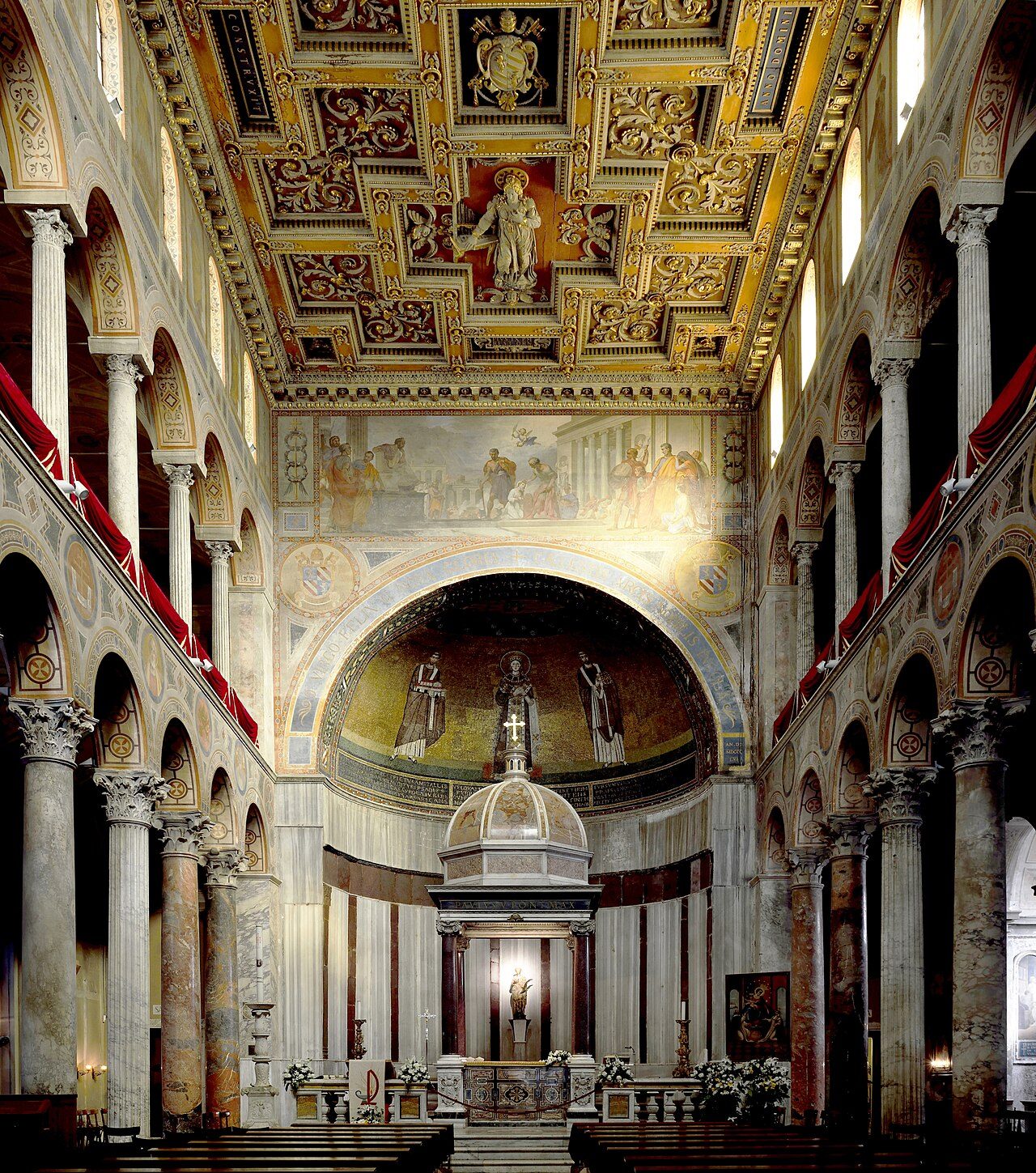
Basilica of St. Agnes
Free 7th-century pilgrimage church with Byzantine mosaics, near ticketed catacombs
Explore
Palace of the Popes Viterbo
Medieval papal residence—site of longest papal conclave
Explore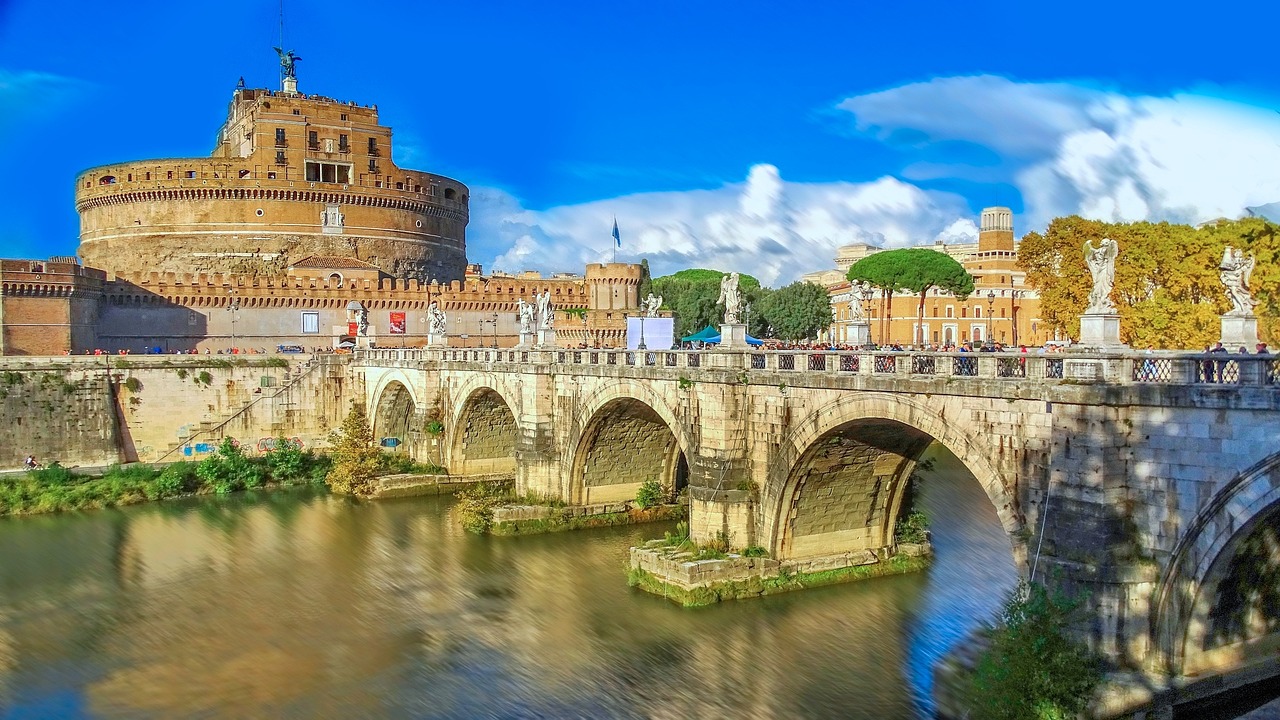
Castel Sant'Angelo
Ancient mausoleum turned papal fortress with panoramic city views
Explore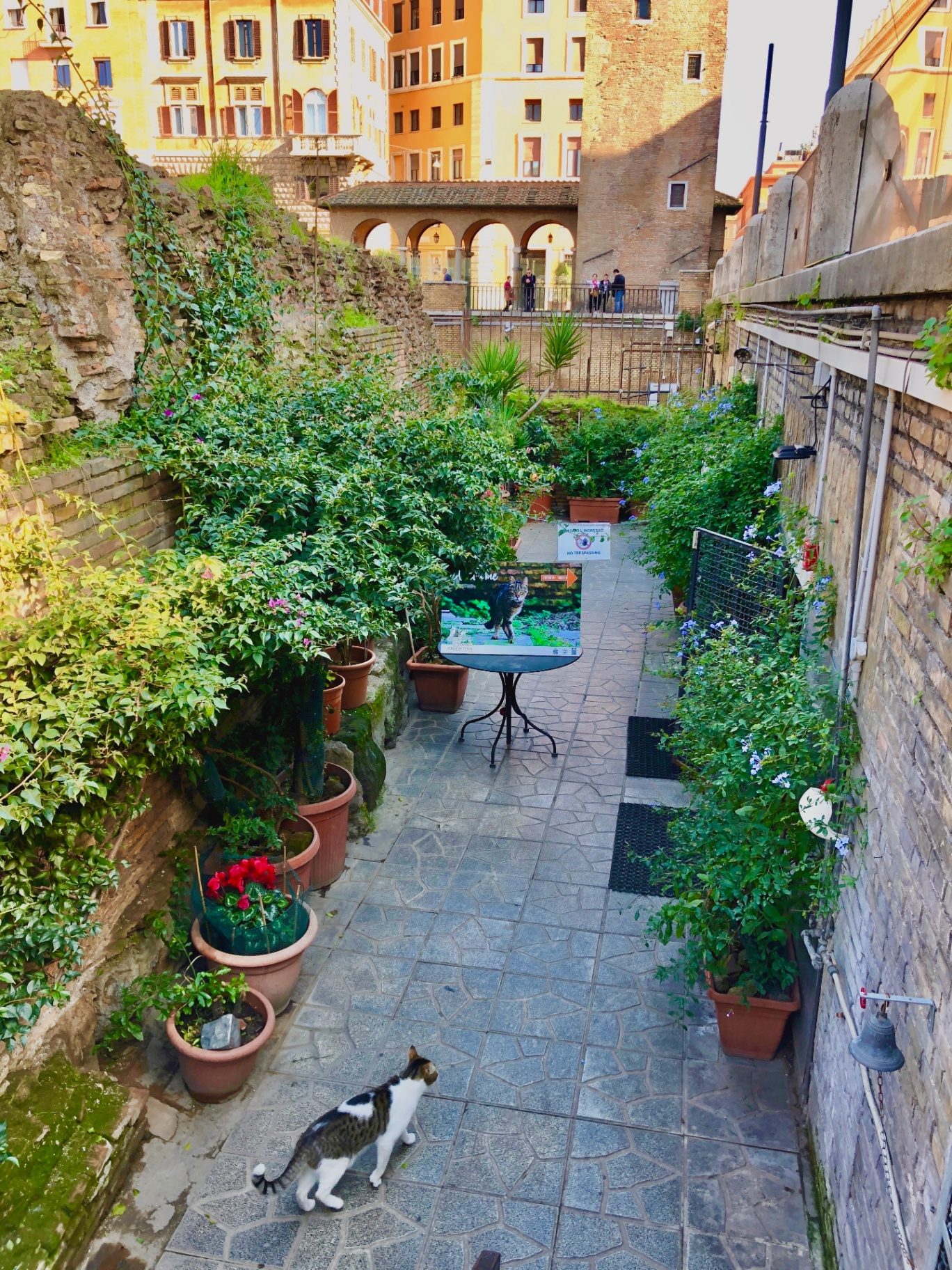
Largo di Torre Argentina
Ancient temples with 130+ rescue cats—history meets heart
ExploreQuick Planning Guide
⏱️ Time Needed
1-1.5 hours
💰 Cost
€12 (reported — check official product)
🎫 Reservation
Required (guided tours)
♿ Accessibility
Limited accessibility
📅 Best Time
Morning tours
👨👩👧👦 Family Friendly
Yes, older children
Nearby Attractions
Basilica di San Giovanni in Lateranoadjacent
Scala Santa & Holy Stairs2-minute walk
Baptistery of San Giovanni2-minute walk
Santa Croce in Gerusalemme10-minute walk
Featured In These Itineraries
5 Day Rome ItineraryHidden Gems of RomeClassic Rome 3 DaysEssential Tips
- ✓ A booked visitor route/tour is required for palace interior access
- ✓ Basilica di San Giovanni (free) and Scala Santa are nearby, but not part of a combined paid ticket
- ✓ Vatican property—dress code applies
- ✓ Photography rules vary by route—check on-site