 Free Historic Island · Always Open
Tiber Island
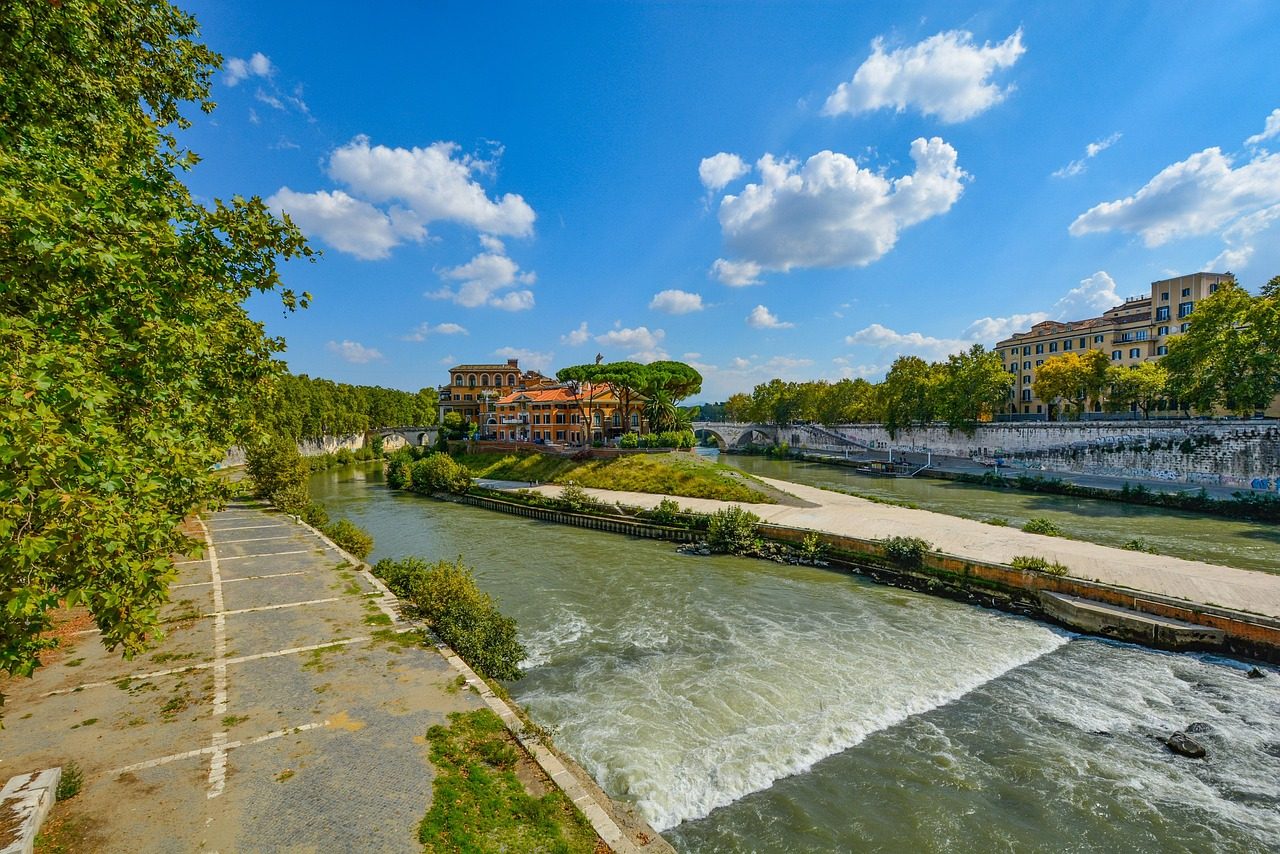
The only island in the Tiber within central Rome — over 2,000 years of healing tradition on a 270-metre boat-shaped rock, with the city's oldest bridge still in use, a 10th-century basilica and a summer film festival.
30 min – 1 hrAlways freeBoat-shapedSince c. 293–291 BCIsola Tiberina, 00186 Roma RMOpen on MapPlan Your Visit
Compare tickets, tours and stays — booking ahead usually gives more choice
Book a TourHotels NearbyBy AllTrips Editors••9 min readTiber Island (Isola Tiberina) is the only island in the Tiber within central Rome — a 270-metre boat-shaped travertine outcrop in the middle of the river, between the Jewish Ghetto and Trastevere. For over 2,000 years it has been associated with healing: a temple traditionally founded after a plague mission in 293 BC, with construction commonly dated to 291 BC and dedicated to Aesculapius, the 10th-century Basilica of San Bartolomeo built directly over its ruins, and the Fatebenefratelli hospital still active since 1584. You reach it on foot across Ponte Fabricio — the oldest Roman bridge still in everyday use, built in 62 BC, though it has undergone repairs and alterations over the centuries. Always free, always open, and home to the Isola del Cinema open-air film festival, which has historically taken place there each summer.
📋 In This Guide
Length
270 metres
Width
67 metres
Oldest Bridge
Ponte Fabricio (62 BC, restored)
Hospital Founded
1584
Summer Festival
Isola del Cinema
Best Photo Spot
Ponte Cestio at sunset
Why Visit Tiber Island?
Most travellers walk past Tiber Island twice — once on the way to the Jewish Ghetto, once on the way to Trastevere — without realising that the tiny boat-shaped rock in the middle of the river is one of Rome's most continuously inhabited places. It has been associated with healing since around 293–291 BC, has the oldest Roman bridge still in everyday use, and in summer has historically hosted the city's open-air cinema festival. Free, atmospheric, and a lovely spot to catch the sunset.
Boat-Shaped Travertine Island
The 1st-century BC Romans clad the island in stone shaped like a ship's prow, with the serpent of Aesculapius still carved on the southern tip.
Rome's Oldest Surviving Bridge
Ponte Fabricio (62 BC) has been carrying pedestrians across the same river for 2,000+ years, though it has undergone repairs and alterations. Look for the four-headed Quattro Capi herms at each end, traditionally—but not definitively—identified as Janus.
Basilica San Bartolomeo
A 10th-century church built directly over the Temple of Aesculapius — ancient columns, a healing well, and a 21st-century Martyrs' Shrine.
2,300 Years of Healing
From the Aesculapius cult to the Fatebenefratelli hospital still operating today — possibly the longest continuous medical tradition in the Western world.
What to See on Tiber Island
Despite its small size (just 270m long), Tiber Island packs remarkable history into every corner. The seven points below are visible from the circular walking loop in 30–45 minutes.
Ponte Fabricio (Ponte dei Quattro Capi)
East side — Rome's oldest surviving bridge, built in 62 BC by consul Lucius Fabricius and still in everyday pedestrian use after 2,000+ years, though it has undergone repairs and alterations over time. Look for the four-headed Quattro Capi herms at each end — traditionally, but not definitively, identified as Janus — and the original Latin inscriptions recording its construction.
Ponte Cestio
West side — Originally built in 46 BC, rebuilt by Emperor Antoninus Pius in 152 AD and substantially reconstructed in 1892 with the original Roman blocks reused. Connects the island to Trastevere and offers the best sunset views back toward the island.
Basilica of San Bartolomeo all'Isola
Centre of island — A 10th-century church (998 AD) built by Emperor Otto III directly over the ruins of the Temple of Aesculapius, traditionally founded after a plague mission in 293 BC and commonly dated to 291 BC. Inside: 14 ancient Roman columns, a medieval well believed to channel the original temple spring, and the modern Shrine of New Martyrs of the 20th–21st century. Free entry.
The Ship's Prow (Prua della Nave)
Southern tip — Ancient travertine cladding shaped like a ship's bow, with a carved serpent and staff of Aesculapius still visible. This 1st-century BC stonework gave the island its distinctive boat shape — best viewed from the steps down to the water.
Fatebenefratelli Hospital
Northern half — Active since 1584, continuing a long healing tradition on the island. During WWII, doctors here are credited with inventing a fake disease called 'Syndrome K' to shelter Jewish refugees from Nazi deportation — a documented rescue, though the exact number saved and the origin of the name vary between accounts. Working hospital — admire the historic façade only, not a tourist site.
Torre dei Caetani / della Pulzella
Near basilica — A 10th–11th-century medieval tower, once part of the Pierleoni and Caetani family fortifications. One of the very few medieval towers still standing in central Rome, now incorporated into the surrounding buildings.
Riverside Promenade & Sora Lella
Western shore — Walk the peaceful waterside path. Sora Lella (Via di Ponte Quattro Capi 16) is one of Rome's most historic trattorias, founded in 1959 by the actress Elena Fabrizi. In summer this shore becomes the Isola del Cinema open-air film festival.
Suggested Walking Route
This circular route covers all the island's highlights in 30–45 minutes. Start from the Jewish Ghetto side for the most atmospheric arrival.
30–45 MinutesCircular route · ~500 metresComplete Island Loop
1Cross Ponte Fabricio
Enter from the Jewish Ghetto via Rome's oldest surviving bridge. Pause for the Latin inscriptions and the four-headed Quattro Capi herms (traditionally identified as Janus).
2Visit Basilica San Bartolomeo
Step inside the 10th-century church (free). Look for the ancient Roman columns, the medieval healing well and the New Martyrs' Shrine.
3Walk to the Ship's Prow
Head to the southern tip for the ancient travertine boat carving with the serpent of Aesculapius. Best from the steps down to the water.
4Stroll the Western Shore
Walk along the riverside path facing Trastevere — the most photogenic side. In summer this is the Isola del Cinema.
5Pass Fatebenefratelli Hospital
Admire the historic exterior on the northern half — site of the 1943 'Syndrome K' rescue.
6Exit via Ponte Cestio to Trastevere
Cross to Trastevere for dinner, or turn back across Ponte Fabricio for sunset photos from the eastern bank.
💡 Pro Tip
Time your visit for sunset. Start the walk about 45 minutes before sunset and finish on Ponte Cestio for golden-hour photos of the island and Ponte Fabricio.
Tiber Island Through 2,500 Years
c. 509 BCLegendary Origin
According to Livy, after the Romans expelled the last Tarquin king they threw the wheat from his fields into the Tiber. Silt accumulated around it and formed the island.
293–291 BCTemple of Aesculapius
According to tradition, after a plague, Rome sends a ship to Epidaurus to bring back a snake sacred to the healing god Aesculapius (293 BC). The snake jumps off at this island, and a temple is built there — construction and dedication are commonly associated with 291 BC, beginning a long medical tradition on the spot.
62 BCPonte Fabricio Built
Consul Lucius Fabricius builds the stone bridge connecting the island to the Campus Martius. It is still standing and in everyday pedestrian use today — Rome's oldest surviving bridge — though it has undergone repairs and alterations over the centuries.
46 BCPonte Cestio Built
The west bridge to Trastevere is built (later rebuilt 152 AD and 1892, with the original Roman blocks reused).
1st c. BCTravertine Ship Cladding
The Romans clad the island's southern tip in travertine carved like a ship's prow, with the serpent and staff of Aesculapius still visible today.
998 ADBasilica San Bartolomeo
Emperor Otto III builds the church directly over the ruins of the Aesculapius temple, dedicated to St Bartholomew whose relics were brought from Benevento.
10th–11th c.Torre della Pulzella
A medieval defensive tower (Torre della Contessa Matilde / Torre dei Caetani) is added — one of the few medieval towers still standing in central Rome.
1584Fatebenefratelli Hospital
The Order of St John of God founds a hospital on the northern half of the island, continuing the ancient healing tradition. Still active today.
1870Embankments Built
After unification, the Lungotevere walls are constructed to control flooding. The island's appearance changes dramatically — the old bishops' palace and several medieval houses are demolished.
1943Syndrome K Rescue
After the 16 October 1943 Nazi raid on the Jewish Ghetto, Fatebenefratelli doctors are credited with inventing a fake disease called 'Syndrome K' to keep Nazi inspectors out of wards filled with Jewish refugees — a documented rescue, though accounts vary on the exact number of lives saved and the origin of the name.
1995Isola del Cinema Founded
The summer open-air film festival begins on the western shore — now one of Rome's longest-running cultural events.
2002Martyrs' Shrine
Pope John Paul II dedicates a shrine inside San Bartolomeo to 20th-century Christian martyrs from across the world — relics and personal objects of victims of Nazism, Communism and modern persecution.
2026Free & Always Open
Tiber Island remains one of Rome's most atmospheric free experiences — 2,300 years of continuous human use on the same 270 metres of rock.
The Syndrome K Story (1943)
On 16 October 1943, Nazi forces raided the Jewish Ghetto across Ponte Fabricio and arrested more than 1,250 Jews across Rome. After some detainees were released, approximately 1,023 were deported to Auschwitz; only 16 returned. Dozens more fled across the bridge to Fatebenefratelli hospital on Tiber Island.
The doctors — among them Vittorio Sacerdoti, Giovanni Borromeo and Adriano Ossicini — are credited with inventing a fictitious disease called "Sindrome K" (said by some accounts to be named informally after the Nazi commanders Kappler and Kesselring, though sources differ on the exact origin), described in patient charts as highly contagious, deforming and fatal. According to the accounts, when SS inspectors arrived, the doctors led them to wards full of Jewish refugees coughing and shouting on cue, and the Nazis fled.
This documented wartime rescue is believed to have saved a number of lives during the months of German occupation, though the exact figure varies between sources. In 2016 the hospital was officially named "House of Life" by the Raoul Wallenberg Foundation. A small plaque near the hospital entrance commemorates the rescue.
Isola del Cinema (June–September)
Founded in 1995, Isola del Cinema has historically turned the western shore of Tiber Island into one of Rome's summer destinations each year, with open-air cinema screens, food trucks, bookstalls and live music along the riverside path.
Programme: typically a mix of new-release Italian and international films, restored classics, and themed festival nights, though the exact line-up, dates and screen setup vary from year to year. Tickets and dates: check the current year's official programme at isoladelcinema.com before you go, as prices and scheduling are updated annually.
The rest of the island stays free during the day even in festival season — the basilica, bridges and ship's prow are unaffected.
Cost & Hours 2026
🕐 Opening Hours
- Island & bridges: 24 hours, every day
- Basilica San Bartolomeo: 09:30–13:00 · 15:30–18:00 (varies)
- Restaurants: 12:30–15:00 · 19:30–23:30
- Isola del Cinema: historically runs each summer — check the official programme for current dates and hours
💶 Cost
- Island, bridges, riverside: Always free
- Basilica entry: Free (donations welcome)
- Isola del Cinema: prices vary by year — check the official site
- Restaurants: €25–€55 per person
Best Time to Visit
Best of Day
Sunset (one hour before to one hour after) — golden travertine, magical light on Ponte Fabricio. Early morning (07:00–09:00) for empty bridges.
Best Day
Tuesday–Thursday evenings during festival season are quietest. Saturday nights in summer are packed but unforgettable.
Best Season
June–September for the open-air cinema. April–May and October for crisp light and few people. Avoid December–February if the river is high — riverside path may close.
Vs Other European River Islands
| Island | Length | Cost | Crowds | Famous For |
|---|---|---|---|---|
| Tiber Island, Rome | 270 m | Free | Light–moderate | 62 BC bridge (repaired over time), summer cinema, healing tradition |
| Île de la Cité, Paris | 1,000 m | Free (Notre-Dame €0) | Heavy | Notre-Dame, Sainte-Chapelle |
| Margaret Island, Budapest | 2,500 m | Free | Moderate | Park, thermal baths, music fountain |
| Museumsinsel, Berlin | 400 m | €19+ per museum | Heavy | Pergamon, Neues, Bode museums |
| Île Saint-Louis, Paris | 600 m | Free | Moderate | 17th-century townhouses, Berthillon ice cream |
Common Mistakes to Avoid
Crossing only one bridge
Most visitors enter and leave the same way. Cross both — Ponte Fabricio (62 BC) and Ponte Cestio — for two completely different views.
Skipping the basilica
It's free, takes 5 minutes, and contains 14 ancient Roman columns and the medieval healing well. Most rush past.
Missing the ship's prow
The travertine boat-carving is at the far southern tip, hidden below the path level. Take the steps down to water level to see it.
Trying to swim or wade
The Tiber has strong currents and poor water quality. Admire from above only.
Visiting in heavy winter rain
When the river floods (Nov–Feb) the riverside path and ship's prow are submerged. The basilica and bridges remain open but you lose the best photo angles.
Ignoring Sora Lella
The historic Roman trattoria on the western shore is one of the city's most authentic — book a table for traditional Roman cuisine.
Colosseum & Forum Tickets Nearby
Tiber Island is a perfect free moment in the middle of a long day. The Colosseum is roughly a 20–25 minute walk via the Theatre of Marcellus — compare ticket options below before you cross the bridge.
Colosseum Priority Entrance
Best for: First-time visitors
~2 hoursSkip-the-line access to the Colosseum with entry to Roman Forum and Palatine Hill included. Perfect for first-time visitors.
- Skip-the-line entry
- Colosseum access
- Roman Forum included
- Palatine Hill included
🎟️ Compare Prices:
TiqetsKlookTrip.comColosseum Guided Tour
Best for: History enthusiasts
~3 hoursExpert-led tour with professional guide sharing gladiator history, architecture secrets, and ancient Roman stories.
- Professional English-speaking guide
- Skip-the-line entry
- In-depth historical commentary
- Small group experience
🎟️ Compare Prices:
TiqetsKlookTrip.comColosseum Arena & Underground
Best for: Unique experience seekers
~3.5 hoursWalk where gladiators fought on the arena floor and explore the underground chambers where they awaited their fate.
- Arena Floor access
- Underground chambers access
- Roman Forum & Palatine Hill
- Expert guided tour included
🎟️ Compare Prices:
TiqetsKlookTrip.comPair Your Visit With
Jewish Ghetto
One minute across Ponte Fabricio — Rome's most atmospheric historic neighbourhood and the home of carciofi alla giudia.
Trastevere
Three minutes across Ponte Cestio — Rome's bohemian quarter, perfect for dinner after sunset on the island.
Portico of Octavia
Five minutes from the bridge — the ancient Roman portico that frames the Jewish Ghetto's main street.
Highlights at a Glance
- The only island in the Tiber within central Rome — a 270-metre travertine outcrop with over 2,000 years of healing tradition
- Ponte Fabricio (62 BC) — the oldest Roman bridge still in everyday use, though repaired and altered over time
- Travertine ship's prow with the serpent of Aesculapius, carved in the 1st century BC
- Basilica of San Bartolomeo (998 AD) built directly over the Temple of Aesculapius
- Fatebenefratelli hospital — active since 1584, site of the documented WWII 'Syndrome K' Jewish rescue
- Isola del Cinema summer film festival every June–September since 1995
- Sora Lella restaurant — historic Roman trattoria on the western shore
- Always free, always open, never requires booking
How to Get There
On Foot (principal access)
Access to the island is principally pedestrian — don't plan on driving, as vehicles do not cross onto the island itself.
- From the Jewish Ghetto: 1-min walk to Ponte Fabricio (Lungotevere de' Cenci)
- From the Pantheon: 8-min flat walk via Largo Argentina
- From Trastevere: 3-min walk to Ponte Cestio (Piazza in Piscinula)
- From the Colosseum: 15-min walk via Theatre of Marcellus
By Tram
Tram 8 stops at Belli in Trastevere — 3-minute walk to Ponte Cestio. The most direct option from Largo Argentina.
By Bus
Lines 23, 63, 280, H, 780 stop along Lungotevere on both sides of the river — 2–3 minute walk to either bridge.
By Metro
No Metro nearby. Closest is Circo Massimo (Line B), approximately 20–25 minutes' walk depending on route, via the Theatre of Marcellus.
Where to Stay Near Tiber Island
Looking for convenient accommodation near Tiber Island? Stay within walking distance to make the most of your visit.
Hotels Near This AttractionTop Rated HotelsBudget-Friendly OptionsLuxury HotelsCentral locations with easy access to Tiber Island and other attractionsFrequently Asked Questions
Is Tiber Island free to visit in 2026?
Yes — Tiber Island is completely free, open 24 hours, and never requires a ticket or booking. You can cross both ancient bridges, enter the Basilica of San Bartolomeo (free), and walk the riverside paths at any time. The only paid element is the Isola del Cinema festival, which has historically run in summer (check the current year's official programme and prices), and the restaurants on the western shore.
How long should I spend on Tiber Island?
30–45 minutes for the full circular walk (both bridges, basilica, ship's prow, riverside path). 1–2 hours if you stop for a meal at Sora Lella or eat aperitivo at one of the riverside terraces. In summer (June–September) plan a whole evening for the open-air cinema.
What's the best time to visit Tiber Island?
Sunset is a lovely time — the travertine glows golden and Ponte Fabricio looks magical from Lungotevere de' Cenci. In summer, the western shore has historically hosted the Isola del Cinema festival with food stalls, bars and outdoor films — check the current year's official programme for dates. Early morning (07:00–09:00) tends to be quieter for photos.
Why is the island shaped like a boat?
According to tradition, following a plague in 293 BC the Romans sent a ship to Epidaurus to bring back a snake sacred to Aesculapius (the Greek god of healing). Legend says the snake jumped overboard and swam to the island, which the Romans took as a divine sign. A temple to Aesculapius was built there — construction and dedication are commonly associated with 291 BC — and the island's southern tip was later clad in travertine carved like a ship's prow, with the serpent and staff still visible today.
Can I swim in the Tiber River near the island?
No. Swimming in the Tiber is forbidden, dangerous (strong currents, debris) and the water quality is poor. Enjoy the river views from the bridges, the riverside path or the steps down to the water level — but don't go in.
What is the Fatebenefratelli hospital story?
Fatebenefratelli (the Order of St John of God) has run the hospital on the island's northern half since 1584, continuing 2,300 years of healing on this site. During WWII, doctors here are credited with inventing a fake disease called 'Syndrome K' to keep Nazi inspectors away from wards filled with Jewish refugees fleeing the 1943 Ghetto deportation — a documented wartime rescue, though accounts vary on exactly how many lives were saved and who first coined the name. The hospital is still fully active today; you can admire the historic façade but it is not a tourist site.
Is Tiber Island accessible during floods?
When the Tiber rises after heavy rain (usually November–February), the riverside path and the steps to the water are closed and partially submerged. The island itself, the bridges and the basilica remain accessible. Check the height of the water before crossing the steps in winter.
What is the Isola del Cinema festival?
Founded in 1995, Isola del Cinema is one of Rome's longest-running summer events. The festival has historically taken place on the western shore of the island each summer, with open-air cinema screens, food trucks, bookstalls and aperitivo bars; the rest of the island stays free during the day. Check isoladelcinema.com each year for the current programme, dates and ticket prices.
How do I get to Tiber Island?
Access is principally pedestrian — don't plan on driving, as cars and buses do not cross the bridges onto the island itself. From the Jewish Ghetto cross Ponte Fabricio (1-min walk from Largo Argentina, 8-min walk from the Pantheon). From Trastevere cross Ponte Cestio (5-min walk from Piazza Santa Maria in Trastevere). Closest tram is line 8 at Belli (3-min walk); closest Metro is Circo Massimo (Line B, approximately 20–25 minutes' walk depending on route).
Related Attractions
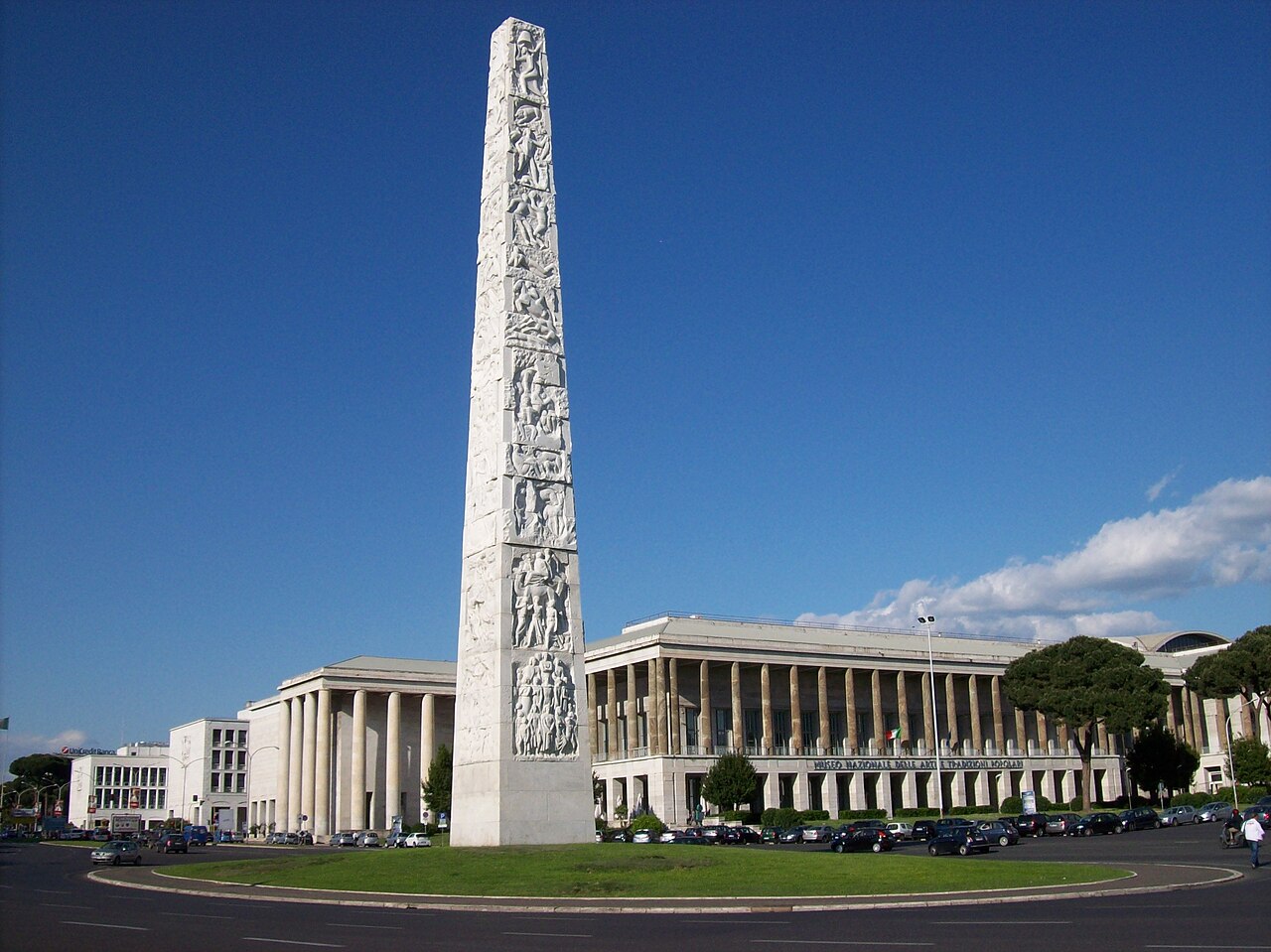
EUR District
Mussolini-era rationalist architecture with Square Colosseum
Explore
Piazza del Popolo
Iconic square with twin churches and Pincio views
Explore
Venice Day Trip
Experience the magic of the floating city from Rome
Explore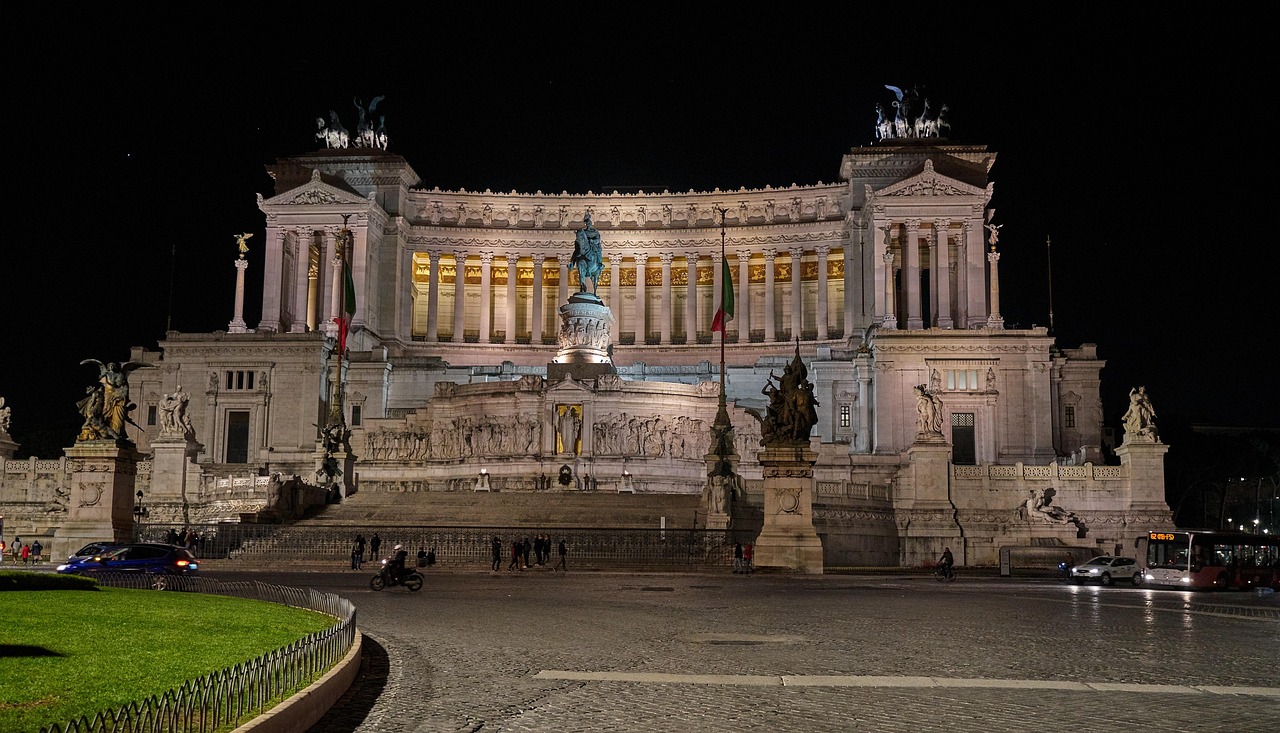
Piazza Venezia
Grand central square with Victor Emmanuel Monument
Explore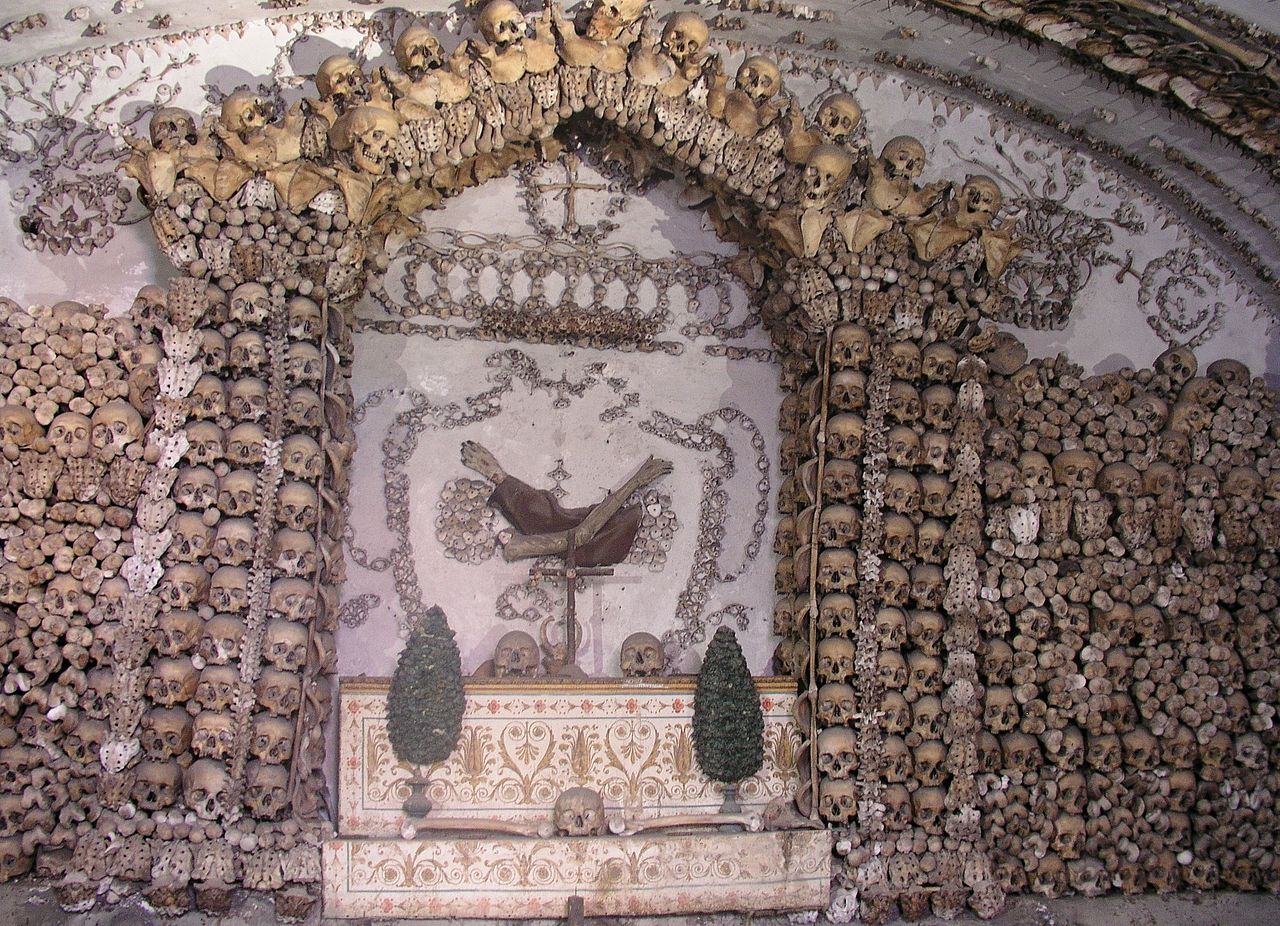
Capuchin Crypt
Haunting ossuary with 3,700 friars' bones arranged artistically
Explore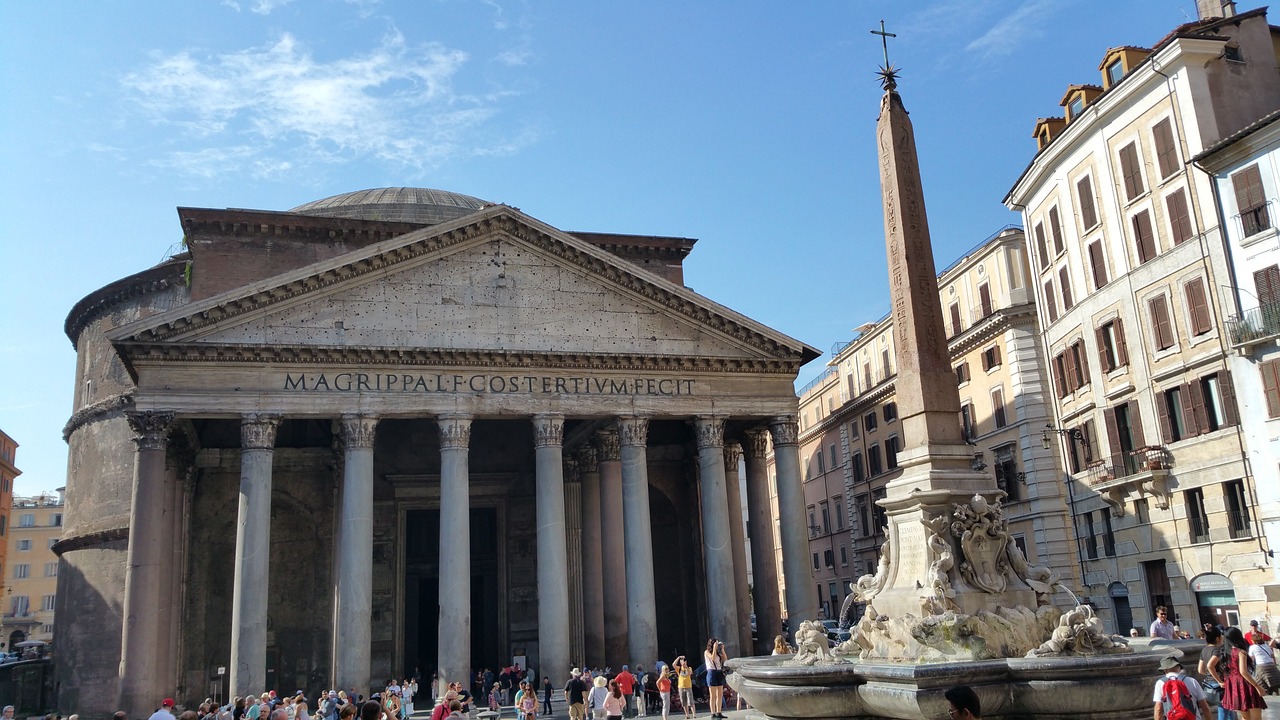
Pantheon
Best-preserved Roman building with the world's largest unreinforced concrete dome
ExploreQuick Planning Guide
⏱️ Time Needed
30 min – 1 hour (loop)
💰 Cost
Always free
🎫 Reservation
Never required
♿ Accessibility
Flat with cobblestones · ramps both sides
📅 Best Time
Sunset · summer evenings
👨👩👧👦 Family Friendly
Yes — safe, car-free, riverside
🌡️ Weather
Outdoor — riverside path closes in floods
Nearby Attractions
Jewish Ghetto1-min walk
Trastevere3-min walk
Portico of Octavia4-min walk
Theatre of Marcellus5-min walk
Largo di Torre Argentina8-min walk
Bocca della Verità10-min walk
Featured In These Itineraries
Hidden Gems of RomeFree Things to Do in RomeClassic Rome 3-DayEssential Tips
- ✓ Visit at sunset for golden travertine light
- ✓ Cross both bridges for two different views
- ✓ Isola del Cinema: historically a summer festival — check current dates
- ✓ Combine with Jewish Ghetto + Trastevere
- ✓ Riverside path closes in winter floods