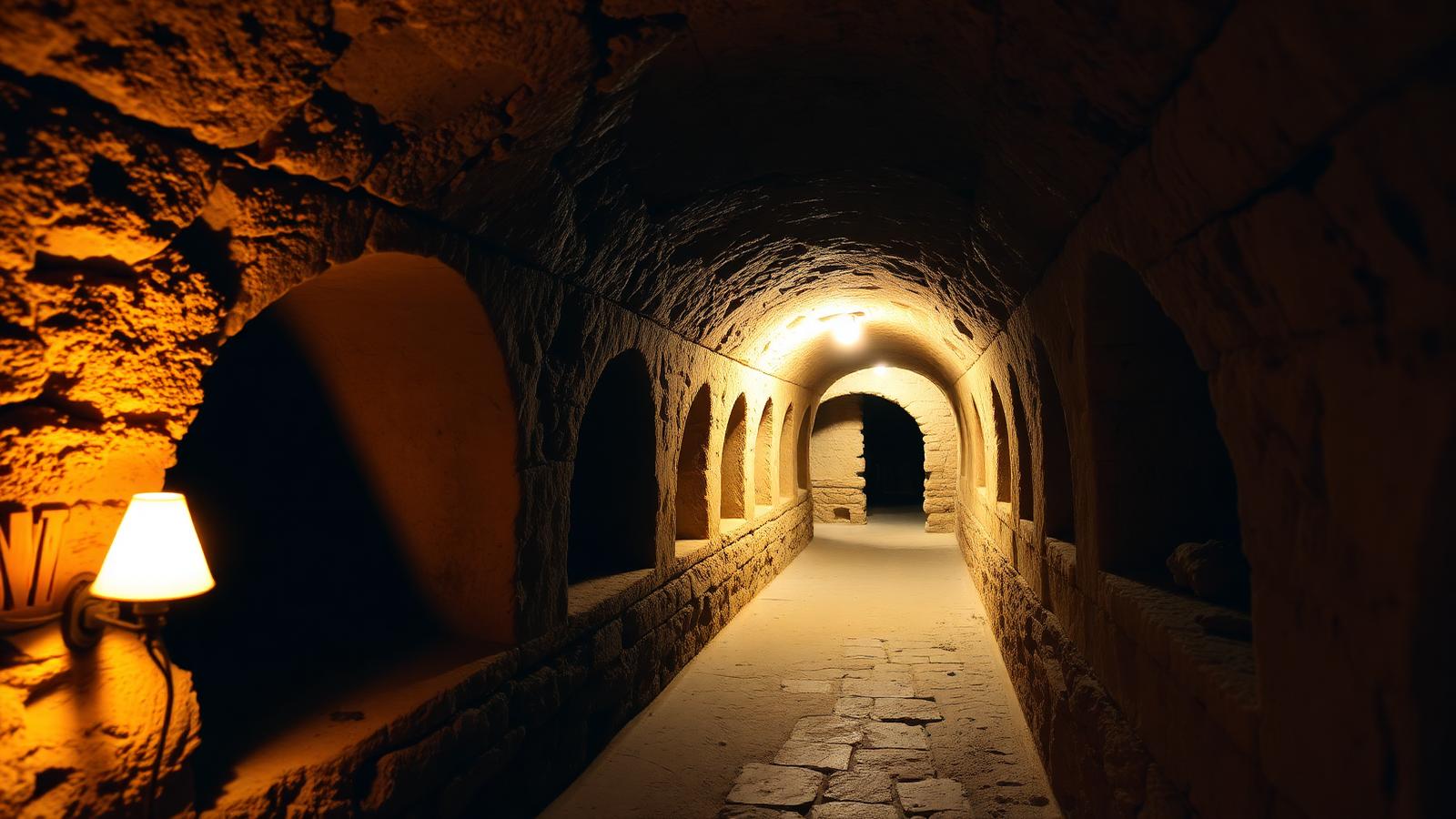
 Lesser-Visited Christian Site
Catacombs of San Pancrazio
Beneath the Janiculum Hill — the traditional burial place of a young martyr and the medieval shrine where oaths were once believed to be binding.
Tue–Thu limited hoursContact for admissionEarly ChristianJaniculumPiazza di San Pancrazio, 5/D, 00152 RomaOpen on MapPlan Your Visit
Compare tickets, tours and stays — booking ahead usually gives more choice
Get TicketsBook a TourHotels NearbyBy AllTrips Editors••8 min readThe Catacombs of San Pancrazio (Italian: Catacombe di San Pancrazio) lie beneath the basilica of the same name on Rome's Janiculum Hill — among the few catacombs on the right bank of the Tiber, and traditionally associated with the burial place of Saint Pancras, a young martyr whose life is known chiefly through hagiographic tradition rather than documented history. From the early Middle Ages his tomb became an important pilgrimage site: medieval belief held that oaths sworn here were binding, with perjurers said to face divine punishment. The basilica above is traditionally attributed to Constantine's era and was restored under Pope Honorius I in the 7th century; it has long been associated with the Discalced Carmelite community. Visiting hours are limited — the catacombs are open only on select days each week, so checking current hours before you go is essential.
📋 In This Guide
Duration
1–1.5 hr
Cost
Contact basilica
Photos
Basilica only
Type
Christian catacomb
Why Visit the Catacombs of San Pancrazio?
Where the Appian Way catacombs are scaled for tour buses, San Pancrazio sees far fewer visitors. There are no coach groups, no skip-the-line queues, no gift shop — just the traditional burial place of a young martyr beneath a basilica with roots said to reach back to Constantine's era, on one of Rome's most scenic hills, long associated with the Discalced Carmelite community. It offers a quieter, more contemplative catacomb experience than the major sites along the Appian Way.
The Young Martyr Pancras
According to tradition (hagiography rather than documented history), Pancras was martyred as a youth for his Christian faith. The traditional burial place associated with him is the focus of the catacomb.
The Medieval Oath Tradition
Medieval belief held that oaths sworn on Pancras' tomb were unbreakable, with perjurers thought to face divine punishment — a belief reflecting medieval piety rather than a documented event. A London church and station are named in his honour.
Traditional Constantinian Origins
The basilica above is traditionally attributed to Constantine's era, and was substantially restored under Pope Honorius I in the 7th century.
A Quieter Catacomb
Off the main coach circuit and with limited opening hours, San Pancrazio typically sees far fewer visitors than the Appian Way catacombs.
What to See on the Tour
Traditional Tomb of Saint Pancras
The burial niche traditionally associated with the martyr, long the focus of visits and pilgrimage.
Honorian Galleries
Underground galleries associated with Pope Honorius I's restoration of the site in the 7th century.
Early Christian Loculi
Burial niches stacked in tufa walls, some bearing fragments of marble closure slabs and Christian symbols.
Basilica of San Pancrazio (above)
Traditionally attributed to Constantine's era, restored under Honorius I and remodelled later. The saint's relics rest in the high altar.
Frescoes and Artwork
The basilica's nave and altar area contain later devotional frescoes and artwork related to Pancras' story.
Medieval Inscription Hall
A small chamber preserving medieval pilgrim inscriptions connected to the site's long history as an oath-taking shrine.
A Traditional Martyr Story and a Long Pilgrimage History
From an early Christian burial ground to a lasting pilgrimage site — the traditional history of the Janiculum Hill catacombs.
Traditional datingMartyrdom of Pancras
According to hagiographic tradition, Pancras was martyred as a young Christian under Diocletian's persecutions and buried in a cemetery on the Janiculum. These details rest on tradition rather than documented biography.
Traditionally attributedEarly Basilica Founded
A basilica over the traditional burial place is traditionally attributed to Constantine's era, one of several early suburban churches of the Roman Church.
7th centuryHonorian Restoration
Pope Honorius I restores the basilica and the galleries associated with it below, reinforcing San Pancrazio's role as a pilgrimage site.
Medieval EraThe Oath Tradition
Pancras' tomb becomes an important site for sworn oaths, with medieval belief holding that perjurers would be struck down — a belief characteristic of the period's piety.
1600sDiscalced Carmelites Associated with the Site
The Discalced Carmelite order becomes associated with the basilica, overseeing restoration work and the church's devotional life across the centuries since.
1798Napoleonic-Era Disruption
The basilica, like many Roman churches, faced disruption during the Napoleonic period in Rome.
1849Roman Republic Fighting Nearby
The Janiculum Hill was the site of fighting during the defence of the Roman Republic, with the area around the basilica affected.
PresentA Quiet, Limited-Access Site
Restored and still associated with the Carmelite community, the basilica and catacombs remain a lesser-visited Christian site with limited public opening hours.
Tickets & Booking
🎟️ Admission
Confirm current admission arrangements directly with the basilica at segreteria@sanpancrazio.org, as official pricing is not consistently published.
🕒 Official Opening Hours
Tuesday and Thursday 09:30–12:00; Wednesday 09:30–12:00 and 16:30–18:00. Other days may be possible by reservation. Closed Friday through Monday.
📅 Closures
Closed on Christmas, January 1 and Easter, and during an annual closure in August. Confirm dates before planning your visit.
✉️ Contact
Email segreteria@sanpancrazio.org for questions about visiting, group arrangements, and language availability.
Best Time to Visit
Time of Day
Tuesday–Thursday mornings ⭐ Best: The catacombs' only regular opening days — arrive within the posted hours.
Wednesday afternoon: An additional 16:30–18:00 window on Wednesdays only.
Avoid Mass times: Catacomb visits may pause for the basilica's liturgy.
Confirm ahead: Hours can vary, so check with segreteria@sanpancrazio.org before visiting.
Season
Spring (Mar–May) ⭐ Best: Janiculum gardens and Villa Pamphili in bloom, and mild temperatures underground.
Autumn (Sep–Nov): Soft golden light and mild temperatures.
Summer: Note the site's annual closure during August (Ferragosto) — plan around it.
Winter: Quieter, but check for closures around Christmas and Easter.
Rules & What to Bring
📵 No Photography Underground
Forbidden in the catacombs to protect the inscriptions and out of respect for the sacred site. The basilica above is fine for photos.
🧥 Bring a Light Layer
The catacombs stay cool underground year-round — a light jacket is a good idea, especially outside summer.
👟 Flat, Comfortable Shoes
Steep stairs descend from the basilica and tufa floors are uneven. No heels, no flip-flops.
👗 Modest Dress (basilica)
Cover shoulders and knees out of respect for the active church above. The Carmelites are gracious but the rule is firm.
San Pancrazio vs Other Roman Catacombs
| Catacomb | Cost | Booking | Highlight | Crowds |
|---|---|---|---|---|
| San Pancrazio | Contact basilica | Limited days; confirm ahead | Traditional tomb of Pancras, Janiculum location | Low |
| San Callisto | €10 | Walk-up OK | Crypt of the Popes, Saint Cecilia | High (coach tours) |
| San Sebastiano | €10 | Walk-up OK | Triclia of Peter & Paul, basilica above | Medium |
| Domitilla | €10 | Walk-up OK | Intact 4th-century underground basilica | Medium |
| Marcellinus & Peter | From €10 | Required, 2–4 wk ahead | 900+ frescoes, Mausoleum of Helena | Very low |
San Pancrazio offers a quieter, more intimate visit and a convenient pairing with the Janiculum panoramic terrace and Bramante's Tempietto, though its limited opening hours require planning. Consider it as a complement to one of the bigger Appian Way sites, not a replacement.
Common Mistakes to Avoid
Showing up outside opening hours
The catacombs are only open on limited days (Tue, Wed, Thu). Confirm hours with segreteria@sanpancrazio.org before visiting.
Confusing it with Appian Way catacombs
San Pancrazio is on the Janiculum Hill near Trastevere — a separate site from San Callisto and San Sebastiano.
Arriving during Mass
Catacomb visits may pause for the basilica's liturgy. Confirm the schedule when you check opening hours.
Skipping the basilica above
The relics, altar and Carmelite history above are worthwhile context for the visit below.
Underestimating the hill
Walking up from Trastevere is a steep climb. Buses 19N, 44, 44F, 870 and 871 serve the area and are an easier option.
Not pairing with the Tempietto
Bramante's masterpiece and the Janiculum terrace are a short walk away — a natural extension to the visit.
Nearby Colosseum & Forum Tickets
The Janiculum sits high above Trastevere — pair a San Pancrazio morning with a Trastevere lunch and a Colosseum afternoon for a quintessential Rome day. Skip-the-line options below.
Colosseum Priority Entrance
Best for: First-time visitors
~2 hoursSkip-the-line access to the Colosseum with entry to Roman Forum and Palatine Hill included. Perfect for first-time visitors.
- Skip-the-line entry
- Colosseum access
- Roman Forum included
- Palatine Hill included
🎟️ Compare Prices:
TiqetsKlookTrip.comColosseum Guided Tour
Best for: History enthusiasts
~3 hoursExpert-led tour with professional guide sharing gladiator history, architecture secrets, and ancient Roman stories.
- Professional English-speaking guide
- Skip-the-line entry
- In-depth historical commentary
- Small group experience
🎟️ Compare Prices:
TiqetsKlookTrip.comColosseum Arena & Underground
Best for: Unique experience seekers
~3.5 hoursWalk where gladiators fought on the arena floor and explore the underground chambers where they awaited their fate.
- Arena Floor access
- Underground chambers access
- Roman Forum & Palatine Hill
- Expert guided tour included
🎟️ Compare Prices:
TiqetsKlookTrip.comPair Your Visit With
Janiculum Hill Terrace10 minutes' walk — the city's most cinematic panoramic terrace, with the noon cannon and the Garibaldi monument.
TrastevereWalk back down the hill into Rome's most atmospheric neighbourhood — Santa Maria in Trastevere, ivy-covered alleys, and the city's best trattorias.
Catacombs of San CallistoThe famous Appian Way catacomb — pair with San Pancrazio for a complete catacombs day, contrasting the famous and the hidden.
Must-See Highlights
Traditional burial place of the young martyr Saint PancrasOne of relatively few catacombs on Rome's Janiculum Hill, off the Appian Way circuitBasilica of San Pancrazio, traditionally attributed to Constantine's eraMedieval oath-taking tradition associated with Pancras' tombFrescoes and artwork inside the basilica aboveLong association with the Discalced Carmelite communityShort walk from Bramante's Tempietto and the Janiculum panoramic terraceA quieter, less-visited alternative to the Appian Way catacombsGetting There
🚍 Bus
Buses 19N, 44, 44F, 870 and 871 serve the area around Piazza San Pancrazio.
🚶 Walk from Trastevere
A steep but scenic uphill walk through the Porta San Pancrazio, passing Garibaldi's monument and the Janiculum terrace on the way.
🚕 Taxi
A convenient option from the historic centre. Ask for "Basilica San Pancrazio, Janiculum".
Where to Stay Near Catacombs of San Pancrazio
Looking for convenient accommodation near Catacombs of San Pancrazio? Stay within walking distance to make the most of your visit.
Hotels Near This AttractionTop Rated HotelsBudget-Friendly OptionsLuxury HotelsCentral locations with easy access to Catacombs of San Pancrazio and other attractionsFrequently Asked Questions
What makes the Catacombs of San Pancrazio special in 2026?
According to tradition, they hold the burial place of Saint Pancras, a young martyr venerated since antiquity. The basilica above is traditionally attributed to Constantine's era and was restored under Pope Honorius I in the 7th century. The site sees far fewer visitors than the Appian Way catacombs and requires advance planning to visit.
How do I book a visit?
The catacombs are open Tuesday and Thursday 09:30–12:00, and Wednesday 09:30–12:00 and 16:30–18:00. Other days may be possible by reservation; the site is closed Friday through Monday. Closed on Christmas, January 1, Easter, and during the annual August closure. Contact segreteria@sanpancrazio.org to confirm current hours and arrange a visit.
Why is Saint Pancras associated with oaths?
Medieval tradition held that oaths sworn at Pancras' tomb were especially binding, and that those who swore falsely would be struck down — a belief characteristic of medieval piety rather than a documented event. The tradition was strong enough that English usage once referenced oaths sworn 'on Saint Pancras,' and a London parish and station bear his name.
How much does it cost in 2026?
Check with the basilica directly (segreteria@sanpancrazio.org) for current admission or donation arrangements, as official pricing details are not consistently published.
Can I visit the basilica without booking the catacombs?
Yes. The Basilica of San Pancrazio is open during regular hours and contains the saint's relics at the high altar. The catacombs beneath follow the separate schedule above and are best confirmed in advance.
Are the catacombs wheelchair accessible?
No. Steep stairs descend from the basilica into the underground chambers, with uneven tufa floors. The basilica above is partially accessible.
How do I get to the Janiculum Hill from central Rome?
Buses 19N, 44, 44F, 870 and 871 serve the area around Piazza San Pancrazio. By foot it's a steep uphill walk from Trastevere through the Porta San Pancrazio. The catacombs are a short walk from the Janiculum panoramic terrace and the Bramante Tempietto.
Should I see San Pancrazio or the Appian Way catacombs?
Different categories: the Appian Way catacombs (San Callisto, San Sebastiano) are larger, better known and easier to book with regular walk-up hours. San Pancrazio is smaller and quieter, with limited opening times, and pairs well with a Janiculum Hill visit (Tempietto, panoramic terrace, Trastevere).
Related Attractions
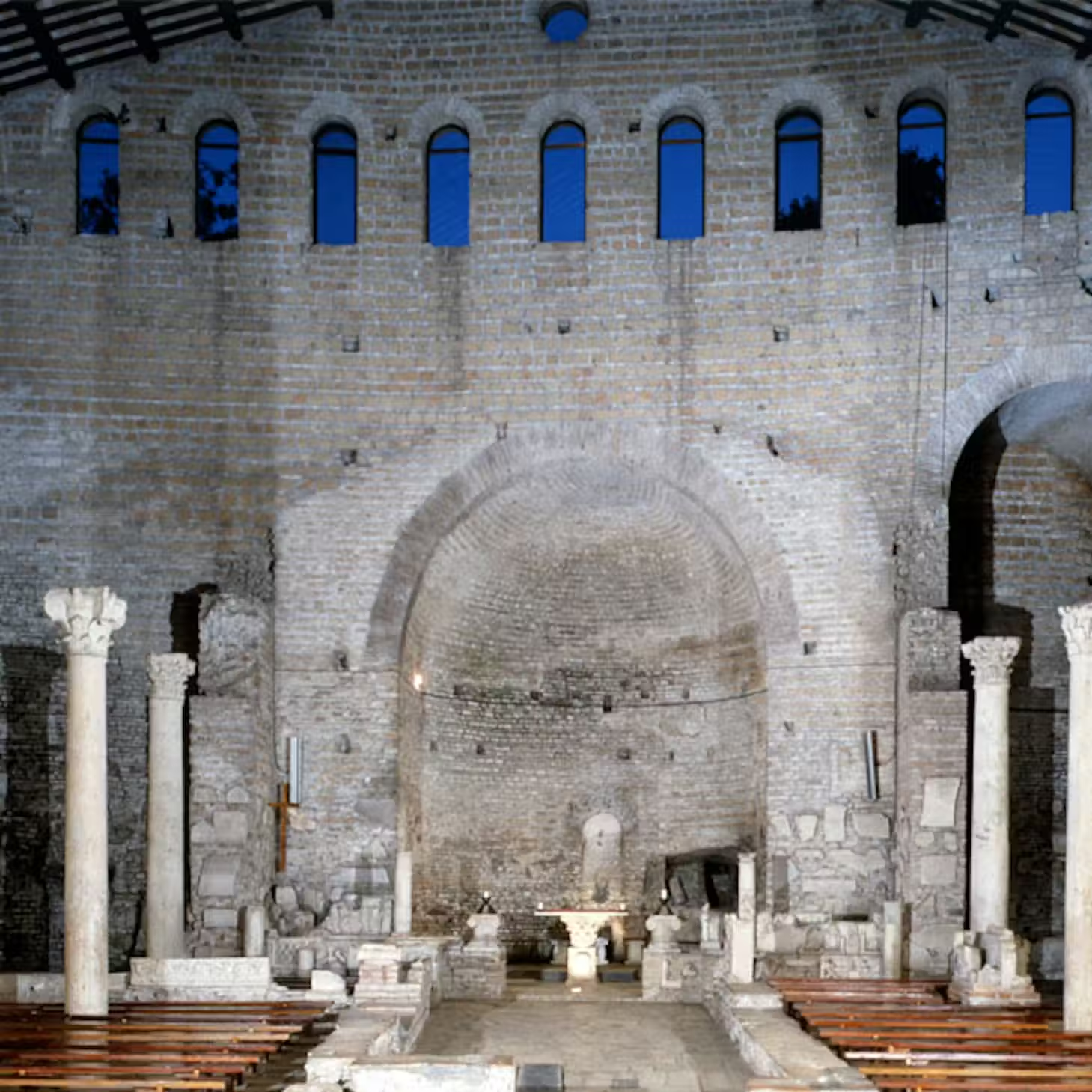
Catacombs of Domitilla
Rome's oldest catacombs—17km of tunnels and underground basilica
Explore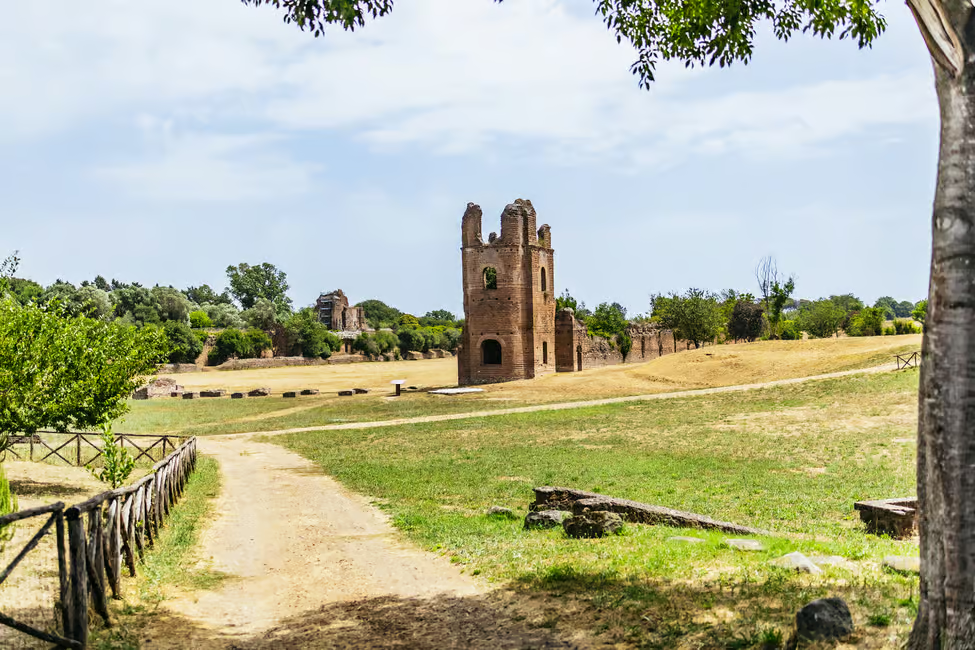
Appian Way
The Queen of Roads—walk on 2,300-year-old Roman paving stones
Explore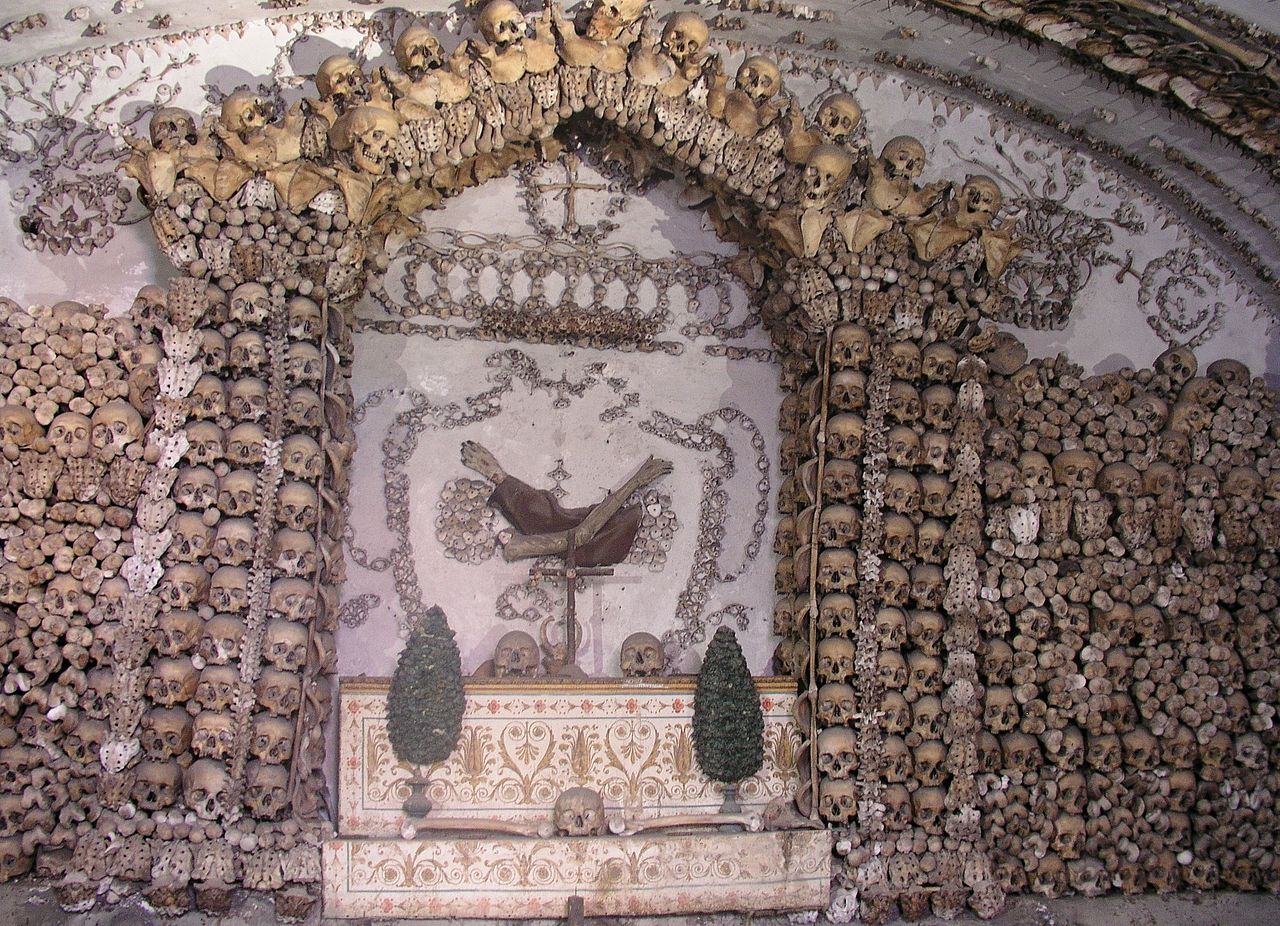
Capuchin Crypt
Haunting ossuary with 3,700 friars' bones arranged artistically
Explore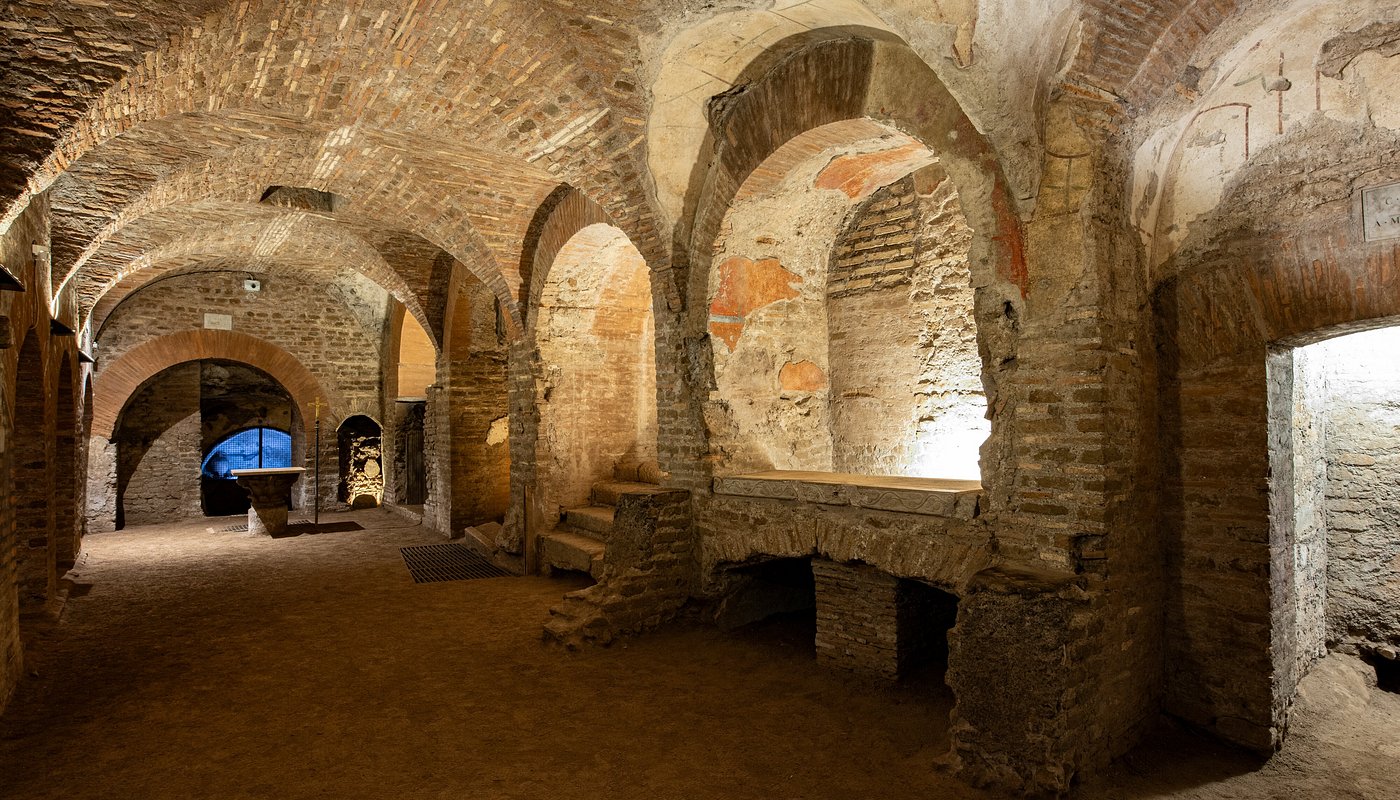
Catacombs of Priscilla
Rare early Christian frescoes including an early image identified as the Virgin and Child
Explore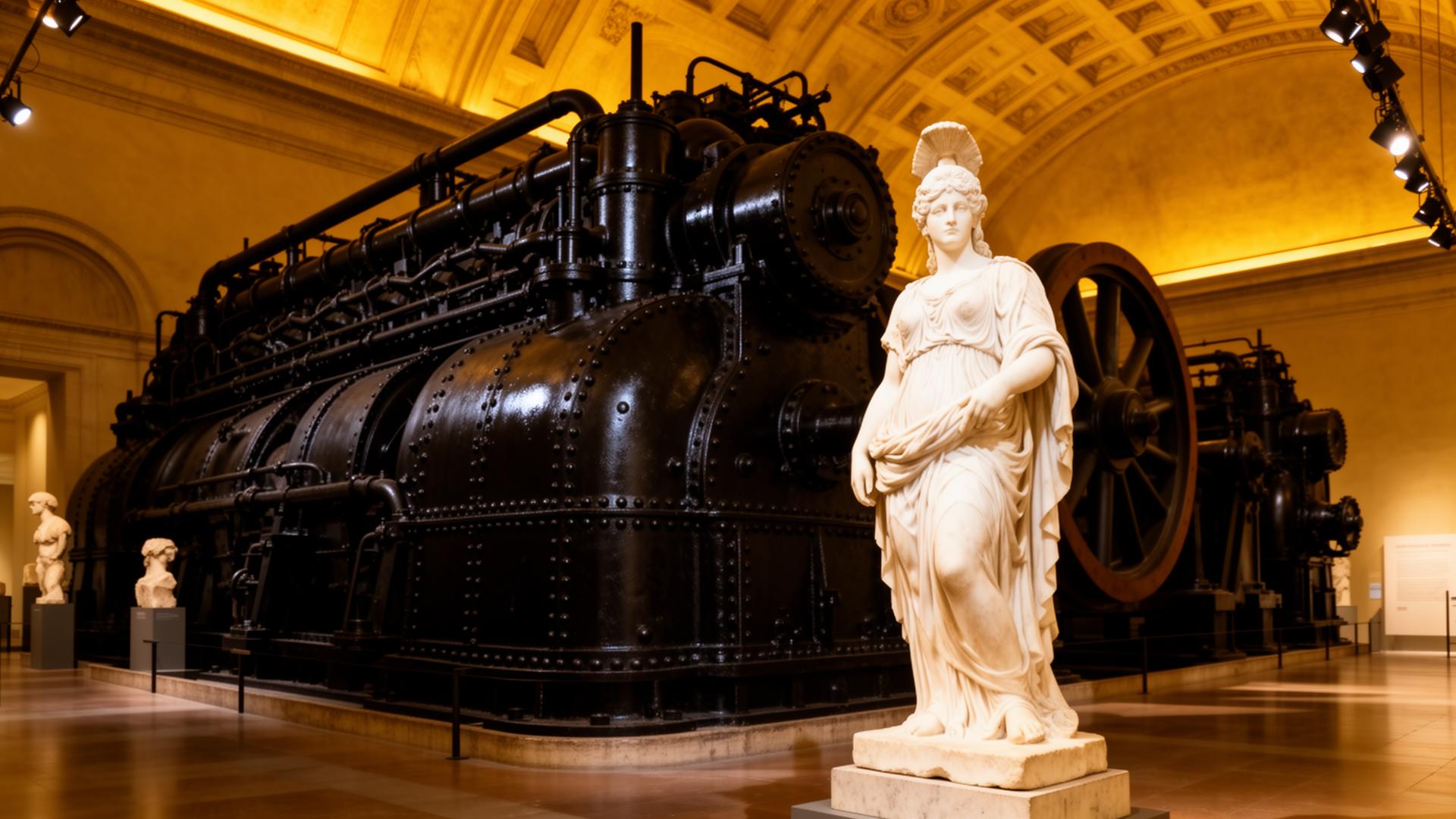
Centrale Montemartini
Ancient sculptures among industrial machinery—Rome's most unique museum
Explore
Porta Maggiore
Monumental 1st-century aqueduct arches later incorporated into the Aurelian Walls
ExploreQuick Planning Guide
⏱️ Time Needed
Around 1 hour
💰 Cost
Contact basilica for current admission
🎫 Reservation
Tue & Thu 09:30–12:00; Wed 09:30–12:00 & 16:30–18:00; other days by reservation; closed Fri–Mon
♿ Accessibility
Catacombs not accessible; basilica partially
📅 Best Time
Tuesday, Wednesday or Thursday mornings
👨👩👧👦 Family Friendly
Recommended 8+
🌡️ Weather
Cool underground year-round
Nearby Attractions
Bramante's Tempietto10-min walk
Janiculum Panoramic Terrace10-min walk
Garibaldi Monument10-min walk
Trastevere25-min downhill walk
Villa Pamphili5-min walk
Featured In These Itineraries
Hidden Gems of Rome5 Day Rome ItineraryClassic Rome ItineraryEssential Tips
- ✓ Check current opening hours before visiting — access is limited to a few days a week
- ✓ Bring a light jacket for the cooler underground temperature
- ✓ Wear flat shoes for steep stairs and tufa floors
- ✓ Combine with the Tempietto and Janiculum terrace
- ✓ Contact segreteria@sanpancrazio.org with questions