 World's Oldest Museum
Capitoline Museums
Rome's extraordinary ancient sculpture collection in Michelangelo's magnificent piazza
2-3 hoursVariesFree 1st SundayPiazza del Campidoglio 1, 00186 Roma RMOpen on MapPlan Your Visit
Compare tickets, tours and stays — booking ahead usually gives more choice
Get TicketsBook a TourHotels NearbyWhy Visit the Capitoline Museums?
Perched atop Rome's most sacred hill, the Capitoline Museums are not just a treasure trove of ancient art—they're history itself. Pope Sixtus IV's 1471 donation of ancient bronzes to the Roman people laid the foundation for the collection, which opened to the public in 1734, making it one of the world's oldest public museums. Two magnificent Renaissance palaces, designed by Michelangelo, face each other across the stunning Piazza del Campidoglio, housing masterpieces from the Capitoline Wolf to the original bronze Marcus Aurelius. Underground, the ancient Tabularium offers unforgettable views across the Roman Forum.
World's Oldest Museum
Founded 1471, opened to the public in 1734—among the first public museums, predating the Louvre by decades
Capitoline Wolf
Rome's iconic symbol—the bronze she-wolf nursing Romulus and Remus
Michelangelo's Piazza
Experience the Renaissance master's architectural vision at its finest
Forum Views
The Tabularium gallery offers spectacular Roman Forum panoramas
Founded
1471
Type
Art Museum
Collection
Ancient & Renaissance
Entry
Varies
Visit Time
2-3 hours
Status
World's Oldest Museum
Table of Contents
Jump to any section of the itinerary
What to See at the Capitoline Museums
Capitoline Wolf (Lupa Capitolina)
The iconic bronze she-wolf nursing Romulus and Remus—Rome's most famous symbol and legendary founders. The wolf's dating is disputed: traditionally placed in the 5th century BC, though significant scholarship argues the bronze dates to the medieval period.
Marcus Aurelius Equestrian Statue
The original gilded bronze statue of the philosopher-emperor on horseback—one of the very few complete ancient equestrian bronzes to survive. The outdoor statue is a replica.
Dying Gaul & Galata Suicida
Powerful marble copies of Hellenistic originals depicting defeated Gallic warriors—among the most emotionally powerful ancient sculptures in existence.
Constantine's Colossal Fragments
Massive marble fragments from a 12-meter statue of Constantine—including the famous head, hand, and foot displayed in the courtyard.
History of the Capitoline Museums
From papal donation to world-class museum—over 500 years of collecting and preserving Rome's heritage
1471Museum Founded
Pope Sixtus IV donates a collection of ancient bronzes to the Roman people, a founding donation that laid the basis for the collection.
1536Michelangelo's Design
Pope Paul III commissions Michelangelo to redesign the piazza and buildings, creating the iconic trapezoidal layout.
1654Palazzo Nuovo Opens
The second palace opens to display the growing sculpture collection, mirroring the Palazzo dei Conservatori.
1734Public Opening
Pope Clement XII opens the museums to the public in 1734, making it one of the first truly public museums in the world.
1997Centrale Montemartini
The museum expands with a satellite location in a former power plant, creating a unique ancient-industrial setting.
PresentWorld Heritage Site
The Capitoline Museums remain one of Rome's most important cultural institutions, housing priceless ancient and Renaissance art.
Tickets & Entry Options
Book ahead to skip the lines, or visit on the first Sunday of the month for free entry. Since February 2026, residents of Rome and the Metropolitan City enter free with ID.
RecommendedStandard Entry Ticket
Varies by exhibition
Full access to all galleries including Palazzo dei Conservatori, Palazzo Nuovo, and the underground Tabularium passage with Roman Forum views.
Book TicketsRoma Pass
From €33
Includes free entry to Capitoline Museums plus public transport and discounts at other attractions—great for multi-day visits.
Free EntryFree First Sunday
Free
Free entry on the first Sunday of each month. Arrive early as queues can be long!
First Sunday Tip
Entry is free on the first Sunday of each month, but queues can be long. Arrive early or choose another day for a quieter visit.
Visitor Tips
Tabularium Views
Don't miss the underground gallery connecting the two palaces—it offers stunning views of the Roman Forum.
Marcus Aurelius
The original bronze equestrian statue of Marcus Aurelius is inside—the one in the piazza is a replica.
First Sunday Free
Entry is free on the first Sunday of each month—arrive early to beat the crowds.
She-Wolf & Twins
The iconic Capitoline Wolf is here—Rome's most famous symbol showing Romulus and Remus.
Common mistakes to avoid
Confusing the outdoor Marcus Aurelius with the original
The bronze equestrian statue at the centre of Michelangelo's piazza is a replica installed in 1981. The original — one of the very few complete ancient equestrian bronzes to survive antiquity — is indoors in the Palazzo dei Conservatori, in a glass-roofed exedra built specifically to display it. Many visitors photograph the replica and leave without seeing the real one.
Missing the Tabularium Forum view
The underground passage connecting the two palaces ends at the ancient Tabularium (78 BC), with arched windows looking directly across the Roman Forum to the Palatine Hill. It's arguably the single best Forum panorama in Rome — and most visitors leave without finding it because it's not on the main route. Note there is no internal visitor exit from here into the Roman Forum itself.
Assuming fixed hours without checking
The Capitoline Museums are open daily, including Mondays, under the ordinary current schedule of 09:30–19:30 (last admission one hour before closing). Always check the official site before your visit, as hours can vary.
Skipping the picture gallery (Pinacoteca)
Most visitors focus on ancient sculpture and never reach the second-floor Pinacoteca in the Palazzo dei Conservatori — which holds two original Caravaggios (St John the Baptist, The Fortune Teller), a Titian, plus Veronese and Tintoretto. It's a world-class painting collection hidden inside a sculpture museum.
Coming on the free first Sunday without arriving early
The first Sunday of each month is free at Rome's civic museums, including the Capitoline. Queues can become long by late morning. Arrive before 09:30 opening to avoid the wait, or visit on another day if you prefer a quieter experience.
Not climbing the Cordonata at sunset
Michelangelo's gentle ramped staircase up to the piazza was designed to be approached on horseback. Most visitors come up via the side from the Forum and miss the dramatic frontal entrance. Walk down to Piazza d'Aracoeli and approach the museums from below — the way Michelangelo intended.
Insider tips from locals
Combine with the Forum and Palatine for a 'Capitoline triangle' day
Your Capitoline ticket doesn't include the Forum, and there is no internal visitor exit connecting the two sites. Buy a separate Forum + Palatine + Colosseum combined ticket and do all three in one day. The geographical and historical thread between them is unmatched in Rome.
Visit the Centrale Montemartini satellite
A combined ticket with Centrale Montemartini — a former power station in the Ostiense district where ancient marbles are dramatically displayed against industrial machinery — has been offered in the past; verify the current product before relying on it. It's one of the most original museum installations in the world and almost no tourists visit. Combine with a Testaccio lunch.
Photograph the Cordonata at blue hour
Michelangelo's ramped staircase is uplit dramatically after dark. Stand at the base looking up between roughly 19:30 and 20:30 (winter) or 21:00 and 22:00 (summer) for the perfect blue-hour shot — the warm uplight on travertine against deep blue sky is one of Rome's most photogenic compositions.
Find the 'Spinario' (Boy with Thorn)
In the Hall of the Triumphs, look for the small bronze of a seated boy pulling a thorn from his foot. Made around 50 BC, it survived all of Rome's medieval melt-downs because it stood at the entrance to the medieval papal palace. It's one of the oldest continuously displayed bronzes in the world — and most visitors walk past without noticing.
Read the Constantine fragments as a single statue
The colossal marble head, hand, and foot in the Conservatori courtyard once belonged to a single 12-metre seated statue of Constantine in the Basilica of Maxentius. Stand back and mentally reconstruct the figure at full scale — it puts the political ambition of the late Roman emperors into stunning perspective.
Look for the medieval frescoes upstairs
On the upper floor of the Palazzo dei Conservatori, the Sala degli Orazi e Curiazi has stunning 16th-century frescoes by Cavalier d'Arpino (Caravaggio's master) showing scenes from early Roman history. Most visitors blow past on their way to the Pinacoteca. Slow down — these are some of the finest Mannerist frescoes in any Roman civic building.
Where to Stay Near Capitoline Museums
Looking for convenient accommodation near Capitoline Museums? Stay within walking distance to make the most of your visit.
Hotels Near This AttractionTop Rated HotelsBudget-Friendly OptionsLuxury HotelsCentral locations with easy access to Capitoline Museums and other attractionsFrequently Asked Questions
What are the Capitoline Museums?
The Capitoline Museums (Musei Capitolini) trace their origins to 1471, when Pope Sixtus IV donated ancient bronzes to the Roman people, and they opened to the public in 1734, making them among the world's oldest public museums. Located on Capitoline Hill in Michelangelo's magnificent piazza, they house an extraordinary collection of ancient Roman sculptures, Renaissance art, and archaeological treasures across two main palaces. They are part of Rome's civic (Musei in Comune) museum system.
What are the must-see highlights of the Capitoline Museums?
Don't miss the Capitoline Wolf (Lupa Capitolina) with Romulus and Remus, the original bronze equestrian statue of Marcus Aurelius, the colossal head and hand of Constantine, the Dying Gaul sculpture, Caravaggio's paintings, and the Tabularium gallery with Roman Forum views.
What are the opening hours and ticket prices?
The museums are open daily from 9:30 AM to 7:30 PM, with last admission one hour before closing—always check the official site for current hours. Non-resident admission varies with current exhibitions; check current pricing on the official civic museums site. Entry is free on the first Sunday of each month, and since February 2026, residents of Rome and the Metropolitan City enter free with ID.
How long should I spend at the Capitoline Museums?
Plan 2-3 hours to explore both palaces and the connecting Tabularium gallery. Art enthusiasts and history buffs may want longer. The piazza itself is free to visit and offers beautiful views.
What is the Tabularium?
The Tabularium is an ancient Roman building from 78 BC that now connects the two museum palaces underground. It offers spectacular views of the Roman Forum from its gallery windows—don't miss this unique vantage point! Note there is no internal visitor exit from the Tabularium into the Roman Forum itself.
Related Attractions

Leonardo da Vinci Experience
Immersive exhibition near Vatican with reproductions
Explore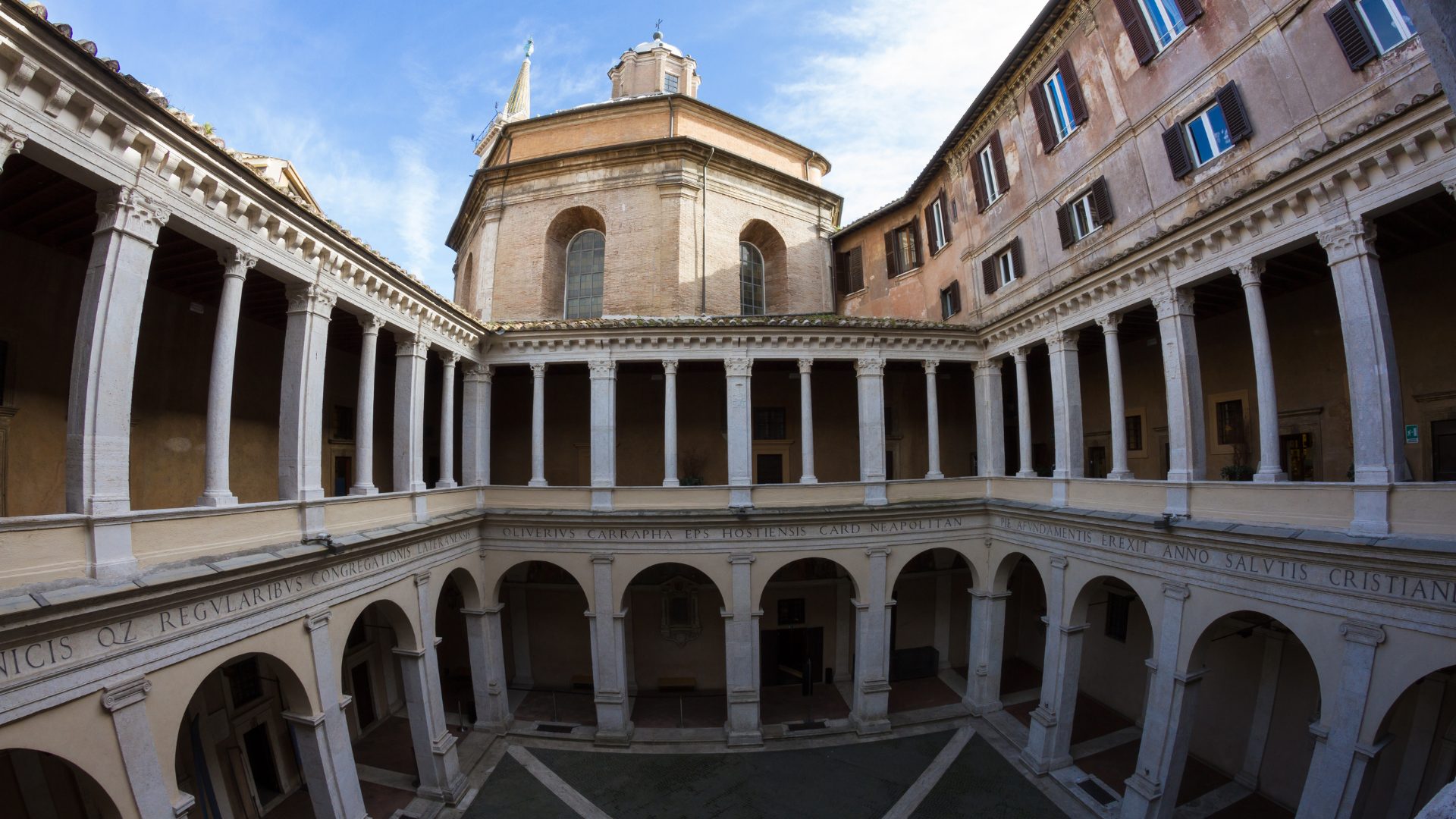
Chiostro del Bramante
Bramante's Renaissance cloister hosting world-class exhibitions
Explore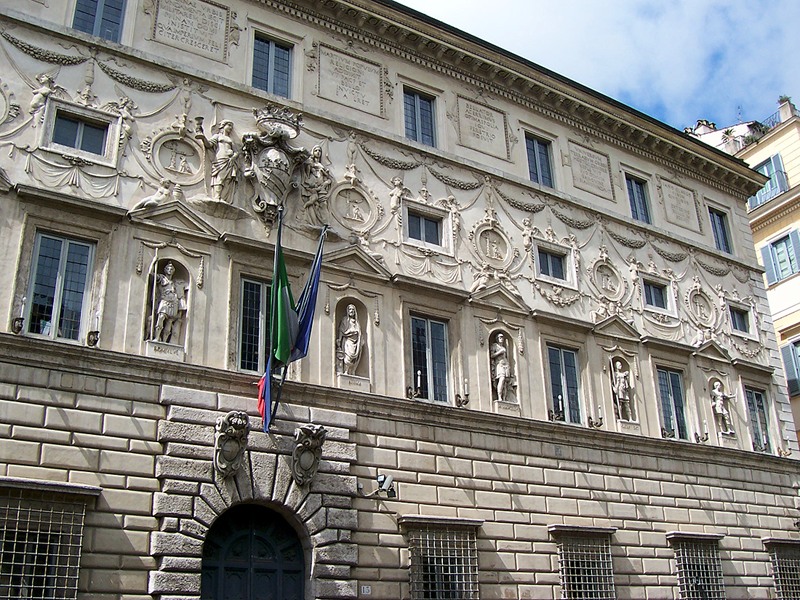
Galleria Spada
Intimate gallery with Borromini's optical illusion corridor
Explore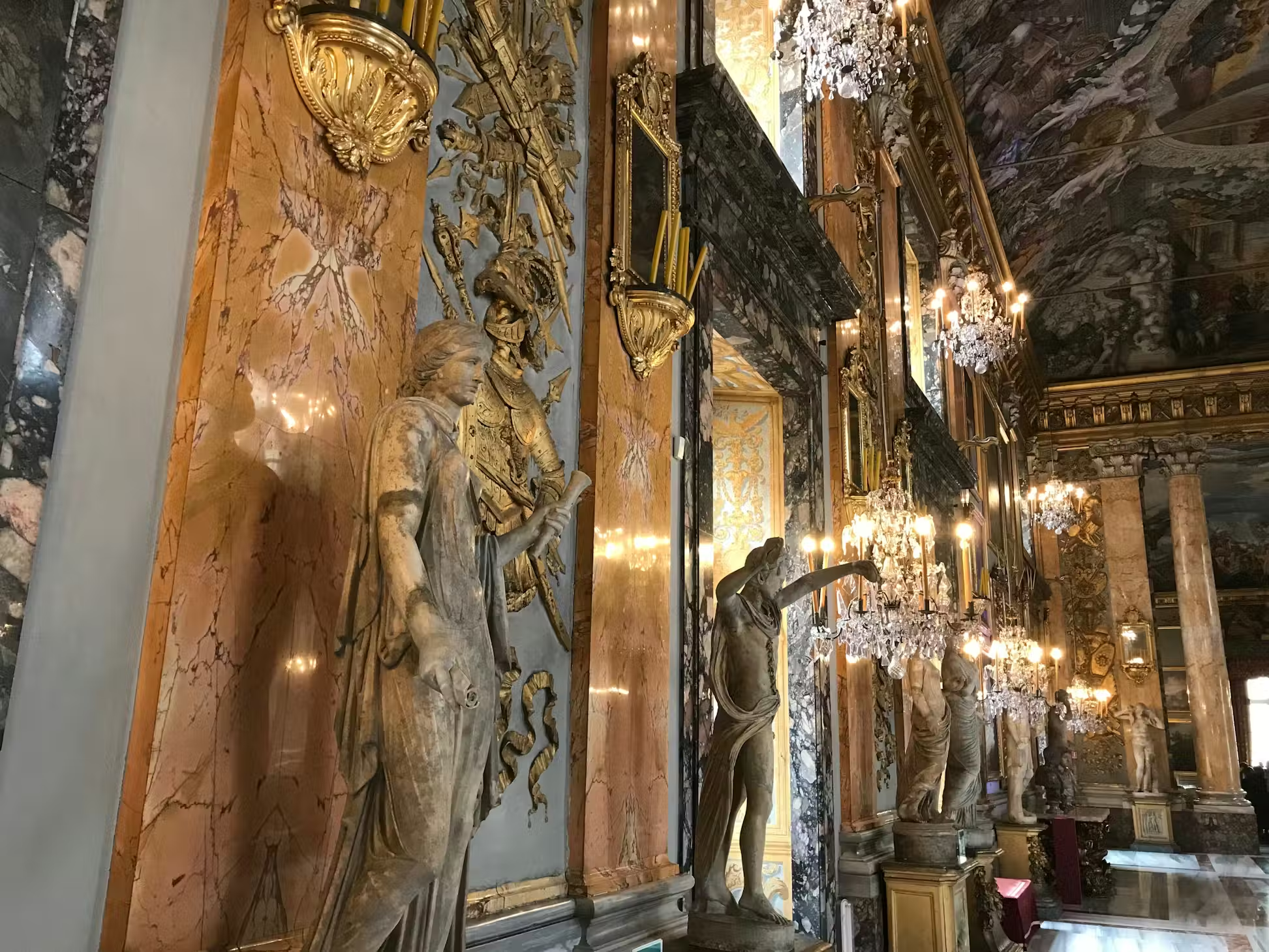
Galleria Colonna
Rome's most magnificent private Baroque gallery (open Friday and Saturday mornings; guided tour format)
Explore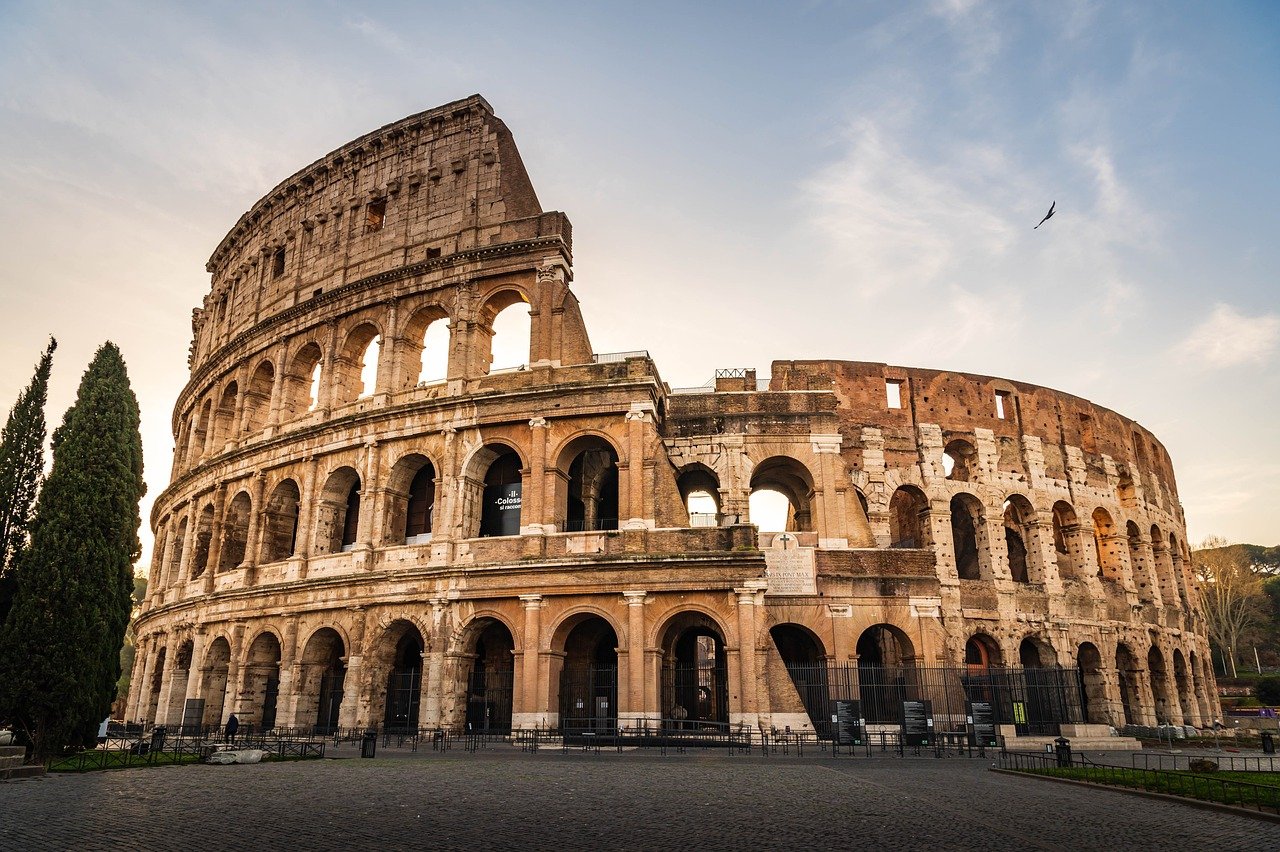
Colosseum
Iconic amphitheater and symbol of Imperial Rome, one of the New 7 Wonders
Explore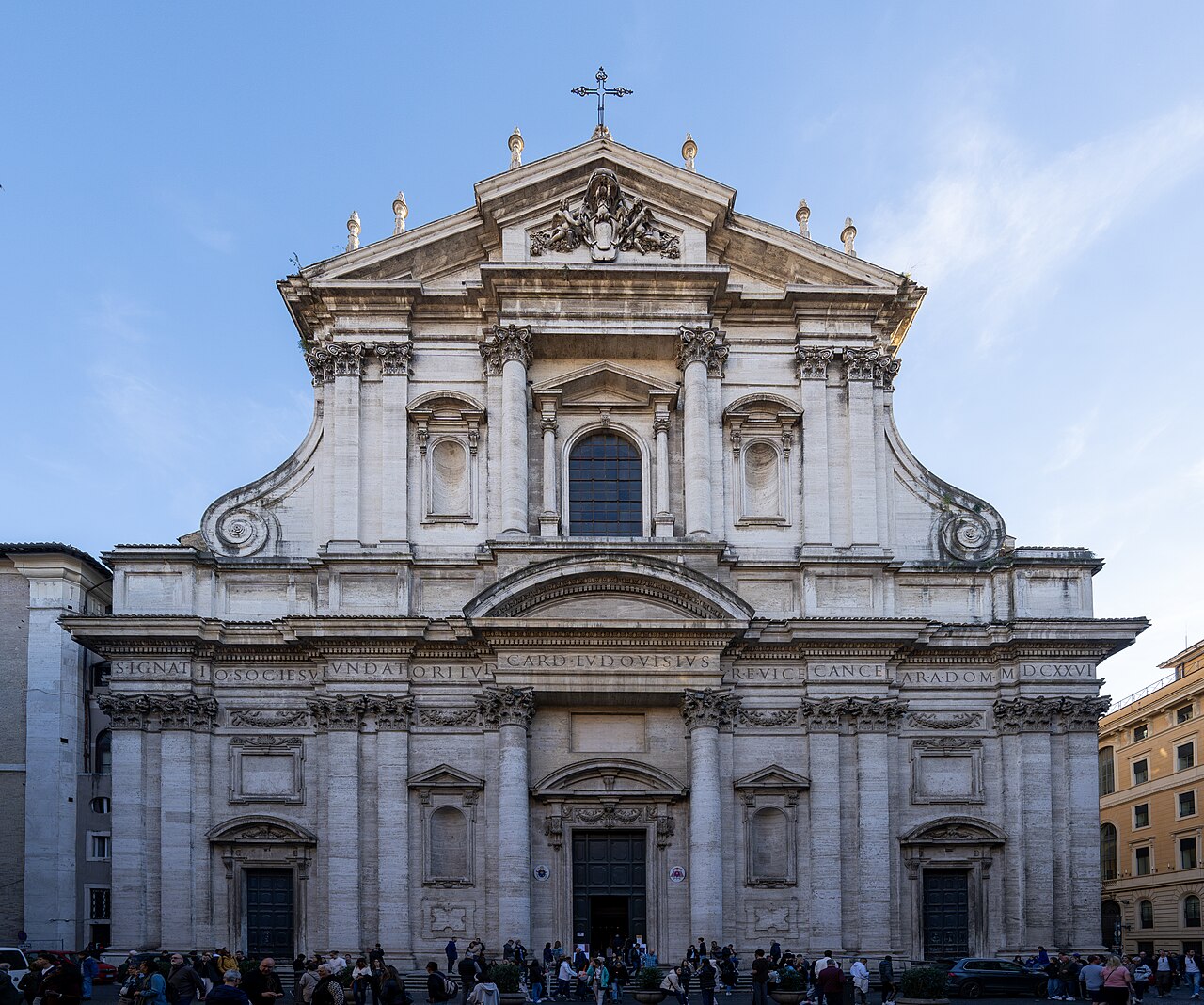
Sant'Ignazio di Loyola
Rome's most spectacular trompe-l'œil ceiling illusion
ExploreQuick Planning Guide
⏱️ Time Needed
2-3 hours
💰 Cost
Varies (free 1st Sunday)
🎫 Reservation
Recommended
♿ Accessibility
Partially accessible
📅 Best Time
Weekday mornings
👨👩👧👦 Family Friendly
Yes
Nearby Attractions
Roman Forum2-minute walk
Victor Emmanuel Monument2-minute walk
Piazza Venezia3-minute walk
Trajan's Market5-minute walk
Featured In These Itineraries
Classic Rome 3 Days5 Day Rome ItineraryFree RomeEssential Tips
- ✓ Book online to skip queues
- ✓ Free on first Sunday of each month
- ✓ Don't miss the Tabularium Forum views
- ✓ Allow 2-3 hours minimum