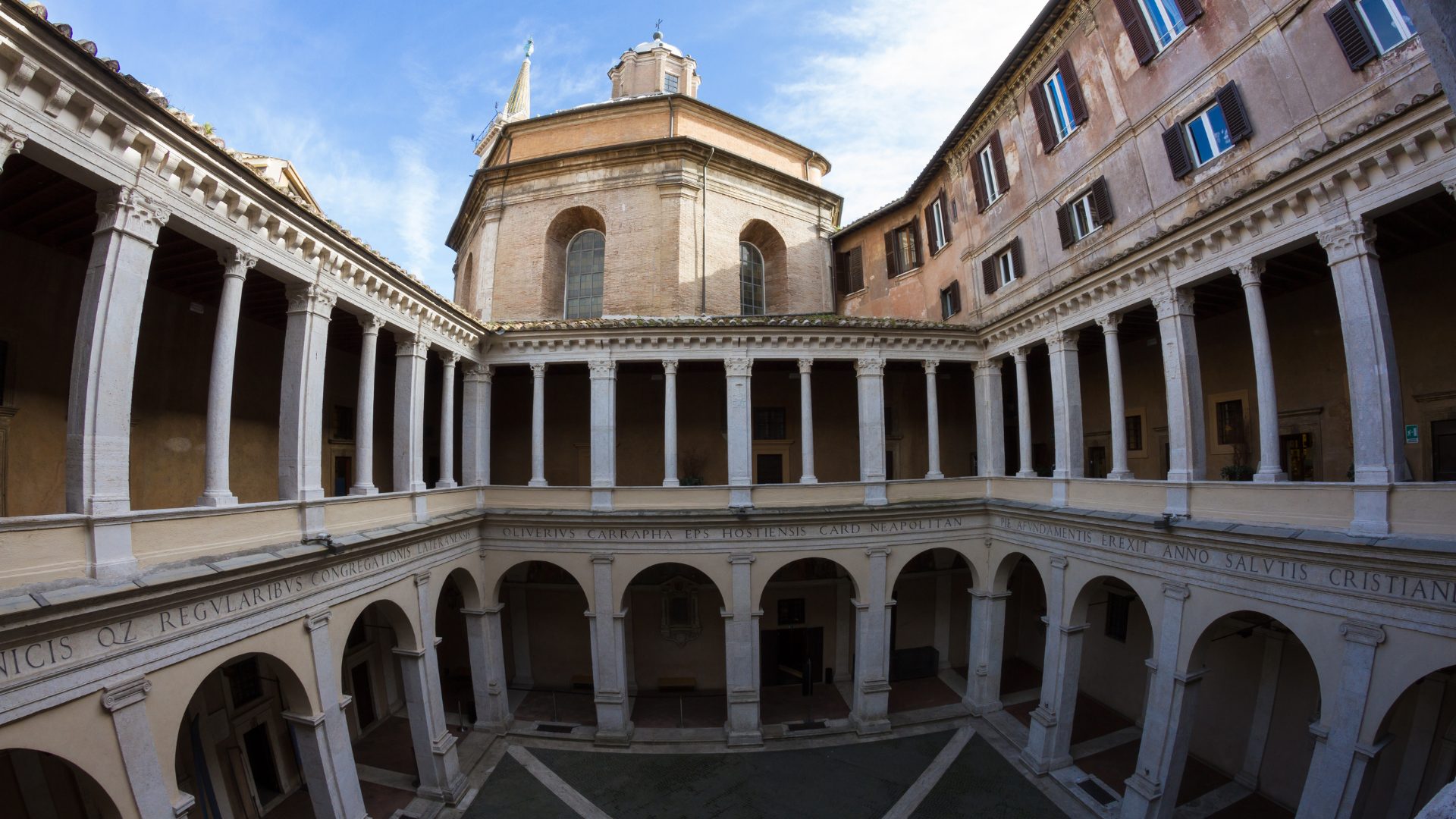
 Exhibition Space
Chiostro del Bramante
A Renaissance cloister by Bramante, currently hosting 'Flowers. Wonderful Nature' (until 6 September 2026)
1-2 hoursCheck exhibition siteArt ExhibitionsArco della Pace, 5, 00186 Roma RMOpen on MapPlan Your Visit
Compare tickets, tours and stays — booking ahead usually gives more choice
Get TicketsBook a TourHotels NearbyWhy Visit Chiostro del Bramante?
Chiostro del Bramante is where Renaissance architecture meets contemporary art. Designed by Donato Bramante (architect of St. Peter's Basilica) in 1500-1504, this elegant cloister now functions as an exhibition venue, currently hosting 'Flowers. Wonderful Nature' (until 6 September 2026). With its classical proportions, café, and location near Piazza Navona, it combines centuries-old architecture with changing exhibitions — hours and prices follow the current exhibition's calendar.
Bramante's Masterpiece
One of the finest examples of High Renaissance architecture in Rome, designed by the architect of St. Peter's Basilica
Current Exhibition
'Flowers. Wonderful Nature', running until 6 September 2026 — check the official site for hours and pricing
Beautiful Bistrot Café
One of Rome's most atmospheric spots for coffee, brunch, or aperitivo within Renaissance arches
Central Location
Steps from Piazza Navona yet quiet, in the heart of central Rome
Built
1500-1504
Architect
Donato Bramante
Focus
Temporary exhibitions
Entry
Varies by exhibition
Visit Time
1-2 hours
Café
Excellent bistrot
Table of Contents
Jump to any section of the itinerary
What to Experience
Renaissance Architecture
- Two-story loggia with perfect classical proportions
- Ionic columns on ground floor, Composite above
- Harmonious arches and pilasters by Bramante
- Original 16th-century design preserved
Temporary Exhibitions
- Currently hosting 'Flowers. Wonderful Nature' (until 6 Sept 2026)
- Venue has hosted major past shows including Banksy, Escher, Kahlo, Basquiat
- Digital and interactive experiences on rotation
- New exhibitions periodically — check before visiting
The Bistrot Café
- Café area accessible separately from the exhibition — confirm on arrival
- Set within Renaissance arches
- Coffee, brunch, lunch, and aperitivo
- One of Rome's most atmospheric spots
Raphael's Sibyls
- 1514 masterpiece in adjacent church
- Four Sibyls and four Prophets depicted
- Free entry to Santa Maria della Pace
- Baroque facade by Pietro da Cortona
Donato Bramante: The Architect
Father of High Renaissance Architecture
Donato Bramante (1444-1514) was the most influential architect of the Italian Renaissance. Born in Urbino, he trained as a painter before turning to architecture. His groundbreaking works include the famous Tempietto at San Pietro in Montorio (1502) and the original design for the new St. Peter's Basilica.
The Chiostro del Bramante, built between 1500-1504 for Cardinal Oliviero Carafa, showcases his mastery of classical proportions. The elegant two-story loggia with its harmonious columns demonstrates the same principles he would later apply to St. Peter's.
Today, his cloister provides a stunning backdrop for contemporary art—a fitting legacy for an architect who revolutionized how we think about space and proportion.
Photography Spots
The upper loggia offers the best angles for photographing the cloister's perfect symmetry. Golden hour light through the arches is magical.
Best Timing
Visit weekday mornings for quiet exhibition viewing. The café is busiest at weekend brunch—come early or for aperitivo instead.
Café Access
The café can often be visited separately from the exhibition via the side entrance on Via della Pace, but the balcony overlooking the cloister is normally reached with an exhibition or café visit — confirm on arrival.
Combine Visits
Perfect combined with Piazza Navona (2 min), Pantheon (5 min), and Campo de' Fiori (10 min). Plan a morning of art and architecture.
The Complete Experience
The Cloister Architecture
Bramante designed this cloister between 1500-1504, just before he was called to design the new St. Peter's Basilica. The elegant two-story loggia features perfect Renaissance proportions with Ionic columns on the ground floor and Composite columns above. Each arcade is carefully proportioned to create a sense of harmony and balance. Notice how the pilasters on the upper level align precisely with the columns below—this mathematical precision was revolutionary for its time.
Temporary Exhibitions
Since 1997, the venue has hosted major exhibitions on Banksy, M.C. Escher, Frida Kahlo, Jean-Michel Basquiat, and others. The current exhibition, 'Flowers. Wonderful Nature', runs until 6 September 2026. Shows are often immersive and interactive, using the Renaissance spaces in creative ways. Always check the current exhibition and its hours/prices on the official site before visiting.
The Bistrot Café
The café, set within the cloister, can often be visited separately from the exhibition via the side entrance on Via della Pace, where you can enjoy coffee, brunch, lunch, or aperitivo surrounded by Bramante's architecture. The café balcony overlooking the cloister is normally reached with an exhibition or café visit — confirm on arrival. Weekend brunch is popular—book ahead or come early if you want a table.
Santa Maria della Pace & Raphael's Sibyls
The cloister belongs to the church of Santa Maria della Pace, which contains Raphael's famous "Sibyls" fresco (1514). Painted just ten years after the cloister was completed, this masterpiece shows four Sibyls and four Prophets in dynamic poses. The church facade was redesigned by Pietro da Cortona in 1656 in the Baroque style. You can visit the church for free—enter through the main door on Vicolo della Pace.
History of Chiostro del Bramante
1482Church Founded
Pope Sixtus IV builds Santa Maria della Pace to celebrate the end of a papal war. The name means 'Our Lady of Peace.'
1500Bramante Commissioned
Cardinal Oliviero Carafa commissions Donato Bramante to design a cloister for the church complex.
1504Cloister Completed
Bramante finishes his masterpiece—a perfect example of High Renaissance architecture with classical proportions.
1514Raphael's Fresco
Raphael paints the Sibyls fresco in the church, adding a masterpiece of Renaissance painting to the complex.
1656Baroque Facade
Pietro da Cortona redesigns the church facade in the Baroque style, adding dramatic curves and theatrical elements.
1997Cultural Venue Opens
After careful restoration, the cloister reopens as an exhibition space and café, beginning its new life as a cultural destination.
PresentArt Destination
One of Rome's most beloved cultural venues, hosting major international exhibitions while preserving Bramante's architectural legacy.
Common mistakes to avoid
Buying a ticket just to see the cloister
You don't need an exhibition ticket to enter the cloister itself — the bistrot café occupies part of the ground floor and is normally reached via the side entrance on Via della Pace. Ordering a coffee can get you inside Bramante's cloister without an exhibition ticket, but the upper loggia/café balcony is normally accessible with an exhibition or café visit — confirm on arrival.
Skipping Raphael's Sibyls next door
Santa Maria della Pace, the church the cloister belongs to, holds Raphael's 1514 'Sibyls' fresco — one of his finest works in Rome — and it's completely free. Most cloister visitors leave without ever stepping inside the church. Enter through Vicolo della Pace; opening hours are limited so check before going.
Not checking which exhibition is on
Chiostro del Bramante is an exhibition space, not a permanent collection — the experience entirely depends on what's currently showing. The current exhibition, 'Flowers. Wonderful Nature', runs until 6 September 2026. Between shows the venue is essentially just the cloister and café. Always check the current programme and pricing on the official site before visiting.
Showing up without a slot at the weekend
Popular exhibitions can sell out at weekends. Tickets are typically timed-entry — book online for a specific slot, especially in March–October and around Italian school holidays, to avoid a wait at busy times.
Treating the bistrot as a quick coffee stop
The café operates as a full bistrot — weekend brunch is typically the busiest service in the venue and may run without reservations. If you want a table in the cloister at brunch time, arrive early or come for aperitivo instead, when it's usually calmer and the light through the arches is at its best.
Confusing it with Bramante's Tempietto
Bramante designed two famous Roman buildings: this cloister (1500–1504) near Piazza Navona, and the Tempietto at San Pietro in Montorio (1502) on the Janiculum hill. They're 25 minutes apart and very different experiences. Plan them as separate trips, not as a same-morning combo.
Insider tips from locals
Use the upper loggia for the best photos
The ground-floor cloister is photogenic, but a great shot is from the upper-floor loggia looking down through the arches into the courtyard. This café balcony overlooking the cloister is normally reached with an exhibition or café visit — confirm access on arrival. Late afternoon light through the western arches is lovely.
Pair it with Piazza Navona at sunrise
Piazza Navona is two minutes away and at its quietest before 09:00. Hit Navona for empty-square photos at 08:00, walk to the Chiostro café when it opens for breakfast, then catch the exhibition right at the 10:00 opening — you've done two of central Rome's best spots before tour groups arrive.
Read the architecture as a St Peter's preview
Bramante built this cloister in 1500–1504, shortly before being called to design the new St Peter's Basilica. The alignment of upper pilasters with lower columns, and the Ionic-then-Composite column hierarchy, reflect principles he later scaled up at the Vatican. Knowing this adds context to a quick visit.
Visit the church and cloister in one loop
Most visitors do either the cloister or the church, not both. A good loop: enter Santa Maria della Pace on Vicolo della Pace (opening hours are limited and can vary, so check before going), see Raphael's Sibyls, then walk round to Arco della Pace 5 to visit the cloister via the café. Both Renaissance sites in around 30 minutes.
Book aperitivo over brunch
Locals often avoid the weekend brunch rush and come for aperitivo instead, when the light is golden and the cloister empties of exhibition visitors. It's a relaxed aperitivo spot in central Rome that many tourist guides overlook — check the café's current hours and menu on arrival.
Combine with Pasquino, Rome's talking statue
Two minutes south on Piazza di Pasquino is Rome's most famous 'talking statue' — still covered in handwritten satirical notes pinned by Romans, a tradition since the 1500s. Doing Bramante's cloister and Pasquino back-to-back gives you the most refined and the most rebellious sides of Renaissance Rome in 15 minutes.
Where to Stay Near Chiostro del Bramante
Looking for convenient accommodation near Chiostro del Bramante? Stay within walking distance to make the most of your visit.
Hotels Near This AttractionTop Rated HotelsBudget-Friendly OptionsLuxury HotelsCentral locations with easy access to Chiostro del Bramante and other attractionsFrequently Asked Questions
How much does it cost to visit Chiostro del Bramante?
Ticket prices depend on the current exhibition — Chiostro del Bramante is an exhibition venue, not a museum with fixed pricing. The current exhibition, 'Flowers. Wonderful Nature', runs until 6 September 2026. Check the official site for current prices and any combined ticket options, which vary by show.
How long should I spend at Chiostro del Bramante?
Plan for 1-2 hours for the exhibition, plus extra time if you want to enjoy the café. The exhibitions are usually well-curated and not overwhelming. The beautiful cloister and café make it worth lingering.
What kind of exhibitions does Chiostro del Bramante host?
The venue hosts major international art exhibitions, often featuring immersive experiences and famous artists like Banksy, Escher, Frida Kahlo, and contemporary art installations. Exhibitions change every few months, so check their current program.
Is the café at Chiostro del Bramante worth visiting?
The bistrot café is set within Bramante's Renaissance cloister and is a pleasant spot for coffee or brunch. The café can generally be visited separately from the exhibition, but the balcony overlooking the cloister is normally reached with an exhibition or café visit — confirm access on arrival.
What's the connection to Raphael?
Bramante designed this cloister as part of Santa Maria della Pace church complex. Inside the church (accessible for free), you can see Raphael's famous 'Sibyls' fresco, painted in 1514. The cloister and church together showcase High Renaissance architecture and art.
Who was Donato Bramante and why is he important?
Donato Bramante (1444-1514) was one of the greatest architects of the Italian Renaissance. He designed the original plan for St. Peter's Basilica and the famous Tempietto. This cloister, built 1500-1504, demonstrates his mastery of classical proportions and elegant design.
Can I visit the church Santa Maria della Pace for free?
Yes! The adjacent church of Santa Maria della Pace is free to enter and contains Raphael's Sibyls fresco. The church's Baroque facade by Pietro da Cortona and the Renaissance interior make it worth a brief visit alongside the cloister.
Related Attractions

Cinecittà Studios
Hollywood on the Tiber—legendary film studios
Explore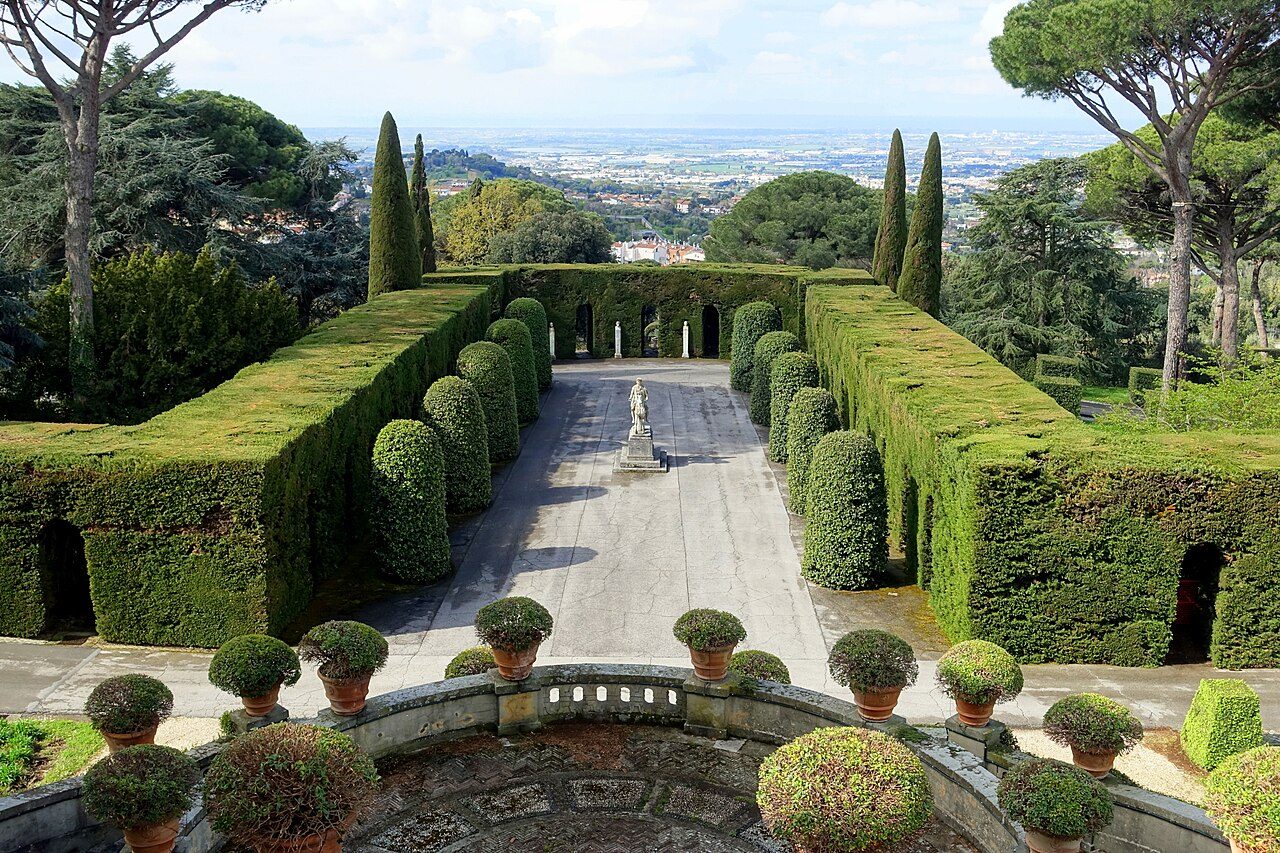
Bracciano Castle
Medieval fortress overlooking Lake Bracciano—Tom Cruise's wedding venue
Explore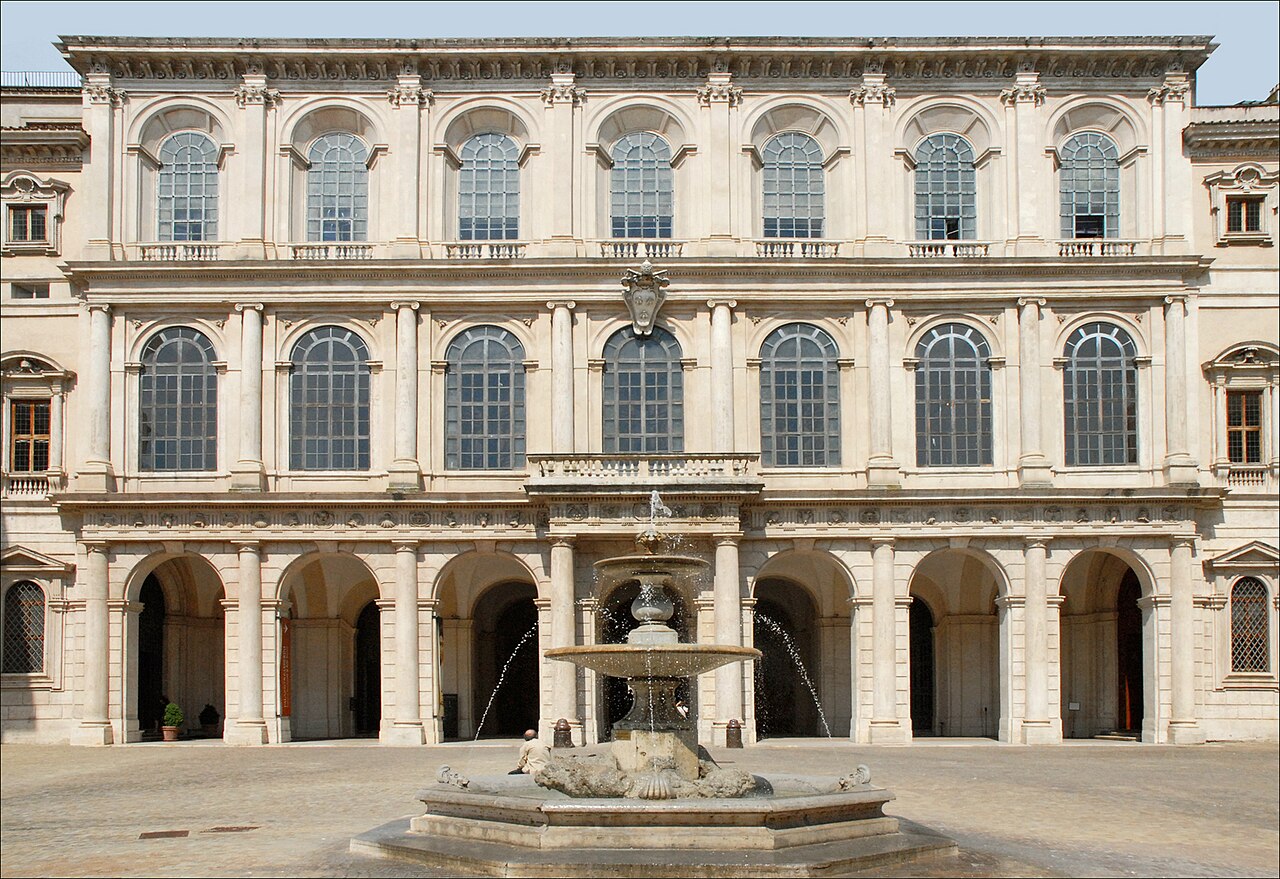
National Gallery of Ancient Art
Palazzo Barberini's Renaissance and Baroque treasures
Explore
Leonardo da Vinci Experience
Immersive exhibition near Vatican with reproductions
Explore
Villa d'Este
Renaissance masterpiece with 500+ fountains in Tivoli
Explore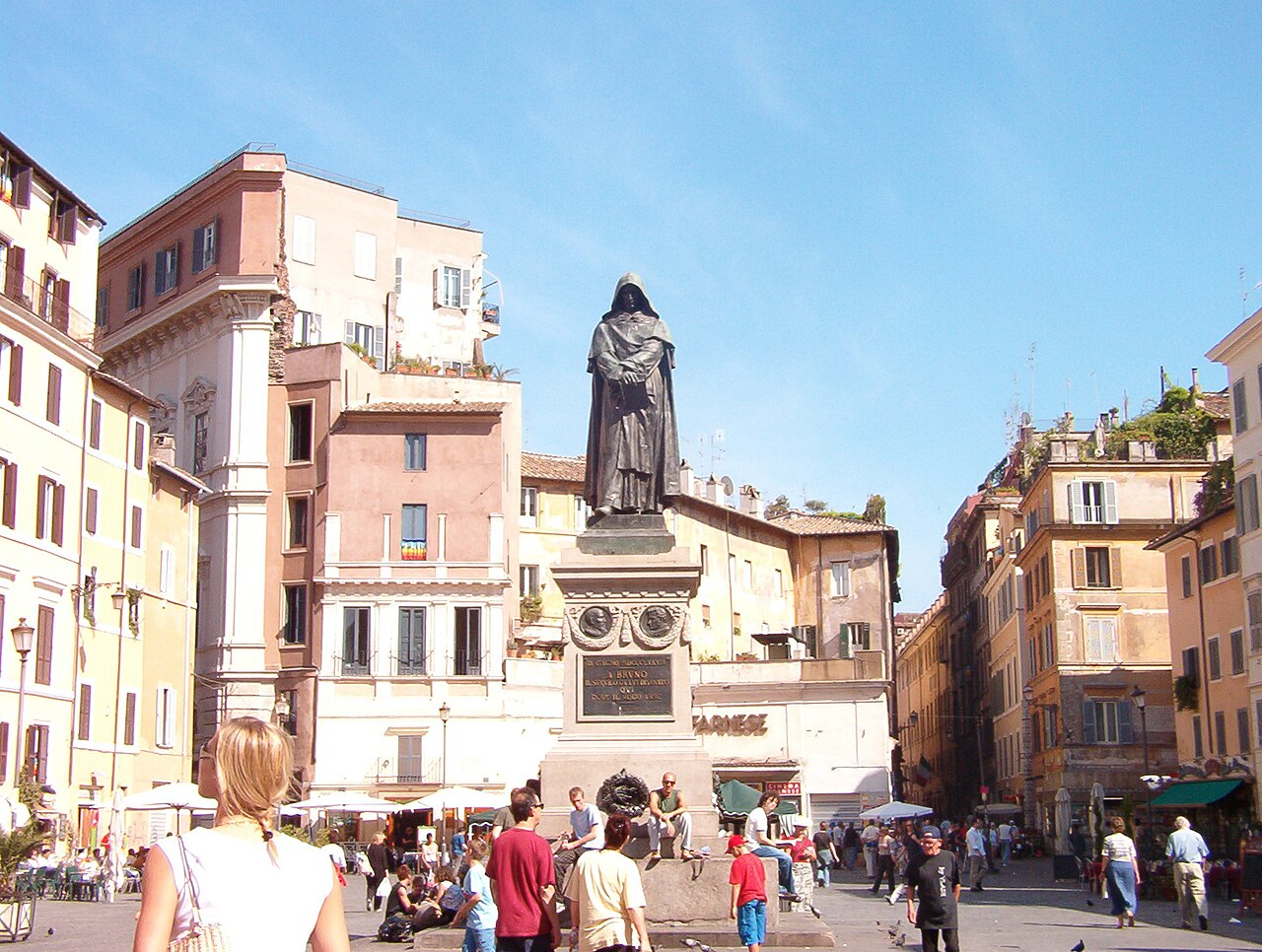
Campo de' Fiori Market
Rome's most vibrant outdoor market and piazza
ExploreQuick Planning Guide
⏱️ Time Needed
1-2 hours
💰 Cost
Varies by current exhibition — check official site
🎫 Reservation
Recommended for popular shows
♿ Accessibility
Elevator available
📅 Best Time
Weekday mornings
👨👩👧👦 Family Friendly
Yes, with interactive exhibits
Nearby Attractions
Piazza Navona2-minute walk
Pantheon5-minute walk
Santa Maria della Paceattached
Campo de' Fiori10-minute walk
Featured In These Itineraries
Classic Rome in 3 DaysRainy Day RomeHidden Gems RomeEssential Tips
- ✓ Hours and prices follow the exhibition calendar
- ✓ Check current exhibition ('Flowers. Wonderful Nature', until 6 Sept 2026) online first
- ✓ Visit Raphael's fresco in the church (hours limited/variable)
- ✓ Booking ahead is recommended for popular shows