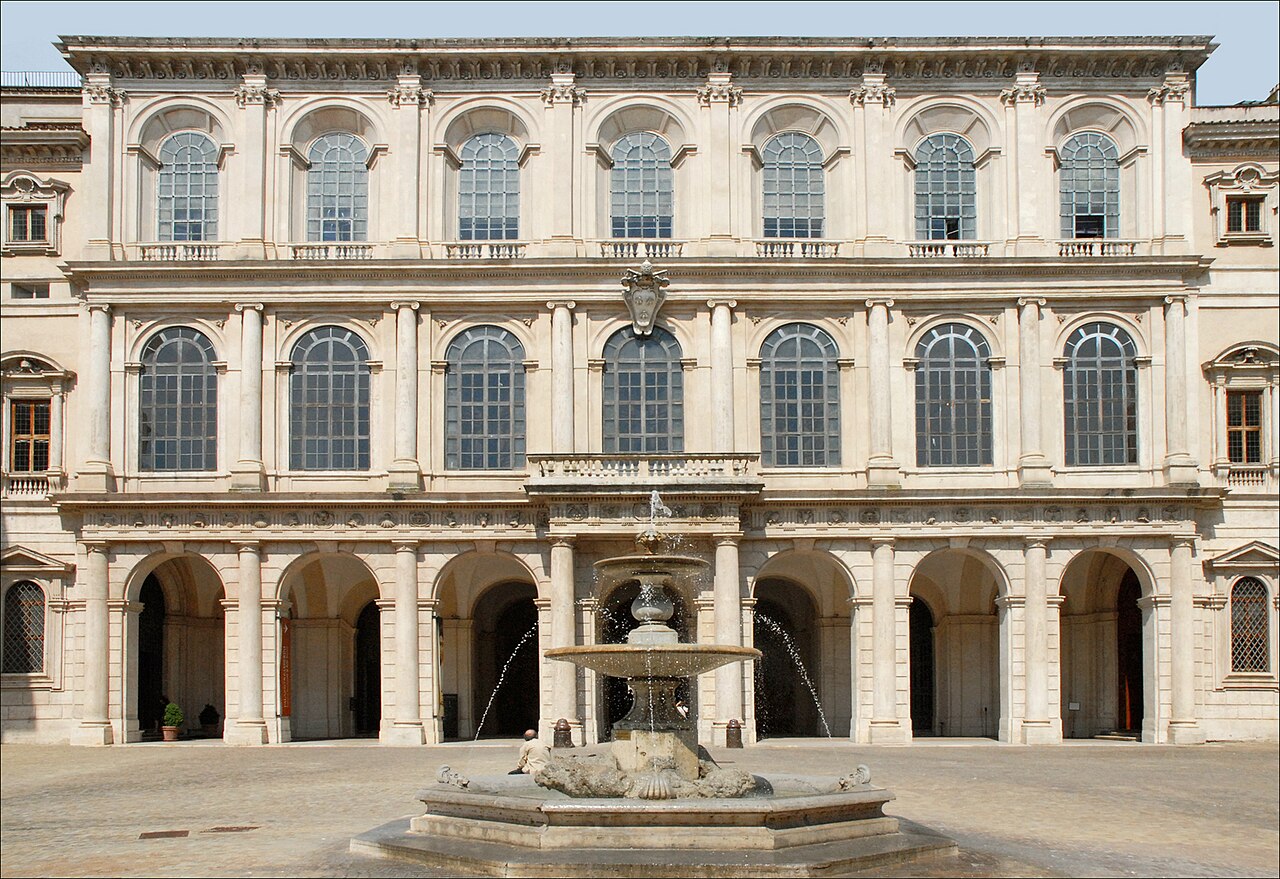
 Palazzo Barberini
National Gallery of Ancient Art
Italy's premier Renaissance and Baroque art collection housed in Palazzo Barberini—designed by Bernini and Borromini
2-3 hours€151,500+ WorksVia delle Quattro Fontane, 13, 00184 Roma RMOpen on MapPlan Your Visit
Compare tickets, tours and stays — booking ahead usually gives more choice
Get TicketsBook a TourHotels NearbyHoused in Palazzo Barberini
The National Gallery of Ancient Art occupies Palazzo Barberini, one of Rome's most magnificent Baroque palaces. Built between 1627-1633 for Pope Urban VIII's powerful family, the palace was designed by three architectural geniuses: Carlo Maderno began the work, and after his death, the project was taken over by rivals Gian Lorenzo Bernini and Francesco Borromini—each contributing their own staircase in a famous competition. The Barberini bees, the family's heraldic symbol, appear throughout the palace. Today, this architectural masterpiece houses over 1,500 works of art from the 13th to 18th centuries. Note that loans and temporary exhibitions mean specific works are not always on permanent display.
Why Visit the National Gallery of Ancient Art?
Combining world-class art with jaw-dropping Baroque architecture, Palazzo Barberini offers an experience that rivals the Vatican Museums—without the crowds. Where else can you see Raphael's most intimate portrait, Caravaggio's most violent masterpiece, and two rival architects' staircases all under one roof?
Raphael's La Fornarina
The intimate portrait of Raphael's lover, painted just before his death in 1520. X-rays reveal a hidden wedding ring.
Caravaggio Masterpieces
Two dramatic works: the violent Judith Beheading Holofernes and the haunting Narcissus gazing at his reflection.
Bernini vs Borromini
See the famous rival staircases: Bernini's grand theatrical ascent versus Borromini's elegant spiral innovation.
Hidden Gem Experience
Far less crowded than the Vatican, offering peaceful contemplation of masterpieces in a stunning palace setting.
Built
1627-1633
Collection
1,500+ works
Architects
Bernini & Borromini
Entry
€15
Visit Time
2-3 hours
Highlight
Raphael & Caravaggio
Table of Contents
Jump to any section of the itinerary
What to See at Palazzo Barberini
Masterpiece Collection
- Raphael's intimate La Fornarina portrait
- Caravaggio's Judith Beheading Holofernes
- A portrait of Henry VIII associated with Holbein's circle
- Titian, El Greco, and Tintoretto works
Palace Architecture
- Bernini's grand theatrical staircase
- Borromini's elegant spiral staircase
- Original Barberini family apartments
- Baroque window designs by both masters
Ceiling Frescoes
- Pietro da Cortona's Triumph of Divine Providence
- 500+ square meters of illusionistic painting
- Andrea Sacchi's Divine Wisdom ceiling
- Barberini family bee symbols throughout
Hidden Details
- Rival architects' competing staircases
- X-ray revealed ring in La Fornarina
- Original 17th-century floor tiles
- Barberini coat of arms and bees everywhere
Gallery Highlights
Raphael's La Fornarina (1518-1520)
This tender portrait depicts Margherita Luti, the baker's daughter who was Raphael's lover. Painted near the end of his life, it shows an intimate moment—she wears an armband with Raphael's name, and X-rays reveal a wedding ring he later painted over. It's one of the most personal works of the Renaissance, showing the great master's private life.
Caravaggio Room
The gallery holds two powerful Caravaggio works: "Judith Beheading Holofernes" (c. 1599), showing the biblical heroine mid-decapitation with unflinching realism, and "Narcissus" (c. 1597-1599), a hypnotic meditation on self-love. Both demonstrate Caravaggio's revolutionary use of light and shadow that would influence generations of artists.
Gran Salone & Pietro da Cortona's Ceiling
Pietro da Cortona's massive ceiling fresco "Triumph of Divine Providence" (1632-1639) is a masterpiece of Baroque illusionism. Covering over 500 square meters, it glorifies Pope Urban VIII and the Barberini family through a swirling mass of allegorical figures that seem to burst through the ceiling. Look for the Barberini bees throughout the composition.
The Rival Staircases
The palace features two contrasting staircases by architectural rivals. Bernini's grand rectangular staircase on the right demonstrates theatrical Baroque drama with its wide, ceremonial ascent. Borromini's elegant helicoidal (spiral) staircase on the left shows his innovative genius with columns that seem to dance upward. Both are masterpieces of their style—don't miss either.
Portrait of Henry VIII
The gallery displays a portrait of Henry VIII long associated with Hans Holbein the Younger's workshop, though its precise attribution has been debated by scholars, and it may be a workshop copy rather than an autograph work. It shows the monarch who broke with Rome—making its presence here all the more intriguing.
History of Palazzo Barberini
1627Construction Begins
Pope Urban VIII (Maffeo Barberini) commissions Carlo Maderno to build a family palace near the Quirinal Hill, on the site of an older Sforza villa.
1629Maderno Dies
After Maderno's death, Bernini takes over as lead architect with Borromini as assistant, beginning their famous creative rivalry.
1633Palace Completed
The Barberini family moves in; Pietro da Cortona begins the famous ceiling fresco that will take seven years to complete.
1644Urban VIII Dies
After the Pope's death, the Barberini family falls from favor and briefly flees Rome. The palace remains in family hands.
1893State Purchase
The Italian state purchases part of the palace to house the National Gallery of Ancient Art, beginning its museum life.
1953Full Museum Conversion
The entire building becomes a museum as the Barberini family sells their remaining apartments.
PresentWorld-Class Collection
One of Italy's most important art museums with 1,500+ works spanning 13th-18th century Renaissance and Baroque art.
Free Audio Guide
A multimedia guide is often available and can provide useful context for masterpieces and architectural details—check current availability and any cost on-site.
Best Time to Visit
Weekday mornings are quietest. Unlike Vatican Museums, you'll rarely encounter crowds here, making it perfect for contemplating Caravaggio in peace.
Photography Spots
The Gran Salone ceiling fresco and both rival staircases are Instagram-worthy. Natural light is best in the morning rooms. No flash allowed.
Combine Your Visit
Trevi Fountain is a 5-minute walk. Pair with Santa Maria della Vittoria to see Bernini's Ecstasy of Saint Teresa—another Baroque masterpiece by the same architect.
Common mistakes to avoid
Visiting on a Monday
Palazzo Barberini is closed every Monday, like most Italian state museums. Many visitors arrive on a Monday assuming it's open and end up disappointed. Plan for Tuesday–Sunday, 10:00–19:00, with last admission at 18:00.
Skipping Galleria Corsini
The National Gallery of Ancient Art is actually spread across two venues: Palazzo Barberini and Galleria Corsini in Trastevere. Your €15 ticket includes both and is valid for 20 days, but most visitors never use the second half. Corsini holds the other portion of the collection — including a second Caravaggio (Saint John the Baptist) — and is rarely crowded.
Not booking ahead in high season
While generally less busy than the Vatican, weekends from March to October now see real queues, especially after the Caravaggio rooms were rehung. Booking online in advance may help skip the ticket line — worth checking on any Saturday or busy weekend.
Missing Borromini's spiral staircase
Most visitors take Bernini's grand rectangular staircase up and back down without realising Borromini's elegant helicoidal staircase is on the opposite side of the courtyard. Always go up one and down the other — they're the whole architectural point of the building.
Ignoring the ceiling of the Gran Salone
Pietro da Cortona's 'Triumph of Divine Providence' covers 500+ m² overhead, but it's high and easy to walk under without looking up. There are benches in the Gran Salone for a reason — sit, lean back, and give it 10 minutes. Bring a small mirror or your phone camera if your neck tires.
Treating it as a 45-minute stop
Because Palazzo Barberini is uncrowded, visitors often allocate too little time. With three floors, 1,500+ works, two staircases, and the Gran Salone ceiling, you need a genuine 2–3 hours to do it justice. Don't pair it with both the Vatican and the Borghese on the same day.
Insider tips from locals
Pair with Galleria Borghese on the same day off
Both museums share the Tuesday–Sunday schedule and both reward slow viewing. Book Borghese for a 09:00 slot (2-hour cap), walk down via Veneto, and arrive at Palazzo Barberini around midday — you'll have seen Bernini's sculptures and his architecture in the same morning.
Use the X-ray story to read La Fornarina
Margherita Luti wears an armband signed 'RAPHAEL VRBINAS' — but X-rays revealed Raphael had also painted a wedding ring on her finger, later painted over (probably by his pupils after his death) to hide a possible secret marriage. Knowing this changes the painting from a portrait to a love letter.
Find the second Caravaggio room
Beyond the famous 'Judith Beheading Holofernes' and 'Narcissus', the gallery now displays 'Saint Francis in Meditation' in a separate Caravaggio-circle room. It's quieter, often empty, and lets you study Caravaggio's tenebrism without anyone's shoulder in your eyeline.
Compare the two staircases as a lesson in personality
Bernini's staircase is straight, ceremonial, theatrical — designed to be seen ascending. Borromini's is hidden, spiral, mathematical — designed to be experienced from inside. Walking both in sequence is the clearest 10-minute lesson in High Baroque rivalry you can get in Rome.
Use the first Sunday of the month strategically
State museums are free on the first Sunday of the month. Palazzo Barberini gets busier than usual but is still calmer than the Vatican or Borghese (which require booking even when free). Combine with a free morning visit to Castel Sant'Angelo for a zero-ticket art day.
Walk to Santa Maria della Vittoria afterwards
Five minutes north on Via XX Settembre is Bernini's 'Ecstasy of Saint Teresa' inside Santa Maria della Vittoria — arguably his greatest sculpture, free to enter. Doing the palace and the church back-to-back gives you Bernini as architect, painter's patron, and sculptor in under two hours.
Where to Stay Near Palazzo Barberini
Looking for convenient accommodation near Palazzo Barberini? Stay within walking distance to make the most of your visit.
Hotels Near This AttractionTop Rated HotelsBudget-Friendly OptionsLuxury HotelsCentral locations with easy access to Palazzo Barberini and other attractionsFrequently Asked Questions
What is the National Gallery of Ancient Art in Rome?
The National Gallery of Ancient Art (Galleria Nazionale d'Arte Antica) is Italy's premier collection of 13th-18th century art, housed in the magnificent Palazzo Barberini. Built in the 1620s-30s by three genius architects—Maderno, Bernini, and Borromini—it contains over 1,500 works including masterpieces by Raphael, Caravaggio, Titian, and El Greco.
How much does it cost to visit Palazzo Barberini?
Entry costs €15 for adults, which includes access to both Palazzo Barberini and Galleria Corsini (valid for 20 days). EU citizens aged 18-25 pay reduced rates, and under 18s enter free. Check the official site, as the first Sunday of the month free-entry policy can change.
How long should I spend at the National Gallery?
Plan for 2-3 hours to properly explore the three floors of galleries and the magnificent Baroque architecture. Art enthusiasts could easily spend longer studying the masterpieces. A quick highlights tour takes about 90 minutes.
What are the must-see artworks at Palazzo Barberini?
Top highlights include Raphael's 'La Fornarina' (portrait of his beloved), Caravaggio's 'Judith Beheading Holofernes' and 'Narcissus', a portrait of Henry VIII long associated with Hans Holbein's workshop, and Pietro da Cortona's stunning ceiling fresco 'Triumph of Divine Providence' covering over 500 square meters.
What's special about the Palazzo Barberini building itself?
The palace is a masterpiece of Baroque architecture, designed by three of Rome's greatest architects: Carlo Maderno, Gian Lorenzo Bernini, and Francesco Borromini. Notable features include Bernini's grand staircase, Borromini's helicoidal staircase, and the breathtaking ceiling frescoes. The building itself is as impressive as the art collection.
Is Palazzo Barberini included in the Roma Pass?
Yes, the National Gallery of Ancient Art is included in the Roma Pass. You can use it as one of your free entries or receive discounted admission depending on your pass type.
Who were the Barberini family?
The Barberini were a powerful Florentine family who rose to prominence when Maffeo Barberini became Pope Urban VIII (1623-1644). Known for their patronage of Bernini and other Baroque masters, their symbol—three bees—appears throughout the palace. The family later fell from favor after Urban VIII's death.
Related Attractions
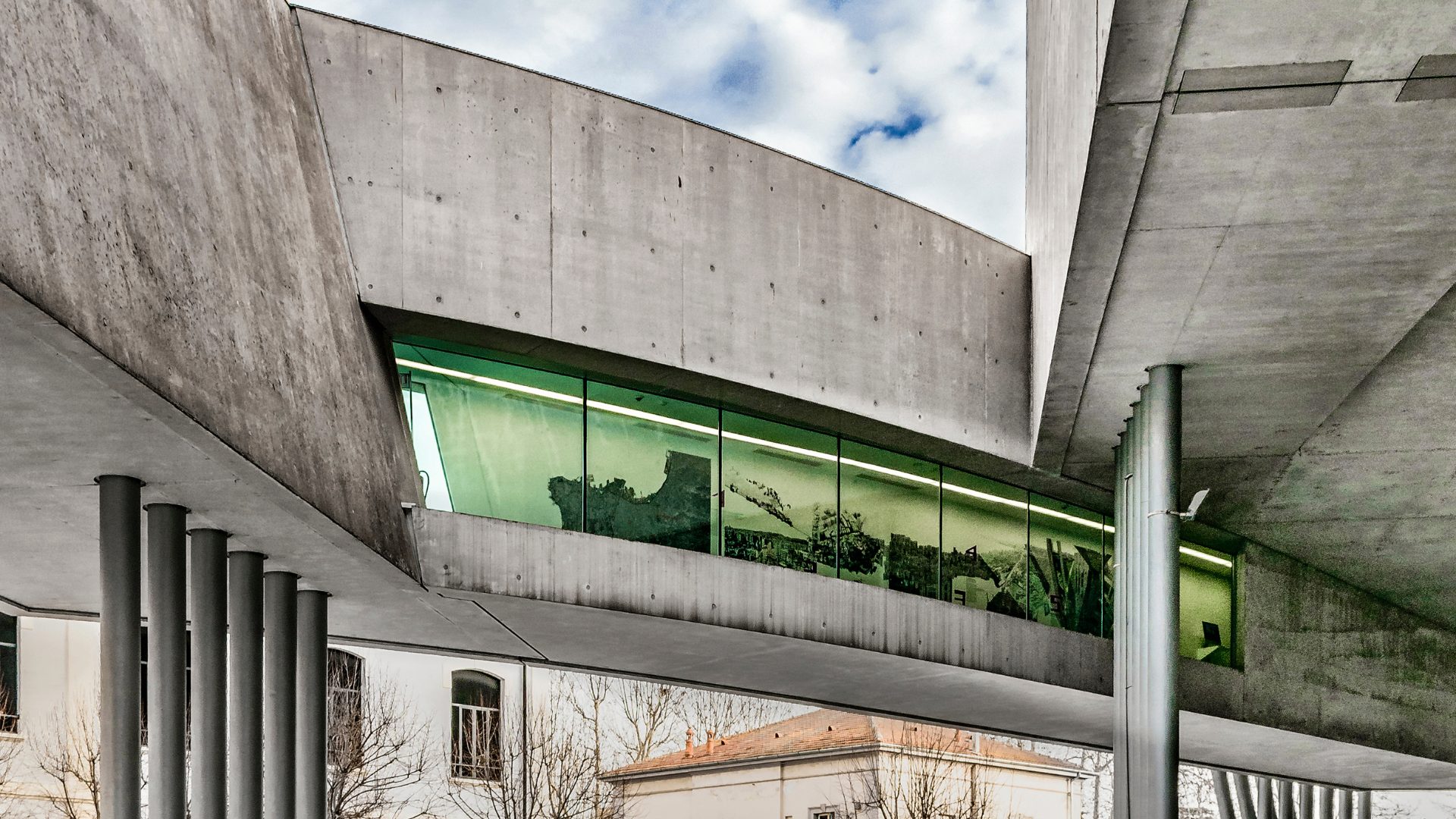
MAXXI Museum
Zaha Hadid's stunning contemporary art and architecture museum
Explore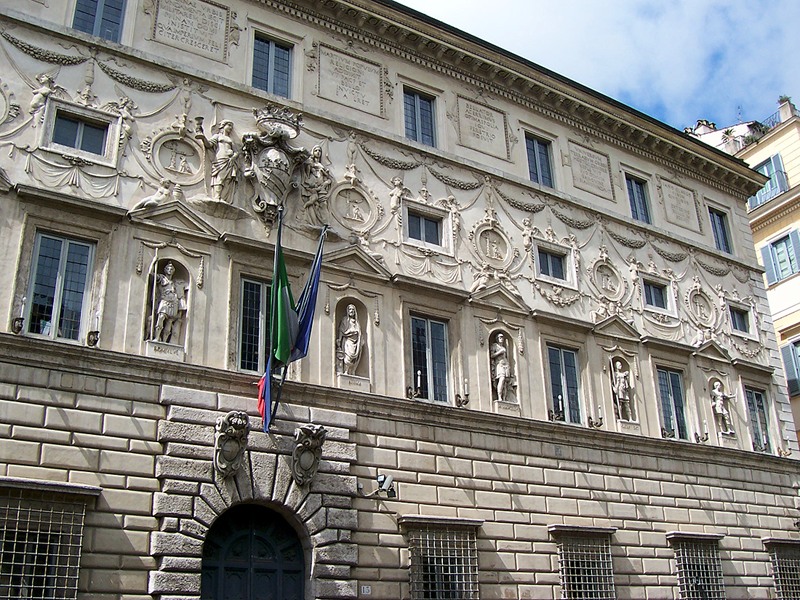
Galleria Spada
Intimate gallery with Borromini's optical illusion corridor
Explore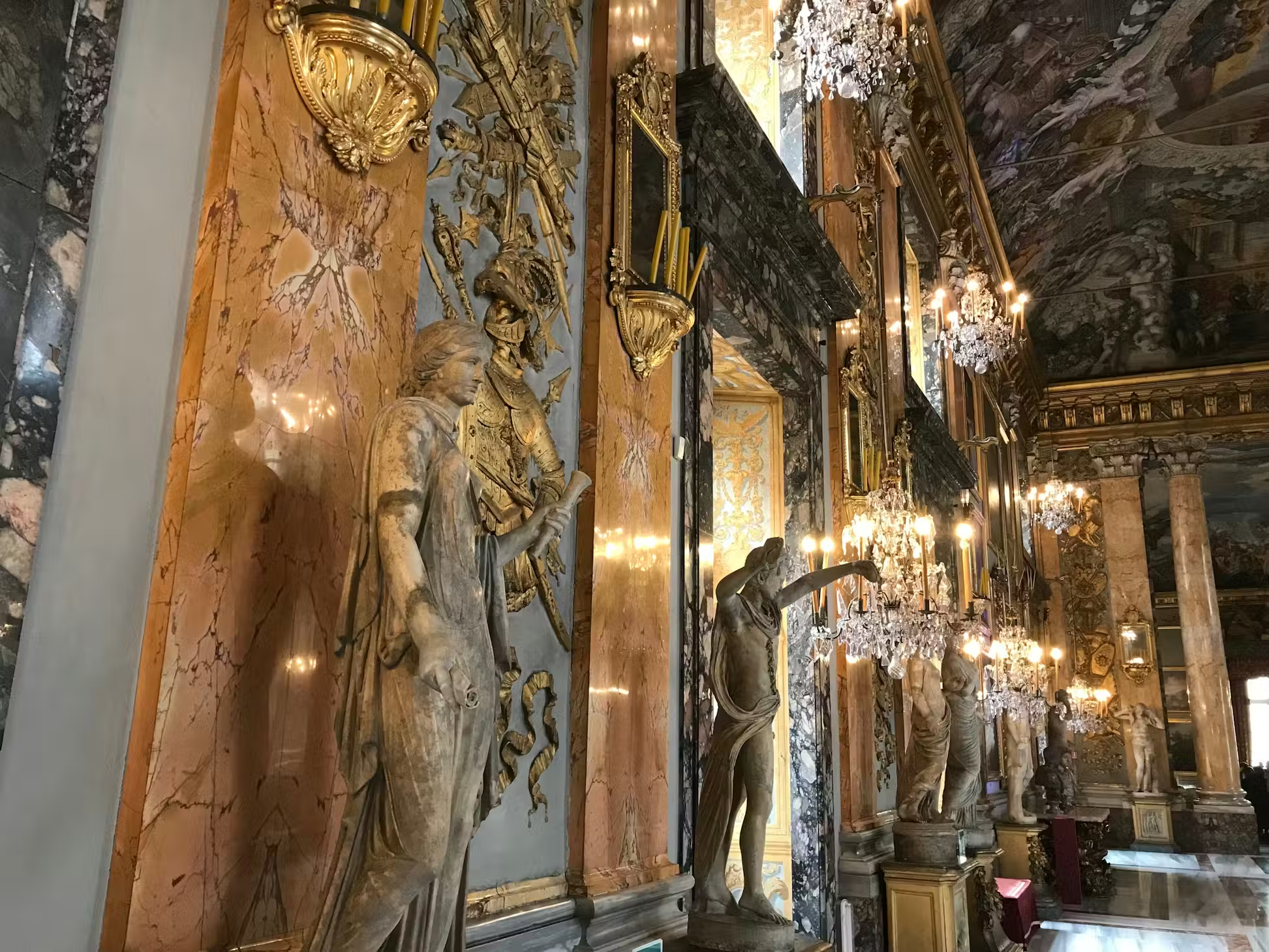
Galleria Colonna
Rome's most magnificent private Baroque gallery (open Friday and Saturday mornings; guided tour format)
Explore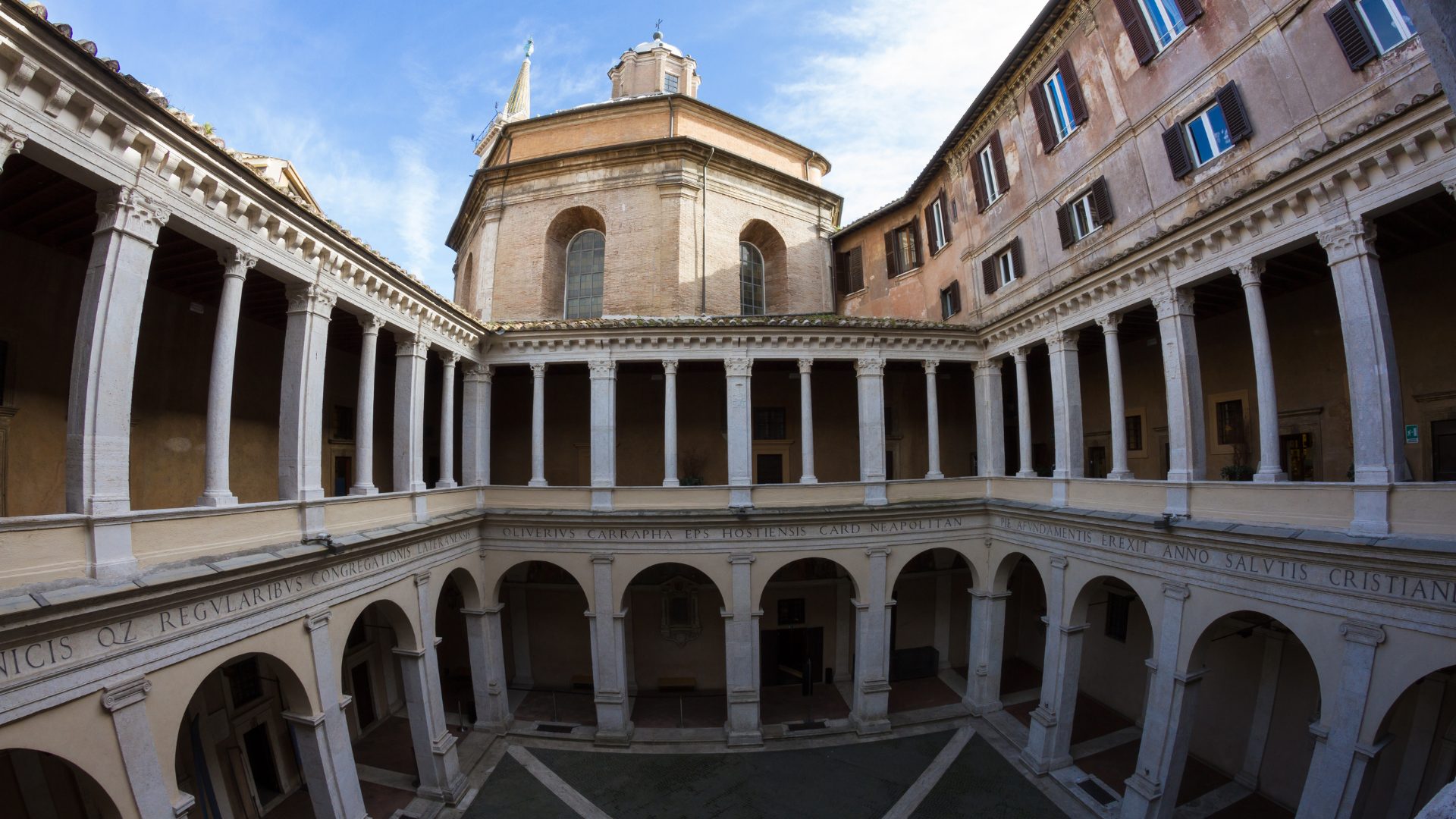
Chiostro del Bramante
Bramante's Renaissance cloister hosting world-class exhibitions
Explore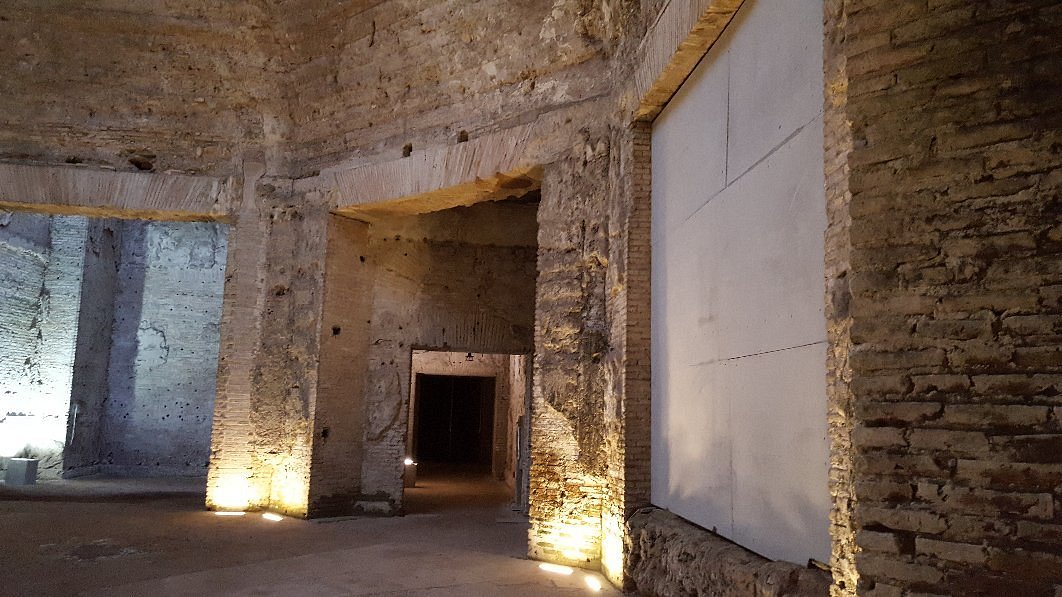
Domus Aurea
Nero's buried Golden House — Friday to Sunday visits, VR tour available
Explore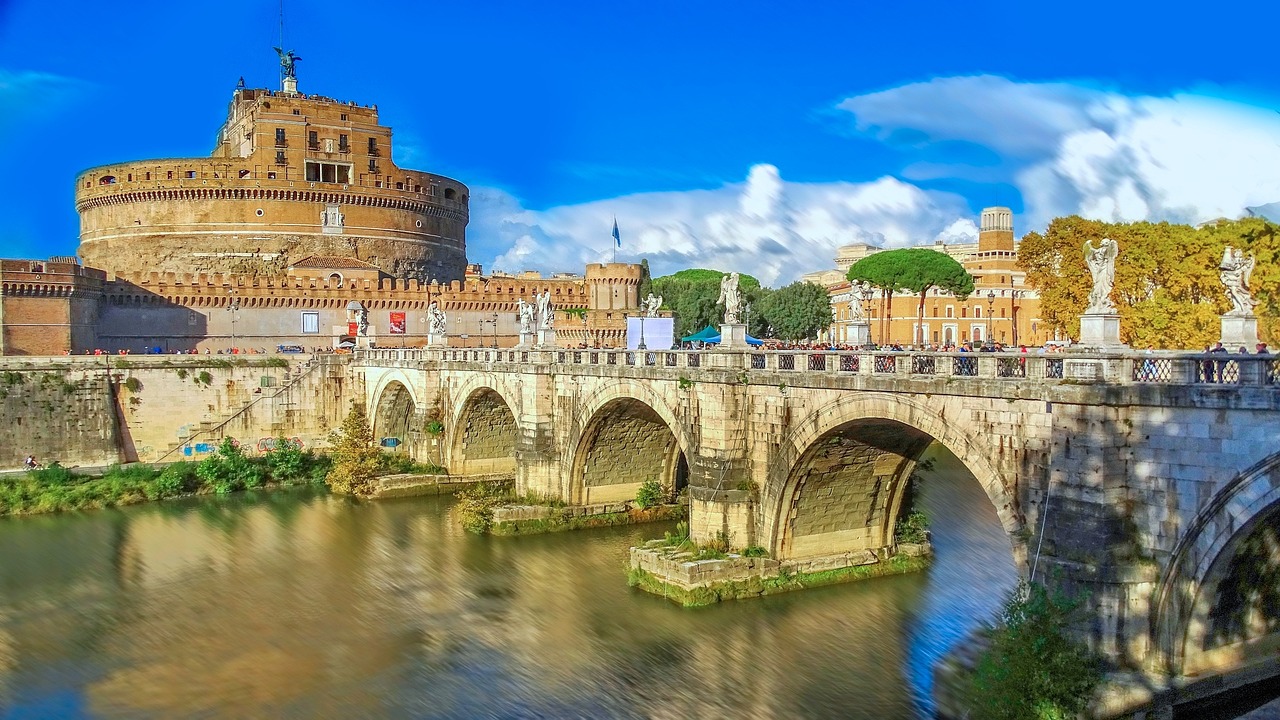
Castel Sant'Angelo
Ancient mausoleum turned papal fortress with panoramic city views
ExploreQuick Planning Guide
⏱️ Time Needed
2-3 hours
💰 Cost
€15 (includes Galleria Corsini)
🎫 Reservation
Recommended on weekends
♿ Accessibility
Elevator available
📅 Best Time
Morning weekdays
👨👩👧👦 Family Friendly
Yes, with art activities
Nearby Attractions
Trevi Fountain5-minute walk
Piazza Barberiniadjacent
Santa Maria della Vittoria5-minute walk
Via Veneto5-minute walk
Featured In These Itineraries
Classic Rome in 3 DaysRainy Day RomeHidden Gems RomeEssential Tips
- ✓ Combined ticket includes Galleria Corsini
- ✓ Don't miss the ceiling frescoes
- ✓ Two famous staircases: Bernini & Borromini
- ✓ Free entry first Sunday of month