 Art Museum
Galleria Spada
A jewel-box museum with Baroque masterpieces and Borromini's mind-bending optical illusion
45 min-1 hour€6Optical IllusionPiazza Capo di Ferro, 13, 00186 Roma RMOpen on MapPlan Your Visit
Compare tickets, tours and stays — booking ahead usually gives more choice
Get TicketsBook a TourHotels NearbyHoused in Palazzo Spada
Galleria Spada occupies Palazzo Spada, a magnificent Renaissance palazzo built in 1540 for Cardinal Girolamo Capodiferro. The extraordinary facade, covered in stucco reliefs depicting Roman emperors, mythological scenes, and allegorical figures, is itself a work of art. Cardinal Bernardino Spada purchased the palace in 1632 and commissioned Francesco Borromini to create the famous perspective gallery in 1653. Today the palazzo also houses Italy's Council of State (a separate working government body, not open to museum visitors), and the Spada art collection remains displayed in its original Baroque "salon style" arrangement across four intimate rooms.
Why Visit Galleria Spada?
Galleria Spada is one of Rome's most enchanting small museums, offering an intimate glimpse into 17th-century aristocratic taste. The star attraction is Borromini's extraordinary forced perspective corridor—an optical illusion that has amazed visitors for nearly 400 years. Combined with quality Baroque paintings and an ornate Renaissance palace, it's a perfect antidote to Rome's larger, crowded museums.
Borromini's Masterpiece
The famous perspective gallery appears 37m long but is actually only 8m—a brilliant architectural trick
Baroque Collection
Works by Guido Reni, Guercino, and both Artemisia and Orazio Gentileschi
Renaissance Palace
Stunning 16th-century facade covered in stucco reliefs of Roman emperors and mythological scenes
Hidden Gem
Affordable, intimate, and rarely crowded—perfect for escaping the tourist masses
Built
1540 (facade)
Collection
17th century
Famous For
Optical illusion
Entry
€6
Visit Time
45 min-1 hour
Architect
Borromini
Table of Contents
Jump to any section of the itinerary
What to See at Galleria Spada
Borromini's Perspective Gallery
- Appears 37m long, actually only 8m
- 60cm statue looks life-sized
- Converging walls create depth illusion
- Rising floor and dropping ceiling trick
Baroque Masterpieces
- Guercino's Death of Dido
- Guido Reni portraits and religious works
- Artemisia Gentileschi paintings
- Orazio Gentileschi works
Palace Architecture
- 1540 stucco-decorated facade
- Roman emperors in relief
- Mythological courtyard scenes
- Frescoed ceremonial ceilings
Hidden Details
- Original Baroque salon arrangement
- Cardinal Spada's personal collection
- Allegorical facade symbols
- Renaissance facade reliefs
Gallery Highlights
Borromini's Perspective Gallery (1653)
This is one of art history's most ingenious tricks. Francesco Borromini designed a colonnade that appears to stretch 37 meters to a life-sized statue. In reality, it's only 8 meters long—the walls converge, the floor rises, and the ceiling drops, creating a perfect illusion of depth. The "life-sized" statue at the end is actually only 60cm tall. Cardinal Spada used this marvel to impress visitors and demonstrate his sophisticated taste.
The Four Galleries
Cardinal Bernardino Spada's 17th-century art collection fills four intimate rooms, displayed in its original Baroque "salon style" arrangement. Highlights include Guercino's dramatic "Death of Dido," Guido Reni's masterful portraits and religious scenes, and remarkable works by the father-daughter duo Orazio and Artemisia Gentileschi—one of the few female Baroque painters whose work survives.
Palazzo Spada Today
The palazzo also houses Italy's Council of State (Consiglio di Stato), a working government body, so those offices are not part of the museum visit. The public gallery itself preserves its historic salon-style hang and decorative details from the palazzo's aristocratic past.
The Facade & Courtyard
Don't overlook the exterior! The 1540 facade is covered with elaborate stucco reliefs depicting Roman emperors, mythological figures, and allegorical scenes—making it one of Rome's most decorated Renaissance exteriors. The courtyard continues this decorative program with more reliefs and classical statuary, setting the tone for the treasures within.
The Illusion Secret
Stand at the entrance of Borromini's colonnade, which is not open for visitors to walk through, and observe how the converging architecture creates the illusion of depth. The genius is in the math: 8 meters compressed to look like 37.
Best Time to Visit
Any time works—this gem is rarely crowded. Wednesday and Thursday afternoons are particularly quiet. Perfect for a 45-minute cultural break between Campo de' Fiori and the Jewish Ghetto.
Photography Tips
The perspective corridor photographs beautifully from the entrance viewing point—note that visitors cannot enter it or pose inside. Flash is not permitted in the galleries.
Combine Your Visit
Just steps from Piazza Farnese and a 3-minute walk to Campo de' Fiori. Pair with Palazzo Farnese exterior (Michelangelo's cornice) and lunch in the market square.
History of Palazzo Spada
1540Palace Built
Cardinal Girolamo Capodiferro commissions the palazzo with its extraordinary stucco-decorated facade by Giulio Mazzoni.
1632Spada Purchase
Cardinal Bernardino Spada acquires the palace and begins assembling his renowned art collection.
1653Borromini's Illusion
Francesco Borromini creates the famous forced perspective colonnade, compressing 37 apparent meters into just 8.
1661Cardinal's Legacy
Cardinal Spada dies, leaving his collection to the family with instructions to keep it intact for posterity.
1927State Acquisition
The Italian state purchases the palace; it becomes home to the Council of State while preserving the art collection.
1951Gallery Opens
The Spada art collection opens to the public as a state museum, sharing four centuries of aristocratic taste.
PresentHidden Gem
One of Rome's most charming small museums, beloved for its intimacy, affordability, and Borromini's masterpiece.
Common mistakes to avoid
Thinking the perspective gallery is in the main museum
Borromini's colonnade is in the courtyard, not inside the four painting rooms. Many visitors do the gallery, leave, and never realise they missed the famous illusion. Look for it on the right side of the inner courtyard before or after the picture rooms — entry is included with your ticket.
Trying to walk down the colonnade
Borromini's perspective corridor is not open to visitors — it is viewed from behind a barrier at the entrance only. The illusion is best appreciated simply by looking down its length; do not expect to enter or pose inside it.
Visiting on Tuesday
Galleria Spada is closed every Tuesday. The opening days are Wednesday through Monday — an unusual schedule that catches a lot of visitors. Plan around it, especially if you're already in the Campo de' Fiori area only for one day.
Allocating only 15 minutes
Because the museum is small and cheap, visitors often treat it as a 5-minute illusion stop. The four salon-style rooms reward 45 minutes — they're hung exactly as Cardinal Spada left them in the 1660s, which is rare in itself, with Guercino, Reni, and Artemisia Gentileschi all in one space.
Confusing it with Palazzo Farnese next door
Palazzo Farnese (the French Embassy) is two minutes away on Piazza Farnese and requires advance ID-checked booking weeks in advance for a guided tour. Galleria Spada is a walk-in museum with a €6 admission. They're different buildings, different experiences — book Farnese only if you're a serious Renaissance fan.
Skipping the facade
The 1540 stucco facade by Giulio Mazzoni — covered in Roman emperors, gods, and allegorical reliefs — is one of the most decorated Renaissance exteriors in Rome and free to view from Piazza Capo di Ferro. Most visitors walk straight in. Spend two minutes in the square first.
Insider tips from locals
Appreciate the illusion from the viewing point
The corridor cannot be entered or used for posed photos — it is viewed only from the entrance barrier. Watching how a person or object placed at the far end (by museum staff, as part of the display) appears dramatically shrunk is still the best way to grasp the scale of Borromini's trick.
Look up the math before you go
Borromini compressed 37 m of apparent depth into 8 m by tilting the floor up at ~6°, dropping the ceiling, narrowing the walls inwards, and shrinking each successive column. Knowing the four tricks in advance lets you spot each one — the visit goes from 'cool illusion' to 'engineering masterclass'.
Look out for Artemisia Gentileschi's work
Galleria Spada's collection has included works by Artemisia Gentileschi alongside her father Orazio, though gallery hangs rotate and not every painting is on view at all times. Ask staff whether her work is currently displayed.
Combine with a Campo de' Fiori morning
Hit the Campo de' Fiori produce market at 09:00, walk through Piazza Farnese to admire Michelangelo's cornice from the outside, then arrive at Galleria Spada when it opens at 08:30 (or 10:00 depending on season). Three of central Rome's best small experiences in under two hours.
Pair with the Jewish Ghetto for lunch
Five minutes south is the Jewish Ghetto — Rome's oldest, with the famous fried-artichoke trattorias on Via del Portico d'Ottavia. Galleria Spada → Ghetto lunch → Tiber Island walk is one of the best half-days in central Rome and almost no tourist itinerary includes it.
Use it as a rainy-day backup
Most visitors fight Vatican queues even in pouring rain. Galleria Spada is indoor, walk-in, only €6, and almost always empty. Keep it on your shortlist for the moment your outdoor plan collapses — there's no museum in central Rome with a better rain-to-cost ratio.
Where to Stay Near Galleria Spada
Looking for convenient accommodation near Galleria Spada? Stay within walking distance to make the most of your visit.
Hotels Near This AttractionTop Rated HotelsBudget-Friendly OptionsLuxury HotelsCentral locations with easy access to Galleria Spada and other attractionsFrequently Asked Questions
How much does it cost to visit Galleria Spada?
Entry costs €6 for adults, making it one of Rome's better-value museums. EU citizens aged 18-25 pay reduced rates, and under 18s enter free. Check the official site for current first-Sunday-of-the-month free entry policies, as these can change.
How long should I spend at Galleria Spada?
Plan for 45 minutes to 1 hour. The collection is intimate—four rooms of paintings—but you'll want time to appreciate Borromini's perspective gallery and the ornate Renaissance palace. It's perfect for a quick cultural break.
What is Borromini's forced perspective corridor?
Created in 1653, this architectural masterpiece appears to be 37 meters long with a life-sized statue at the end. In reality, it's only 8 meters long and the statue is just 60cm tall! Borromini used converging walls, rising floor, and lowering ceiling to create the illusion of great depth.
What paintings can I see at Galleria Spada?
The collection features works by Guido Reni, Guercino, and the Gentileschi family, among others, though the exact paintings on view can vary as the collection rotates. Cardinal Bernardino Spada assembled this 17th-century collection, largely displayed in its original Baroque arrangement.
Is Galleria Spada worth visiting?
Absolutely! It's one of Rome's hidden gems—intimate, affordable, and rarely crowded. The combination of the ornate palace, quality paintings, and Borromini's mind-bending optical illusion makes it a unique experience you won't find elsewhere.
Is Galleria Spada included in the Roma Pass?
Galleria Spada has historically been included in the Roma Pass network, but participating venues and discounts can change—check the current Roma Pass terms before your visit.
Who was Cardinal Bernardino Spada?
Cardinal Bernardino Spada (1594-1661) was a powerful papal diplomat and art collector who purchased the palazzo in 1632. He commissioned Borromini to create the famous perspective gallery and assembled the 17th-century art collection that remains on display today.
Related Attractions
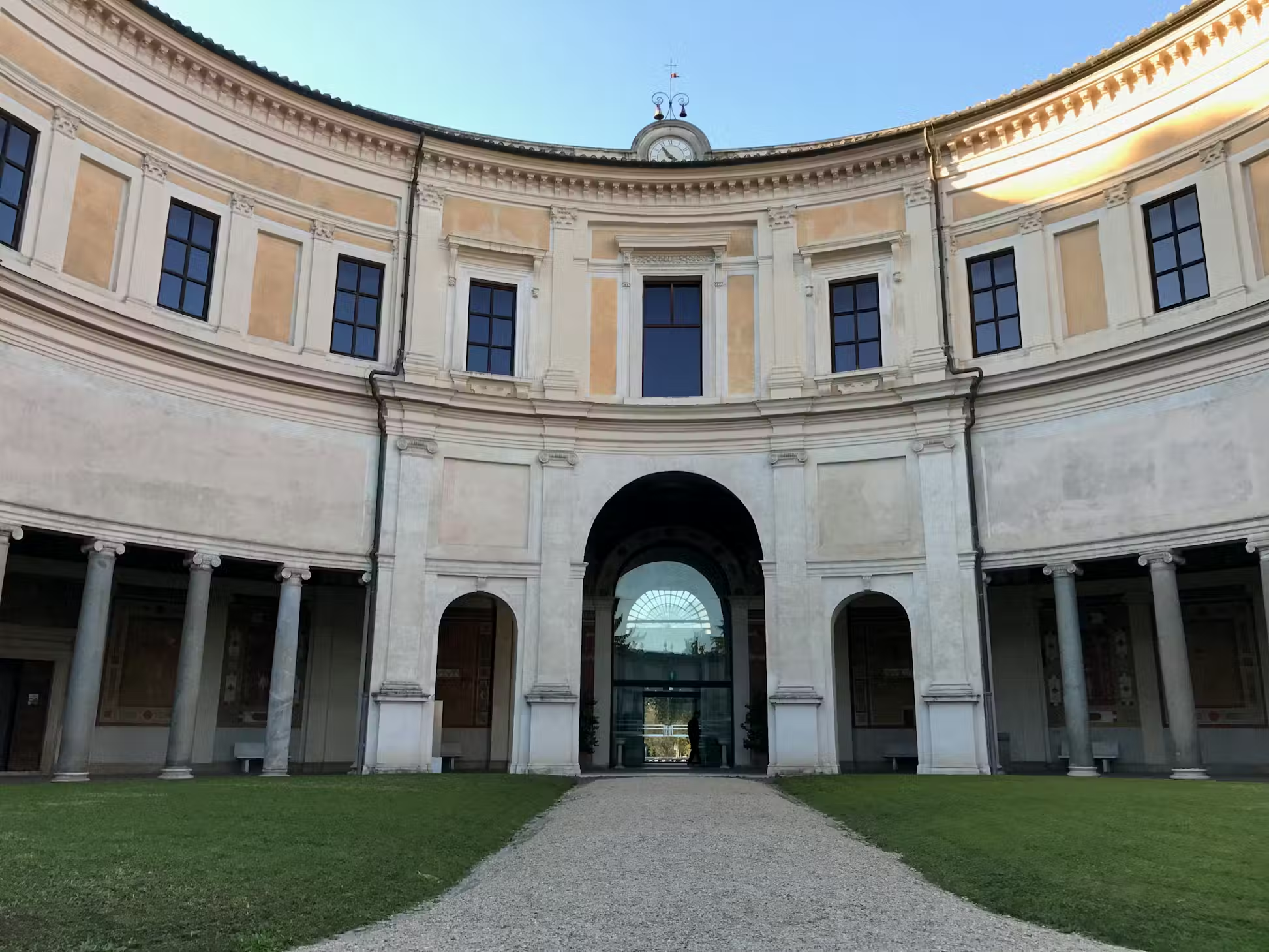
National Etruscan Museum
World's greatest Etruscan art—Sarcophagus of the Spouses
Explore
Museum of Rome
Rome's city history in Palazzo Braschi—100,000+ works
Explore
Keats-Shelley House
Where poet John Keats died—Romantic poetry memorabilia at Spanish Steps
Explore
Leonardo da Vinci Experience
Immersive exhibition near Vatican with reproductions
Explore
Aqua World
Cinecittà World's summer water park
Explore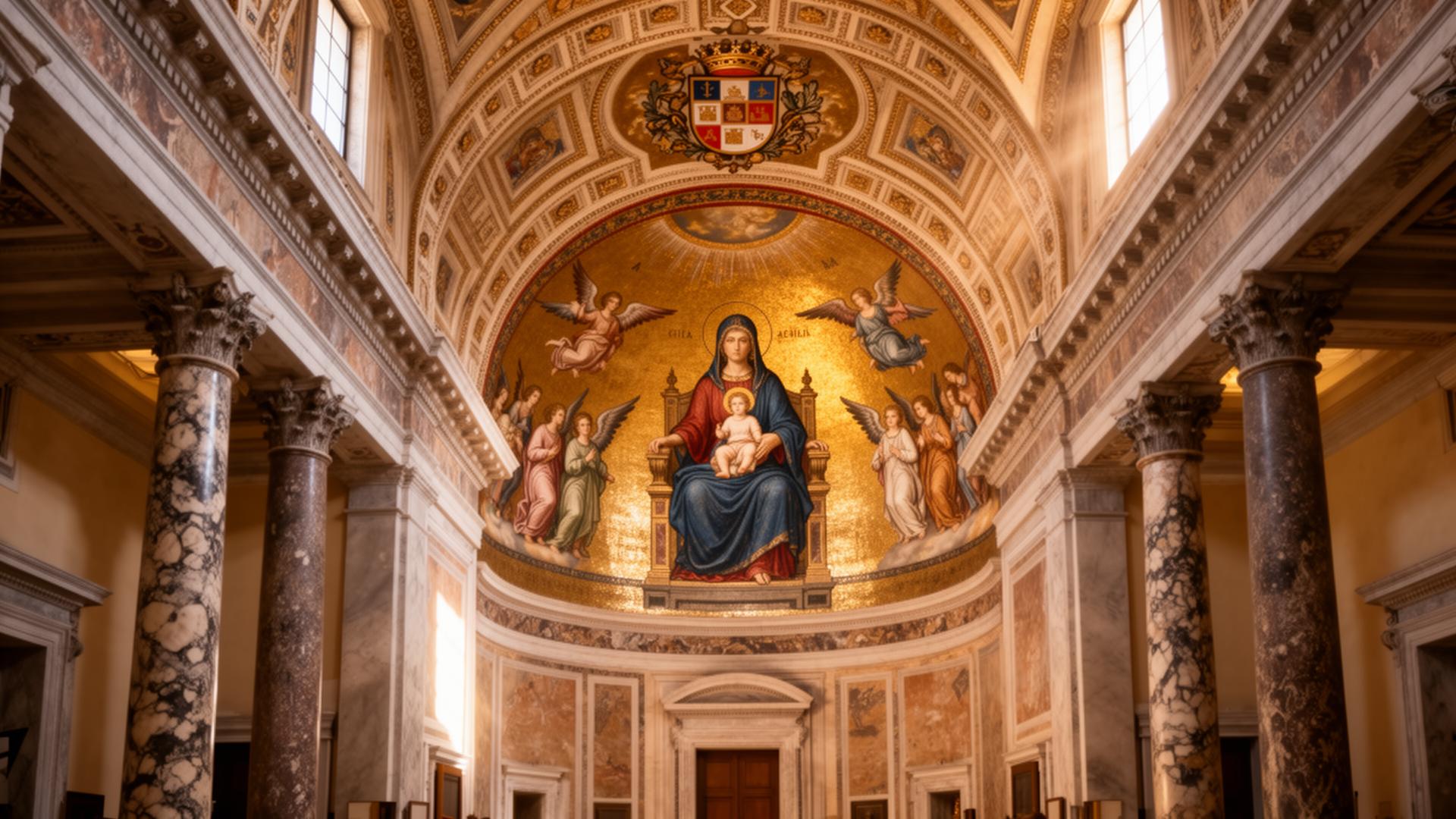
Basilica Santa Maria in Domnica
9th-century basilica with stunning Byzantine mosaics
ExploreQuick Planning Guide
⏱️ Time Needed
45 min-1 hour
💰 Cost
€6
🎫 Reservation
Not required
♿ Accessibility
Ground floor only
📅 Best Time
Any time (rarely crowded)
👨👩👧👦 Family Friendly
Yes, kids love the illusion
Nearby Attractions
Campo de' Fiori3-minute walk
Piazza Farnese2-minute walk
Palazzo Farnese2-minute walk
Jewish Ghetto5-minute walk
Featured In These Itineraries
Hidden Gems RomeFree RomeRome Like a LocalEssential Tips
- ✓ Don't miss Borromini's perspective gallery
- ✓ One of Rome's best-value museums
- ✓ Rarely crowded—a peaceful escape
- ✓ Free entry first Sunday of month