 One of the World's Leading Etruscan Collections
National Etruscan Museum of Villa Giulia
One of the world's leading collections of Etruscan art — including the Sarcophagus of the Spouses and the Apollo of Veii — inside Pope Julius III's exquisite 1551 Renaissance villa, on the edge of Villa Borghese.
2–3 hr€131551 villa · pre-Roman artFlaminioPiazzale di Villa Giulia 9, 00196 RomaOpen on MapPlan Your Visit
Compare tickets, tours and stays — booking ahead usually gives more choice
Get TicketsBook a TourHotels NearbyBy AllTrips Editors••11 min readThe National Etruscan Museum of Villa Giulia (Italian: Museo Nazionale Etrusco di Villa Giulia) holds the largest and most important collection of Etruscan art and archaeology anywhere in the world — over 6,000 objects from every major site in central Italy, including the unrivalled Sarcophagus of the Spouses, the Apollo of Veii by Vulca, and the gold-tablet trilingual inscription from Pyrgi. The museum occupies Villa Giulia itself — the dazzling 1551–1553 papal pleasure villa designed by Vignola, Vasari and Ammannati for Pope Julius III on the edge of Villa Borghese — making this one of the leading pre-Roman museums and one of the finest High Renaissance buildings in the city. Walk-up entry is normal, though some rooms or exhibits can be temporarily closed, so check official notices before travelling.
📋 In This Guide
Duration
2–3 hr
Cost
€13 (€2 reduced)
Photos
Check current rules on site
Type
Etruscan museum + Renaissance villa
Why Visit Villa Giulia?
For a thousand years before Rome ruled the Mediterranean, the Etruscans ruled central Italy — and almost everything we know about them lives in this one museum. The Etruscans built temples, sculpted in terracotta, banqueted lying down with their wives, painted their tombs in vivid colour and gave Rome its alphabet, its gods and its first kings. The British Museum has a few of their pieces; the Louvre has a few more; Villa Giulia has six thousand. And it does it inside a Renaissance villa so beautiful that the architecture would be a destination on its own.
Sarcophagus of the Spouses
A husband and wife reclining on a banqueting couch — sculpted in terracotta around 530 BC at Cerveteri. The single most famous and most reproduced Etruscan artwork in existence.
Apollo of Veii
The great striding god by the master sculptor Vulca, c. 510 BC — once on the roof of the temple at Veii, the most extraordinary surviving piece of Etruscan religious sculpture.
A Renaissance Masterpiece
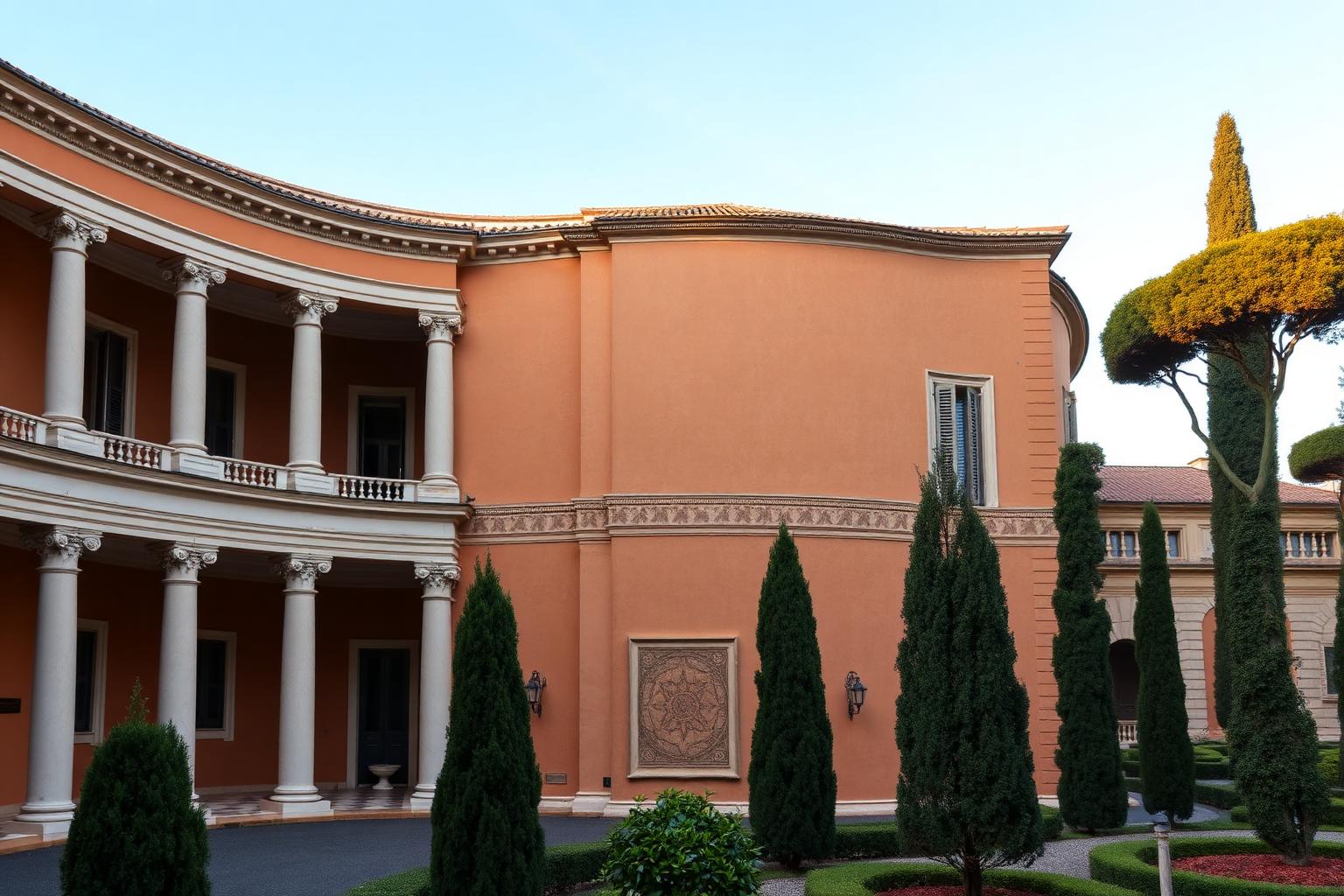
Vignola's hemicycle facade, Ammannati's three-level sunken nymphaeum and Vasari's frescoes make Villa Giulia one of the finest High Renaissance villas in Rome — independently worth the visit.
Fewer Crowds
Despite housing world-famous masterpieces, the museum receives far fewer visitors than the Vatican or the Borghese, making for a relaxed visit even at peak times.
What to See in the Museum
Sarcophagus of the Spouses
Cerveteri, c. 530 BC. Painted terracotta. The Etruscan husband and wife reclining together on a banqueting couch — the museum's defining masterpiece (Room 11).
Apollo of Veii
Veii, c. 510 BC, by Vulca. The striding god from the temple of Portonaccio, with the lost group depicting the contest with Hercules for the Hind of Ceryneia.
Hercules with Hind
Same Veii temple group as the Apollo — Hercules wrestling the sacred deer of Artemis. Together with the Apollo, the most important Etruscan acroterial sculpture in existence.
Pyrgi Gold Tablets
Three thin gold sheets from c. 500 BC, two in Etruscan and one in Phoenician — a dedication by King Thefarie Velianas of Caere to Astarte. The Rosetta Stone of Etruscan studies.
Cista Ficoroni
A 4th-c. BC bronze toilet box engraved with the Argonaut myth — signed in Latin by Novios Plautios, "made in Rome". The finest Etrusco-Italic engraved bronze vessel known.
Castellani Collection
The 19th-century private collection of the great Roman jeweller dynasty — Etruscan gold work and the Castellani revival jewels they inspired. Two whole rooms of staggering goldsmithery.
Reconstructed Temple of Alatri
A full-scale 1890s reconstruction in the back garden, painted in original polychromy — the only place in the world you can see what a complete Etruscan temple looked like.
Vignola's Hemicycle Facade
The curved entrance facade — a key invention of late-Renaissance villa design, copied across Europe in the 17th century.
Ammannati's Nymphaeum
A three-level sunken courtyard with caryatids, mosaics and water features. One of the great Mannerist garden inventions — accessible directly from the courtyard.
From Papal Pleasure Villa to World Etruscan Museum
Built in three frantic years for a pope who wanted Tivoli at the gates of Rome, sacked, abandoned, then resurrected as the seat of one of the great national collections — Villa Giulia compresses 470 years of Roman cultural life into a single curved facade.
1550Julius III Elected
Cardinal Giovanni Maria Ciocchi del Monte is elected Pope Julius III. He immediately wants a country villa just outside the walls — close enough for daily escape from the Vatican.
1551–1553Villa Built in Three Years
The greatest design team of the High Renaissance — Vignola for the architecture, Vasari for the layout, Ammannati for the nymphaeum, Michelangelo as consultant — completes the entire complex in just over two years.
1555Julius III Dies
Pope Julius III dies after only five years in office. His successor strips Villa Giulia of furnishings and most works of art for the Vatican and the Belvedere collections.
1572Property of the Vatican
The villa passes to the Apostolic Camera and is rented out as a noble residence. Over the following two centuries it is occupied by ambassadors, cardinals and finally allowed to decay.
1798–1799Sacked by Napoleon
French troops loot the villa during the Roman Republic period. Most remaining sculpture and decoration is shipped to Paris or destroyed.
1870Italian State Property
After the unification of Italy and the end of papal rule in Rome, Villa Giulia becomes property of the new Italian State — initially used as a veterinary hospital and a barracks.
1889Museum Founded
The newly formed Italian State decides Rome needs a national museum dedicated to the pre-Roman civilisations of central Italy. Villa Giulia is chosen as the seat.
1908Sarcophagus Acquired
The Sarcophagus of the Spouses, excavated at Cerveteri in 1881, is purchased from the Boncompagni-Ludovisi collection and becomes the museum's defining masterpiece.
1919Castellani Donation
The great Castellani jeweller family donate their entire private collection of Etruscan gold and revival jewellery — adding two more world-class rooms to the museum.
1939Apollo of Veii Discovered
Excavations at Veii's Portonaccio sanctuary uncover the Apollo and the Hercules group. Both are immediately installed at Villa Giulia, transforming its international standing.
1964Pyrgi Tablets Discovered
Archaeologists at Pyrgi (Santa Severa) find the three gold tablets — a bilingual Etruscan and Phoenician dedication. They become the cornerstone of modern Etruscology.
Present (2026)One of the World's Leading Etruscan Museums
Open Tuesday–Sunday 08:30–19:30, rooms close 19:00, last entry 18:30. Closed Monday, 25 December and 1 January. Villa Poniatowski next door is closed for PNRR works, expected to reopen autumn 2026. Walk-up entry; free first Sunday of every month.
Tickets & Booking 2026
🎟️ Standard Ticket — €13
Adult full price for Villa Giulia. €2 reduced, free for under-18s and other eligible visitors, and free on the first Sunday of every month. Buy at the ticket desk on arrival — no booking needed.
🚧 Villa Poniatowski — Closed
The museum's annexe (Latial, Faliscan and Umbrian collections), 200 m away, is closed for PNRR restoration works. It is expected to reopen in autumn 2026; no combined ticket is available in the meantime.
💳 Roma Pass
The Roma Pass covers the standard entry fee. As a state museum, Villa Giulia does not accept the MIC Card.
📅 Free First Sunday
Free entry for all on the first Sunday of every month. Expect more visitors than usual — arrive at opening (08:30) for the calmest experience.
⚡ Specialist Private Tour
Licensed Etruscan-archaeology guides run dedicated tours covering Villa Giulia's galleries and nymphaeum architecture. €60–150 per person.
🎧 Audio & App
Free downloadable Museo Etru app with bilingual room-by-room commentary — by far the best on-site companion. Bring headphones.
Best Time to Visit
Time of Day
08:30 opening ⭐ Best: Quieter galleries and soft light through Vignola's hemicycle.
Late afternoon: Rooms close at 19:00 and last entry is 18:30 (museum open until 19:30) — a good window for the nymphaeum and gardens in good light.
Lunch hours (13:00–14:30): Typically quieter as visitor numbers dip.
Avoid first Sunday morning: Free entry brings more visitors than usual — go later in the day instead.
Season
Spring (Mar–May) ⭐ Best: Mild weather perfect for the nymphaeum and gardens, busy temporary exhibition calendar.
Autumn (Oct–Nov): Equal to spring — soft light on the ochre facade, biggest exhibitions usually open.
Summer: Galleries are climate-controlled — a welcome break from the Roman heat.
Winter: Quietest of all. Bring a coat for the nymphaeum and gardens. Closed 25 December and 1 January; check official notices for other closures.
Rules & What to Bring
📷 Photography
Photography rules can change — check the current policy on the museum's official site or at the ticket desk before your visit.
🎒 Bag Check
A cloakroom is available at the entrance for larger bags — check current size restrictions on site. Small handbags and cameras may usually be carried.
🥪 No Food or Drink
No café on site. Bring a water bottle for the gardens. The closest decent lunch is in Piazza del Popolo (20 min walk) or the Flaminio cafés (10 min).
🤫 Quiet Voices
The galleries have hard surfaces and intense acoustics. Speak quietly — phones must be silenced.
♿ Accessibility
Lift to the upper floor, ramps to most areas. The nymphaeum has two flights of original 16th-century stairs and is not wheelchair-accessible.
👶 Family-Friendly
Kids 8+ love the reconstructed temple, the nymphaeum and the Castellani gold rooms. Ask at the ticket desk about any family activities currently on offer.
Villa Giulia vs Other Rome Museums
| Site | Cost | Booking | Highlight | Crowds |
|---|---|---|---|---|
| Villa Giulia (Etruscan) | €13 | Walk-up | Sarcophagus of the Spouses, Apollo of Veii | Low |
| Galleria Borghese | €13 | Required, timed | Bernini sculpture, Caravaggio paintings | High |
| Vatican Museums | €20 | Required | Sistine Chapel, Raphael Rooms | Extreme |
| Capitoline Museums | €16 | Walk-up | She-Wolf, Marcus Aurelius equestrian | Medium |
| Palazzo Massimo (Roman art) | €10 | Walk-up | Boxer of Quirinal, Livia frescoes | Low |
Villa Giulia is the singular item for pre-Roman art. Pair with Palazzo Massimo (the Republican-and-Imperial Roman counterpart) for the complete sweep from Etruscan to imperial sculpture in two quiet, walk-up museums for around €23 total. Note that some rooms or individual exhibits at any museum can be temporarily closed — check official notices before travelling.
Common Mistakes to Avoid
Going on a Monday
Closed every Monday. The villa exterior is visible from the road but the galleries, nymphaeum and gardens are firmly locked.
Skipping the nymphaeum
Many visitors do the galleries and leave without descending Ammannati's three-level sunken courtyard — one of the great achievements of Italian Mannerism. Don't.
Confusing it with Villa Borghese
Different villa, different museum, different ticket. Galleria Borghese has Bernini and Caravaggio; Villa Giulia has the Etruscans. Both are world-class but on completely different topics.
Expecting Villa Poniatowski to be open
The annexe 200 m away, which normally houses the museum's Latial, Faliscan and Umbrian collections, is closed for PNRR restoration works and expected to reopen in autumn 2026.
Not checking for room closures
Individual rooms or exhibits can be temporarily closed for conservation. Check the museum's official notices before travelling if you have a must-see object in mind.
Booking online when you don't need to
Walk-up is the norm. Online booking adds a presale fee and rarely speeds anything up — keep it for free first Sundays only.
Nearby Colosseum & Forum Tickets
Villa Giulia is 25 minutes by tram from the Colosseum — pair an Etruscan morning at the museum with a classical-Roman afternoon at the Colosseum and Forum for the complete civilisation arc, from pre-Roman Italy to imperial Rome in one day.
Colosseum Priority Entrance
Best for: First-time visitors
~2 hoursSkip-the-line access to the Colosseum with entry to Roman Forum and Palatine Hill included. Perfect for first-time visitors.
- Skip-the-line entry
- Colosseum access
- Roman Forum included
- Palatine Hill included
🎟️ Compare Prices:
TiqetsKlookTrip.comColosseum Guided Tour
Best for: History enthusiasts
~3 hoursExpert-led tour with professional guide sharing gladiator history, architecture secrets, and ancient Roman stories.
- Professional English-speaking guide
- Skip-the-line entry
- In-depth historical commentary
- Small group experience
🎟️ Compare Prices:
TiqetsKlookTrip.comColosseum Arena & Underground
Best for: Unique experience seekers
~3.5 hoursWalk where gladiators fought on the arena floor and explore the underground chambers where they awaited their fate.
- Arena Floor access
- Underground chambers access
- Roman Forum & Palatine Hill
- Expert guided tour included
🎟️ Compare Prices:
TiqetsKlookTrip.comPair Your Visit With
Galleria Borghese15 minutes' walk through the Borghese gardens — Bernini's Apollo and Daphne, Caravaggio's David, the world's greatest small art collection. Timed ticket required.
Villa Borghese GardensSteps away — Rome's central park, the Pincio terrace and a perfect walk between Etruscan masterpieces and Bernini sculpture. Free.
MAXXI Contemporary Art10 minutes north by tram — Zaha Hadid's national museum of 21st-century art. The contemporary counterweight to a Renaissance villa full of Etruscans.
Must-See Highlights
The Sarcophagus of the Spouses (c. 530 BC) — the most famous Etruscan artwork in existenceThe Apollo of Veii by Vulca — masterpiece of late 6th-century Etruscan terracotta sculptureThe Pyrgi Gold Tablets — oldest pre-Roman historical text in central Italy, in Etruscan and PhoenicianThe Cista Ficoroni — the finest known Etrusco-Italic engraved bronze vesselVignola's hemicycle facade and Ammannati's three-level sunken nymphaeum — Mannerism at its peakVasari and Taddeo Zuccari ceiling frescoes throughout the piano nobileFull-scale 19th-century reconstruction of the Etruscan Temple of Alatri in the gardensAdjacent Villa Poniatowski (Latial, Faliscan and Umbrian collections) — closed for restoration, expected to reopen autumn 2026Getting There
🚊 Tram 19 (best)
From Piazza Risorgimento (near the Vatican) or Trastevere directly to the Villa Giulia stop in 10 minutes. The single best public transport option.
🚇 Metro A Flaminio
Then tram 2 from Piazzale Flaminio for 4 minutes to Villa Giulia, or a 20-minute walk through the Borghese gardens — the most scenic approach. (Official transport listings show trams 2 and 19 serving the museum.)
🚶 Walk from Piazza del Popolo
20 minutes through the Borghese gardens via the Pincio terrace and Viale delle Belle Arti — one of Rome's loveliest urban walks.
Where to Stay Near National Etruscan Museum of Villa Giulia
Looking for convenient accommodation near National Etruscan Museum of Villa Giulia? Stay within walking distance to make the most of your visit.
Hotels Near This AttractionTop Rated HotelsBudget-Friendly OptionsLuxury HotelsCentral locations with easy access to National Etruscan Museum of Villa Giulia and other attractionsFrequently Asked Questions
What makes the National Etruscan Museum special in 2026?
Three things: (1) it holds one of the world's leading collections of Etruscan art and archaeology — over 6,000 objects from every major site in central Italy, including the unrivalled Sarcophagus of the Spouses and the Apollo of Veii; (2) it occupies Villa Giulia itself, the dazzling 1551–1553 papal pleasure villa designed by Vignola, Vasari and Ammannati for Pope Julius III; (3) it is one of the less crowded major museums in Rome compared with the Vatican or the Borghese.
Where is Villa Giulia and how do I get there?
On Piazzale di Villa Giulia 9, on the northern edge of Villa Borghese in the Flaminio quarter. Tram 19 from Piazza Risorgimento (near the Vatican) or Trastevere stops directly outside in 10 minutes. Tram 2 from Piazzale Flaminio (Metro A Flaminio) is 4 minutes. (Official transport listings show trams 2 and 19 only.) From Piazza del Popolo it is a 20-minute walk through the Borghese gardens.
How much does it cost in 2026?
€13 standard adult, €2 reduced, free for under-18s and other eligible visitors, and free on the first Sunday of every month. Note: Villa Poniatowski, the museum's annexe, is currently closed for PNRR restoration works and is expected to reopen in autumn 2026, so no combined ticket is available at present.
Do I need to book in advance?
Usually not. Walk-up is normal outside the free first Sunday and major temporary exhibitions, when booking ahead is advisable. Note that some rooms or individual exhibits can be temporarily closed, so check official notices before travelling.
What are the absolute must-see objects?
Five highlights: (1) the Sarcophagus of the Spouses (Sarcofago degli Sposi) from Cerveteri c. 530 BC — the most famous Etruscan artwork in existence; (2) the Apollo of Veii by Vulca, late 6th c. BC; (3) the Pyrgi Gold Tablets — the oldest pre-Roman historical text in any Italic alphabet; (4) the Cista Ficoroni; (5) the reconstructed Temple of Alatri at full scale in the gardens.
How long should I plan for a visit?
2 to 3 hours for a focused visit. The collection is genuinely large — 50+ rooms across two floors plus the gardens, nymphaeum and reconstructed Etruscan temple. Dedicated archaeology lovers easily spend 4 hours. Villa Poniatowski, the museum's annexe, is closed for PNRR works and expected to reopen in autumn 2026.
Is the architecture worth a visit on its own?
Yes — Villa Giulia is one of the finest High Renaissance villas in Rome, on the same level as the Farnesina or Villa Madama. Vignola's hemicycle facade, Ammannati's three-level sunken nymphaeum, Vasari's interior frescoes and the formal gardens together form a Mannerist masterpiece. Even visitors with zero interest in the Etruscans come away impressed.
Can I combine it with other Rome sights?
Yes — Villa Borghese is next door (5-min walk to the Galleria Borghese), Piazza del Popolo is 20 minutes away, and the MAXXI contemporary art museum is 10 minutes north by tram. The standard pairing is Villa Giulia in the morning, Galleria Borghese in the afternoon (separate timed ticket required) — the perfect Etruscan-to-Bernini sweep.
Related Attractions
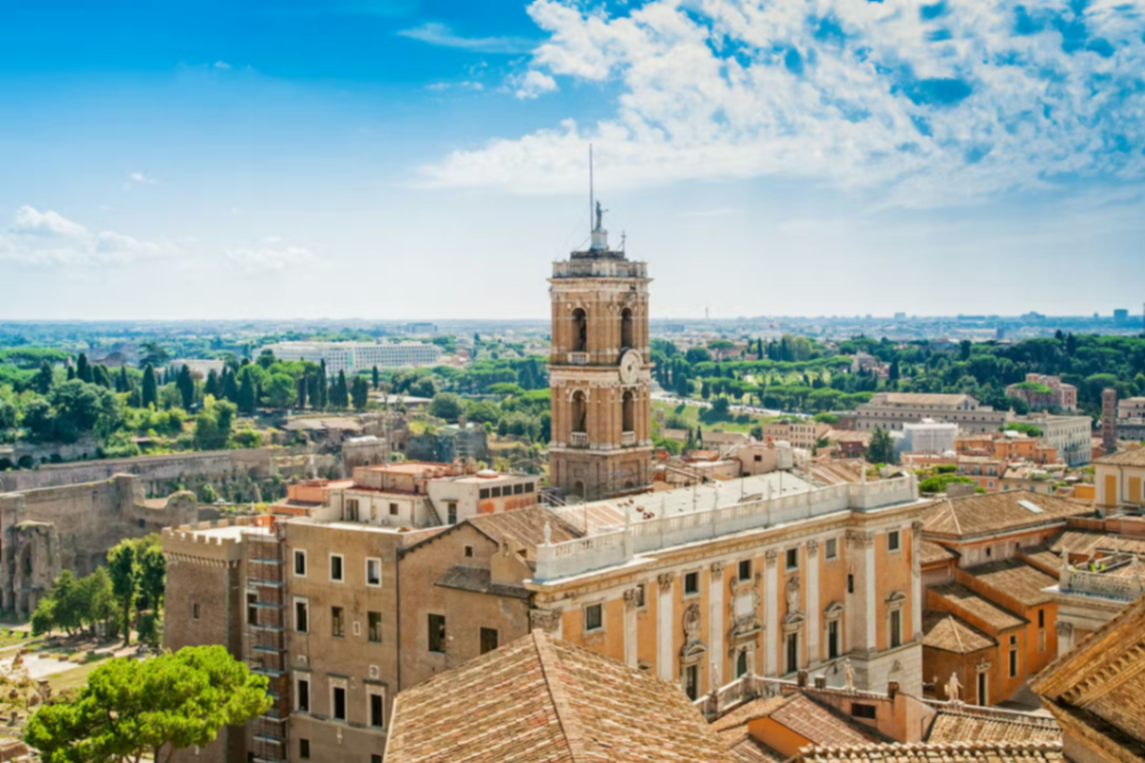
Capitoline Museums
World's oldest public museum (1471)—ancient sculptures
Explore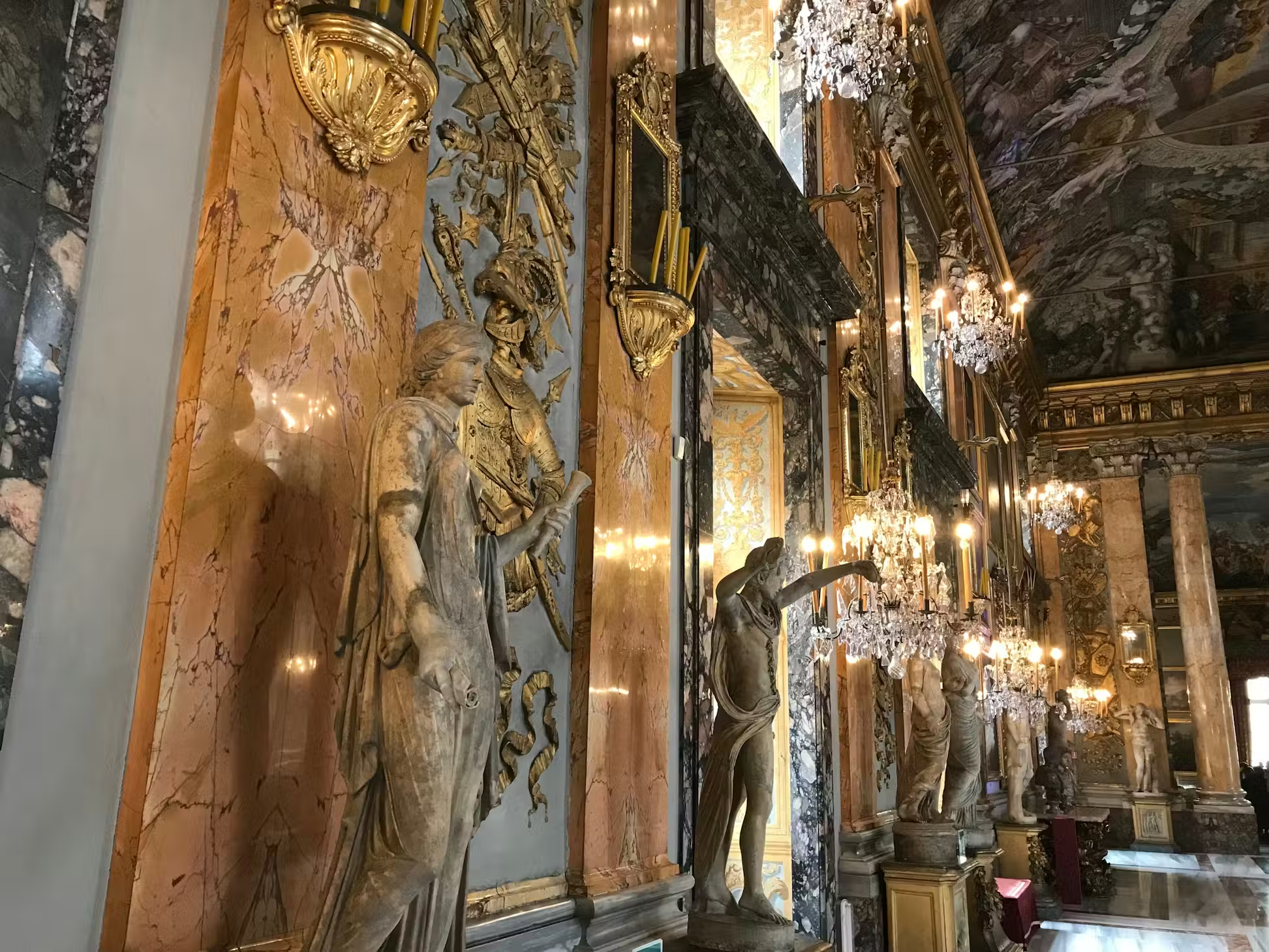
Galleria Colonna
Rome's most magnificent private Baroque gallery (open Friday and Saturday mornings; guided tour format)
Explore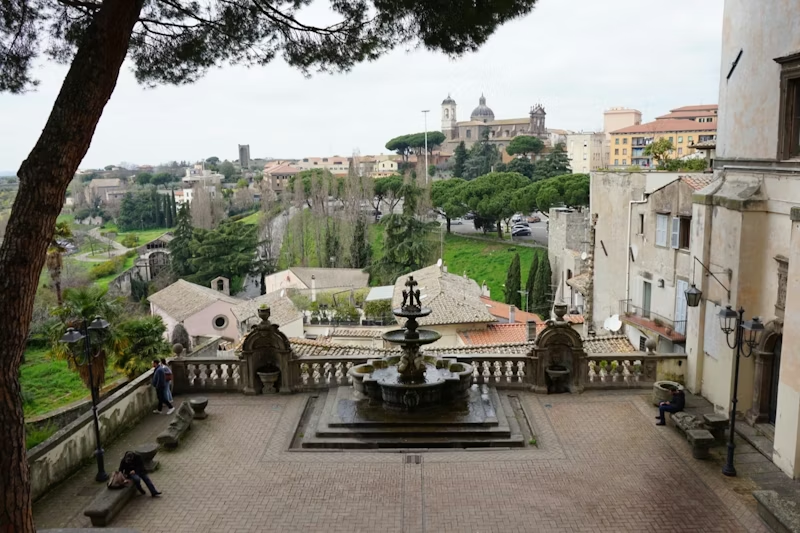
Palazzo dei Priori
Viterbo's Gothic town hall with Renaissance frescoes
Explore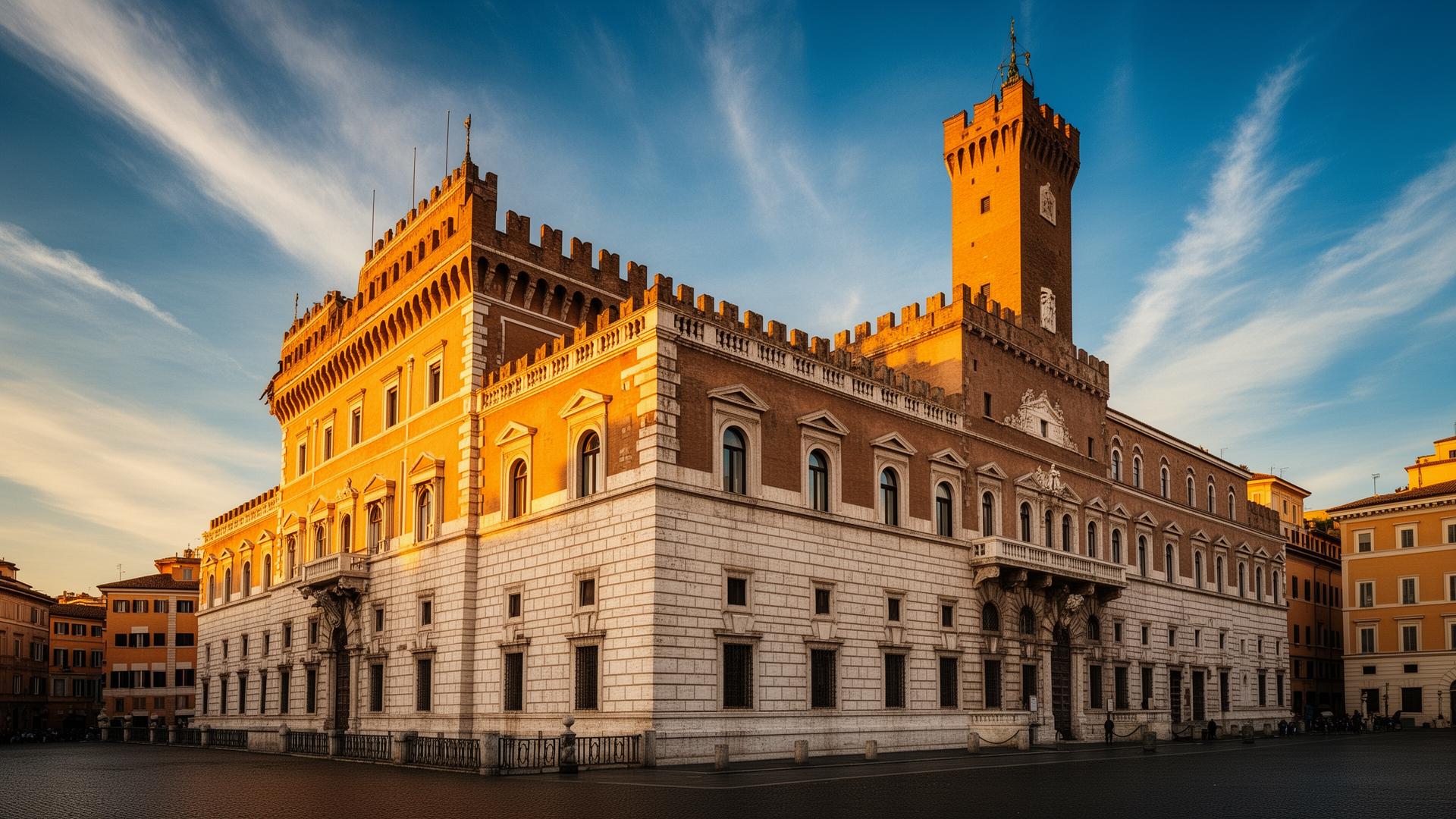
Palazzo Venezia
Rome's first Renaissance palace—medieval and Renaissance art
Explore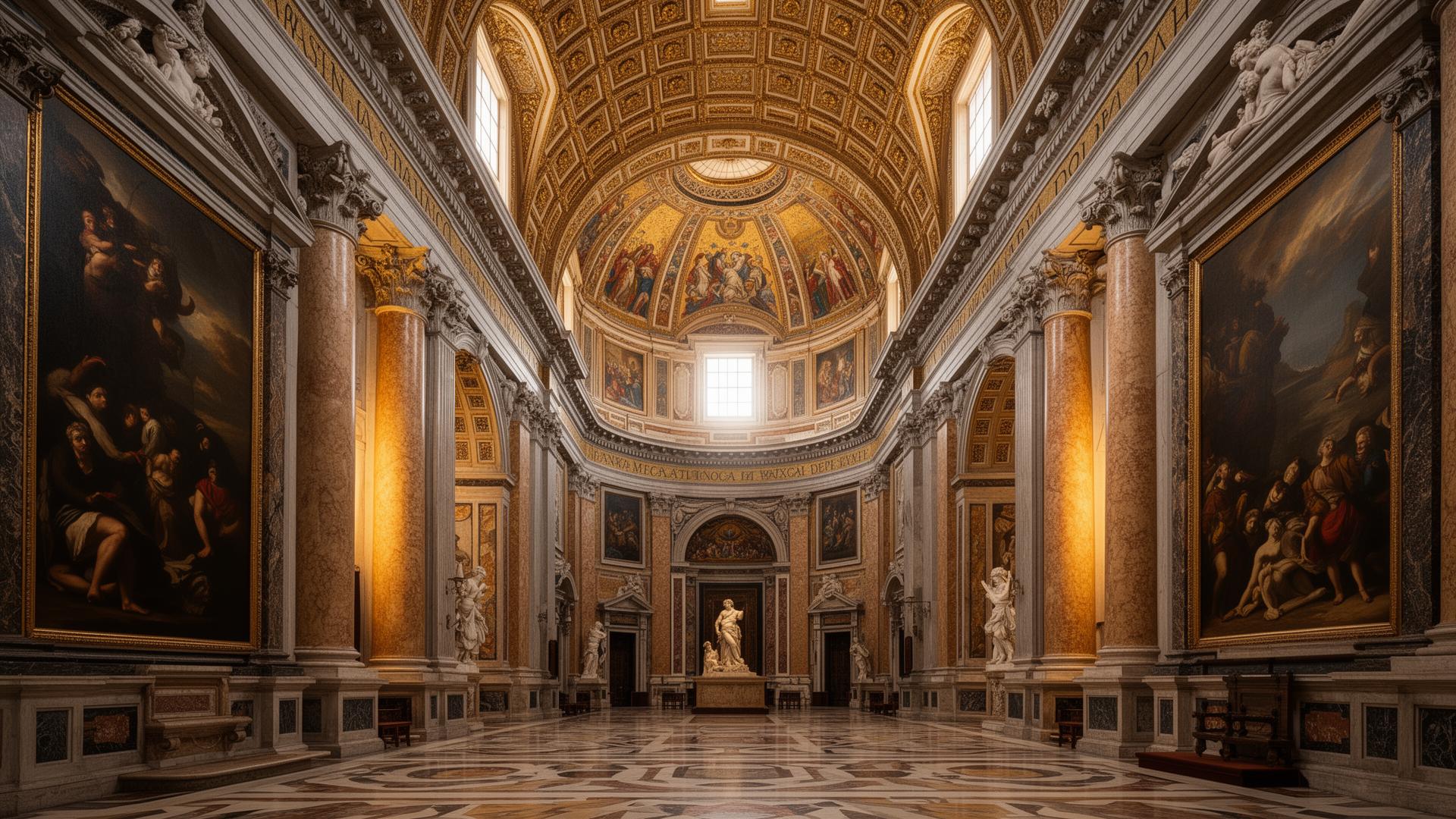
Santa Maria del Popolo
Renaissance church with two Caravaggio masterpieces
Explore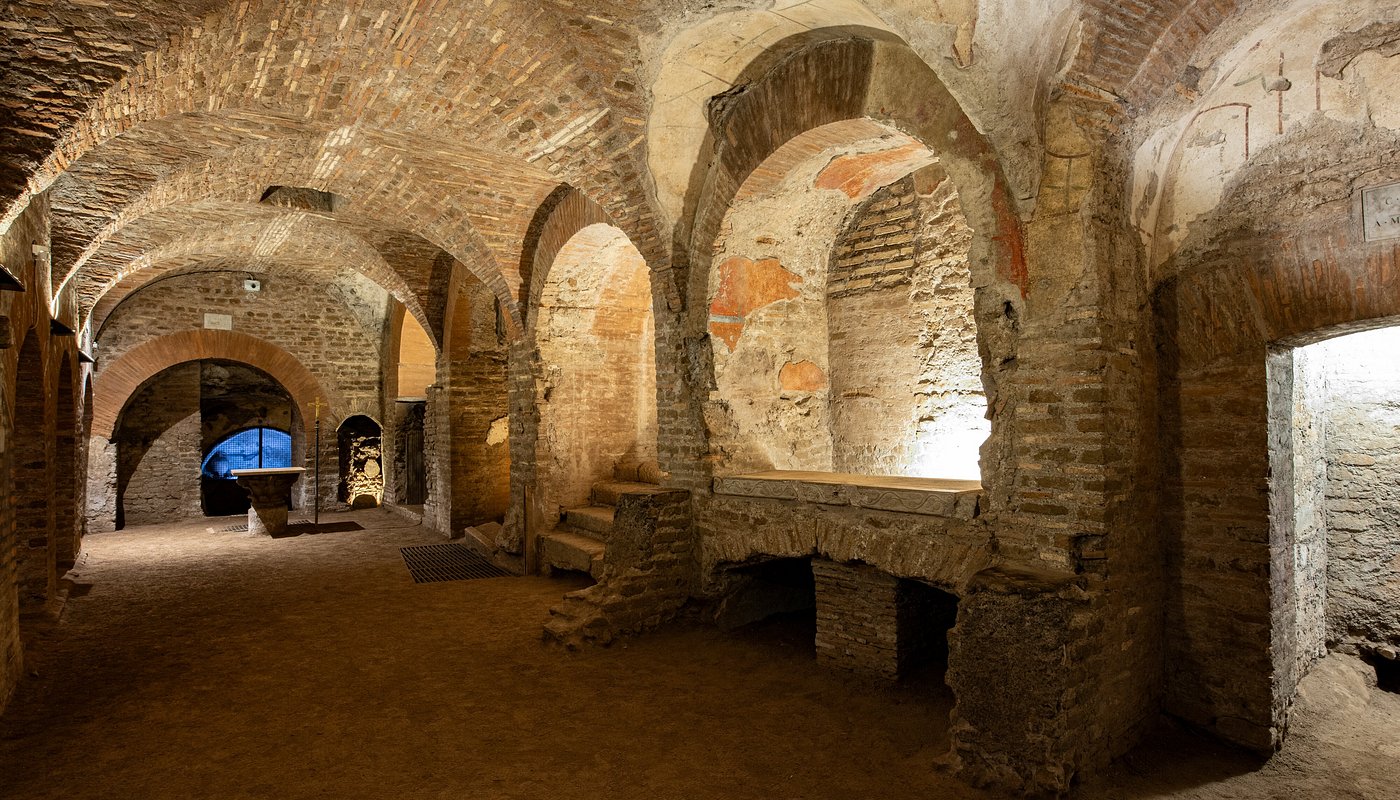
Catacombs of Priscilla
Rare early Christian frescoes including an early image identified as the Virgin and Child
ExploreQuick Planning Guide
⏱️ Time Needed
2–3 hr
💰 Cost
€13 (€2 reduced)
🎫 Reservation
Not required — walk-up normal
♿ Accessibility
Mostly accessible · Lift to upper floor
📅 Best Time
Tuesday–Thursday morning
👨👩👧👦 Family Friendly
Excellent for kids 8+ (gardens + temple)
🌡️ Weather
Indoor museum + outdoor nymphaeum & gardens
Nearby Attractions
Villa Borghese gardens5-min walk
Galleria Borghese15-min walk, timed ticket
Villa Poniatowskiclosed for PNRR works, expected to reopen autumn 2026
Piazza del Popolo20-min walk
MAXXI Museum10 min by tram
Featured In These Itineraries
Hidden Gems of Rome5 Day Rome ItineraryClassic Rome ItineraryEssential Tips
- ✓ Walk up — booking almost never needed
- ✓ Villa Poniatowski is closed for restoration until an expected autumn 2026 reopening
- ✓ Free first Sunday of every month
- ✓ Do not miss the nymphaeum — accessible from the courtyard
- ✓ Pair with Galleria Borghese in the afternoon