 Contemporary Art
MAXXI Museum
Italy's first national museum of contemporary art, housed in Zaha Hadid's Stirling Prize-winning building
2-3 hoursPrice variesZaha HadidVia Guido Reni, 4A, 00196 Roma RMOpen on MapPlan Your Visit
Compare tickets, tours and stays — booking ahead usually gives more choice
Get TicketsBook a TourHotels NearbyDesigned by Zaha Hadid
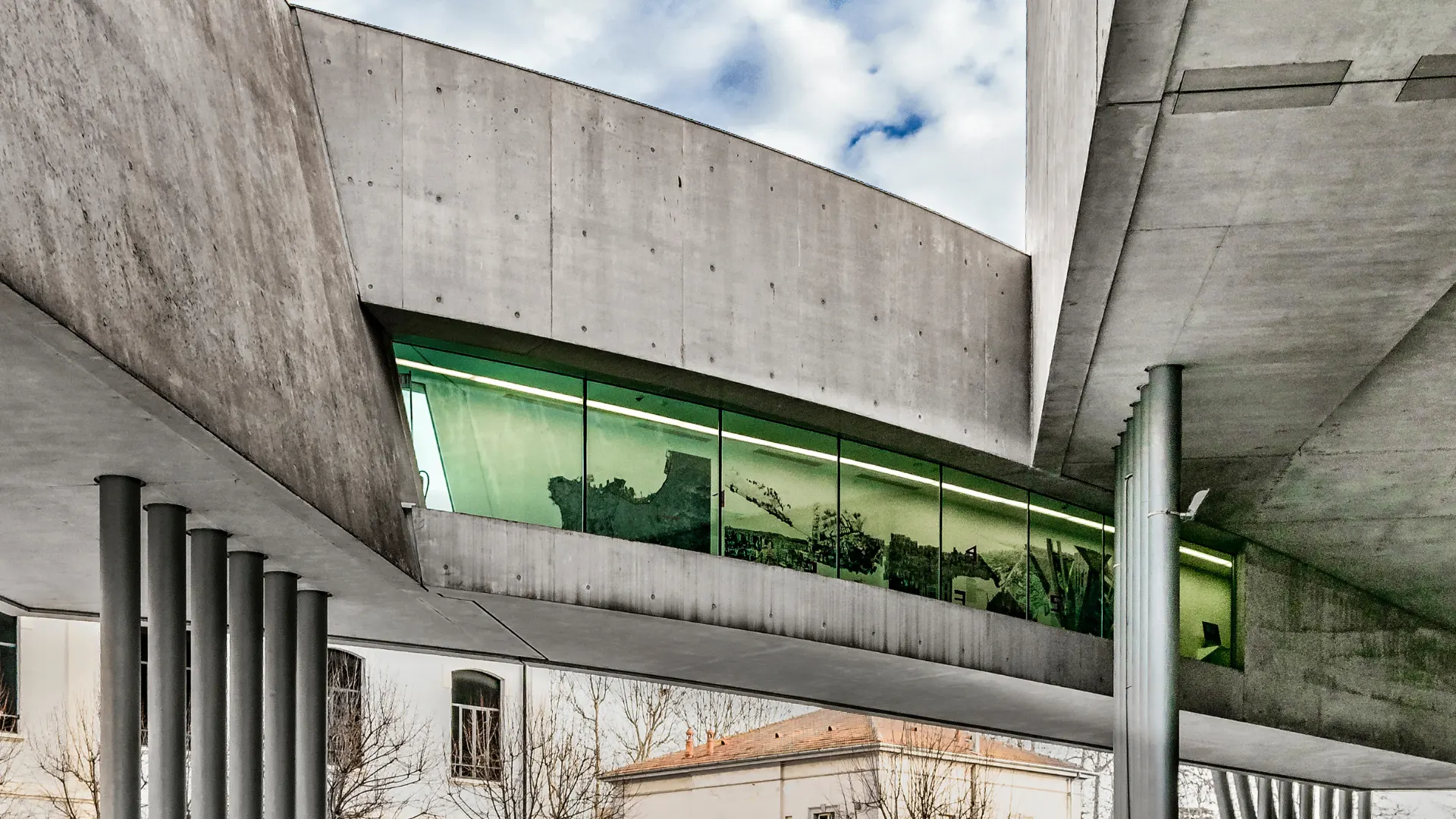
MAXXI is the masterwork of Zaha Hadid (1950-2016), the visionary Iraqi-British architect who revolutionized contemporary design. Hadid was the first woman to receive the Pritzker Architecture Prize and became famous for her radical, fluid forms that defy conventional geometry. After winning an international competition in 1998, she spent over a decade developing MAXXI's revolutionary design—27,000 square meters of flowing concrete that seems to move and breathe. The building won the prestigious RIBA Stirling Prize in 2010, the year it opened. Hadid's death in 2016 makes MAXXI one of her most significant built legacies.
Why Visit MAXXI?
MAXXI (Museo nazionale delle arti del XXI secolo) is Italy's first national museum dedicated to contemporary creativity. But MAXXI is much more than its collection—the building itself, designed by the legendary Zaha Hadid, is one of the most important works of contemporary architecture in the world. With its flowing concrete curves and dramatic spaces, MAXXI offers a striking contrast to Rome's ancient monuments.
Zaha Hadid Masterpiece
An architectural landmark with flowing concrete forms that won the 2010 Stirling Prize
Cutting-Edge Art
Contemporary installations, video art, and rotating exhibitions from global artists
Architecture Focus
Unique dual museum covering both contemporary art and architectural innovation
Rome's Modern Side
Experience a different Rome beyond ancient ruins and Baroque churches
Opened
2010
Architect
Zaha Hadid
Focus
Art + Architecture
Entry
Varies
Visit Time
2-3 hours
Award
Stirling Prize
Table of Contents
Jump to any section of the itinerary
What to See at MAXXI
Zaha Hadid Architecture
- 27,000 sqm of flowing concrete forms
- Dramatic suspended staircases
- Iconic cantilever entrance
- Interconnected gallery volumes
MAXXI Arte Collection
- Rotating contemporary art displays
- Past works have included Anish Kapoor and Gerhard Richter
- Video, photography and installation art
- Changing temporary exhibitions
MAXXI Architettura
- Carlo Scarpa drawings and models
- Aldo Rossi architectural archives
- Pier Luigi Nervi engineering studies
- Contemporary Italian architecture
Hidden Details
- Natural light systems throughout
- Floating black staircases
- Geometric ceiling patterns
- Integration of indoor/outdoor spaces
Museum Highlights
The Building Itself
Zaha Hadid's design revolutionized museum architecture. The 27,000 square meter complex features intersecting gallery volumes, suspended black staircases, and a dramatic cantilever over the entrance. The building's fluid geometry—with walls that curve and tilt, floors that slope, and ceilings that undulate—creates a sense of movement that makes exploring as important as viewing art. Natural light floods through skylights that follow the building's organic forms.
MAXXI Arte
The contemporary art collection includes works by numerous Italian and international artists, with past displays featuring names such as Anish Kapoor, Gerhard Richter, and William Kentridge. What is on view rotates with the exhibition program, so specific works are not guaranteed to be on display—check the official site for current shows.
MAXXI Architettura
One of the world's few museums dedicated entirely to architecture, MAXXI Architettura holds collections of drawings, models, photographs, and archives from major 20th and 21st-century architects. Highlights include the archives of Carlo Scarpa, Aldo Rossi, and Pier Luigi Nervi—titans of Italian modernism whose work influenced generations of architects worldwide.
Outdoor Spaces & Café
The museum's outdoor plaza and garden have hosted site-specific installations and events. An on-site café has generally offered coffee and light meals with views of Hadid's architecture, and there is a bookshop for architecture and design publications—check current opening times and offerings on-site.
Explore All Levels
The building is the art—take time to walk every level, explore the suspended walkways, and experience how Hadid's flowing forms create a sense of continuous movement through space.
Best Time to Visit
MAXXI is open Tuesday–Sunday, 11:00–19:00 (closed Monday, 1 May, and 25 December); hours can change for specific exhibitions, so check ahead. Weekday afternoons tend to be quieter.
Photography Spots
The cantilever entrance, suspended black staircases, and dramatic ceiling geometries are Instagram favorites. The outdoor plaza offers great exterior shots. No flash inside galleries.
The MAXXI Café
MAXXI has typically had an on-site café with a terrace overlooking Hadid's architecture, though hours and offerings can vary—worth checking when you visit.
History of MAXXI
1998Competition Won
Zaha Hadid wins the international competition to design Italy's first national contemporary art museum, beating 273 entries.
2003Construction Begins
After years of planning and engineering studies, construction starts on the complex concrete structure in the Flaminio district.
2009Building Completed
The main structure is finished after over six years of construction, with the flowing concrete forms finally realized.
2010Museum Opens
MAXXI opens to the public on May 30 and wins the prestigious RIBA Stirling Prize for the best new building in Europe.
2016Zaha Hadid Dies
The architect dies unexpectedly at 65. MAXXI becomes one of the most significant built legacies of her revolutionary vision.
PresentCultural Hub
MAXXI continues as a leading venue for contemporary art and architecture in Europe, hosting major exhibitions and events.
Common mistakes to avoid
Visiting on a Monday
MAXXI is closed every Monday, as well as on 1 May and 25 December. Many visitors trek out to the Flaminio district on a Monday only to find the doors shut. Plan for Tuesday–Sunday, 11:00–19:00, and note hours can change for specific exhibitions.
Only doing the temporary exhibitions
MAXXI has two parallel museums under one roof: MAXXI Arte (contemporary art) and MAXXI Architettura (drawings, models, archives by Carlo Scarpa, Aldo Rossi, Pier Luigi Nervi). Your single ticket covers both — but most visitors do the headline temporary show and leave, missing the architecture wing entirely.
Treating the building as a backdrop
Zaha Hadid's building won the 2010 RIBA Stirling Prize and is itself the most important exhibit. Visitors who race through the galleries miss the suspended black staircases, the cantilever entrance, and the way the floors slope. Build in 30 minutes just to walk the architecture without looking at any art.
Combining it with the Vatican on the same day
MAXXI is in the Flaminio district, 25–30 minutes from central Rome by tram. It deserves its own half-day, ideally paired with the Auditorium Parco della Musica next door or Ponte Milvio. Trying to squeeze it between the Vatican and the Colosseum almost always means rushing it.
Not checking hours before visiting
MAXXI's opening hours can vary around specific exhibitions, so it's worth checking the official site shortly before your visit rather than assuming the standard Tuesday–Sunday, 11:00–19:00 schedule applies.
Driving without checking ZTL
MAXXI sits just outside the historic centre; parking can be difficult and some surrounding streets may fall within Rome's ZTL (limited-traffic zone) restrictions, which vary by time and day. Check current ZTL rules and consider public transport, such as the tram, as an alternative to driving.
Insider tips from locals
Walk the cantilever from the outside first
Before going in, walk around the building's western side to see the dramatic concrete cantilever projecting out over the entrance plaza. Most visitors enter directly from Via Guido Reni and never see it from the angle that made the building famous in architecture magazines.
Ride the suspended black staircases as the experience
Hadid's tilted, suspended staircases are not just circulation — they're the building's signature. Take the long route between every level, even when the lift is closer. The view down from the top of the central stair is one of the best architecture photos you can take in Rome.
Pair with the Auditorium Parco della Musica
Renzo Piano's Auditorium — three giant beetle-shaped concert halls — is a 10-minute walk away. Doing Hadid's MAXXI and Piano's Auditorium back-to-back gives you Italy's two most important pieces of 21st-century architecture in one afternoon, both Pritzker-winning architects.
Use the café terrace as a viewpoint
The MAXXI café has generally opened onto a terrace framing the building's curves and the outdoor plaza below—check current hours and pricing, as these can change, before planning around it.
Time it with Ponte Milvio at sunset
Ponte Milvio (the lovers' lock bridge) is a 15-minute walk north along the Tiber. Visit MAXXI in the afternoon, ending in good time before closing, then walk to the bridge for golden hour and aperitivo in the Flaminio bars near Piazza Mancini.
Check what's on before booking
MAXXI's permanent collection rotates and is sometimes mostly in storage when major temporary shows take over. Before going, check the current exhibitions on the official site — if a Kapoor, Kentridge, or Cattelan retrospective is up, it's worth prioritising; if not, the architecture wing usually justifies the trip on its own.
Where to Stay Near MAXXI Museum
Looking for convenient accommodation near MAXXI Museum? Stay within walking distance to make the most of your visit.
Hotels Near This AttractionTop Rated HotelsBudget-Friendly OptionsLuxury HotelsCentral locations with easy access to MAXXI Museum and other attractionsFrequently Asked Questions
How much does it cost to visit MAXXI?
Ticket prices vary depending on the exhibitions on display and are not fixed—check the official MAXXI website for current pricing before you go. Reduced rates are typically available for students and seniors, and the ticket covers both MAXXI Arte and MAXXI Architettura.
How long should I spend at MAXXI?
Plan for 2-3 hours to explore both the art and architecture collections, plus time to appreciate Zaha Hadid's extraordinary building. Architecture enthusiasts and art lovers could easily spend longer.
What makes the MAXXI building special?
Designed by Zaha Hadid, the building is a masterpiece of contemporary architecture. Its flowing concrete forms, dramatic cantilevers, and interconnected galleries create a sense of movement and fluidity. The building won the prestigious Stirling Prize in 2010.
What kind of art is displayed at MAXXI?
MAXXI focuses on 21st-century art and architecture. Its collection has included works by contemporary artists such as Anish Kapoor, Gerhard Richter, and William Kentridge, though what is on display rotates and depends on current exhibitions—check the official site for what's showing during your visit.
Is MAXXI worth visiting if I'm not into contemporary art?
Absolutely! Even if contemporary art isn't your thing, the building itself is a work of art worth experiencing. The café, bookshop, and outdoor spaces are also excellent. It offers a refreshing contrast to Rome's ancient monuments.
How do I get to MAXXI?
Tram 2 has typically run from Piazzale Flaminio (near Piazza del Popolo) to a stop near the museum, though routes and schedules can change—check current ATAC service information before you go. Alternatively, it's roughly a 20-minute walk from Villa Borghese.
Who was Zaha Hadid?
Zaha Hadid (1950-2016) was an Iraqi-British architect known for her radical deconstructivist designs. She was the first woman to receive the Pritzker Architecture Prize (2004). MAXXI, completed in 2010, is considered one of her masterpieces and remains a tribute to her revolutionary vision.
Related Attractions
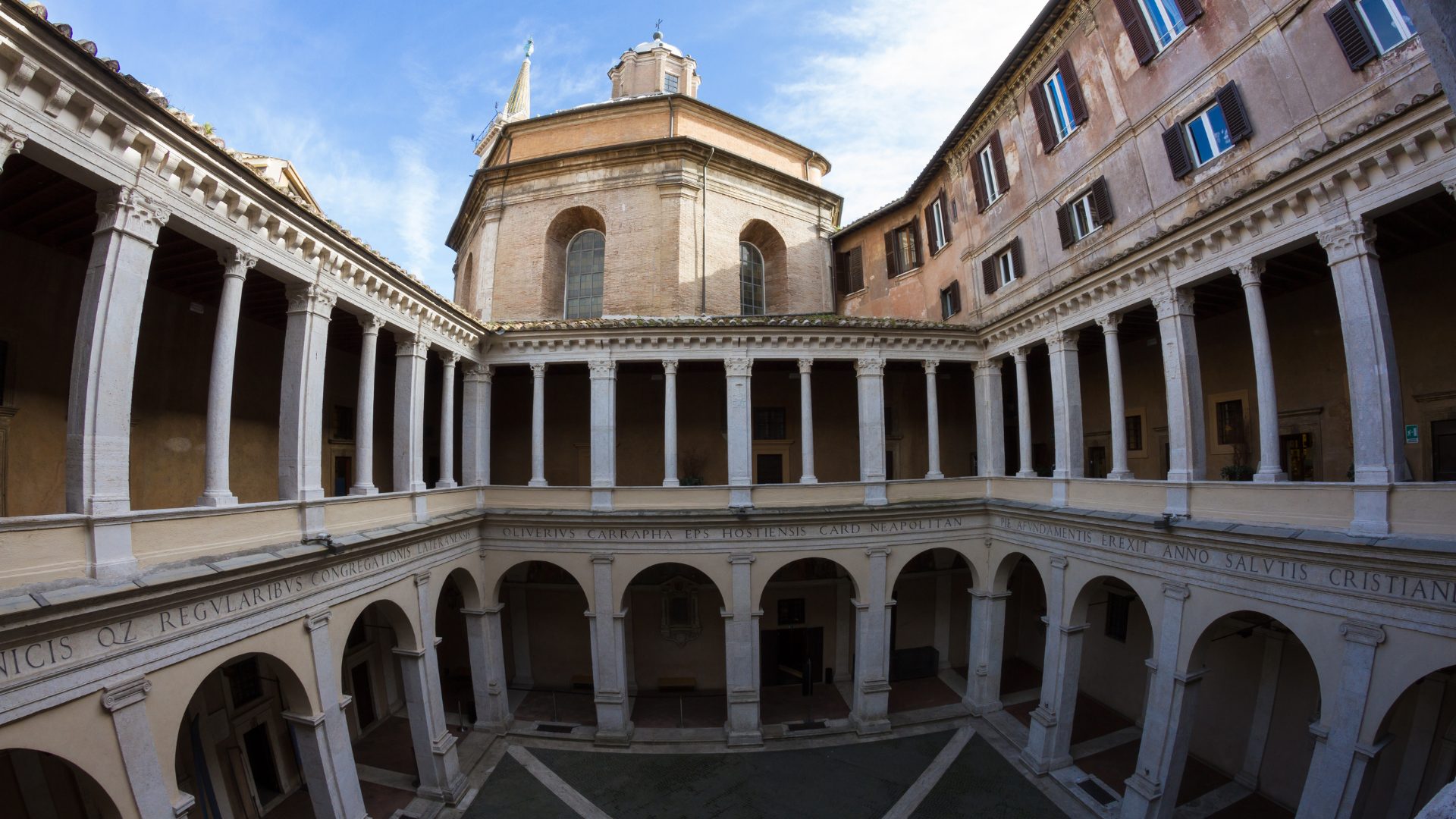
Chiostro del Bramante
Bramante's Renaissance cloister hosting world-class exhibitions
Explore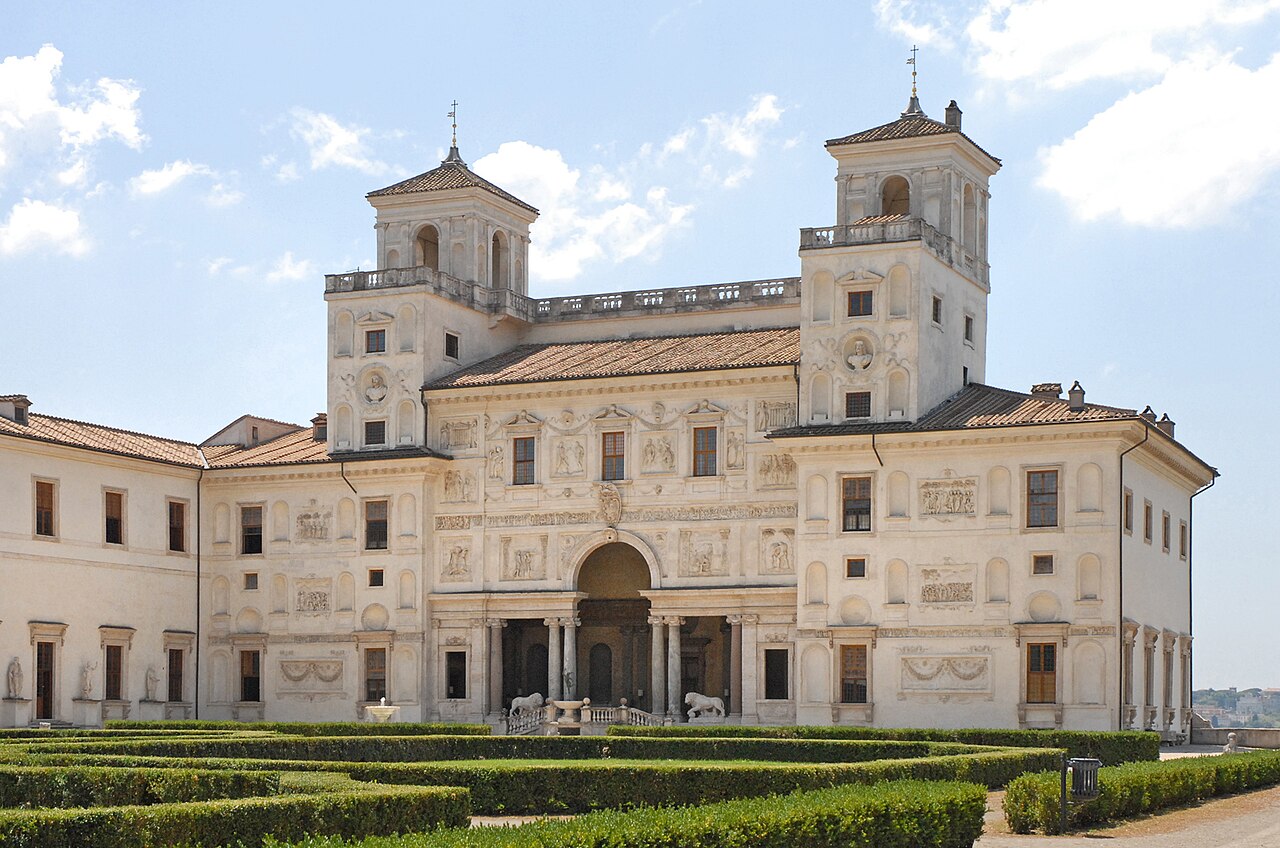
Villa Medici
Renaissance masterpiece on Pincian Hill—French Academy
Explore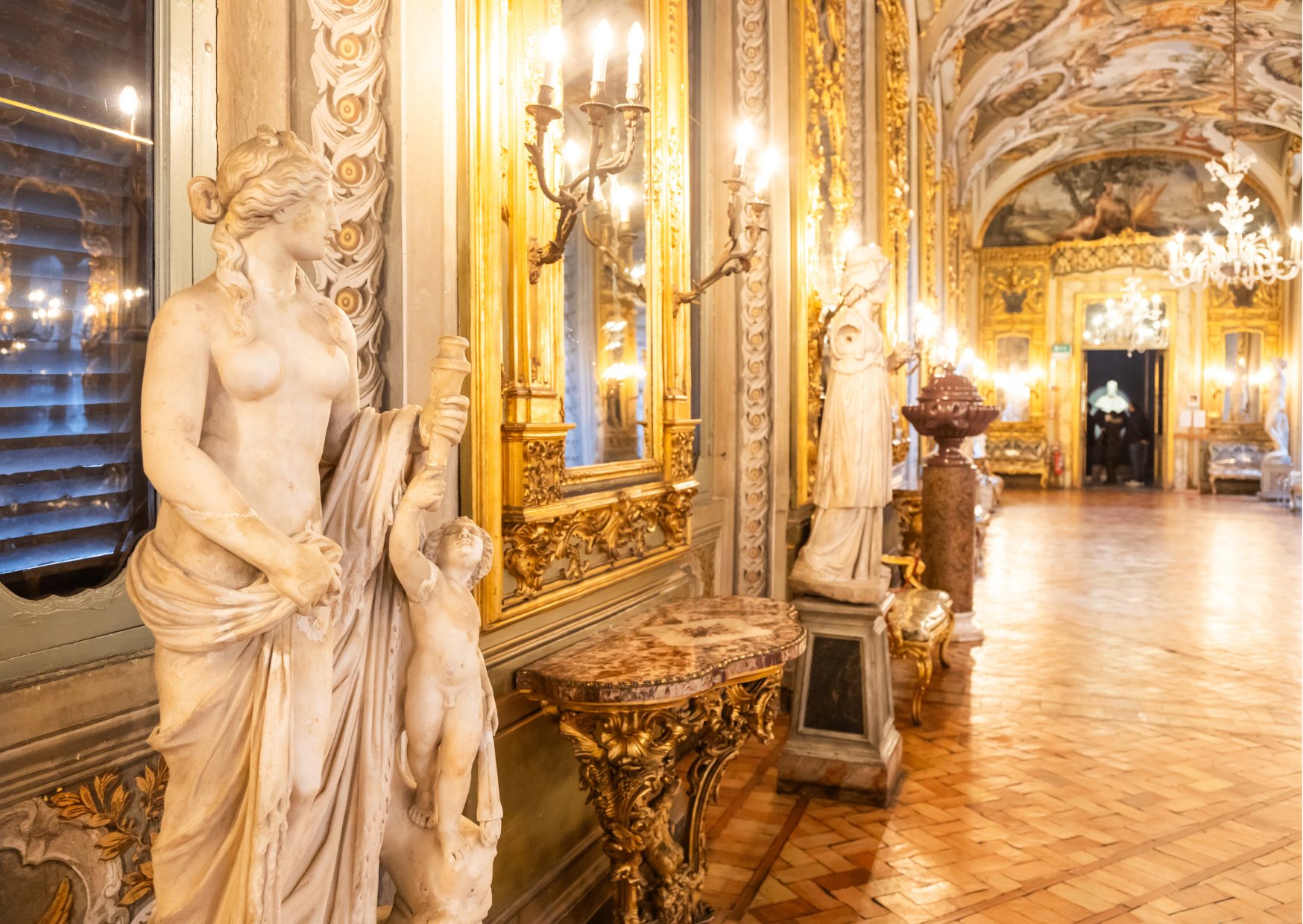
Galleria Doria Pamphilj
Private palace with Velázquez's Pope Innocent X
Explore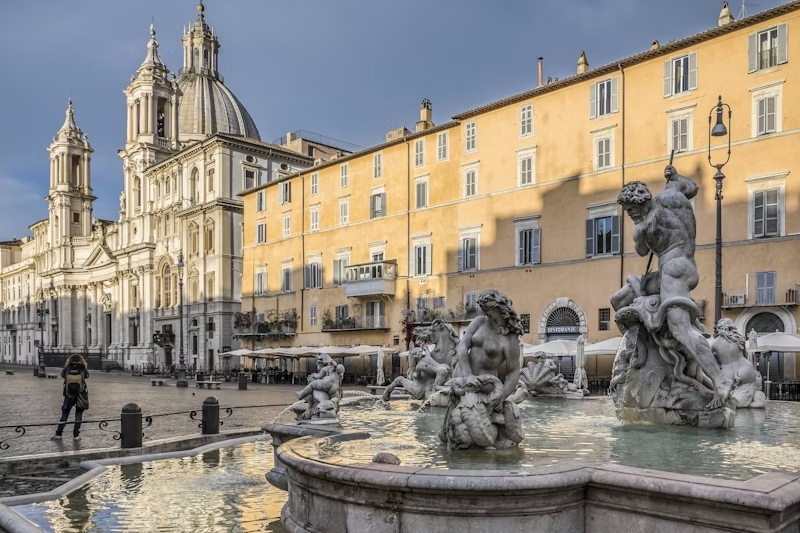
Napoleonic Museum
Free museum with Bonaparte family memorabilia near Piazza Navona
Explore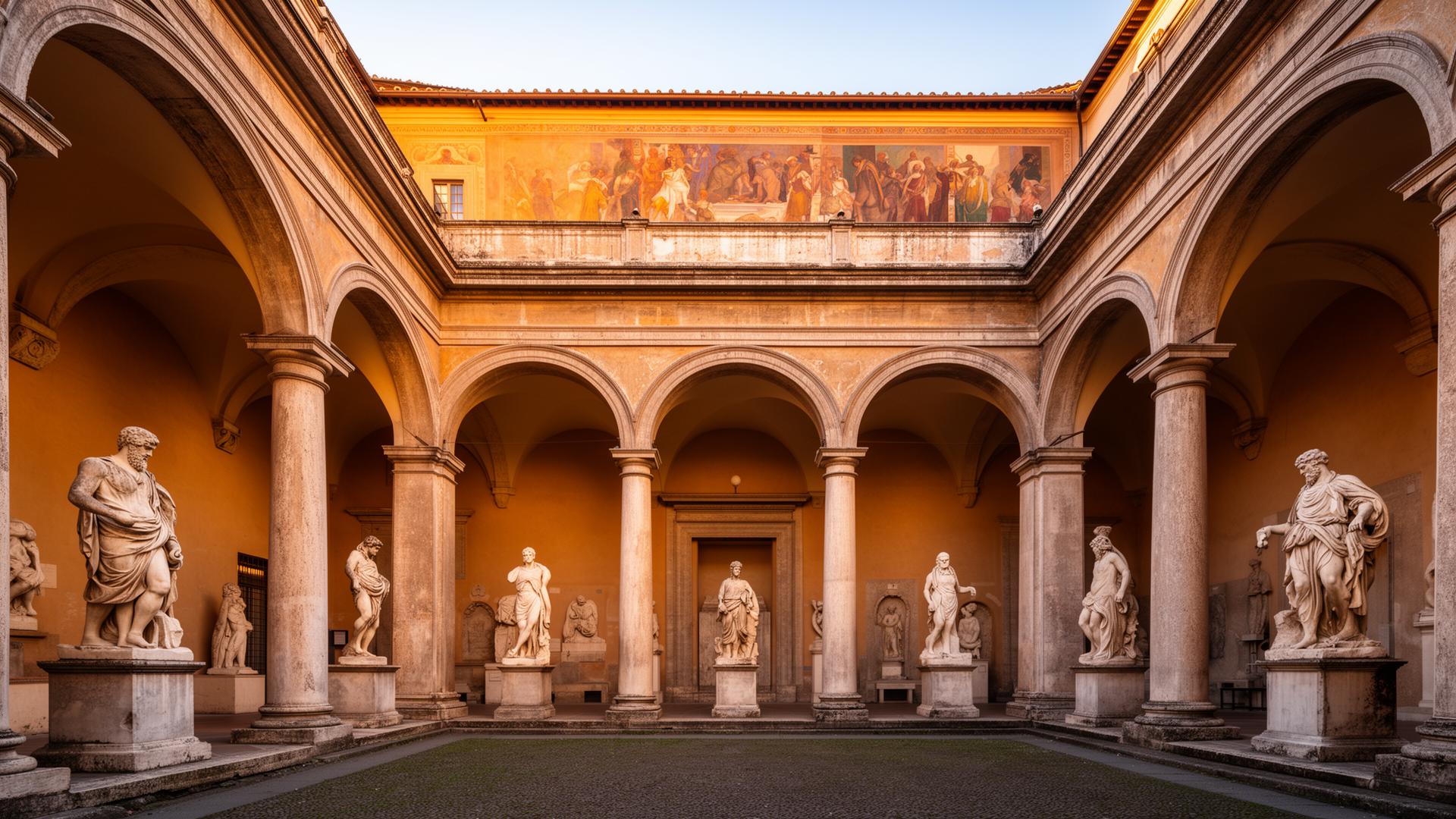
Palazzo Altemps
Renaissance palace with ancient sculptures and Ludovisi Collection
Explore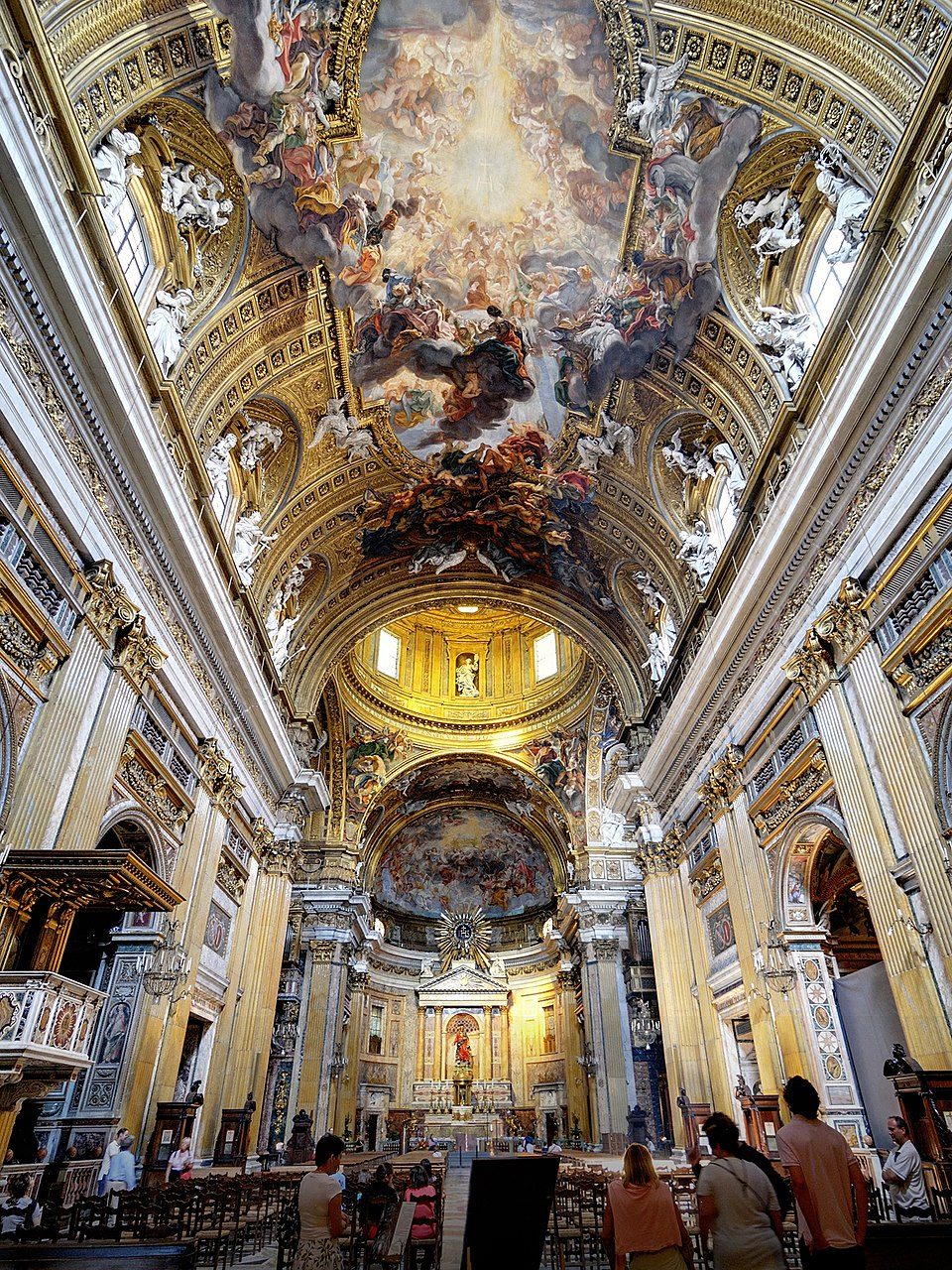
Chiesa del Gesù
Mother church of the Jesuits with stunning ceiling fresco
ExploreQuick Planning Guide
⏱️ Time Needed
2-3 hours
💰 Cost
Varies by exhibition—check official site
🎫 Reservation
Not required
♿ Accessibility
Fully accessible
📅 Best Time
Weekday afternoons
👨👩👧👦 Family Friendly
Yes, with interactive exhibits
Nearby Attractions
Auditorium Parco della Musica10-minute walk
Ponte Milvio15-minute walk
Villa Borghese20-minute walk
Piazza del Popolo20 minutes by tram
Featured In These Itineraries
Hidden Gems RomeRainy Day RomeRome Like a LocalEssential Tips
- ✓ The building is art—explore all levels
- ✓ Great café with outdoor terrace
- ✓ Check official site for current ticket prices
- ✓ Check tram/transit options from Piazzale Flaminio