 Renaissance Palace · National Museum
Palazzo Venezia
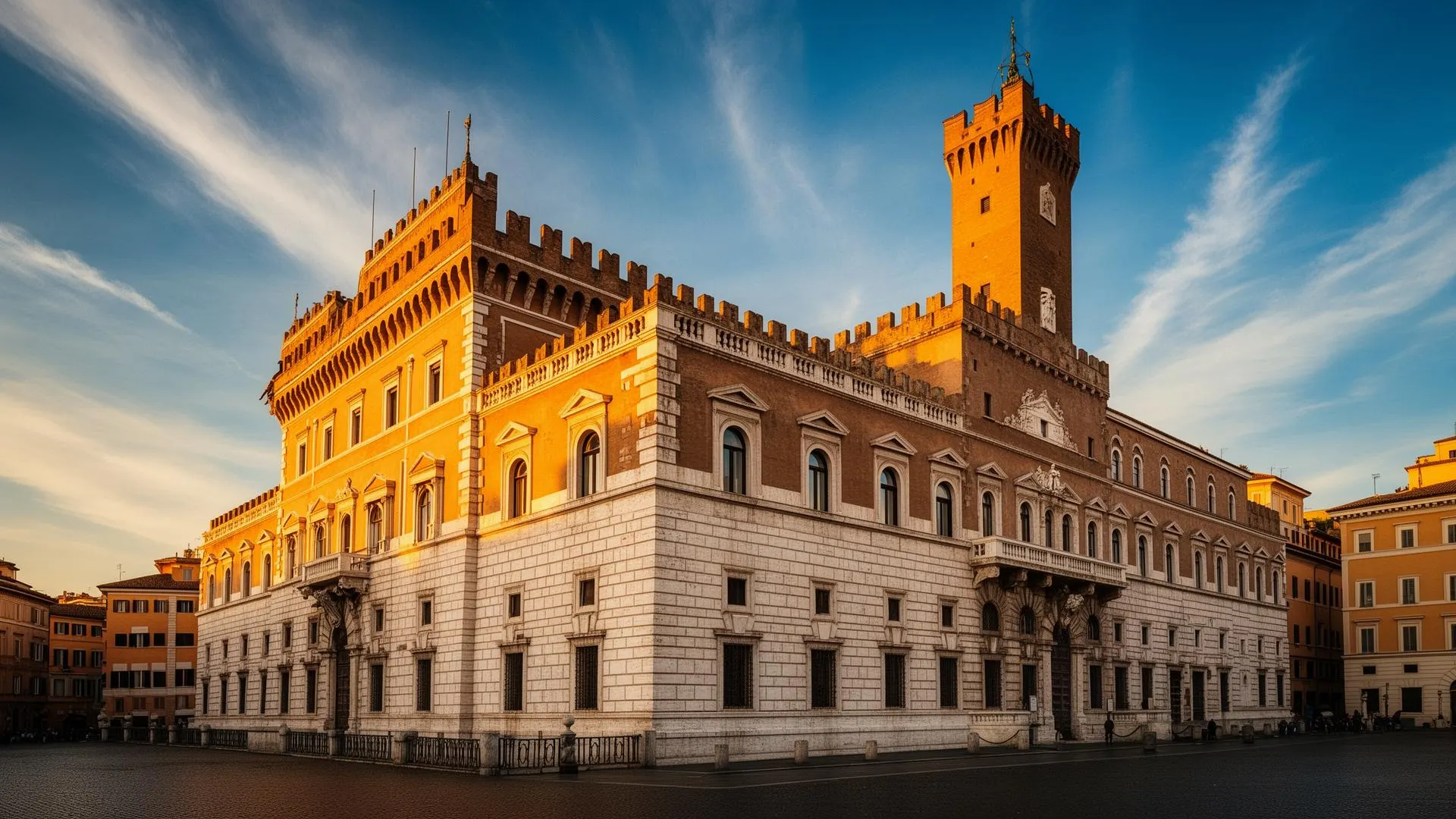
Pope Paul II's 1455 Renaissance residence on Piazza Venezia — frescoed apartments, world-class Renaissance bronzes, the Sala del Mappamondo and the balcony that shaped 20th-century history.
1–2 hours€18 VIVE admissionPapal palaceRenaissance bronzesVia del Plebiscito 118, 00186 RomaOpen on MapPlan Your Visit
Compare tickets, tours and stays — booking ahead usually gives more choice
Get TicketsBook a TourHotels NearbyBy AllTrips Editors••9 min readPalazzo Venezia sits on the most-photographed square in Rome, yet most visitors walk straight past it. Built in 1455 for Cardinal Pietro Barbo — who became Pope Paul II nine years later — it is one of the very first true Renaissance palaces in the city. Today its frescoed papal apartments hold the Museo Nazionale del Palazzo di Venezia: medieval and Renaissance paintings, a world-class collection of small bronzes, tapestries, ceramics, and the colossal Sala del Mappamondo that Mussolini used as his office — though that hall, and the other historic rooms, are officially listed as temporarily closed for restoration. The balcony above the main door — closed today, photographed daily from below — is where some of the most consequential speeches of the 20th century were delivered. €18 VIVE admission, no queue.
📋 In This Guide
Duration
1–2 hours
Cost
€18 VIVE admission
Photos
Yes — no flash
Access
Ticket required
Why Visit Palazzo Venezia?
The Capitoline Museums uphill make you queue. The Vittoriano across the square is full of selfie sticks. Palazzo Venezia, between them, gives you Pope Paul II's frescoed apartments, one of the world's finest collections of Renaissance bronzes, the and a museum you will almost always have to yourself. The colossal Sala del Mappamondo and the other historic halls are officially listed as temporarily closed for restoration. It is probably the best quality-to-crowd ratio on Piazza Venezia.
First True Renaissance Palace
Built 1455–1467, before Bramante and Sangallo arrived in Rome — the building that taught the city what Renaissance architecture looked like.
World-Class Bronzes
Over 250 small Renaissance bronzes by Riccio, Antico, Severo da Ravenna — one of the three best such collections anywhere in the world.
A Pope's Apartments
The Sala Regia, the Sala del Concistoro and the Sala del Pappagallo are Pope Paul II's actual living rooms — almost unaltered since the 1460s.
20th-Century History
The Sala del Mappamondo, Mussolini's office for 14 years, sits behind the balcony from which he declared the Italian Empire (1936) and World War II (1940) — the hall is officially listed as temporarily closed for restoration.
What to See Inside
Sala del Mappamondo
The largest hall of the palace, named after a (lost) 15th-century map of the world that once frescoed the entire end wall. The vast coffered ceiling and Mantegna-school frieze are original to Pope Paul II. From 1929 to 1943 Mussolini used it as his personal office — visitors had to walk the entire length of the room toward his desk. The hall is officially listed as temporarily closed for restoration, along with the Sala delle Battaglie; check VIVE's notices for a confirmed reopening date.
The Renaissance Bronze Collection
Two rooms hold over 250 small bronzes from the 15th–17th centuries — Riccio's Satyr, Antico's gilded mythological statuettes, Severo da Ravenna's inkwells — considered alongside the Frick (New York) and the Bargello (Florence) one of the three finest such collections anywhere.
Bernini's Charity Bozzetto
A small terracotta working model carved by Gian Lorenzo Bernini himself for the figure of Charity on the Tomb of Pope Urban VIII in St Peter's. The thumb-prints of the artist are still visible in the clay — a rare direct trace of the Baroque master's hand.
Pope Paul II's Apartments
The Sala Regia (throne room), the Sala del Concistoro, the Sala del Pappagallo (named for the parrot the Pope kept there) and the Sala dei Paramenti — a sequence of frescoed and wood-coffered rooms that survive almost unaltered since the 1460s.
Renaissance Courtyard (Viridarium)
The arcaded courtyard, never finished, is one of the earliest pure Renaissance courtyards in Rome — heavily inspired by Leon Battista Alberti's writings on classical architecture. The two-story loggia became the model for half the city's later palaces.
Tapestries, Ceramics & Arms
Brussels and Tournai tapestries from the 15th–16th centuries, an exceptional collection of Italian maiolica from Deruta, Faenza and Castel Durante, and a small but important display of Renaissance arms and armour.
Basilica of San Marco
Attached to the palace and accessible free from Piazza San Marco around the corner: 9th-century apse mosaics commissioned by Pope Gregory IV, a Carolingian-era ciborium, and the tomb of Pope Paul II himself.
Sala del Mappamondo — A Closer Look
At about 40 metres long, 15 metres wide and 13 metres high, the Sala del Mappamondo is the single largest Renaissance secular hall in Rome. It was built by Pope Paul II for state receptions and decorated by Andrea Mantegna's circle with a continuous frieze of Famous Men — fragments of which still survive in the upper register.
The end wall once held a mappamondo, a fresco of the entire known world, painted around 1465 — long before the Sistine Chapel and probably the largest cartographic image painted anywhere in 15th-century Europe. The map was destroyed in the 16th century but gave the room its name forever.
From 16 September 1929 to 25 July 1943, Benito Mussolini used the hall as his personal office, with his desk placed at the far end so that visitors had to walk almost 40 metres under his stare to reach him — a theatrical effect adapted directly from Renaissance papal etiquette. The original desk and chair are gone, but the hall's proportions and coffered ceiling survive, with the inside of the famous balcony doors visible at one end.
Today the hall holds part of the museum's tapestry and large- sculpture collection, but it is officially listed as temporarily closed for restoration along with the neighbouring Sala delle Battaglie. Check VIVE's notices for a confirmed reopening date.
The Renaissance Bronze Collection
In two relatively small rooms on the piano nobile, Palazzo Venezia holds what specialists rank among the three finest collections of small Renaissance bronzes in the world, alongside the Frick Collection in New York and the Bargello in Florence. Over 250 statuettes, plaquettes and functional objects — inkwells, oil lamps, door knockers — cast between the late 15th and the 17th centuries.
Look for the works of Andrea Briosco ("Il Riccio", Padua) — his satyrs and pastoral figures are among the most tactile bronzes ever made; the gilded mythological statuettes of Pier Jacopo Alari Bonacolsi ("L'Antico", Mantua), made for the Gonzaga court; and Severo da Ravenna's elaborate inkwells with their writhing figures.
The collection was largely assembled by the museum's first director Federico Hermanin in the 1920s and 1930s, who travelled across Italy buying small bronzes when no other museum thought them important enough to chase — a vindicated curatorial bet that today defines the museum.
Mussolini's Balcony
The small balcony directly above the main entrance on Piazza Venezia is, despite its modest size, one of the most historically charged pieces of architecture in Italy. From it, Benito Mussolini gave the speeches that defined Italian fascism — the proclamation of the Italian Empire after the conquest of Ethiopia (9 May 1936), the declaration of war on France and Britain (10 June 1940), and dozens of weekly addresses to the crowds packed into the square below.
You cannot go out on the balcony — it has been closed to public access since the postwar period. The Sala del Mappamondo behind it — with the inside of the balcony doors and the small antechamber where Mussolini waited for the crowd to fall silent — is officially listed as temporarily closed for restoration.
For photographs, step out into Piazza Venezia and look up — the balcony is small, simple, and in the late afternoon light becomes one of the most evocative architectural details on the square.
The Palace Itself
Palazzo Venezia is a hybrid: half medieval fortress, half Renaissance palace. The crenellated Torre della Biscia at the south corner and the heavy travertine walls belong to the 15th-century military tradition; the regular square windows, the corner pilasters and the unfinished arcaded courtyard belong to the new Renaissance language imported from Florence and Mantua.
The travertine itself was, controversially, quarried from the Colosseum and the Theatre of Marcellus — a normal Roman practice in the 15th century but one that produced indignant complaints even at the time. The two ancient lions flanking the main door came from the Egyptian temple of Isis on the Campus Martius.
The Viridarium courtyard, designed in the manner of Leon Battista Alberti, was meant to have four arcaded sides but only two were ever finished. Even unfinished, it became the model for half the great Roman palace courtyards built over the following century — including the Cancelleria and Palazzo Farnese.
Palazzo Venezia Through History
1455Construction Begins
Cardinal Pietro Barbo, titular cardinal of San Marco, begins building a new palace next to the basilica — one of the first true Renaissance buildings in Rome, using travertine stripped from the Colosseum and the Theatre of Marcellus.
1464Becomes Papal Residence
Pietro Barbo is elected Pope Paul II and turns the still-unfinished palace into his official residence, expanding it dramatically. The Sala del Mappamondo and Sala Regia date from this campaign.
1467Renaissance Courtyard
The famous arcaded courtyard (Viridarium), designed in the manner of Leon Battista Alberti, is laid out — one of the earliest pure Renaissance courtyards in the city, though never finished.
1564Venetian Embassy
Pope Pius IV grants the palace to the Republic of Venice as its embassy in Rome — and the building takes on the name Palazzo Venezia. Venetian cardinals will run it for the next 233 years.
1797French & Austrian Occupation
Napoleon's forces occupy the palace. After the Treaty of Campo Formio dissolves the Venetian Republic, the palace passes to the Austrian Empire as its Roman embassy until 1916.
1916Italian State Reclaim
With Italy at war with Austria, the Italian state confiscates the palace and turns it into a national museum the same year — the Museo Nazionale del Palazzo di Venezia is born.
1929Mussolini Moves In
Benito Mussolini, head of the Fascist government since 1922, moves his office into the Sala del Mappamondo. From the small balcony above the main door he will give some of the most infamous speeches of the 20th century.
1936Empire Speech
On 9 May 1936, Mussolini announces from the balcony the Italian conquest of Ethiopia and the proclamation of the new 'Italian Empire' — one of the largest crowds Piazza Venezia ever held.
1940Declaration of War
On 10 June 1940, Mussolini declares war on France and Britain from the same balcony, dragging Italy into World War II. The Sala del Mappamondo behind the balcony is preserved largely intact.
1944Liberation
After the fall of fascism (1943) and the liberation of Rome (4 June 1944), the palace returns to its museum function. The balcony is closed to public access permanently.
2014Major Restoration
A multi-year restoration reopens the piano nobile with new lighting, restored ceilings and a re-hung collection of Renaissance bronzes — long considered one of the world's best.
2022VIVE Combined Ticket
Palazzo Venezia and the Vittoriano are unified under the new VIVE (Vittoriano e Palazzo Venezia) institute, sharing a €18 combined ticket and a single entrance protocol.
2026Calm at the Crossroads
Despite sitting on the busiest square in Rome, Palazzo Venezia remains one of the city's quietest world-class museums — €18 VIVE admission, no queue, no booking, even in August. Restoration work continues to affect access to some historic halls.
Tickets & Hours 2026
🕐 Opening Hours
- Daily: 09:30 – 19:30 (last admission 18:45)
- Holiday hours: May vary on 1 January, 25 December
- Free entry: Under current VIVE / free-museum policy — typically the first Sunday of the month, but this can change
- Hours and access can shift — check vive.cultura.gov.it.
💶 Tickets
- Full admission: €18 VIVE ticket (Palazzo Venezia + Vittoriano)
- Reduced: €5 (EU 18–25)
- Free: Under 18, and under current VIVE free-entry policy
- Roma Pass: Free as one of two attractions
- Audio guide: €5 (4 languages)
The €18 VIVE ticket covers both Palazzo Venezia and the Vittoriano (Altare della Patria) directly across the square as a single combined admission.
Information checked August 2026: the historic halls including the Sala del Mappamondo and Sala delle Battaglie are officially listed as closed for restoration — check VIVE's official notices (vive.cultura.gov.it) before your visit.Best Time to Visit
Best of Day
09:00 right at opening — you can have entire rooms to yourself. Late afternoon (15:30–17:30) is also blissfully quiet.
Best Day
Weekdays are quietest. Avoid whichever day currently carries free entry under VIVE policy (often the first Sunday of the month), as it brings local crowds. Open daily, so any day works for planning.
Best Season
Year-round — perfect rainy-day stop in winter, blissfully cool refuge in August. The bronze rooms are darkest and most atmospheric mid-afternoon.
Visitor Tips
Admission: €18 VIVE ticket covers Palazzo Venezia + the Vittoriano, including the rooftop lift.
Bag check: Free cloakroom at reception — large bags and umbrellas not allowed in galleries.
Photography: Allowed without flash, no tripods. The bronze rooms and the Renaissance courtyard are the most photogenic.
Audio guide vs printed handout: The free printed English handout at reception is excellent — you don't really need the €5 audio guide.
Don't skip San Marco: The 9th-century mosaic apse of the basilica next door is free and takes 5 minutes.
Combine smart: Pair with the Vittoriano for the rooftop view, then walk uphill to the Capitoline Museums for the perfect Piazza Venezia half-day.
Vs Other Renaissance Palaces in Rome
| Palace | Built / Patron | Cost | Booking | Crowds |
|---|---|---|---|---|
| Palazzo Venezia | 1455 / Pope Paul II | €18 VIVE (+ Vittoriano) | Walk-up | Very low |
| Palazzo Altemps | 1477 / Cardinal Altemps | €15 (MNR sites) | Walk-up | Very low |
| Palazzo Farnese | 1517 / Cardinal Farnese | €9 guided only | Required (weeks) | Capped |
| Palazzo Cancelleria | 1489 / Cardinal Riario | Free (courtyard) | Walk-up | Very low |
| Palazzo Barberini | 1623 / Pope Urban VIII | €15 | Recommended | Medium |
Common Mistakes to Avoid
Assuming historic halls are always open
The museum is open daily, but the Sala del Mappamondo and Sala delle Battaglie are officially listed as temporarily closed for restoration — check VIVE's notices before you go.
Expecting a cheaper standalone ticket
Admission is the €18 VIVE combined ticket, which includes the Vittoriano next door — there is no separate lower-priced Palazzo Venezia-only ticket.
Expecting to walk on the balcony
The famous balcony is closed for preservation, and the Sala del Mappamondo behind it is currently listed as closed for restoration.
Confusing it with Palazzo Bonaparte
Palazzo Bonaparte across the square is a private exhibition venue — Letizia Ramolino's old home. Palazzo Venezia is the museum on the Via del Plebiscito side.
Skipping the bronze rooms
Most visitors give them five minutes. They are the museum's world-class strength — give them at least twenty.
Coming on free Sunday
Free-entry days under current VIVE policy (often the first Sunday of the month) bring crowds. Visit on a normal weekday and have the place to yourself.
Colosseum & Forum Tickets Nearby
Palazzo Venezia is a perfect calm warm-up before the timed-entry giants. The Colosseum and Roman Forum are 10 minutes away on foot along Via dei Fori Imperiali — both require advance booking in 2026.
Colosseum Priority Entrance
Best for: First-time visitors
~2 hoursSkip-the-line access to the Colosseum with entry to Roman Forum and Palatine Hill included. Perfect for first-time visitors.
- Skip-the-line entry
- Colosseum access
- Roman Forum included
- Palatine Hill included
🎟️ Compare Prices:
TiqetsKlookTrip.comColosseum Guided Tour
Best for: History enthusiasts
~3 hoursExpert-led tour with professional guide sharing gladiator history, architecture secrets, and ancient Roman stories.
- Professional English-speaking guide
- Skip-the-line entry
- In-depth historical commentary
- Small group experience
🎟️ Compare Prices:
TiqetsKlookTrip.comColosseum Arena & Underground
Best for: Unique experience seekers
~3.5 hoursWalk where gladiators fought on the arena floor and explore the underground chambers where they awaited their fate.
- Arena Floor access
- Underground chambers access
- Roman Forum & Palatine Hill
- Expert guided tour included
🎟️ Compare Prices:
TiqetsKlookTrip.comPair Your Visit With
Vittoriano
Across the square — Italy's "wedding cake" monument with the panoramic glass lift to the rooftop. Included in the €18 combined ticket.
Capitoline Museums
5-min walk uphill — the world's first public museum on Michelangelo's Piazza del Campidoglio. The She-Wolf, the Dying Gaul, Marcus Aurelius.
Trajan's Column & Forum
3-min walk — the spiral relief of Trajan's Dacian wars and the imperial fora, viewable free from the modern street.
Highlights at a Glance
- One of Rome's first true Renaissance palaces (1455–1467)
- Pope Paul II's original frescoed papal apartments
- Sala del Mappamondo — Mussolini's office, 1929–1943 (currently closed for restoration)
- World-class collection of small Renaissance bronzes (Riccio, Antico)
- Bernini terracotta bozzetto for the Tomb of Urban VIII
- The famous balcony overlooking Piazza Venezia
- Renaissance arcaded courtyard (Viridarium) by Leon Battista Alberti's circle
- €18 VIVE combined admission with the Vittoriano next door
How to Get There
By Bus
Piazza Venezia is the city's main bus hub. Lines 30, 40, 51, 60, 62, 63, 64, 70, 81, 83, 85, 87, 118, 130F, 160, 170, 628, 716, H all stop here. From Termini, the 40 or 64 express buses are fastest (~10 min).
By Metro & Tram
- Metro Colosseo (Line B): 10-min walk along Via dei Fori Imperiali
- Tram 8: Terminates at Piazza Venezia from Trastevere
- Metro Line C 'Venezia': Under construction — not open in 2026
On Foot
From the Pantheon: 10 min via Via del Plebiscito. From the Colosseum: 12 min along Via dei Fori Imperiali. From Campo de' Fiori: 8 min via Via dei Cestari. From Piazza Navona: 12 min.
Where to Stay Near Palazzo Venezia
Looking for convenient accommodation near Palazzo Venezia? Stay within walking distance to make the most of your visit.
Hotels Near This AttractionTop Rated HotelsBudget-Friendly OptionsLuxury HotelsCentral locations with easy access to Palazzo Venezia and other attractionsFrequently Asked Questions
What is Palazzo Venezia in 2026?
Palazzo Venezia is one of Rome's first true Renaissance palaces, built 1455–1467 for Cardinal Pietro Barbo, who became Pope Paul II in 1464 and used it as his papal residence. Today it houses the Museo Nazionale del Palazzo di Venezia — medieval and Renaissance art collections — and the famous balcony overlooking Piazza Venezia from which Mussolini addressed crowds between 1929 and 1943. Note that the historic halls — the Appartamento Barbo, Sala delle Battaglie, Sala Regia, Sala del Mappamondo, corridors and Loggia delle Benedizioni — are officially listed as temporarily closed for restoration; check VIVE's notices for a confirmed reopening date.
How much does it cost in 2026?
Admission is via the €18 VIVE (Vittoriano e Palazzo Venezia) combined ticket, which covers both Palazzo Venezia and the Vittoriano (Altare della Patria) next door. Reduced admission is €5 (EU 18–25). Free entry applies under current national free-museum-day policy (typically the first Sunday of the month) — check vive.cultura.gov.it for the current schedule, as this can change. Roma Pass holders enter free as one of their two free attractions.
What are the opening hours?
Open daily, 09:30–19:30, with last admission at 18:45 (hours may vary on 1 January and 25 December). Best visiting windows in 2026 are shortly after opening and 15:30–17:30 — the museum is one of the calmest in central Rome.
Why is it called 'Palazzo Venezia'?
From 1564 to 1797 the palace served as the embassy of the Republic of Venice in Rome — Pope Pius IV had given it to the Venetian cardinal who ran the embassy, on condition that ambassadors would always lodge there. The name stuck even after the building changed hands. Before 1564 it was called Palazzo San Marco, after the basilica attached to it.
What are the must-see rooms and works?
The Sala Regia, the Sala del Pappagallo, Pope Paul II's private apartments, and the Renaissance loggia courtyard are core highlights. The Sala del Mappamondo (a vast frescoed hall used by Mussolini as his office) and the Sala delle Battaglie are part of the museum but are officially listed as temporarily closed for restoration, so do not plan a visit around them; check VIVE's notices for a confirmed reopening date. Star artworks include Giorgio Vasari's portrait of Pope Paul III, Bernini's terracotta bozzetto for the Charity of the Tomb of Urban VIII, and the museum's renowned collection of small Renaissance bronzes — one of the finest in the world.
Can you go out on Mussolini's balcony?
No — the balcony itself is closed to public access, and the Sala del Mappamondo behind it is officially listed as temporarily closed for restoration. The balcony is best photographed from below, in Piazza Venezia.
Do I need to book in advance?
No, walk-up tickets are almost always available — Palazzo Venezia is one of the least-crowded major museums in central Rome. You can buy at the door or online at vive.cultura.gov.it. Booking is only useful on the first free Sunday of the month, when queues form.
Is Palazzo Venezia accessible?
Partly. There is a lift to the main piano nobile and most of the museum is step-free, but a few smaller rooms have small thresholds. Wheelchairs are available at reception. The basilica of San Marco attached to the palace is fully step-free.
How do I get there?
Bus 30, 40, 51, 60, 62, 63, 64, 70, 81, 83, 85, 87, 118, 130F, 160, 170, 628, 716, H to Piazza Venezia (the city's main bus hub) — the entrance is on Via del Plebiscito. Metro Colosseo (Line B) is a 10-minute walk; tram 8 from Trastevere terminates at Piazza Venezia. The new Metro Line C station 'Venezia' is under construction and not yet open in 2026.
Related Attractions
Borghese Gallery
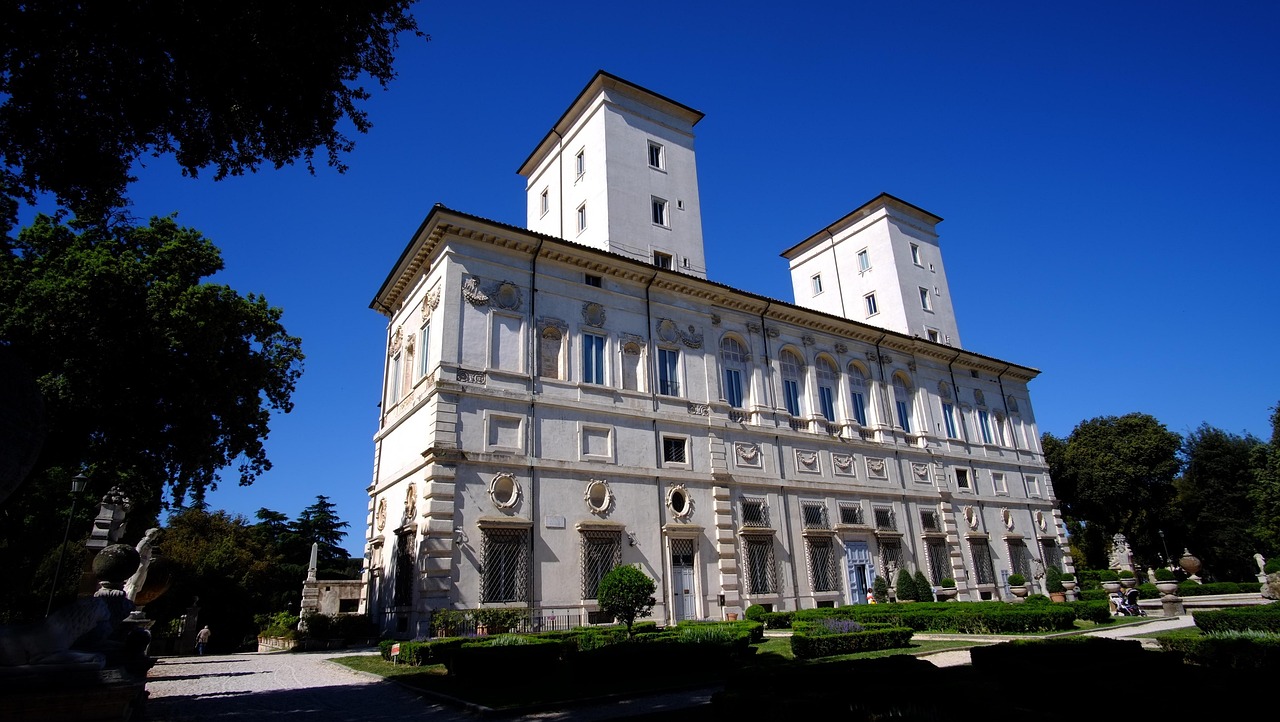
World-class art with Bernini sculptures and Caravaggio paintings
Explore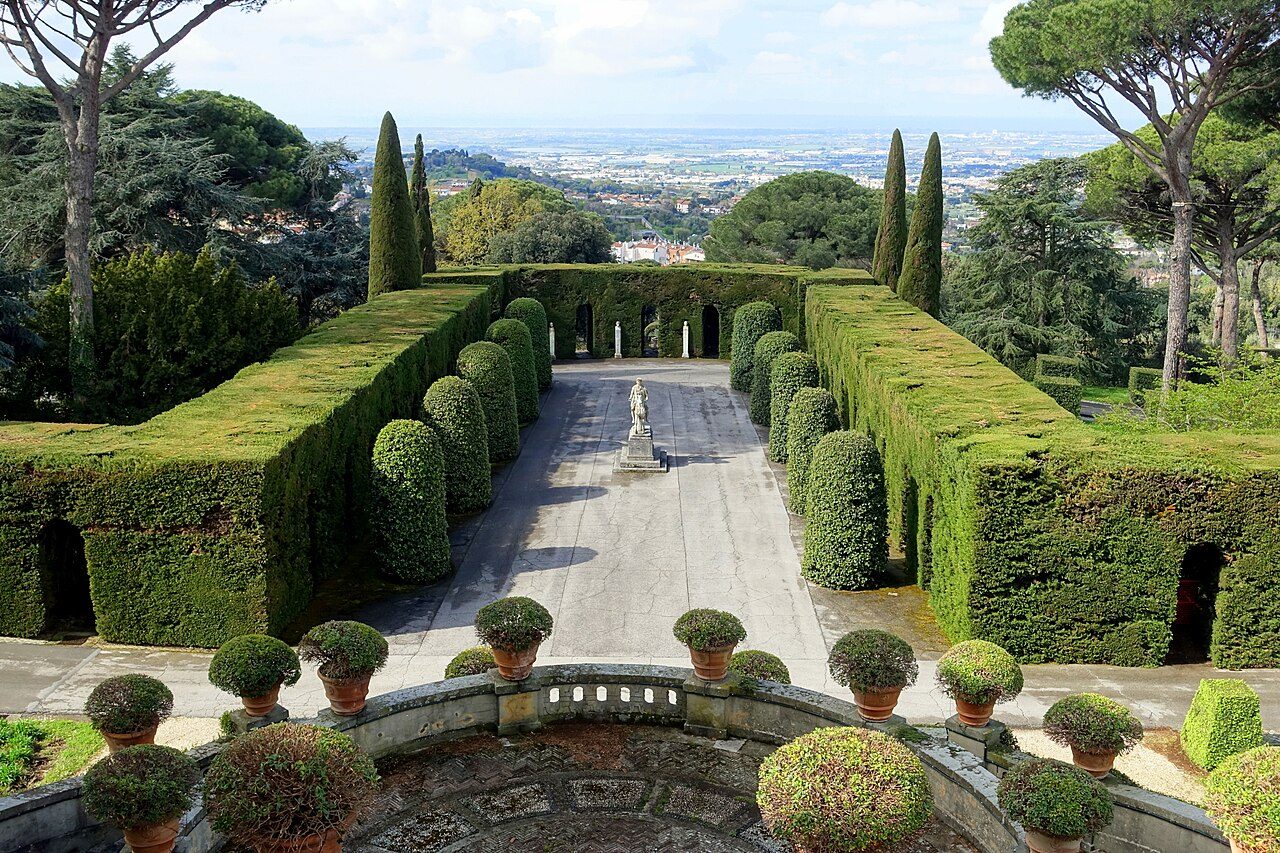
Bracciano Castle
Medieval fortress overlooking Lake Bracciano—Tom Cruise's wedding venue
Explore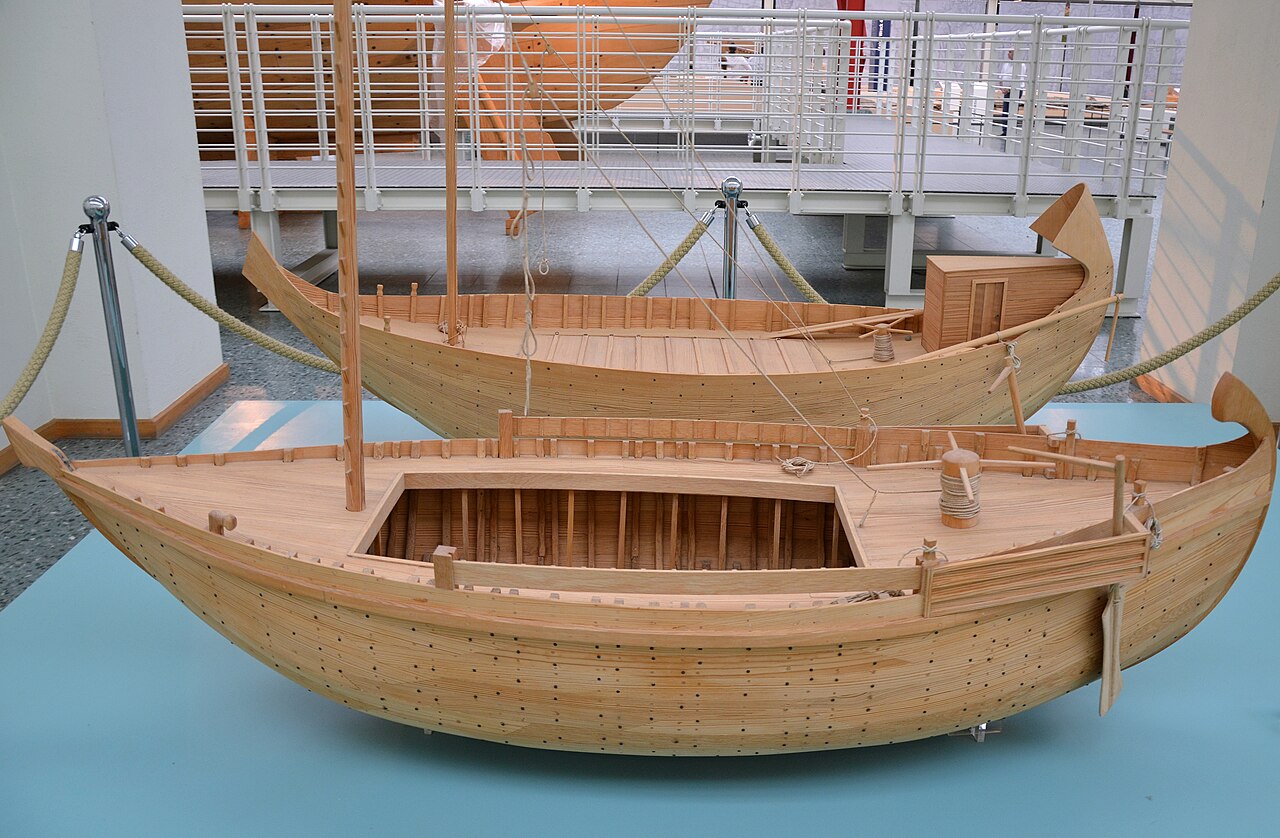
Fiumicino Ship Museum
Remains of ancient Roman ships—free entry, near airport
Explore
National Etruscan Museum
World's greatest Etruscan art—Sarcophagus of the Spouses
Explore
Roman Forum
The beating heart of ancient Rome where politics and daily life flourished
Explore
Catacombs of San Pancrazio
Intimate catacombs beneath Janiculum Hill with fewer crowds
ExploreQuick Planning Guide
⏱️ Time Needed
1–2 hours
💰 Cost
€18 VIVE (Vittoriano + Palazzo Venezia)
🎫 Reservation
Walk-up almost always works
♿ Accessibility
Lift to piano nobile, mostly step-free
📅 Best Time
09:00–11:00 or 15:30–17:30
👨👩👧👦 Family Friendly
Yes — short, dramatic, varied
🌡️ Weather
Indoor — perfect rainy-day stop
Nearby Attractions
Vittoriano / Altare della Patriaacross the square
Capitoline Museums5-min walk uphill
Trajan's Column & Forum3-min walk
Basilica of San Marcoattached, free
Largo di Torre Argentina cat sanctuary5-min walk
Pantheon10-min walk
Featured In These Itineraries
Classic Rome 3-DayHidden Gems of RomeRainy Day in RomeEssential Tips
- ✓ Admission is the €18 VIVE combined ticket (Vittoriano + Palazzo Venezia)
- ✓ Open daily, 09:30–19:30, last admission 18:45
- ✓ Walk-up nearly always works — no booking needed
- ✓ Historic halls including the Sala del Mappamondo are officially listed as closed for restoration
- ✓ Photography allowed without flash