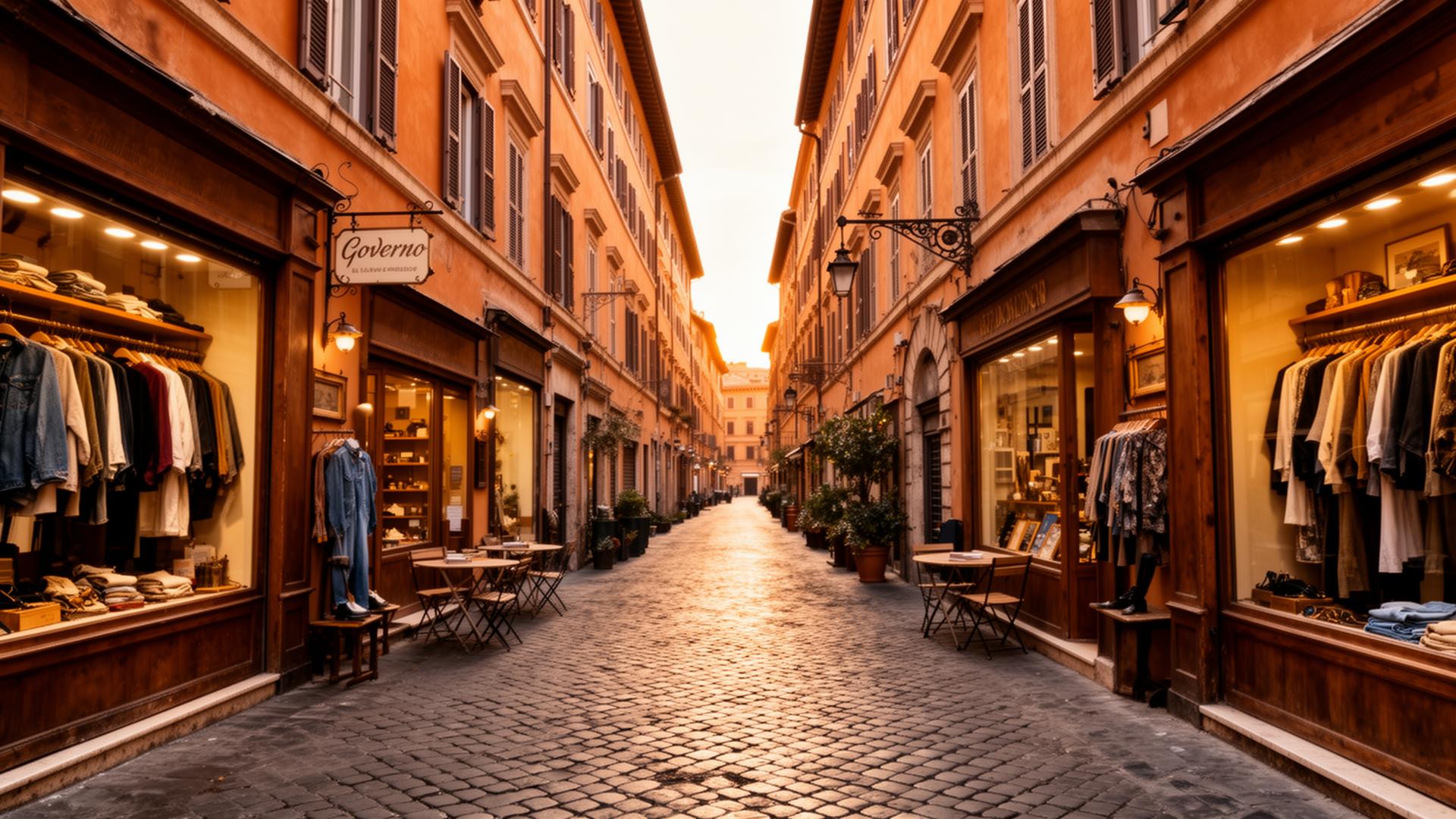
 Free · Known for Vintage Shopping
Via del Governo Vecchio
Via del Governo Vecchio is a historic street connecting Piazza dell'Orologio in the west with Piazza Pasquino near Piazza Navona. It is known for vintage and second-hand shops, cafés and restaurants, although individual businesses and opening hours change frequently.
1.5–2 hoursAlways freeVintage & second-hand shopsPasquino talking statueVia del Governo Vecchio, 00186 Roma RMOpen on MapPlan Your Visit
Compare tickets, tours and stays — booking ahead usually gives more choice
Book a TourHotels NearbyBy AllTrips Editors••9 min readVia del Governo Vecchio is a historic street connecting Piazza dell'Orologio in the west with Piazza Pasquino near Piazza Navona in the east. Named after the 1477 palazzo at No. 39 that housed the papal civil government from 1624 to 1755, it is known for its vintage and second-hand shops, artisan workshops, and long-running spots such as Pizzeria da Baffetto and the wine bar Cul de Sac — though individual businesses and opening hours change frequently. Free to walk, pedestrian-friendly and close to the Pantheon.
📋 In This Guide
Length
~400 metres
Connects
Piazza dell'Orologio (west) → Piazza Pasquino (east)
Known For
Vintage shopping
Entry
Free public street
Best Time
Mid-morning or early evening (varies by shop)
Food Scene
Trattorias, enoteche, gelato
Architecture
Renaissance palazzi, 15th–16th c.
Closed Day
Hours vary by shop — check ahead
Bus Stop
Corso Vittorio / Navona (40, 46, 62, 64) — travel times vary with traffic
Why Visit Via del Governo Vecchio?
Rome has many famous shopping streets — Via dei Condotti for luxury, Via del Corso for high street, Via dei Coronari for antiques. Via del Governo Vecchio has its own character: it's a spot to browse vintage and second-hand clothing, small artisan workshops and grab a slice of pizza. The Renaissance palazzi above your head are genuine; the carved papal coat of arms over Palazzo del Governo Vecchio is original; and the satirical notes on Pasquino are updated by anonymous Romans. It's a street where history and present-day life sit side by side.
Vintage & Second-hand
Known for its concentration of vintage and second-hand clothing shops, though the exact number and lineup of stores changes over time.
Pasquino Lives
The 'talking statue' that has been used to satirise popes and politicians since the sixteenth century, with notes still appearing today.
Renaissance Palazzi
Genuine 15th–16th-century facades, courtyards and papal coats of arms above the shops.
Long-running Eateries
Pizzeria da Baffetto (since 1962) and Cul de Sac (since 1977) are two long-established local spots — details verified on August 2026.
What to See & Do
Walking from Piazza dell'Orologio (west) to Piazza Pasquino (east), here are the stops that matter — and where each one is on the street:
Pasquino (Piazza Pasquino, eastern end)
Rome's best-known talking statue — a damaged ancient marble torso of uncertain date and identification, unearthed in the early 1500s. Read the latest pasquinate (anonymous satirical notes) glued to its base. Bring a translation app.
Vintage Cluster A (No. 4–30)
The first 100 metres pack the most photogenic vintage boutiques — denim, leather, designer 80s/90s. Look for Le Gallinelle and Vestiti Usati Cinzia.
Palazzo del Governo Vecchio (No. 39)
The street's namesake — a grand 1477 Renaissance palazzo, seat of the papal civil government 1624–1755. Look up at the carved papal coat of arms above the entrance.
Pizzeria da Baffetto (No. 114)
A well-known pizzeria, open since 1962. No reservations, and there can be a queue in the evening. Order pizza margherita and a quartino of house red. Verified on August 2026 — confirm current hours before visiting.
Palazzo Nardini (No. 104)
Late-15th-century cardinal's palace. Push the heavy wooden door at lunchtime to glimpse one of the best-preserved Renaissance courtyards in the rione.
Artisan Workshops (No. 80–125)
The eastern half is leather, jewellery, bookbinding and antique-print restoration. Look for the small wooden 'bottega' signs and ring the bell to enter.
High-end Second-hand (scattered)
A small number of shops sell authenticated designer pieces at prices below retail. Availability and addresses change, so ask locally for current options.
Borromini's Clock Tower (Piazza dell'Orologio)
At the western end, Francesco Borromini's curved 1647 baroque facade and clock — one of his subtlest works.
Chiesa Nuova (1 min beyond)
Step into Santa Maria in Vallicella for three free Rubens altarpieces (1606–1608) and a tomb of St Philip Neri.
Vintage Shopping Guide
Rome has good vintage shopping in Monti and Trastevere too. Via del Governo Vecchio is simply known for its own cluster of vintage and second-hand shops. A few general tips for browsing:
Tip 1Walk first, buy later
Do one full pass along the street before opening your wallet — prices can vary noticeably for similar items between shops.
Tip 2It doesn't hurt to ask
On higher-value items you can ask 'è il miglior prezzo?' (best price?), but whether — and how much — a shop will discount varies entirely by owner.
Tip 3Check hours before you go
Many independent shops take a midday break, but exact hours vary by shop and change over time — check ahead if you have a specific stop in mind.
Tip 4Check labels carefully
Genuine Italian vintage will have a 'Made in Italy' woven label and matching care tag. Walk away from photocopied labels.
Tip 5Know what's local
Best buys: Italian designers (Pucci, Missoni, Krizia, Fendi, Valentino), 1960s leather jackets, hand-tooled belts, silk scarves.
Tip 6Sales windows
Italy regulates sale dates by law: winter 5 Jan – mid-Feb, summer first Sat of July – end of Aug. Discounts 30–70%.
Pasquino: The Talking Statue
Tucked into the eastern tip of Via del Governo Vecchio, in tiny Piazza Pasquino, stands a damaged marble torso that has been used to satirise popes, princes and politicians for centuries. Its exact date and the figure it depicts are uncertain, though it has been linked to a Hellenistic group possibly representing Menelaus supporting the body of Patroclus. The statue was unearthed around 1501 and propped up nearby.
Within months, anonymous Romans began gluing satirical Latin verses to its base, mocking the powerful. These pasquinate were so effective that Pope Adrian VI (1522–23) seriously proposed throwing the statue in the Tiber — only Bernini's ancestor Cardinal Lodovico allegedly talked him out of it, joking that even underwater the statue would keep talking like a frog.
Pasquino is one of several 'talking statues' of Rome (the others include Marforio at the Capitoline and Madama Lucrezia near Piazza Venezia), and he is generally considered the most active. The tradition continues today: check the railing and base for notes commenting on current politicians and public figures.
"Quod non fecerunt barbari, fecerunt Barberini" — "What the barbarians did not do, the Barberini did." Pasquino's most famous verse, mocking Pope Urban VIII Barberini for stripping bronze from the Pantheon to make Bernini's baldacchino in St Peter's (1626).
Palazzo del Governo Vecchio (No. 39)
The grand Renaissance palazzo at No. 39 is the street's namesake. Begun in 1477 for the Della Rovere family and enlarged through the 16th century, it became the official seat of the Governatorato di Roma — the civil government of the Papal States — under Pope Urban VIII Barberini in 1624.
For 131 years (1624–1755), this is where Rome's prefects, judges and fiscal officers ran the city: signed edicts, collected taxes, tried criminal cases. When Pope Benedict XIV moved the offices to Palazzo Madama in 1755, the building became known as the governo vecchio ("old government") — and the street took its modern name. Today the palazzo houses private apartments and a few offices, but the original façade is intact.
Look for the papal coat of arms
Carved in stone above the main portal — three crowns and crossed keys.
Window cornices
Classic 15th-century quattrocento mouldings — restrained, no baroque flourish.
Side entrance on Vicolo
Walk around to Vicolo del Governo Vecchio for the original cardinals' entrance.
Via del Governo Vecchio Through 2,300 Years
From an ancient torso of uncertain origin to a street known today for vintage and second-hand shopping — a street that has reinvented itself many times.
AntiquityPasquino carved
The damaged ancient marble torso later known as Pasquino is carved. Its exact date and the figure it represents remain uncertain, though it has been linked to a Hellenistic group possibly depicting Menelaus supporting the body of Patroclus.
Pre-1500Via di Parione
The street already exists in medieval Rome under the name Via di Parione, part of the dense rione (district) crossed by pilgrims walking from the Vatican to the Lateran.
1477Palazzo Nardini built
Cardinal Stefano Nardini commissions a grand Renaissance palace at No. 104 — one of the first major non-religious palaces in this rione.
Early 1500sPasquino unearthed
The battered ancient torso is dug up nearby and propped at the corner of Piazza Pasquino. Romans soon begin gluing satirical verses to it, a tradition that continues to this day.
1500sPalazzo del Governo Vecchio expanded
The palace at No. 39 is enlarged and acquires its current Renaissance façade and carved papal arms.
1624Papal Government moves in
Pope Urban VIII Barberini installs the Governatorato di Roma — the civil administration of the Papal States — in the Palazzo. The street starts being called Via del Governo.
1647Borromini's clock tower
Francesco Borromini completes the curved baroque facade of the Oratorio dei Filippini at Piazza dell'Orologio (western end), with its dramatic clock and brick campanile.
1755Government moves to Palazzo Madama
Pope Benedict XIV transfers the Governatorato to Palazzo Madama (today the Italian Senate). The old building becomes known as the 'governo vecchio' — old government — and the street takes its modern name.
1870End of papal Rome
After Italian Unification, the rione becomes residential and artisanal. Cabinetmakers, tailors and bookbinders set up workshops along the street.
1962Pizzeria da Baffetto opens
Mario 'Baffetto' Ceccarelli opens his pizzeria at No. 114. Wood-fired thin-crust pizzas, queues out the door, no reservations — a formula unchanged 64 years later.
1977Cul de Sac opens
At No. 73 (Piazza Pasquino), Cul de Sac opens — a long-running wine bar often cited as one of the first of its kind in Rome.
1990sVintage boom
Roman buyers — Cinzia, Daniela, Le Gallinelle and others — open vintage boutiques along the street, attracted by low rents and foot traffic from Piazza Navona. The street becomes Rome's vintage capital.
2014Made pedestrian-friendly
Via del Governo Vecchio becomes largely pedestrian-friendly between Piazza Pasquino and Piazza dell'Orologio, improving the strolling and aperitivo experience.
2026Today: Jubilee crowds, vintage thriving
Despite Jubilee 2025/26 pilgrim crowds in nearby Piazza Navona and Vatican, Via del Governo Vecchio remains a quieter, locally beloved alternative — the vintage scene is at its strongest in 25 years.
Where to Eat & Drink
The street and its immediate surroundings include several long-running independent spots and cafés — no chains. As with any small business, closures, hours and ownership can change; the details below were verified on August 2026.
Pizzeria da Baffetto (Via del Governo Vecchio 114)
Open since 1962. Thin-crust Roman pizza out of a wood oven, paper tablecloths, brusque waiters — the full classic experience. No reservations, and there can be a queue in the evening. Prices and hours vary — verified on August 2026, please confirm before visiting.
Cul de Sac (Piazza Pasquino 73)
A long-running wine bar, open since 1977, often cited as one of the earliest in Rome, with a large wine list, pâtés, cheeses and pasta in a long narrow room. Verified on August 2026 — hours and menu can change, so confirm before visiting.
Bar del Fico (Piazza del Fico 26)
Two minutes off the main street. A well-known Roman café/cocktail bar, popular for morning cappuccino or evening Aperol spritz under the fig tree. Prices vary — verified on August 2026.
Trattoria Pietro Valentini (Vicolo del Governo Vecchio)
Family-run side-street trattoria serving Roman classics such as cacio e pepe, carbonara and saltimbocca. Reserve for dinner. Verified on August 2026 — please confirm current hours.
Vino Roma & Etabli (Vicolo delle Vacche)
Two stylish wine bars one minute north — better for a quiet aperitivo than the busy main street.
Best Time to Visit
Late morning — for vintage
Late morning tends to have more shops open and manageable foot traffic, but exact hours vary by shop and should be checked in advance.
Evening — for atmosphere
Early evening brings aperitivo crowds and a possible queue at Da Baffetto — the street is at its most lively then.
Best months
April–June and September–October generally offer mild evenings for a passeggiata and fewer holiday closures than August.
Avoid
Sundays and Monday mornings tend to have more closures, as does the period around Ferragosto (15 Aug), when some owners take holidays — but this varies by shop.
Vs Other Rome Shopping Streets
| Street | Style | Price level | Best for |
|---|---|---|---|
| Via del Governo Vecchio | Vintage + artisan | €€ | Vintage and second-hand finds |
| Via dei Condotti | Luxury flagships | €€€€ | Gucci, Prada, Bulgari |
| Via del Corso | High-street chains | €€ | Zara, H&M, Sephora |
| Via dei Coronari | Antiques + interiors | €€€ | Antique furniture, prints |
| Via del Boschetto (Monti) | Indie designers + vintage | €€ | Young Roman labels |
| Via del Pellegrino | Mixed boutiques | €€ | Casual independent fashion |
Common Mistakes to Avoid
Visiting on a Sunday or Monday morning
Many boutiques are closed at these times, though this varies by shop — check ahead if possible.
Assuming shops are open all afternoon
Many independent shops in Rome take a midday break; exact times vary by shop.
Ignoring Pasquino
Easy to miss because he's small and battered. The notes glued to him are the whole point — read them.
Showing up to Da Baffetto expecting no wait
No reservations are taken, so be prepared to queue, especially in the evening — or try elsewhere.
Assuming every shop accepts cards
Payment policies vary by shop — carrying some cash as a backup is sensible.
Confusing Via del Governo Vecchio with Via del Corso
Two completely different streets. Governo Vecchio is the small cobbled one near Piazza Navona — not the big avenue.
Skipping Chiesa Nuova
It's literally one minute west — three free Rubens altarpieces and the tomb of St Philip Neri.
Pair Your Visit
Morning combo
Pantheon (free) → Piazza Navona → Via del Governo Vecchio shopping → lunch at Cul de Sac.
Afternoon combo
Castel Sant'Angelo → Ponte Sant'Angelo → Chiesa Nuova → Via del Governo Vecchio → aperitivo at Bar del Fico.
Evening combo
Campo de' Fiori at sunset → Piazza Farnese → Via del Governo Vecchio passeggiata → pizza at Da Baffetto.
Highlights at a Glance
- Known for its concentration of vintage and second-hand clothing shops along a short stretch of street
- Pasquino — the city's best-known 'talking statue', used to satirise popes and politicians since the sixteenth century
- Palazzo del Governo Vecchio (1477) — the Renaissance papal civil-government building
- Palazzo Nardini (No. 104) — beautifully preserved late-15th-century cardinal's courtyard
- Pizzeria da Baffetto (since 1962) — Rome's iconic thin-crust pizza institution
- Cul de Sac (1977) — a long-running wine bar, reportedly one of the earliest in Rome
- Borromini's 1647 baroque clock tower at Piazza dell'Orologio
- Chiesa Nuova at the eastern end — three free Rubens altarpieces
- Free, photogenic and pedestrian-friendly — ideal for an evening passeggiata
- Five minutes from Piazza Navona, Pantheon and Campo de' Fiori
Getting There
From Termini
Bus 64 or 40 to Corso Vittorio / Argentina, then a short walk north — bus travel times are approximate and vary with traffic. Or walk through Monti (about 25 minutes).
From the Vatican
Bus 62 to Chiesa Nuova (western end of street) — travel time is approximate and varies with traffic. Or walk over Ponte Sant'Angelo.
From the Pantheon
About a 7-minute walk via Corso del Rinascimento and Piazza Navona (walking time can vary).
By taxi
Drop at Piazza Pasquino or Piazza dell'Orologio — taxis cannot enter the pedestrian-friendly street.
Where to Stay Near Via del Governo Vecchio
Looking for convenient accommodation near Via del Governo Vecchio? Stay within walking distance to make the most of your visit.
Hotels Near This AttractionTop Rated HotelsBudget-Friendly OptionsLuxury HotelsCentral locations with easy access to Via del Governo Vecchio and other attractionsFrequently Asked Questions
Why is it called Via del Governo Vecchio?
It means 'Old Government Street'. From 1624 to 1755 the Palazzo at No. 39 housed the Governatorato — the papal civil government of Rome. When the seat moved to Palazzo Madama (today's Senate), the building became known as the 'old government' palace, and the street took its name. Before 1624 it was called Via di Parione.
What is Via del Governo Vecchio known for?
The street is known for its second-hand and vintage shops, alongside artisan workshops, cafés and restaurants. Individual businesses, their stock and their opening hours change frequently, so it's worth checking ahead if you have a specific shop in mind.
When are the shops open?
Opening hours vary from shop to shop and change over time, so there's no single reliable pattern for the whole street. As a general rule, many small independent shops in Rome take a midday break and close on Sundays or Monday mornings, but you should check individual listings before visiting. This information was verified on August 2026 — always confirm current hours before your trip.
What can I buy on Via del Governo Vecchio?
Vintage clothing (Italian designers from the 1950s–1990s, denim, leather jackets, fur), accessories (silk scarves, costume jewellery, sunglasses), antique prints and books, handmade leather bags from local artisans, ceramics, and small antiques. Also 2–3 high-end second-hand shops focused on Hermès, Chanel and Gucci.
Where should I eat on Via del Governo Vecchio?
The street is home to well-known spots such as Pizzeria da Baffetto (No. 114, open since 1962) for thin Roman pizza, and Cul de Sac (No. 73 in adjoining Piazza Pasquino), a long-running wine bar. For full trattoria fare, walk one block to Trattoria Pietro Valentini in Vicolo del Governo Vecchio. Note: this information was verified on August 2026 — restaurants can close, change hands or change their hours, so confirm before you go.
Who is Pasquino and why does the street end at his statue?
Pasquino is Rome's best-known 'talking statue' — a damaged ancient marble torso of uncertain date and identification, unearthed around 1501 and propped up near the eastern end of the street. Since the sixteenth century, Romans have anonymously pasted satirical verses (pasquinate) onto it, mocking popes and politicians. The tradition continues today: check the base for notes commenting on current events.
Is Via del Governo Vecchio safe at night?
It's a well-lit, generally busy street thanks to its bars and pizzerias, lively until around midnight. As anywhere in central Rome, standard pickpocket precautions are sensible in crowded spots near Piazza Pasquino and Piazza Navona. The western end near Piazza dell'Orologio is quieter after 22:00.
How do I get to Via del Governo Vecchio?
There's no metro. From Termini, bus 64 or 40 runs to Corso Vittorio Emanuele II / Argentina, then it's a short walk north — but bus travel times in Rome are approximate and can vary considerably with traffic, so treat any minute estimate as a rough guide only. From the Vatican, bus 62 runs to Piazza dell'Orologio (western end). Walking from the Pantheon takes about 7 minutes, from Campo de' Fiori about 5 minutes, from Castel Sant'Angelo about 10 minutes.
Can I bargain at vintage shops?
Some sellers may be open to a polite question such as 'è il miglior prezzo?' ('is that the best price?'), but this varies entirely by shop and shouldn't be assumed. High-end second-hand shops generally have firm prices. Payment methods and any card minimums differ from shop to shop, so it's worth carrying some cash as a backup.
Related Attractions

Piazza del Popolo
Iconic square with twin churches and Pincio views
Explore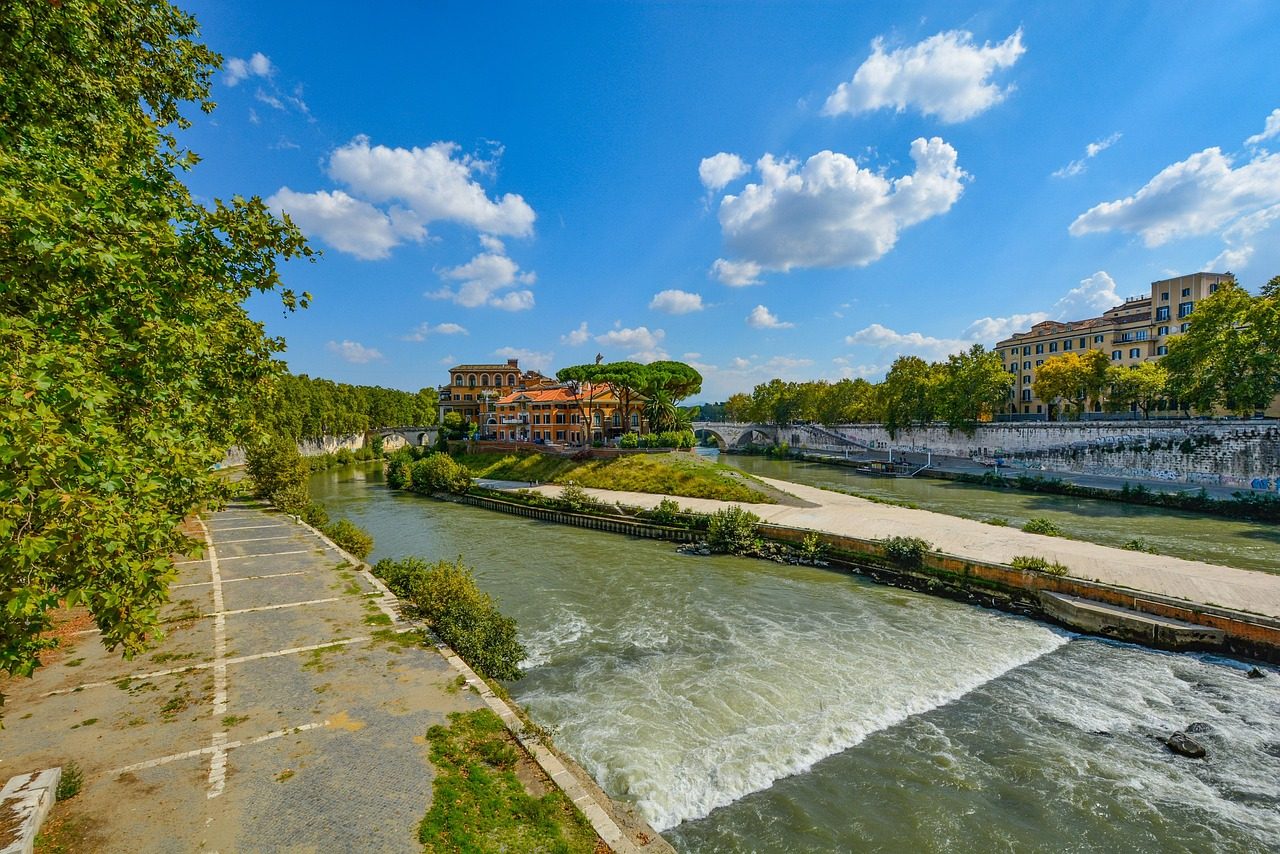
Tiber Island
Ancient boat-shaped island with 2,500 years of history
Explore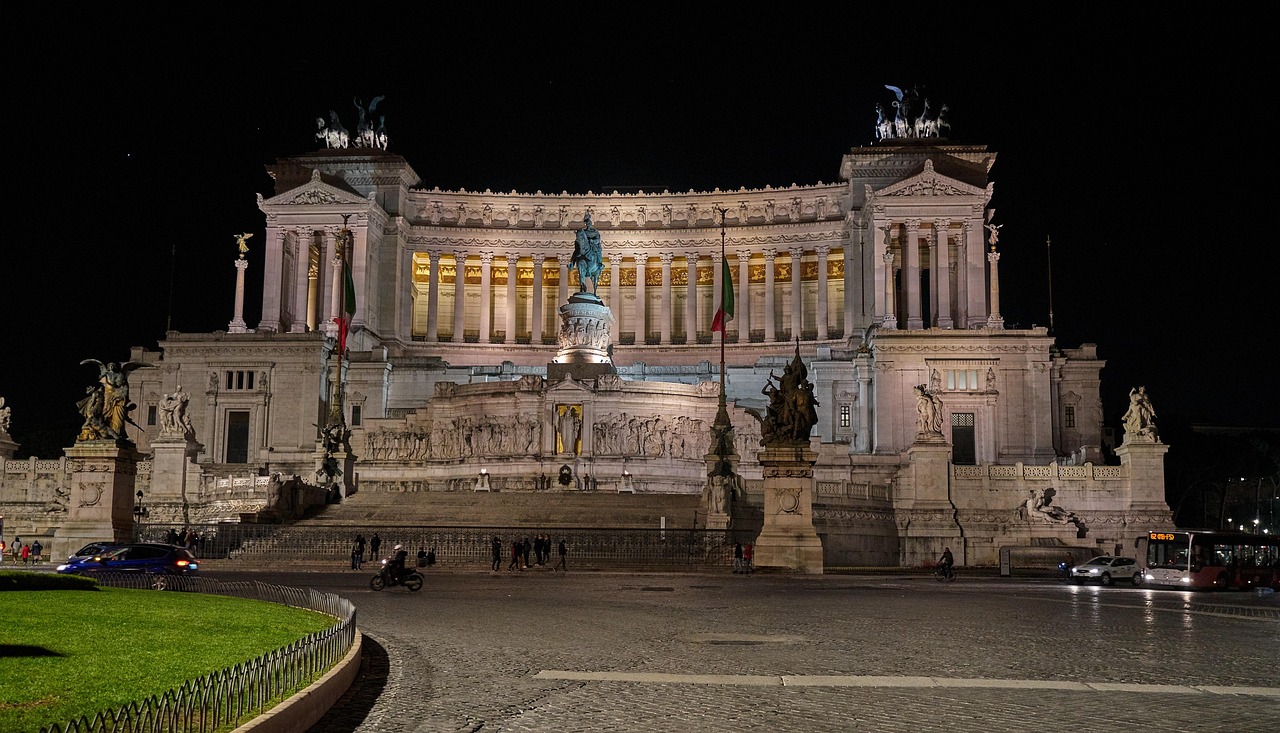
Piazza Venezia
Grand central square with Victor Emmanuel Monument
Explore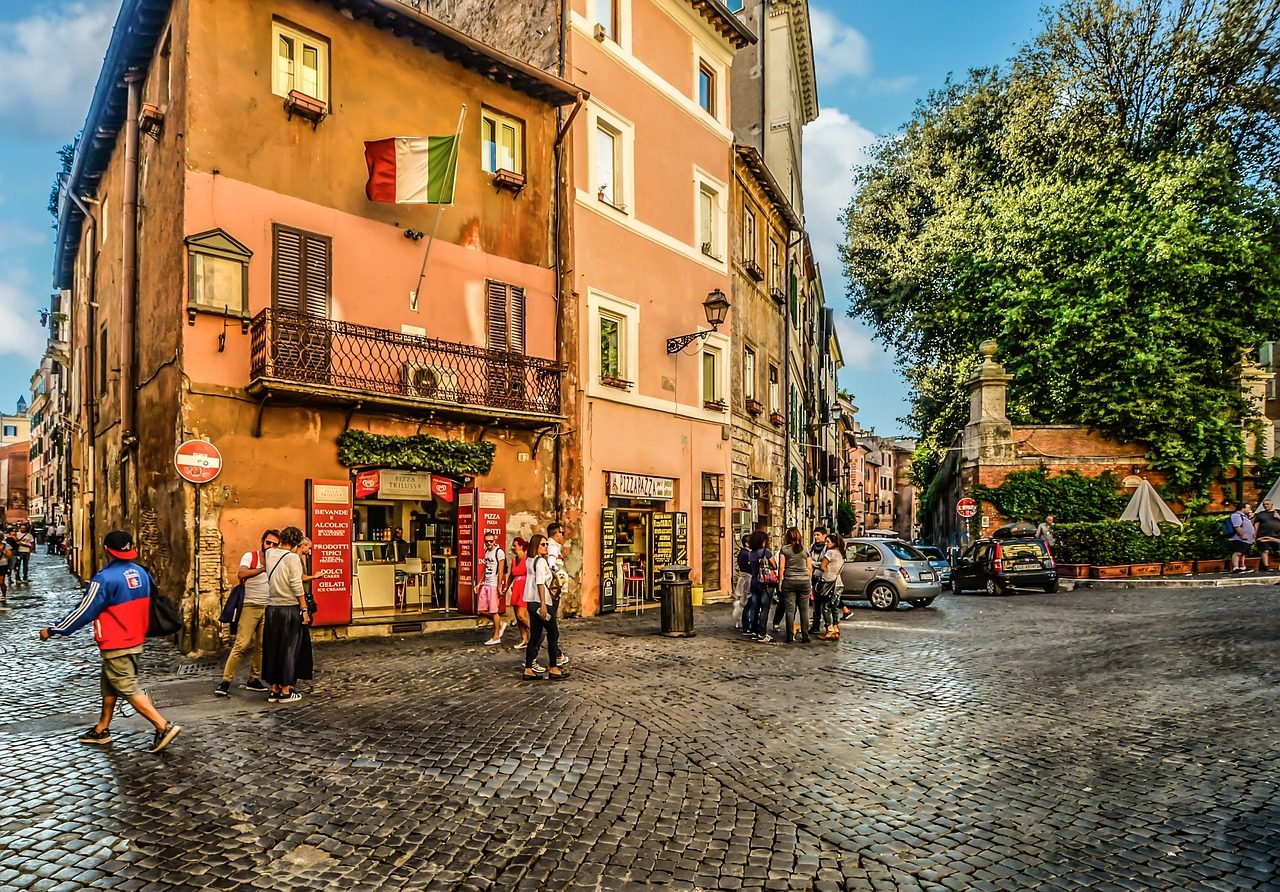
Trastevere
Rome's authentic bohemian heart with medieval streets
Explore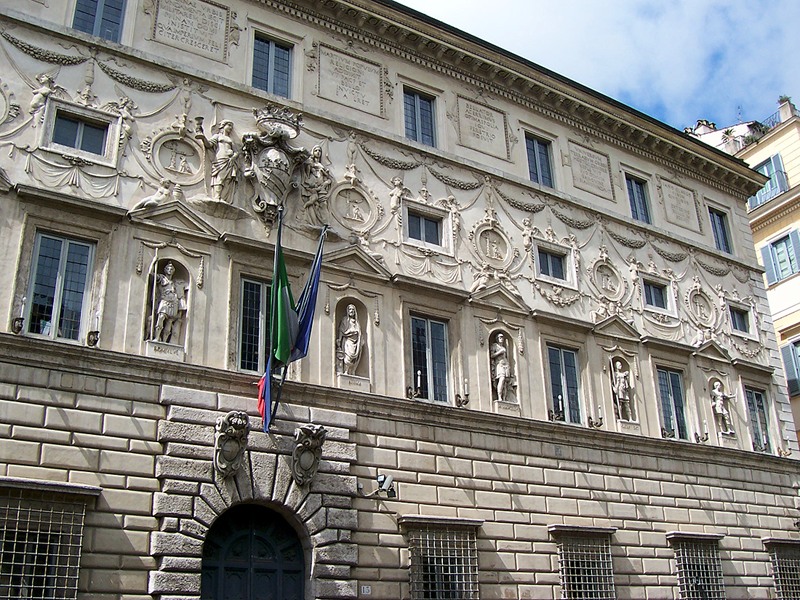
Galleria Spada
Intimate gallery with Borromini's optical illusion corridor
Explore
Piazza della Rotonda
Elegant square fronting the Pantheon
ExploreQuick Planning Guide
⏱️ Time Needed
1.5–2 hours (longer if shopping)
💰 Cost
Free to walk
🎫 Reservation
Not required
♿ Accessibility
Cobblestones, flat — strollers OK
📅 Best Time
Mid-morning or early evening (varies by shop)
👨👩👧👦 Family Friendly
Yes, calm and pedestrian-friendly
🌡️ Weather
Outdoor — best in dry weather
Nearby Attractions
Piazza Navona2-min walk
Pantheon7-min walk
Campo de' Fiori5-min walk
Castel Sant'Angelo10-min walk
Chiesa Nuova1-min, western end
Piazza Farnese6-min walk
Featured In These Itineraries
Local Rome 2 DaysHidden Gems of RomeFree Rome ItineraryEssential Tips
- ✓ Opening hours vary by shop and change often — check ahead
- ✓ Many independent shops take a midday break; some close Sundays
- ✓ Cash can be useful as a backup at smaller boutiques
- ✓ Da Baffetto does not take reservations — expect a possible queue
- ✓ Don't miss Pasquino's notes near the eastern end
- ✓ Shop and restaurant details verified on August 2026 — closures and hours can change