 Hidden GemFree Entry
Fontana delle Tartarughe
An enchanting Renaissance fountain with bronze turtles, tucked away in a small piazza in Rome's Jewish Ghetto
Free15-20 minHidden GemPiazza Mattei, 00186 Roma RMOpen on MapPlan Your Visit
Compare tickets, tours and stays — booking ahead usually gives more choice
Book a TourHotels NearbyTable of Contents
Jump to any section of the itinerary
Why Visit Fontana delle Tartarughe?
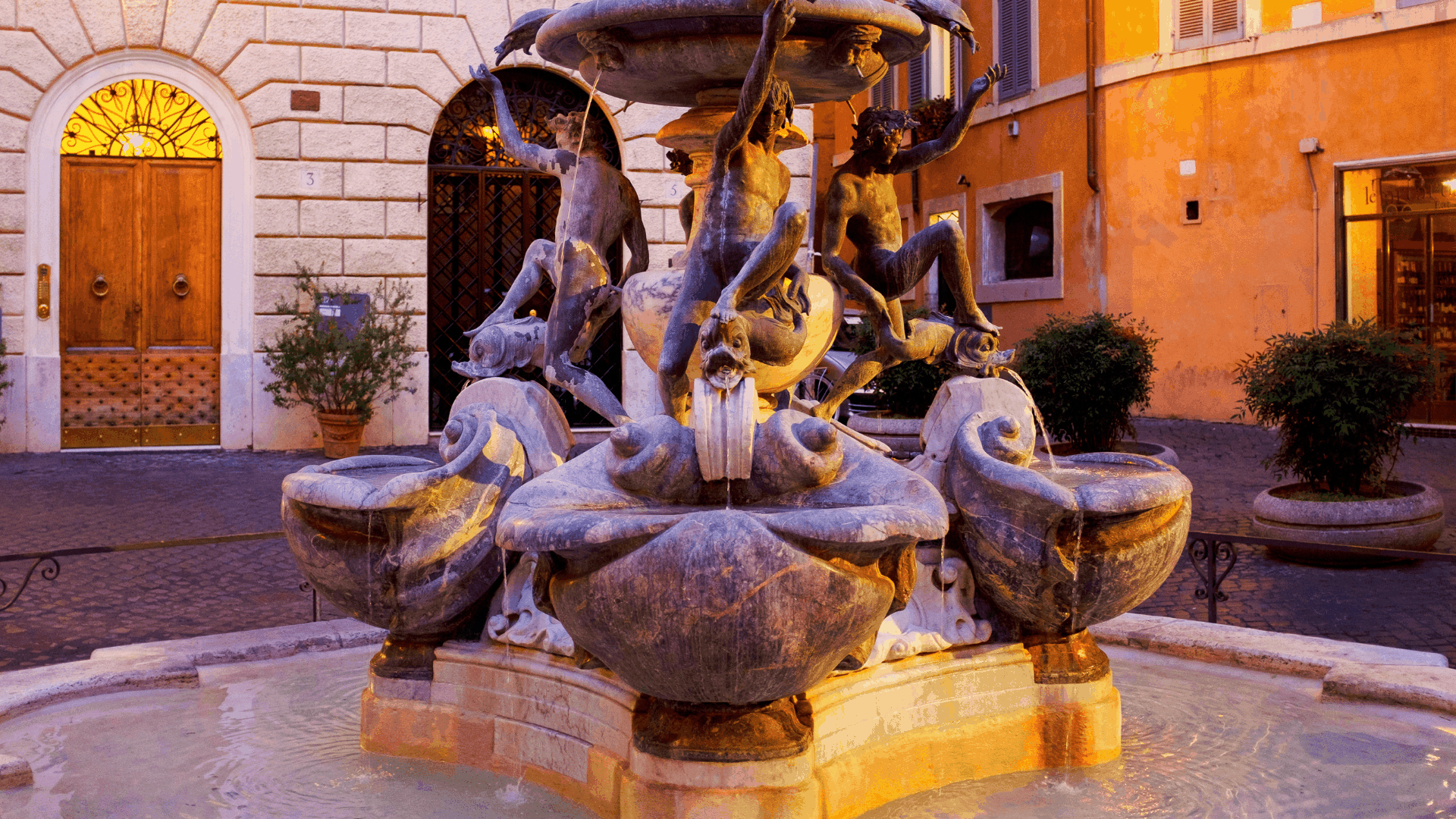
The Turtle Fountain is one of Rome's most beloved yet often overlooked treasures. Hidden in a small piazza in the Jewish Ghetto, this Late Renaissance masterpiece features four graceful bronze youths lifting turtles toward the upper basin. The charming turtles, possibly added by Bernini a century after the fountain was built, give this elegant fountain its distinctive character.
Artistic Masterpiece
Elegant Renaissance design with delicate bronze sculptures and graceful proportions
Romantic Setting
A quiet piazza away from tourist crowds—perfect for a peaceful moment
Photography Gem
Beautifully detailed sculptures and atmospheric lighting at dusk
Bernini Connection
The famous turtles may have been added by Rome's greatest Baroque sculptor
Visit Time
15-20 minutes
Cost
Free
Built
1581-1588
Style
Late Renaissance
Best For
Photography
Location
Jewish Ghetto
The Art & Design
The Bronze Youths
Four elegant bronze figures sit on marble shells, their bodies twisted in a graceful contrapposto pose. Sculpted by Taddeo Landini, they reach upward with one arm while resting the other on dolphin heads (originally). Their naturalistic poses and detailed musculature showcase the best of Late Renaissance sculpture.
The Mysterious Turtles
The four bronze turtles that give the fountain its name weren't part of the original design. Added around 1658—about 70 years after the fountain was completed—they're often attributed to Bernini, though this is debated. The current turtles are replicas; three surviving originals are preserved in the Capitoline Museums, while one was stolen in 1981 and never recovered.
The Mattei Family Commission
The fountain was commissioned by the powerful Mattei family, whose palazzo still stands in the piazza. Legend says a Mattei duke had it built overnight to impress his future father-in-law, though the actual construction took seven years. The intimate scale reflects its role as a private family fountain.
How to Find & Enjoy the Fountain
Finding Piazza Mattei
The piazza is tucked into the winding streets of the Jewish Ghetto. From the Portico of Octavia, walk into the neighborhood and follow signs to Piazza Mattei. It's small and easy to walk past—look for the fountain in the center.
Best Photography Times
Early morning light creates beautiful shadows on the bronze figures. Evening visits offer atmospheric lighting as the fountain is illuminated. The quiet setting means you can take your time composing shots without crowds.
History of the Turtle Fountain
1581Commission
Duke Muzio Mattei commissions Giacomo della Porta to design a fountain for the family piazza.
1584Sculptures Begin
Taddeo Landini starts work on the four bronze youth figures and dolphin elements.
1588Fountain Completed
The original fountain is installed with youths, dolphins, and the two-tier basin design.
1658Turtles Added
During a restoration, four bronze turtles are added—possibly by Gian Lorenzo Bernini.
1981Turtle Theft
One turtle is stolen and never recovered; the surviving three originals are eventually moved to the Capitoline Museums for protection.
PresentBeloved Icon
Replica turtles adorn the fountain while originals remain safely in the museum.
Common Mistakes to Avoid
Walking past Piazza Mattei without realising
Why it hurts: The piazza is tiny and tucked into Ghetto alleys — many visitors wander Via dei Funari for 20 minutes searching, then give up entirely.
Do this instead: Use the offline pin: from the Portico of Octavia, head north on Via della Reginella, then right on Via Paganica. The piazza opens after 80 m.
Believing the turtles are originals
Why it hurts: Visitors press close to photograph what they think is a Bernini bronze and miss the actual story of the 1981 theft.
Do this instead: Know that all four turtles currently on the fountain are replicas; three surviving originals live in the Capitoline Museums, while one stolen in 1981 was never recovered — pair both visits for the full story.
Visiting only at midday
Why it hurts: Harsh overhead sun flattens the bronze figures, washes out the water, and the small piazza offers almost no shade.
Do this instead: Come at golden hour (one hour before sunset) or after dark when the fountain is illuminated — both transform the scene.
Climbing on the rim for photos
Why it hurts: The fountain is a protected monument, and touching or climbing on it can result in a fine.
Do this instead: Shoot from the perimeter benches or the Via dei Funari corner — both give clean, unobstructed compositions.
Skipping the Mattei palazzo above
Why it hurts: Visitors photograph the fountain and leave without noticing they're standing next to one of Rome's great Renaissance palaces — Palazzo Mattei di Giove with its sculpture-lined courtyard.
Do this instead: Walk 30 seconds to Palazzo Mattei di Giove at Via Caetani 32 — the courtyard has historically been viewable, though public access and opening conditions can change, so confirm before you go.
Confusing it with Bernini's Triton or Four Rivers
Why it hurts: Travelers cross Rome expecting a large Baroque centerpiece and feel underwhelmed by the intimate scale.
Do this instead: Set expectations: this is a refined private commission, roughly 4 m tall — its charm is the detail, not the drama.
Insider Tips from Locals
Pair with Ghetto sunset stroll
Hit the fountain at golden hour, then walk two minutes to the Portico of Octavia and Tiber Island as the sky turns. It's the prettiest free 30 minutes in Rome.
Eat carciofi alla giudia next door
Some well-regarded Roman-Jewish restaurants are a short walk away; check current names, hours, and reservation policies before you go, as these can change.
Look for the bronze inscription
On the lower basin's marble rim there's a worn 1588 dedication to Pope Sixtus V — most visitors miss it because they're focused on the turtles above.
Visit on a weekday morning
Weekday mornings tend to be quieter than weekend afternoons, generally making it easier to photograph the fountain without other visitors in frame.
Combine with the Capitoline turtles
Build a 'two fountains' itinerary: see the replicas here, then walk 12 minutes to the Capitoline Museums to see the original 17th-century bronzes up close.
Bring a wide-angle lens
The piazza is so tight that 35 mm and longer lenses force you to back into doorways. A 24 mm or phone ultra-wide captures the full fountain plus surrounding palazzi.
Where to Stay Near Turtle Fountain
Looking for convenient accommodation near Turtle Fountain? Stay within walking distance to make the most of your visit.
Hotels Near This AttractionTop Rated HotelsBudget-Friendly OptionsLuxury HotelsCentral locations with easy access to Turtle Fountain and other attractionsFrequently Asked Questions
Why is it called the Turtle Fountain?
The fountain features four bronze turtles perched on the rim of the upper basin, being pushed up by four bronze youths below. The turtles were actually added about 70 years after the fountain was built, traditionally or tentatively attributed to Gian Lorenzo Bernini in 1658, though this attribution is debated. The original design had dolphins instead.
Where is Fontana delle Tartarughe located?
The Turtle Fountain is located in Piazza Mattei, in the heart of Rome's historic Jewish Ghetto neighborhood. It's a small, quiet piazza that's easy to miss if you don't know where to look, but it's well worth seeking out.
What's the best time to visit the Turtle Fountain?
Early morning or evening provides the best lighting for photos and fewer crowds. The fountain is beautifully lit at night. Since it's in a quiet piazza, you can usually enjoy it without tour groups. Combine with exploring the Jewish Ghetto.
Who designed the Turtle Fountain?
The fountain was designed by the architect Giacomo della Porta in 1581, with the bronze figures sculpted by Taddeo Landini. The famous turtles were added later, around 1658, traditionally or tentatively attributed to Bernini during a restoration—though this attribution is debated by historians.
Can I touch the Turtle Fountain?
While the fountain is accessible in the open piazza, please don't climb on it or touch the bronze sculptures. The four turtles currently on the fountain are replicas. Three surviving original turtles are preserved in the Capitoline Museums; one was stolen in 1981 and never recovered.
Related Attractions
Trevi Fountain
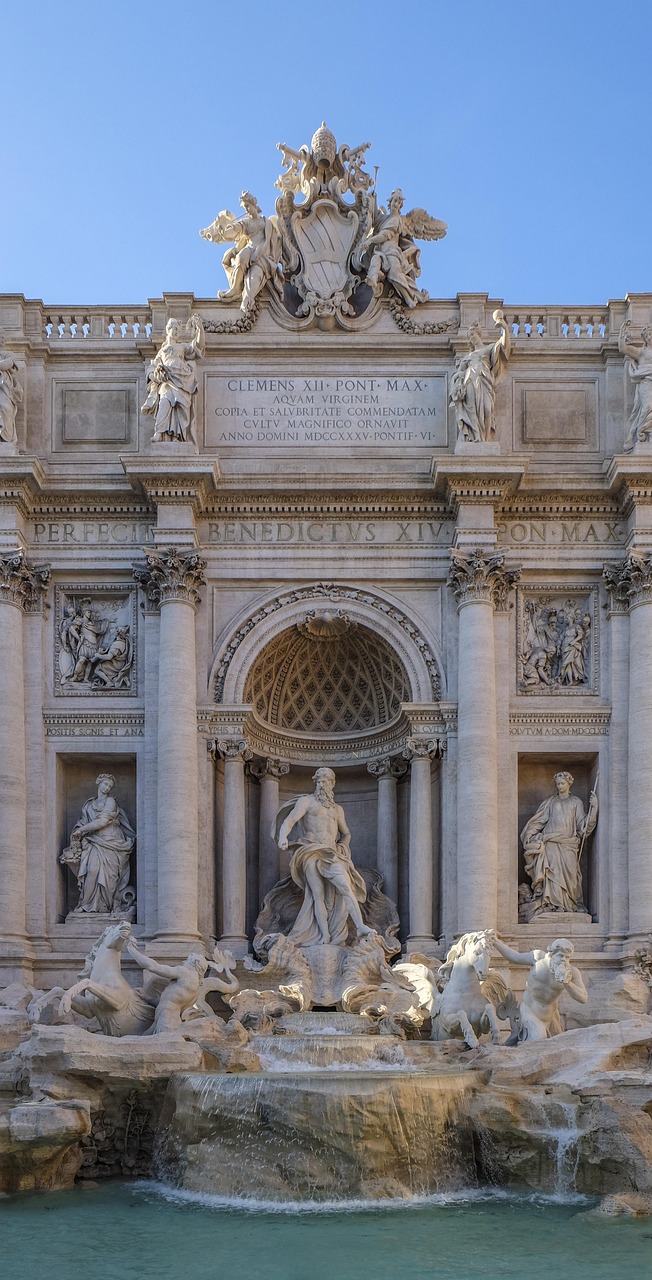
Rome's most famous fountain—throw a coin for your return
Explore
Piazza della Rotonda
Elegant square fronting the Pantheon
Explore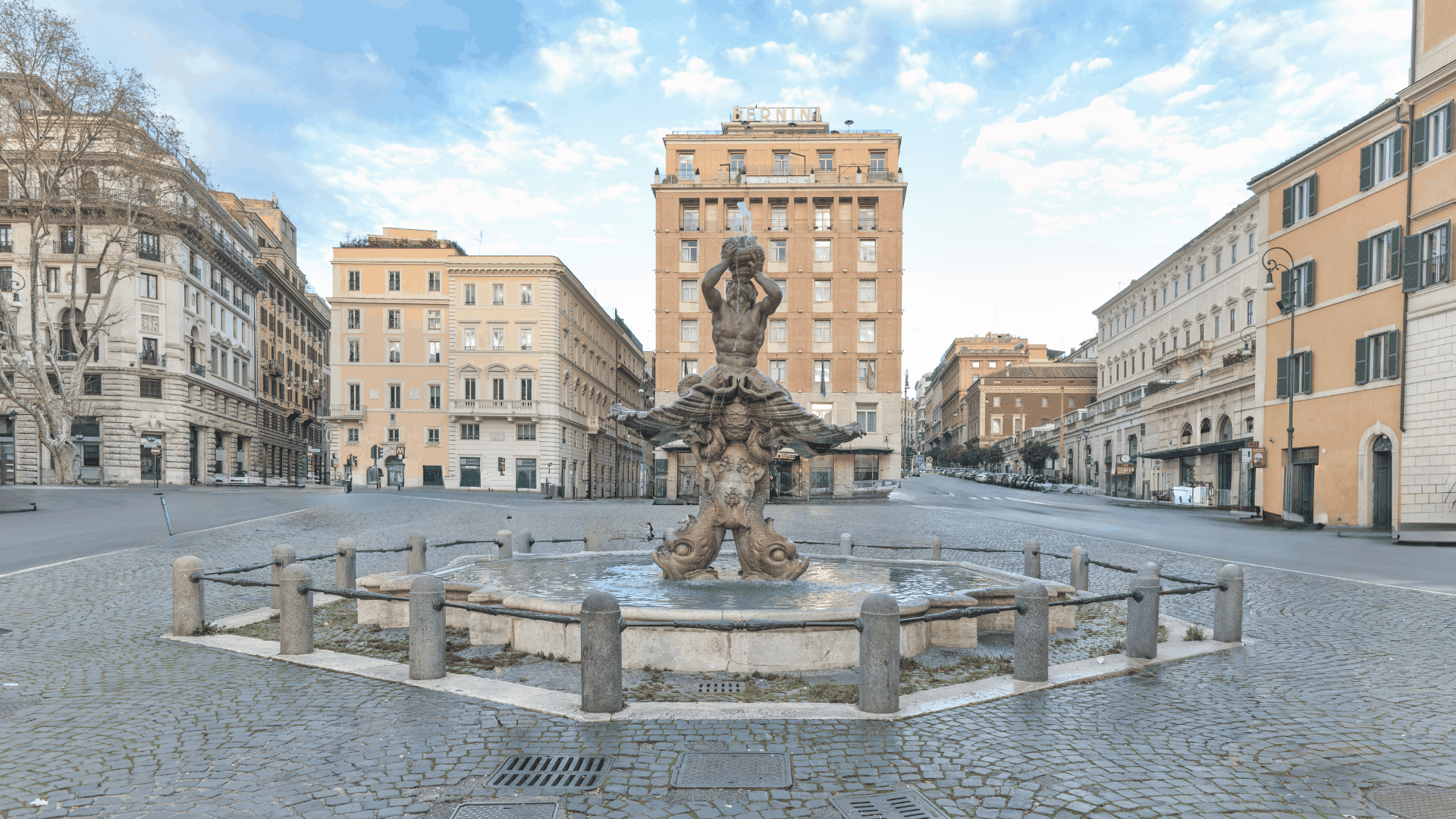
Piazza Barberini
Bernini's Triton Fountain—gateway to Via Veneto
Explore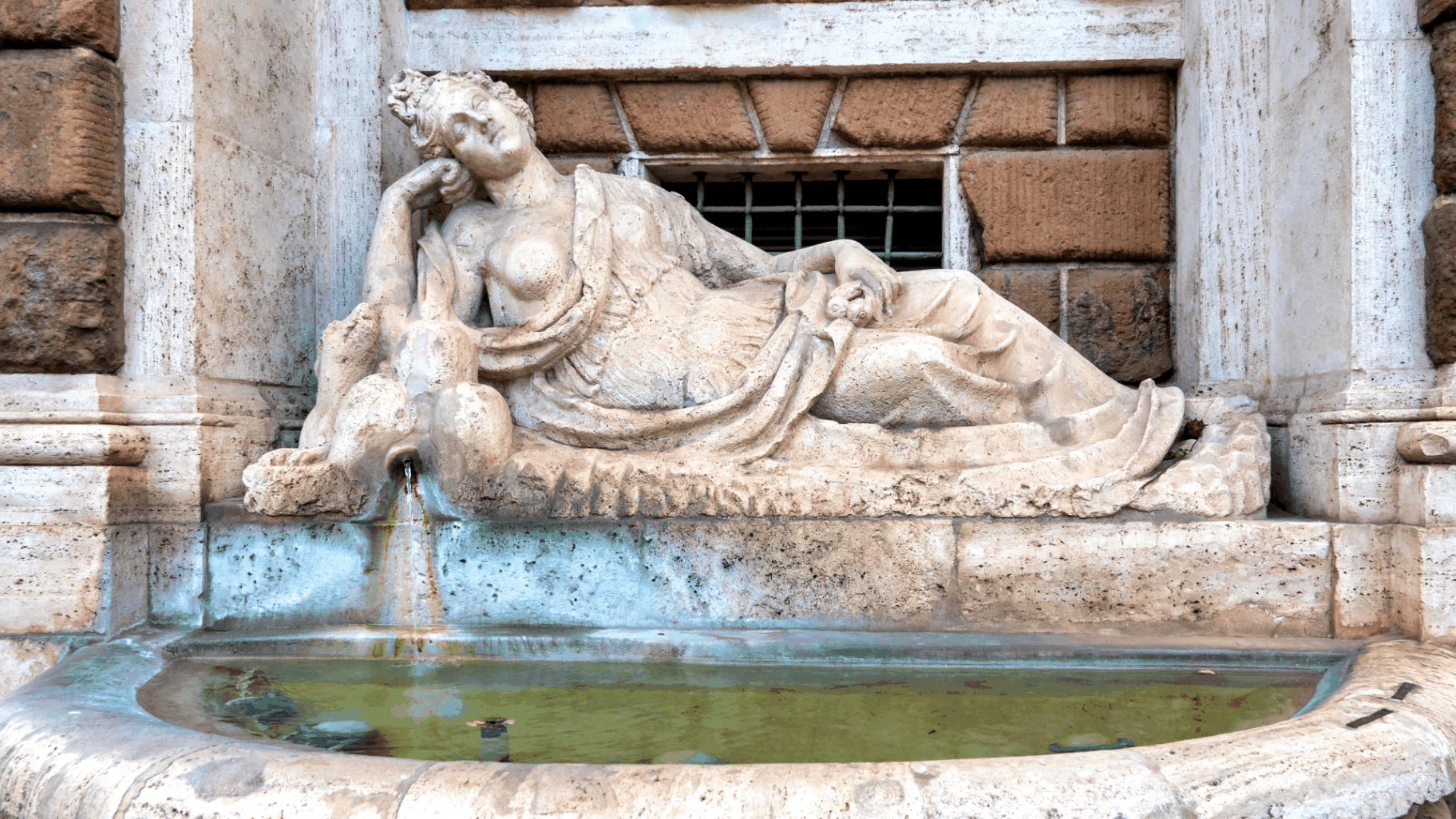
Quattro Fontane
Four corner fountains with views of three obelisks
Explore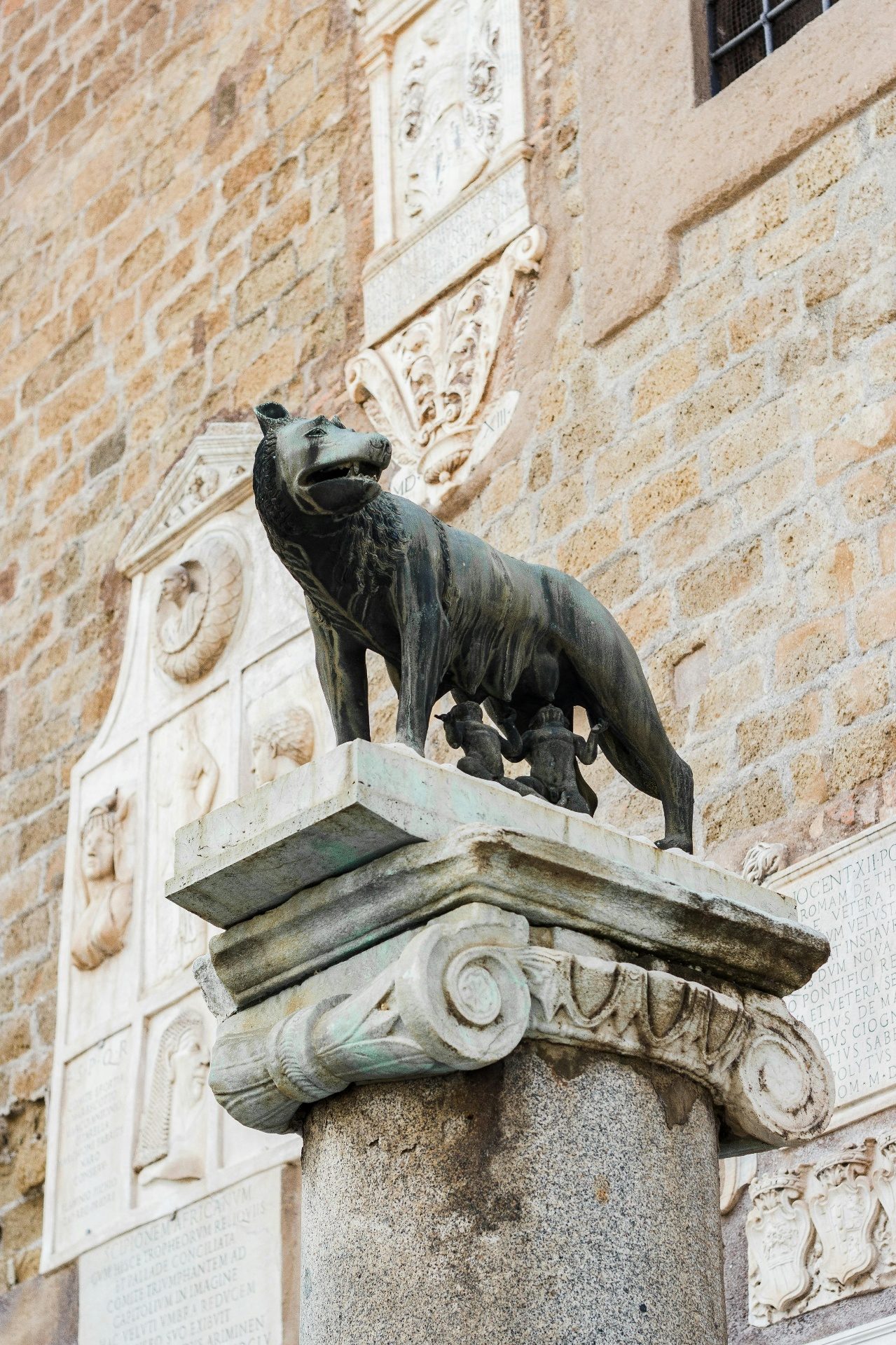
Capitoline Hill
Rome's most sacred hill with Michelangelo's piazza and oldest museums
Explore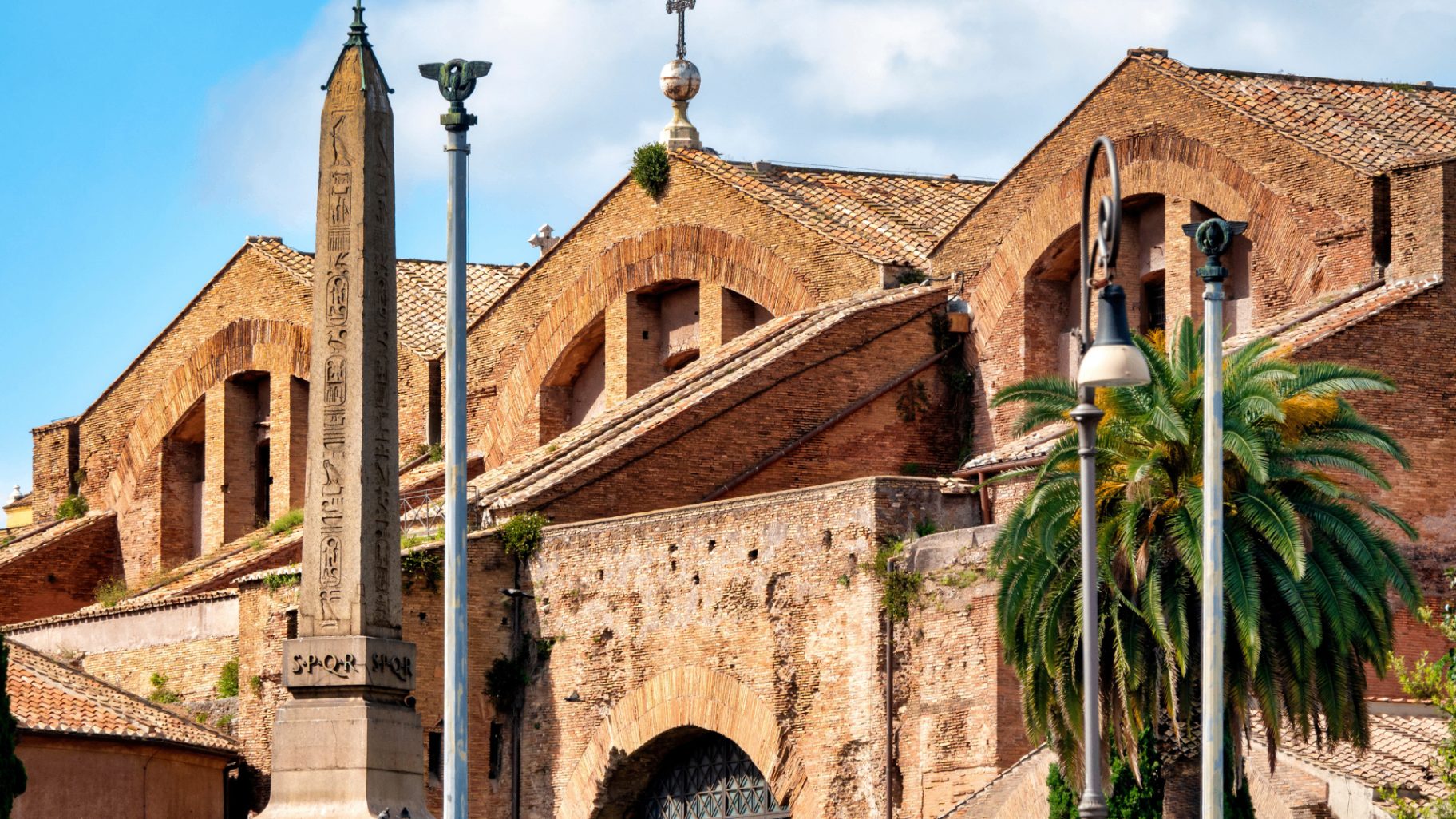
Baths of Diocletian
Ancient Rome's largest baths, now housing the National Roman Museum
ExploreQuick Planning Guide
⏱️ Time Needed
15-20 minutes
💰 Cost
Free
🎫 Reservation
Not needed
♿ Accessibility
Fully accessible
📅 Best Time
Early morning or evening
👨👩👧👦 Family Friendly
Yes
Nearby Attractions
Jewish Ghettosurrounding area
Theatre of Marcellus5-minute walk
Portico of Octavia2-minute walk
Campo de' Fiori10-minute walk
You May Also Like
Jewish GhettoCampo de' FioriLargo ArgentinaFeatured In These Itineraries
Hidden Gems RomeFree Rome ItineraryJewish GhettoEssential Tips
- ✓ Easy to miss—look for Piazza Mattei
- ✓ Beautiful when illuminated at night
- ✓ Three surviving original turtles are in the Capitoline Museums
- ✓ Combine with Jewish Ghetto exploration