 Baroque FountainFree Entry
Piazza Barberini
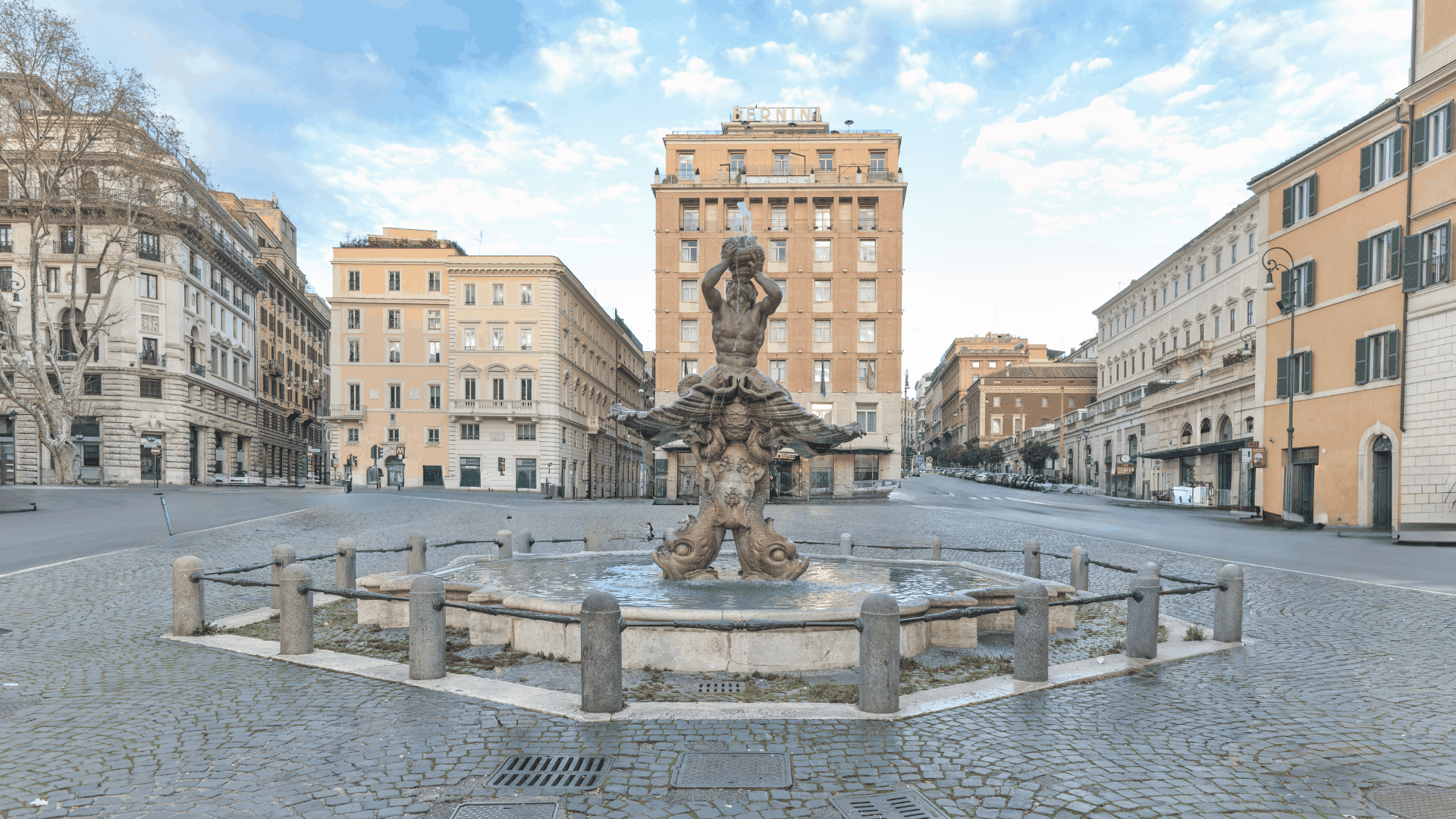
Bernini's theatrical Triton Fountain rises at this historic crossroads—the gateway to Via Veneto and Rome's Baroque heart
Free20-30 minMetro AccessPiazza Barberini, 00187 Roma RMOpen on MapPlan Your Visit
Compare tickets, tours and stays — booking ahead usually gives more choice
Book a TourHotels NearbyTable of Contents
Jump to any section of the itinerary
Why Visit Piazza Barberini?
Piazza Barberini sits at a historic crossroads in Rome, dominated by one of Bernini's most theatrical fountain creations. The Triton Fountain captures the sea god mid-breath, blowing water through a conch shell—a dramatic fusion of sculpture and fountain that epitomizes Roman Baroque exuberance. The piazza also marks the start of Via Veneto, immortalized in Fellini's "La Dolce Vita."
Bernini Masterpiece
One of Bernini's most innovative fountains—a sculpted Triton dramatically blowing water through a conch shell
Two Bernini Fountains
Both the Triton Fountain and the charming Fountain of the Bees by the same master
Perfect Location
Metro station at the piazza, walking distance to Trevi, Spanish Steps, and Via Veneto
La Dolce Vita Gateway
Start point for Via Veneto, Rome's legendary street of 1960s glamour
Visit Time
20-30 minutes
Cost
Free
Fountain
1642-1643
Artist
Bernini
Metro
Barberini (Line A)
Location
Historic Center
The Fountains of Piazza Barberini
Fontana del Tritone (Triton Fountain)
Created in 1642-1643, this was among the first fountains to stand free in the center of a Roman piazza. Triton, the Greek sea god, kneels on a giant open scallop shell supported by four dolphins whose tails intertwine around the Barberini coat of arms (featuring their famous bees). Water spouts from the conch shell Triton holds to his lips—a striking feat of Baroque imagination.
Fontana delle Api (Fountain of the Bees)
Tucked near where Via Veneto begins, this smaller fountain, attributed to Bernini (1644), is easy to miss. The original was dismantled in the 19th century, and the version seen today is a later reconstruction near its historic site rather than the untouched 1644 original. It served as a public drinking and watering fountain, featuring a large scallop shell with three Barberini bees from which water flows. The inscription commemorates Pope Urban VIII's papal anniversary, but its year numeral was altered after criticism of its accuracy, sparking a lasting historical controversy.
The Barberini Bees
Look carefully at both fountains for the three bees—the heraldic symbol of the Barberini family. Pope Urban VIII placed these bees throughout Rome during his papacy, using the busy bee as a symbol of industry and productivity.
Exploring the Area
Via Veneto
The legendary street of "La Dolce Vita" starts at the piazza and winds uphill to Porta Pinciana. Once the playground of movie stars and paparazzi, it's still lined with luxury hotels and elegant cafés.
Palazzo Barberini
The Barberini family palace, just up the street, now houses the National Gallery of Ancient Art with Raphael's "La Fornarina" and Caravaggio masterpieces. The palace itself is a Baroque treasure.
History of Piazza Barberini
1623Urban VIII Elected
Maffeo Barberini becomes Pope Urban VIII, beginning the Barberini family's rise to power.
1629Palazzo Barberini Begun
Construction starts on the grand family palace overlooking the piazza.
1642-43Triton Fountain Created
Bernini designs his revolutionary freestanding fountain for Pope Urban VIII.
1644Fountain of Bees Added
Bernini creates the smaller bee fountain at the corner of Via Sistina.
1960La Dolce Vita
Fellini immortalizes Via Veneto in his iconic film, making the area synonymous with glamour.
1980Metro Station Opens
Barberini metro station makes the piazza one of Rome's most accessible landmarks.
Common Mistakes to Avoid
Walking past the Fountain of the Bees without noticing it
Consequence: You miss a second Bernini fountain just steps from the Triton.
Solution: Look at the corner where Via Veneto meets the piazza — the small shell-and-bees fountain is set against the building.
Trying to photograph the Triton from the traffic island at midday
Consequence: Heavy traffic, multiple crossings, high curbs and tour groups make this a difficult and potentially unsafe spot to linger.
Solution: Come at sunrise or shortly after when traffic is lighter, and use marked crosswalks and pavement vantage points rather than stepping into the roadway.
Sitting at a piazza-side café without checking prices
Consequence: Coffee and snacks here cost 3–4× normal Roman prices due to the tourist location.
Solution: Walk one block down Via del Tritone or up Via Veneto's side streets for fairly-priced bars.
Treating Piazza Barberini as just a metro stop
Consequence: You exit the station and rush off without registering the Bernini masterpiece in front of you.
Solution: Plan 20–30 minutes here as a proper stop, not a transit point.
Ignoring the Barberini bees on the fountains
Consequence: You miss the heraldic storytelling that ties the piazza to Pope Urban VIII.
Solution: Look for the three bees on Triton's base and again on the smaller fountain — same family, same era.
Skipping Palazzo Barberini next door
Consequence: You miss Raphael's La Fornarina and Caravaggio's Judith Beheading Holofernes.
Solution: Combine the piazza with a 1-hour visit to the National Gallery of Ancient Art (free first Sunday of the month).
Insider Tips
Use Barberini metro as your base for Baroque Rome
From here you can walk to Trevi, Quattro Fontane, the Spanish Steps and Palazzo Barberini, though actual walking times can run a bit longer than the shortest estimates depending on crossings and crowds.
Visit at blue hour for the best Triton photo
Just after sunset the piazza lights warm up and traffic thins — the conch-shell water plume catches the streetlamps perfectly.
Pair with a Capuchin Crypt visit
Two minutes up Via Veneto, Santa Maria della Concezione hides the unforgettable bone chapels — a stark counterpoint to Bernini's exuberance.
Aperitivo on Via Veneto, not in the piazza
Walk up Via Veneto to enjoy the atmosphere away from the piazza traffic — options and prices vary, so check current listings before choosing a spot.
Read the Latin inscription on the Bee Fountain
The inscription's papal-year numeral was altered after criticism of its accuracy, and traces of that correction remain visible in the lettering.
Walk down Via del Tritone toward the Trevi
This downhill route through busy shopping streets is a pleasant way to reach the Trevi Fountain, though allow more than a few minutes depending on foot traffic.
Where to Stay Near Piazza Barberini
Looking for convenient accommodation near Piazza Barberini? Stay within walking distance to make the most of your visit.
Hotels Near This AttractionTop Rated HotelsBudget-Friendly OptionsLuxury HotelsCentral locations with easy access to Piazza Barberini and other attractionsFrequently Asked Questions
What is the Triton Fountain?
The Fontana del Tritone (Triton Fountain) is a Baroque masterpiece by Gian Lorenzo Bernini, created in 1642-1643. It depicts the sea god Triton, half-man and half-fish, kneeling on an open shell supported by four dolphins, blowing water through a conch shell. It was one of the first fountains to stand free in a piazza rather than against a wall.
Who were the Barberini family?
The Barberini were one of Rome's most powerful families, elevated when Maffeo Barberini became Pope Urban VIII (1623-1644). Their coat of arms features three bees, which you'll see throughout the piazza and fountain. They commissioned the nearby Palazzo Barberini, now home to the National Gallery of Ancient Art.
Is there another fountain in Piazza Barberini?
Yes! Near Via Veneto stands the smaller Fontana delle Api (Fountain of the Bees), attributed to Bernini. The original 1644 fountain was dismantled in the 19th century, and the fountain seen today is a later reconstruction near its historic location rather than the untouched original. It featured the Barberini heraldic bees and served as a public drinking and watering fountain. It's often overlooked—don't miss it!
How do I get to Piazza Barberini?
Piazza Barberini is easily accessible via Metro Line A (Barberini station exits directly onto the piazza). It's also a short walk from the Trevi Fountain and the Spanish Steps, and connects to Via Veneto—Rome's famous glamour street, though heavy traffic and multiple crossings mean the piazza itself takes some care to navigate on foot.
What's the best time to visit?
Early morning offers peaceful views and good photography light. The piazza is a traffic roundabout, so it's always busy—but the fountain is best appreciated without crowds. Combine with a walk up Via Veneto for the classic 'La Dolce Vita' Rome experience.
Related Attractions
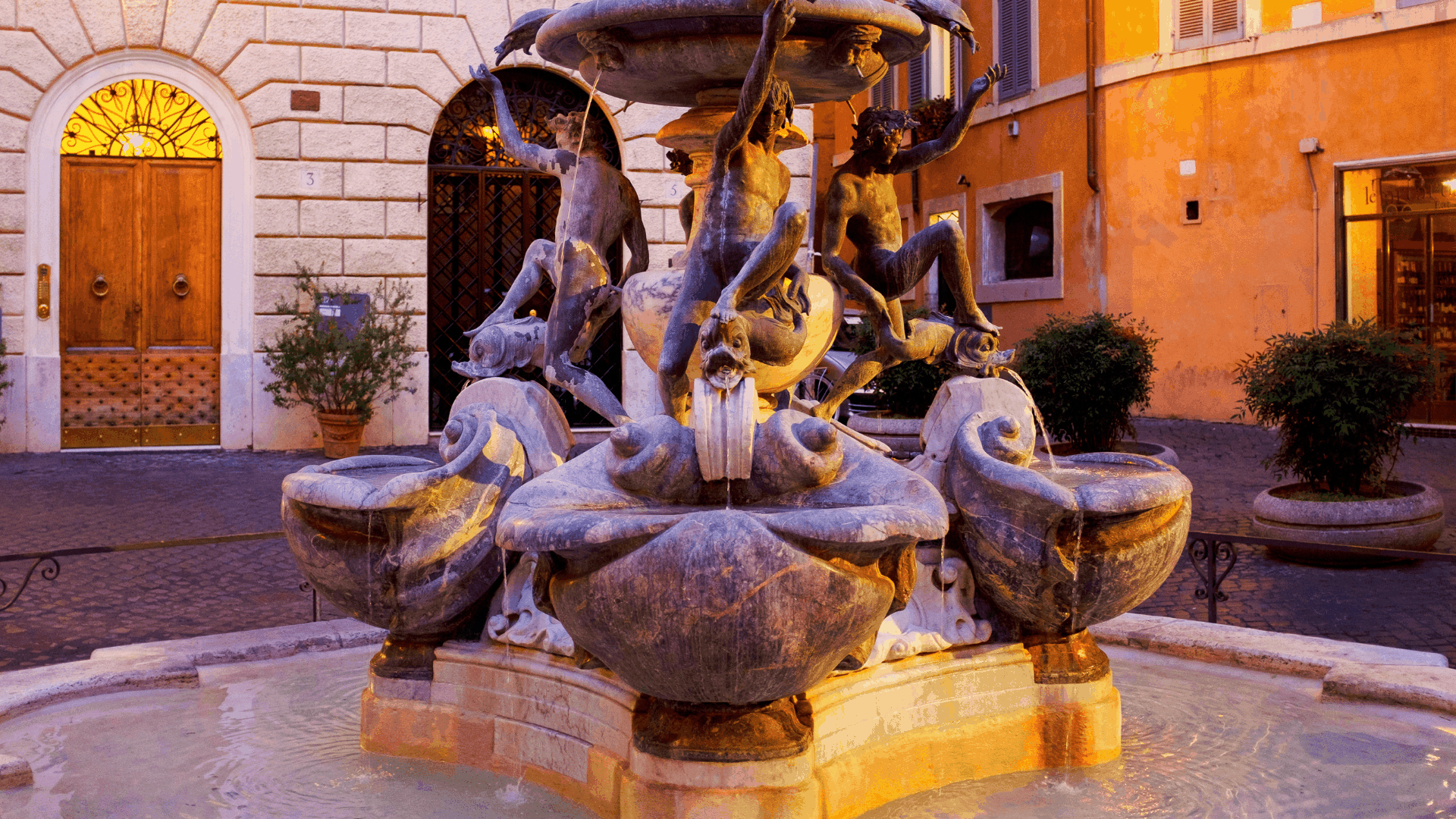
Fontana delle Tartarughe
Enchanting Renaissance turtle fountain in Jewish Ghetto
Explore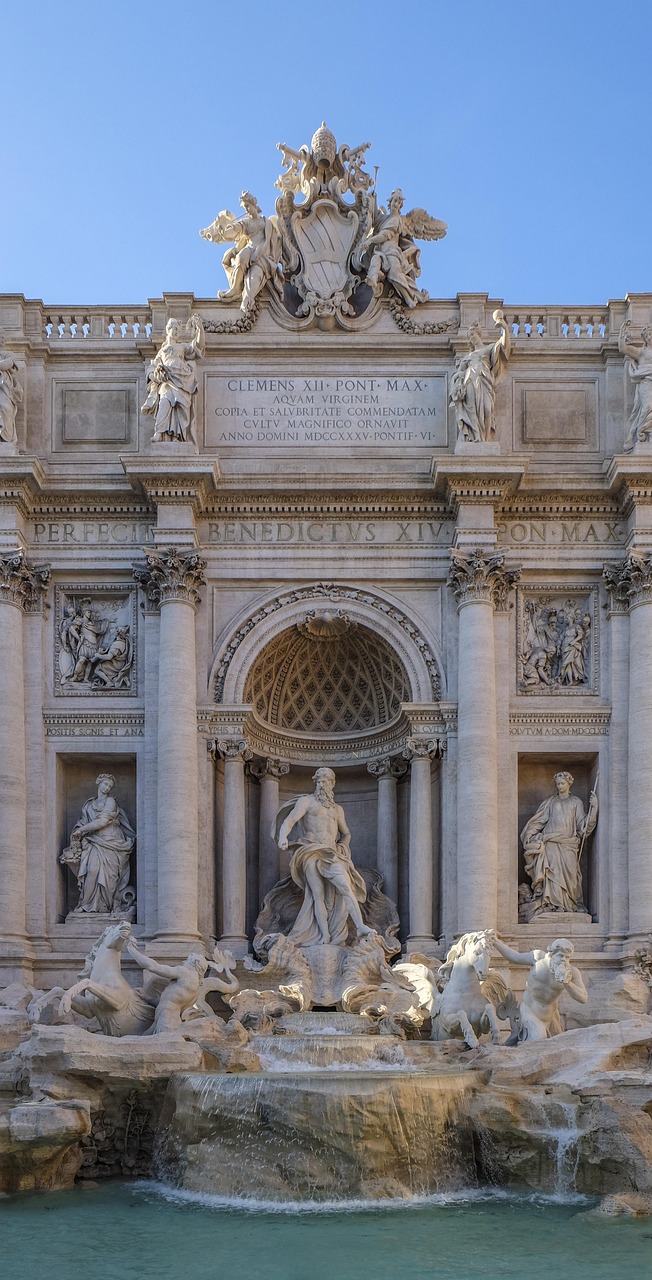
Trevi Fountain
Rome's most famous fountain—throw a coin for your return
Explore
Piazza della Rotonda
Elegant square fronting the Pantheon
Explore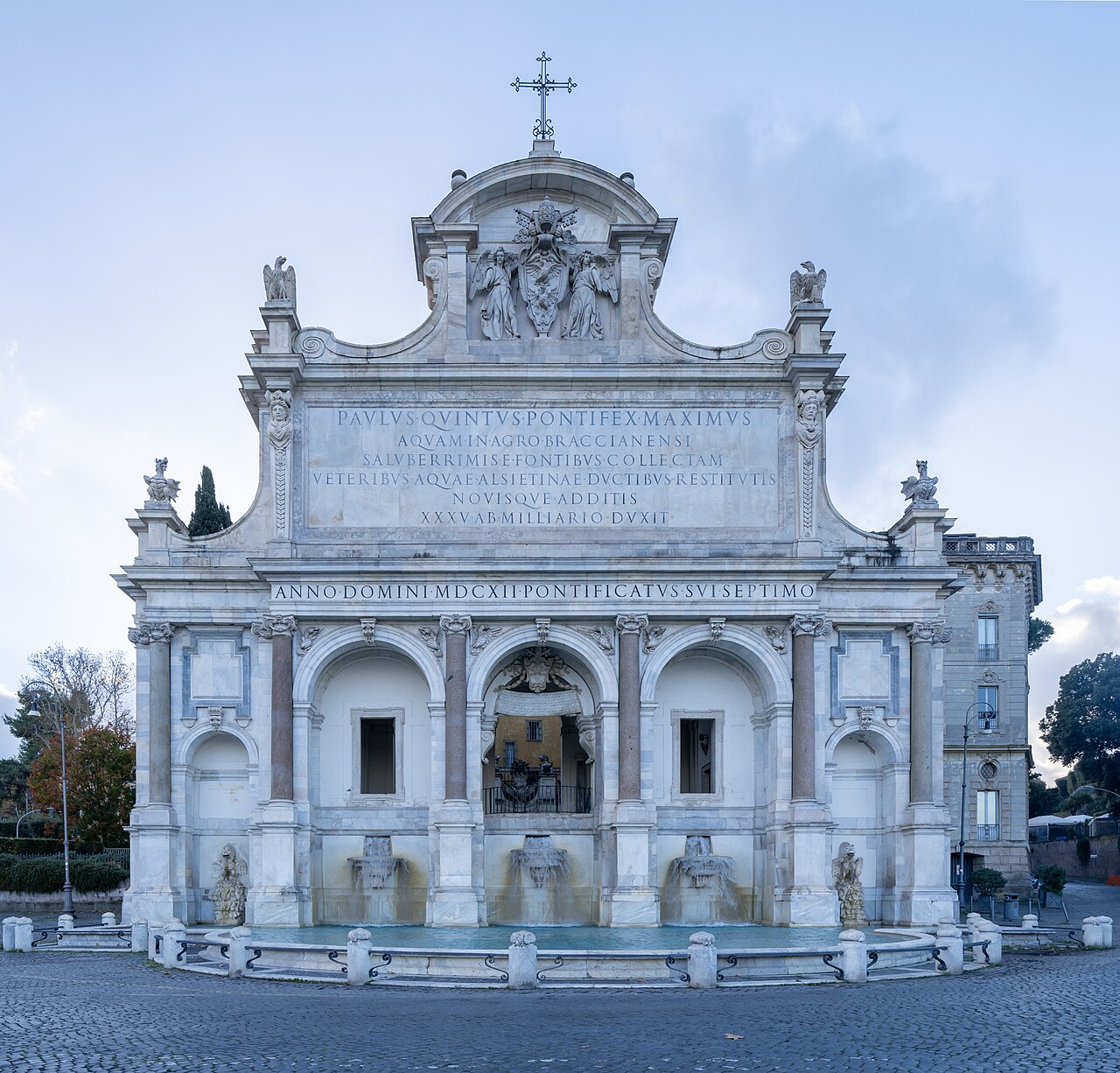
Fontana dell'Acqua Paola
The magnificent 'Fontanone' on Janiculum Hill
Explore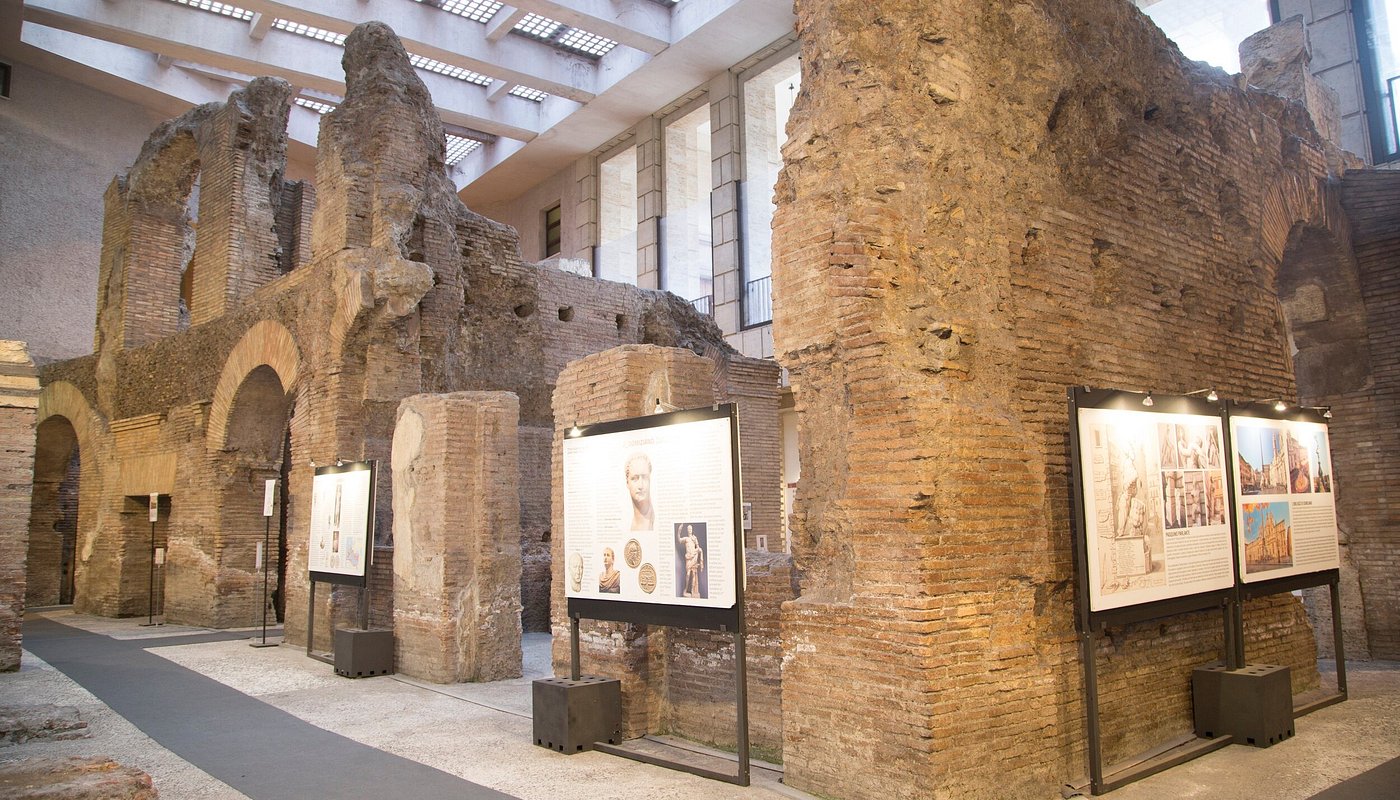
Stadio di Domiziano
Underground remains of Domitian's ancient athletics stadium beneath Piazza Navona
Explore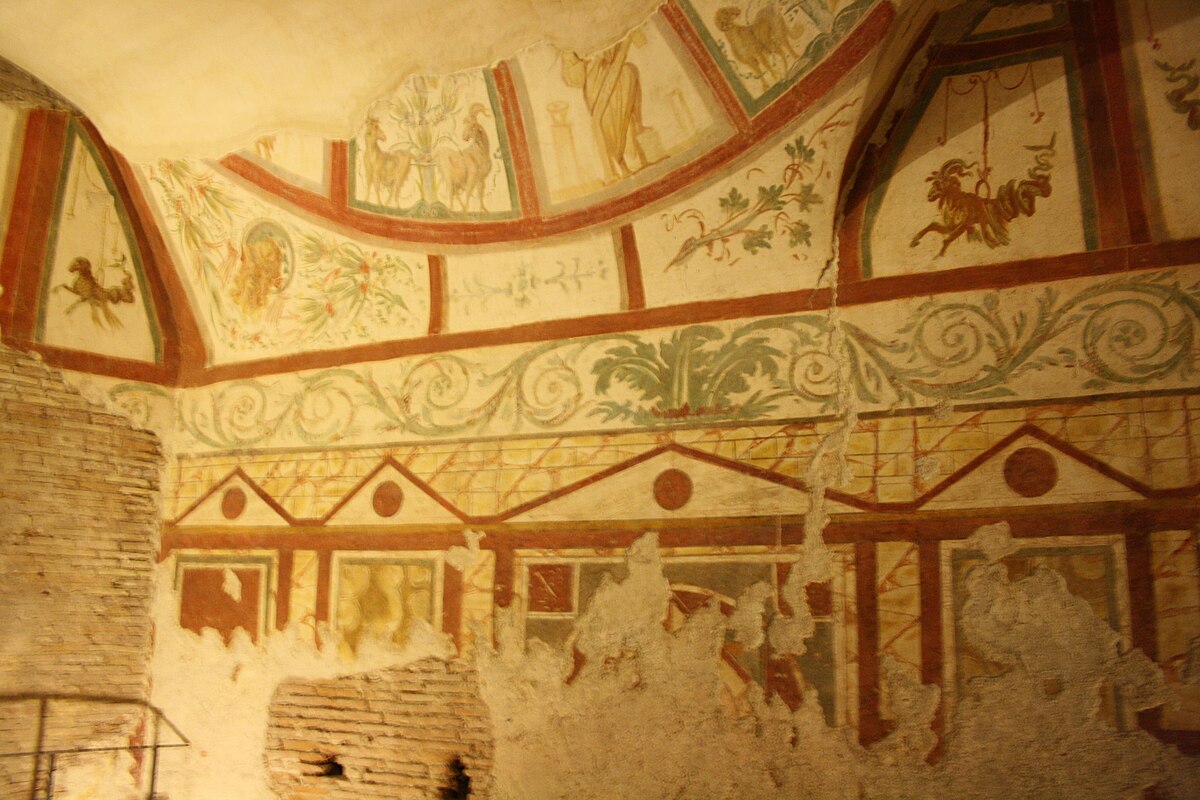
Case Romane del Celio
Late Roman houses with well-preserved frescoes beneath the Caelian Hill
ExploreQuick Planning Guide
⏱️ Time Needed
20-30 minutes
💰 Cost
Free
🎫 Reservation
Not needed
♿ Accessibility
Street-level, but heavy traffic and multiple crossings require care
📅 Best Time
Early morning
👨👩👧👦 Family Friendly
Yes
Nearby Attractions
Via Venetostarts here
Palazzo Barberini2-minute walk
Trevi Fountain5-minute walk
Quattro Fontane5-minute walk
Featured In These Itineraries
Classic Rome 3 DaysFree Rome ItineraryTrevi FountainEssential Tips
- ✓ Metro Line A: Barberini station
- ✓ Don't miss Fountain of the Bees
- ✓ Gateway to Via Veneto
- ✓ Palazzo Barberini museum nearby