 Free Baroque FountainFree Entry
Fontana dell'Acqua Paola – Complete Visitor Guide (2026)
How to visit Rome's monumental Fontanone: Janiculum views, history, photo tips, and the best time to go
Free20-30 minPanoramic ViewsVia Garibaldi, 00153 Roma RMOpen on MapPlan Your Visit
Compare tickets, tours and stays — booking ahead usually gives more choice
Book a TourHotels NearbyAllTrips Editors··7 min readTable of Contents
Jump to any section of the itinerary
Why Visit the Fontanone?
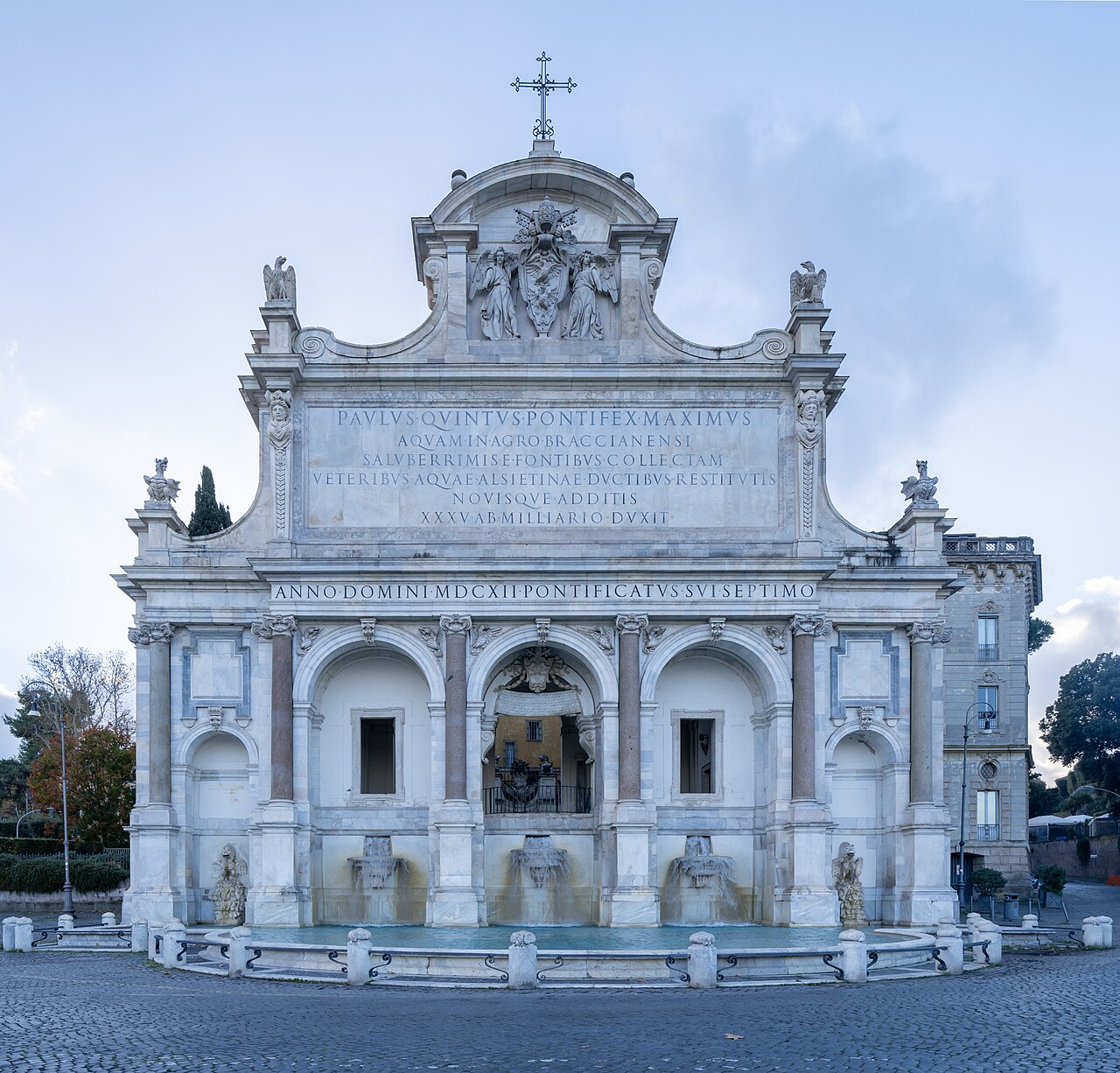
The Fontana dell'Acqua Paola, affectionately called "Il Fontanone" (the Big Fountain) by Romans, is one of Rome's most spectacular Baroque monuments. Perched atop Janiculum Hill, it combines architectural grandeur with one of the city's finest panoramic viewpoints. The fountain celebrates Pope Paul V's restoration of an ancient Roman aqueduct, bringing fresh water to Trastevere after centuries.
Panoramic Views
One of Rome's best viewpoints—see St. Peter's dome, the Roman rooftops, and distant hills
Baroque Grandeur
Impressive triumphal arch design with five water spouts and massive marble basin
Cinema History
Star of "La Grande Bellezza"—the Oscar-winning film's iconic opening scene
Romantic Sunset Spot
Romans' favorite place to watch the sun set over the Eternal City
Visit Time
20-30 minutes
Cost
Free
Built
1610-1612
Style
Baroque
Best For
Sunset views
Location
Janiculum Hill
How to Visit Fontana dell'Acqua Paola
Time Needed
Plan 20–30 minutes for the fountain and terrace, or 60–90 minutes if you continue along the Janiculum walk.
Getting There
Walk uphill from Trastevere via Via Garibaldi, take bus 115/870 nearby if currently running (verify routes and times with ATAC), or taxi up and walk down.
Tickets
No ticket, reservation, or timed entry is needed. It is an outdoor public monument and free to visit.
Treat the Fontanone as both a fountain and a viewpoint. The uphill approach from Trastevere is part of the experience: the city gradually opens behind you, then the fountain appears like a marble stage at the top of the climb.
Best Time & Photo Tips
Go for sunset, stay for blue hour
Late afternoon gives the marble softer light, while the terrace view becomes more dramatic as Rome begins to glow. Blue hour is especially atmospheric because the fountain lighting and skyline work together.
Photograph details, not only the full façade
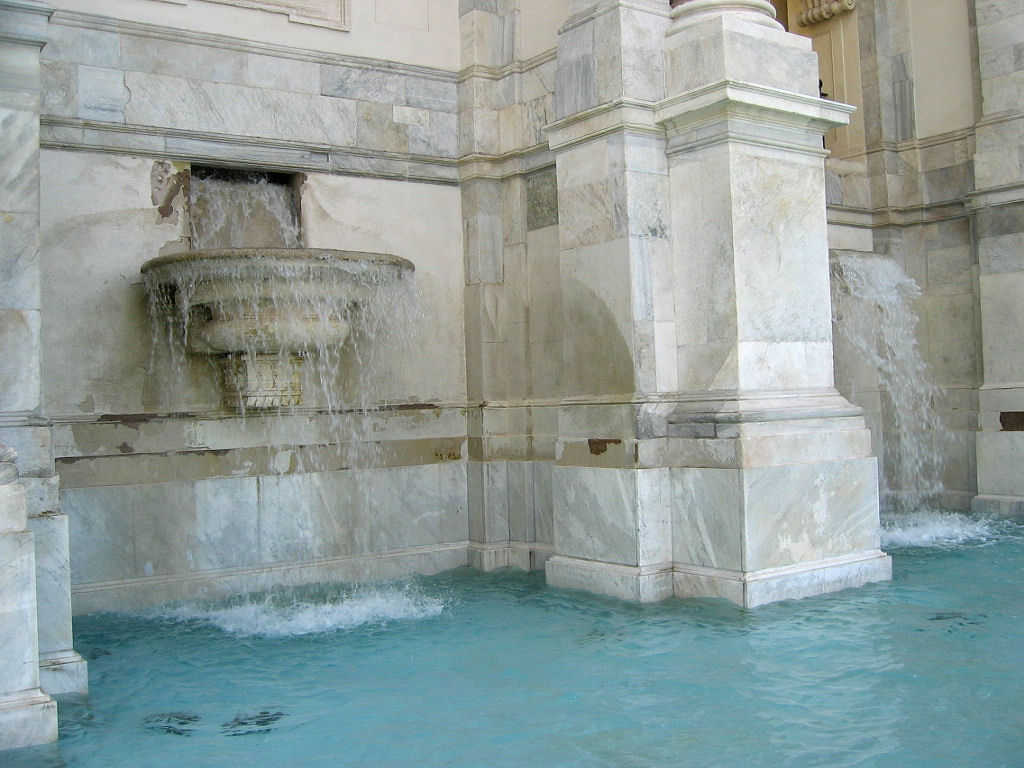
The whole fountain is impressive, but the closer water basins, inscriptions, columns, and side cascades often make stronger photos with less crowd interference.
Architecture & Design
The Triumphal Arch Design
Designed by Giovanni Fontana and Flaminio Ponzio, the fountain takes the form of a classical Roman triumphal arch. Five massive arches frame water spouts, with the central arch larger than the flanking pairs. The white travertine marble catches the Roman sunlight beautifully, glowing gold at sunset.
The Papal Inscription
The grand inscription proudly proclaims Pope Paul V Borghese's achievement: restoring the ancient Aqua Traiana aqueduct that had brought water from Lake Bracciano since Trajan's time. The fountain marks the terminus of this revived water system, delivering fresh water to Trastevere.
The Semicircular Basin
In 1690, Carlo Fontana added the large semicircular basin that contains the falling water today. This theatrical addition enhanced the fountain's drama and created the perfect foreground for the panoramic view of Rome spreading out below.
History of the Fontanone
109 ADAqua Traiana Built
Emperor Trajan constructs an aqueduct from Lake Bracciano to supply water to Trastevere.
537 ADAqueduct Destroyed
Gothic armies cut Rome's aqueducts during the siege, leaving Trastevere without water for centuries.
1610Restoration Begins
Pope Paul V commissions restoration of the ancient aqueduct and a monumental fountain.
1612Fountain Completed
The grand Fontana dell'Acqua Paola is unveiled, marking the aqueduct's triumphant return.
1690Basin Added
Carlo Fontana enhances the design with a large semicircular basin for greater theatrical effect.
2013Cinema Fame
Paolo Sorrentino's 'La Grande Bellezza' opens with an iconic scene at the fountain, winning the Oscar.
Common Mistakes to Avoid
Treating it as a quick photo stop
Why it hurts: You miss the panoramic terrace, San Pietro in Montorio, and the Janiculum walk that make the climb worth it.
Do this instead: Block 45-60 minutes minimum: fountain, terrace bench, Tempietto next door, then the ridge walk toward the lighthouse.
Climbing up at midday in summer
Why it hurts: Via Garibaldi is steep, exposed, and brutally hot — you arrive sweaty and the marble is glaring white.
Do this instead: Time the climb for 90 minutes before sunset; the light, temperature, and the fountain's golden glow all peak together.
Forgetting the descent plan
Why it hurts: After dark, taxis and rideshares are not always readily available on Via Garibaldi and the walk down to Trastevere can feel disorienting.
Do this instead: Check taxi and rideshare app availability before you climb, or plan to walk down via Via Garibaldi for dinner in Trastevere — fastest route to Piazza Trilussa.
Confusing it with the Janiculum panoramic terrace
Why it hurts: The most photographed Rome panorama is actually the Piazzale Garibaldi terrace 600 m further up — visitors leave thinking they saw it.
Do this instead: After the fountain, walk 10 minutes uphill on Passeggiata del Gianicolo to the proper Piazzale Garibaldi viewpoint.
Skipping San Pietro in Montorio next door
Why it hurts: Bramante's Tempietto — one of the High Renaissance's most influential buildings — is 40 m away and most visitors never notice the entrance.
Do this instead: Check the Tempietto's current opening hours before you go, as they vary and are not a simple fixed weekly schedule, then pair both in one visit.
Standing in front of the central arch for photos
Why it hurts: Tour groups cluster there, and the head-on shot flattens the fountain's perspective.
Do this instead: Shoot from the left or right corner of the basin — you get depth, side cascades, and fewer strangers in frame.
Insider Tips from Locals
Enjoy the view at your own pace
There's a low wall beside the fountain where visitors often pause to take in the view at sunset — please respect the monument and any posted rules about sitting or eating nearby.
Watch the lighthouse change colors
Just up the ridge, the Manfredi Lighthouse cycles through Italian flag colors every few minutes after dark — a five-minute walk turns the visit into a proper evening.
Janiculum cannon tradition
A cannon is fired daily at noon near the Janiculum; occasional band performances have been reported nearby in the past, but this isn't a dependable recurring event, so treat any music as a bonus rather than an expectation.
Consider bus 115 if mobility is limited
Route 115 has historically climbed from Trastevere past the fountain, but always check current ATAC schedules before relying on it, and note that even with the bus, the surrounding slopes, pavements, and crossings on the Janiculum are still steep and uneven.
Pair with the Aqua Traiana story
Read up briefly on Trajan's aqueduct (109 AD) before going — the inscription suddenly makes sense and the fountain becomes a 1,500-year story instead of pretty marble.
Consider a weekday visit
Weekday evenings tend to be quieter than weekends for photographing the fountain, giving you more space for the iconic shot.
Where to Stay Near Fontanone
Looking for convenient accommodation near Fontanone? Stay within walking distance to make the most of your visit.
Hotels Near This AttractionTop Rated HotelsBudget-Friendly OptionsLuxury HotelsCentral locations with easy access to Fontanone and other attractionsFrequently Asked Questions
Why is it called the Fontanone?
Fontanone means 'big fountain' in Italian. While its official name is Fontana dell'Acqua Paola (after Pope Paul V who commissioned it), Romans affectionately call it 'Il Fontanone' due to its impressive size. It's one of Rome's largest monumental fountains.
Where is the Fontanone located?
The fountain is located on Janiculum Hill (Gianicolo), just above Trastevere. It's at the start of Via Garibaldi where it meets Piazza San Pietro in Montorio. The location offers spectacular panoramic views over Rome.
What's the best time to visit?
Sunset is magical—watch the city glow golden while the fountain catches the evening light. Early morning is peaceful with few tourists. The fountain is illuminated at night and makes for stunning photos. Combine with a Janiculum Hill walk.
Is the Fontanone free to visit?
Yes, completely free! It's an outdoor fountain and public road that are normally viewable at all hours, though as with any street location this isn't formally guaranteed. The adjacent Janiculum terraces offer some of Rome's best panoramic viewpoints, also free. It's a perfect budget-friendly activity with spectacular rewards.
What movie featured the Fontanone?
The fountain gained international fame in Paolo Sorrentino's Oscar-winning film 'La Grande Bellezza' (The Great Beauty, 2013), where it appears in the stunning opening sequence. It's become a pilgrimage site for fans of Italian cinema.
Related Attractions
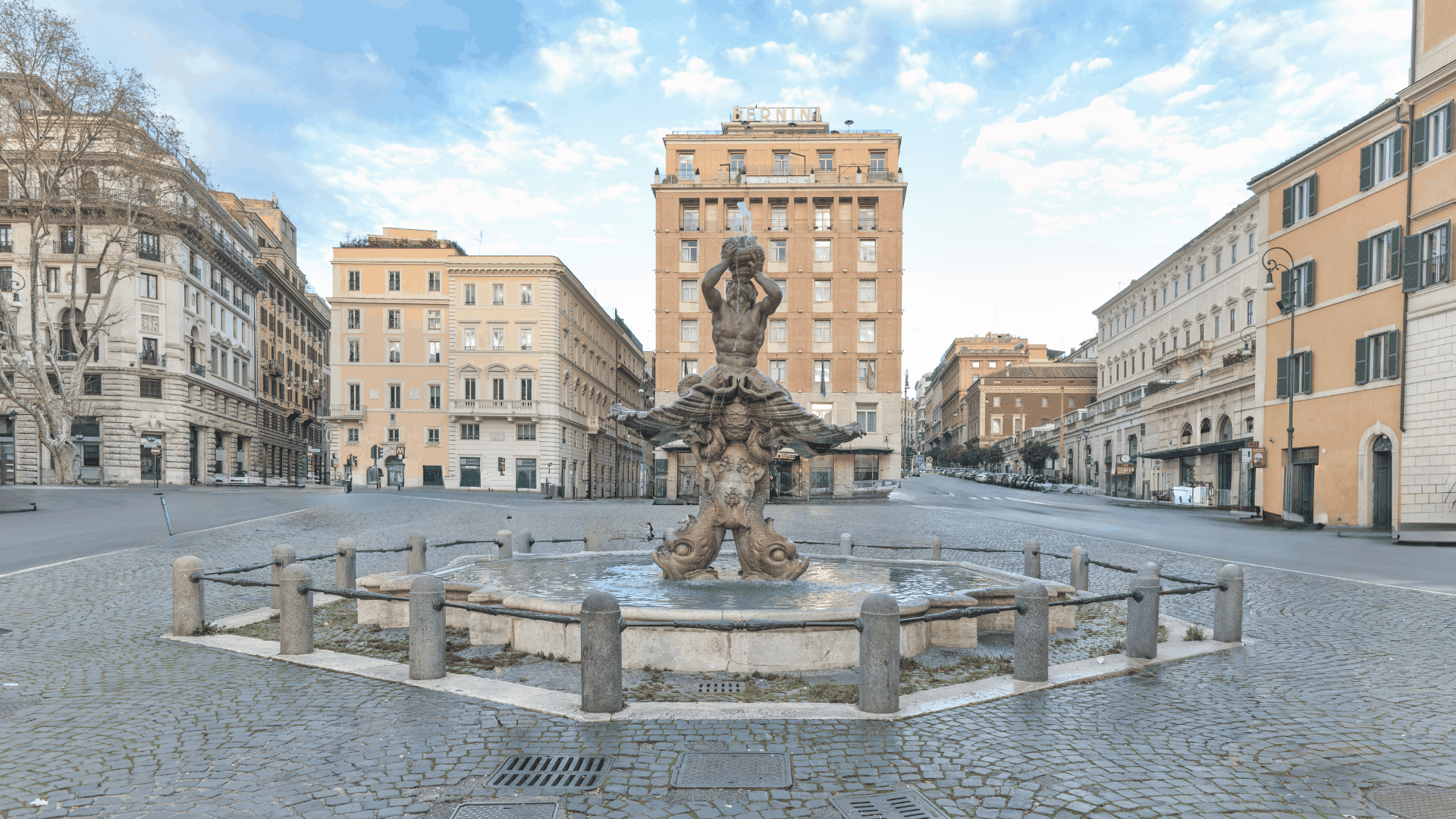
Piazza Barberini
Bernini's Triton Fountain—gateway to Via Veneto
Explore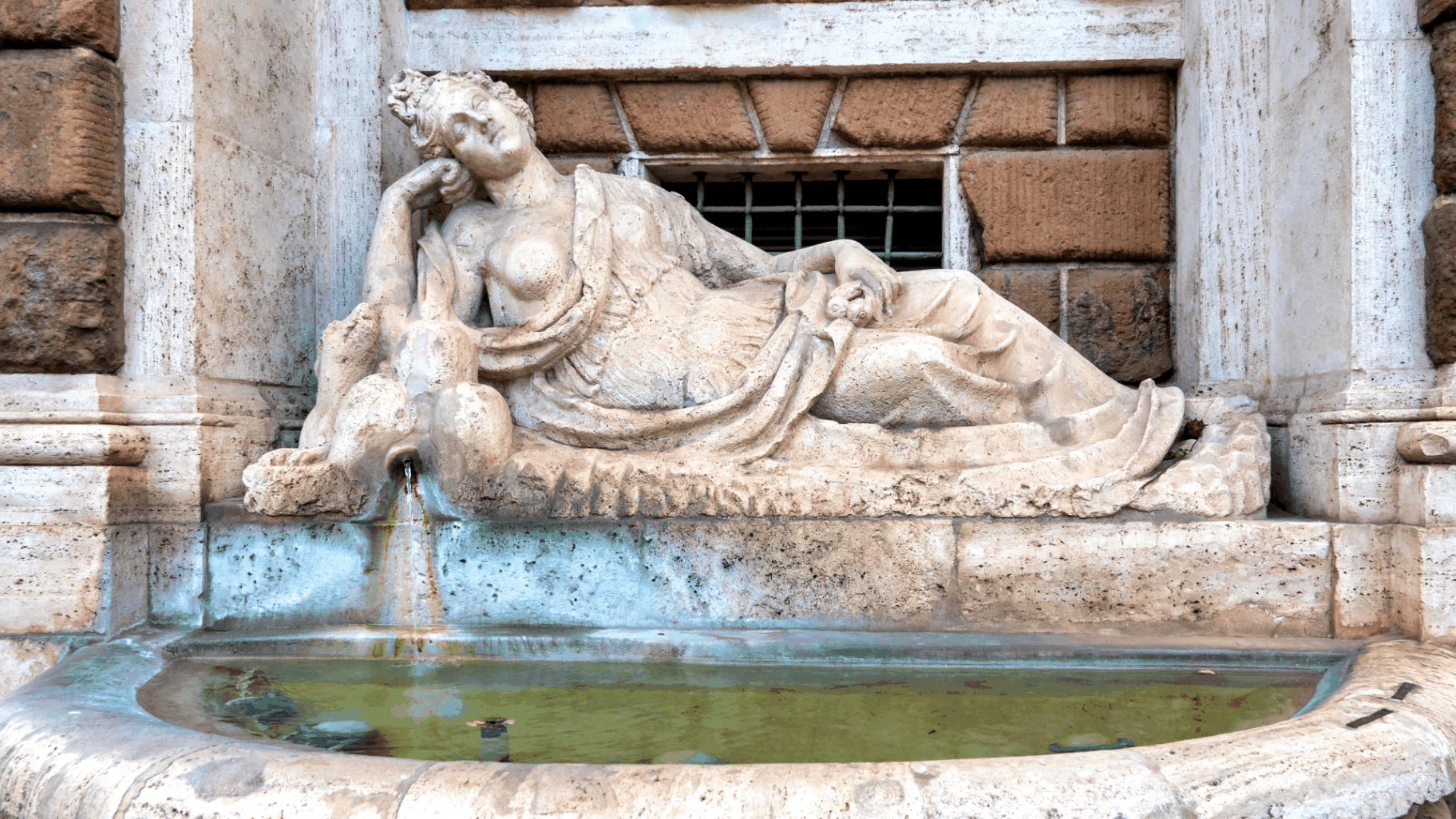
Quattro Fontane
Four corner fountains with views of three obelisks
Explore
Piazza della Rotonda
Elegant square fronting the Pantheon
Explore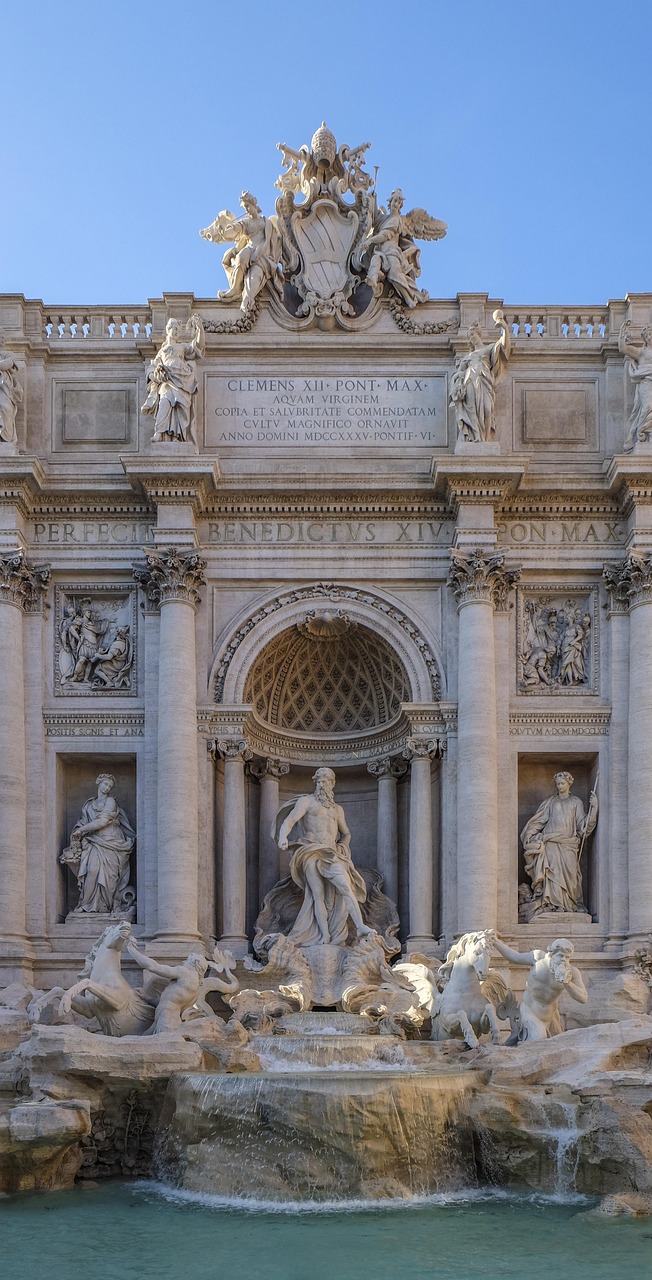
Trevi Fountain
Rome's most famous fountain—throw a coin for your return
Explore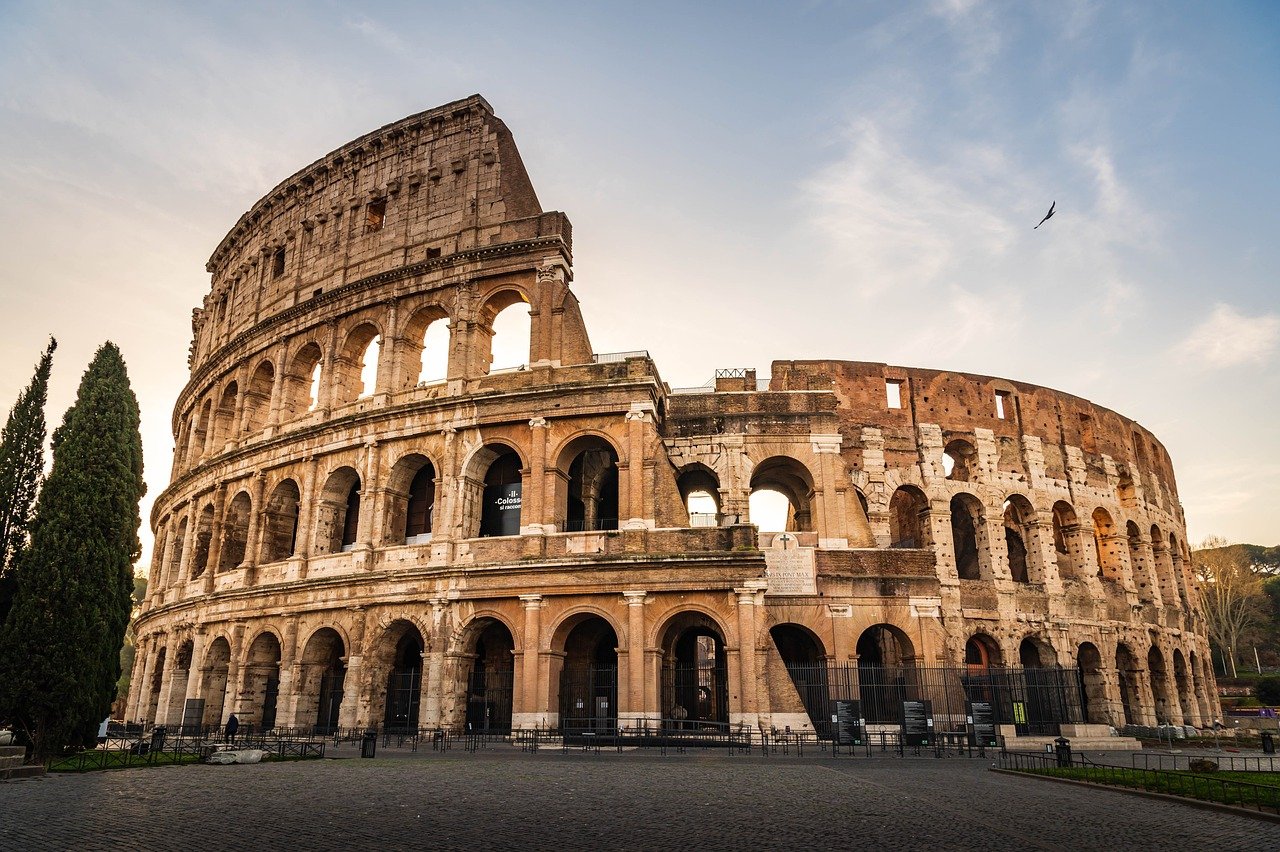
Colosseum
Iconic amphitheater and symbol of Imperial Rome, one of the New 7 Wonders
Explore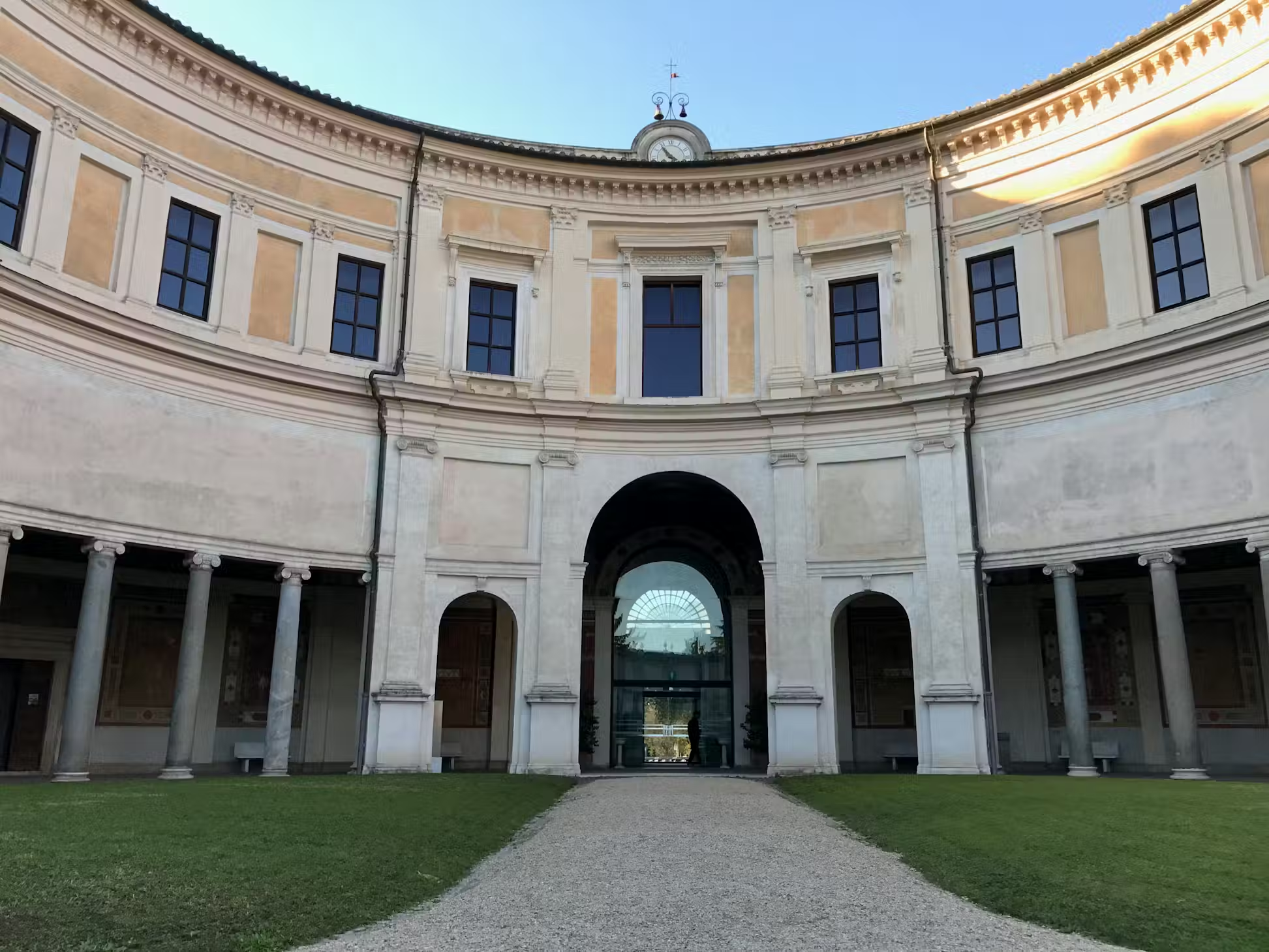
National Etruscan Museum
World's greatest Etruscan art—Sarcophagus of the Spouses
ExploreQuick Planning Guide
⏱️ Time Needed
20-30 minutes
💰 Cost
Free
🎫 Reservation
Not needed
♿ Accessibility
Uphill walk required
📅 Best Time
Sunset
👨👩👧👦 Family Friendly
Yes
Nearby Attractions
Janiculum Hillsame location
San Pietro in Montorioadjacent
Bramante's Tempietto50m
Trastevere10-minute walk down
Featured In These Itineraries
Free Rome ItineraryRome Like a LocalTrastevereEssential Tips
- ✓ Best at sunset for golden light
- ✓ Combine with Janiculum walk
- ✓ Featured in La Grande Bellezza
- ✓ Stunning night illumination