 Ancient Rome
Tomb of Cecilia Metella
A Roman mausoleum, built between approximately 30 and 10 BCE, that became a medieval fortress — the iconic gateway to the Appian Way's most beautiful stretch.
45-60 min€12 park ticketAppian Way1st c. BCVia Appia Antica, 161, RomeOpen on MapPlan Your Visit
Compare tickets, tours and stays — booking ahead usually gives more choice
Get TicketsBook a TourHotels NearbyBy AllTrips Editors••8 min readThe Tomb of Cecilia Metella (Italian: Mausoleo di Cecilia Metella) is a colossal cylindrical mausoleum built between approximately 30 and 10 BCE for a Roman noblewoman, standing at the third mile of the Appian Way. In 1302 the Caetani family converted it into a fortified castle, adding the unmistakable Ghibelline battlements that crown it today. It is a well-preserved ancient tomb and the iconic gateway to the most beautiful, car-free stretch of the Via Appia Antica.
📋 In This Guide
Duration
45-60 min
Cost
€12 park ticket
Best Time
Tue–Sun AM
Type
Roman + Medieval
Why Visit the Tomb of Cecilia Metella?
Most Roman tombs along the Appian Way are reduced to brick stumps — Cecilia Metella's remains are unusually well preserved because the Caetani family fortified it in 1302 and absorbed it into their toll castle. The result is a striking double monument: a Republican aristocratic mausoleum wearing medieval battlements, set on one of the most photogenic stretches of ancient Roman road still in existence.
A Well-Preserved Roman Tomb
A 30 m diameter travertine drum, built between approximately 30 and 10 BCE, that survived for two millennia thanks to its medieval second life as a fortress.
Two Eras in One Building
Republican-era ox-skull frieze beneath 13th-century Ghibelline battlements — Roman and medieval architecture stacked literally on top of each other.
Gateway to the Real Appian Way
South of the tomb the road becomes traffic-free original basalt paving — the most evocative ancient road walk in Italy.
Unified Appian Park Ticket
Since 1 July 2026, one €12 ticket covers the Tomb, Villa dei Quintili, and four other Appian Park sites, valid 7 days from first entry. The Baths of Caracalla require a separate ticket.
Tickets & Combo Options
Since 1 July 2026, the Tomb of Cecilia Metella is included in a single unified Appian Archaeological Park ticket, replacing the previous single-site and combo tickets. Note that the Baths of Caracalla are ticketed separately and are not part of this ticket.
Appian Archaeological Park Ticket — €12 full
€12 full price, €10 reduced ("Friends of the Park"), €2 statutory reduced. Valid 7 days from first entry and covers six sites across the Appian Park, including the Tomb of Cecilia Metella and Villa dei Quintili.
Capo di Bove
Capo di Bove, the archaeological area across the road, is temporarily closed for restoration following the park's July 2026 announcement. Check the official park site before your visit for updates.
Add-on: Skip-the-Line Colosseum + Forum
If your Appian Way day starts or ends at the Colosseum (Bus 118 connects them), you can pre-book a skip-the-line Colosseum ticket below to avoid queues, which can become long, especially in the middle of the day.
Colosseum Priority Entrance
Best for: First-time visitors
~2 hoursSkip-the-line access to the Colosseum with entry to Roman Forum and Palatine Hill included. Perfect for first-time visitors.
- Skip-the-line entry
- Colosseum access
- Roman Forum included
- Palatine Hill included
🎟️ Compare Prices:
TiqetsKlookTrip.comColosseum Guided Tour
Best for: History enthusiasts
~3 hoursExpert-led tour with professional guide sharing gladiator history, architecture secrets, and ancient Roman stories.
- Professional English-speaking guide
- Skip-the-line entry
- In-depth historical commentary
- Small group experience
🎟️ Compare Prices:
TiqetsKlookTrip.comColosseum Arena & Underground
Best for: Unique experience seekers
~3.5 hoursWalk where gladiators fought on the arena floor and explore the underground chambers where they awaited their fate.
- Arena Floor access
- Underground chambers access
- Roman Forum & Palatine Hill
- Expert guided tour included
🎟️ Compare Prices:
TiqetsKlookTrip.comThe Mausoleum: Architectural Deep-Dive
Travertine Drum, 30 m Wide
The cylindrical core is faced in massive travertine blocks from Tivoli — the same stone later used for the Colosseum, here a century earlier.
Lost Conical Roof
The original tomb was crowned with a conical earth-and-stone tumulus, mirroring Etruscan funerary mounds. It collapsed by the early Middle Ages.
Bucranium Frieze
A continuous marble band of ox skulls and garlands runs around the upper drum — Republican-era funerary symbolism that gave the area its name 'Capo di Bove'.
Inscription Tablet
A surviving marble plaque names the occupant: 'CAECILIAE Q·CRETICI·F METELLAE CRASSI' — Cecilia Metella, daughter of Creticus, wife of a Crassus, likely a son of the triumvir Marcus Licinius Crassus, though this identification is not certain.
Caetani Battlements
In 1302 the Caetani capped the drum with Ghibelline 'swallowtail' merlons — fish-tail crenellations marking pro-imperial loyalty in medieval Italy.
The Caetani Toll Castle
A walled palace, chapel and small village were built around the tomb to control all traffic entering Rome from the south. The ruins are walkable today.
Two Thousand Years of the Tomb
From Republican aristocratic burial to medieval toll castle to Grand Tour icon — the most layered monument on the Appian Way.
c. 30–10 BCETomb Built
Constructed for Cecilia Metella, daughter of Quintus Caecilius Metellus Creticus, and, per the tomb's inscription, wife of a Crassus — likely a son of the triumvir Marcus Licinius Crassus, though this is not certain.
c. 500 ADConical Roof Lost
The original earth-and-stone tumulus collapses, leaving the stark cylindrical drum visible today.
1302Caetani Fortification
Pope Boniface VIII grants the tomb to his Caetani family, who add Ghibelline battlements and convert the monument into a fortified toll castle.
1312Caetani Expelled
After political reversals the Caetani lose the property, but the castle remains in use for centuries.
1400sCustoms House
Used as a checkpoint and inn for travellers entering Rome from the south on the Via Appia.
1700sGrand Tour Icon
Painted by Piranesi, Turner and countless others — becomes the single most famous landmark on the Appian Way for European travellers.
1892State Acquisition
Bought by the Italian state and incorporated into the new Appian Way archaeological zone — protected from quarrying and development.
2024UNESCO Recognition
The Via Appia Antica (with the Tomb as a key monument) is inscribed on UNESCO's World Heritage list as 'the queen of long-distance roads'.
Best Time to Visit
Time of Day
9:00–11:00 AM ⭐ Best: Quiet, soft side-light on the travertine, cool enough to walk the road afterwards.
Late afternoon: Beautiful golden light on the battlements but you'll lose the option to walk far on the Appian Way before closing.
Avoid Sunday afternoons: Locals fill the Appian Way park — the tomb itself stays calm but parking is impossible.
Closed Mondays: The single most-missed detail — many visitors arrive to a locked gate.
Season
Spring (Mar–May) ⭐ Best: Wildflowers along the road, mild temperatures, long daylight for combining with Villa dei Quintili.
Autumn (Sep–Nov): Soft light, golden umbrella pines, cool walking conditions.
November–February: Open 9:00–16:30. Quietest of all, dramatic atmospheric light — start by early afternoon to allow time before closing.
March, October: Open 9:00–18:30.
April–September: Open 9:00–19:15, but the road is exposed at midday — start at opening or after 17:00. Last entry to the tomb is always 30 minutes before closing.
Best Photo Spots
Classic Frame from the Road
Stand on the basalt paving south of the gate looking back north — the tomb fills the frame between umbrella pines. The textbook Appian Way image.
Bucranium Detail Shot
A 70–200 mm lens or 3× phone zoom isolates the ox-skull frieze against the medieval battlements — Roman and medieval in one shot.
From the Caetani Palace Ruins
Walk behind the tomb into the medieval village ruins — most visitors skip this and you'll get an empty foreground with the tomb behind.
Golden Hour from the South
In the last 30 minutes of light, walk 200 m south on the Appian Way and shoot back — the travertine glows warm gold against the pines.
Cecilia Metella vs Other Roman Tombs
| Tomb | Era | Cost | Preservation | Setting |
|---|---|---|---|---|
| Tomb of Cecilia Metella | c. 30–10 BCE | €12 Appian Park ticket | Well preserved (drum + battlements) | Appian Way park |
| Castel Sant'Angelo (Hadrian's Mausoleum) | 139 AD | €18 | Heavily rebuilt as fortress | Tiber riverside |
| Pyramid of Cestius | 12 BC | Free (exterior) | Excellent | Beside the Aurelian Wall |
| Tomb of the Scipios | 3rd c. BC | €7 | Underground chambers | Via di Porta San Sebastiano |
| Augustus Mausoleum | 28 BC | Check current pricing/status | Partial, restoration ongoing | Piazza Augusto Imperatore |
Cecilia Metella is one of the few Roman tombs where you can experience a well-preserved Republican mausoleum combined with a medieval castle in a single monument.
Common Mistakes to Avoid
Visiting on a Monday
The single most common error — closed all day Mondays plus December 25 and January 1. Always plan another day.
Not realizing the ticket now covers the whole park
The €12 Appian Park ticket covers six sites, including Villa dei Quintili, valid 7 days from first entry — but it does not include the Baths of Caracalla, which needs a separate ticket.
Taking a taxi out and back
Taxis here can cost €25+ each way. Bus 118 from central Rome (Piazza Venezia / Circo Massimo) is cheaper and stops close by — check current ATAC routing before departure because diversions are common.
Not walking the Appian Way afterwards
South of the tomb is the most beautiful surviving stretch of original Roman road in the world. Walk at least 1 km to feel it.
Expecting Capo di Bove to be open
The Capo di Bove archaeological area across the road, with its Roman baths and mosaic floor, is temporarily closed for restoration — check the official park site for updates before planning a visit.
Forgetting water and snacks
There's almost no shop infrastructure on the Appian Way. Stock up in central Rome before you head out.
Pair Your Visit With
Appian WayThe road itself — start here and walk south on original Roman basalt for the most evocative ancient road in Italy.
ColosseumBus 118 connects them directly — pair an Appian Way morning with a Colosseum afternoon for the perfect ancient Rome day.
Aventine Orange GardenOn the way back to the centre — Bus 118 passes near. End the day with a free sunset over Rome.
What to See Inside
The cylindrical drum — 30 m diameter, 11 m high, faced in massive travertine blocks from the late RepublicBucranium frieze — sculpted ox skulls linked by garlands that gave the Capo di Bove neighbourhood its nameCaetani battlements — 13th-century Ghibelline crenellations turning the Roman tomb into a medieval keepCaetani palace ruins — the toll-castle complex that controlled all traffic on the Appian WayGothic chapel of San Nicola — small medieval church beside the tomb, atmospheric ruinThe Capo di Bove archaeological area — Roman baths and a black-and-white mosaic floor, currently closed for restorationOriginal Roman basalt paving — the most evocative stretch of the Via Appia Antica begins right at the tomb's gateGetting There
🚍 Bus 118 (recommended)
From central Rome via Piazza Venezia and Circo Massimo toward the Appian Way, stopping close to the tomb. Check current ATAC routing before departure because diversions are common.
🚌 Archeobus
Hop-on-hop-off from Termini, stops at the tomb and continues to other Appian Way sites. Best for visiting multiple monuments in one day.
🚲 Bike from the Centre
Hire a bike at Porta San Sebastiano and ride out — about 35 minutes from the Colosseum, traffic-free past the tomb. The most atmospheric way to arrive.
Where to Stay Near Tomb of Cecilia Metella
Looking for convenient accommodation near Tomb of Cecilia Metella? Stay within walking distance to make the most of your visit.
Hotels Near This AttractionTop Rated HotelsBudget-Friendly OptionsLuxury HotelsCentral locations with easy access to Tomb of Cecilia Metella and other attractionsFrequently Asked Questions
Who was Cecilia Metella?
Cecilia Metella was a Roman noblewoman of the late 1st century BC. Her father, Quintus Caecilius Metellus Creticus, conquered Crete in 69 BC, and the inscription on her tomb names her as the wife of a Crassus — likely a son of the triumvir Marcus Licinius Crassus, though this identification is not certain. Her tomb's scale reflects the wealth of two prominent Republican families.
Why is the area called 'Capo di Bove'?
The marble frieze around the upper drum is decorated with bucrania — sculpted ox skulls linked by garlands, a standard Roman funerary motif. In the Middle Ages locals nicknamed the monument 'Capo di Bove' (Head of the Ox), and the surrounding neighbourhood still carries the name today.
Is the tomb free to enter in 2026?
No. Since 1 July 2026 a single Appian Archaeological Park ticket covers the Tomb of Cecilia Metella and five other park sites, including Villa dei Quintili: €12 full, €10 reduced ("Friends of the Park"), €2 statutory reduced. It is valid for 7 days from first entry. The Baths of Caracalla are not included.
How long does the visit take?
Plan 45–60 minutes for the tomb, Caetani palace ruins and small museum. Add 1–3 hours if you continue walking or cycling the Appian Way south, which is highly recommended.
How do I get to the Tomb of Cecilia Metella?
Take bus 118 from central Rome via Piazza Venezia or Circo Massimo, or the Archeobus hop-on-hop-off from Termini; check current ATAC routing before departure because diversions are common. By bike, it's roughly a 35-minute ride from the Colosseum along the Via di Porta San Sebastiano. Access restrictions apply near the tomb and parking is limited.
Is the Appian Park ticket worth it?
Yes — the €12 ticket covers six sites across the Appian Park, including Villa dei Quintili (a vast imperial villa), and is valid for 7 days from first entry. Note it does not include the Baths of Caracalla, which requires a separate ticket.
Are there opening day restrictions?
Open Tuesday to Sunday. Hours vary by month: April–September 9:00–19:15, October and March 9:00–18:30, November–February 9:00–16:30. Closed Mondays, December 25, and January 1. Last entry is 30 minutes before closing.
Related Attractions
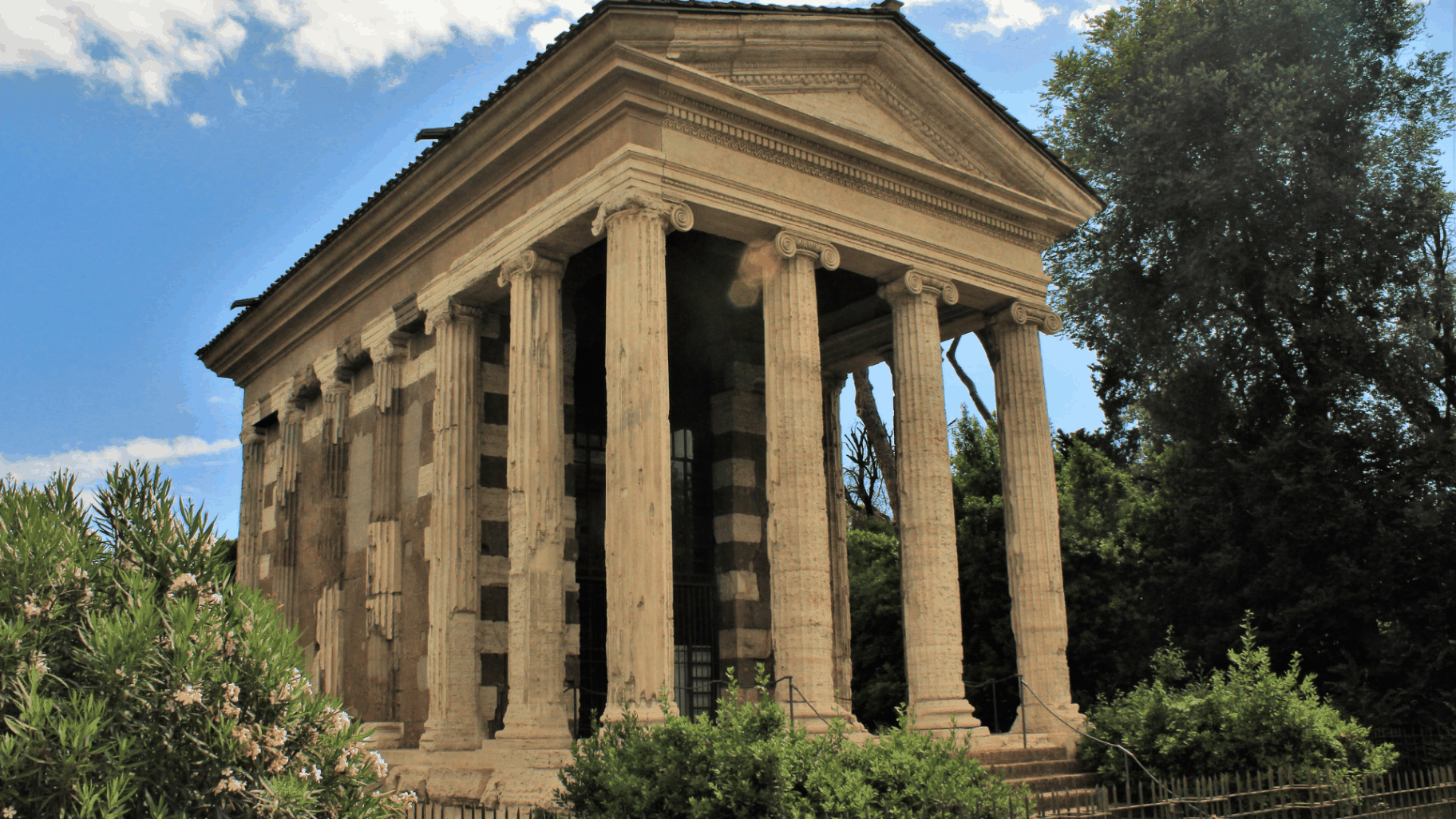
Temple of Portunus
Remarkably intact Republican-era temple to the god of harbors
Explore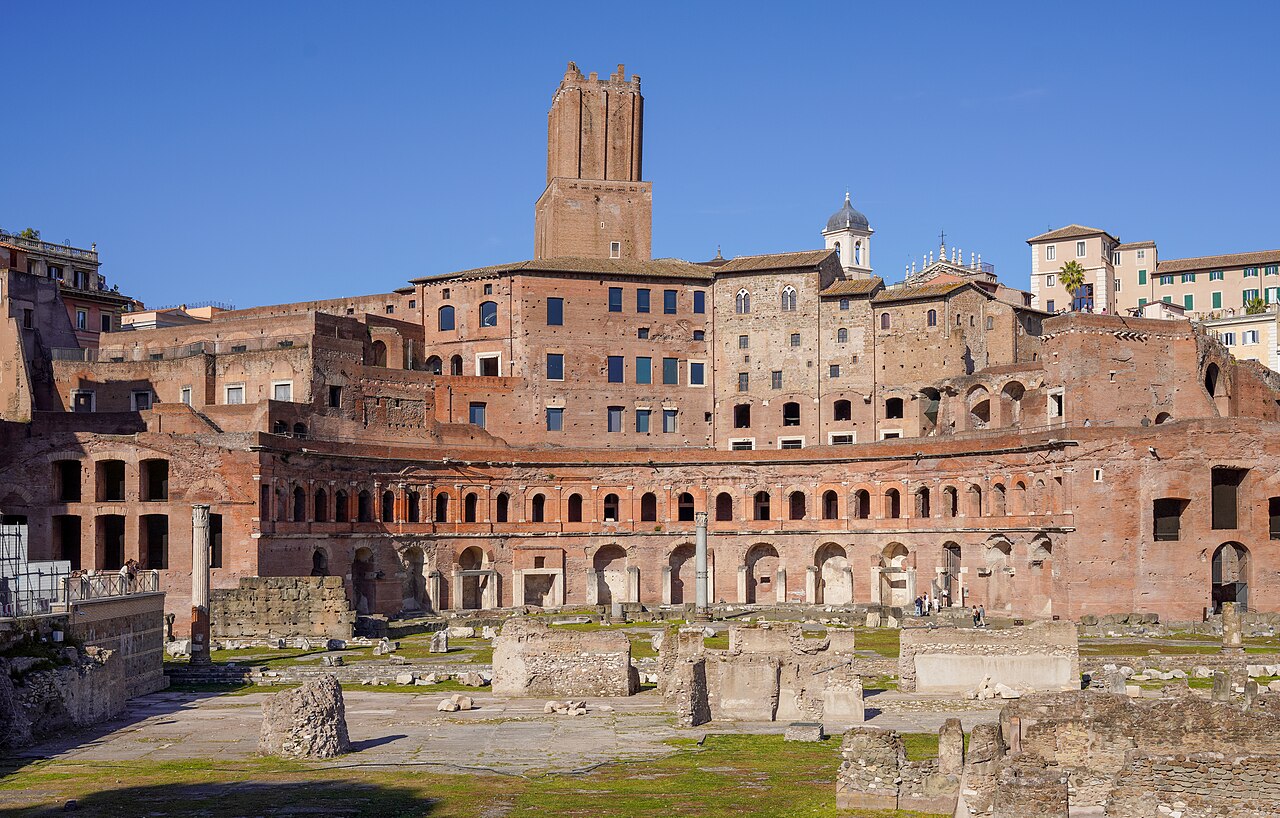
Trajan's Market
A vast multilevel Roman complex beside Trajan's Forum—now the Museum of the Imperial Fora
Explore
Temple of Venus and Roma
Rome's largest ancient temple—Emperor Hadrian's masterpiece
Explore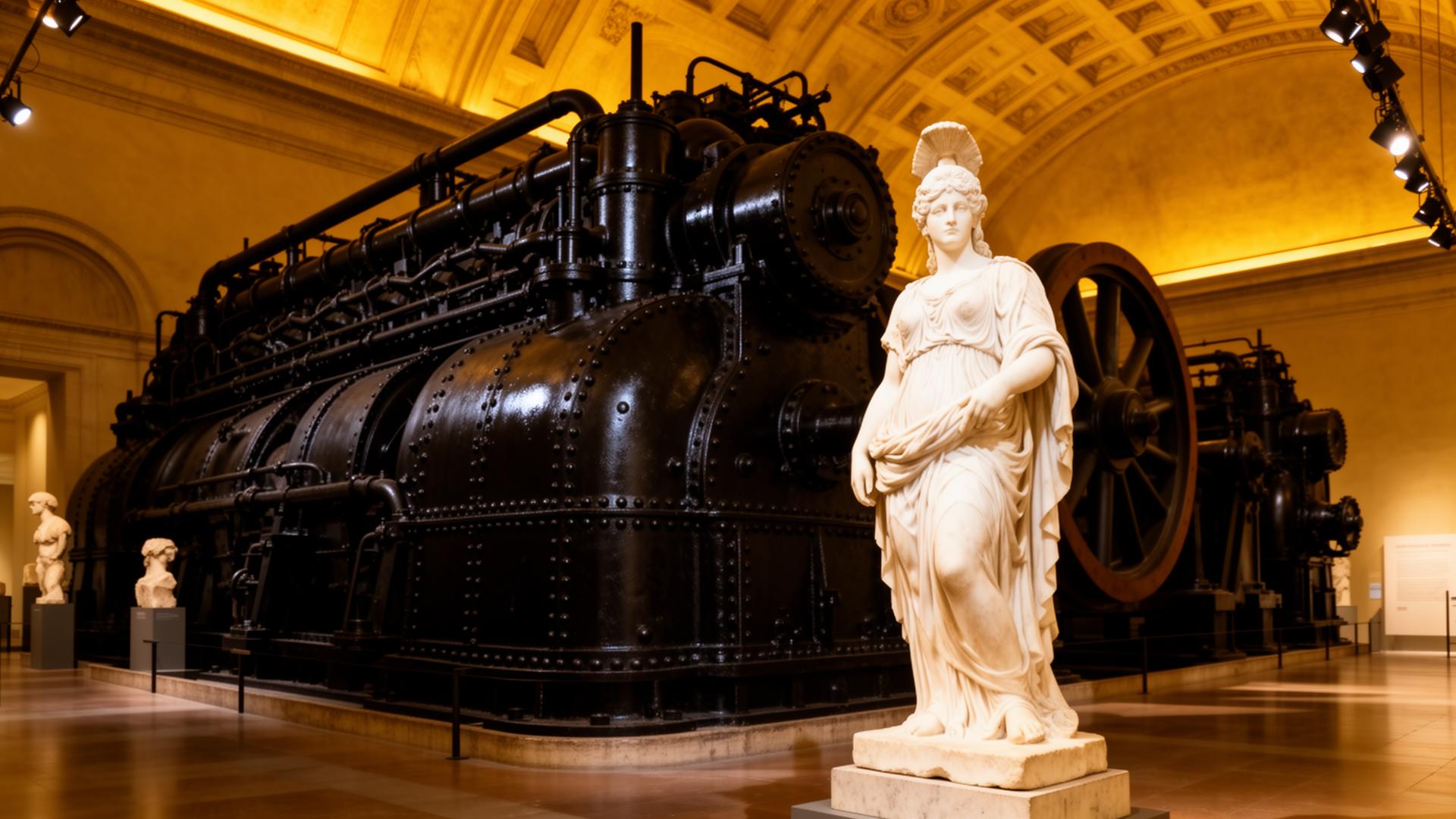
Centrale Montemartini
Ancient sculptures among industrial machinery—Rome's most unique museum
Explore
Palace of the Popes Viterbo
Medieval papal residence—site of longest papal conclave
Explore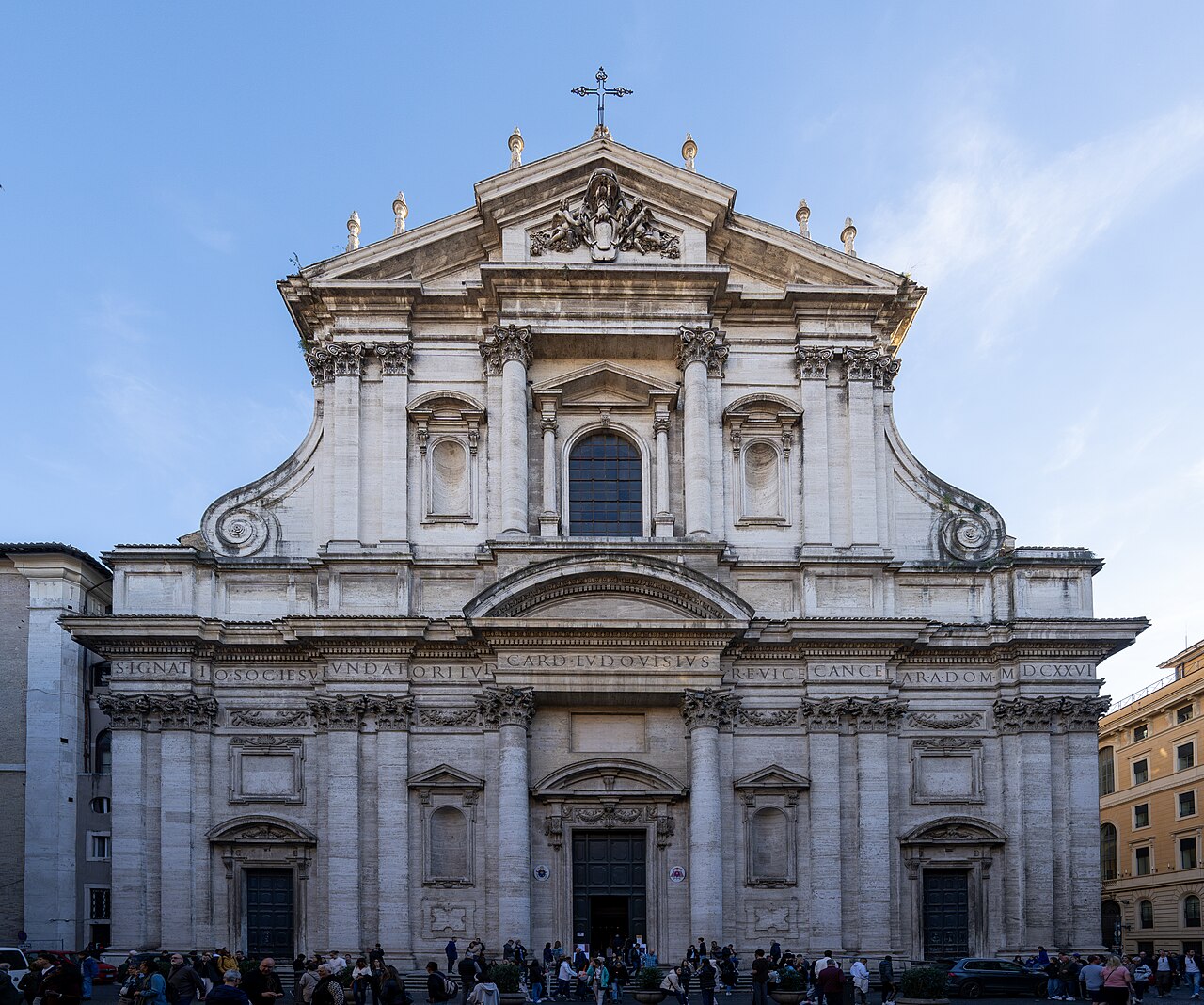
Sant'Ignazio di Loyola
Rome's most spectacular trompe-l'œil ceiling illusion
ExploreQuick Planning Guide
⏱️ Time Needed
45-60 minutes
💰 Cost
€12 full / €10 reduced / €2 statutory reduced (Appian Park ticket)
🎫 Reservation
Official ticket/visit selection recommended or required via Musei Italiani — check the current procedure
♿ Accessibility
Limited (steps to upper level)
📅 Best Time
Tue–Sun, 9–11 AM
👨👩👧👦 Family Friendly
All ages
🌡️ Weather
Mostly outdoor
Nearby Attractions
Appian WayCatacombs of San CallistoVilla dei QuintiliCircus of MaxentiusBaths of CaracallaFeatured In These Itineraries
5 Day Rome ItineraryHidden Gems of RomeEssential Tips
- ✓ Buy the unified Appian Park ticket, valid 7 days from first entry
- ✓ Closed Mondays — plan around it
- ✓ Take Bus 118 or the Archeobus; check ATAC schedules on the day
- ✓ Bring water — almost no shops nearby
- ✓ Combine with a walk or bike on the Appian Way