 Ancient TempleFree Entry
Temple of Portunus
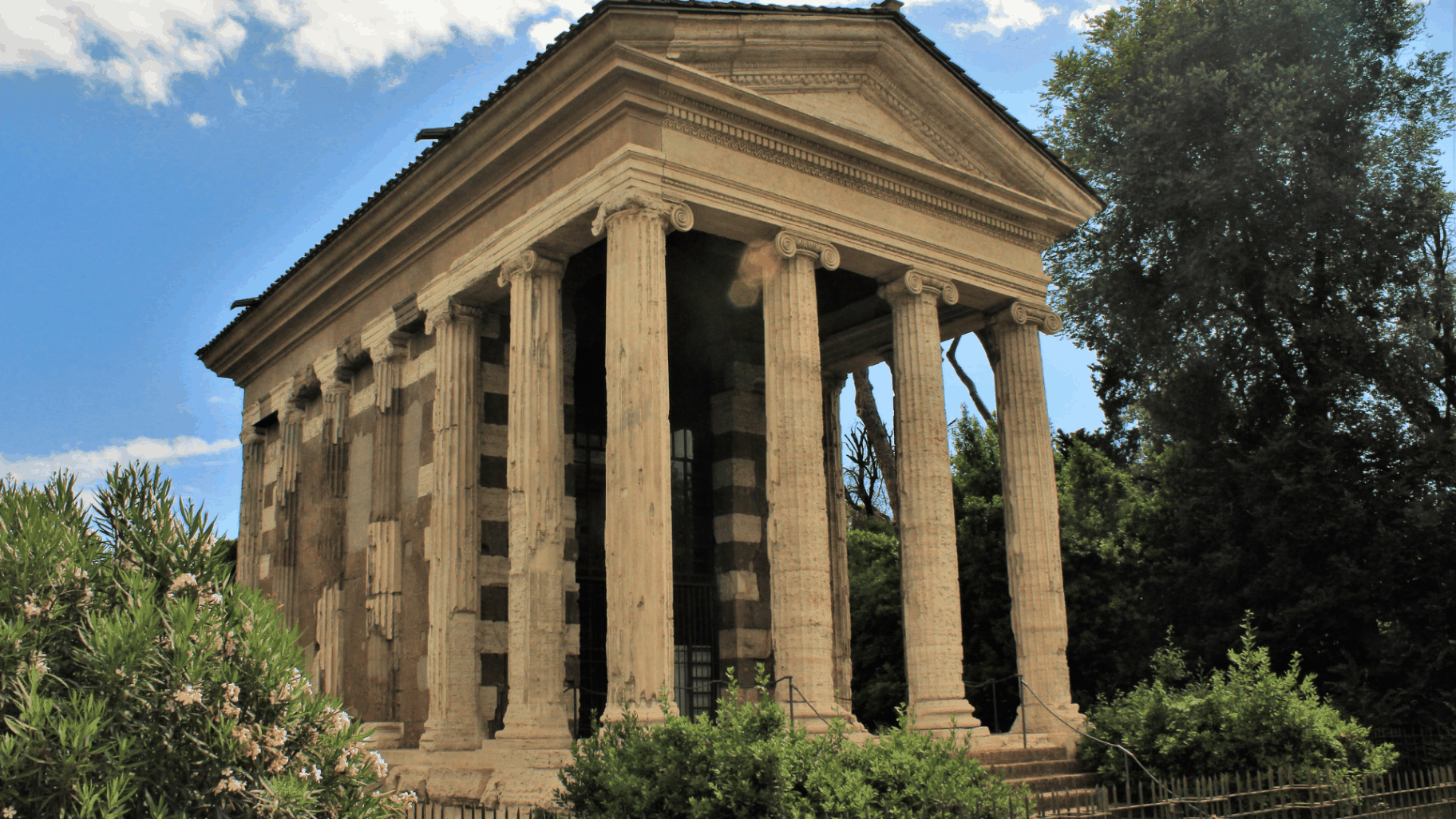
Rome's best-preserved Republican temple — a 2,100-year-old Ionic shrine to the god of river ports.
15–20 minFreeBest-Preserved RepublicanPiazza della Bocca della Verità, 00186 Roma RMOpen on MapPlan Your Visit
Compare tickets, tours and stays — booking ahead usually gives more choice
Book a TourHotels NearbyWhy visit the Temple of Portunus?
Standing twenty metres from the round Temple of Hercules Victor, the rectangular Temple of Portunus is Rome's best-preserved Republican temple — and one of the only places in the city where you can see a complete Italic prostyle plan with its original entablature, pediment, four front Ionic columns and eight engaged columns intact. Generally dated to approximately the late second or early first century BC and widely accepted as a temple to the god of the Tiber river port, it survived because medieval Romans turned it into the church of Santa Maria Egiziaca. Most visitors walk straight past on their way to the Mouth of Truth — fifteen minutes here is one of the best free Republican-era stops in Rome.
Best-Preserved Republican Temple
Complete portico, entablature and pediment
Italic Plan, Greek Detail
Roman framework with Ionic columns
God of the River Port
Patron of Rome's ancient Tiber wharf
Free Exterior View
Viewable from the public square; not normally open inside
Quick facts
Built
Late 2nd / early 1st c. BC
Style
Ionic-Roman peripteral
Dedicated to
Portunus (river-port god)
Columns
4 free + 8 engaged
Material
Travertine + tufa, stuccoed
Entry
Free (exterior only)
Visit Time
15–20 minutes
Location
Forum Boarium
Metro
Circo Massimo (B), 8 min
Table of Contents
Jump to any section of the itinerary
A brief history
The cult of Portunus — the Roman god of harbours, river ports and keys — was already ancient by the Republican period. An archaic shrine stood on the site beside Rome's earliest Tiber wharf from at least the 7th–6th century BC, replaced by an earlier stone temple in the 3rd century BC. The visible building is generally dated to approximately the late second or early first century BC, during the late Republic, on the same sacred ground.
The architecture is a typical Roman compromise between native Italian and imported Greek traditions. The plan is fully Italic prostyle: high stepped podium with steps only at the front, deep front porch (pronaos), single rectangular cella. The columns and detailing are Greek: elegant fluted shafts with delicate Ionic volute capitals. The four free-standing columns at the front, combined with eight engaged (half) columns embedded in the side and rear walls of the cella, create the so-called pseudo-peripteral design — a Roman invention giving the visual effect of a fully columned Greek temple at lower cost.
Built in travertine and tufa with a finish of white stucco to imitate Greek marble, the temple was a typically Republican exercise in thrift before imported marble became standard in Imperial Rome. After Theodosius's edict of 391 AD closed pagan temples, the building stood abandoned. Most Republican temples in Rome were stripped of their stone and burned for lime in the following centuries — but this one survived.
In 872 AD, Pope John VIII consecrated the building as the church of Santa Maria Egiziaca ('Saint Mary the Egyptian'), saving it from destruction. The interior was frescoed with scenes from the saint's life — fragments still survive on the cella walls, though the interior is not normally open to the public. For nearly a thousand years the building functioned as a small parish church for the Forum Boarium quarter.
From the 16th to 18th centuries, Renaissance and Grand Tour antiquarians misidentified the temple as 'Fortuna Virilis' ('Manly Fortune') based on a medieval misreading of ancient sources. The name was repeated in countless guidebooks and engravings until 1916, when modern scholarship definitively confirmed the building as the Temple of Portunus on the basis of epigraphic and topographic evidence. Today, in 2026, the Temple of Portunus stands inside an iron fence at the eastern edge of Piazza della Bocca della Verità — fully restored, free to view, and one of the most complete Republican-era monuments anywhere in the world.
Two thousand years in ten dates
7th–6th century BCEarliest Portunus shrine
An archaic shrine to Portunus, god of river ports, stands beside Rome's earliest river wharf at the Forum Boarium. The cult is among the oldest in the city and is celebrated annually on 17 August at the Portunalia festival.
3rd century BCEarlier stone temple
An earlier stone temple to Portunus is built on the same site, replacing the archaic shrine. Fragments of its podium survive beneath the visible building today.
Late 2nd / early 1st century BCSurviving temple built
The visible temple is generally dated to approximately the late second or early first century BC — a typical Italic prostyle plan (deep front porch, single cella) but with elegant Greek Ionic columns and proportions. Built in travertine and tufa with a white stucco finish to imitate Greek marble — Republican thrift before imported marble became standard.
1st century BC – 1st century ADRepublican and Imperial use
Active cult site for sailors, dockworkers, customs officers and merchants of the Tiber river port. Offerings of keys are deposited annually at the Portunalia; ancient sources link Portunus to portus and to doors and keys, though the precise meaning is discussed among scholars.
4th century ADPagan worship suppressed
After Theodosius's edict of 391 AD closing pagan temples, the Portunus temple stands abandoned. Most Republican temples of Rome are stripped of marble and burned for lime in the following centuries — but this one survives intact.
872 ADConverted to a church
Pope John VIII consecrates the building as the church of Santa Maria Egiziaca ('Saint Mary the Egyptian'), saving it from destruction and quarrying. The cella becomes a small parish church for the Forum Boarium quarter.
Middle AgesMedieval frescoes added
The interior is frescoed with scenes from the life of Saint Mary the Egyptian. Fragments of these medieval frescoes still survive on the cella walls today, though the interior is not normally open to the public.
16th–18th centuriesMistaken identifications
Renaissance and Grand Tour antiquarians variously call it the Temple of Fortuna Virilis ('Manly Fortune'), based on a medieval misreading of ancient sources. The Fortuna Virilis name persists in many older guidebooks and engravings.
1916True identity confirmed
Modern scholarship definitively identifies the temple as that of Portunus, based on epigraphic evidence and the topographic match with ancient sources placing the Portunus temple at the Tiber river port.
2026Protected monument
Today the temple stands inside an iron fence in Piazza della Bocca della Verità, fully restored, free to view from outside. Together with the adjacent Temple of Hercules Victor, it is the best-preserved Republican-era temple pair in the Roman world.
What to see at the temple
The columns & portico
- Four free-standing Ionic columns supporting the deep front porch — the classic Italic prostyle plan.
- Eight engaged (half) columns embedded along the sides and rear walls of the cella — pseudo-peripteral design.
- Elegant fluted shafts with delicate Ionic volute capitals — Greek detail on a Roman framework.
- Original travertine column shafts, with tufa cella walls originally covered in white stucco to imitate Greek marble.
Architectural details
- High stepped podium (Italic-style, with steps only on the front) — typical Roman, unlike Greek temples.
- Original entablature and pediment partially preserved above the four front columns.
- Stuccoed travertine and tufa construction — Republican thrift before marble became standard.
- Single doorway in the cella facing east toward the Tiber river port (the Portus Tiberinus).
Hidden details
- Medieval brick repairs visible in patches on the cella walls — from the Santa Maria Egiziaca church period.
- Traces of frescoes survive inside the cella from the medieval church conversion (interior not normally open to the public).
- Iron fence around the temple marks the ancient sacred boundary (pomerium).
- Ancient drainage channels are cut into the surrounding pavement at podium base level.
Photo spots
- Three-quarter view from the corner of Via del Velabro — shows portico, side columns and rear in one frame.
- Frame the round Temple of Hercules Victor between two Portunus columns for a Republican-era diptych.
- Front portico straight-on for the perfect classical composition with pediment and four columns.
- Golden hour from Lungotevere Aventino — the temple silhouetted with the Aventine Hill behind.
Portunus & the river port
- Portunus was the Roman god of harbours and river ports — patron of the adjacent Tiber wharf.
- The temple's east-facing doorway looks toward the site of the ancient Tiber river port, though scholars caution against reading this as proof of a deliberate visual alignment.
- Portunus's festival (Portunalia) was celebrated on 17 August with offerings of keys; the exact meaning of this ritual, and Portunus's links to doors and openings, is debated among scholars.
- The cult was already ancient in Republican Rome, predating the surviving 1st-century BC stone temple.
The Christian survival
- Converted in 872 AD to the church of Santa Maria Egiziaca ('Saint Mary the Egyptian').
- The medieval Christian use saved it from being quarried for stone like most Republican temples in Rome.
- Frescoed inside in the medieval period (some fragments survive — interior not normally open).
- Deconsecrated in the late 19th century, restored to ancient form by Italian state archaeologists.
Architecture — Italic plan with Greek detail
The Temple of Portunus is a tetrastyle prostyle pseudo-peripteral temple — a mouthful of Greek architectural terminology that describes a perfectly Roman Republican design. The plan is rectangular, approximately 10.5 metres wide by 19 metres long, raised on a high stepped podium with steps only on the east (front) side facing the Tiber.
The defining feature is the combination of four free-standing Ionic columns supporting the deep front porch (pronaos), with eight engaged half-columns embedded in the side and rear walls of the cella — five along each side and two at the rear corners (with one column shared between sides). This pseudo-peripteral design was a Roman compromise: it gives the visual effect of a fully columned Greek peripteral temple seen from any angle, but at a fraction of the cost, since the side and rear columns are decorative and structurally part of the wall.
The columns are Greek Ionic: elegant fluted shafts with delicate volute capitals. The plan is fully Italic: high podium, front-only access, single deep cella. The combination defines the typical Republican Roman temple style — Hellenistic in detail, native Italian in structure — and the Temple of Portunus is the best-preserved surviving example of this hybrid.
Construction is in local travertine (column shafts, podium, capitals) and tufa (cella walls), originally finished in a thin coat of white stucco to imitate the appearance of expensive imported Greek marble. This is typical late-Republican thrift — real marble construction (as at the adjacent Hercules Victor temple) was reserved for the very wealthiest patrons. The original entablature and pediment are partially preserved above the four front columns, allowing you to read the complete classical façade as it originally stood.
Who was Portunus?
Portunus was the Roman god of harbours, river ports and — by extension — keys, doors and openings. The name derives from Latin portus ('port, harbour'), and his patronage covered Rome's earliest Tiber wharf, the Portus Tiberinus, immediately west of his Forum Boarium temple. The temple's east-facing doorway looks toward the general direction of the river port, though scholars caution against reading this as evidence of a deliberately engineered visual alignment.
Sailors, dockworkers, customs officers and merchants of the Tiber port made offerings at the temple. Portunus was also identified with the Greek god Palaemon, a sea-deity, and in later Imperial-era theology was sometimes conflated with Janus (god of doorways). The popular idea that Portunus was simply the 'god of keys and openings' simplifies a more complex and debated scholarly picture of his origins and functions.
His annual festival, the Portunalia, was celebrated on 17 August. The most distinctive ritual involved throwing keys into a fire, though the precise symbolism behind this practice is a matter of scholarly discussion rather than settled fact. The Portunalia was one of the older Roman religious festivals, predating the surviving 1st-century BC stone temple by centuries.
The cult declined with the rise of Christianity in late antiquity and was suppressed entirely after Theodosius's edict of 391 AD. The temple's medieval conversion to the church of Santa Maria Egiziaca in 872 AD replaced the pagan dedication with a Christian one — Saint Mary the Egyptian, a 4th-century repentant prostitute and desert ascetic, and an unusual choice of patron for a Roman parish church.
The Forum Boarium — Rome's ancient cattle market
The Forum Boarium ('cattle market', from Latin bos, ox) was Rome's earliest commercial centre — the river port and livestock market on the Tiber, in continuous use from at least the 7th century BC to late antiquity. It occupied the area today bounded by Piazza della Bocca della Verità, Via del Velabro, Lungotevere Aventino and the foot of the Capitoline Hill.
At its heart was the Portus Tiberinus, the Tiber river port, where ships from Ostia (and from across the Mediterranean) unloaded olive oil, wine, marble, slaves and luxury goods. Cattle, sheep and pigs were driven into the adjacent open market for trade. Portunus, god of the river port, was a natural deity for this commercial quarter, and his temple stood directly facing the wharf.
The two surviving Republican temples — the rectangular Portunus (approximately late 2nd/early 1st century BC, widely accepted as a river-port god's temple) and the round Hercules Victor (generally dated to the late 2nd century BC, patron of merchants) — are exactly contemporary with the height of the Forum Boarium's commercial importance. Both were built by wealthy merchant patrons. Both survived because both were converted to medieval churches.
Other surviving monuments of the Forum Boarium quarter today include the Arch of Janus (4th century AD, a four-sided covered crossroads marker), the medieval church of San Giorgio in Velabro beside it, the Cloaca Maxima outlet on the Tiber (Rome's main ancient sewer, still functioning), and the famous Mouth of Truth at Santa Maria in Cosmedin. Together they form a complete free open-air museum of Republican and late-antique Rome.
Suggested walking route
A 60–90 minute self-guided route from the Temple of Portunus through the Forum Boarium and up onto the Aventine Hill, ending at Rome's most beloved tiny secret — the Aventine Keyhole. Total walking distance: approximately 1.8 km, including a gentle 10-minute climb up the Aventine.
115 minTemple of Portunus (full perimeter)
Best-preserved Republican templeStart at the rectangular Republican temple. Walk the full perimeter — front portico (four free-standing Ionic columns), then sides and rear (eight engaged half-columns). Look for the medieval brick repairs in the cella walls and the original travertine podium.
215 minTemple of Hercules Victor (adjacent)
Round Greek tholos companionTwenty metres east stands the round Temple of Hercules Victor (c. 120 BC), Rome's oldest surviving marble building. Compare the two temple types side by side — Italic rectangular vs Greek tholos circular. Same age, completely different traditions.
315 minMouth of Truth & Santa Maria in Cosmedin
Famous photo + medieval churchCross the piazza to the queue at the portico of Santa Maria in Cosmedin for the famous Bocca della Verità marble face. Step inside afterward — one of Rome's most atmospheric medieval interiors with original 8th-century mosaics.
410 minArch of Janus (Arco di Giano)
Unique four-sided Roman archTwo minutes north on Via del Velabro stands the four-sided Arch of Janus (4th century AD), a late-Roman covered crossroads marker. Beside it: the small medieval church of San Giorgio in Velabro.
55 minCloaca Maxima outlet (Tiber)
2,500-year-old sewer outletCross to the Lungotevere Aventino parapet and look down at the river: the monumental stone arch of the Cloaca Maxima outlet — Rome's main ancient sewer (begun 6th c. BC) — still drains into the Tiber here.
620 minAventine Hill — Giardino degli Aranci
Best free panorama in RomeClimb 10 minutes south up Clivo dei Publicii to the Aventine Hill and the Giardino degli Aranci (Garden of Oranges) — a free public garden with the best free panoramic view over central Rome. Adjacent: the basilica of Santa Sabina.
710 minAventine Keyhole (Buco della Serratura)
Rome's most famous keyholeThree minutes from the orange garden, the famous keyhole of the Knights of Malta priory door (Piazza dei Cavalieri di Malta) frames the dome of St Peter's perfectly through the keyhole — one of Rome's most beloved tiny secrets.
Portunus vs other Roman temples
| Feature | Portunus | Hercules Victor | Vesta (Forum Romanum) | Pantheon |
|---|---|---|---|---|
| Built | Late 2nd/early 1st c. BC | Late 2nd c. BC | Frequently rebuilt, 4th c. AD final | 118–125 AD |
| Shape | Rectangular (pseudo-peripteral) | Circular (tholos) | Circular | Circular cella + portico |
| Material | Travertine + tufa, stuccoed | Greek Pentelic marble | Marble (lost) | Brick + concrete + marble |
| Dedicated to | Portunus (river-port god) | Hercules Victor | Vesta (sacred fire) | All gods |
| Style influence | Italic plan + Greek Ionic detail | Fully Greek (Hellenistic) | Greek-influenced | Roman Imperial engineering |
| Survival | Excellent (church 872 onward) | Excellent (church 772–1809) | Ruined (only foundations) | Best in Roman world (church 609 onward) |
| Visit | Exterior only, free | Exterior only, free | Inside Forum Romanum (paid) | Free exterior, ticket inside |
Verdict: For the best-preserved complete Republican temple façade — entablature, pediment, four front columns, podium, all intact — the Temple of Portunus is unmatched in Rome. Pair it with the adjacent Hercules Victor to compare Italic and Greek temple traditions side by side. Visit the Forum Vesta ruins for the famous Vestal Virgin history. And reserve the Pantheon for the full Imperial-era engineering masterpiece.
Best time to visit
Time of day
09:00–10:30 — soft morning light
Before the Mouth of Truth tour buses arrive. Quiet piazza, gentle light on the stuccoed travertine façade.
17:00–19:00 — golden hour
Late afternoon sun lights the columns and pediment golden against the green Aventine Hill behind. Best photography window.
After dark — atmospheric
The temple is uplit at night and the piazza is mostly empty. Magical 10-minute stop after a Trastevere or Aventine dinner.
Avoid 12:00–15:00 in summer
No shade in the piazza. Punishing heat, harsh white light on the stucco — the worst conditions for both visiting and photographs.
Best day & season
Any day — free to view from the square
No ticket office and no closure days: the exterior is visible from the public piazza. The interior is not normally open to the public.
Weekday mornings for fewest tourists
Tuesday–Thursday before 11:00 are the quietest windows. Weekend afternoons see the heaviest Mouth of Truth queue across the piazza.
Spring & autumn (peak)
April–May and September–October give the best light, comfortable temperatures and the green Aventine Hill backdrop at its best.
Interior access
The interior is not normally open to the public. Rare special openings may occur, but do not assume access without a current official announcement.
Getting there
Metro Line B — Circo Massimo
The closest metro station, an 8-minute walk west along Via dei Cerchi (you pass the full length of the Circus Maximus). Direct from Termini in about 10 minutes.
Bus to Bocca della Verità
Lines 30, 44, 81, 83, 160, 170 and 716 all stop at Bocca della Verità, directly adjacent to the temple. From Piazza Venezia: 5 minutes. From Trastevere: 10 minutes.
From Piazza Venezia on foot
10 minutes south along Via del Teatro di Marcello — you pass the Theatre of Marcellus and the Capitoline Hill on the way.
From Trastevere on foot
12 minutes north over Ponte Sublicio or Ponte Palatino. The Tiber riverside walk is one of Rome's quieter pleasant approaches.
Address
Piazza della Bocca della Verità, 00186 Rome. The temple stands on the eastern edge of the piazza, 20 metres from the round Temple of Hercules Victor.
Common mistakes to avoid
Calling it the Temple of Fortuna Virilis
For centuries Renaissance and Grand Tour visitors mistakenly called this temple 'Fortuna Virilis' ('Manly Fortune'), based on a medieval misreading of ancient sources. The name persists in older guidebooks, engravings and even some museum captions. Modern scholarship (since 1916) has definitively confirmed it is the Temple of Portunus, the river-port god. Today every official signpost calls it Tempio di Portuno.
Walking past without stopping
Most visitors rush across Piazza della Bocca della Verità to queue for the Mouth of Truth photo, glance at the rectangular temple and move on. They miss Rome's best-preserved Republican temple — and one of the only places in the city where you can see a complete Italic prostyle plan with original entablature and pediment intact.
Trying to go inside
The temple is not normally open to visitors — the iron door is generally locked, though occasional special access may be announced by the responsible heritage authority. The temple is designed to be appreciated from outside, walking the full perimeter to see the four free-standing front columns and the eight engaged columns along the sides and rear.
Confusing it with the Temple of Hercules Victor
The two Republican temples sit twenty metres apart in the same piazza. The rectangular one with the front portico is Portunus (approximately late 2nd/early 1st century BC, travertine and tufa); the round one is Hercules Victor (generally dated to the late 2nd century BC, Greek Pentelic marble). Both are free to view from outside; both are essential and complementary — they show two completely different temple traditions side by side.
Missing it because of the traffic
The temple sits at the edge of a busy roundabout (Piazza della Bocca della Verità) on the Lungotevere riverside. Many visitors don't realise it is freely accessible on foot via the pedestrian island. Crossings are signed; allow 30 seconds each direction.
Visiting at midday in summer
The piazza has no shade. From May to September, midday visits (12:00–15:00) are punishing — the stuccoed travertine glares pale white in direct sun and there is nowhere to sit. Visit at 09:00 or after 17:00 for soft light, lower temperatures and better photographs.
Insider tips from locals
Compare it directly with Hercules Victor
The single best reason to visit the Temple of Portunus is to compare it side-by-side with the round Temple of Hercules Victor twenty metres away. Same era (both approximately late 2nd/early 1st century BC), same Forum Boarium location, completely different architecture: Portunus is rectangular, Italic plan, travertine and tufa, stuccoed to imitate marble. Hercules is circular, Greek tholos plan, real Pentelic marble. The pluralism of late-Republican Roman architecture in one piazza.
Look for the engaged columns at the rear
Walk to the back of the temple and study the eight engaged (half) columns embedded in the cella walls. This is the classic Roman 'pseudo-peripteral' design — a rectangular temple that looks columned all around like a Greek peripteral temple, but actually has columns only at the front. A Roman compromise: the visual effect of Greek architecture at half the cost.
Go at sunset for the Aventine views
Late afternoon sun (17:00–19:00 in summer, 15:00–16:30 in winter) lights the stuccoed travertine pale gold against the green Aventine Hill behind. Walk on to the Lungotevere riverside parapet and the Aventine orange garden (Giardino degli Aranci) for one of Rome's best free viewpoints.
Spot the medieval brick repairs
Look closely at the cella walls and you will see patches of medieval brickwork interrupting the original travertine and tufa — repairs from the Santa Maria Egiziaca church period (872 onward). One of the few Republican temples in Rome where you can read the medieval Christian survival in the very fabric of the building.
Pair with the Aventine Hill, not the Forum
Most tour itineraries pair the temple with the Roman Forum (a 15-minute walk north). A better pairing is the Aventine Hill immediately south: Santa Sabina, the Giardino degli Aranci orange garden and the famous Aventine Keyhole — all within ten minutes' walk and all free.
Interior access is not normally available
The interior is not normally open to the public. Rare special openings may occur, but visitors should not assume access without a current official announcement.
Practical visitor tips
Best time of day
09:00–10:30 (soft morning light, before tour buses) or 17:00–19:00 (golden hour on the stuccoed travertine against the Aventine). Avoid 12:00–15:00 in summer — no shade, brutal heat.
Photography tips
Walk the full perimeter — the front portico, the engaged side columns and the rear all show different aspects of the architecture. Use the round Temple of Hercules Victor to frame compositions.
Combine your visit
Pair with the Temple of Hercules Victor (adjacent), Mouth of Truth (1 minute), Arch of Janus (5 minutes), the Aventine Hill (10 minutes south) and Circus Maximus (5 minutes east).
Don't miss
The four free-standing Ionic front columns vs the eight engaged columns at the sides and rear, the medieval brick repairs in the cella walls, and the east-facing doorway, traditionally said to look toward the ancient Tiber river port.
Where to Stay Near Forum Boarium
Looking for convenient accommodation near Forum Boarium? Stay within walking distance to make the most of your visit.
Hotels Near This AttractionTop Rated HotelsBudget-Friendly OptionsLuxury HotelsCentral locations with easy access to Forum Boarium and other attractionsFrequently Asked Questions
What is the Temple of Portunus and why visit in 2026?
The Temple of Portunus is Rome's best-preserved Republican rectangular temple — an Italic prostyle temple generally dated to the late second or early first century BC, widely accepted as dedicated to Portunus, god of river ports, in the ancient Forum Boarium beside the Tiber, though not every detail of its history is documented. With its complete front portico of four Ionic columns, original entablature and pediment, and the eight engaged columns embedded in its cella walls, it is one of the very few places in the city where you can see a complete Republican temple as it actually stood. In 2026 it remains a free, underrated stop, twenty metres from the round Temple of Hercules Victor.
Where exactly is it?
On the eastern edge of Piazza della Bocca della Verità, on the right (south) bank of the Tiber, between Lungotevere Aventino and Via del Velabro. Postal address: Piazza della Bocca della Verità, 00186 Rome. Twenty metres from the Temple of Hercules Victor and across the piazza from the Mouth of Truth.
How do I get there?
Easiest by metro: Line B to Circo Massimo, then 8 minutes' walk west along Via dei Cerchi (you pass the Circus Maximus). By bus: 30, 44, 81, 83, 160, 170, 716 all stop at Bocca della Verità. On foot: 10 minutes south of Piazza Venezia along Via del Teatro di Marcello, or 12 minutes north of Testaccio along the Lungotevere.
Who was Portunus?
Portunus was the ancient Roman god of harbours and river ports (from Latin portus). Ancient sources also connect him with doors and keys, and later theology linked him with Janus, but the neat idea of Portunus as simply "god of keys and openings" is a simplification of a more complex, debated tradition. His patronage covered Rome's Tiber wharf — the Portus Tiberinus — immediately west of his temple. Sailors, dockworkers, customs officers and merchants made offerings to him, and his annual festival, the Portunalia, was celebrated on 17 August with offerings of keys placed in fire.
Why was it called the Temple of Fortuna Virilis for centuries?
Renaissance and Grand Tour antiquarians misread medieval sources and called the temple 'Fortuna Virilis' ('Manly Fortune') for several centuries. The name persisted in countless guidebooks, engravings and even academic publications. In 1916, modern scholarship definitively confirmed it as the Temple of Portunus on the basis of epigraphic evidence and topographic match with ancient sources. The misidentification has been corrected for over a century, but you'll still see the old name in older guidebooks.
When was it built?
Approximately the late second or early first century BC, during the late Roman Republic — around the same era as the adjacent round Temple of Hercules Victor. An earlier 3rd-century BC stone temple stood on the same site, and an even older archaic shrine to Portunus existed here from at least the 7th–6th century BC. The visible building dates entirely to the late Republican period.
Can I go inside?
No, the temple is not normally open to the public. Occasional special access may be announced by the responsible heritage authority, but there is no guaranteed regular schedule. The temple is designed to be appreciated from outside, walking the full perimeter to see the four free-standing front columns and the eight engaged columns along the sides and rear.
Is it free?
Viewing the exterior is free — the temple stands on the eastern edge of Piazza della Bocca della Verità and can be seen from the public square at any time, no ticket required. That is not the same as free entry to the temple itself: the interior is not normally open to visitors.
How long does the visit take?
15–20 minutes for a proper visit: a slow walk around the full perimeter, examining the four front columns, the side and rear engaged columns, the entablature and pediment, the medieval brick repairs and the podium. Combined with the adjacent Temple of Hercules Victor and the Mouth of Truth, allow 60–90 minutes for the whole Forum Boarium stop.
What style is it?
An Italic prostyle plan with Greek Ionic columns — a typical Republican Roman compromise between native Italian and imported Greek architecture. The plan is fully Italic: high stepped podium, steps only at the front, deep porch (pronaos), single rectangular cella. The columns are Greek: elegant fluted shafts with delicate Ionic volute capitals. The pseudo-peripteral design (free-standing columns at front, engaged columns embedded in side and rear walls) is a Roman invention that gives the visual effect of Greek architecture at lower cost.
How does it compare with the Temple of Hercules Victor next door?
Twenty metres apart, almost the same age, completely different architectural traditions. Portunus (approximately late 2nd/early 1st century BC) is rectangular (Italic peripteral plan), built in travertine and tufa with white stucco to imitate marble — fully traditional Roman with Greek Ionic detail. Hercules Victor (generally dated to the late 2nd century BC) is round (Greek tholos plan), built in real Greek Pentelic marble by a Greek architect — fully Hellenistic. Side by side they show exactly the architectural pluralism of late Republican Rome. Both survived because both were converted to medieval churches.
Why is it so well preserved?
The decisive event was its conversion to the Christian church of Santa Maria Egiziaca in 872 AD. Christian sacred use protected it from being quarried for stone like most Republican temples in Rome. The medieval church added internal frescoes (some still visible) but preserved the original travertine and tufa structure almost intact. Late-19th-century deconsecration and Italian state restoration removed the medieval Christian additions and revealed the temple as it stands today.
What was the Forum Boarium?
The 'cattle market' (from Latin bos, ox) was Rome's earliest commercial centre — the river port and livestock market on the Tiber, in continuous use from at least the 7th century BC to late antiquity. Olive oil, wine, marble, slaves and luxury goods arrived by ship at the Tiber wharf (Portus Tiberinus) immediately west of the temple. Cattle, sheep and pigs were traded in the open market. As the patron god of the river port, Portunus was a natural deity for this commercial quarter.
When is the best time to visit?
Early morning (09:00–10:30) for soft light and few tourists, or late afternoon (17:00–19:00 in summer, 15:00–16:30 in winter) for golden hour on the stuccoed travertine against the green Aventine Hill behind. Avoid midday in summer — no shade, brutal heat. Spring (April–May) and autumn (September–October) are ideal seasons.
What's near the temple worth combining?
Inside the same piazza: Temple of Hercules Victor (adjacent, 15 minutes), Mouth of Truth and Santa Maria in Cosmedin (across the piazza, 30–45 min queue). Within 5 minutes' walk: Arch of Janus, Cloaca Maxima outlet, Circus Maximus. Within 10 minutes south: the Aventine Hill — Santa Sabina, Giardino degli Aranci orange garden and the famous Aventine Keyhole. Within 10 minutes north: the Roman Forum, Capitoline Hill and Theatre of Marcellus.
Where should I eat afterwards?
Don't eat in the cafés on Bocca della Verità itself — they are tourist menus. Walk 10 minutes south into Testaccio for the city's most reliable Roman trattorias (Flavio al Velavevodetto, Felice a Testaccio, Da Bucatino, Mercato Testaccio for street food). Or walk 12 minutes north over Ponte Sisto into Trastevere. Or 8 minutes east up the Aventine to a quieter neighbourhood with one or two good wine bars.
Related Attractions
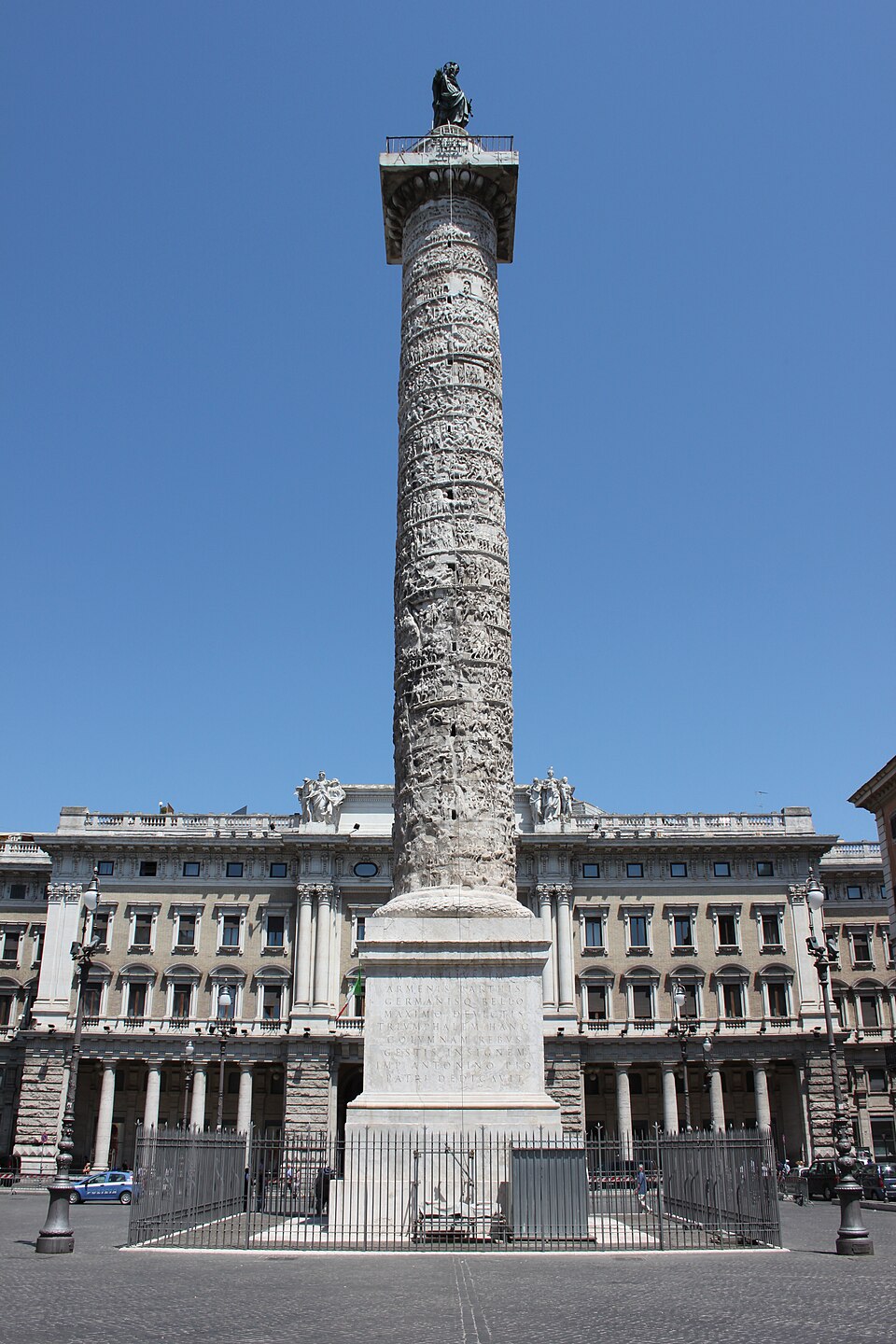
Column of Marcus Aurelius
Towering spiral column depicting Roman military campaigns
Explore
Hadrian's Villa
Emperor's magnificent UNESCO estate in Tivoli—120 hectares
Explore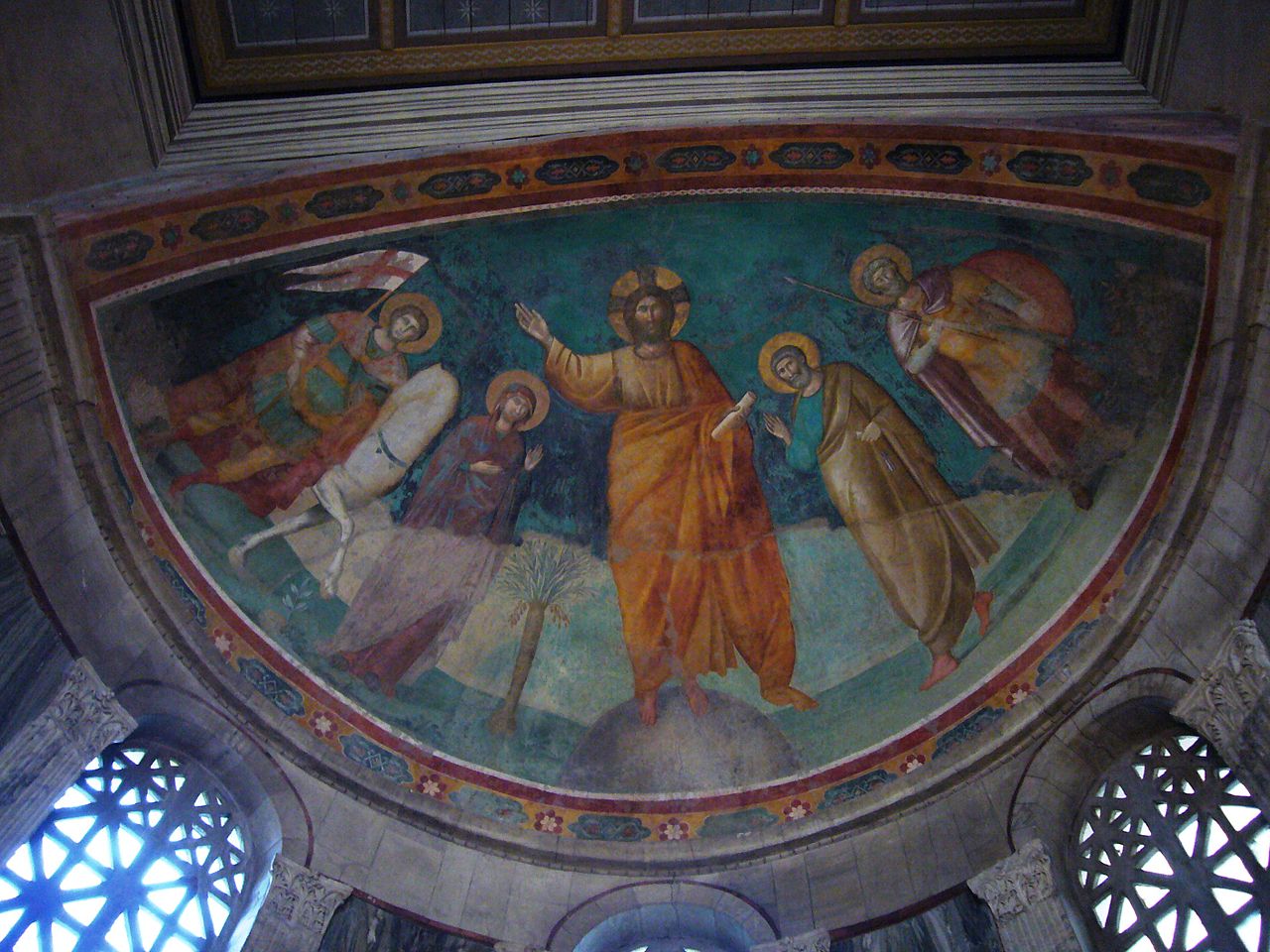
San Giorgio in Velabro
Early medieval church beside Rome's only surviving ancient quadrifrons arch
Explore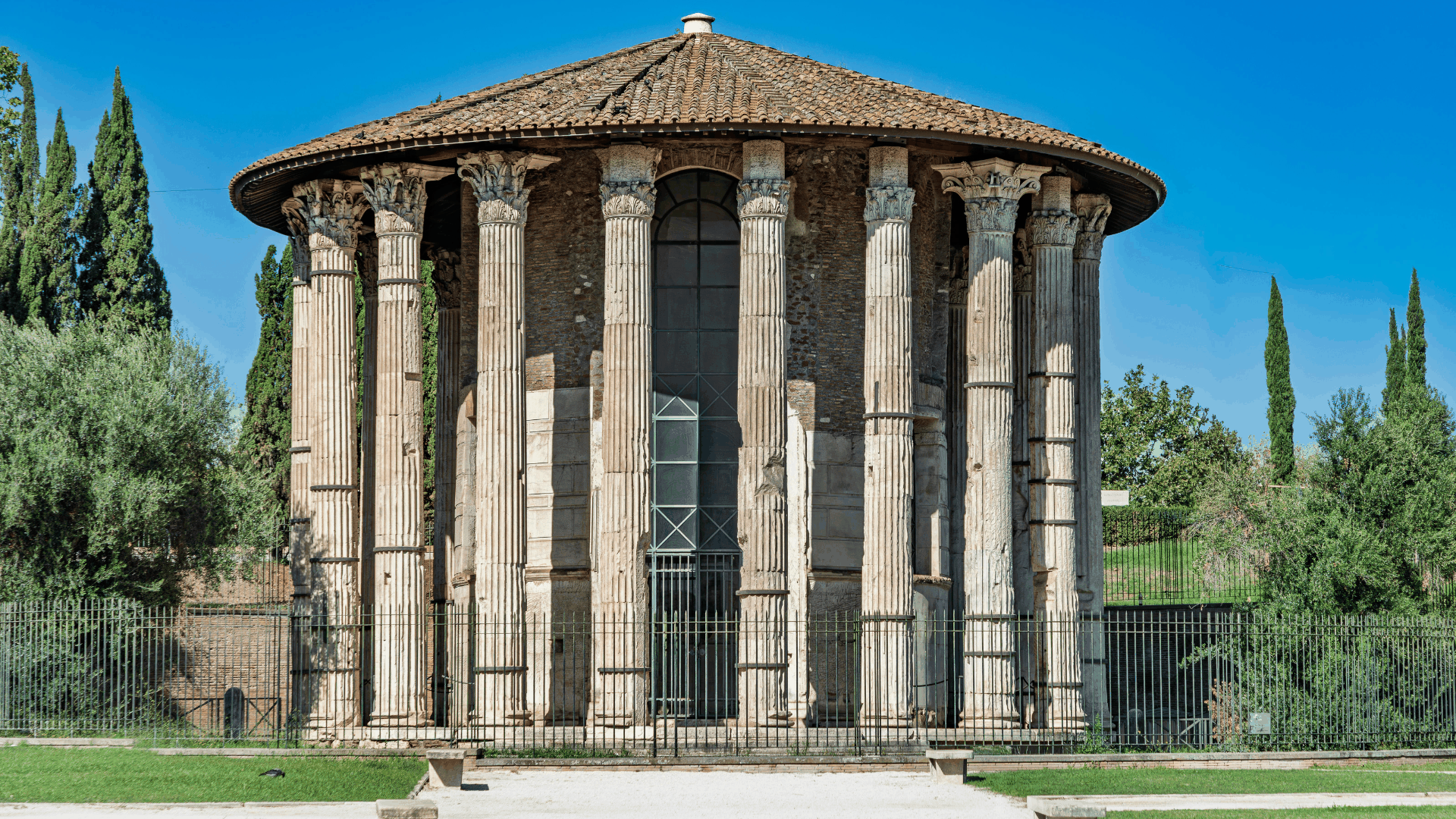
Temple of Hercules Victor
Rome's oldest surviving marble building—beautifully preserved round temple
Explore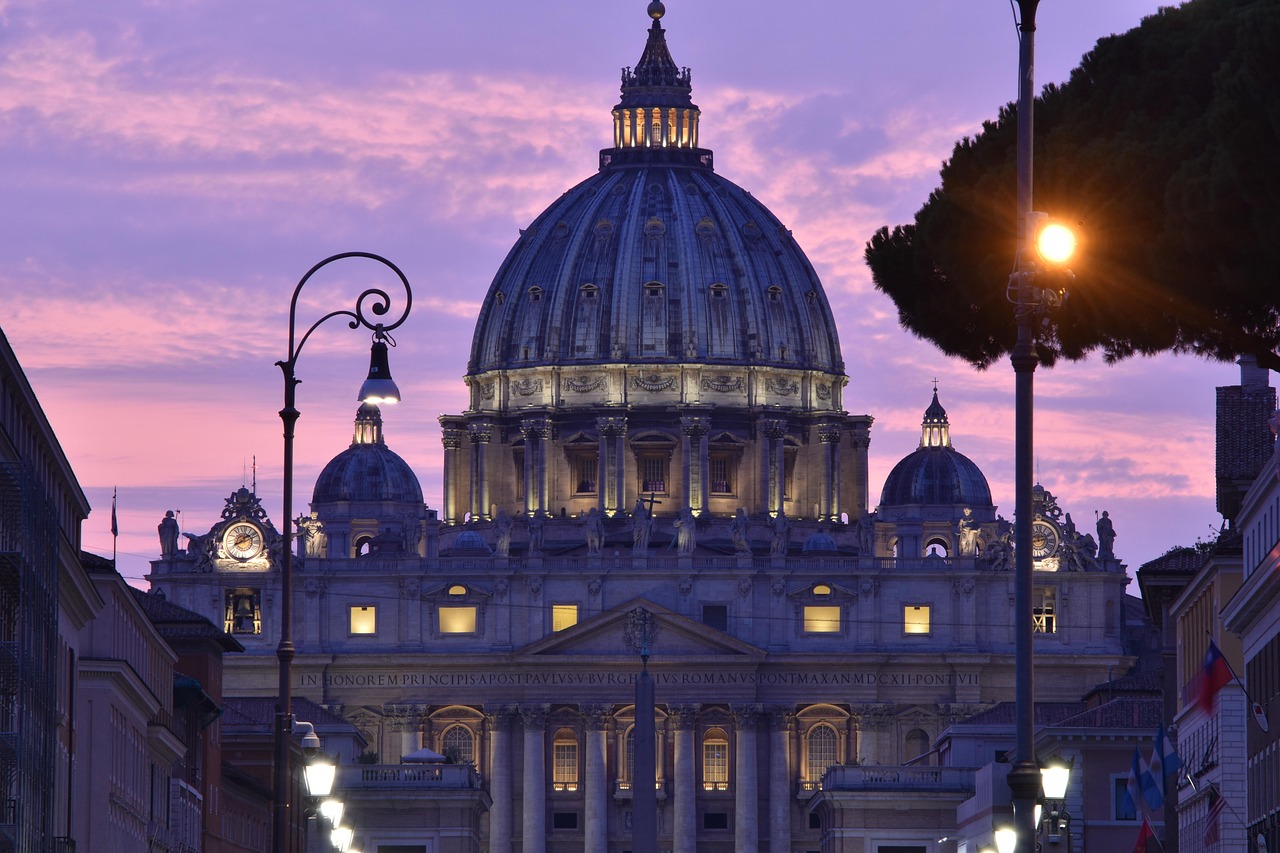
St. Peter's Basilica
World's largest church with Michelangelo's Pietà and dome views
Explore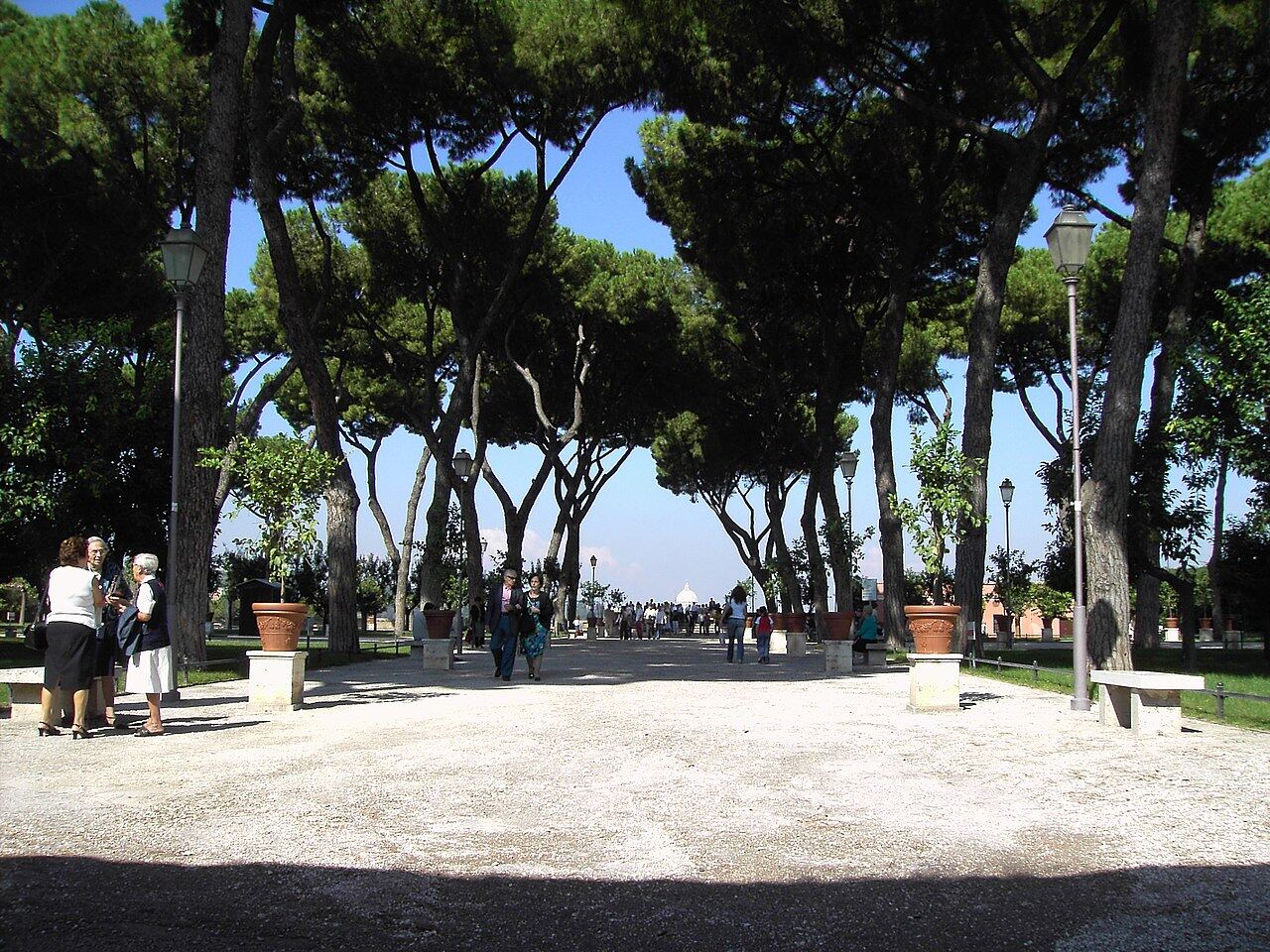
Aventine Keyhole
Rome's most famous secret view—see St. Peter's perfectly framed through the keyhole
ExploreQuick Planning Guide
⏱️ Time Needed
15–20 minutes
💰 Cost
Free
🎫 Reservation
Not required
♿ Accessibility
Exterior visible from public square; not normally open inside
📅 Best Time
Morning or golden hour
👨👩👧👦 Family Friendly
Yes
Nearby Attractions
Temple of Hercules Victoradjacent
Mouth of Truth1-minute walk
Arch of Janus5-minute walk
Circus Maximus5-minute walk
Aventine Hill10-minute walk
Featured In These Itineraries
Hidden Gems of Rome5 Day Rome ItineraryFree RomeEssential Tips
- ✓ Compare directly with Hercules Victor
- ✓ Look for engaged columns at rear
- ✓ Best photos at golden hour
- ✓ Interior not normally open — check official announcements