 Ancient Victory ColumnFree Entry
Column of Marcus Aurelius
Towering victory column with dramatic spiral reliefs of Rome's philosopher-emperor's wars
15–20 minFreeVictory ColumnPiazza Colonna, 00187 Roma RMOpen on MapPlan Your Visit
Compare tickets, tours and stays — booking ahead usually gives more choice
Book a TourHotels NearbyWhy visit the Column of Marcus Aurelius?
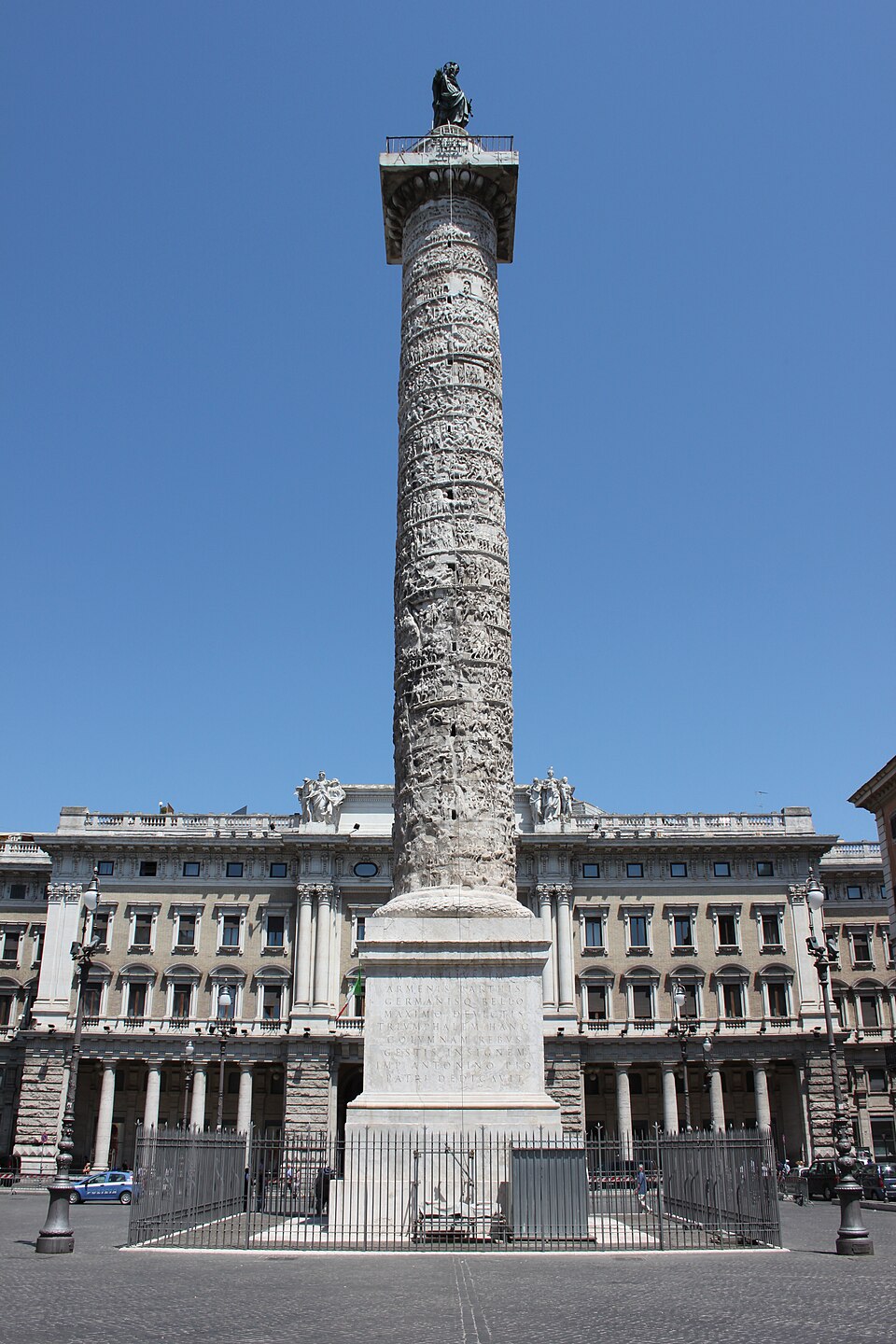
With a shaft rising close to 30 metres above one of Rome's busiest squares (the total monument, including base and statue, stands taller still), the Column of Marcus Aurelius is the second-greatest narrative spiral relief in the Roman world — the late-Imperial counterpart to Trajan's Column ten minutes south. Built in 180–193 AD to honour the philosopher-emperor and his interrupted Marcomannic campaigns on the Danube frontier, its deep-cut, dramatically emotional reliefs mark the stylistic transition from High Imperial to Late Antique Roman art. It is free, normally accessible, dramatically uplit at night, and stands at the heart of Piazza Colonna beside the Italian Prime Minister's office at Palazzo Chigi.
Dramatic spiral reliefs
21 spirals, 200+ metres of carved battle scenes
Marcomannic Wars in stone
Germanic campaigns immortalised in marble
Philosopher-emperor
Monument to the author of the Meditations
Free, always open
No ticket, no queue, day or night
Quick facts
Built
180–193 AD
Height
~29.6 m shaft (~39.7 m total monument)
Material
Luna (Carrara) marble
Frieze
200+ m, 21 spirals
Entry
Free (exterior only)
Visit Time
15–20 minutes
Location
Piazza Colonna
Metro
Barberini (A), 8 min
Best Time
Morning or after dark
Table of Contents
Jump to any section of the itinerary
A brief history
Marcus Aurelius (121–180 AD), the last of the so-called 'Five Good Emperors' and one of the most important Stoic philosophers of antiquity, ruled the Roman Empire from 161 to 180 AD. The early years of his reign were dominated by the devastating Antonine Plague and by frontier wars — most consequentially, the Marcomannic Wars of 166–180 AD against the Germanic Marcomanni and Quadi tribes and the Sarmatian Iazyges along the Danube frontier.
For nearly fourteen years Marcus Aurelius personally commanded Roman armies on the Danube. It was during these campaigns, in his military tent on the frontier, that he wrote the private notebook of philosophical reflections in Greek that would survive as the Meditations — one of the most widely read works of ancient philosophy in the world today. He died at Vindobona (modern Vienna) on 17 March 180 AD; his son Commodus immediately abandoned the campaigns and returned to Rome.
The column was erected after Marcus Aurelius's death, probably under Commodus, to commemorate the Marcomannic campaigns; its shaft is roughly 30 metres tall and it was modelled directly on Trajan's Column built eighty years earlier. The new column was completed by 193 AD, possibly extending into the early reign of Septimius Severus. It carried a continuous spiral frieze of over 200 metres of deep-cut relief carving depicting the Marcomannic Wars — the most dramatic and emotionally explicit narrative relief in surviving Roman official art, including the famous supernatural scenes of divine intervention (most notably the Rain Miracle).
The original gilded bronze statue of Marcus Aurelius on top was lost during the Middle Ages — almost certainly melted down for its valuable bronze. In 1589, Pope Sixtus V restored the column as part of his programme to Christianise Rome's ancient monuments and commissioned a new bronze statue of Saint Paul (sculpted by Tommaso della Porta) for the top. The same pope had placed a bronze St Peter atop Trajan's Column the year before — the two apostles now crown the two great Roman victory columns of the city.
In 2026, the column stands at the heart of Piazza Colonna, beside Palazzo Chigi (the Italian Prime Minister's office) and the 19th-century Galleria Alberto Sordi shopping arcade. The piazza is normally accessible 24 hours a day, dramatically uplit at night, in one of Rome's busiest central squares, though security measures or civic events can occasionally restrict close proximity.
Two thousand years in ten dates
121 ADBirth of Marcus Aurelius
Born in Rome on 26 April 121 AD into the Roman aristocracy. Adopted by Emperor Antoninus Pius as part of Hadrian's careful succession plan.
161 ADBecomes emperor
Marcus Aurelius accedes to the throne, ruling jointly at first with Lucius Verus until Verus's death in 169 AD. The early years of his reign are dominated by the Antonine Plague and frontier wars.
166–180 ADThe Marcomannic Wars
For nearly 14 years, Marcus Aurelius personally commands Roman armies on the Danube frontier against the Germanic Marcomanni, Quadi and Sarmatian Iazyges. The brutal campaigns will be immortalised on the column.
172 ADThe 'Rain Miracle'
During a campaign against the Quadi, a Roman legion (the XII Fulminata, 'Thunderbolt') is saved from death by thirst when a sudden storm provides rainwater while lightning strikes the enemy. The event is famously depicted on the column.
180 ADDeath of Marcus Aurelius
The philosopher-emperor dies at Vindobona (modern Vienna) on 17 March 180, aged 58. His son Commodus immediately abandons the campaigns and returns to Rome — the 'Five Good Emperors' end.
180–193 ADColumn constructed
A 30-metre marble column is erected to commemorate the Marcomannic campaigns, modelled directly on Trajan's Column eighty years earlier but with deeper, more dramatic reliefs. Completed under Commodus and possibly continuing into the early reign of Septimius Severus.
193 ADDedication
The column stands on the via Lata (modern Via del Corso), in the northern Campus Martius, with a gilded bronze statue of Marcus Aurelius on top. It anchors a new monumental forum complex around the deified emperor's altar.
Middle AgesStatue lost
The original gilded bronze statue of Marcus Aurelius disappears at some point during the early medieval centuries — probably melted down for its valuable bronze. The column itself survives intact, surrounded by a growing medieval neighbourhood.
1589Papal restoration
Pope Sixtus V restores the column as part of his programme to Christianise Rome's ancient monuments. He places a new bronze statue of Saint Paul on top (sculpted by Tommaso della Porta), matching the bronze St Peter he placed atop Trajan's Column the same year.
2026Free open-air monument
Today the column stands at the heart of Piazza Colonna, beside Palazzo Chigi (office of the Italian Prime Minister) and the Galleria Alberto Sordi shopping arcade. The piazza is normally accessible 24 hours a day, dramatically uplit at night, though security or civic events can occasionally restrict close proximity.
What to see at the column
The spiral relief frieze
- A continuous frieze wrapping 21 times around the column shaft.
- Over 200 metres of carved battle scenes, prisoners, river crossings and military life.
- Notably deeper relief carving than Trajan's Column — figures almost free-standing in places.
- Dramatic facial expressions and emotional intensity unprecedented in Roman official art.
Battle scenes
- Roman legionaries fighting Germanic Marcomanni and Quadi tribes.
- Sarmatian campaign scenes — cavalry battles on the Danube frontier.
- River crossings on pontoon bridges built by Roman engineers.
- Submission scenes — barbarian chieftains kneeling before Marcus Aurelius.
- Mass executions and brutal scenes that mark a stylistic shift toward Late Antique art.
The Rain Miracle
- Famous scene of a personified rain god rescuing Roman soldiers dying of thirst.
- Lightning strikes the enemy ranks while rain falls on the Roman army.
- Both Christians and pagans claimed credit for the divine intervention.
- One of ancient art's most explicit depictions of supernatural intervention in war.
The base & statue
- Original square marble base with carved Victory figures (now heavily weathered).
- Inside: a hidden internal spiral staircase (approximately 190 steps) — not open to ordinary public visits.
- Original gilded bronze statue of Marcus Aurelius lost in the Middle Ages.
- Replaced in 1589 by Pope Sixtus V with a bronze statue of Saint Paul (Tommaso della Porta).
Photo opportunities
- Full column from across Piazza Colonna with Palazzo Chigi as backdrop.
- Detail shots of the lower spirals — the most accessible relief carving.
- Night illumination — the column is dramatically uplit after dark.
- Frame the column between the colonnades of Galleria Alberto Sordi opposite.
Often-missed details
- The 1589 papal restoration inscription on the base.
- Differences in carving style between lower (master sculptors) and upper (workshop) spirals.
- Bullet and shrapnel marks from WWII Allied bombing of nearby Palazzo Chigi.
- The column's slight lean — visible from certain angles, caused by foundation settling.
Reading the reliefs
The continuous spiral frieze wraps 21 times around the marble shaft, totalling over 200 metres of carved relief. It tells the chronological story of the Marcomannic Wars (166–180 AD), Marcus Aurelius's interrupted Marcomannic campaigns against the Germanic Marcomanni and Quadi tribes and the Sarmatian Iazyges along the Danube frontier.
The narrative reads from bottom to top, divided roughly into two great campaigns. The lower spirals show the Germanic war against the Marcomanni and Quadi (172–175 AD): Roman legions crossing the Danube on pontoon bridges, fortified marching camps, cavalry battles, submission of barbarian chieftains, and the famous Rain Miracle. The upper spirals show the second campaign against the Sarmatian Iazyges (177–180 AD): river battles on the frozen Danube, more cavalry actions, mass executions of barbarian prisoners, and the formal surrender of enemy leaders before Marcus Aurelius enthroned.
The carving style is significantly different from Trajan's Column eighty years earlier. The relief is much deeper — figures in places almost free-standing — and the faces are dramatically expressive, with anguish, fear and triumph clearly visible. The composition is more crowded, the violence more explicit (mass executions of prisoners are shown openly, where Trajan's Column had largely avoided them), and supernatural scenes are included alongside the human action. Art historians see this as the visual signature of the stylistic transition from High Imperial to Late Antique Roman art — restraint and classicism giving way to drama and emotion.
Quality varies between the lower and upper spirals — the lower bands were carved by master sculptors at ground level before erection, and show the highest quality; the upper bands were probably finished after the column was assembled, by workshop hands, and show somewhat less refined work. Bring binoculars to compare the two.
The Rain Miracle
The single most famous scene on the column is the Rain Miracle (sometimes called the 'Miracle of the Thundering Legion'), about a third of the way up the spiral, on the side facing Via del Corso. Around 172 AD, during a campaign against the Quadi, a Roman legion — the XII Fulminata ('Thunderbolt') — was reportedly trapped by enemy forces in a hot summer landscape and dying of thirst. A sudden storm broke over the army: rain fell on the Roman side, providing drinking water, while lightning struck the enemy ranks.
The column depicts the event explicitly: a winged, bearded personified rain god with outstretched arms, his body covered in streaming water, hovers over the Roman troops below. Roman soldiers raise their helmets to catch the rainwater. On the other side, enemy soldiers cower as lightning strikes their ranks. It is one of the most explicit supernatural scenes in surviving Roman official art — and a striking departure from the documentary realism of Trajan's Column eighty years earlier.
The event was famous in antiquity and competing religious traditions later claimed credit for the miracle. Christian sources (notably Eusebius and Tertullian) said the rain was sent in answer to the prayers of Christian soldiers in the legion. Pagan sources (notably Cassius Dio) credited the Egyptian magician Arnouphis in Marcus Aurelius's entourage, who was said to have summoned the rain god through Hermetic ritual. Marcus Aurelius himself, in the Meditations, is silent on the supernatural — but he had a coin minted with a personified Jupiter Pluvius ('Rain-bringing Jupiter'), suggesting his official line credited the traditional Roman gods.
Whatever its religious interpretation, the scene's prominent place on the column shows that Marcus Aurelius (or his son Commodus, who completed the monument) wanted divine sanction for the campaigns to be a permanent part of the official record. Look for it on the second spiral from the bottom, on the column's southern side.
Who was Marcus Aurelius?
Marcus Aurelius Antoninus (121–180 AD) was Roman emperor from 161 to 180 AD, the last of the so-called 'Five Good Emperors' identified by Edward Gibbon as the high point of the Roman Empire. He was adopted into the imperial succession as a teenager by Hadrian, raised to the throne by Antoninus Pius, and acceded jointly with Lucius Verus in 161 AD (sole emperor after Verus's death in 169).
His reign was difficult. The early years were dominated by the devastating Antonine Plague (probably smallpox), which killed an estimated 5 million people across the empire including (probably) Lucius Verus himself. The middle and later years were dominated by the Marcomannic Wars on the Danube, where Marcus Aurelius personally commanded armies for nearly fourteen years. He died on campaign at Vindobona (Vienna) in March 180.
He is remembered today as much for his philosophy as his rule. The Meditations — a private notebook of Stoic philosophical reflections written in Greek during his Danube campaigns — was never intended for publication, but survived through Byzantine manuscript transmission and is today one of the most widely read works of ancient philosophy in the world. Its central themes — the brevity of life, the importance of reason and duty, the unity of human nature, the cultivation of inner tranquillity — have made it a perennial favourite of generals, statesmen and ordinary readers from Frederick the Great to Bill Clinton.
His son and successor Commodus abandoned both the Danube campaigns and the philosophical seriousness of his father, and is remembered as one of Rome's worst emperors. The contrast between father and son was so stark that ancient historians dated the beginning of Rome's long decline to the moment of Marcus Aurelius's death — a thesis Gibbon would later make famous. Whether or not that is fair, the column in Piazza Colonna stands as the last great monumental statement of the High Roman Empire.
Aurelius's Column vs Trajan's Column
| Feature | Marcus Aurelius | Trajan |
|---|---|---|
| Date | 180–193 AD | 107–113 AD |
| Honours | Marcomannic Wars (166–180) | Dacian Wars (101–106) |
| Shaft height | ~29.6 m | ~29.8 m |
| Frieze length | ~200 m, 21 spirals | ~200 m, 23 spirals |
| Carving style | Deep relief, dramatic, emotional | Shallow relief, documentary, restrained |
| Supernatural scenes | Yes — Rain Miracle, divine intervention | No — entirely human/military |
| Top statue | St Paul (1589, replaced original Marcus) | St Peter (1587, replaced original Trajan) |
| Internal staircase | ~190 steps (not open to visits) | 185 steps (not open to visits) |
| Location | Piazza Colonna (Via del Corso) | Trajan's Forum (Via dei Fori Imperiali) |
| Surroundings | Active urban square — Palazzo Chigi | Archaeological zone |
Verdict: The two columns are the essential pair of Roman victory monuments — almost identical in scale and concept but stylistically a generation apart. Visit Trajan's Column first for the High Imperial classical chronicle, then walk ten minutes north to the Column of Marcus Aurelius for the late-2nd-century dramatic, emotional, supernatural counterpart. Together they tell the story of the entire High Imperial age.
Best time to visit
Time of day
09:00–11:00 — soft morning light
Soft eastern light brings out the relief detail on the western face of the column. Quiet piazza before the lunch-hour crowds arrive.
21:00–23:00 — dramatic uplighting
The column is uplit dramatically after dark and Piazza Colonna empties of office workers from Palazzo Chigi. The most photogenic moment of the day.
Anytime — always free, normally open
No opening hours, no ticket. Normally accessible 24 hours a day, though security measures or civic events can occasionally restrict close proximity.
Avoid 12:00–15:00 in summer
Direct overhead sun flattens the relief detail and the piazza is dominated by tour groups passing through between the Pantheon and Trevi Fountain.
Best day & season
Weekday mornings for fewest tourists
Tuesday–Thursday before 11:00 are the calmest windows. Weekend afternoons see continuous tour-group traffic across the piazza.
Spring & autumn (peak)
April–May and September–October give the best Roman weather, comfortable temperatures and softest light on the marble.
Winter for the quietest piazza
November–February the piazza is at its calmest. The column is uplit early (from about 17:00) and the dark winter evenings make the night view especially dramatic.
Christmas illumination season
December the piazza is decorated with seasonal lights and the column itself is sometimes given special projected illumination — check the Roma Capitale events calendar.
Getting there
Metro Line A — Barberini or Spagna
Both stations are about 8–10 minutes' walk. From Barberini walk west via Via del Tritone; from Spagna walk south via Via dei Condotti and Via del Corso.
Bus to Largo Chigi / Via del Corso
Lines 51, 62, 63, 80, 83, 85, 117, 160, 492 and 628 all stop at Largo Chigi or Via del Corso, directly adjacent to Piazza Colonna. From Termini: 10 minutes; from the Vatican: 20 minutes.
From the Pantheon on foot
5 minutes east via Via Uffici del Vicario — one of the historic centre's quietest pedestrian alleys.
From the Trevi Fountain on foot
5 minutes west via Via dei Sabini and Via dei Crociferi — through the heart of the historic centre.
Address
Piazza Colonna, 00187 Rome. The column stands in the centre of the open piazza, beside Palazzo Chigi (the Italian Prime Minister's office).
Common mistakes to avoid
Confusing it with Trajan's Column
The two columns look almost identical at first glance — same height, same marble, same spiral frieze, same papal saint on top. Trajan's Column (107–113 AD) stands in Trajan's Forum on Via dei Fori Imperiali; the Column of Marcus Aurelius (180–193 AD) stands in Piazza Colonna on Via del Corso, ten minutes' walk apart. Visit both to compare — the carving style is strikingly different.
Thinking the statue on top is Marcus Aurelius
It's not. The original gilded bronze statue of Marcus Aurelius was lost in the Middle Ages (probably melted down for bronze). The bronze figure on top today is Saint Paul, placed there by Pope Sixtus V in 1589 as part of his programme to Christianise Rome's ancient monuments. Sixtus V did the same to Trajan's Column the year before, where he placed Saint Peter.
Trying to climb the internal staircase
There is an approximately 190-step spiral staircase carved inside the marble shaft, leading to a viewing platform at the top. It is not open to ordinary public visits — and has not been for over a century. There is no regular way to access the top of the column. Appreciate it from ground level only.
Walking past without looking up
Most visitors walk straight across Piazza Colonna on their way to the Trevi Fountain (5 minutes east) or the Pantheon (5 minutes west) and never stop to look at the column. Five minutes' attention rewards you with the second-greatest narrative spiral relief in the Roman world.
Visiting only in daylight
The column is dramatically uplit at night and the piazza is one of Rome's most beautiful after-dark squares. The night view from the steps of Galleria Alberto Sordi opposite is one of the city's most under-photographed scenes. Visit during the day for the relief detail and again at night for the atmosphere.
Ignoring the 'Rain Miracle' panel
The single most famous scene on the column is the so-called Rain Miracle — a personified rain god with outstretched arms, water streaming from his beard, saving thirsty Roman soldiers. It's about a third of the way up the spiral, on the side facing Via del Corso. Bring binoculars or a phone with a good zoom to find it.
Insider tips from locals
Compare directly with Trajan's Column
The single best reason to visit is to compare the column directly with Trajan's Column ten minutes' walk south on Via dei Fori Imperiali. Same height, same marble, same papal saint on top — but the carving style is utterly different. Trajan's reliefs (107 AD) are documentary, restrained, classical. Aurelius's reliefs (190 AD) are dramatic, deep-cut, emotional, with explicit supernatural scenes. The two columns mark the stylistic transition from High Imperial to Late Antique Roman art.
Bring binoculars or a long lens
The lower spirals are within reach of a phone camera, but the upper reliefs are 25 metres above the piazza and almost impossible to see in detail without binoculars or a 200mm+ camera lens. The most rewarding scenes are in the upper third of the column — bring optical aid if you want to actually read the narrative.
Visit at night for the illumination
The column is uplit dramatically after dark and is at its most photogenic between roughly 21:00 and midnight, when Piazza Colonna empties of office workers from Palazzo Chigi but is not yet quiet. Combine with a late evening passegiata down Via del Corso.
Photograph from inside Galleria Alberto Sordi
The 19th-century glass-roofed shopping arcade Galleria Alberto Sordi opposite the column gives you a perfectly framed shot of the column through its arched entrance. The black-and-white marble floor of the arcade reflects the column's silhouette beautifully on a sunny morning.
Look for WWII bullet marks
On 19 July 1943, Allied bombers attacked Rome and several rounds struck Palazzo Chigi and the surrounding piazza. You can still see small shrapnel marks on the column's lower base on the south side — a reminder that this 1,800-year-old monument has weathered every chapter of Roman history.
Pair with the Pantheon and Trevi Fountain
Piazza Colonna sits exactly halfway between the Pantheon (5 minutes west via Via Uffici del Vicario) and the Trevi Fountain (5 minutes east via Via dei Sabini). It's the natural midpoint of any historic-centre walk and one of the few free Imperial-era monuments on the route.
Practical visitor tips
Best time of day
Morning (09:00–11:00) for soft eastern light on the reliefs, or after dark (21:00–23:00) for the dramatic uplighting and quiet piazza. Avoid 12:00–15:00 in summer — direct overhead sun flattens the relief detail.
Photography tips
Bring binoculars or a 200mm+ zoom for upper reliefs. Stand back to the steps of Galleria Alberto Sordi opposite for full-column shots. Lower spirals are accessible from ground level for detail.
Combine your visit
Pantheon is 5 minutes west, Trevi Fountain 5 minutes east, Trajan's Column 10 minutes south, Spanish Steps 10 minutes north. Piazza Colonna is the natural midpoint of any historic-centre walk.
Don't miss
The Rain Miracle scene about a third of the way up — a personified rain god saving thirsty Roman soldiers. It's one of the most explicit supernatural scenes in surviving Roman official art.
Where to Stay Near Piazza Colonna
Looking for convenient accommodation near Piazza Colonna? Stay within walking distance to make the most of your visit.
Hotels Near This AttractionTop Rated HotelsBudget-Friendly OptionsLuxury HotelsCentral locations with easy access to Piazza Colonna and other attractionsFrequently Asked Questions
What is the Column of Marcus Aurelius and why visit in 2026?
The Column of Marcus Aurelius is a victory column with a shaft roughly 29.6 metres tall, carved from Luna marble (commonly called Carrara marble), built between 180 and 193 AD to honour the philosopher-emperor Marcus Aurelius and his Marcomannic campaigns on the Danube frontier (166–180 AD). Its continuous spiral frieze of over 200 metres of deep-relief carved battle scenes is one of the two greatest narrative reliefs of the Roman world (alongside Trajan's Column). It stands free in the heart of Piazza Colonna, beside Palazzo Chigi (the Italian Prime Minister's office), one of Rome's busiest central squares. In 2026 it remains free, normally accessible, and dramatically uplit at night.
Where exactly is the column?
In the centre of Piazza Colonna, on Via del Corso in the rione of Colonna. Postal address: Piazza Colonna, 00187 Rome. Five minutes' walk from the Pantheon, 5 minutes from the Trevi Fountain, 10 minutes from Trajan's Column and 10 minutes from the Spanish Steps.
How do I get there?
Easiest by metro: Line A to Barberini, then 8 minutes' walk west, or to Spagna, 10 minutes' walk south. By bus: lines 51, 62, 63, 80, 83, 85, 117, 160, 492 and 628 all stop at Via del Corso/Largo Chigi, directly adjacent. On foot: 5 minutes from the Pantheon or Trevi Fountain, 10 minutes from Piazza Venezia.
Is it free to visit?
Yes, completely free. The column stands in the open piazza, which is normally accessible 24 hours a day, though security measures or civic events can occasionally restrict close proximity. There is no ticket office and no fixed opening hours. The internal spiral staircase is not open to ordinary public visits, so the visit is exterior only.
How long does the visit take?
15–20 minutes for a proper look — a slow walk around the column to follow the spiral frieze from base to top, plus time to find the Rain Miracle scene and read the 1589 papal restoration inscription on the base. Combined with the adjacent Pantheon, Trevi Fountain or Trajan's Column, allow a half day for the full classical Rome historic-centre walk.
Who was Marcus Aurelius?
Marcus Aurelius (121–180 AD) was Roman emperor from 161 to 180 AD and the last of the so-called 'Five Good Emperors'. He was also one of the most important Stoic philosophers — his private notebook of philosophical reflections, the Meditations, written in Greek during his Danube campaigns, remains one of the most widely read works of ancient philosophy in the world today. The column commemorates the Marcomannic Wars he fought for nearly fourteen years on the Danube frontier.
What do the spiral reliefs depict?
A continuous narrative of the Marcomannic Wars — Marcus Aurelius's interrupted Marcomannic campaigns against the Germanic Marcomanni and Quadi tribes and the Sarmatian Iazyges, fought along the Danube frontier between 166 and 180 AD. Scenes include cavalry battles, river crossings on pontoon bridges, submission of barbarian chieftains, mass executions, military camps, and the famous supernatural scenes of divine intervention — most notably the Rain Miracle.
What is the Rain Miracle?
Around 172 AD, during a campaign against the Quadi, a Roman legion (the XII Fulminata, 'Thunderbolt') was reportedly trapped by enemy forces and dying of thirst when a sudden storm broke over the army. Rain saved the Romans while lightning struck the enemy ranks. The event is depicted on the column as a personified rain god with outstretched arms, water streaming from his beard. Both Christian and pagan sources later claimed credit — Christians said it was a Christian legionary's prayer that saved the army; pagans credited the Egyptian magician Arnouphis or Jupiter Pluvius.
Why is there a statue of St Paul on top?
The original gilded bronze statue of Marcus Aurelius was lost during the Middle Ages — almost certainly melted down for its valuable bronze. In 1589, Pope Sixtus V restored the column as part of his programme to Christianise Rome's ancient monuments and commissioned a new bronze statue of Saint Paul (sculpted by Tommaso della Porta) for the top. The same pope had placed a bronze St Peter atop Trajan's Column the year before — the two apostles now crown the two great Roman victory columns.
How does it compare with Trajan's Column?
The two columns are almost identical in scale (both about 30 metres tall, both with ~200 metres of spiral relief, both crowned with apostles from the 1580s) but utterly different in artistic style. Trajan's Column (107–113 AD) is restrained, documentary, classical — shallow relief, calm faces, a chronicle-like procession. Aurelius's column (190 AD) is dramatic, emotional, deep-cut — almost free-standing figures, anguished faces, explicit supernatural scenes. Side by side they mark the stylistic transition from High Imperial to Late Antique Roman art. Both are essential and complementary.
Can I climb to the top?
No. There is an approximately 190-step spiral staircase carved inside the marble shaft, leading to a small viewing platform at the top, but it is not open to ordinary public visits and has not been for over a century. There is no regular way to access the interior or the top of the column. The visit is exterior only, from ground level in the piazza.
When was the column built?
The column was erected after Marcus Aurelius's death in 180 AD, probably under his son Commodus; the exact date construction began is not precisely documented. It was completed by 193 AD, possibly extending into the early reign of Septimius Severus. The total construction took roughly 13 years — comparable to the 6 years required for Trajan's Column eighty years earlier.
What is the column made of?
The shaft is built from approximately 28 large drums of pure white Luna marble, commonly called Carrara marble, quarried in Tuscany and shipped down the coast and up the Tiber to Rome. The drums are stacked on top of each other and held together by metal pins and the sheer weight of the marble. The original square base is also Luna marble, with carved Victory figures (now heavily weathered).
When is the best time to visit?
Morning (09:00–11:00) for soft eastern light that brings out the relief detail, or after dark (21:00–23:00) for the dramatic uplighting and a near-empty piazza. Spring and autumn are ideal — April–May and September–October give the best Roman weather and softest light. Avoid midday in summer when overhead sun flattens the relief detail and the piazza is dominated by tour groups passing through.
What's near the column worth combining?
Within 5 minutes' walk: the Pantheon (the best-preserved Imperial Roman building), Trevi Fountain (Rome's most famous baroque fountain), Montecitorio (the Italian parliament, with Augustus's Egyptian obelisk in front), and the Galleria Alberto Sordi 19th-century shopping arcade directly opposite. Within 10 minutes: Trajan's Column on Via dei Fori Imperiali (essential comparison), the Spanish Steps north, Piazza Navona west, and the Capitoline Hill south.
Is it worth visiting?
Yes — and it's one of the most under-appreciated free attractions in central Rome. Most visitors walk straight past on their way between the Pantheon and the Trevi Fountain. Five minutes' attention rewards you with the second-greatest narrative spiral relief in the Roman world, the most explicit supernatural scenes in surviving Roman official art, and a direct comparison with Trajan's Column ten minutes south. Combined with Trajan's Column, the two together tell the story of the entire High Imperial age, from Trajan's Dacian Wars (107) to Marcus Aurelius's Germanic wars (190).
Related Attractions
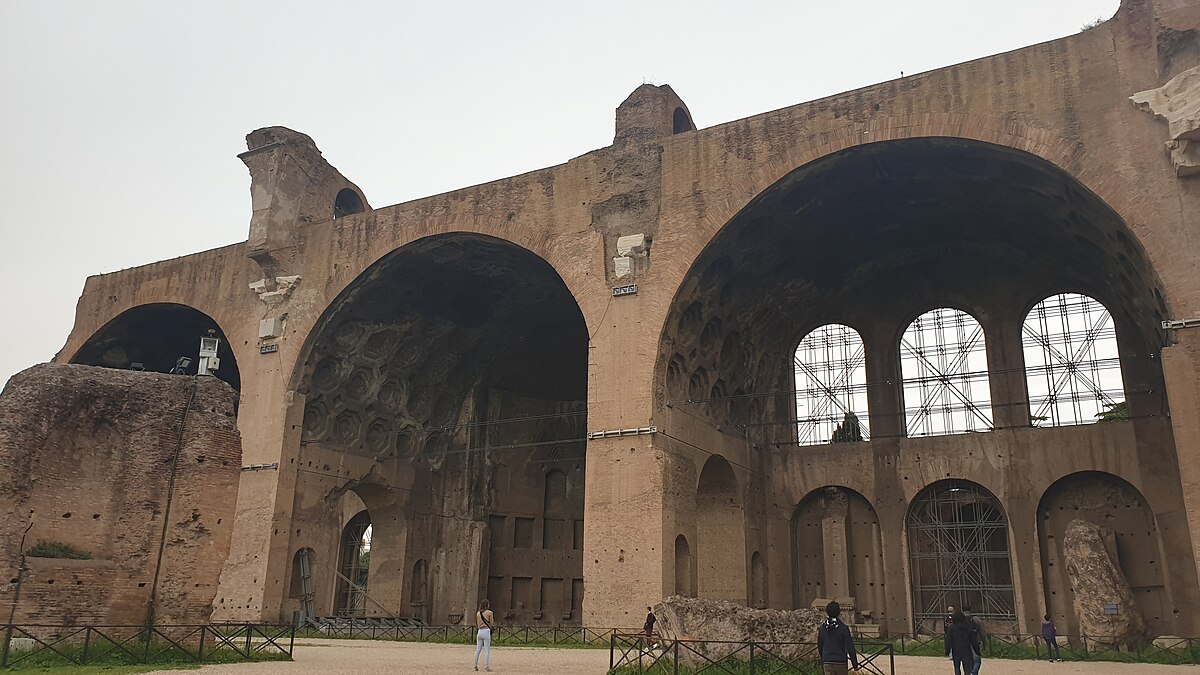
Basilica of Maxentius
The Roman Forum's largest building, with vast surviving concrete vaults
Explore
Tomb of Cecilia Metella
Majestic 1st-century BC mausoleum on the Appian Way
Explore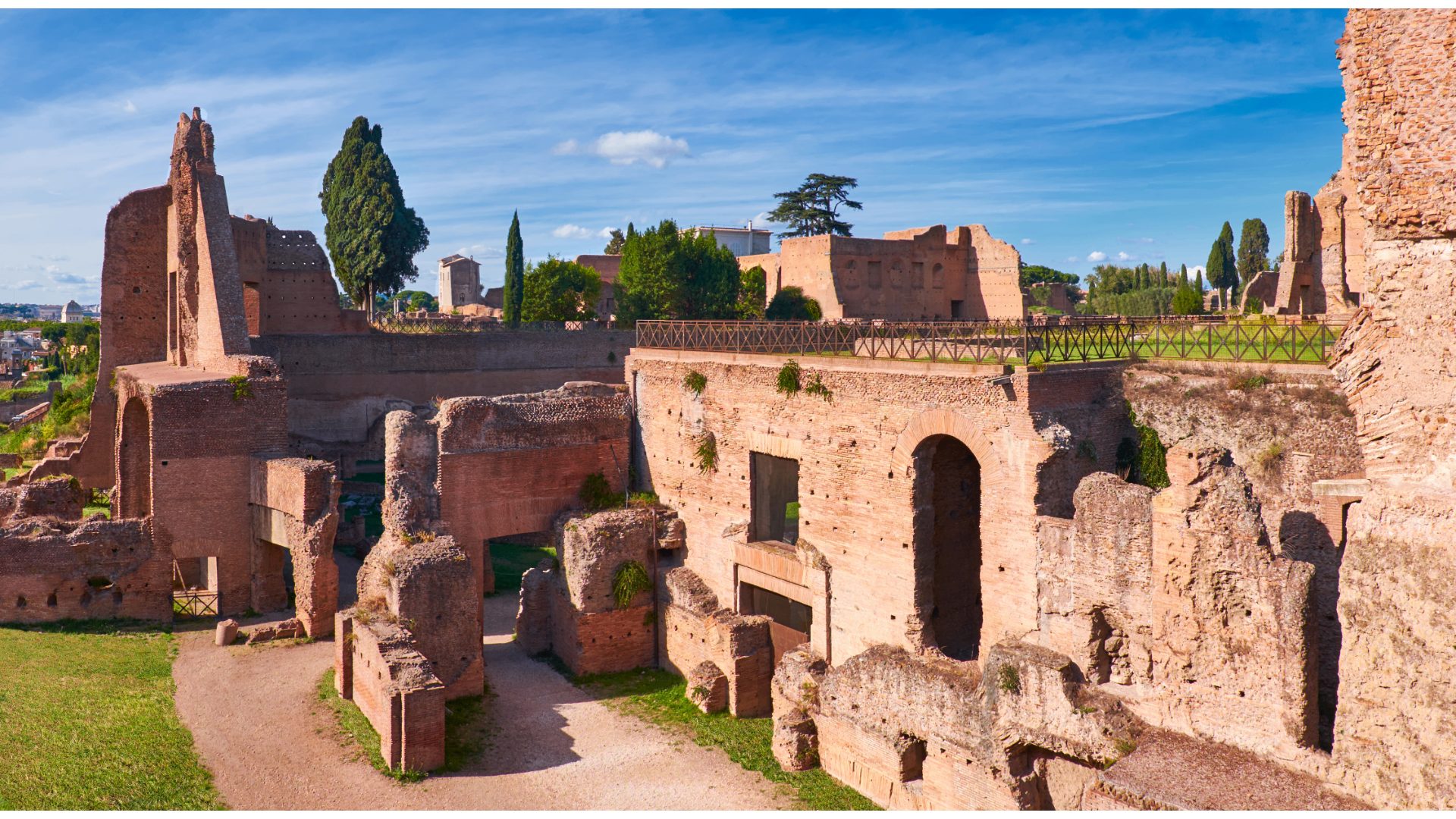
Palatine Hill
Legendary birthplace of Rome and luxurious home of emperors
Explore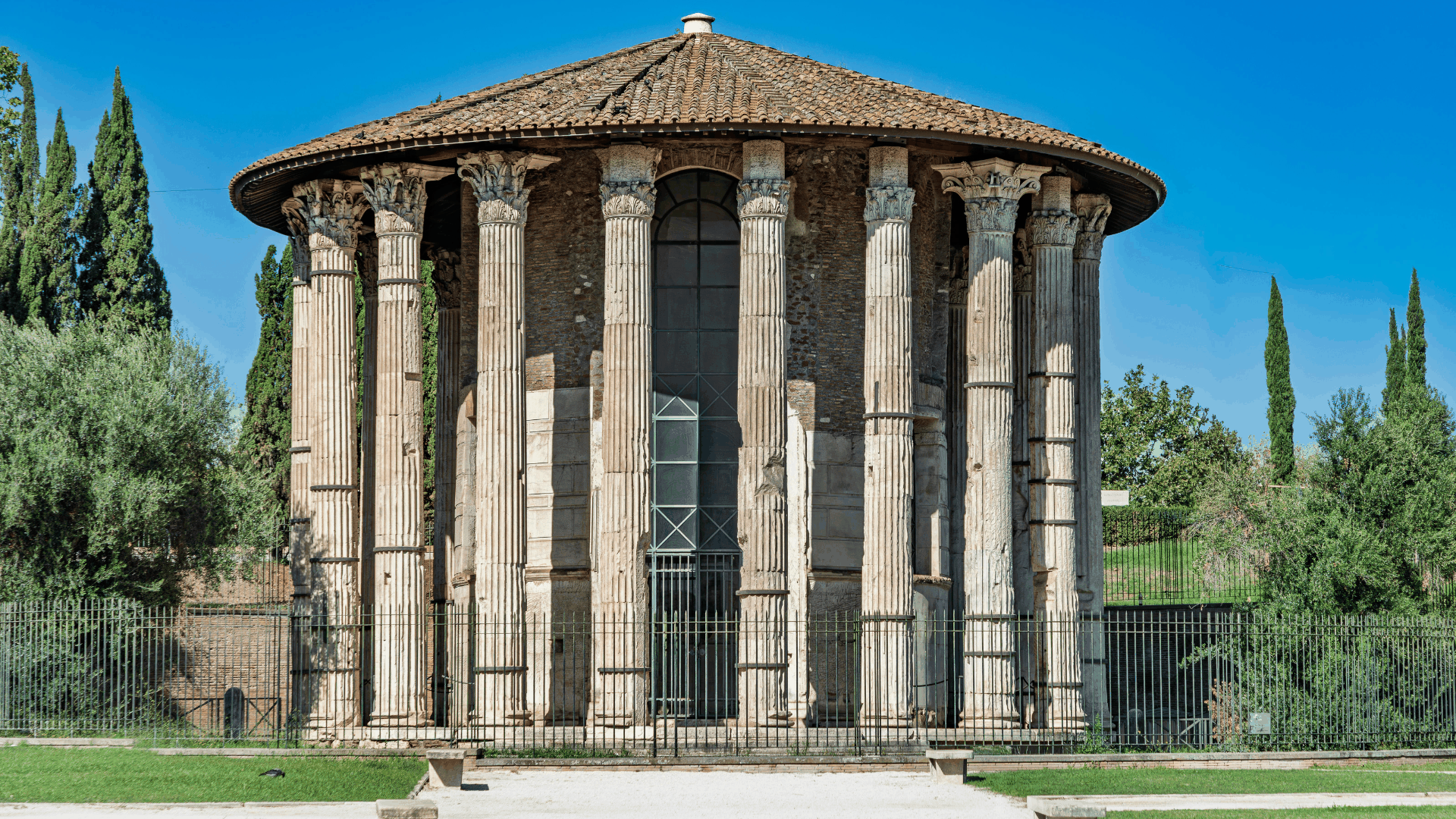
Temple of Hercules Victor
Rome's oldest surviving marble building—beautifully preserved round temple
Explore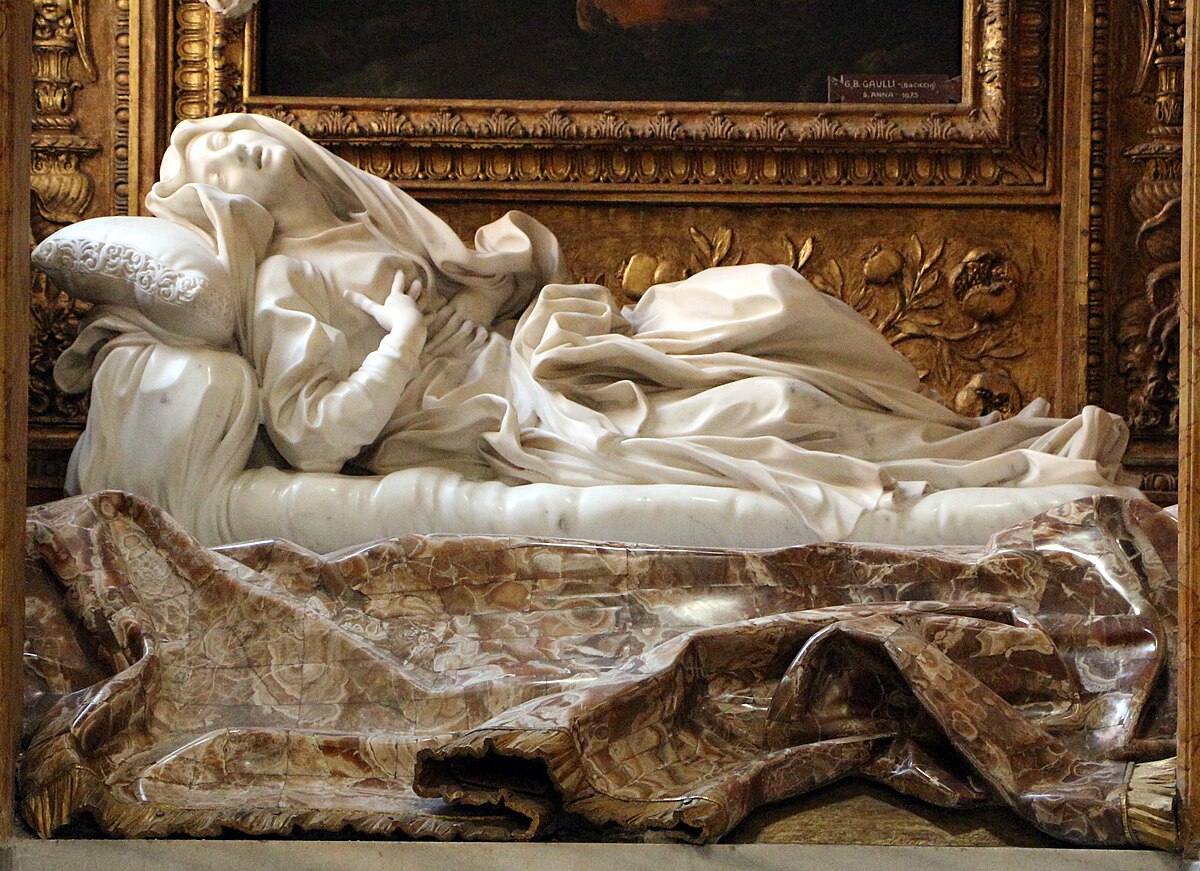
San Francesco a Ripa
Hidden Trastevere church with Bernini's stunning sculpture
Explore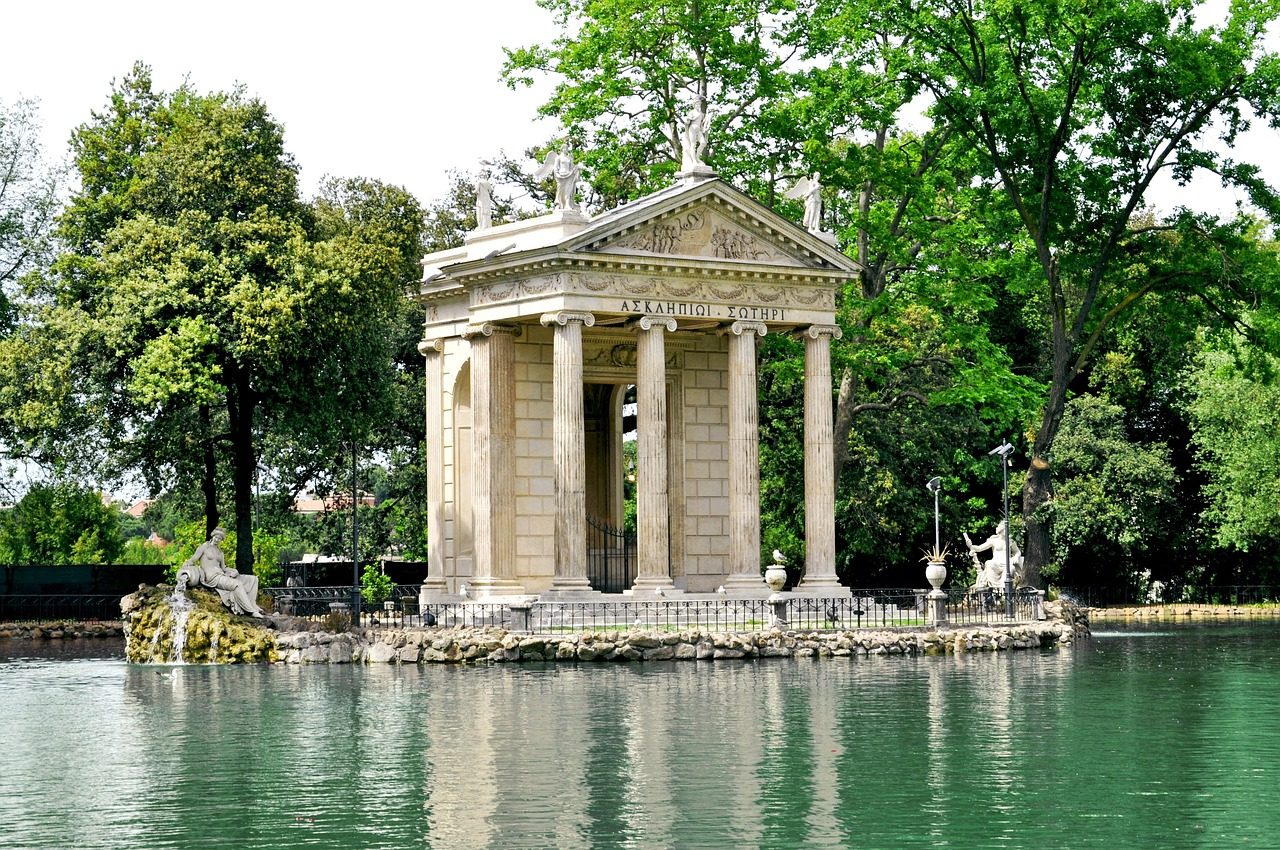
Villa Borghese Gardens
Rome's most famous park with bike rentals and rowboats
ExploreQuick Planning Guide
⏱️ Time Needed
15–20 minutes
💰 Cost
Free
🎫 Reservation
Not required
♿ Accessibility
Fully accessible (exterior)
📅 Best Time
Morning or after dark
👨👩👧👦 Family Friendly
Yes
Nearby Attractions
Pantheon5-minute walk
Trevi Fountain5-minute walk
Montecitorio Obelisk2-minute walk
Trajan's Column10-minute walk
Spanish Steps10-minute walk
Featured In These Itineraries
5 Day Rome ItineraryFree RomeClassic Rome 3 DaysEssential Tips
- ✓ Compare with Trajan's Column
- ✓ Find the Rain Miracle scene
- ✓ Visit at night when uplit
- ✓ Bring binoculars for upper reliefs