 Constantinian-Era Imperial Tomb · Antiquarium & Guided Catacombs
Mausoleum of Helena
A 4th-century AD rotunda traditionally linked to Constantine and his mother, the empress associated with the discovery of the True Cross. See the exterior, visit the accessible Antiquarium, and join a reserved guided tour of the adjacent catacombs — now hidden in plain sight on Via Casilina.
20 min – 2 hrsCheck official site for pricesc. 326–330 AD (traditional)Via CasilinaVia Casilina 641, 00177 RomaOpen on MapPlan Your Visit
Compare tickets, tours and stays — booking ahead usually gives more choice
Get TicketsBook a TourHotels NearbyBy AllTrips Editors••10 min readThe Mausoleum of Helena (Italian: Mausoleo di Sant'Elena), known to Romans as Tor Pignattara, is a 4th-century AD imperial rotunda traditionally associated with Constantine the Great, said to have built it around 326–330 AD for his mother, the empress Helena Augusta — the woman who, by ancient tradition, discovered the True Cross of the Crucifixion in Jerusalem. The exact construction history and the identity of the mausoleum's intended occupant remain debated among scholars. It stands on the family's estate beside the Catacombs of Marcellinus and Peter on the Via Casilina, and is commonly described as one of the largest surviving Constantinian-era rotundas in Rome. The mausoleum contains an accessible Antiquarium, while the adjacent catacombs can only be entered on a reserved guided tour lasting approximately 40–45 minutes. Check the official booking system for current prices, languages and whether your selected visit includes both areas.
📋 In This Guide
Duration
20 min – 2 hrs
Cost
Check official booking system
Photos
Yes (no flash inside)
Type
Mausoleum, Antiquarium & guided catacombs
Why Visit the Mausoleum of Helena?
By tradition, this mausoleum is linked to the woman who became a saint, an empress, and the legendary discoverer of the True Cross. Whatever the precise history of its construction and intended occupant — both debated by scholars — the rotunda is a striking piece of late-antique architecture set on a former imperial estate next to the burial chambers of two Christian martyrs. Viewing the exterior takes about 20 minutes; visiting the accessible Antiquarium adds more context; and those who book the separate guided catacombs tour will get a much closer look at the 4th-century galleries beneath and beside the mausoleum.
Traditionally Constantine's Mother
Helena Augusta (c. 246–330 AD) — empress, mother of the first Christian emperor, and the woman who, by tradition, brought the True Cross from Jerusalem to Rome and Constantinople. The mausoleum's link to her and to Constantine is traditional and debated in some details by scholars.
A Colossal Rotunda
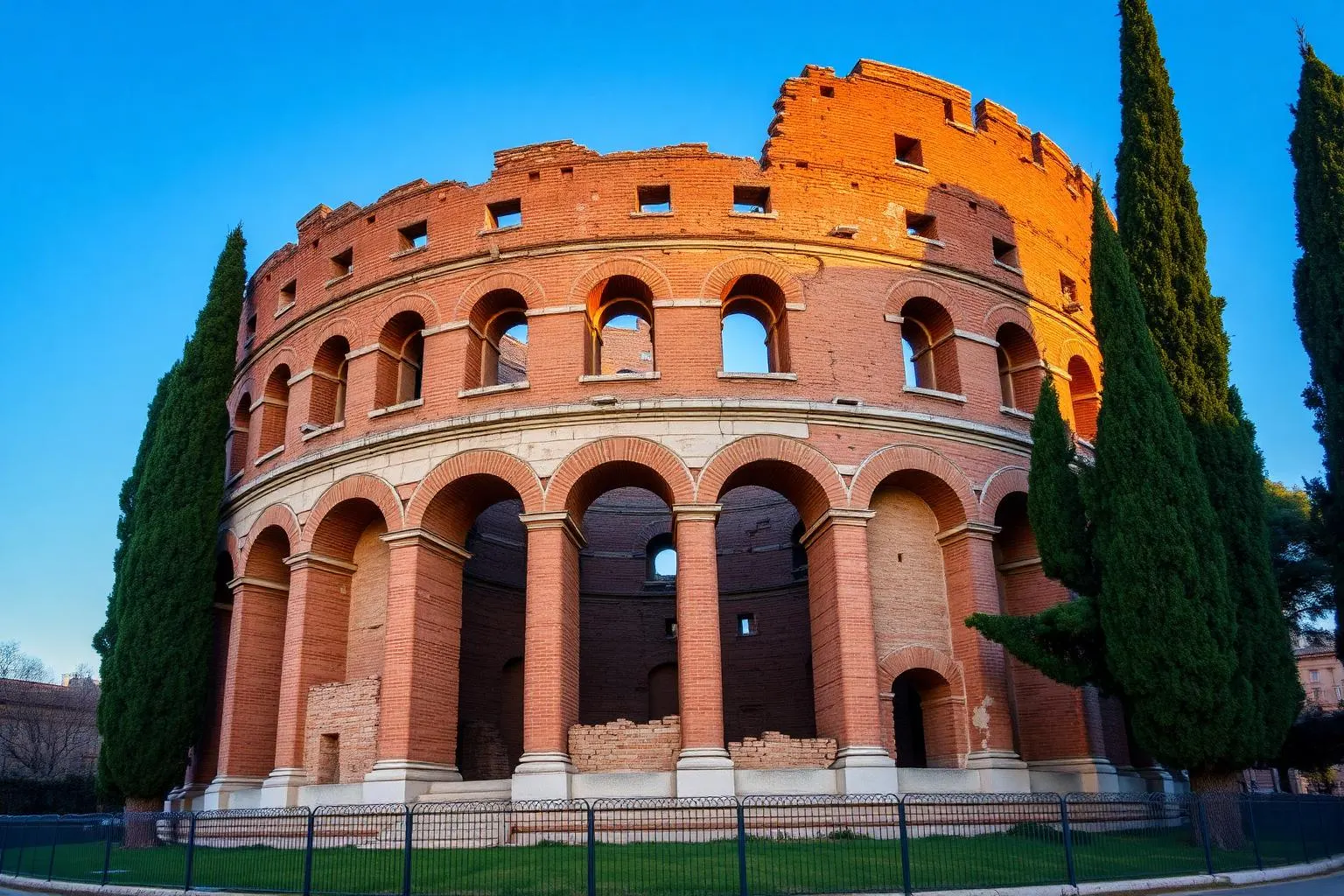
A 27-metre-diameter cylindrical brick rotunda originally over 25 metres tall, with a dome lightened using hundreds of embedded terracotta amphorae as a construction technique — the feature that gave the neighbourhood its name.
The Porphyry Sarcophagus
The mausoleum's sarcophagus — sculpted with battle scenes, with its original intended occupant debated by scholars — was moved in the 12th century. It now stands in the Vatican Museums' Greek Cross Hall.
Hidden in Plain Sight
A 1,700-year-old imperial mausoleum standing in the middle of a busy modern multi-ethnic neighbourhood, with traffic flowing past on the Via Casilina exactly where it did under Constantine.
What to See On Site
The Cylindrical Drum
A 27-metre-diameter brick rotunda surviving to about two-thirds its original height — the most monumental piece of Constantinian masonry outside the Lateran.
Embedded Amphorae (Pignatte)
Hundreds of terracotta amphorae set into the upper drum and dome as a lightening construction technique — the feature that gave the entire neighbourhood the name Tor Pignattara.
Arched Window Niches
Two tiers of round-arched openings around the rotunda — originally niches for statues and clerestory windows that flooded the dome with light.
The Broken Dome
The dome partially collapsed in the Middle Ages — what survives shows the original brick ribbing and amphora inserts in cross-section.
Niche of the Sarcophagus
Inside the rotunda, a deep niche on the north wall marks where Helena's porphyry sarcophagus stood for eight centuries before being moved to the Lateran in 1144.
Catacombs of Marcellinus & Peter
Adjacent catacombs containing an exceptionally rich collection of early Christian wall paintings. Enterable only on a reserved guided tour of approximately 40–45 minutes, maximum 25 people per group.
Underground Basilica
Beside the mausoleum lies the partially excavated Constantinian basilica that connected the imperial tomb to the martyrs' shrines below.
Modern Church of SS. Marcellino e Pietro
A small modern church built directly against the mausoleum — the historical successor to Constantine's lost basilica, free to enter and the meeting point for catacombs tours.
Public Garden & Plaque
A small public garden surrounds the rotunda, with bilingual information panels and benches — perfect for a slow circuit and rest.
Seventeen Centuries on Via Casilina
From the imperial estate of Constantine's family to the name of a working-class Roman district — Helena's tomb compresses the Christian transformation of the empire and the long Roman afterlife of antiquity into a single brick cylinder.
c. 246 ADHelena Born in Bithynia
Helena, future empress and saint, is born in Drepanum (modern Turkey), most likely the daughter of an innkeeper. She becomes the consort of the future emperor Constantius Chlorus and mother of Constantine.
312 ADConstantine Wins the Empire
Constantine defeats Maxentius at the Milvian Bridge under the Christian standard, becomes sole emperor of the West, and elevates his mother to Augusta — empress in her own right.
c. 326–328Helena's Pilgrimage
Helena travels to the Holy Land in her late seventies. According to tradition, she identifies the site of the Crucifixion and discovers the True Cross beneath a temple of Venus on Golgotha.
c. 326–330 (traditional)Mausoleum Built
Tradition holds that Constantine commissioned the colossal cylindrical mausoleum on the family's Ad Duas Lauros estate on the Via Casilina, near the catacombs of the martyrs Marcellinus and Peter — though the precise construction history and intended occupant are debated by scholars.
c. 330 ADHelena Dies
Helena dies aged around 80 — possibly in the Holy Land, possibly in Rome. Tradition holds she was interred in this mausoleum in the porphyry sarcophagus carved with battle scenes, though scholars debate the sarcophagus's original intended occupant.
4th–5th c.Imperial Cult of Helena
Constantine's basilica beside the mausoleum becomes one of the major pilgrimage sites of late-antique Rome, drawing visitors to the tomb of the True Cross's discoverer.
9th c.Relics Translated
Pope Innocent II and successors authorise the partial translation of Helena's relics to Hautvillers in France and to the church of Aracoeli in Rome — beginning the dispersal of her remains.
1144Sarcophagus Moved
Pope Anastasius IV has Helena's monumental porphyry sarcophagus removed from the mausoleum and installed at the Lateran. Today it stands in the Vatican Museums' Greek Cross Hall.
Middle AgesThe Tower of the Pots
The ruined rotunda, with its visible amphorae, is christened Torre Pignattara by locals. The neighbourhood that grows around it inherits the name — one of the only Roman districts named after an ancient ruin.
1632–1750Baroque Restorations
Pope Urban VIII and successors carry out modest consolidation works. The site is incorporated into the small modern church of Santi Marcellino e Pietro built against its flank.
20th c.Archaeological Recovery
Pontifical and state archaeologists clear the surrounding Constantinian basilica, the catacombs galleries and the area around the rotunda, opening the complex to scholarly study.
Present (2026)Exterior, Antiquarium & Guided Catacombs
The mausoleum exterior can be viewed from a small public garden, and the site's Antiquarium is accessible on site. The adjacent Catacombs of Marcellinus & Peter are reached only on a reserved guided tour of approximately 40–45 minutes, capped at 25 people per group.
Access & Tickets 2026
There are three distinct experiences on site: viewing the mausoleum exterior, visiting the mausoleum's Antiquarium, and taking the guided catacombs tour. The mausoleum contains an accessible Antiquarium, while the adjacent catacombs can only be entered on a reserved guided tour lasting approximately 40–45 minutes. Check the official booking system for current prices, languages and whether your selected visit includes both areas.
👀 The Exterior
The cylindrical rotunda can be viewed from the small public garden on Via Casilina. Information panels help make sense of the structure and its embedded amphorae.
🏛️ The Antiquarium
The mausoleum's Antiquarium is accessible on site and includes tactile experiences. Check the official booking system for current opening details and whether it is combined with the catacombs visit.
🎯 Guided Catacombs Tour
The Catacombs of Saints Marcellinus and Peter can only be entered on a booked guided tour lasting approximately 40–45 minutes, with a maximum of 25 people per group. Advance booking is required.
💰 Prices
Ticket prices, and whether a single visit covers both the mausoleum's Antiquarium and the catacombs, vary and should be checked on the official booking system before you go.
🌐 Languages
Language schedules for the guided catacombs tour vary seasonally. Confirm current language availability on the official booking system when you reserve.
⚡ Specialist Private Tour
Licensed Roman-archaeology operators run dedicated Constantinian-Rome itineraries combining the mausoleum, the catacombs, San Giovanni in Laterano and Santa Croce in Gerusalemme. Prices vary by operator.
Best Time to Visit
Time of Day
Morning ⭐ Best: Earlier guided catacombs tours tend to have smaller groups and best light on the brick rotunda — check the official schedule for available times.
Late afternoon (16:00–18:00): Best photographic light for the exterior — golden hour on red brick, no people in the public garden.
Sunset: The rotunda glows in the last light — pair with a Tor Pignattara dinner for a perfect off-the-tourist-trail evening.
Avoid midday August: No shade, rotunda exposed and hot — keep early morning only.
Season
Spring (Mar–May) ⭐ Best: Mild temperatures, fullest catacombs tour calendar, easier English availability.
Autumn (Oct–Nov): Equal to spring — soft Roman light on the brick, busy tour calendar.
Summer: The underground catacombs stay cool year-round. Mid-August closures are real — plan around Ferragosto.
Winter: Quietest of all and best last-minute availability. Bring a real jacket for the catacombs.
Rules & What to Bring
📷 Photography Rules
Photography rules may vary. Follow the guide's instructions and confirm the current policy when booking. Phones must be silenced. Exterior photography is generally unrestricted.
🧥 Bring a Jacket
The underground catacombs stay cool year-round — it can feel chilly within minutes, even in August.
👟 Flat Shoes
Original Roman stairs descend into the catacombs galleries — uneven floors, low ceilings in places. No heels, no flip-flops.
🎒 Small Bags Only
Tight catacombs galleries mean no large backpacks or tripods. A small handbag only.
🤫 Quiet Voices
Both the catacombs and the rotunda are active funerary and cultic sites. Speak quietly, listen to the archaeologist, do not call out.
🚫 Do Not Touch
2,000-year-old plaster, frescoes and brick are extremely fragile. The salt and oils on human skin are the single greatest threat. Hands stay in pockets.
Mausoleum of Helena vs Other Imperial Mausolea
| Site | Built | Cost | Highlight | Crowds |
|---|---|---|---|---|
| Mausoleum of Helena (Tor Pignattara) | c. 326–330 AD (traditional) | Check official booking system | Traditionally linked to Constantine's mother + adjacent guided catacombs tour | Almost none |
| Castel Sant'Angelo (Hadrian) | 123–139 AD | €16 | Hadrian's mausoleum-turned-papal-fortress | High |
| Mausoleum of Augustus | 28 BC | €5 | Founder of the empire, recently restored | Medium |
| Mausoleum of Constantina (Costanza) | c. 350 AD | Free | Spectacular 4th-c. mosaics, Constantine's daughter | Low |
| Pyramid of Cestius | 12 BC | €6 (limited tours) | Egyptian-style tomb on the Aurelian Walls | Low |
For Constantinian Rome, pair Helena's mausoleum with the Mausoleum of Constantina at Sant'Agnese fuori le Mura — the tombs of Constantine's mother and daughter respectively. Together they bracket the entire dynasty in two free or near-free sites.
Common Mistakes to Avoid
Expecting to walk into the catacombs
The catacombs have no walk-in access — only a reserved guided tour. The mausoleum's Antiquarium, however, is accessible without a guided tour.
Looking for Helena's sarcophagus on site
It hasn't been here since 1144. The colossal porphyry tomb is in the Vatican Museums' Greek Cross Hall — well worth a special detour on your Vatican day.
Skipping the catacombs
The adjacent catacombs contain an exceptionally rich collection of early Christian wall paintings. Booking the tour is the entire point of coming.
Booking too late
Guided catacombs tours are capped at 25 people. Walk-up rarely works — book ahead via the official system and check current language schedules.
Skipping lunch in Tor Pignattara
The neighbourhood is one of Rome's most exciting food zones — Bangladeshi, Egyptian, Pakistani and South Asian restaurants minutes from the rotunda. Don't head straight back to the centre for pasta.
Confusing it with Sant'Elena church
The mausoleum is not the small parish church beside it — that's the modern church of SS. Marcellino e Pietro, the meeting point. The brick rotunda is the actual ancient monument.
Nearby Colosseum & Forum Tickets
Helena's mausoleum is 15 minutes by tram from San Giovanni in Laterano and 20 minutes from the Colosseum — pair a Tor Pignattara morning with an ancient-Rome afternoon for the full Constantinian sweep.
Colosseum Priority Entrance
Best for: First-time visitors
~2 hoursSkip-the-line access to the Colosseum with entry to Roman Forum and Palatine Hill included. Perfect for first-time visitors.
- Skip-the-line entry
- Colosseum access
- Roman Forum included
- Palatine Hill included
🎟️ Compare Prices:
TiqetsKlookTrip.comColosseum Guided Tour
Best for: History enthusiasts
~3 hoursExpert-led tour with professional guide sharing gladiator history, architecture secrets, and ancient Roman stories.
- Professional English-speaking guide
- Skip-the-line entry
- In-depth historical commentary
- Small group experience
🎟️ Compare Prices:
TiqetsKlookTrip.comColosseum Arena & Underground
Best for: Unique experience seekers
~3.5 hoursWalk where gladiators fought on the arena floor and explore the underground chambers where they awaited their fate.
- Arena Floor access
- Underground chambers access
- Roman Forum & Palatine Hill
- Expert guided tour included
🎟️ Compare Prices:
TiqetsKlookTrip.comPair Your Visit With
Catacombs of Marcellinus & PeterAdjacent catacombs containing an exceptionally rich collection of early Christian wall paintings. The only way into Helena's mausoleum interior.
Mausoleum of Constantina15 minutes by car at Sant'Agnese fuori le Mura — the spectacular 4th-c. mausoleum of Constantine's daughter, with the best surviving Constantinian mosaics in Rome.
San Giovanni in Laterano15 min by tram — Constantine's first basilica and the cathedral of Rome. The monumental complement to Helena's private imperial tomb.
Must-See Highlights
Commonly described as one of the largest surviving Constantinian-era rotundas in RomeTraditionally dated to c. 326–330 AD and associated with Constantine the Great and his mother Saint HelenaBy tradition, the original burial place of the empress associated with the discovery of the True CrossCharacteristic embedded terracotta amphorae (pignatte), used as a lightening construction technique, gave the neighbourhood its nameExterior visible from the public garden on Via CasilinaAccessible Antiquarium with tactile experiencesAdjacent catacombs enterable only on a reserved guided tour (approx. 40–45 minutes, max 25 people)The mausoleum's porphyry sarcophagus now in the Vatican Museums (Greek Cross Hall)Almost no foreign tourists — a true off-the-beaten-path siteGetting There
🚇 Metro Line C (best)
Mirti or Alessandrino — both 5 minutes' walk to the rotunda. The newest and easiest option from the Colosseum and San Giovanni.
🚊 Tram 5 or 14
From Termini Station to Berardi stop, 10 minutes, then 8-min walk. Scenic and direct from the main station — €1.50.
🚌 Bus 105
Direct from Termini Station to the Tor Pignattara stop — drops you 3 minutes from the mausoleum entrance.
Where to Stay Near Mausoleum of Helena
Looking for convenient accommodation near Mausoleum of Helena? Stay within walking distance to make the most of your visit.
Hotels Near This AttractionTop Rated HotelsBudget-Friendly OptionsLuxury HotelsCentral locations with easy access to Mausoleum of Helena and other attractionsFrequently Asked Questions
What is the Mausoleum of Helena and why does it matter?
It is a 4th-century AD imperial mausoleum on the Via Casilina, commonly associated with Constantine the Great and, by tradition, built for his mother Helena Augusta — the empress who, according to tradition, discovered the True Cross of the Crucifixion in Jerusalem. The precise construction history and the identity of its intended occupant are still debated by scholars. It is commonly described as one of the largest surviving Constantinian-era rotundas in Rome.
Why is it called Tor Pignattara?
Pignatte is Roman dialect for the terracotta amphorae embedded as a lightening construction technique to reduce the weight of the structure. From the Middle Ages locals called the ruined cylinder Tor Pignattara — 'Pot Tower' — and the entire surrounding neighbourhood took the name.
Is the Mausoleum of Helena free to visit in 2026?
The exterior can be viewed from Via Casilina and the small public garden around it. The mausoleum's Antiquarium is accessible on site and includes tactile experiences. The adjacent catacombs can only be entered on a reserved guided tour lasting approximately 40–45 minutes, with a maximum of 25 people per tour. Prices, languages and whether a visit combines both areas vary and should be checked on the official booking system.
Where is Saint Helena buried today?
She isn't here any more. The mausoleum's enormous porphyry sarcophagus — carved with battle scenes, which has led some scholars to suggest it may originally have been intended for a different occupant — was removed in the 12th century and is now displayed in the Vatican Museums (Greek Cross Hall). Traditions place her relics across multiple churches in Rome, Trier, Hautvillers and Venice.
Can you go inside the mausoleum?
The mausoleum's Antiquarium is accessible on site, including tactile experiences. The adjacent Catacombs of Saints Marcellinus and Peter sit beneath and beside the mausoleum on the same estate and can only be entered on a reserved guided tour lasting approximately 40–45 minutes, capped at 25 people per group. Check the official booking system for current prices, languages and whether a visit combines both areas.
How long does a visit take?
Viewing the exterior takes about 20–30 minutes. The Antiquarium adds a further short visit. The guided catacombs tour itself lasts approximately 40–45 minutes. Combining all three, plan roughly 90 minutes to two hours.
How do I get there from central Rome?
Easiest by Metro Line C to Mirti or Alessandrino (5-min walk), or by tram 5 / 14 from Termini Station to Berardi (10 min, then 8-min walk). Bus 105 runs from Termini directly to the Tor Pignattara stop. By car the parking is straightforward — the mausoleum sits on Via Casilina with public spaces around the small park.
Is the Tor Pignattara neighbourhood safe?
Yes — Tor Pignattara is a lively, multi-ethnic working-class district outside the historic centre, and the area immediately around the mausoleum is residential and well-trafficked. Visit during daylight hours like any non-tourist Roman neighbourhood. The Bangladeshi and Egyptian restaurants nearby are excellent for an unconventional Roman lunch.
Related Attractions
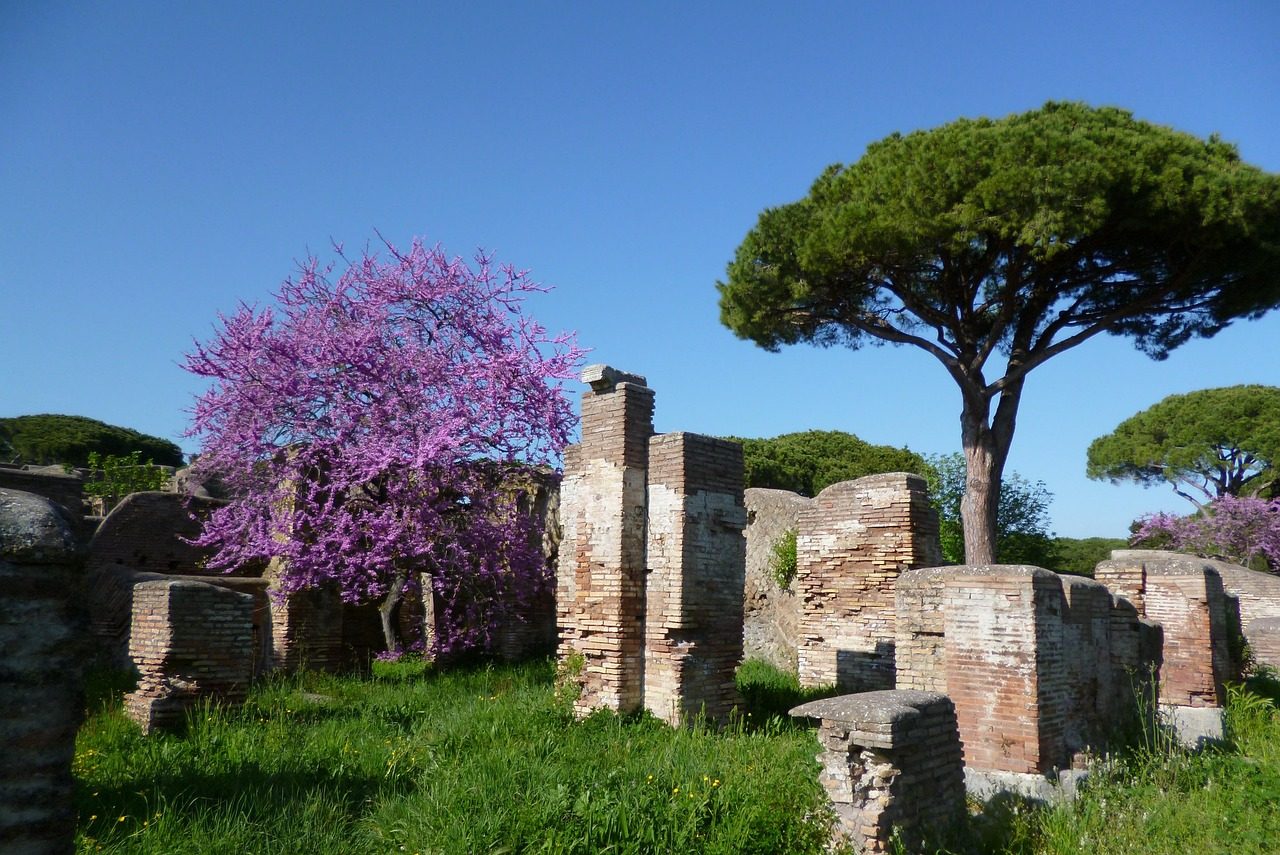
Ostia Antica
Rome’s ancient harbour city; €18 integrated park ticket valid eight days from first entry
Explore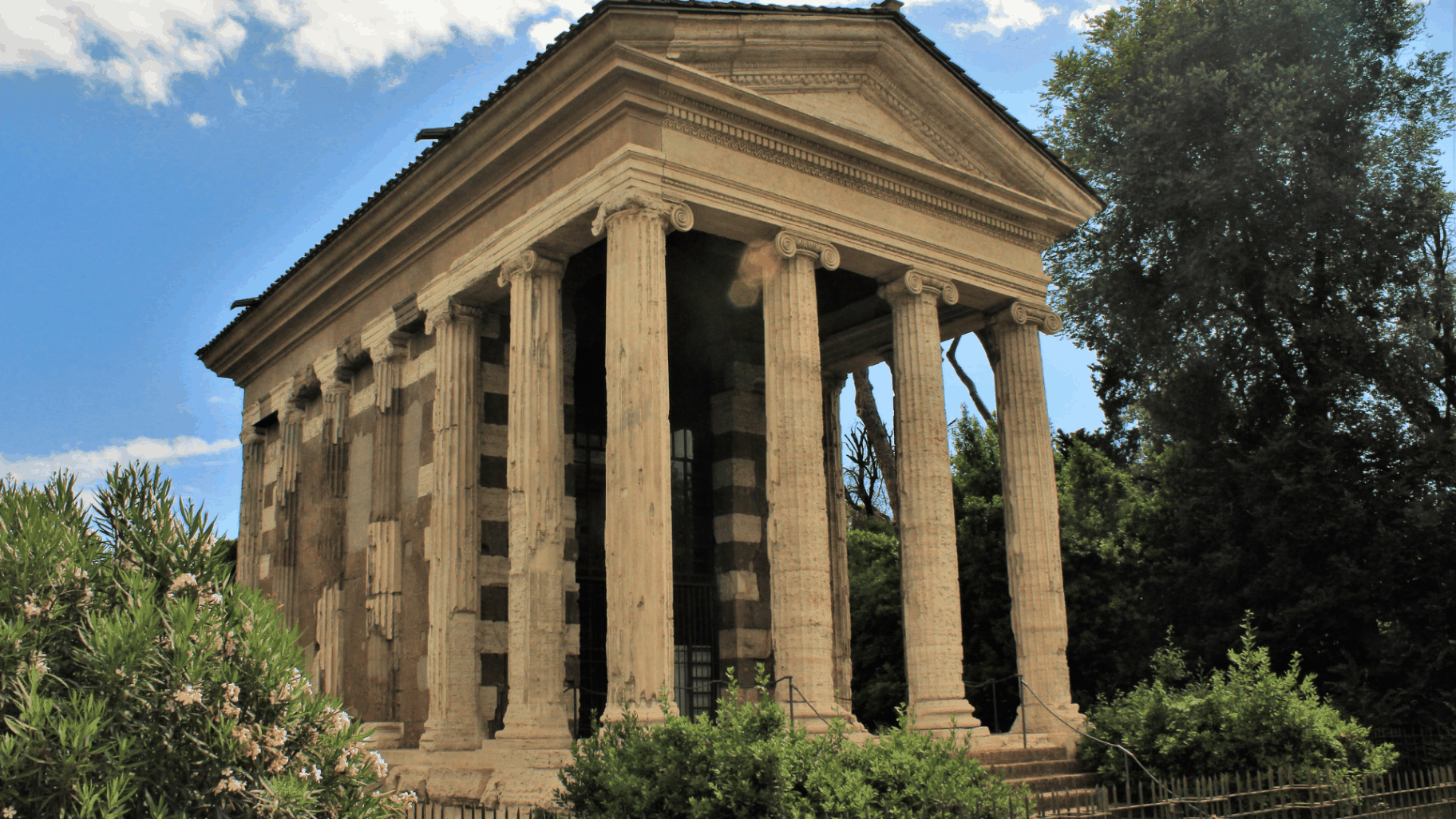
Temple of Portunus
Remarkably intact Republican-era temple to the god of harbors
Explore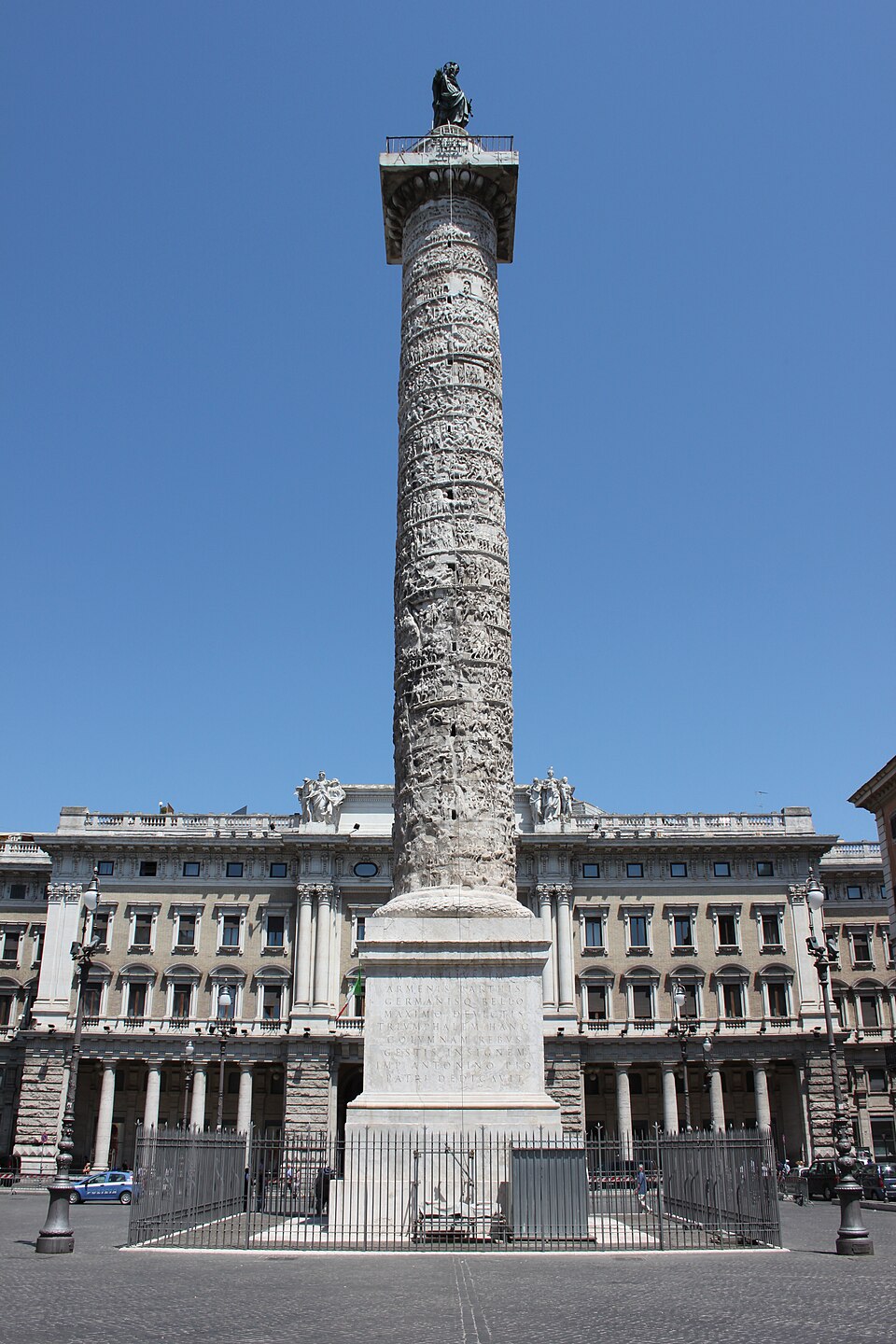
Column of Marcus Aurelius
Towering spiral column depicting Roman military campaigns
Explore
Ara Pacis Museum
Augustus's exquisite Altar of Peace in Richard Meier's modern museum
Explore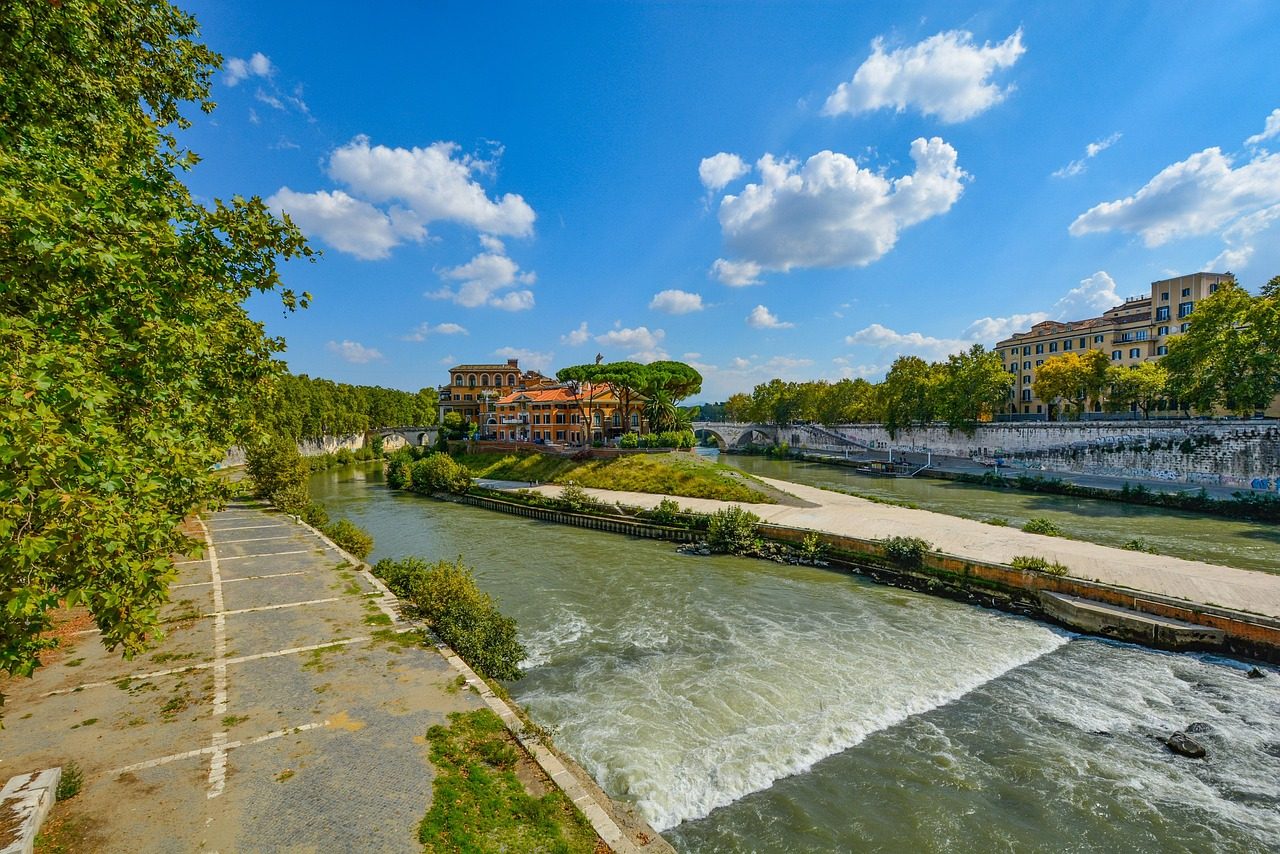
Tiber Island
Ancient boat-shaped island with 2,500 years of history
Explore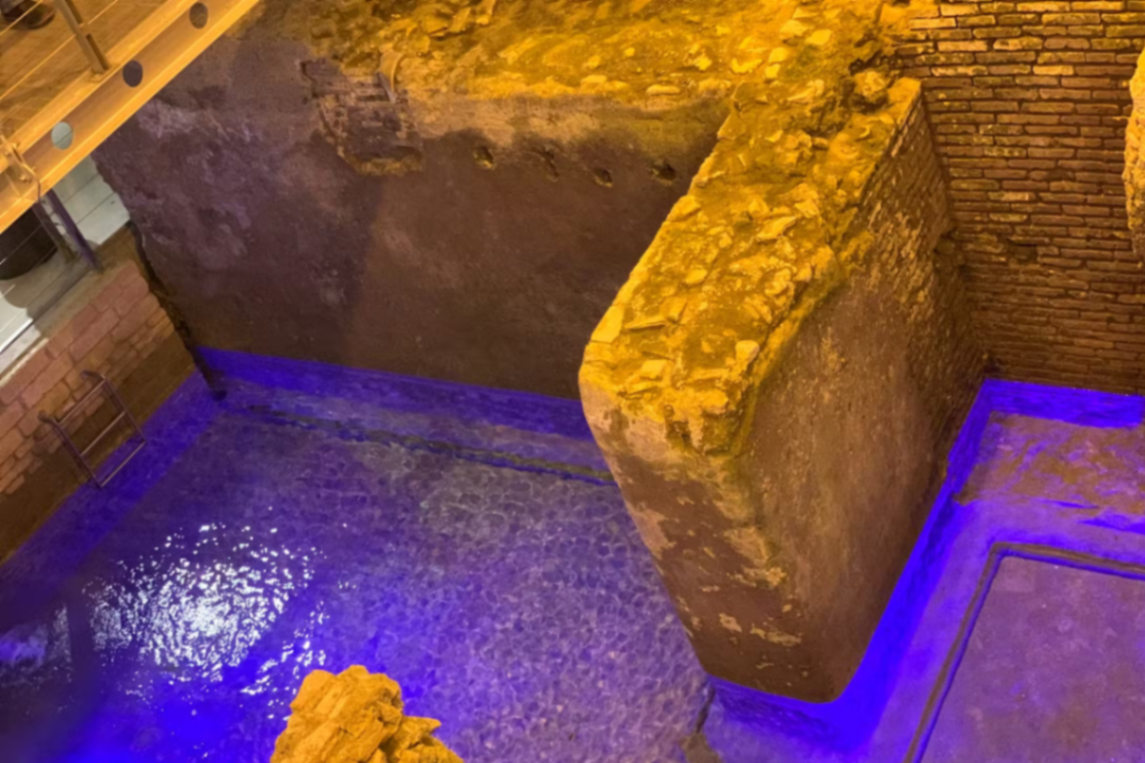
Vicus Caprarius
Ancient ruins linked to the Aqua Virgo aqueduct beneath the Trevi district
ExploreQuick Planning Guide
⏱️ Time Needed
20–30 min exterior · Antiquarium visit · 40–45 min guided catacombs tour
💰 Cost
Check official booking system for current prices
🎫 Reservation
Required for the guided catacombs tour · Antiquarium accessible on site
♿ Accessibility
Antiquarium accessible, with tactile experiences · Catacombs involve stairs and uneven floors
📅 Best Time
Check official schedule — language availability varies seasonally
👨👩👧👦 Family Friendly
Good for kids 8+ (catacombs tour)
🌡️ Weather
Outdoor exterior · Catacombs are cool underground
Nearby Attractions
Catacombs of Marcellinus & Peteradjacent
Centocelle Park10-min walk
Quartiere Tor Pignattara restaurants5-min walk
San Giovanni in Laterano15 min by tram
Porta Maggiore15 min by tram
Featured In These Itineraries
Hidden Gems of RomeFree Things to Do in Rome5 Day Rome ItineraryEssential Tips
- ✓ The catacombs can only be visited on a reserved guided tour — book via the official system
- ✓ Check the official booking system for prices, languages and whether your visit combines both areas
- ✓ The mausoleum's Antiquarium is accessible and includes tactile experiences
- ✓ Combine with multi-ethnic lunch in Tor Pignattara
- ✓ The mausoleum's sarcophagus is displayed at the Vatican Museums