 Hidden Christian Site
Catacombs of Sant'Agnese
Beneath the Via Nomentana basilica — the traditional burial place of the young martyr Saint Agnes, with celebrated fourth-century mosaics nearby.
1.5–2 hours€10 adult / €7 reduced4th c. ADVia NomentanaVia Nomentana, 349, 00162 RomaOpen on MapPlan Your Visit
Compare tickets, tours and stays — booking ahead usually gives more choice
Get TicketsBook a TourHotels NearbyBy AllTrips Editors••8 min readThe Catacombs of Sant'Agnese (Italian: Catacombe di Sant'Agnese) lie beneath the basilica of Sant'Agnese fuori le mura on Rome's Via Nomentana — the traditional burial site of Saint Agnes, a young Roman Christian martyred under Diocletian in the early 4th century and among seven women traditionally named as virgin martyrs in the Roman Canon. The basilica above is a well-preserved 7th-century building, crowned by a spectacular Byzantine apse mosaic. Next door stands the perfectly circular Mausoleum of Santa Costanza — a 4th-century building erected for Constantina, commonly identified as Constantine's daughter — whose vault mosaics are widely admired as among the finest in Rome. The basilica and mausoleum have separate visiting arrangements from the catacomb ticket.
📋 In This Guide
Duration
1.5–2 hr
Cost
€10 / €7
Photos
Above only
Type
Christian catacomb
Why Visit the Catacombs of Sant'Agnese?
Sant'Agnese offers a rewarding, less crowded alternative to the busier Appian Way catacombs. The site is reachable by bus or tram from central Rome and, in the same location, combines the underground tomb traditionally associated with Saint Agnes, a well-preserved early-medieval basilica, and a 4th-century mausoleum covered in mosaics that have influenced Christian art for centuries.
Saint Agnes, Roman Martyr
Agnes was a young Roman Christian martyred under Diocletian; the age, method and circumstances vary between traditions. She is among seven women traditionally named as virgin martyrs in the Roman Canon of the Mass.
Mausoleum of Santa Costanza
A short walk from the basilica — a 4th-century tomb commonly identified with Constantine's daughter Constantina, with vault mosaics of vintaging cherubs.
Well-Preserved 7th-Century Basilica
Pope Honorius I's basilica is a well-preserved early-medieval building, with a spectacular gold Byzantine apse mosaic of Agnes.
A Quieter Catacomb
Generally fewer coach tours than the Appian Way sites — tour group sizes vary, but the atmosphere tends to be calmer.
What to See on the Tour
Tomb of Saint Agnes
The traditional burial niche of Saint Agnes, marked since antiquity and the focus of the catacomb tour.
Honorian Galleries
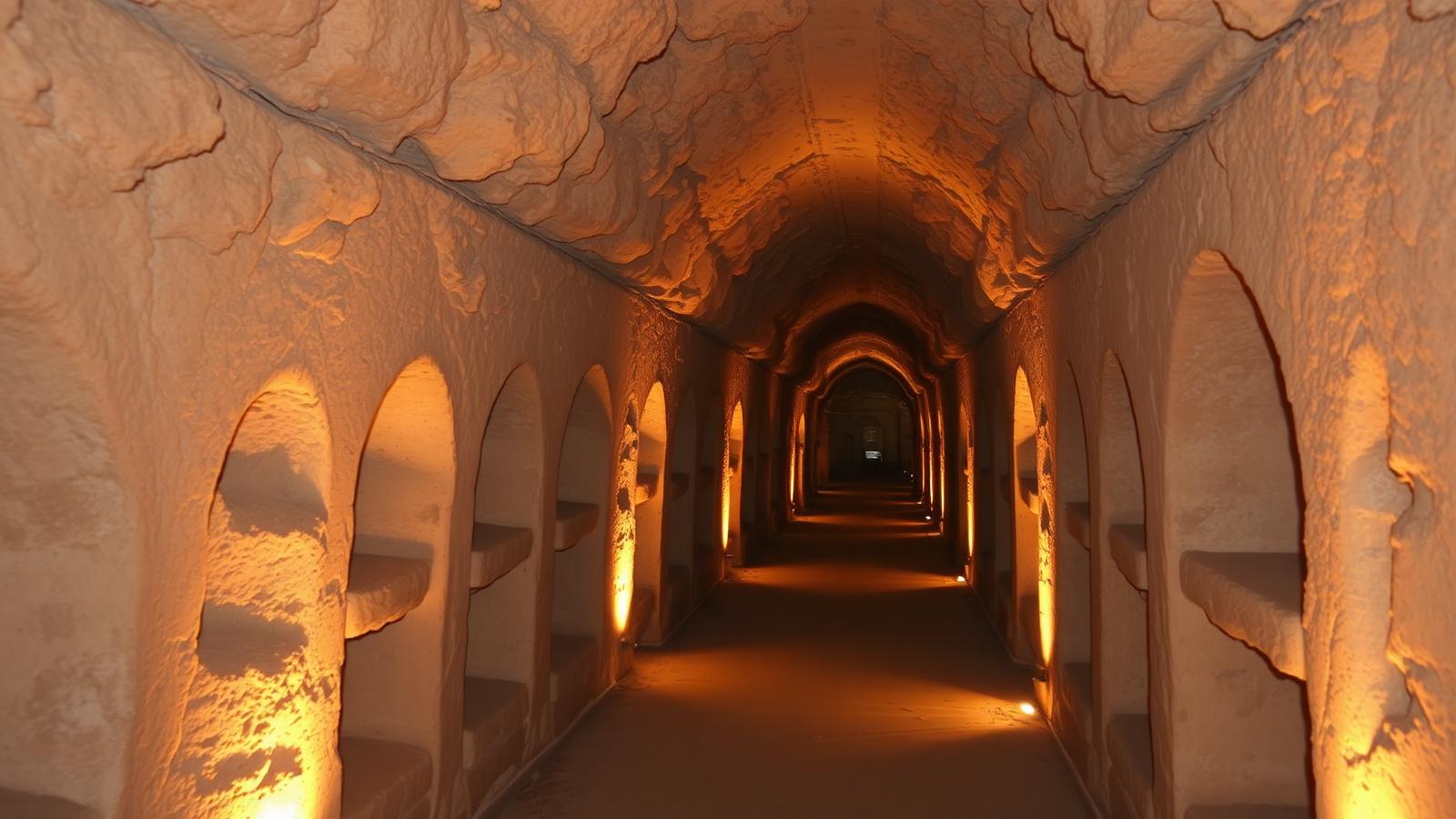
7th-century corridors carved during Pope Honorius I's restoration — wider and more architectural than typical catacomb tunnels.
Early Christian Inscriptions
Original Latin epitaphs, Christograms, doves and palm branches — the visual code of the persecuted Roman church.
Apse Mosaic of the Basilica
Agnes flanked by Popes Symmachus and Honorius — gold ground, Byzantine style, dating from the 7th century. One of Rome's finest mosaics.
Mausoleum of Santa Costanza
Perfectly circular 4th-century tomb — vault mosaics of grape harvests, cherubs and pagan-Christian transition imagery.
January Lamb Blessing
On January 21 (Agnes' feast day), two lambs are blessed at the high altar — their wool later woven into the pallium of the Pope and new archbishops.
Eighteen Centuries of a Roman Saint
From a 12-year-old martyr's grave to one of Christendom's most enduring sanctuaries — and the birthplace of the papal pallium.
Early 4th c. AD (traditional)Agnes Martyred
According to tradition, the young Roman Christian Agnes is martyred under Diocletian's persecution; ancient accounts vary on her age and the exact circumstances. She is said to be buried in a private cemetery on Via Nomentana.
c. 4th century ADConstantina Builds the First Basilica
Constantina, commonly identified as Constantine's daughter, is associated with the construction of a large covered cemetery basilica over Agnes' tomb, along with an adjoining circular mausoleum.
4th century ADMausoleum of Santa Costanza
Constantina is buried in the circular mausoleum, decorated with some of the finest surviving 4th-century mosaics in Rome.
625–638 ADHonorian Basilica
Pope Honorius I rebuilds the basilica in the form that survives today and commissions the great Byzantine apse mosaic of Agnes between Popes Symmachus and Honorius.
Medieval EraPallium Tradition Established
The blessing of two lambs on Agnes' feast day — January 21 — is established. Their wool is sent to the Pope to be woven into the pallium worn by him and new archbishops, a tradition unbroken to this day.
9th c. ADRelics Translated
Some of Agnes' relics are moved into Rome's walls during the great medieval translation programme — but her original tomb remains intact in the catacomb below the basilica.
1855Pius IX's Floor
Pope Pius IX is restoring the basilica when the floor collapses — he survives unhurt. He has the basilica restored and the catacombs systematically explored.
PresentA Living Sanctuary
Still an active parish, still hosting the January 21 lamb blessing for the papal pallium, still receiving the rare visitor who knows what's on Via Nomentana.
Tickets & Tours
🎟️ Catacombs — €10 / €7
€10 adult, €7 reduced (generally ages 7–16). 30–45 minute guided tour of the underground galleries and the traditional tomb of Saint Agnes. Guided tours are compulsory; reservation is recommended, and groups over ten must reserve.
⭐ Basilica & Santa Costanza
The basilica and the Mausoleum of Santa Costanza have separate visiting arrangements from the catacomb ticket — check current opening details before you go.
⏰ Opening Hours
Mon–Sat 10:00–13:00 and 15:00–18:00 (guided tours generally at 10:00, 11:00, 12:00, 15:00, 16:00, 17:00). Normally closed Sundays; limited groups may be admitted by reservation. 2026 closures: Aug 10–17, Nov 16–Dec 6, and Dec 31.
🌐 Tour Languages
Italian and English tours run regularly, with other languages sometimes available on request. Wheelchair access to the catacombs is not available.
Best Time to Visit
Time of Day
10:00–12:00 ⭐ Best: Generally smaller tour groups earlier in the day.
15:00–16:30: Quiet again right after the lunch closure.
Sundays: Normally closed to individual visitors; limited groups may be admitted by reservation.
January 21 ⭐ Special: Saint Agnes' feast day with the lamb blessing — the most atmospheric day to visit.
Season
Spring (Mar–May) ⭐ Best: Pleasant weather for the Via Nomentana walk and Villa Torlonia gardens nearby.
Autumn (Sep–Nov): Soft golden light, mild temperatures, easy English slots.
Summer: The 15°C underground is welcome relief — booking in summer is rarely necessary here.
January: Coldest month but home to the Saint Agnes feast — a uniquely atmospheric visit.
Rules & What to Bring
📵 No Photography Underground
Strictly forbidden — no flash, no phones. Light damages ancient inscriptions. The basilica and mausoleum above are fine for photos — and the Costanza mosaics demand it.
🧥 Bring a Light Layer
15°C / 59°F year-round underground — even welcome in July, essential in winter.
👟 Flat, Comfortable Shoes
Steep stairs descend from the basilica and tufa floors are uneven. No heels, no flip-flops.
👗 Modest Dress (basilica)
Cover shoulders and knees out of respect for the active church above. Same rule applies in the mausoleum during services.
Sant'Agnese vs Other Roman Catacombs
| Catacomb | Cost | Booking | Highlight | Crowds |
|---|---|---|---|---|
| Sant'Agnese | €10 / €7 reduced | Reservation recommended | Saint Agnes, Santa Costanza mosaics nearby | Generally low |
| San Callisto | €10 | Walk-up OK | Crypt of the Popes, Saint Cecilia | High (coach tours) |
| San Sebastiano | €10 | Walk-up OK | Triclia of Peter & Paul, basilica above | Medium |
| Domitilla | €10 | Walk-up OK | Intact 4th-century underground basilica | Medium |
| Marcellinus & Peter | From €10 | Required, 2–4 wk ahead | 900+ frescoes, Mausoleum of Helena | Very low |
Sant'Agnese offers good accessibility by bus or tram and the nearby Mausoleum of Santa Costanza. The Appian Way catacombs are larger and more visited; Sant'Agnese tends to be quieter.
Common Mistakes to Avoid
Assuming one ticket covers everything
The catacomb ticket does not include the basilica or the Mausoleum of Santa Costanza — check separate visiting arrangements for each before you go.
Skipping Santa Costanza
It's 30 seconds across the courtyard from the basilica. Most visitors don't realise it's there. Don't be one of them.
Arriving on a Sunday
The catacombs are normally closed to individual visitors on Sundays, with only limited groups admitted by reservation. Plan for a weekday or Saturday.
Missing the midday closure
The site closes roughly 13:00–15:00 — don't arrive at 13:30 hoping to squeeze in.
Not checking transport options
Bus 90 runs from Termini along Via Nomentana; tram 3/19 requires a short walk. Taxis cost around €10–12 but aren't necessarily faster in traffic.
Sneaking a phone photo
Strictly forbidden underground — and the rule is enforced. Photograph the mosaics above as much as you like.
Nearby Colosseum & Forum Tickets
Tram 3/19 connects the Via Nomentana area to Villa Borghese and on towards the Colosseum area — pair a Via Nomentana morning with a Colosseum afternoon. Skip-the-line options below.
Colosseum Priority Entrance
Best for: First-time visitors
~2 hoursSkip-the-line access to the Colosseum with entry to Roman Forum and Palatine Hill included. Perfect for first-time visitors.
- Skip-the-line entry
- Colosseum access
- Roman Forum included
- Palatine Hill included
🎟️ Compare Prices:
TiqetsKlookTrip.comColosseum Guided Tour
Best for: History enthusiasts
~3 hoursExpert-led tour with professional guide sharing gladiator history, architecture secrets, and ancient Roman stories.
- Professional English-speaking guide
- Skip-the-line entry
- In-depth historical commentary
- Small group experience
🎟️ Compare Prices:
TiqetsKlookTrip.comColosseum Arena & Underground
Best for: Unique experience seekers
~3.5 hoursWalk where gladiators fought on the arena floor and explore the underground chambers where they awaited their fate.
- Arena Floor access
- Underground chambers access
- Roman Forum & Palatine Hill
- Expert guided tour included
🎟️ Compare Prices:
TiqetsKlookTrip.comPair Your Visit With
Villa Torlonia10 minutes' walk — Mussolini's former residence with the Casino dei Principi, Casino Nobile and a beautiful park.
Villa BorgheseTram 3/19 connects the area to Villa Borghese — good for a half-day combining the Galleria Borghese and the Pincio terrace.
Catacombs of San CallistoThe famous Appian Way catacomb — pair with Sant'Agnese for a complete catacombs day, contrasting the famous and the hidden.
Must-See Highlights
Traditional burial niche of Saint Agnes7th-century Byzantine apse mosaic — Agnes between Popes Symmachus and HonoriusOne of Rome's well-preserved 7th-century buildingsMausoleum of Santa Costanza next door — a 4th-century building with some of the city's finest vault mosaicsJanuary 21 lamb blessing — wool used for the papal pallium since the Middle AgesHonorian galleries — wider, architectural 7th-century tunnels carved by Pope Honorius IOriginal Latin inscriptions and early Christian symbols on burial slabsAccessible by bus or tram from central RomeGetting There
🚊 Tram 3 or 19
Tram 3 or 19 reach the Viale Regina Margherita area (neither originates at Termini) — from there it's a short walk to the basilica gate.
🚌 Bus 90
Runs from Termini along Via Nomentana — drops you within a short walk of the entrance.
🚕 Taxi
€10–12 from the historic centre — easiest option if you're combining with several stops in a single afternoon.
Where to Stay Near Catacombs of Sant'Agnese
Looking for convenient accommodation near Catacombs of Sant'Agnese? Stay within walking distance to make the most of your visit.
Hotels Near This AttractionTop Rated HotelsBudget-Friendly OptionsLuxury HotelsCentral locations with easy access to Catacombs of Sant'Agnese and other attractionsFrequently Asked Questions
What makes the Catacombs of Sant'Agnese special in 2026?
Three things make them stand out: (1) they hold the traditional burial site of Saint Agnes, a young martyr who became one of the most venerated saints of the Roman Church; (2) the basilica above is one of Rome's well-preserved 7th-century buildings, with a spectacular Byzantine apse mosaic of Agnes between Popes Symmachus and Honorius; (3) next door stands the perfectly circular Mausoleum of Santa Costanza — commonly identified with Constantine's daughter Constantina — with dazzling 4th-century vault mosaics often admired as among the finest in Rome.
How much does it cost in 2026?
Standard entry to the catacombs is €10 for adults and €7 reduced (generally ages 7–16). The basilica and the Mausoleum of Santa Costanza next door have separate visiting arrangements and are not included on the catacomb ticket.
Is the visit always with a guide?
Yes, catacomb visits are guided only and last 30–45 minutes. Guided tours generally run at 10:00, 11:00, 12:00, 15:00, 16:00 and 17:00 in Italian and English, with other languages sometimes available on request. Reservation is recommended, and groups of more than ten people must reserve in advance. The basilica and Mausoleum of Santa Costanza have their own separate visiting arrangements.
Who was Saint Agnes?
Agnes was a young Roman Christian traditionally said to have been martyred under Diocletian in the early 4th century; the precise age, method and circumstances of her death vary between ancient accounts. She is among seven women traditionally named as virgin martyrs in the Roman Canon of the Mass. Every January 21 (her feast day), two lambs are blessed in the basilica — their wool is later woven into the pallium worn by the Pope and new archbishops.
Can I take photos inside the catacombs?
No. Photography is forbidden underground to protect the ancient inscriptions and out of respect for the sacred burial site. The basilica above and the Mausoleum of Santa Costanza are fine for photos — and the Costanza mosaics absolutely demand it.
Are the catacombs wheelchair accessible?
No. Wheelchair access to the catacombs is not available due to steep stairs and uneven tufa floors. The basilica above and the Mausoleum of Santa Costanza next door are partially accessible at ground level.
How do I get to Via Nomentana from central Rome?
Bus 90 runs from Termini along Via Nomentana to a stop close to the basilica. Tram 3 or 19 can also be used to reach the Viale Regina Margherita area, followed by a short walk. Taxis cost roughly €10–12 from the centre.
Should I visit Sant'Agnese or one of the larger Appian Way catacombs?
Different experiences: San Callisto and San Sebastiano on the Appian Way are larger, more famous and busier with coach tours. Sant'Agnese is smaller and generally less visited, and the same site also includes the basilica and the nearby Mausoleum of Santa Costanza (with separate visiting arrangements). For art lovers and pilgrims, it is a rewarding and less crowded alternative.
Related Attractions
Domus Romane at Palazzo Valentini
Timed multimedia visits of ancient Roman houses; schedules vary seasonally
Explore
Catacombs of Domitilla
Rome's oldest catacombs—17km of tunnels and underground basilica
Explore
Basilica San Clemente
Descend through 2,000 years—medieval mosaics to Mithraic temple
Explore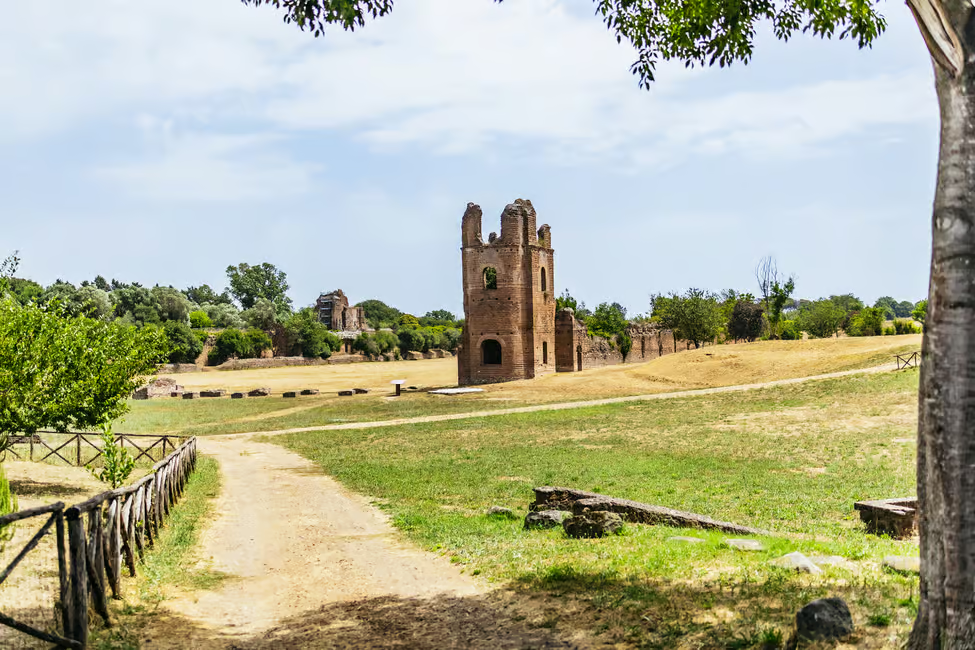
Appian Way
The Queen of Roads—walk on 2,300-year-old Roman paving stones
Explore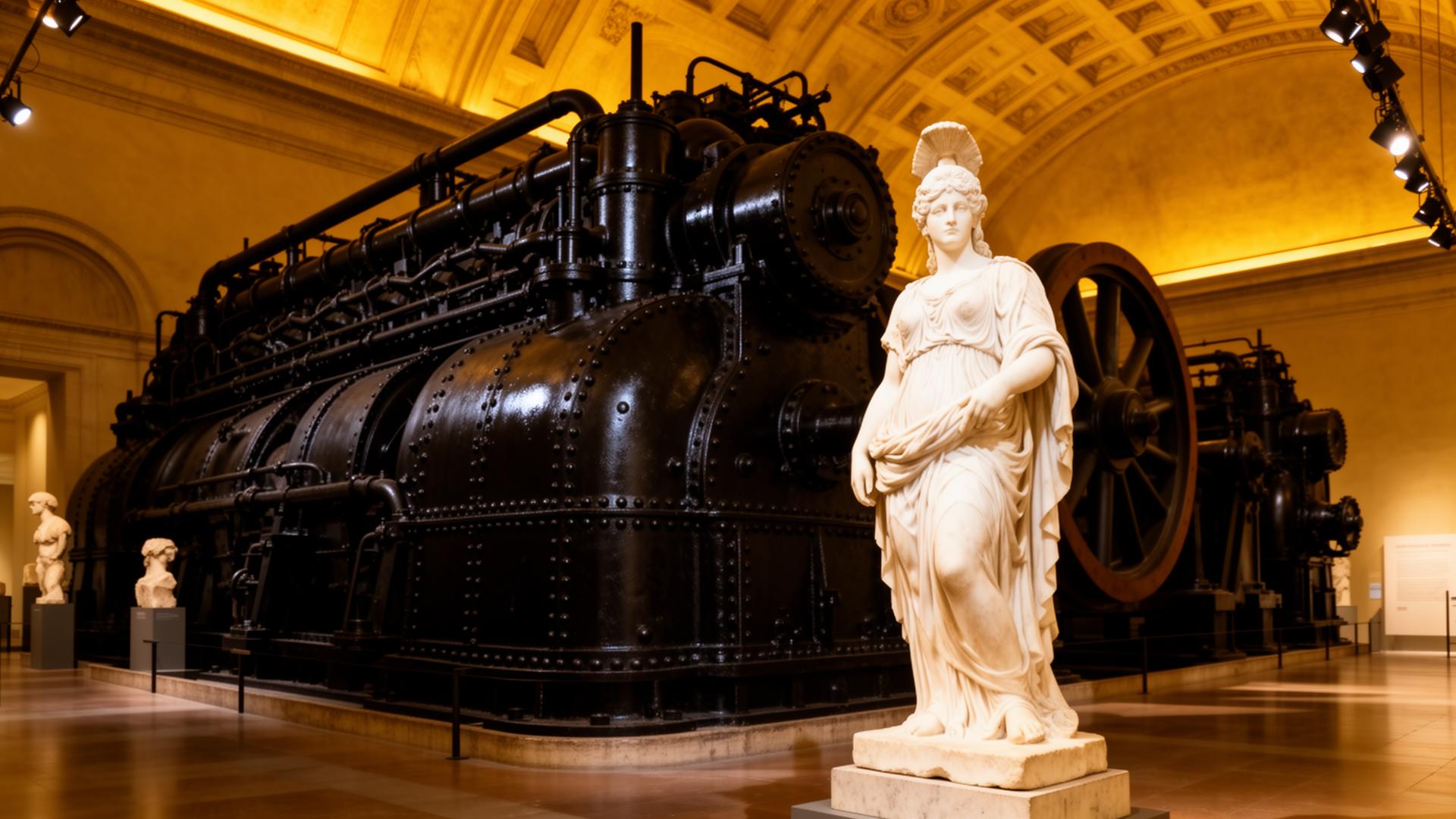
Centrale Montemartini
Ancient sculptures among industrial machinery—Rome's most unique museum
Explore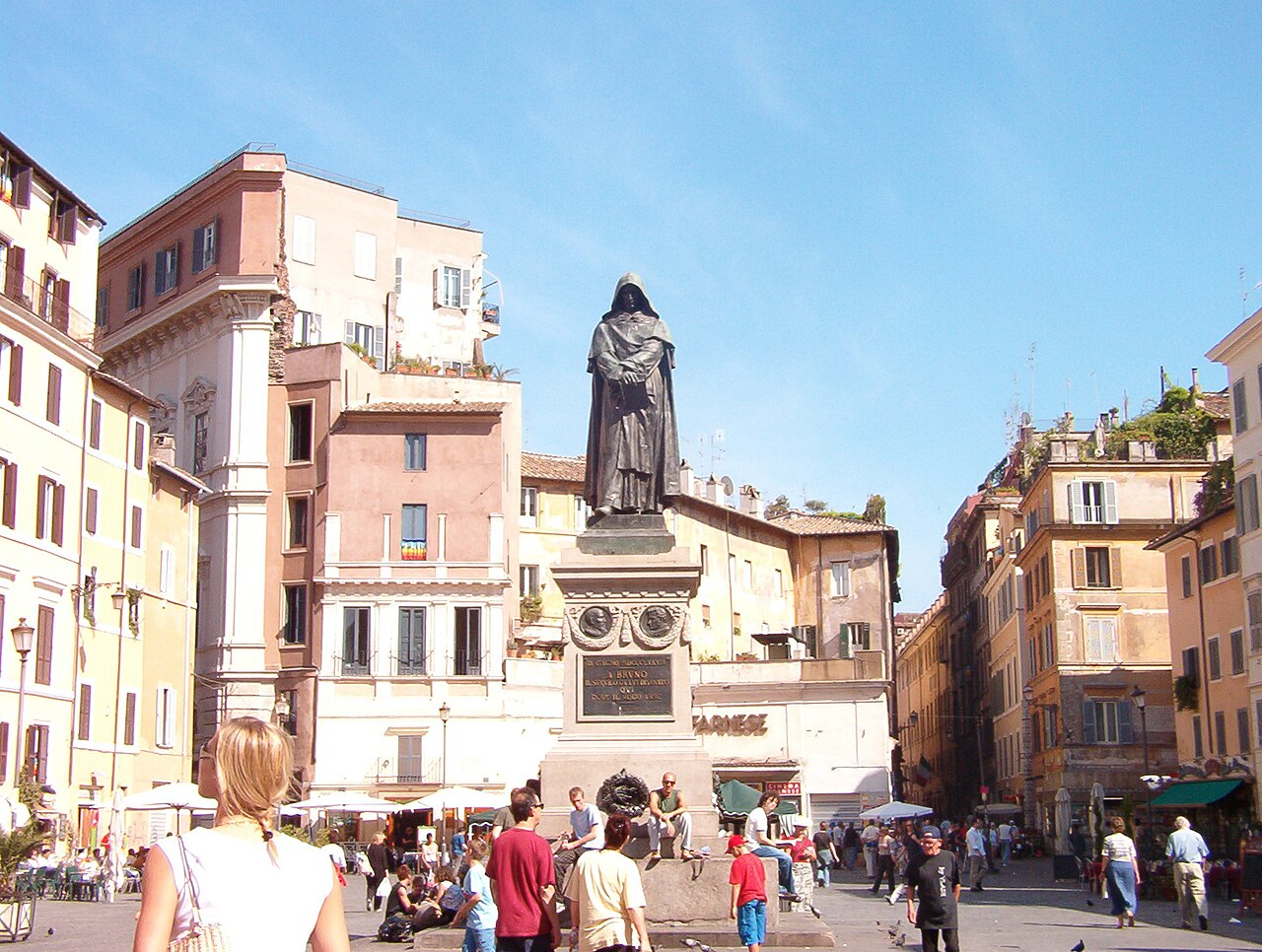
Campo de' Fiori Market
Rome's most vibrant outdoor market and piazza
ExploreQuick Planning Guide
⏱️ Time Needed
1.5–2 hours (with mausoleum)
💰 Cost
€10 adult / €7 reduced
🎫 Reservation
Recommended in summer
♿ Accessibility
Catacombs not accessible; basilica partially
📅 Best Time
Weekday mornings
👨👩👧👦 Family Friendly
Recommended 8+
🌡️ Weather
Underground 15°C year-round
Nearby Attractions
Mausoleum of Santa Costanza30 sec walk
Villa Torlonia10-min walk
Porta PiaTram 3/19
Villa BorgheseTram 3/19
Quartiere Coppedè15-min walk
Featured In These Itineraries
Hidden Gems of Rome5 Day Rome ItineraryClassic Rome ItineraryEssential Tips
- ✓ Guided tours are compulsory; reservation is recommended
- ✓ Normally closed Sundays; limited groups by reservation
- ✓ Bring a light jacket — 15°C underground year-round
- ✓ Bus 90 from Termini, or tram 3/19 plus a short walk
- ✓ Visit January 21 for the Saint Agnes lamb blessing