 Nature Reserve
Monte Mario
Rome's highest hill — 139 metres of forest, trails and the city's most spectacular free panorama
1.5–3 hoursFree139 mVia di Monte Mario, 00136 Roma RMOpen on MapPlan Your Visit
Compare tickets, tours and stays — booking ahead usually gives more choice
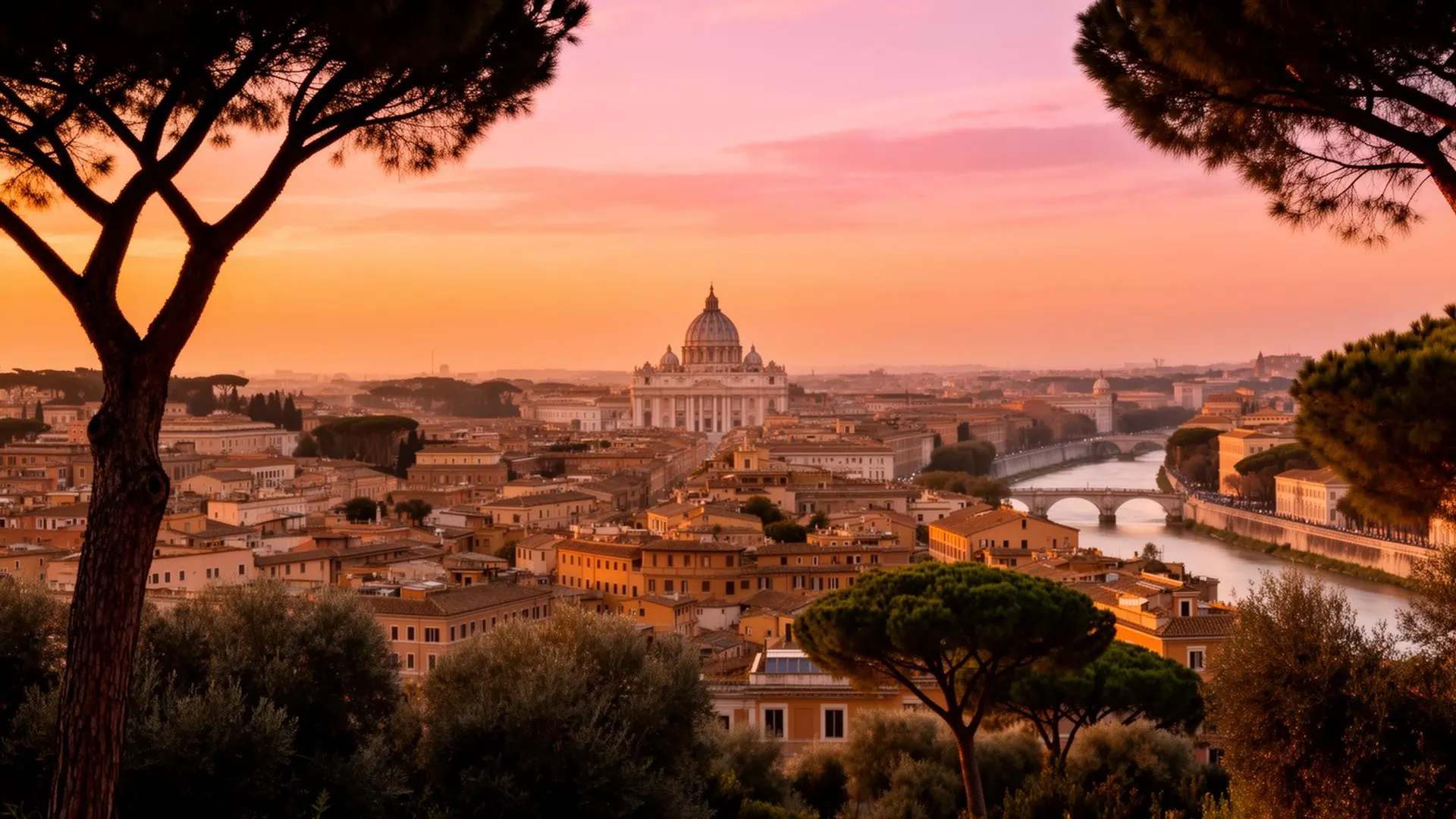
Get TicketsBook a TourHotels NearbyMonte Mario is the highest hill in Rome at 139 metres above sea level, north-west of the Vatican. It is a protected urban nature reserve of roughly 200–240 hectares of Mediterranean forest, with woodland paths and roadside belvederes offering wide free views — including the famous frame of Saint Peter's dome between two umbrella pines from the Piazzale Maresciallo Giardino belvedere. Access is free; walk the woodland in daylight.
Why visit Monte Mario?
Romans grow up knowing it. Tourists rarely find it. Monte Mario is the city's highest point — taller than every one of the famous Seven Hills — and from its western terrace the dome of St. Peter's appears framed exactly between two umbrella pines, with the Tiber bending around the Vatican below and the whole city spread out in terracotta. It is the most photographed view of Rome from above, yet on most evenings you will share the railing with a handful of locals and a single jogger.
Beyond the panorama there is a genuine nature reserve: roughly 200–240 hectares of holm oak, umbrella pine and mature cork oak, with foxes, woodland birds and quiet unpaved paths. At the summit stands the working Astronomical Observatory of Rome, with a small historic-instrument museum. At the foot of the hill is the Foro Italico marble stadium. For one evening of your trip — or one quiet morning — Monte Mario is the antidote to the central crowds.
The dome between the pines
The Belvedere frames St. Peter's dome among umbrella pines — a classic view of the city.
Higher than the Seven Hills
At 139 m, Monte Mario stands well above any of Rome's classical Seven Hills.
Around 200–240 hectares of urban forest
A large protected woodland managed by RomaNatura, with unpaved paths and varied birdlife.
Free and uncrowded
No tickets, no queues, no tour buses. Even at sunset in August you find a spot at the railing.
Height
139 m (Rome's highest)
Reserve area
~200–240 ha
Observatory since
1938
Park entry
Free
Visit time
1.5–3 hours
Location
Northwest Rome
Table of Contents
Jump to any section of the itinerary
From Mons Vaticanus to nature reserve
To the ancient Romans the hill had no name of its own — it was simply the northern continuation of the Mons Vaticanus, the long ridge that lay outside the city wall on the right bank of the Tiber. Vineyards, suburban tombs of the Domitia family, and the country estates of senators occupied the slopes. The future site of St. Peter's lay 2 km to the south.
In the early Middle Ages the wooded hillside became a bandit refuge, and the name 'Monte Malo' — the bad mountain — is attested in 1145. The modern name comes from the 15th-century Roman patrician Mario Mellini, who built the surviving Renaissance Villa Mellini on the summit around 1480. The villa is still there: it now houses the museum of the Astronomical Observatory.
In June 1849, during the short-lived Roman Republic, Garibaldi fortified Monte Mario as the city's northern bastion against the besieging French army of Louis-Napoleon. The defences fell after fierce fighting, and the Republic with them. Plaques on the southern slope still mark the Garibaldine positions.
The 20th century brought two transformations. In 1932 Mussolini's regime cleared the eastern foot of the hill to build the Foro Italico sports complex; in 1938 the Astronomical Observatory of Rome — founded by Pope Gregory XVI in 1847 at the Collegio Romano — was relocated to the Villa Mellini, where it has remained ever since. The Stadio Olimpico at the base hosted the 1960 Olympics and the 1990 World Cup final.
In 1997 the Italian state designated roughly 200–240 hectares of the hillside as the Riserva Naturale di Monte Mario, managed by the regional agency RomaNatura. In 2014 the disused freight railway on the Vatican side was converted into a paved cycle-pedestrian route leading to the separate Monte Ciocci viewpoint. Facilities inside the reserve itself remain minimal: bring water, and check RomaNatura for the current state of entrances and signage.
Monte Mario through the centuries
1st c. ADMons Vaticanus
Known to the Romans as the northern stretch of the Vatican ridge, outside the city wall. Used for vineyards and the suburban tombs of the Domitia gens.
1145Monte Malo / Monte Mario
First medieval mention as 'Monte Malo' — the bad mountain, because of the bandits who used the wooded slope. Renamed for Mario Mellini, a 15th-century Roman patrician who built the Villa Mellini on the summit.
1480Villa Mellini built
The Villa Mellini, a Renaissance country house, is built on the summit by Pietro Mellini. It still stands today and is the home of the Astronomical Observatory's museum.
1849Garibaldi's defence
During the Roman Republic, Garibaldi's troops fortify Monte Mario as the city's northern defensive bastion against the besieging French army.
1932Foro Italico opens
Mussolini's monumental sports complex is inaugurated at the eastern foot of the hill on land cleared from the Mellini estate.
1938Observatory moves to Monte Mario
The Osservatorio Astronomico di Roma — founded by Pope Gregory XVI in 1847 at the Collegio Romano — is relocated to the Villa Mellini on the summit, where it remains today.
1960Olympic Games
The Stadio Olimpico at the foot of the hill hosts the opening and closing ceremonies of the Rome Olympics.
1990Italia '90 World Cup
Stadio Olimpico hosts the FIFA World Cup final (Germany 1–0 Argentina).
1997Nature reserve created
Monte Mario is designated a 'Riserva Naturale Urbana' — roughly 200–240 hectares of protected Mediterranean forest, managed by RomaNatura.
2014Monte Ciocci cycle-pedestrian route
The disused freight railway on the Vatican side is converted into a cycle-pedestrian corridor linking the city to the Monte Ciocci viewpoint, a separate green area beside the reserve.
2026A free green viewpoint above the city
Monte Mario remains a freely accessible wooded hill with roadside belvederes over St. Peter's and the Tiber bend.
The viewpoints
Monte Mario has several roadside belvederes and open viewpoints; access and vegetation can affect the view. Each frames a different Rome.
The famous onePiazzale Maresciallo Giardino
Signposted simply 'Belvedere'. A well-known frame of St. Peter's dome among umbrella pines. South-west aspect — good for sunset. Free, roadside access (limited parking).
Highest pointZodiaco terrace — 139 m
At the top of Viale del Parco Mellini, near the summit. Wide outlooks including the Janiculum, Aventine and Castelli Romani. The long-standing Zodiaco bar-restaurant sits nearby; check its current opening before relying on it.
Best for sunset photosAround the Observatory
Open ground near the dome of the Astronomical Observatory, with a western aspect — St. Peter's dome silhouettes against the sunset. Access arrangements can change; the observatory itself is visited by booking. Avoid isolated forest paths after dark.
Family / wheelchairBelvedere di Monte Ciocci — 110 m
A separate hill and park beside the reserve, reached by the paved former-railway cycle-pedestrian route. Level and stroller-friendly.
Walking inside the reserve
Access is free, but the reserve is not a waymarked hiking park: paths are unpaved, signage is patchy and route names used online are not always shown on the ground. Use an offline map and allow extra time.
Popular starting points are Largo Cervinia on the Balduina side and the roads climbing from Via Trionfale. From there you can reach the belvederes on foot in 15–30 minutes depending on where you start.
Surfaces are earth and gravel, muddy after rain, and there are steep sections. Wear proper shoes, carry water and turn back before dusk.
What to see & do at Monte Mario
A curated guide to the reserve — viewpoints, the observatory, the wildlife, the trails and the Foro Italico at the base.
The viewpoints — different framings of the same city
- Piazzale Maresciallo Giardino — the roadside terrace signposted 'Belvedere', which frames St. Peter's dome between umbrella pines. Free and reached directly from the street.
- Viale del Parco Mellini — the road climbing towards the summit (about 139 m) offers wider outlooks over the Janiculum and, on clear days, the hills south of Rome.
- The area around the astronomical observatory — good for late-afternoon photographs of St. Peter's silhouetted against the western sky. Access to the observatory itself depends on its visit programme.
- Belvedere di Monte Ciocci — a separate viewpoint and green area on the adjacent hill, linked to the Vatican side by a cycle-pedestrian corridor built on the former freight railway. It is not part of the reserve's internal paths.
The Astronomical Observatory & Astronomical Museum (Museo Astronomico Copernicano)
- The Osservatorio Astronomico di Roma was founded by Pope Gregory XVI in 1847 and moved to its current Monte Mario site in 1938 — the historic dome on the summit is its emblem.
- The on-site Museo Astronomico Copernicano holds historic astronomical instruments, armillary spheres and globes; consult the observatory's own catalogue for what is on display.
- Visits run on scheduled days by advance booking through INAF. Check inaf.it for current opening days, prices and evening sky-watching events.
- Views from the summit area are enjoyed from public roads and clearings around the observatory; access arrangements can change.
The Riserva Naturale di Monte Mario — what grows and lives here
- The protected Monte Mario landscape covers roughly 200–240 hectares, depending on the boundary definition used, and is managed by RomaNatura.
- Dominant trees: holm oak (leccio), Aleppo pine, umbrella pine, downy oak, and mature cork oaks (sughera) in the upper sections.
- Wildlife includes red foxes, hedgehogs, beech martens, wall lizards and a varied woodland bird population — consult RomaNatura for documented species lists.
- Spring (April–May) brings cyclamens, wild flowers and the scent of broom in flower — the reserve at its richest.
Walking in the reserve
- Paths run through the woodland between the Balduina side, Largo Cervinia and the summit area; surfaces are unpaved and can be muddy after rain.
- Signage is limited and not consistently multilingual — download an offline map before you set off and treat any route timings as approximate.
- For a documented route, ask RomaNatura for its current reserve map rather than relying on third-party trail names.
- Walk in daylight: the woodland is unlit, and the road-side viewpoints are the easiest option in the evening.
Foro Italico — at the foot of the hill
- Mussolini-era sports complex (1932) at the eastern base of Monte Mario, on the Tiber. Approached up the marble Viale del Foro Italico past the 17.5-m monolith inscribed 'DVX'.
- Stadio dei Marmi — an open-air stadium ringed by 60 monumental marble statues of male athletes, one donated by each Italian province in 1932. Free to enter.
- Stadio Olimpico — Italy's largest stadium (70,000 seats), home of AS Roma and SS Lazio; on match days the trail down the hill becomes part of the football pilgrimage.
- Piazzale dell'Impero — a broad mosaic-paved boulevard with black-and-white floor mosaics depicting fascist propaganda scenes — controversial but historically significant urban art.
The Astronomical Observatory of Rome
Museo Astronomico Copernicano
- • Entry and visit days: check oa-roma.inaf.it
- • Guided visits on scheduled days, advance booking required
- • Historic telescopes, 16th–18th c. instruments, antique globes
- • Booking: oa-roma.inaf.it
Public sky-watching nights
- • Periodic evening openings, mostly spring to autumn
- • Booking well ahead is essential — places are limited
- • Live observation of Moon, Saturn, Jupiter, deep-sky objects
- • Views from the surrounding public areas are free
Cost & opening hours in 2026
Park & viewpoints
- • Nature reserve: free to enter
- • All paths and roadside viewpoints: free
- • Walk the woodland in daylight only
- • Monte Ciocci route (adjacent hill): paved and level
Practical notes
- • No ticket required for any part of the park
- • No food or drink kiosks inside the reserve
- • Facilities inside the reserve are minimal — plan ahead
- • Dogs welcome on lead; off-lead area at Largo Cervinia
Rome's panoramic viewpoints compared
| Viewpoint | Height | View | Crowds | Cost |
|---|---|---|---|---|
| Monte Mario (Belvedere) | ~130 m | Wide, atmospheric, dome-centred | Very low | Free |
| Janiculum (Gianicolo) | 89 m | Closer, more architectural detail | Medium | Free |
| Aventine (Giardino degli Aranci) | 47 m | Forum & Trastevere foreground | High | Free |
| Vittoriano terrace | 70 m | 360° city centre, Forum below | High | €10 |
| St. Peter's dome | 136 m | Vatican gardens & city eastward | Very high | €10 |
Monte Mario is the only one that offers altitude, silence and the dome of St. Peter's all at once — and it is free.
Best time to visit
Sunset
The famous moment. Arrive 45 minutes before sunset to claim a spot at the Belvedere. Stay through the 20-minute blue hour, but remain on public roads and clearly accessible belvedere areas as it gets dark.
Sunrise
06:00–08:00. Eastern light hits the city centre, reverse panorama. Best for serious bird-spotting in the reserve. Almost no people.
Best season
April–June and September–October. Spring brings cyclamens and wild orchids; autumn brings crisp air and the longest visibility (Alban Hills clearly visible).
Getting there
By regional train (recommended)
FL3 line from Roma Ostiense, Trastevere or San Pietro to 'Roma Monte Mario' or 'Roma Balduina'. Every 15 min, €1.50, 8–15 minutes. 5-minute walk to a reserve entrance from either station.
By metro + bus
Metro A to Ottaviano (Vatican), then bus 990 or 913 to Largo Cervinia (15 min). Slower but useful from the Spanish Steps / Termini side of town.
By tram + bus
Tram 2 from Piazzale Flaminio along Lungotevere Diaz to the Foro Italico (foot of the hill, 15 min). Then walk up Viale del Foro Italico (steep, 25 min) or bus 32 to Piazzale Maresciallo Giardino.
By car or taxi
Free street parking at Largo Cervinia or Piazzale Clodio is usually available outside rush hour. Taxi from the centre €15–€20. Drop-off at Piazzale Maresciallo Giardino is the easiest option for the Belvedere only.
Common mistakes first-timers make
1. Confusing Monte Mario with the Janiculum
They are two different hills, 4 km apart, on the right bank of the Tiber. Monte Mario is higher and further north; the Janiculum is closer and more central. If you only have time for one and you want a quick view, choose the Janiculum. If you want altitude and silence, choose Monte Mario.
2. Coming for sunset and arriving at sunset
The light starts changing 45 minutes before official sunset. By the time you arrive, the warmest tones are gone. Plan to be at the Belvedere with at least 45 minutes' margin.
3. Walking up from Foro Italico in summer
The eastern slope is very steep, unshaded and brutal in July–August. Take the FL3 train to the top instead and walk down at sunset.
4. Expecting cafés or shops in the reserve
There are none. Bring water and snacks. The first cafés are at Largo Cervinia (west) or down at Foro Italico (east).
5. Visiting after dark off the main viewpoints
Avoid isolated forest paths after dark. For sunset, remain on public roads and clearly accessible belvedere areas, such as the Belvedere or the Observatory roadside area.
Insider tips
- Take the FL3 train one stop further to 'Roma Balduina' instead of 'Roma Monte Mario' — it deposits you above the hill, so you walk downhill rather than up.
- For the cleanest 'dome between the pines' shot, stand at the second railing on the right of the Belvedere — about 20 m past the main parapet.
- Bring a 70–200 mm telephoto if you have one — the dome of St. Peter's is 4 km away and is much more imposing through a long lens.
- The neighbourhood pizzerias of Quartiere Balduina (Via della Balduina) are excellent for dinner after a sunset walk — locals only, no tourist menus.
- Check INAF's website 2 weeks before travel for sky-watching nights at the Observatory (most Fridays April–October) — €10, sells out fast.
- The paved Monte Ciocci route on the adjacent hill is an easy free family walk in north-west Rome — flat and stroller-friendly.
Where to Stay Near Monte Mario
Looking for convenient accommodation near Monte Mario? Stay within walking distance to make the most of your visit.
Hotels Near This AttractionTop Rated HotelsBudget-Friendly OptionsLuxury HotelsCentral locations with easy access to Monte Mario and other attractionsFrequently Asked Questions
What is Monte Mario and where is it?
Monte Mario is the highest hill in Rome at 139 metres above sea level, in the north-west of the city, north of the Vatican and west of the Tiber. It is a protected urban nature reserve (Riserva Naturale di Monte Mario) covering roughly 200–240 hectares of Mediterranean forest, with roadside belvederes offering wide free views — including the famous frame of St. Peter's dome between two umbrella pines.
Is Monte Mario one of the Seven Hills of Rome?
No — and that surprises many visitors. The classical Seven Hills (Aventine, Caelian, Capitoline, Esquiline, Palatine, Quirinal, Viminal) all lay inside the original city walls and are all under 60 m high. Monte Mario lies outside the ancient city, on the right bank of the Tiber, and at 139 m it is considerably higher than any of the seven.
Is Monte Mario free to visit in 2026?
Yes. The reserve and the roadside belvederes are free to visit. Woodland paths are best walked in daylight, and the reserve is not intended for night-time use. You only pay if you book a visit to the Astronomical Observatory's museum or attend a sky-watching evening — check inaf.it for current prices.
How do I get to Monte Mario from central Rome?
The most reliable way is the FL3 regional train from Roma Ostiense / Trastevere / San Pietro stations to 'Roma Monte Mario' or 'Roma Balduina' — both are 5 minutes' walk from a reserve entrance. By metro, take Line A to Ottaviano then bus 990 or 913 to Largo Cervinia. By car, free street parking at Largo Cervinia or Piazzale Clodio is usually available outside rush hour.
What is the famous view from Monte Mario?
The 'Belvedere' at Piazzale Maresciallo Giardino is one of several roadside viewpoints framing the dome of St. Peter's Basilica among umbrella pines — a well-known view of Rome from above. From nearby you also see the Tiber's bend, the rooftops of Prati, the Janiculum, and on clear days the Castelli Romani 25 km south.
When is the best time to visit Monte Mario?
Sunset is the famous moment — the dome of St. Peter's glows orange-pink against the western sky. Arrive 45 minutes before sunset to claim a spot at the Belvedere. For photography, sunrise (eastern light on the city) and the 20-minute blue hour after sunset are equally rewarding. Avoid isolated forest paths after dark. For sunset, remain on public roads and clearly accessible belvedere areas.
How long should I plan for Monte Mario?
1 hour if you only want the Belvedere viewpoint. 2 hours if you add a woodland walk. 3 hours for the belvederes, the observatory exterior and the Foro Italico at the base. Allow a half-day if you also book a visit to the observatory museum.
Are the trails safe?
Stick to daylight. The most used paths are busy with joggers and dog-walkers from dawn to dusk. After dark the woodland is unlit and isolated — leave before sunset unless you are at one of the official viewpoints, which are open and visible from the road.
Is Monte Mario accessible for wheelchairs and strollers?
Partly. The Belvedere (Piazzale Maresciallo Giardino) is reached by car or bus and is fully paved and level. The Monte Ciocci cycle-pedestrian route on the adjacent hill is paved and level. The forest trails inside the reserve are unpaved and unsuitable. The Largo Cervinia parking area is the best drop-off point.
Can I visit the Astronomical Observatory?
Yes, the Museo Astronomico Copernicano runs visits on scheduled days by advance booking through INAF. Check inaf.it for the current calendar, admission prices and sky-watching evenings, which are run periodically and fill up quickly.
Is the hill family-friendly?
Excellent for families. Children love the views, the woodland walk, the wildlife (foxes, hedgehogs, woodland birds), the paved Monte Ciocci route and the Stadio dei Marmi marble statues at the foot of the hill. There is an open meadow at Largo Cervinia for picnics. Bring water — there are no shops inside the reserve.
Are dogs allowed?
Yes. Dogs are welcome throughout the nature reserve and must be kept on a lead on marked trails. There is a dedicated off-lead area near the Largo Cervinia entrance. Bring water for your dog — facilities inside the reserve are limited.
Is there food or drink in the reserve?
No — there are no cafés or kiosks inside the nature reserve. Bring your own water. The Quartiere Balduina at the western edge has supermarkets and pizzerias 5–10 minutes' walk from the trailheads. Foro Italico at the eastern foot has several restaurants on Lungotevere Maresciallo Diaz.
How does Monte Mario compare with the Janiculum (Gianicolo)?
Both are right-bank panoramic hills, but Monte Mario is 50 m higher (139 m vs 89 m) and 4 km further north. The Janiculum offers a closer, more architectural view of central Rome (Pantheon, Vittoriano, Trastevere) and is more accessible. Monte Mario offers a wider, more atmospheric view dominated by St. Peter's dome and is far less crowded. Both are free; combine them on different days.
Can I see Monte Mario from the city centre?
Yes — the white silhouette of the Astronomical Observatory dome on the wooded summit is visible from many central viewpoints, including the top of the Vittoriano, the Janiculum, the Spanish Steps and the rooftop of Castel Sant'Angelo. It is the easiest way to orient yourself when looking north-west.
Is Monte Mario worth visiting if I only have 3 days in Rome?
Honestly, only if you have a clear evening and a passion for views. With 3 days, the Janiculum (closer to Trastevere) gives 80% of the experience for 30% of the travel time. Monte Mario rewards a 4th or 5th day, a sunset photographer, or a visitor staying in Prati / Balduina.
Related Attractions
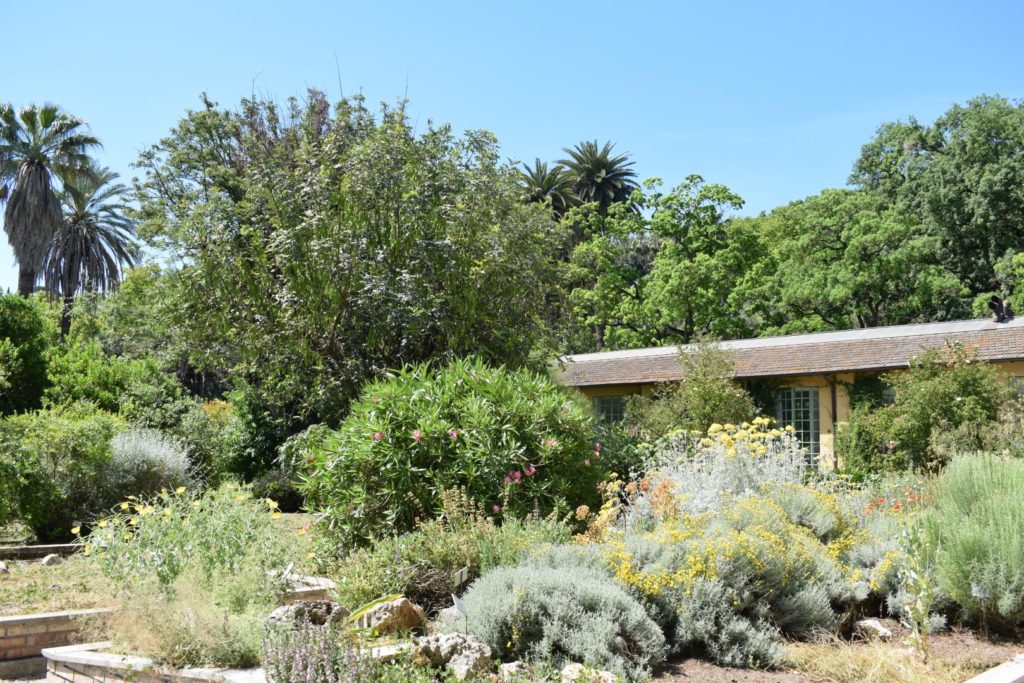
Orto Botanico
12-hectare botanical paradise with Japanese garden
Explore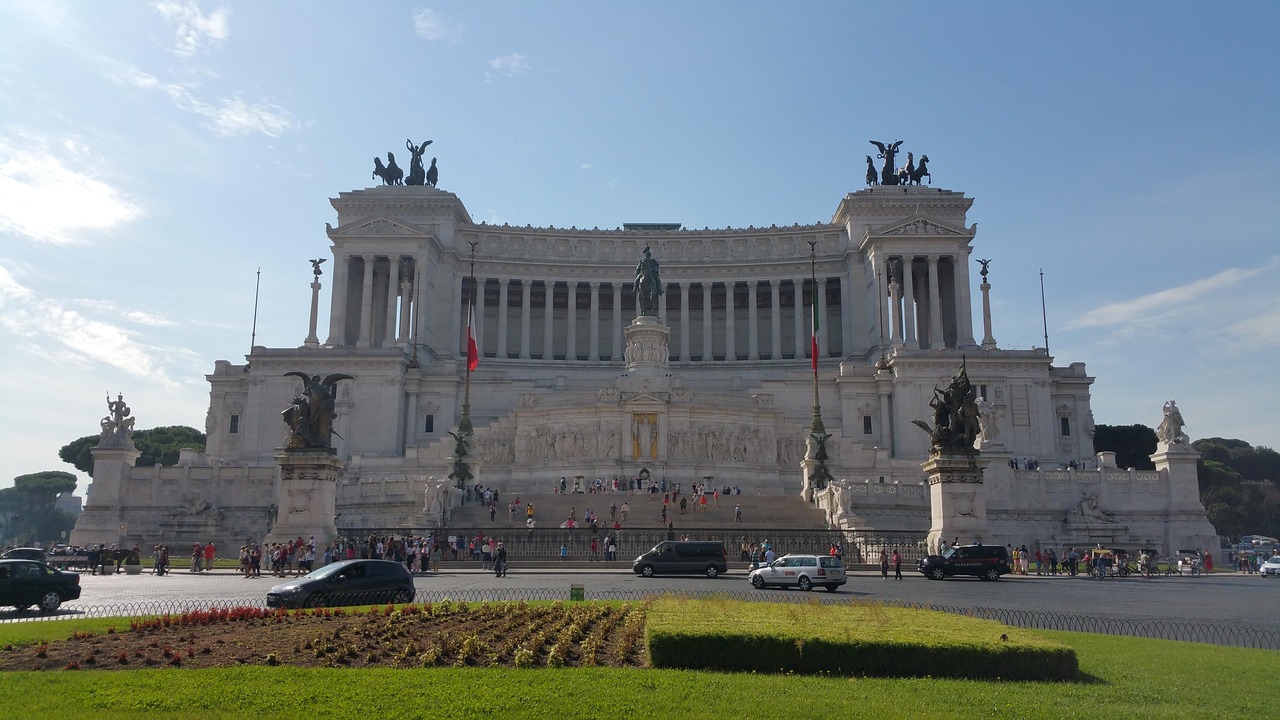
Victor Emmanuel Monument
The 'Wedding Cake' with spectacular 360° rooftop views
Explore
Protestant Cemetery
Romantic poets Keats and Shelley rest in this peaceful garden beside the Pyramid
Explore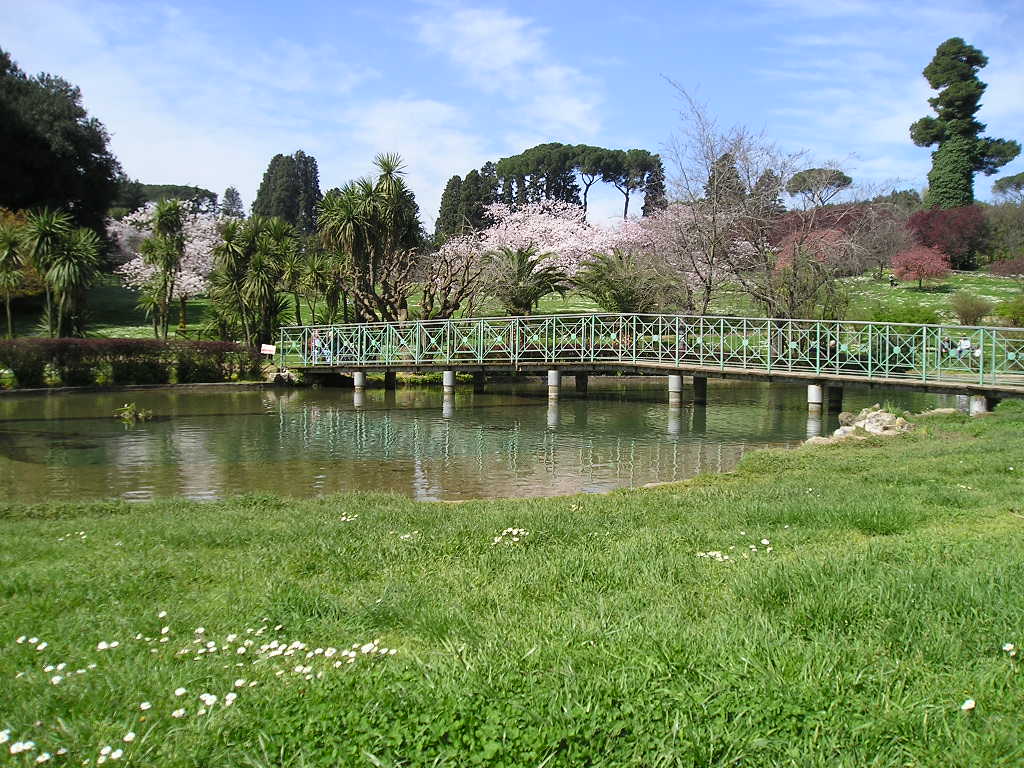
Villa Torlonia
Eclectic noble estate with Art Nouveau Owl House and Mussolini's former residence
Explore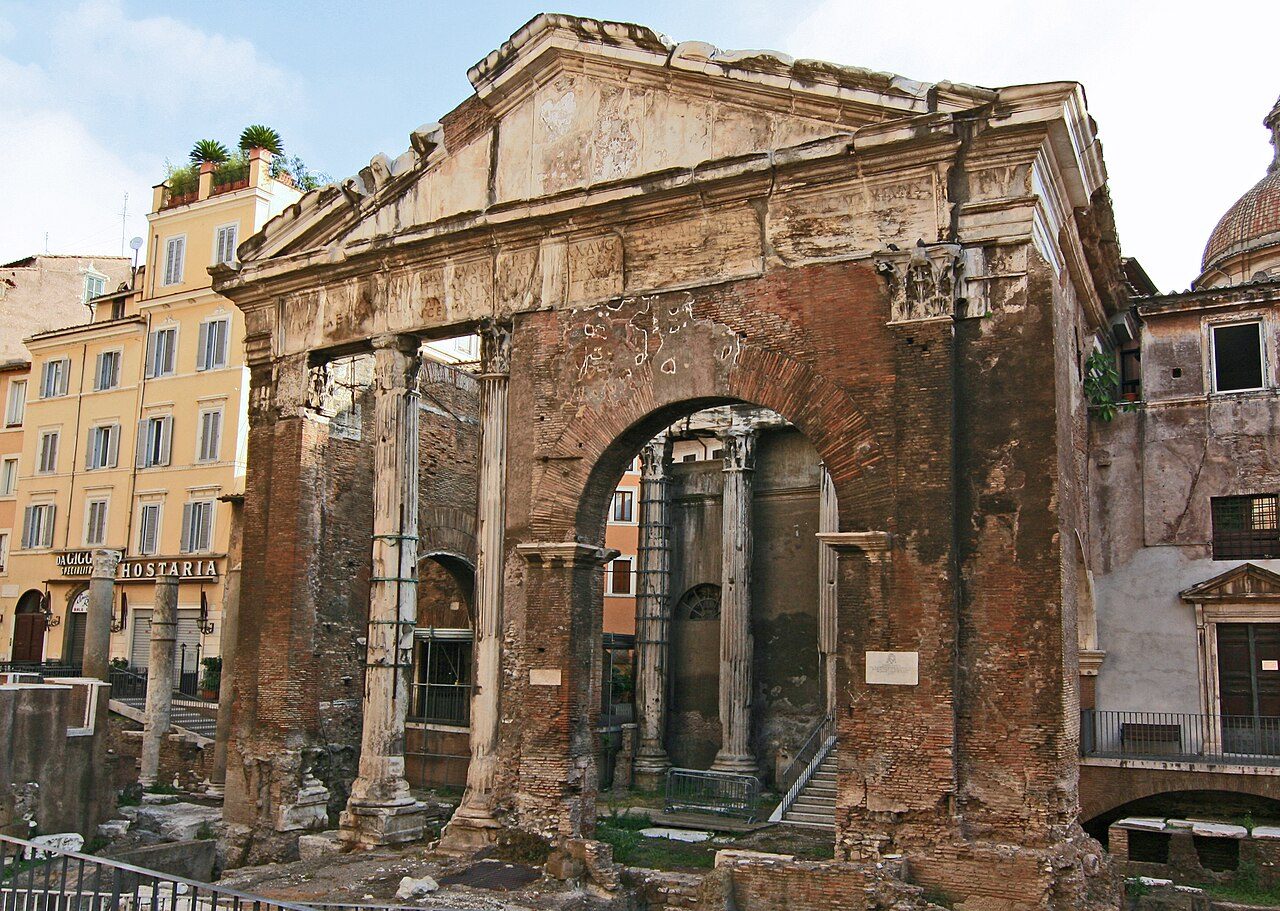
Portico of Octavia
Ancient Roman portico and gateway to the Jewish Ghetto
Explore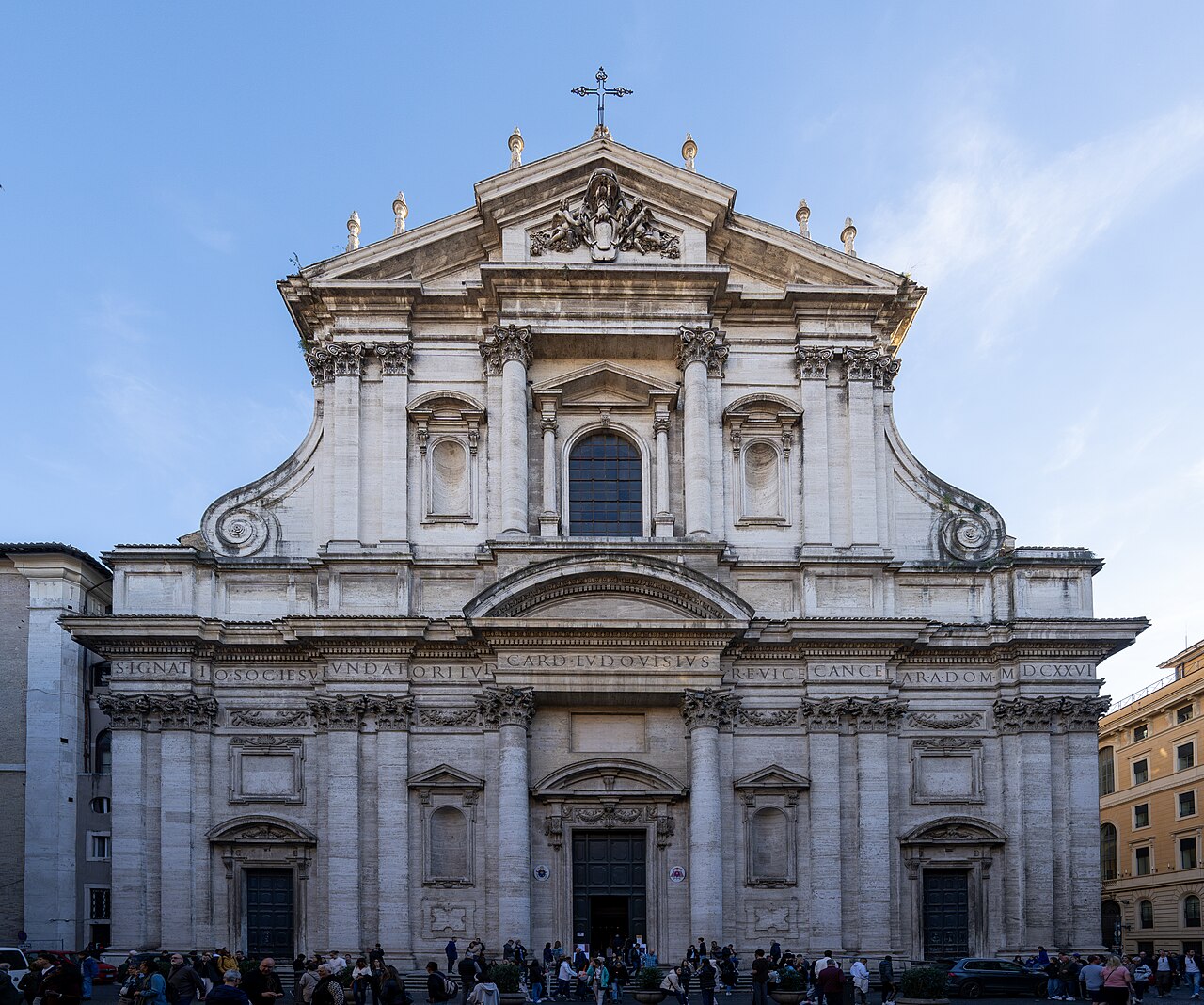
Sant'Ignazio di Loyola
Rome's most spectacular trompe-l'œil ceiling illusion
ExploreQuick Planning Guide
⏱️ Time Needed
1.5–3 hours
💰 Cost
Free (Observatory €6)
🎫 Reservation
Not required
♿ Accessibility
Belvedere & Monte Ciocci accessible
📅 Best Time
45 min before sunset
👨👩👧👦 Family Friendly
Yes — excellent for kids
Nearby Attractions
Foro Italico & Stadio dei Marmifoot of hill
Stadio Olimpico10-min walk
Vatican City15 min by bus
Quartiere Balduina5-min walk
Castel Sant'Angelo20 min by bus
Featured In These Itineraries
Hidden Gems of Rome5 Day Rome ItineraryFree Rome ItineraryEssential Tips
- ✓ Free to visit — no booking needed
- ✓ Arrive 45 min before sunset for the Belvedere
- ✓ Bring water — no shops inside the reserve
- ✓ FL3 train is faster than bus from the centre