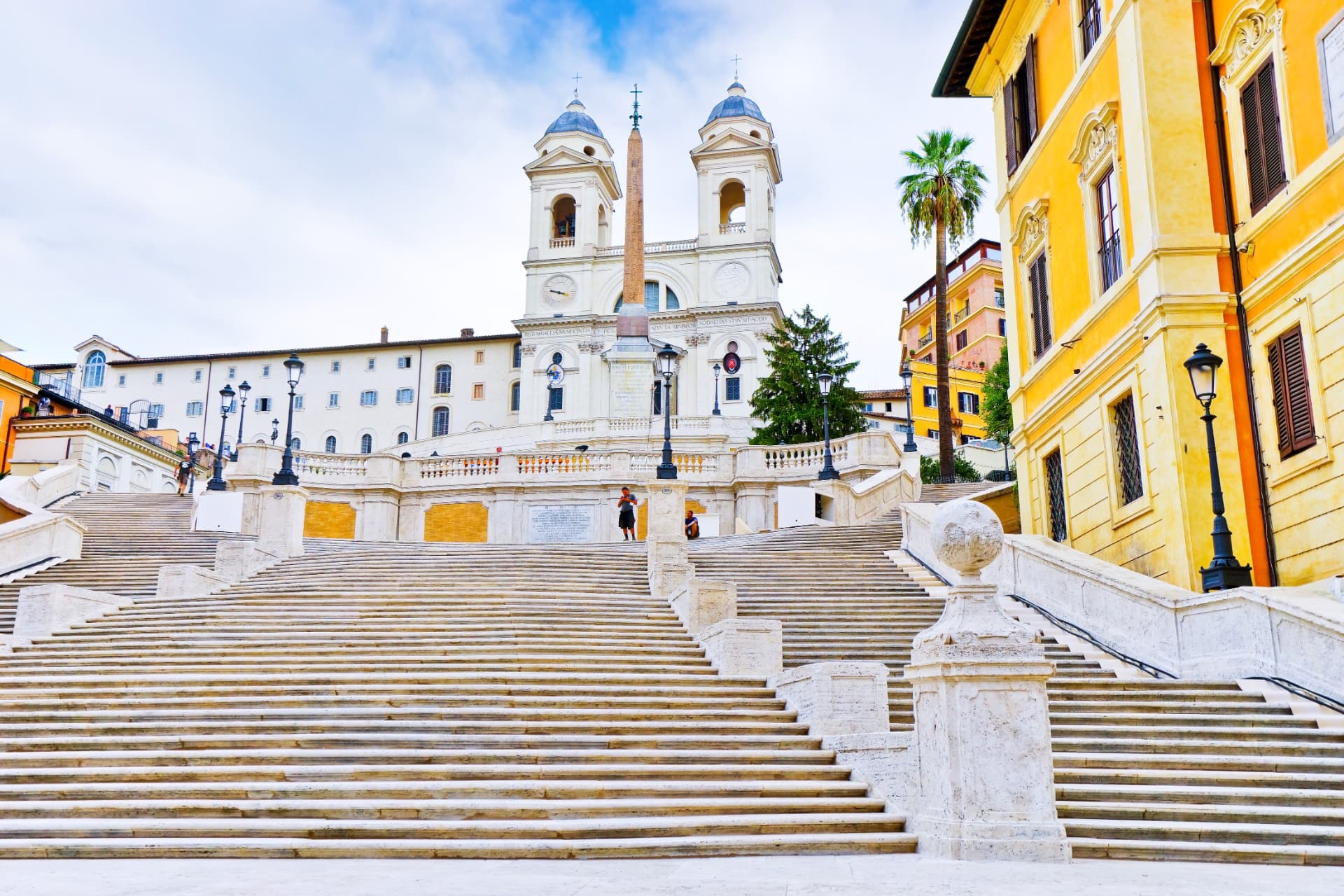
 ChurchFree Entry
Trinità dei Monti Church: What to See Above the Spanish Steps
Visit the French church above the Spanish Steps for Daniele da Volterra’s art, its twin-towered setting and practical access advice, without confusing church and convent tours.
Renaissance artPublic visitingPiazza della Trinità dei Monti, RomeOpen on MapBy AllTrips Rome Editorial Team ·
Is Trinità dei Monti worth visiting?
Yes for visitors interested in Renaissance church art and the religious setting above the Spanish Steps. The twin towers are familiar from photographs, but the interior adds works by Daniele da Volterra and the story of a French institution in Rome. It is a compact church visit, not a vast museum or an all-access tour of the adjoining convent.
Choose it because you want to look at the art and understand the place, not simply because every landmark must be entered. If a service is taking place, respect worship and return during tourist visiting. Seeing the façade from the upper square still explains how the staircase’s composition is anchored at the top.
| Priority | What fits |
|---|---|
| Renaissance painting | Works by Daniele da Volterra |
| Architecture | Twin towers, the nave and upper-square setting |
| Convent frescoes and optical works | A separate arranged visit, not ordinary church entry |
| A staircase photograph | Exterior view from the piazza or Steps |
| Wheelchair-suitable visit | Confirm the approach and entrance directly first |
Daniele da Volterra: Deposition and Assumption
The official Rome tourism description identifies Daniele da Volterra’s Deposition as a major work in the church and also names his Assumption. Spend time with how the figures relate to one another: the religious narrative is organised through gestures, bodies and the placement of the main scene rather than simply through decoration.
Do not confuse the Deposition here with Raphael’s painting in the Borghese Gallery. They are different works in different institutions. Tourist access to a chapel or a close view can vary with services, conservation or local arrangements; follow signs and avoid promising that every illustrated work will be visible without obstruction.
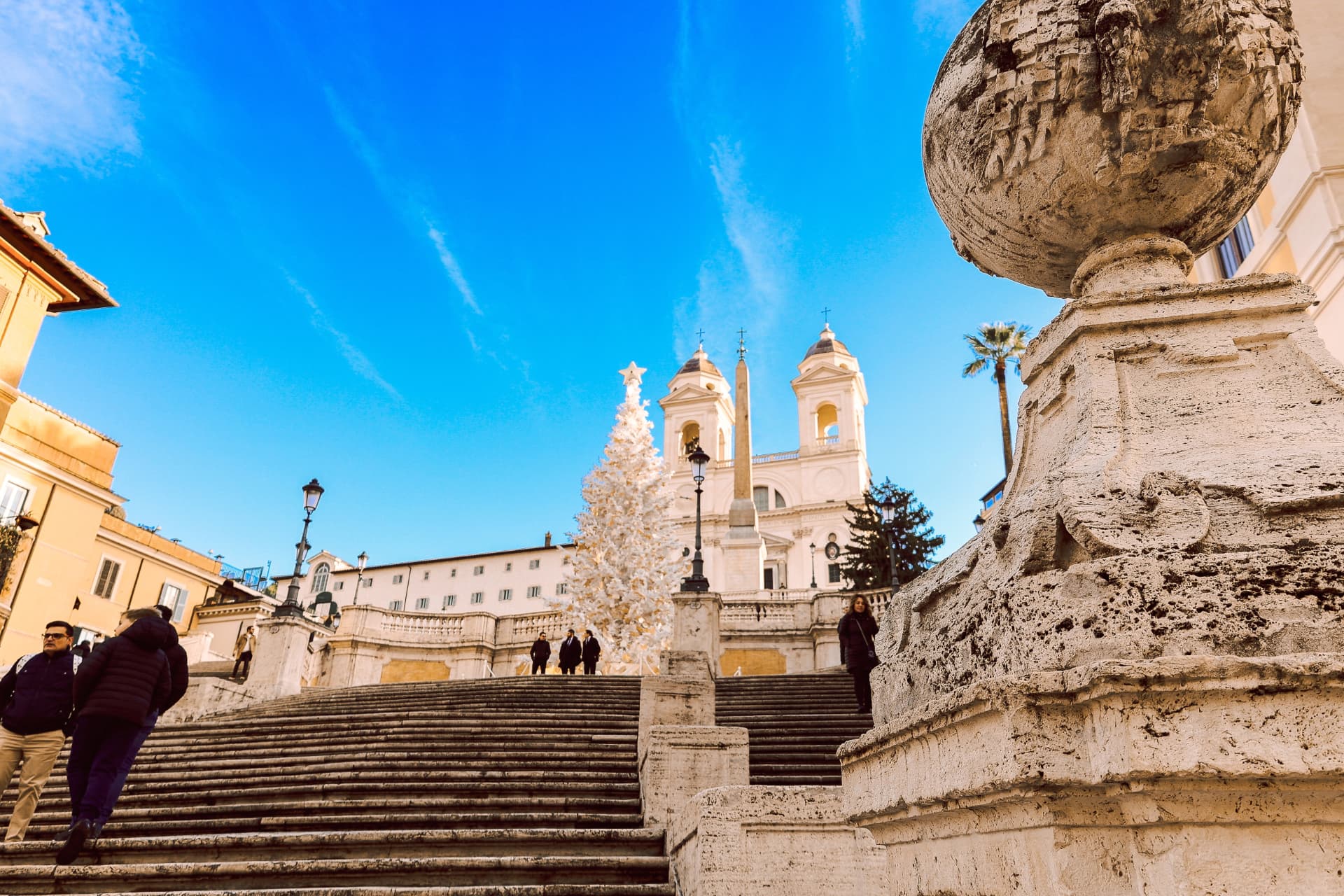
A French church above the lower city
The oldest Gothic part of the church was built between 1502 and 1519, according to Turismo Roma. Later additions changed the nave and façade, with the symmetrical bell towers becoming the landmark’s defining exterior feature. The convent’s foundation is associated with Francesco di Paola and French royal patronage.
The church predates the eighteenth-century staircase. That sequence matters: the Steps did not create the religious establishment, but finally gave the hill a monumental connection with the square. The name Trinità dei Monti identifies the Holy Trinity and the hill setting; it is not another name for a Spanish church.
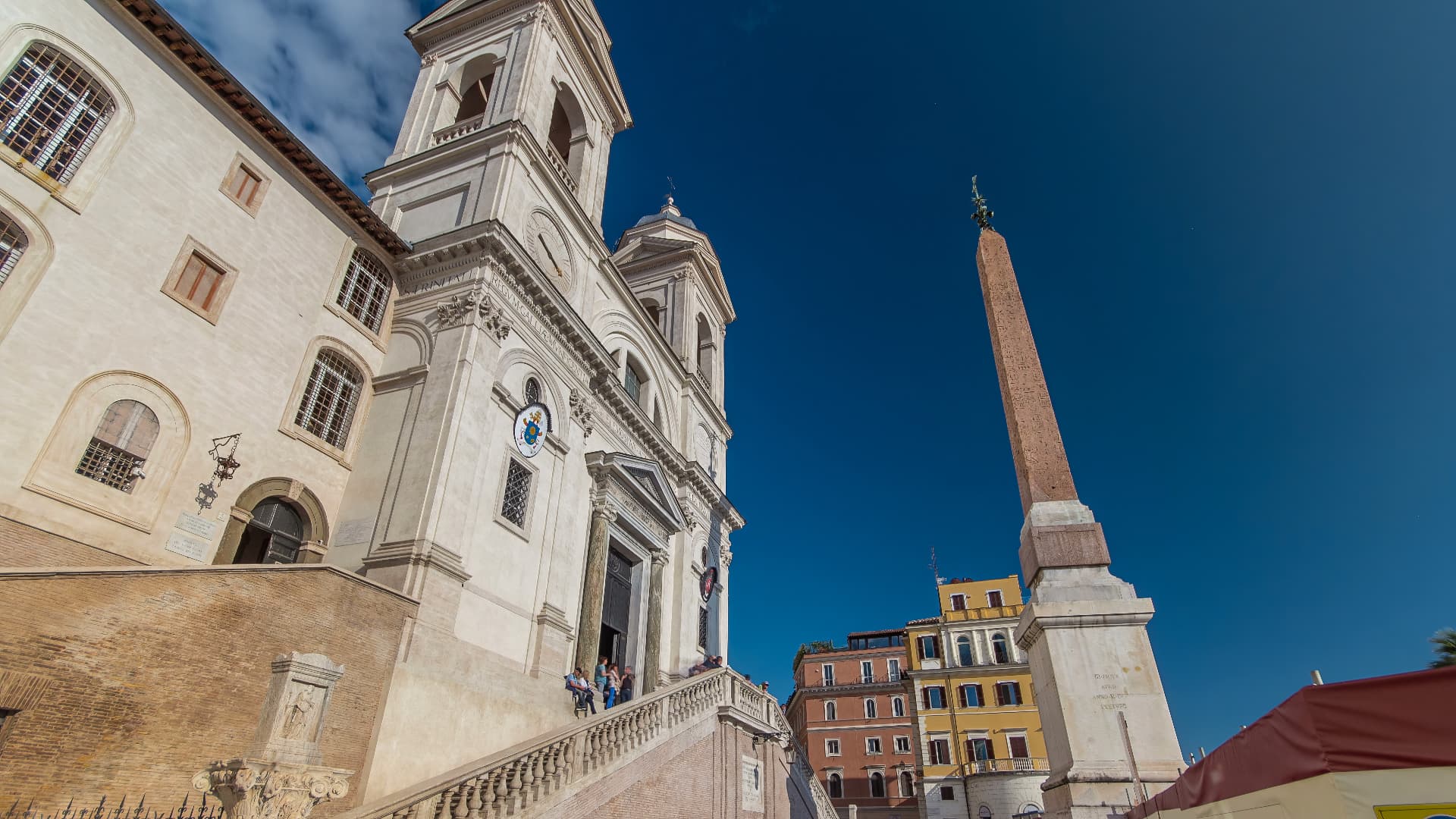
Church entry is not a convent tour
The adjoining convent contains a different group of artistic and scientific works. The official tourism page describes cloister frescoes, anamorphic images, an astrolabe and Andrea Pozzo’s illusionistic Marriage at Cana in the refectory. The Mater Admirabilis belongs to the convent’s religious and artistic setting as well.
Do not tell readers they can wander freely from the church through all those rooms. The community’s official website separates the church, guided convent visits and the Mater Admirabilis chapel. If those works are your priority, consult the current visit arrangement and reserve when required. Ordinary tourist access to the church does not replace that booking.
Opening arrangements and worship
The church’s practical-information page currently lists Monday, Tuesday, Thursday, Friday and Saturday 10:15–19:45; Wednesday 12:00–19:45; and Sunday 09:00–19:30. These are the published opening spans checked October 2026, not uninterrupted sightseeing hours: visits are suspended during services.
Check the live schedule shortly before arrival. Religious events and local changes can override a general timetable. Dress appropriately for a church, keep voices low, silence your phone and follow any photography restrictions. Participation in worship is different from walking around to inspect art.
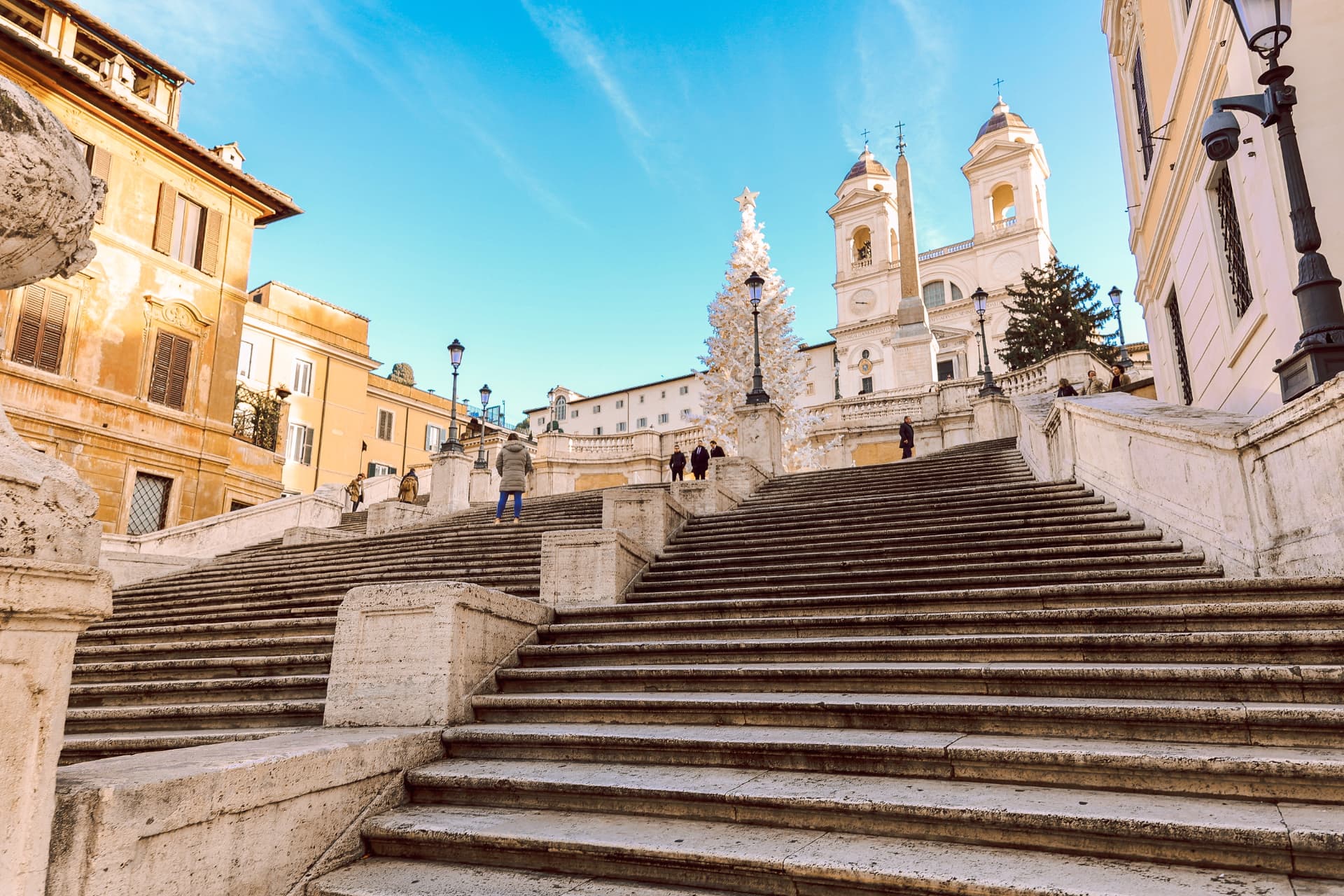
Arrival, the upper square and accessibility
The church is above the Steps on Piazza della Trinità dei Monti. Climbing the staircase reaches the upper level, but the ascent is not step-free. A street approach that avoids the stairs can still be steep, uneven or unsuitable for a particular mobility aid.
We have not verified a continuous wheelchair-suitable journey from the lower piazza to the church interior. Contact the church about its entrance and assistance, and check ATAC before relying on station equipment. The dedicated arrival guide separates lower-square access from reaching this hilltop level.
Common mistakes
Do not treat the convent treasures as part of a free, unrestricted church visit, assume a service allows tourist photography, or transfer Villa Medici’s rules to this separate religious institution. The church, convent and Academy have different entrances and visitor arrangements.
If your main goal is a wide panorama, Pincio is a different viewpoint. If your main goal is literature, the Keats–Shelley House is below the staircase. Choose the church for its own art and religious identity rather than forcing unrelated attractions into one visit.
Official sources and verification notes
Sources reviewed October 2026. Historical and programme information is separated from live availability. No current museum tariff or operating hilltop lift is claimed where direct confirmation was unavailable.
Frequently asked questions
- What is the church above the Spanish Steps?
- It is the Church of the Santissima Trinità dei Monti, a French religious institution above Piazza di Spagna.
- What art should you look for?
- The official tourism description highlights Daniele da Volterra’s Deposition and Assumption.
- Can you visit the convent freely from the church?
- Do not assume so. The church, guided convent visits and chapel access have separate arrangements on the community’s website.
- Are church visits allowed during services?
- The official practical page says tourist visits are suspended during services.
- Is the route from the piazza step-free?
- The staircase is not step-free. Street alternatives and the church entrance need individual accessibility checks.
More Spanish Steps guides
- Spanish Steps in Rome: What to See, History and Visiting Tips
- Are the Spanish Steps Free? Tickets, Sitting Rules and Visiting Advice
- Spanish Steps History: Why They Were Built and How They Got Their Name
- Best Time to Visit the Spanish Steps: Crowds, Photos and Evening Visits
- What to See Near the Spanish Steps: Attractions and Walking Map
- Keats–Shelley House in Rome: What to See and Is It Worth Visiting?
- How to Get to the Spanish Steps: Metro, Walking Routes and Step-Free Approaches
- Spanish Steps to Trevi Fountain and the Pantheon: Walking Route and Stops
- Shopping Near the Spanish Steps: Via Condotti, Via del Babuino and Beyond
- Spanish Steps to Villa Borghese: Walking Route via Pincio Terrace
- Villa Medici, Spanish Steps and Pincio: A Half-Day Walking Itinerary
Related Attractions
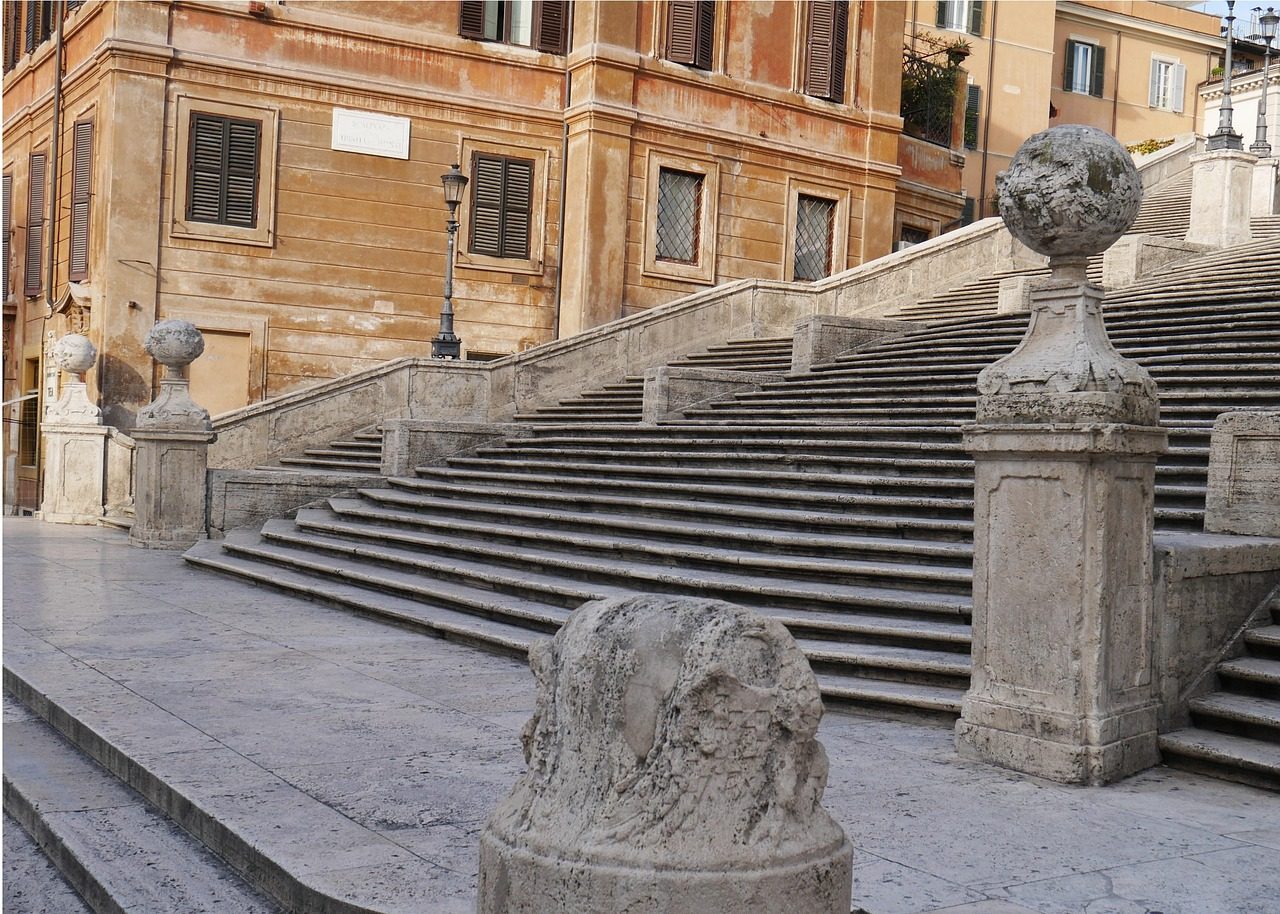
Spanish Steps
Famous Baroque stairway to Trinità dei Monti church
ExploreKeats-Shelley House
Where poet John Keats died—Romantic poetry memorabilia at Spanish Steps
Explore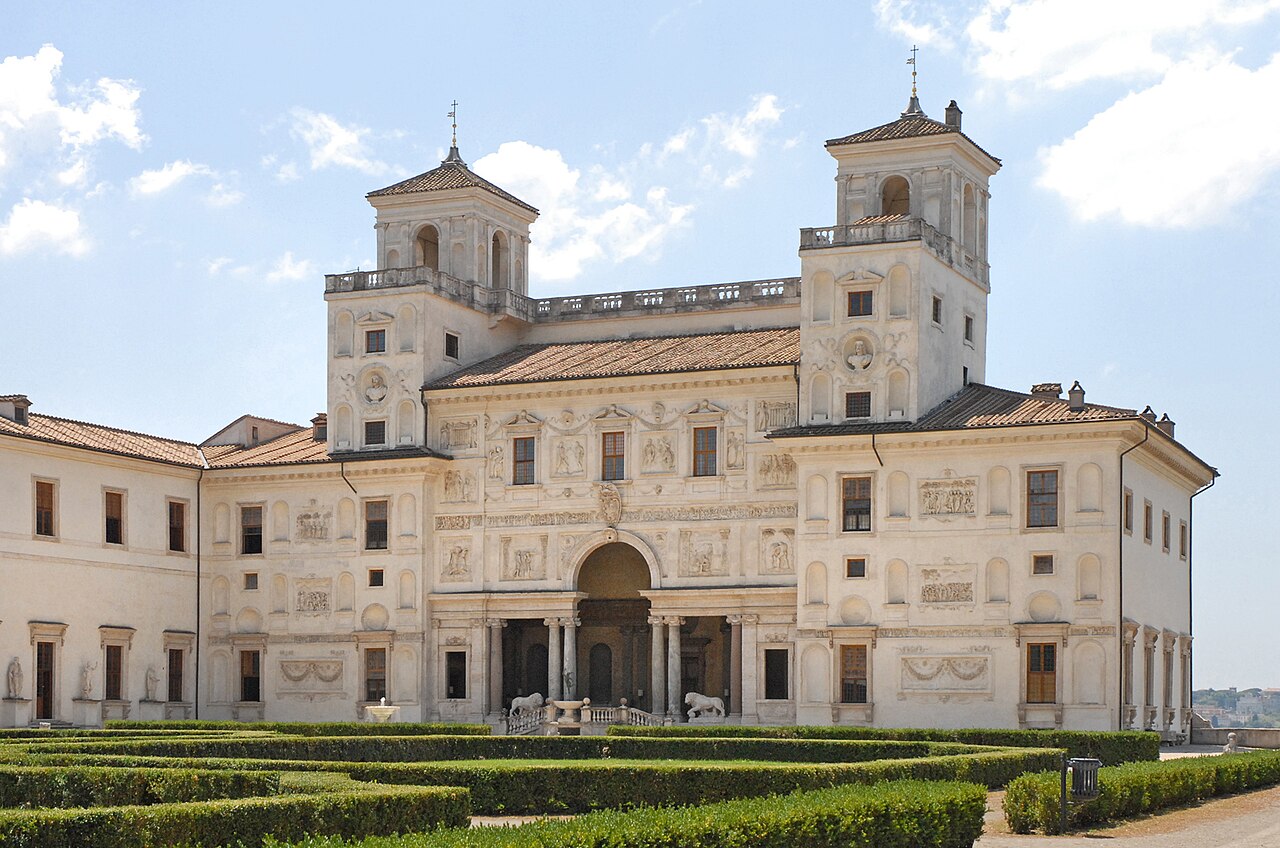
Villa Medici
Renaissance masterpiece on Pincian Hill—French Academy
Explore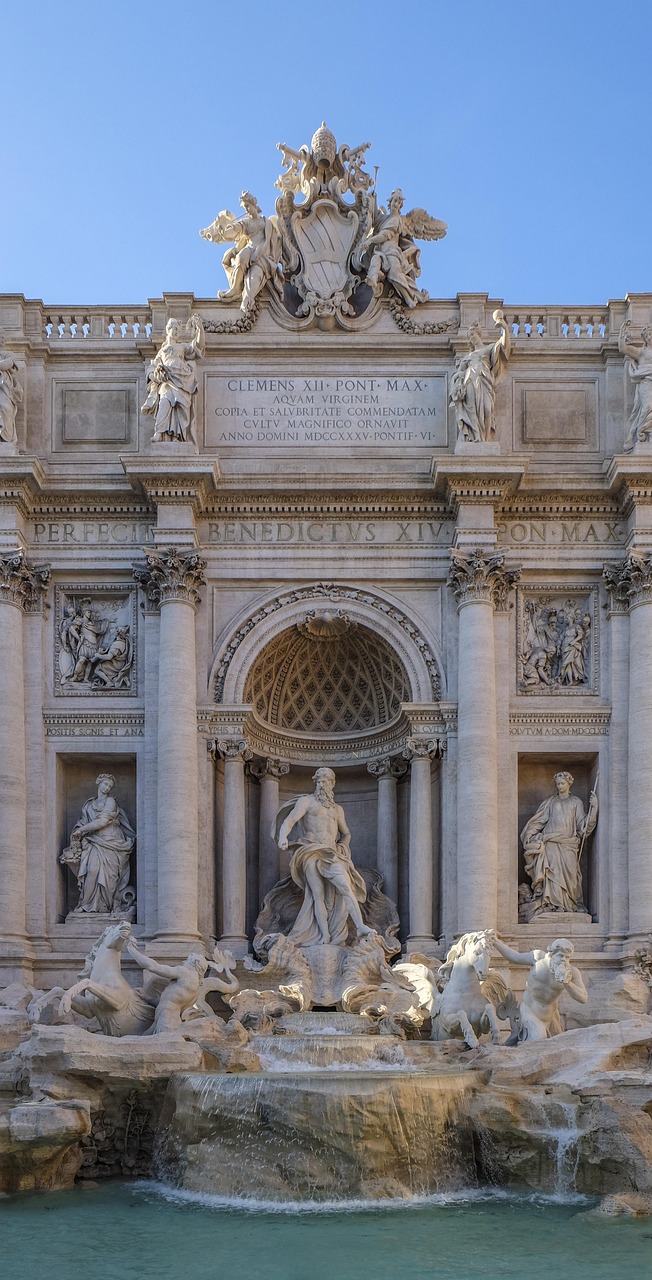
Trevi Fountain
Rome's most famous fountain—throw a coin for your return
Explore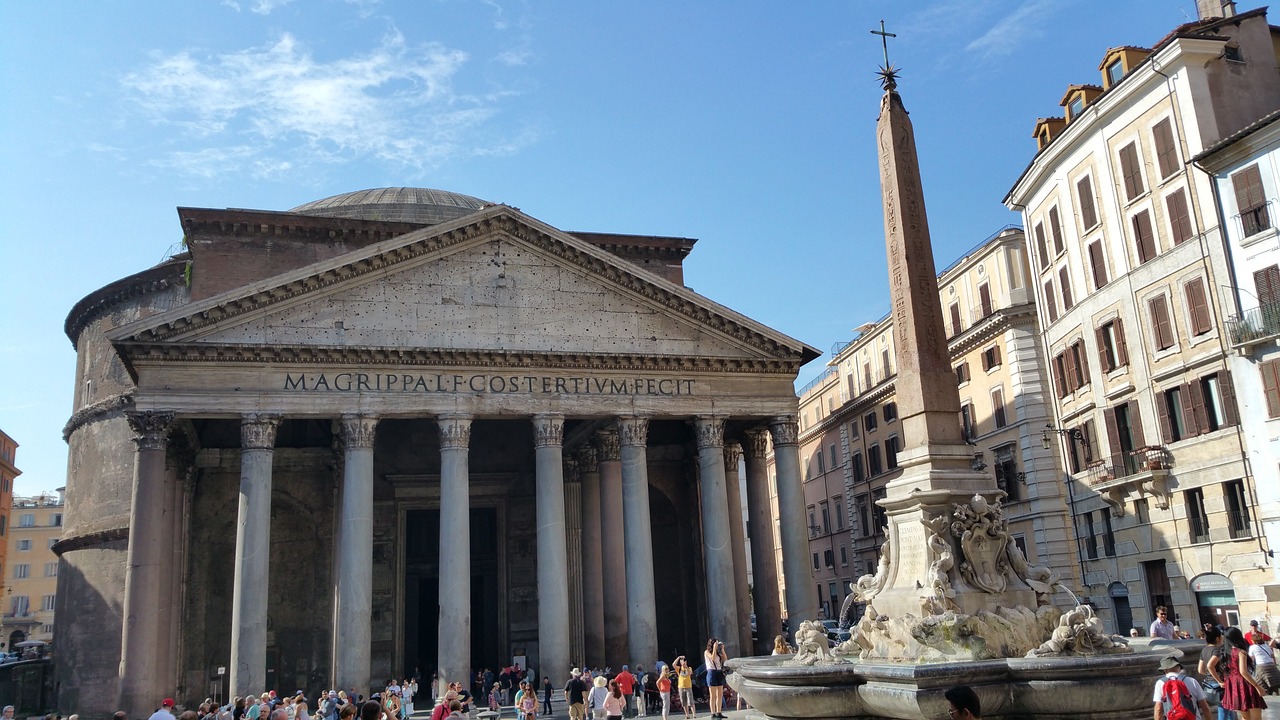
Pantheon
Best-preserved Roman building with the world's largest unreinforced concrete dome
ExploreQuick Planning Guide
⏱️ Time Needed
Choose according to your interests
💰 Cost
Ordinary public access
🎫 Reservation
Check separate tours and events
♿ Accessibility
Confirm your approach and entrance
📅 Best Time
Match the current visiting schedule
👨👩👧👦 Family Friendly
Consider stairs and interests
Nearby Attractions
Piazza di SpagnaTrinità dei MontiKeats–Shelley HouseVilla MediciFeatured In These Itineraries
Spanish Steps to Villa Borghese: Walking Route via Pincio TerraceVilla Medici, Spanish Steps and Pincio: A Half-Day Walking ItineraryEssential Tips
- ✓ Keep museum and monument access separate
- ✓ Follow staff and police instructions
- ✓ Do not rely on unverified lift access