 Trastevere Basilica — patron saint of music
Santa Cecilia in Trastevere
Maderno's Baroque-founding sculpture, Cavallini's pre-Giotto fresco, a 9th-century Carolingian apse mosaic and a 2nd-century Roman house — all in one quiet Trastevere basilica.
60–90 min visitFree (crypt/fresco: small fee)Patron of musicCavallini frescoPiazza di Santa Cecilia 22, 00153 Roma RMOpen on MapPlan Your Visit
Compare tickets, tours and stays — booking ahead usually gives more choice
Book a TourHotels NearbyThe Basilica of Santa Cecilia in Trastevere is one of Rome's most artistically rewarding and least-visited major basilicas. Founded in the 5th century AD on the site traditionally identified as Saint Cecilia's family home in southern Trastevere, completely rebuilt by Pope Paschal I in 821, and given its present Baroque facade in 1725, it preserves four exceptional artworks across nearly two thousand years: Stefano Maderno's emotionally direct 1600 marble sculpture of Cecilia under the high altar, the 9th-century Carolingian apse mosaic of Christ with saints (with the still-living Pope Paschal shown with a square halo), Pietro Cavallini's 1293 Last Judgment fresco in the nuns' choir (a generation before Giotto), and the excavated 2nd-century Roman house in the crypt. Basilica free. Separate access to the archaeological crypt and Cavallini fresco may require a small fee or donation and is available only during limited hours; verify locally.
Why visit Santa Cecilia in Trastevere?
Few Roman basilicas pack so much art history into so quiet a space. Santa Cecilia preserves four world-class artworks spanning many centuries, sits in the calm southern half of Trastevere away from the nightlife crush, and is essentially free to visit. It is the single best reward in Rome for the visitor willing to walk 10 minutes off the standard tourist track.
- Maderno's 1600 sculpture: one of the founding works of Roman Baroque sculpture and one of the most emotionally direct marble figures in the city. The 24-year-old sculptor swore on the marble base that he had carved Cecilia 'in this very posture' as her body had been found.
- Cavallini's 1293 Last Judgment: the masterpiece of Roman painting before Giotto. Hidden behind plaster from the 18th century until rediscovered in 1900 — its existence quite literally rewrote the history of Italian art.
- 9th-century apse mosaic: one of Rome's three great Carolingian mosaics, with the still-living Pope Paschal I shown with a square halo offering the church to Christ.
- Roman house in the crypt: the excavated 2nd-century AD house traditionally identified as Cecilia's family home — grain stores, fullonica, early Christian baptistery, all 9 metres below the basilica.
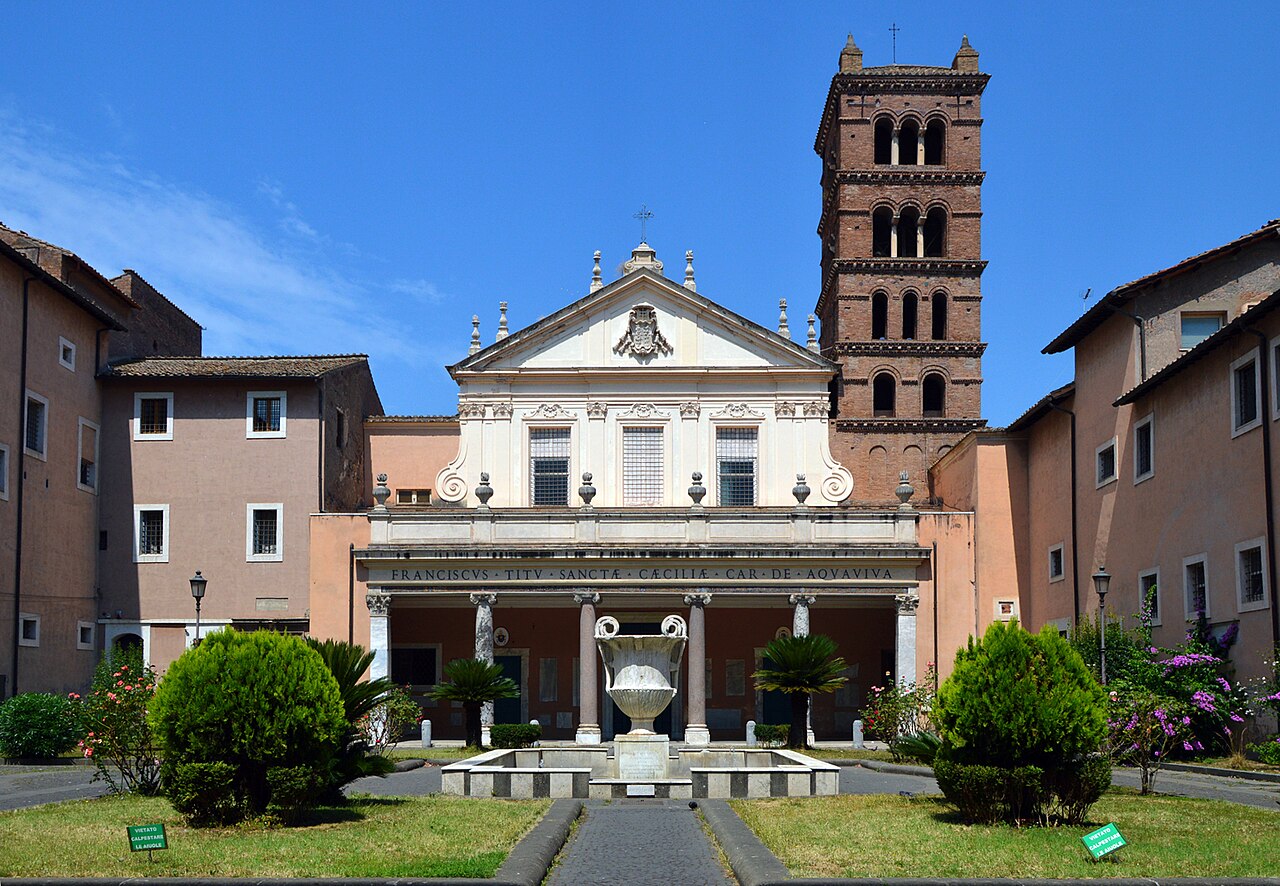
- The medieval courtyard: one of the most peaceful spaces in central Rome — a great Roman cantharus marble vase as fountain, ancient columns and a 12th-century portico.
Quick facts
Founded
5th century AD
Rebuilt
821 AD by Paschal I
Patron Saint
Music & musicians
Cavallini fresco
1293
Maderno statue
1600
Entry 2026
Basilica free (crypt/fresco: small fee, hours vary)
Visit time
60–90 minutes
Location
Southern Trastevere
Table of Contents
Jump to any section of the itinerary
A brief history
According to her 5th-century Acts, Cecilia was a Roman noblewoman martyred around 230 AD for her Christian faith. She had taken a vow of virginity; on her wedding night she converted her pagan husband Valerian and his brother Tiburtius to Christianity by singing to God; all three, together with the convert Maximus, were eventually martyred. Cecilia survived three sword strikes during her own attempted beheading, lived for three days converting bystanders, and died singing. Her remains were placed in the Catacombs of San Callisto on the Via Appia.
In the 5th century AD, a church (Titulus Caeciliae) was built directly on the site traditionally identified as her family home in Trastevere, where she had reportedly hosted early Christian gatherings. The structure incorporated substantial parts of the 2nd-century Roman house — still visible in the modern crypt, including grain-storage rooms, a fullonica (laundry/dyer's workshop) with surviving lead vats, and what is plausibly identified as an early Christian baptistery.
In 821 AD, Pope Paschal I undertook a complete reconstruction of the basilica. According to his own account, Cecilia appeared to him in a vision in St Peter's revealing the lost location of her body in the catacombs of San Callisto. He recovered her relics and translated them in solemn procession to the new basilica. The remarkable Carolingian apse mosaic — Christ enthroned between Paul, Cecilia, Paschal (with a square halo), Peter, Valerian and Agatha — dates from this reconstruction.
The 12th century added the elegant Romanesque bell tower and the medieval courtyard with its great Roman cantharus fountain. In 1293, two parallel commissions transformed the interior: Pietro Cavallini painted his Last Judgment fresco in the nuns' choir, and Arnolfo di Cambio sculpted the Gothic ciborium over the high altar. Cavallini's fresco is the masterpiece of Roman painting before Giotto.
In 1599, Cardinal Paolo Emilio Sfondrati opened Cecilia's sarcophagus during renovations. Witnesses including Pope Clement VIII recorded finding the body apparently incorrupt and lying on its right side, face turned away, three sword cuts visible on the back of the neck. The 24-year-old sculptor Stefano Maderno was commissioned to record what had been seen; his marble sculpture of 1600, signed with an affidavit on the base, is one of the founding works of Roman Baroque sculpture.
The 1725 Baroque rebuild by Ferdinando Fuga and Sebastiano Conca regrettably hid most of the medieval interior behind 18th-century stucco — including the entire Cavallini fresco, plastered over and forgotten until its 1900 rediscovery. The restoration of Cavallini overturned the established account of late 13th-century Italian painting overnight. The site has been associated with Christian veneration of Saint Cecilia since ancient times, though the precise continuity of that tradition over the centuries is not well documented.
Santa Cecilia through the centuries
c. 230 ADMartyrdom of Saint Cecilia
Roman noblewoman Cecilia is martyred for her Christian faith. Tradition records that she sang to God during her wedding to the pagan Valerian, converted him and his brother Tiburtius, survived three sword strikes, and lived for three days converting bystanders before dying.
c. 230 ADBuried in San Callisto
Cecilia's remains are placed in the Catacombs of San Callisto on the Via Appia, in what becomes known as the Crypt of the Popes — one of the most venerated early Christian burial sites in Rome.
5th century ADFirst titular church built
A church (Titulus Caeciliae) is built directly on the site of Cecilia's family home in Trastevere, where she had reportedly hosted early Christian gatherings. The structure incorporates substantial parts of the Roman house, still visible in the modern crypt.
545 ADFirst documented restoration
Pope Vigilius records the existence of the basilica, and early restorations are carried out. The church survives the Gothic Wars of the mid-6th century largely intact.
821 ADPope Paschal I rebuilds
Pope Paschal I undertakes a complete reconstruction of the basilica. According to his own account, Cecilia appeared to him in a vision in St Peter's revealing the lost location of her body in the catacombs of San Callisto. He recovered her relics and translated them in solemn procession to the new basilica.
9th centuryApse mosaic
The remarkable Byzantine-influenced apse mosaic — Christ enthroned between Saints Paul, Cecilia and Paschal (with the square halo of the still-living pope) and Peter, Valerian and Agatha — is created as part of Paschal's reconstruction.
12th centuryBell tower and portico
The elegant Romanesque bell tower (campanile) is added, along with the portico of four ancient columns and the medieval courtyard with its great cantharus fountain — one of the most peaceful entrance courtyards of any Roman church.
1293Cavallini's Last Judgment
Pietro Cavallini paints his masterpiece Last Judgment fresco in the nuns' choir. Surviving only in fragments after 18th-century rebuilding, it is the single most important Roman fresco of the late 13th century — a generation before Giotto in Assisi and Padua.
1293Arnolfo di Cambio's ciborium
The Gothic marble ciborium (altar canopy) by Arnolfo di Cambio is installed over the high altar — an exceptional surviving example of late 13th-century Roman Gothic sculpture.
1599Tomb of Cecilia opened
Cardinal Paolo Emilio Sfondrati, titular cardinal of the basilica, opens Cecilia's sarcophagus during renovations. According to contemporary accounts, including that of Pope Clement VIII, the body was found lying on its right side, face turned away, described as apparently incorrupt and as if simply asleep — as Maderno's sculpture would shortly depict.
1600Maderno's sculpture created
The 24-year-old sculptor Stefano Maderno carves the famous marble statue showing Cecilia exactly as reportedly found in 1599. Maderno added his own affidavit on the marble base swearing he had carved 'this very saint in this very posture'. It is one of the founding works of Roman Baroque sculpture.
1725Baroque facade and ceiling
Cardinal Francesco Acquaviva commissions the present Baroque facade by Ferdinando Fuga and the ceiling fresco of the Apotheosis of Saint Cecilia by Sebastiano Conca. Much of the medieval interior is regrettably hidden behind 18th-century stucco.
1900Cavallini fresco rediscovered
Walls of the nuns' choir are stripped of plaster, revealing the long-forgotten Cavallini Last Judgment behind. Its rediscovery is one of the great events of Italian art history and overturns the established account of late 13th-century Roman painting.
2026Centuries of veneration continue
The year 2026 continues centuries of Christian veneration on this site; events and concerts are sometimes held around the November 22 feast day — check locally for the current programme.
What to see at Santa Cecilia
Maderno's Sculpture (1600)
- Stefano Maderno's marble masterpiece beneath the high altar — Cecilia depicted lying on her right side as reportedly found in 1599.
- Three sword cuts visible on the back of her neck — the failed attempt at beheading recorded in the martyrdom legend.
- The hand gesture (three fingers + one finger) is read as her final witness to the Trinity and the unity of God.
- Maderno's signed marble affidavit on the base swearing he had carved 'this very saint in this very posture' — a founding document of Roman Baroque realism.
Cavallini's Last Judgment (1293)
- Pietro Cavallini's fresco fragments in the nuns' choir — accessed via a separate side door during limited hours, for a small fee or donation; verify locally.
- Christ enthroned in a mandorla flanked by twelve apostles seated on thrones — the most monumental surviving 13th-century Roman composition.
- Multi-coloured angel wings, sculpturally modelled draperies and the first full move toward naturalism in Italian painting.
- Rediscovered in 1900 behind 18th-century plaster — overturned the established account of pre-Giotto Italian painting overnight.
Apse Mosaic (9th century)
- Christ enthroned with right hand raised in blessing, flanked by Saints Paul, Cecilia and Paschal (left) and Peter, Valerian and Agatha (right).
- Pope Paschal I shown with a square halo — the convention indicating he was still living when the mosaic was made.
- Strong Byzantine influence and gold-ground iconography — one of Rome's three great early-medieval Carolingian mosaics (with Santa Prassede and Santa Maria in Domnica).
- The phoenix on the palm tree at the top symbolises Cecilia's resurrection — a classical pagan symbol absorbed into Christian iconography.
The Roman House Beneath
- Excavated 2nd-century AD Roman house — traditionally identified as Cecilia's family home where she hosted early Christian gatherings.
- Substantial remains of grain-storage rooms (horrea), a fullonica (laundry/dyer's workshop) with surviving lead vats, and an early Christian baptistery.
- Brick-faced concrete walls in opus latericium with portions of original wall painting still visible.
- Crypt with the relics of Cecilia, her husband Valerian, his brother Tiburtius and the early Christian Maximus — a small fee or donation may apply; verify locally.
Maderno's sculpture — how a 24-year-old made a Baroque founding work
On 20 October 1599, Cardinal Paolo Emilio Sfondrati, titular cardinal of Santa Cecilia in Trastevere, ordered the opening of the sarcophagus containing the relics of Saint Cecilia, which had been translated from the Catacombs of San Callisto by Pope Paschal I in 821 and re-buried under the high altar. Witnesses including Pope Clement VIII — who came in person — recorded finding the body in a cypress-wood casket, apparently incorrupt and clothed in golden silks, lying on its right side with the face turned away from the viewer, the three sword-cuts of the failed beheading visible on the back of the neck.
The 24-year-old sculptor Stefano Maderno, recently arrived in Rome from Lombardy, was commissioned to record what had been seen. His marble sculpture, completed in 1600 and installed under the high altar where it remains today, depicts Cecilia in white Carrara marble at life-size, lying on her right side exactly as the witnesses described, her face turned away, the three sword-cuts visible on the back of the neck. The hand gesture — three fingers extended on the right hand, one finger on the left — is read as her final witness to the doctrine of the Trinity and the unity of God.
On the marble base Maderno added his own signed affidavit, in Latin: 'Behold the body of the most holy virgin Cecilia, whom I myself saw lying incorrupt in her tomb. I have for you in this marble expressed in the same posture the very same saint.' It is an extraordinary statement of forensic Baroque realism — the sculpture as eye-witness deposition. The work made Maderno's career and is one of the founding sculptures of the new Baroque sensibility that Bernini, just one year old in 1600, would shortly bring to its full development.
Whatever the actual condition of the body in 1599 (modern scholarship reasonably doubts the claim of bodily incorruption after 1,369 years), the sculpture itself is an undeniable masterpiece. Its emotional directness, its refusal of conventional martyrological iconography (no crown, no palm, no glory), and its insistence on the simple vulnerability of a human body are unique in Roman sculpture.
Cavallini's Last Judgment — Roman painting before Giotto
Pietro Cavallini (active c. 1273 – c. 1330) was the leading Roman painter of the late 13th century, the head of a major Roman workshop, and the great rival across central Italy of the slightly younger Giotto di Bondone. His Last Judgment, painted around 1293 in the nuns' choir at the back of Santa Cecilia in Trastevere, is the single most important Roman fresco of the period and a foundational work of the entire Italian shift toward naturalism.
The original cycle covered the entire choir wall above the basilica nave. The 1725 Baroque rebuild plastered over the fresco and most of it was destroyed; what survives is the central section showing Christ enthroned in a mandorla flanked by twelve apostles seated on thrones, with ranks of angels in multi-coloured wings above and below. Even in fragmentary form it is breathtaking. The apostles' faces are radically individualised; the draperies are sculpturally modelled with a confident understanding of light and shadow; the angels' multi-coloured wings (peacock blues, rose pinks, golden yellows) are a moment of pure painterly beauty unmatched in Italian art before Giotto's mature work.
The relationship between Cavallini and Giotto is one of the most contested questions in Italian art history. Cavallini was demonstrably working in Rome with substantial commissions (Santa Cecilia, Santa Maria in Trastevere) by the early 1290s, slightly before Giotto's earliest documented major works. The elderly Cavallini and the mature Giotto worked together on the destroyed fresco cycle of Santa Maria di Donna Regina in Naples in 1308. Modern scholarship increasingly recognises Cavallini as one of the parallel sources — alongside Giotto — for the entire Italian shift away from Byzantine convention toward the modelled, naturalistic figural art that would define Italian painting for the next four hundred years.
The fresco was hidden behind plaster from 1725 until 1900, when the walls of the nuns' choir were stripped during conservation. Its rediscovery was one of the great events of Italian art history. Today the fresco is accessible only via a separate side door, by donation, during limited hours — arriving earlier in the opening window tends to be quieter; verify current times locally.
Who was Saint Cecilia?
The historical Cecilia is shadowy. She is mentioned by name in the late 5th-century Roman Sacramentary and in early Roman pilgrim itineraries, and a titular church bearing her name (Titulus Caeciliae) existed in Trastevere from the 5th century. The traditional date of her martyrdom — around 230 AD, under the joint reign of the emperors Severus Alexander and his successors — is plausible but cannot be confirmed.
The detailed legend comes from her Passio (Acts of Saint Cecilia), composed in Rome in the late 5th century — two and a half centuries after the events it describes. According to this text, Cecilia was a young Roman noblewoman who had secretly taken a vow of virginity. Her family married her to a pagan, Valerian; on the wedding night she revealed her vow and her Christian faith and converted both Valerian and his brother Tiburtius. All three were arrested under the prefect Almachius. Valerian and Tiburtius were beheaded; Cecilia was sentenced to death by suffocation in the steam-room of her own bath-house, but survived; she was then sentenced to beheading, but the executioner failed after three sword-strikes (Roman law forbade a fourth), and she lived for three days in pain, distributing her possessions to the poor and converting bystanders, before dying.
The connection to music comes from a single line of the Passio describing how, on her wedding day, while the musicians played the wedding songs, Cecilia sang to God in her heart. From this slender thread the medieval and Renaissance imagination built the entire iconography of Cecilia as patron of music — depicted with an organ (Raphael's famous painting in Bologna), a lute, a harp or singing in choir. By the Renaissance, choirs and academies of music across Europe took her as their patron; the great Accademia Nazionale di Santa Cecilia in Rome, founded in 1585, is among the oldest musical institutions in the world.
Whatever the historical kernel, the cult of Cecilia became one of the most enduring of Roman Christianity. She is named in the Roman Canon of the Mass (the central eucharistic prayer of the Latin rite), her feast on 22 November remains one of the principal celebrations of sacred music across the world, and her Trastevere basilica — built on her reputed home — is one of the most venerated pilgrimage sites in Rome.
Santa Cecilia vs other Trastevere churches
| Feature | Santa Cecilia | Santa Maria in Trastevere | San Francesco a Ripa |
|---|---|---|---|
| Founded | 5th c. (on 2nd-c. house) | 3rd c. (oldest in Trastevere) | 13th c. (Franciscan) |
| Highlight artwork | Maderno + Cavallini + 9th-c. mosaic | 12th-c. apse mosaic + Cavallini | Bernini's Beata Albertoni |
| Entry 2026 | Basilica free (crypt/fresco: small fee) | Free | Free |
| Visit length | 60–90 minutes | 30–45 minutes | 20–30 minutes |
| Crowds | Quiet — most tourists skip it | Very busy at night | Quiet |
| Best for | Art lovers, music, hidden Trastevere | Mosaics, Trastevere nightlife | Bernini fans, hidden gem |
| Cavallini fresco | Last Judgment 1293 (the masterpiece) | Life of the Virgin 1291 | — |
| Open hours 2026 | Verify locally — typical Roman midday closure | 07:30–21:00 | 07:00–13:00 + 16:00–19:00 |
Verdict: visit all three in a single morning — Santa Cecilia for the Maderno + Cavallini + mosaic combination (the artistic heart), Santa Maria in Trastevere for the famous nightlife piazza and the apse mosaic, San Francesco a Ripa for Bernini's late masterpiece. They sit on a 20-minute walking loop. Santa Cecilia is the most rewarding for serious art; the others for atmosphere.
Best time to visit
Time of day
Morning (best)
Arrive at opening for the basilica, then check the side door for Cavallini fresco access. Arriving earlier in its limited opening window tends to mean a quieter visit before tour groups arrive.
Afternoon
Excellent backup — quiet, peaceful, the apse mosaic catches the late afternoon light. Note: the Cavallini fresco and crypt are often not accessible in the afternoon — verify locally.
Midday (avoid)
The basilica typically closes for a long midday break — check current times.
Best days & seasons
Weekday mornings (generally best)
Access depends on the Benedictine convent. Weekday mornings generally offer the best chance of access, but verify the Cavallini choir and crypt arrangements locally. The basilica is genuinely quiet at this time.
22 November — feast day
Celebrations may take place around Cecilia's feast day — check locally for the current programme.
Sunday morning
Often reserved for Mass; separate access to the crypt and Cavallini fresco may be more limited — verify locally.
Year-round (indoor)
The basilica is comfortable in any weather — among the best rainy-day options in Trastevere.
Getting there
Walking from central Trastevere (best)
From Piazza di Santa Maria in Trastevere, walk south on Via di San Francesco a Ripa for 6 minutes, then turn right on Via dei Genovesi and left into Piazza di Santa Cecilia. From Tiber Island, cross Ponte Cestio and walk south for 5 minutes. From Piazza Trilussa, walk south through Vicolo del Cinque and Via dei Genovesi for 12 minutes.
Tram 8
Tram 8 from Largo di Torre Argentina (city centre) and Trastevere station stops at Belli, 8 minutes' walk north of the basilica. The single easiest public transport from the historic centre.
Bus
Buses 23, 280, H, 780, 44 all stop within 5–10 minutes' walk along Lungotevere Ripa or Viale di Trastevere.
Find the entrance
The entrance to the basilica is through the gate into the medieval courtyard at Piazza di Santa Cecilia 22. The Cavallini fresco is via a separate side door to the left of the main facade — look for the small bell and the sign marked 'Coro delle Monache' or 'Affreschi di Cavallini'.
Common mistakes to avoid
Skipping the Cavallini fresco
The Cavallini Last Judgment is the single most important reason to visit — but it is in the nuns' choir, accessed via a separate side door during limited hours for a small fee or donation. It is easy to leave the basilica without realising the fresco exists; ring the convent bell and verify current access locally.
Visiting outside opening hours
Like many Roman churches, Santa Cecilia closes for a long midday break. Separate access to the crypt and the Cavallini fresco is limited to certain hours (often mornings) — check current times locally before planning your visit.
Going on Sunday morning
On Sunday morning the basilica is in active use for Mass and tourist access may be restricted. Separate access to the crypt and Cavallini fresco can be more limited on Sundays — verify locally, or plan a weekday visit.
Confusing it with Santa Maria in Trastevere
Two famous Trastevere basilicas: Santa Maria in Trastevere (the 12th-century mosaic basilica on the famous nightlife piazza) and Santa Cecilia in Trastevere (the quieter 5th-century basilica in southern Trastevere). They are 10 minutes' walk apart and often confused. Make sure your map points to Piazza di Santa Cecilia, not Piazza di Santa Maria.
Rushing the visit
Many guides allocate 20 minutes to Santa Cecilia. Take 60–90 minutes: the Maderno sculpture, the apse mosaic, the Cavallini fresco (separate door), the Roman house in the crypt and the medieval courtyard each deserve real time. It is one of Rome's most rewarding mid-tier basilicas.
Inappropriate dress
Santa Cecilia is an active basilica and an enclosed Benedictine convent. Modest dress is required — no bare shoulders, no shorts above the knee. Hats off for men. The convent is particularly strict about access to the Cavallini choir.
Insider tips from locals
Visit on November 22 — Saint Cecilia's feast day
November 22 is the feast of Saint Cecilia, patron of music. Celebrations may take place around the feast day, including music events organised by the Accademia Nazionale di Santa Cecilia and the Roman conservatory — check locally for the current programme.
Visit the Cavallini fresco earlier rather than later
The Cavallini choir has limited opening hours and can get busier with tour groups later in the morning. Arriving earlier improves your chances of a quieter visit — check current access times locally.
Lunch at Da Enzo al 29 or Glass Hostaria
Skip the tourist traps in northern Trastevere. Da Enzo al 29 (Via dei Vascellari 29, 2 min walk) is the legendary Roman trattoria — be there at 12:30 sharp or queue an hour. Glass Hostaria (Vicolo del Cinque, 8 min walk) is the Michelin-starred option for a special dinner.
Combine with San Francesco a Ripa
10 minutes south on Piazza San Francesco d'Assisi is Bernini's late masterpiece, the Beata Ludovica Albertoni — a sculpture of religious ecstasy that rivals the more famous Saint Teresa. Almost no tourists visit. Together with Santa Cecilia it makes a perfect 'sculptors of Trastevere' double bill.
Sit in the courtyard before entering
The medieval courtyard with its great Roman cantharus fountain (a converted ancient marble vase) is one of the most peaceful spaces in Rome. Sit on the stone bench for 10 minutes before entering the basilica — it sets the tone for the entire visit.
Use the side entrance for the Roman house
The crypt and the excavated 2nd-century Roman house are accessed via a separate ticket office at the back-right of the basilica for a small fee. The route descends through the under-altar chapel directly to the Roman level. The fullonica with its lead vats is the most striking single feature.
Practical visitor tips
Patron of Music
Cecilia is the patron saint of musicians. Events are sometimes held around November 22 (her feast day) — check locally for the current programme.
See the Cavallini Fresco
Ring the convent bell at the side door (left of the main entrance); access is limited to certain hours for a small fee or donation — verify locally. Don't leave without seeing it — it is one of Rome's three most important medieval frescoes.
Visit the Crypt
A small fee lets you descend through the under-altar chapel to the 2nd-century Roman house — traditionally identified as Cecilia's family home, with grain stores, fullonica and early Christian baptistery.
Quiet morning visit
Arrive early for a peaceful basilica before tour groups arrive. The basilica closes for a long midday break — check current times locally.
Where to Stay Near Santa Cecilia in Trastevere
Looking for convenient accommodation near Santa Cecilia in Trastevere? Stay within walking distance to make the most of your visit.
Hotels Near This AttractionTop Rated HotelsBudget-Friendly OptionsLuxury HotelsCentral locations with easy access to Santa Cecilia in Trastevere and other attractionsFrequently Asked Questions
Who was Saint Cecilia?
Saint Cecilia was a Roman noblewoman, traditionally dated to around 230 AD, who became one of the most venerated early Christian martyrs of Rome. According to her Acts (a 5th-century hagiographical text), she had taken a vow of virginity and converted her pagan husband Valerian and his brother Tiburtius to Christianity on her wedding night by singing to God; all three were eventually martyred. She survived three sword strikes during her own attempted beheading, lived on for three days converting bystanders, and died singing. She has been venerated as the patron saint of music and musicians since the medieval period.
What can you see at the basilica?
Four exceptional things. (1) Stefano Maderno's 1600 marble sculpture of Cecilia under the high altar — one of the founding works of Roman Baroque. (2) The 9th-century Carolingian apse mosaic of Christ with saints, with Pope Paschal I shown alive with a square halo. (3) Pietro Cavallini's 1293 Last Judgment fresco fragments in the nuns' choir — the masterpiece of Roman painting before Giotto, accessed via a separate side door with limited hours. (4) The excavated 2nd-century Roman house in the crypt, traditionally identified as Cecilia's family home.
How much does it cost to visit in 2026?
Basilica free. Separate access to the archaeological crypt and Cavallini fresco may require a small fee or donation and is available only during limited hours; verify locally. Modest dress required.
What are the opening hours?
The basilica generally follows a typical Roman church schedule with a long midday closure; always check current times before visiting. Separate access to the crypt (Roman house) and the Cavallini fresco choir is limited to certain hours, controlled by the Benedictine convent, and may be more restricted on Sunday mornings when Mass is celebrated. Verify opening times locally.
What is special about Maderno's sculpture?
Stefano Maderno was 24 years old when he carved this sculpture in 1600, fresh from the discovery of Cecilia's body in 1599. He claimed — and added his own signed marble affidavit on the base — that he had depicted Cecilia 'in this very posture' as the body had been found: lying on her right side, face turned away, the three sword cuts visible on the back of her neck, the hand gesture of three fingers + one finger reading as her final witness to the Trinity and the unity of God. It is one of the most emotionally direct sculptures in Rome and a foundational work of Baroque realism.
What is the Cavallini Last Judgment fresco?
Pietro Cavallini's 1293 fresco in the nuns' choir is the single most important Roman painting of the 13th century — a generation before Giotto's Arena Chapel in Padua. The fragments that survive (most was destroyed in the 18th-century rebuild) show Christ enthroned in a mandorla, the twelve apostles seated on thrones with extraordinarily individualised faces, and ranks of angels with multi-coloured wings. The sculptural modelling of the draperies and the first move toward true naturalism in Italian painting are revolutionary. The fresco was hidden behind plaster from the 18th century until rediscovered in 1900.
How do I see the Cavallini fresco?
Access to the nuns' choir (where the fresco is) is via a separate side door — not the main basilica entrance. Look for the small door to the left of the main facade marked 'Affreschi di Cavallini' or 'Coro delle Monache'. Ring the bell, wait for the Benedictine sister, offer the requested small fee or donation, and follow the steep stairs up to the choir. Opening hours are limited and may exclude Sunday mornings — verify locally. The choir overlooks the basilica nave from the back wall — you get a privileged view of both the fresco and the basilica below.
What is the apse mosaic?
The apse mosaic, dating from Pope Paschal I's reconstruction of 821 AD, shows Christ enthroned at the centre with his right hand raised in blessing and a scroll in his left. To his right (the viewer's left) stand Saints Paul, Cecilia and Paschal himself; to his left stand Peter, Valerian and Agatha. Paschal is depicted with a square halo — the early-medieval convention indicating he was still living when the mosaic was made — and offers the church to Christ. It is one of Rome's three great Carolingian-era mosaics, alongside Santa Prassede and Santa Maria in Domnica.
What is in the crypt?
Three things. (1) The relics of Saint Cecilia, her husband Valerian, his brother Tiburtius and the convert Maximus, in a 19th-century Cosmatesque-style casket. (2) The excavated 2nd-century AD Roman house traditionally identified as Cecilia's family home — including substantial grain-storage rooms (horrea), a fullonica (laundry/dyer's workshop) with surviving lead vats, and what is plausibly identified as an early Christian baptistery. (3) Surviving fragments of original Roman wall painting on the brick-faced concrete walls. A small fee or donation is generally requested; verify locally.
Is the basilica wheelchair accessible?
The main basilica is accessible at ground level via the courtyard entrance (one shallow step). The crypt and Roman house, however, are accessed via a steep staircase down — not wheelchair accessible. The Cavallini choir is accessed via a steep staircase up — also not wheelchair accessible. So wheelchair users can fully enjoy the basilica (Maderno sculpture, apse mosaic, courtyard) but not the crypt or fresco choir.
Where is Santa Cecilia in Trastevere?
The basilica is at Piazza di Santa Cecilia 22, in the quieter southern part of Trastevere. From Piazza di Santa Maria in Trastevere it is a 10-minute walk south; from Tiber Island and the Jewish Ghetto it is a 5-minute walk west across the Ponte Cestio; from Piazza Trilussa (the river entry to Trastevere nightlife) it is a 12-minute walk south. The closest tram is line 8 at Belli, 8 minutes' walk north.
How does Santa Cecilia compare with Santa Maria in Trastevere?
They are the two great basilicas of Trastevere and complement each other perfectly. Santa Maria in Trastevere (3rd century, the older foundation, on the famous nightlife piazza) is celebrated for its 12th-century apse mosaic and Cavallini's Life of the Virgin (1291). Santa Cecilia (5th century, in quieter southern Trastevere) is celebrated for Maderno's sculpture, the 9th-century mosaic and Cavallini's Last Judgment (1293). Visit both in a single morning — they are 10 minutes apart on foot. Santa Cecilia is the more rewarding for art; Santa Maria for atmosphere.
Is Santa Cecilia good for children?
Yes for ages 8+. The Maderno sculpture is genuinely affecting for children once the story is briefly explained. The Roman house in the crypt — descending below the basilica into actual Roman rooms with grain stores and lead-vat laundries — is excellent. Younger children may find the basilica long and the staircases steep. Strollers are difficult; an infant carrier works much better.
What are the best things to do nearby?
In a 10-minute walk: San Francesco a Ripa (Bernini's late masterpiece, the Beata Ludovica Albertoni), Tiber Island (Rome's only river island), the Jewish Ghetto (Portico of Octavia, Theatre of Marcellus, the 1555–1870 ghetto streets), Santa Maria in Trastevere (the famous nightlife basilica with 12th-century mosaics), Da Enzo al 29 (legendary Roman trattoria), Piazza Trilussa (sunset on the river). Easiest 'serious art' afternoon in Rome.
What should I know before visiting?
Modest dress required (no bare shoulders, no shorts above the knee). The basilica typically closes for a long midday break — check current times. The Cavallini fresco is accessed via a separate side door during limited hours — don't leave without seeing it, but verify access locally. The crypt entry involves a small fee, paid at a ticket office at the back-right of the basilica. Photography without flash is permitted in the main basilica; the convent's Cavallini choir prohibits all photography. Sunday mornings are often reserved for Mass — a weekday visit may offer fuller access.
Is Santa Cecilia worth the trip to Trastevere?
Absolutely — and it is one of the most under-visited major artistic sites in Rome. The combination of Maderno's Baroque-founding sculpture, the 9th-century apse mosaic and Cavallini's pre-Giotto fresco is rivalled in Rome only by Santa Maria Maggiore and the Vatican itself, but you can have the basilica essentially to yourself on a Tuesday or Wednesday morning. Add it to any half-day in Trastevere; the courtyard alone is worth the visit.
Related Attractions
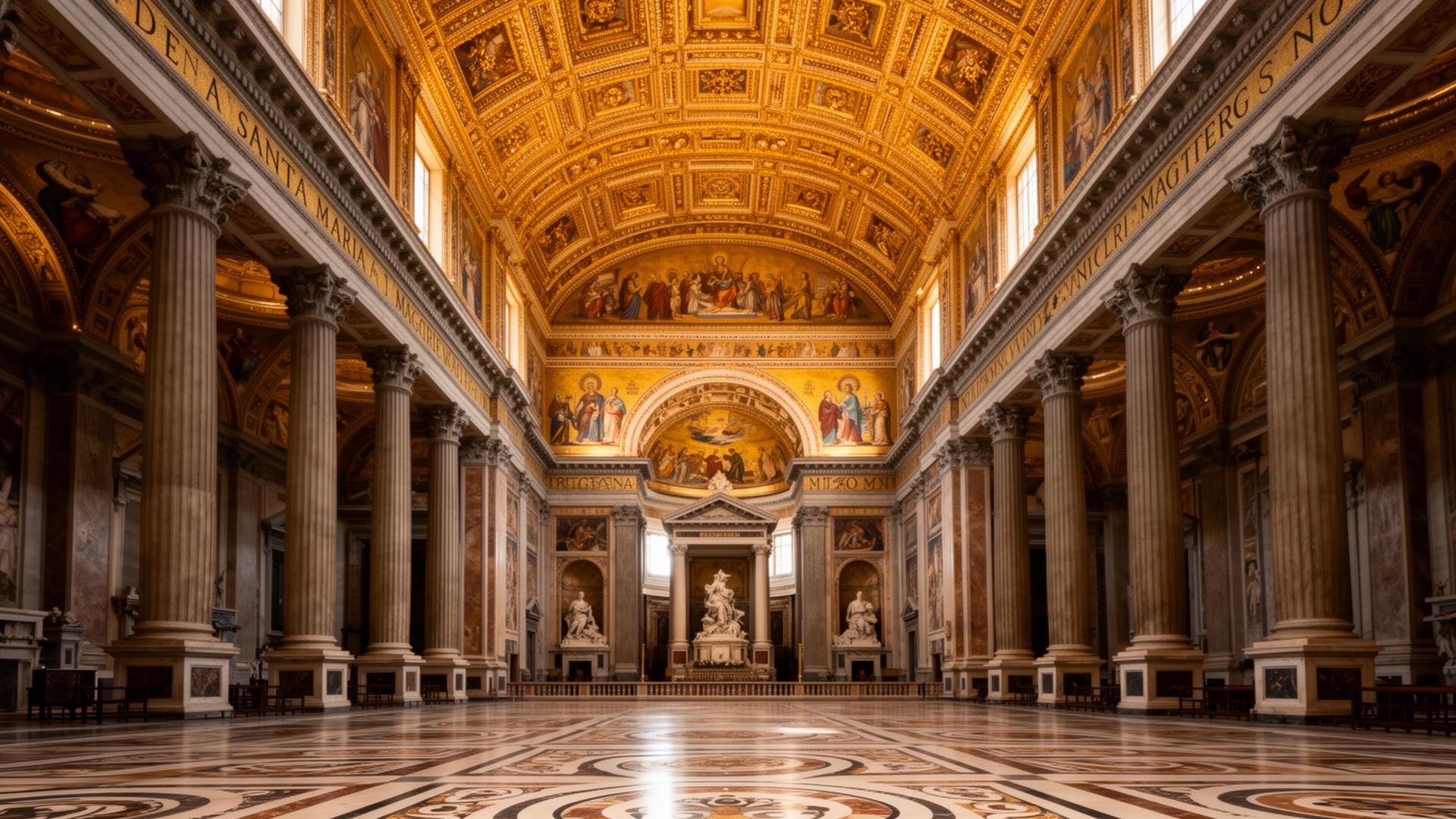
Santa Maria Maggiore
Rome's largest Marian church with stunning 5th-century mosaics
Explore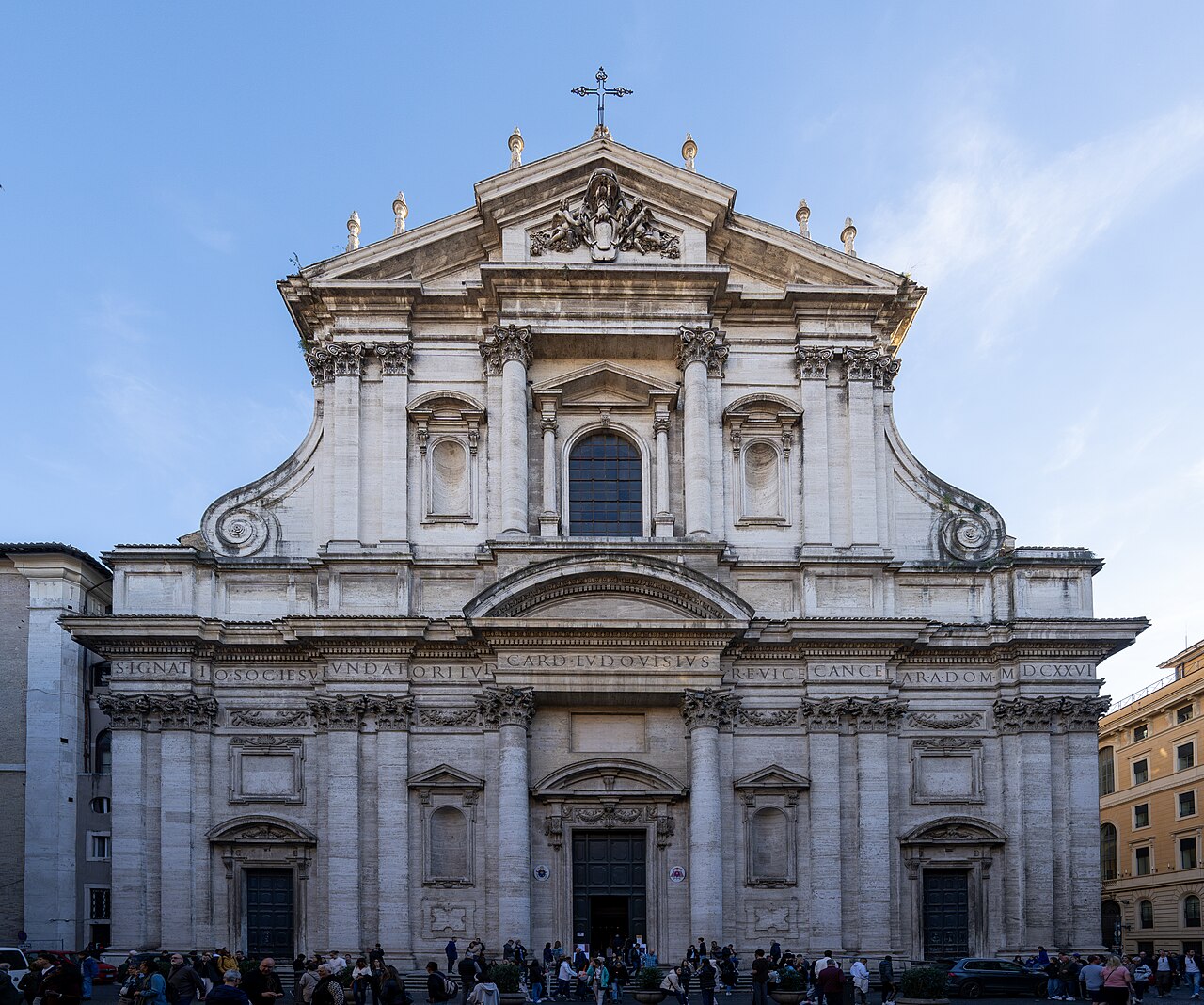
Sant'Ignazio di Loyola
Rome's most spectacular trompe-l'œil ceiling illusion
Explore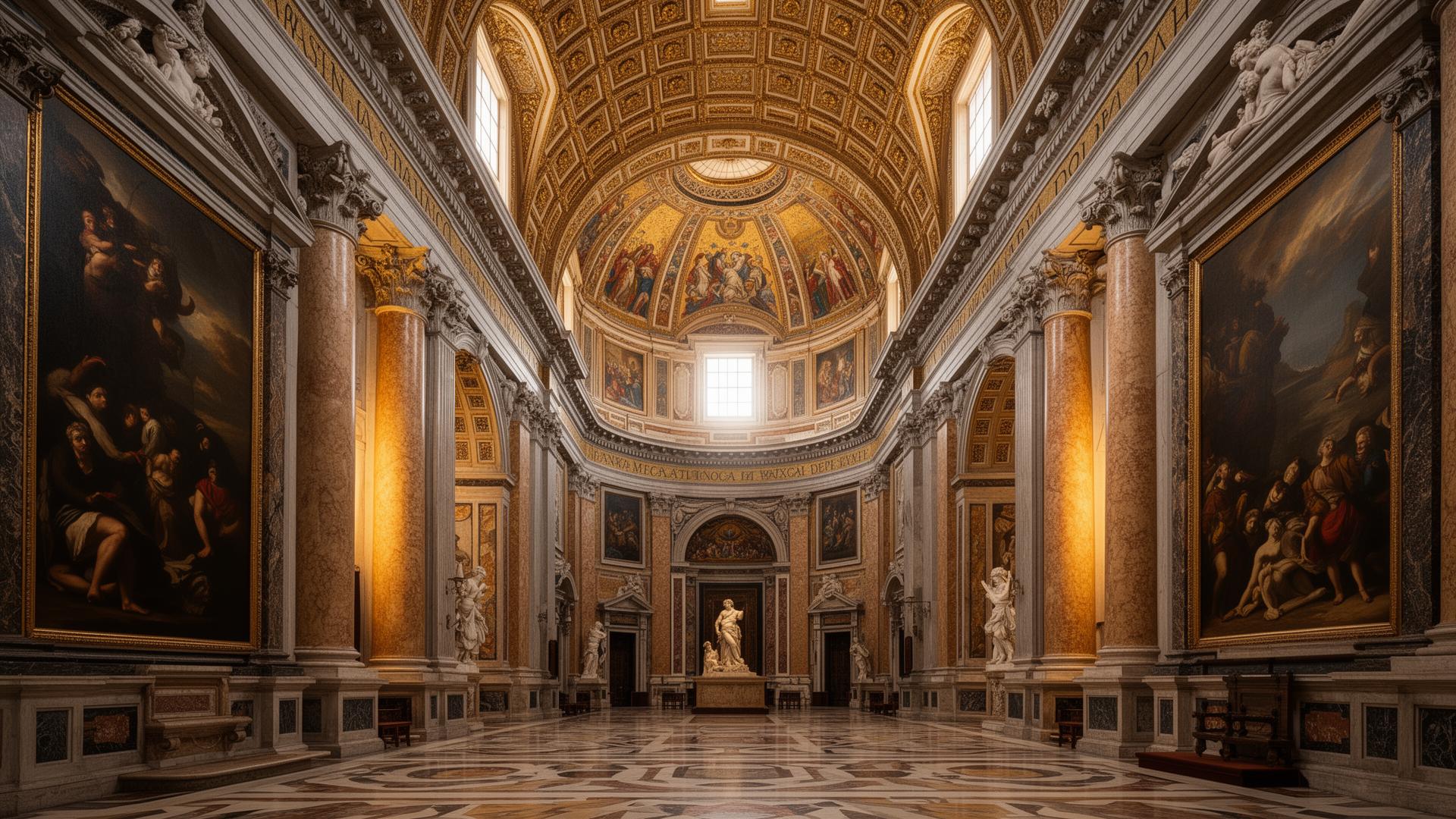
Santa Maria del Popolo
Renaissance church with two Caravaggio masterpieces
Explore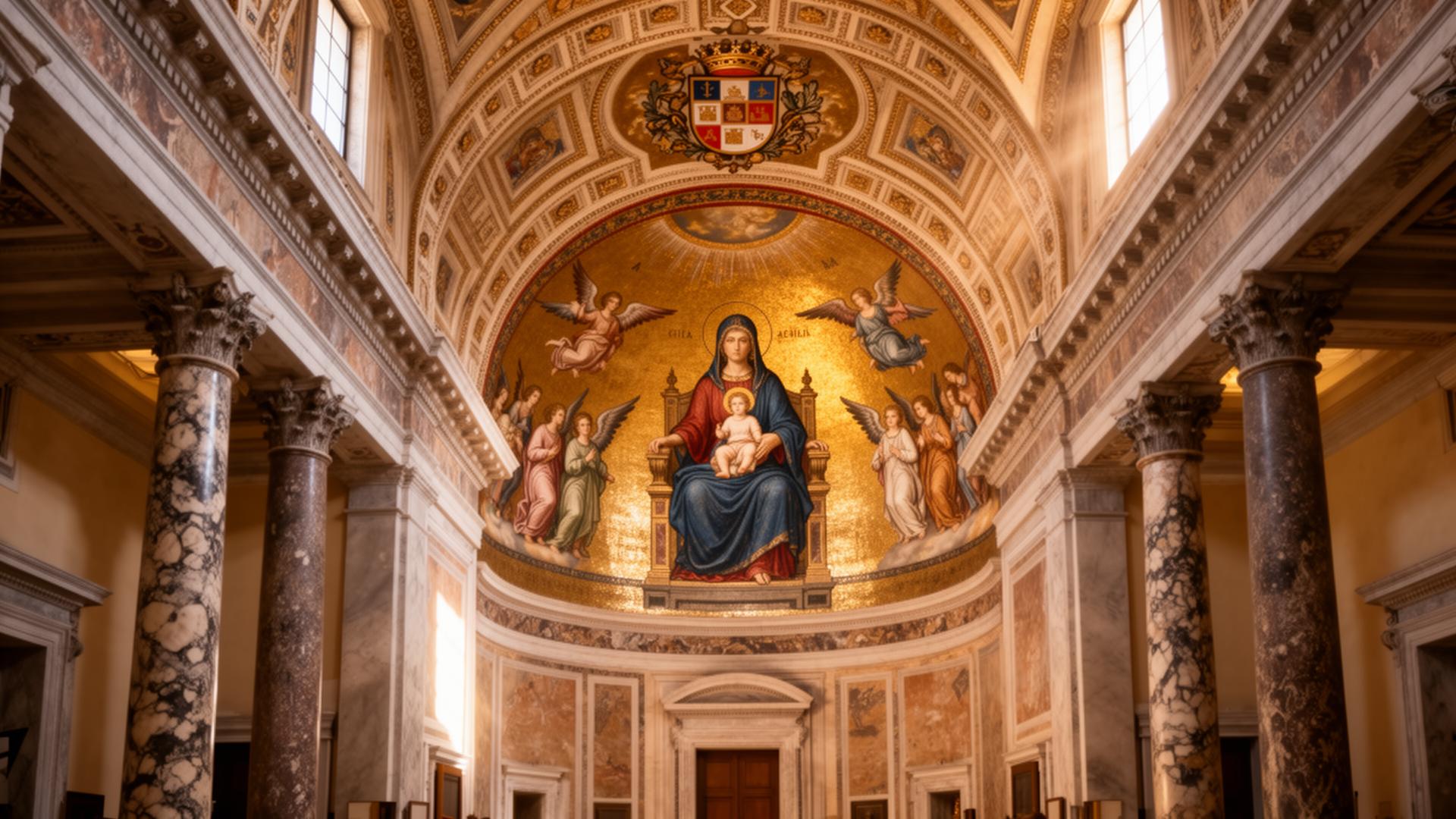
Basilica Santa Maria in Domnica
9th-century basilica with stunning Byzantine mosaics
Explore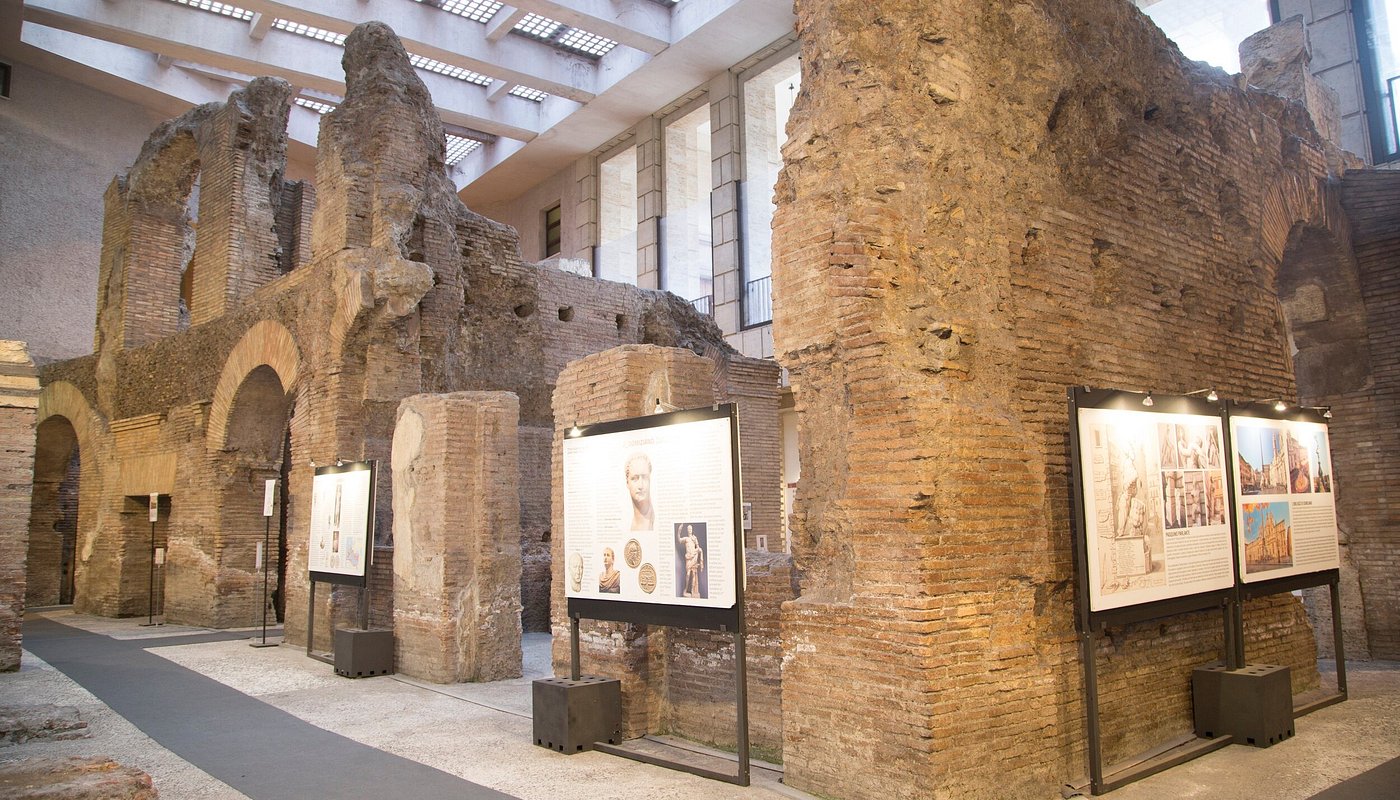
Stadio di Domiziano
Underground remains of Domitian's ancient athletics stadium beneath Piazza Navona
Explore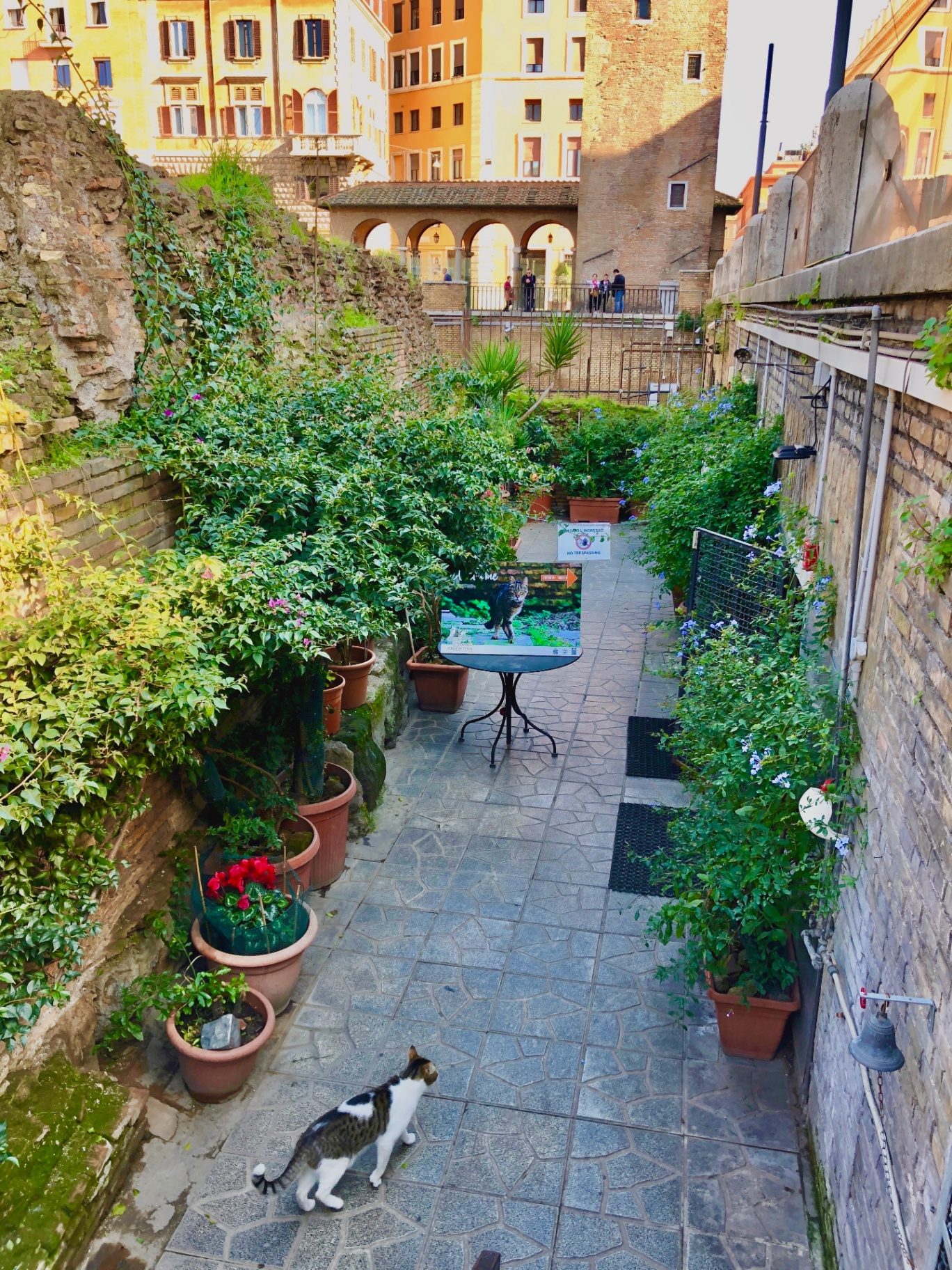
Largo di Torre Argentina
Ancient temples with 130+ rescue cats—history meets heart
ExploreQuick Planning Guide
⏱️ Time Needed
60–90 minutes
💰 Cost
Free basilica; crypt and Cavallini fresco: small fee/donation, limited hours
🎫 Reservation
Not required
♿ Accessibility
Basilica yes; crypt and fresco no (stairs)
📅 Best Time
Weekday mornings generally best (verify locally)
👨👩👧👦 Family Friendly
Good for ages 8+
🌡️ Weather
Indoor, all weather
Nearby Attractions
Tiber Island5-minute walk
Santa Maria in Trastevere10-minute walk
San Francesco a Ripa — Bernini10-minute walk
Jewish Ghetto10-minute walk
Piazza Trilussa12-minute walk
Da Enzo al 29 — legendary trattoria2-minute walk
Featured In These Itineraries
Hidden Gems of RomeLocal Rome ExperienceTrastevere Walking TourEssential Tips
- ✓ Access to the Cavallini fresco depends on the convent — verify current arrangements locally
- ✓ Modest dress required — basilica is active
- ✓ Closed 13:00–16:00 for midday break
- ✓ Crypt: small fee — descend through under-altar chapel
- ✓ Sit in the courtyard before entering