Best Day Trips From Rome by Train
Updated · 12 min read · By the AllTrips Rome editorial team
Rome is well connected enough that half of Italy looks reachable on a map. Most of it is not — at least not in a way that leaves you enjoying the destination rather than the train. We use two tests. A half-day trip needs about three to four hours on site and roughly an hour or less each way. A full-day trip needs at least five usable hours on the ground and no more than eight hours of travel and transfers in total.
Eight trips are recommended, with Venice included as a borderline comparison rather than an endorsement. Below they are compared on total travel time, how complicated the journey is, what the day costs and who it actually suits — plus the popular trips we deliberately left out.
Compare every trip at a glance
| Destination | Leave from | Travel each way | Onward transfer | Usable time on site | Transport cost | Verdict |
|---|---|---|---|---|---|---|
| Ostia Antica | Any Metro B station (change at Piramide) | About 40–45 minutes each way, including Metro B and Metromare | Short walk from Ostia Antica station to the site | About 3–4 hours | Two city-transport tickets | Easy half-day |
| Tivoli | Roma Tiburtina (train) or Ponte Mammolo (Cotral bus) | About 60–75 minutes each way by regional train | Local bus or taxi between the villas | About 5–6 hours for both villas | About €6–10 return | Comfortable full day |
| Castel Gandolfo | Roma Termini | About 40–50 minutes each way by regional train | Short uphill walk from the station to the town | About 3–4 hours | Regional fare; check live price | Easy half-day |
| Viterbo | Roma Ostiense or Trastevere | About 1h45–2h each way on the regional line | Walk into the old town | About 5–6 hours | About €12–16 return | Comfortable full day |
| Orvieto | Roma Termini | About 1h15–1h30 each way by regional train | Replacement shuttle bus up to the town while the funicular is closed | About 5–6 hours | About €20–32 return | Comfortable full day |
| Florence | Roma Termini | About 1h35 each way on the high-speed train | About a 10-minute walk to the centre | About 7–8 hours | Example: €40–90 return, booked early | Long full day |
| Naples | Roma Termini | About 70 minutes each way on the high-speed train | Short metro ride or about a 20-minute walk | About 6–8 hours | Example: €30–80 return, booked early | Long full day |
| Pompeii | Roma Termini, changing at Napoli Centrale | 2–3 hours each way, including the local train | Circumvesuviana or PompeiLink, then a short walk | About 4–5 hours | Live rail fare + local connection | Long full day |
| Venice | Roma Termini | About 3h45 each way on the fastest direct trains | Walk or water bus from Santa Lucia | About 6 hours | Example: €90–180 return, booked ahead | Only if you must |
Times are typical 2026 examples and exclude getting to the departure station. Usable time on site is our editorial estimate for a normal day. High-speed fare examples assume booking two to four weeks ahead; check the operators linked in each card for live times and prices.
The trips in detail
Ostia Antica
Easy half-dayJourney: About 40–45 minutes each way, including Metro B and Metromare
Route: Very low — Metro B to Piramide, then the Metromare line (the former Roma–Lido) to Ostia Antica. A 100-minute BIT ticket covers the outward journey but expires during the visit, so buy a separate ticket for the return
Budget: One BIT ticket for each direction plus around €18 for the integrated park ticket (valid eight days)
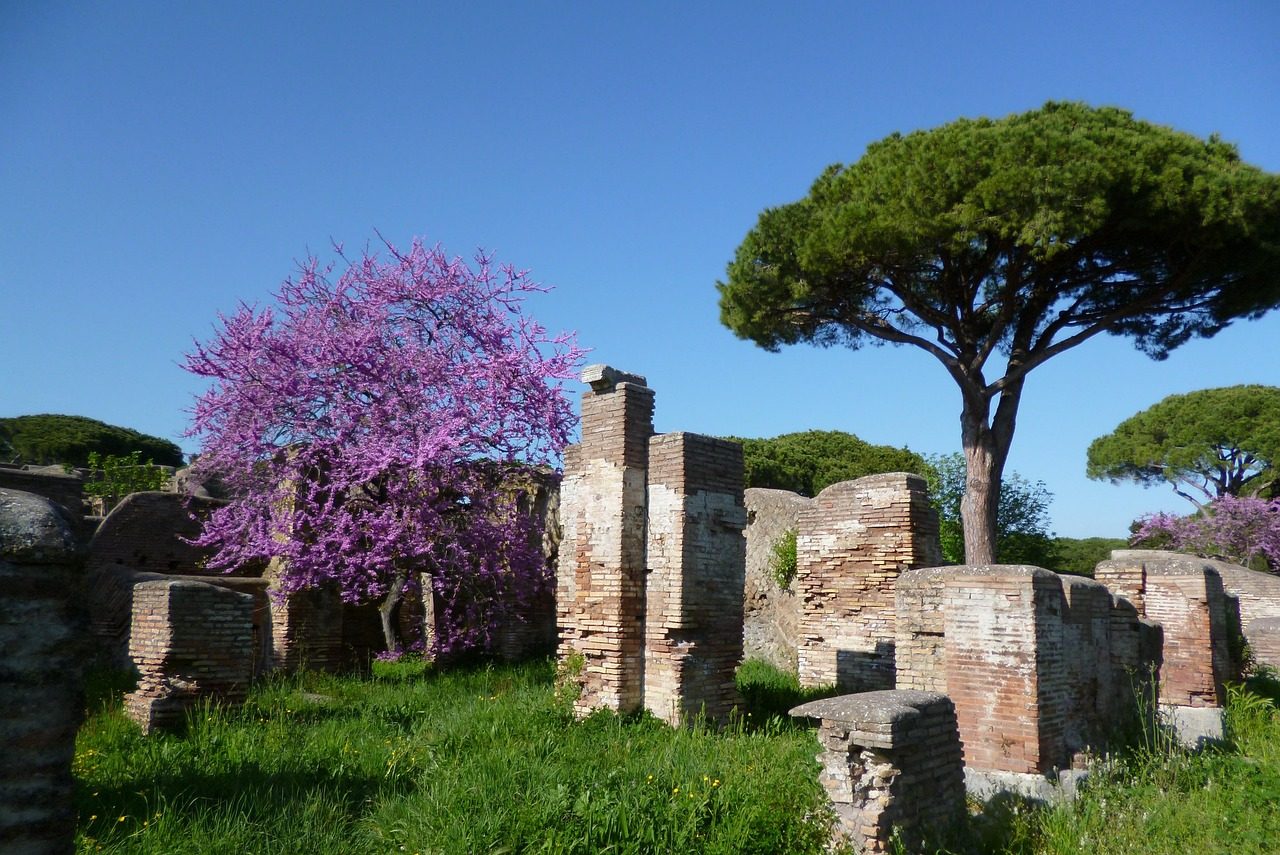
The easiest genuine half-day trip on this list. A complete Roman port city — streets, warehouses, apartment blocks, mosaics and a theatre — reached using Metro B and the connecting Metromare urban railway, with shade from umbrella pines and a fraction of Pompeii's crowds. Leave at 9am, be back in Rome for a late lunch.
Ideal traveller: Anyone with a spare morning; families; first-timers who want Roman ruins without a train ordeal
Official planning: ATAC tickets · Metromare service · Ostia Antica
Check Ostia Antica ticketsOstia Antica vs Pompeii comparedTivoli
Comfortable full dayJourney: About 60–75 minutes each way by regional train
Route: Low–moderate — regional train from Roma Tiburtina to Tivoli, or Cotral bus from Ponte Mammolo, then a local CAT bus or a taxi between the two villas, which are roughly 5 km apart — walking is possible but long and partly uphill, so treat it as a fallback
Budget: Around €3–5 each way plus roughly €12–15 per villa
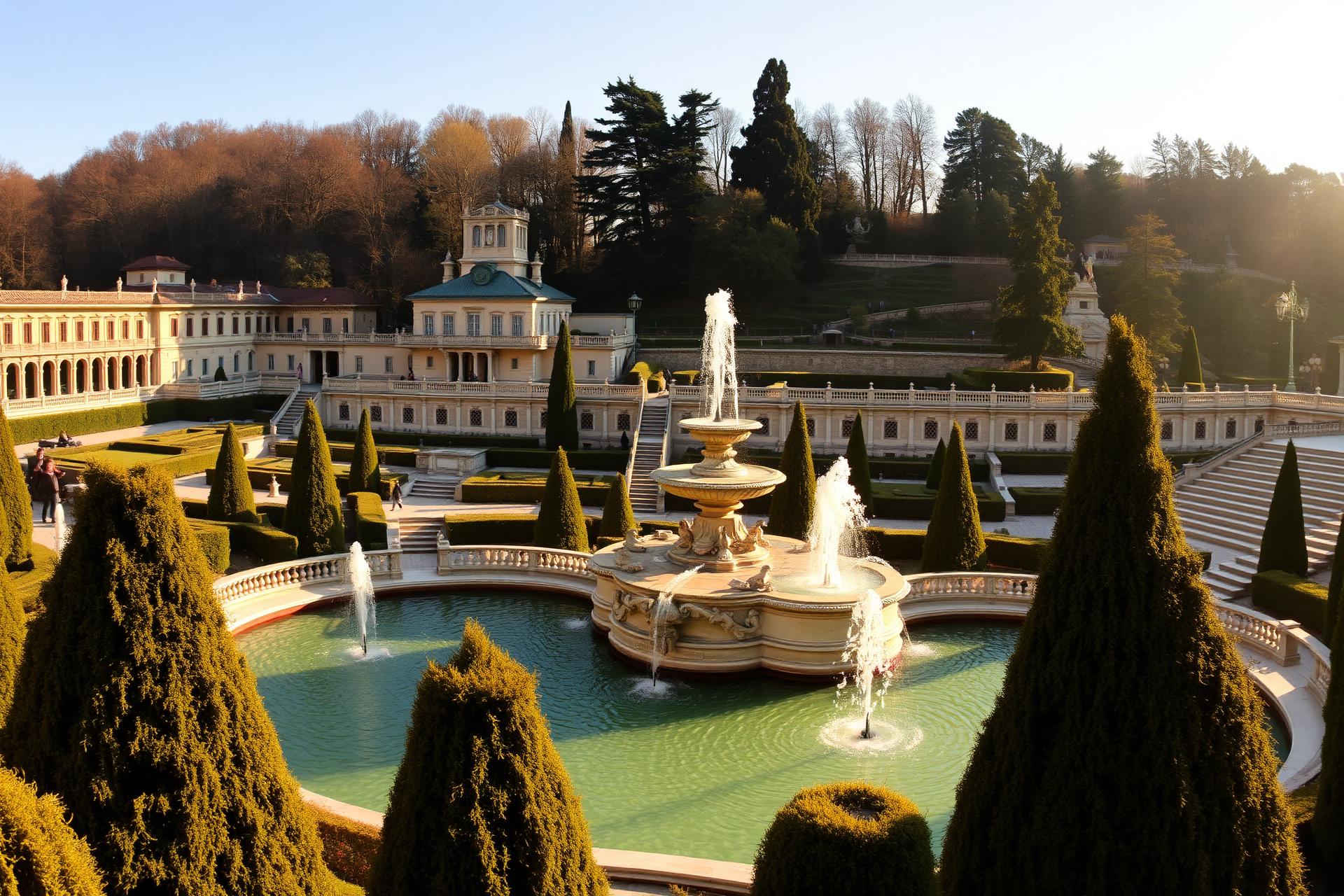
Two UNESCO sites in one town: Hadrian's Villa, the emperor's sprawling country estate, and Villa d'Este with its fountain terraces. Doable together in a day if you start early and do Hadrian's Villa first, since it is further out and needs more time. The transfer between the two is the only fiddly part of the day.
Ideal traveller: Garden and architecture lovers; anyone who wants a full day out of Rome without a high-speed ticket
Official planning: Trenitalia · CAT local buses · Villae tickets
Check Tivoli tours and ticketsFull Tivoli day-trip guideCastel Gandolfo
Easy half-dayJourney: About 40–50 minutes each way by regional train
Route: Very low — regional train from Roma Termini to Castel Gandolfo, then a short uphill walk
Budget: A few euros each way plus around €12 for the Papal Palace and Secret Garden
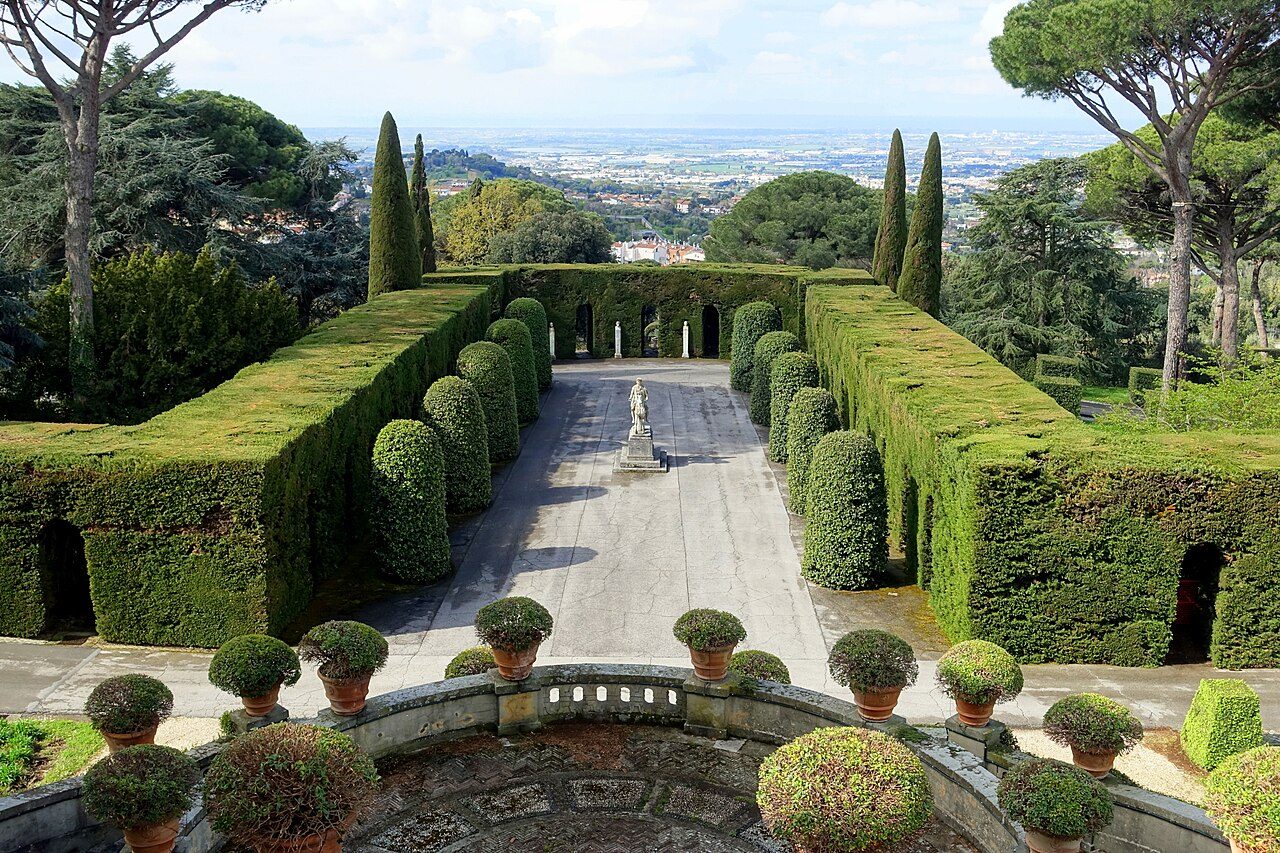
The papal summer residence above Lake Albano. The Apostolic Palace operates as a museum, while garden access depends on the ticket or tour selected. It is a small place — a piazza with a Bernini church, a lake view, lunch, and the palace — which is exactly the point. This is the trip for a day when you do not want another ruin.
Ideal traveller: Slow travellers, returning visitors, anyone wanting lake air and a small hill town
Official planning: Trenitalia · Papal Palace
Check Castel Gandolfo ticketsCastel Gandolfo guideViterbo
Comfortable full dayJourney: About 1h45–2h each way on the regional line
Route: Moderate — direct regional trains from Roma Ostiense or Trastevere, but slow and less frequent, so check return times before you leave
Budget: Around €6–8 each way plus small admissions
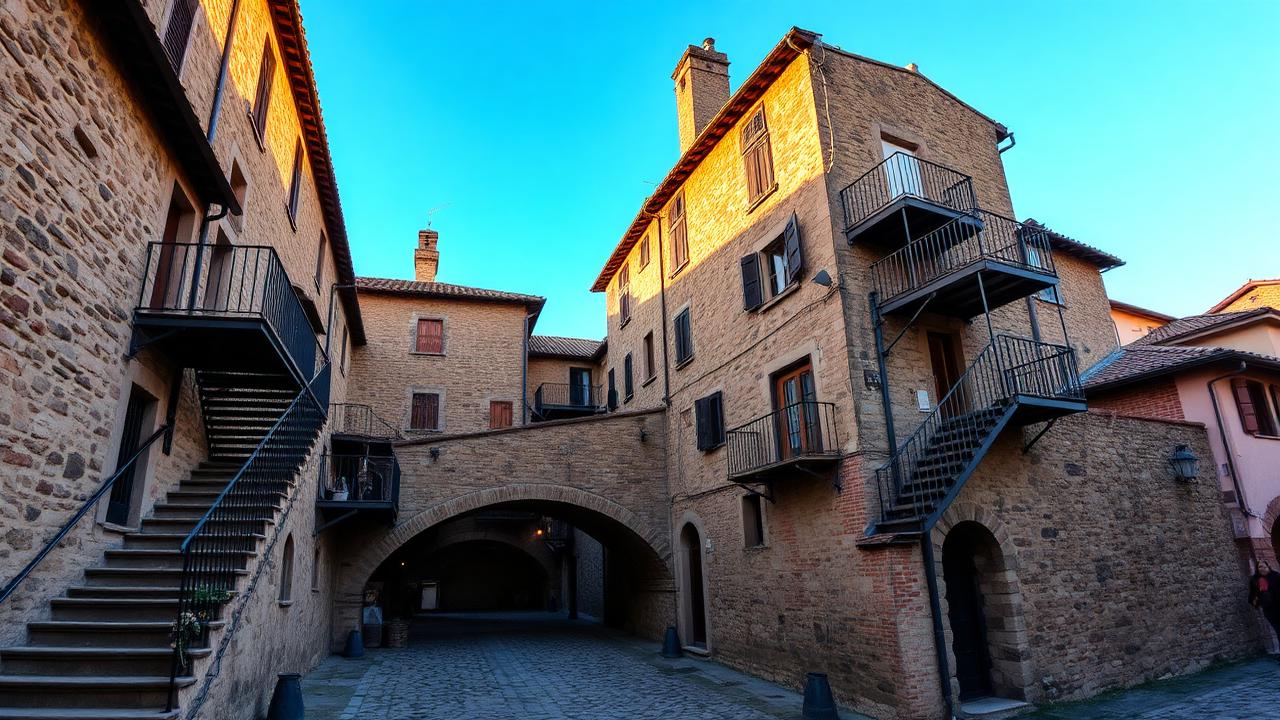
A remarkably well-preserved medieval quarter, plus the Palace of the Popes where papal conclaves were held in the 13th century. It is quiet, cheap and much less visited by international tourists than Tivoli, Florence or Pompeii. The trade-off is the slow regional line: this is a full day committed to one town, not a stop on the way to something else.
Ideal traveller: Travellers on a second or third Rome trip who want a much quieter medieval town
Official planning: Trenitalia
Check Viterbo attraction ticketsViterbo day trip from RomeOrvieto
Comfortable full dayJourney: About 1h15–1h30 each way by regional train
Route: Low — direct regional trains from Roma Termini. From Orvieto station, use the replacement shuttle bus up to Piazza Cahen while the funicular remains suspended for major maintenance; check current local transport arrangements before travelling
Budget: Around €10–16 each way plus cathedral and underground admissions
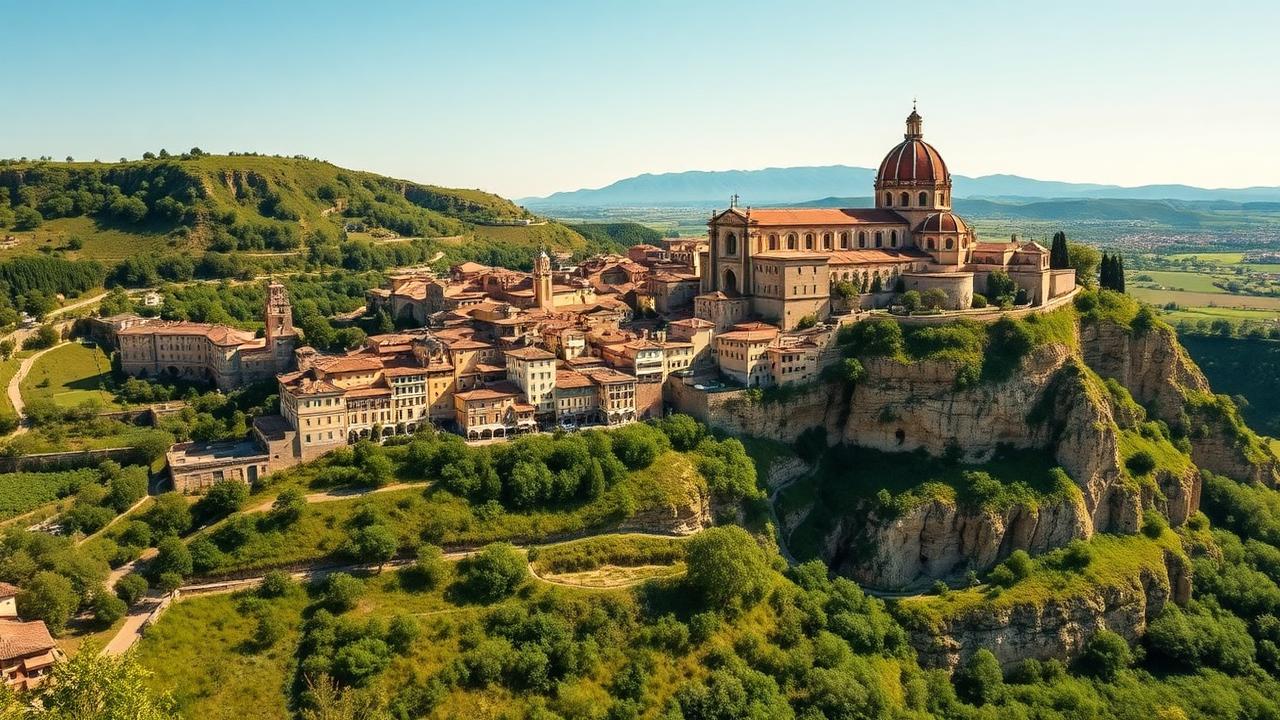
One of the most rewarding classic day trips from Rome after Tivoli. A cliff-top Etruscan town with a striped Gothic cathedral, the Signorelli frescoes in the San Brizio chapel, St Patrick's Well and a tunnel network under the rock. Small enough to see properly in five or six hours, so the day never feels rushed.
Ideal traveller: Anyone wanting one perfect Umbrian hill town, wine and a great cathedral in a single day
Official planning: Trenitalia · Busitalia: funicular suspension notice (June 2026)
Check Orvieto day trips and ticketsOrvieto day trip from RomeFlorence
Long full dayJourney: About 1h35 each way on the high-speed train
Route: Low travel, moderate planning — the train is easy, and Uffizi or Accademia slots are strongly recommended in advance, though Florence is still worthwhile without entering both museums
Budget: Roughly €40–90 return if booked early, plus €25+ in museum tickets
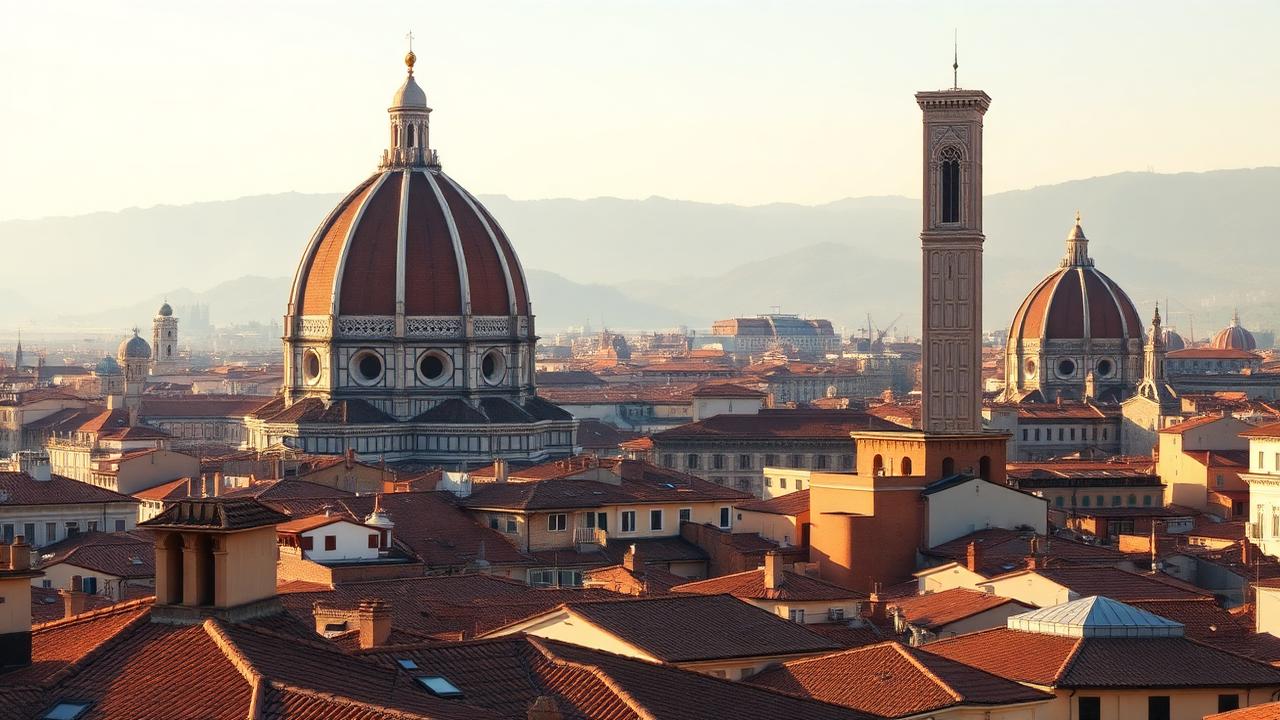
This works only if you treat it as a targeted visit. High-speed trains leave Termini roughly every half hour and Santa Maria Novella is a ten-minute walk from the centre, so you can realistically have seven or eight hours in Florence. Book the museum slots the moment you book the train; walk-up queues can consume a substantial part of a day trip in high season.
Ideal traveller: Repeat Italy visitors who want a specific target — one museum, the Duomo, the Ponte Vecchio — not the whole city
Official planning: Trenitalia Frecce · Italo
Check Florence day trips from RomeFlorence day trip: train and itineraryNaples
Long full dayJourney: About 70 minutes each way on the high-speed train
Route: Low travel, moderate on arrival — Napoli Centrale is a short metro ride or 20-minute walk from the historic centre
Budget: Roughly €30–80 return if booked early, plus museum entries
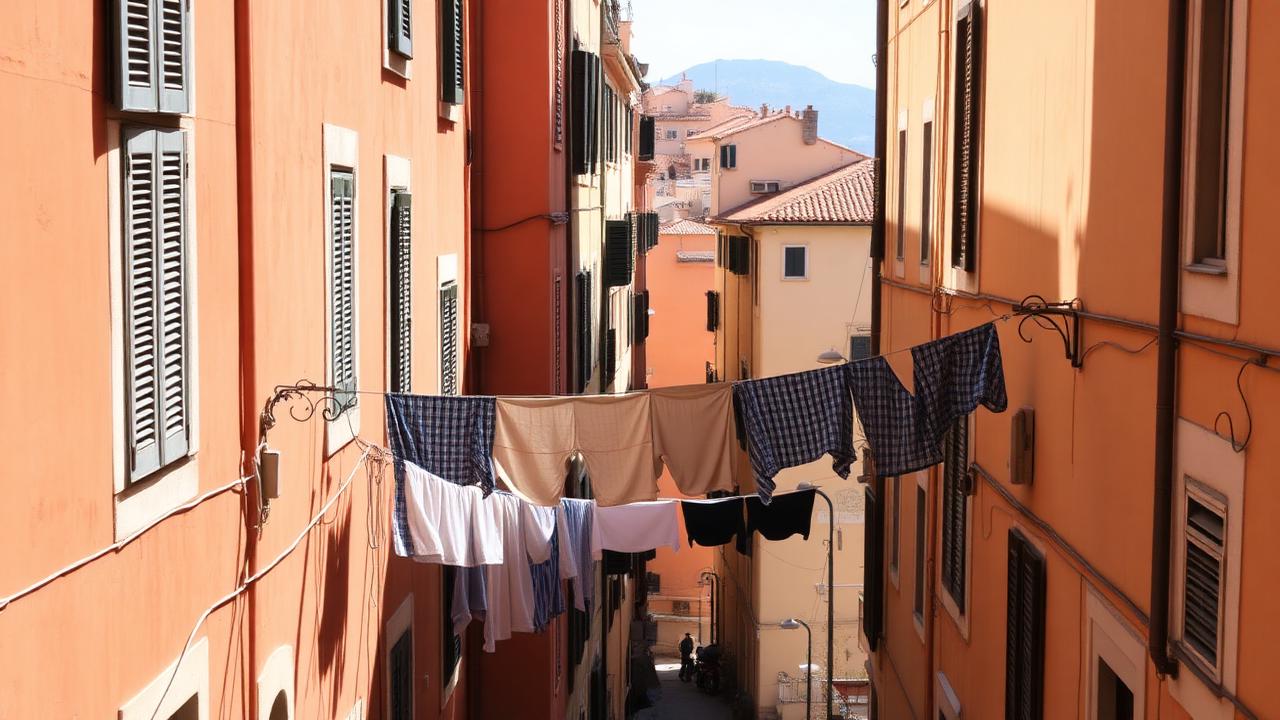
The shortest high-speed hop and the biggest change of atmosphere. A workable day is the National Archaeological Museum in the morning — which houses many of the most important finds from Pompeii — then Spaccanapoli, a pizza and the seafront. The museum normally closes on Tuesdays (holiday exceptions apply), so on a Tuesday flip the day: Spaccanapoli, the underground or the Sansevero Chapel in the morning, then the seafront. Do not try to add Pompeii on the same day; you will do both badly.
Ideal traveller: Confident city travellers who want food, chaos and the Archaeological Museum
Official planning: Trenitalia Frecce · Italo · Archaeological Museum (closed Tuesdays)
Check Naples day trips from RomeNaples day trip: train and itineraryPompeii
Long full dayJourney: 2–3 hours each way, including the local train
Route: Moderate — high-speed train to Naples, then either the Circumvesuviana to Pompei Scavi–Villa dei Misteri (a few minutes from the Porta Marina entrance) or a Trenitalia service to Pompei station with the PompeiLink bus connection where it is running; a single organised coach transfer avoids the changes
Budget: Around €20 for the standard Pompeii Express ticket; broader park products cost more. Train costs vary substantially — check the live Rome–Naples high-speed fare and add the local Circumvesuviana or PompeiLink connection (roughly €35–100+ return depending on departure and booking time), or €90–140 for a guided coach day
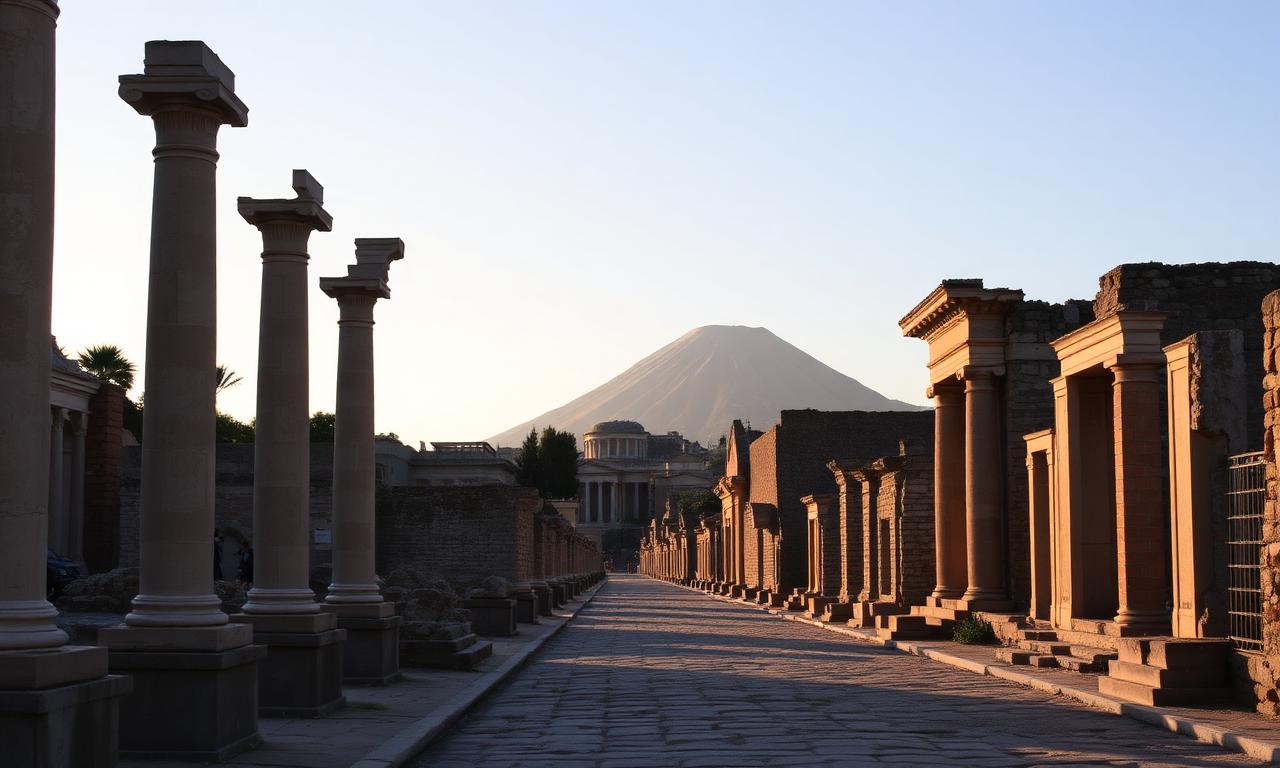
Worth the day, but be honest about what it costs you: 10–12 hours door to door, most of it hot and on your feet. A guide or a good audio guide makes the difference between rows of walls and a readable city. If your Rome trip is three days or shorter, do Ostia Antica instead.
Ideal traveller: Anyone for whom Pompeii is a trip highlight rather than a box to tick
Official planning: Trenitalia · EAV Circumvesuviana · Pompeii tickets
Check Pompeii day trips from RomeNaples–Pompeii plans comparedVenice
Only if you mustJourney: About 3h45 each way on the fastest direct trains
Route: Low travel, long day — leaving around 06:30 and returning after 21:00 is about 15 hours station to station, before getting to and from the station
Budget: Often €90–180 return. Venice applied a day-visitor access fee on selected dates through 26 July 2026; the 2026 charging period has ended, so check the official Venice website for any future scheme
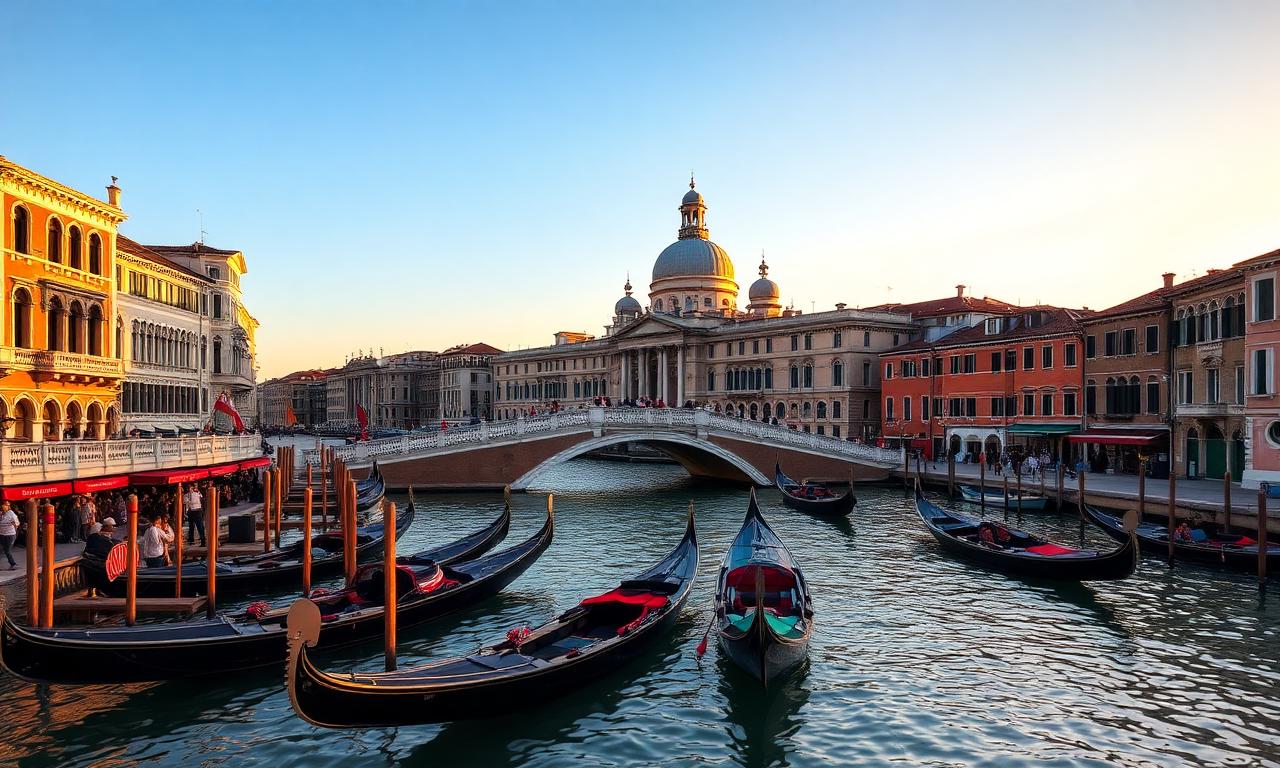
We include Venice because people keep asking, not because we recommend it. As a planning example rather than a timetable, a Rome departure around 06:30 and a Venice departure around 17:30 leaves roughly six hours on the ground. With the 3h45 journey you are back at Termini around 21:15 — about 14h45 station to station, plus getting to Termini for an early departure and home afterwards; verify the exact trains for your date. If Venice matters to you, give it an overnight instead and do Orvieto with the day you free up.
Ideal traveller: Only travellers who accept a 15-hour-plus day for roughly six hours in the city
Official planning: Trenitalia Frecce · Venice access fee
Check Venice tickets and toursPopular trips we left out — and why
Amalfi Coast and Capri: Technically possible in roughly 2.5–3.5 hours each way with carefully timed high-speed trains and seasonal ferries. We exclude them because missed connections, weather disruption and limited time at the destination make independent day trips fragile; an overnight stay is much better.
Cinque Terre: Around four hours each way plus a local line between the villages, leaving barely three usable hours.
Siena and San Gimignano: No useful direct train; the realistic version is a long coach tour rather than an independent rail day.
Assisi: Borderline. The train is about two hours, similar to Viterbo, but Assisi station is in the valley, so you add a local bus up to the old town each way. Assisi is also spread out along the hill — the basilica, the upper town and the fortress need more walking time than Viterbo's compact centre — so it works better as a guided day or an overnight.
How to choose in one minute
- Half a day free: Ostia Antica, or Castel Gandolfo for something calmer.
- One full day, first Rome trip: Tivoli or Orvieto.
- One full day, returning visitor: Viterbo.
- You want a second Italian city: Naples if you like energy, Florence if you like museums — and book ahead for both.
- Pompeii is the reason you came: give it the full day and a guide.
- Venice: stay overnight, or skip it this trip.
Frequently asked questions
What is the best day trip from Rome by train?
Ostia Antica if you have half a day, Orvieto or Tivoli if you have a full day. All three are reachable by ordinary public transport: Metromare for Ostia Antica, and regional rail or bus connections for Tivoli and Orvieto. They cost little and leave you enough time to enjoy the place rather than the journey.
Can you visit Florence as a day trip from Rome?
Yes. High-speed trains take about 1h35 each way and run roughly every half hour, giving you seven or eight hours in the city. Booking Uffizi or Accademia slots ahead is strongly recommended, though the day still works without entering either museum.
Is Venice a realistic day trip from Rome?
Technically yes, practically no. It is about 3h45 each way, so you leave before 7am, get roughly six hours in Venice during its most crowded window and are back in Rome around 21:00–21:30 — roughly 15 hours station to station. An overnight stay is far better value for the money and effort.
Which day trip from Rome is best with children?
Ostia Antica. It is about 45 minutes away using Metro B and the connecting Metromare urban railway, has grass, shade and plenty of room to explore under supervision, and you can abandon the plan at any point and be home quickly. Castel Gandolfo is the calmer alternative.
Do you need to book day trip trains from Rome in advance?
Metromare services to Ostia and regional trains to Tivoli, Castel Gandolfo, Viterbo and Orvieto have fixed fares, so advance purchase is normally unnecessary. High-speed trains to Florence, Naples and Venice are dynamically priced, so booking two to four weeks ahead can substantially reduce the cost.
How many day trips should you plan on a Rome trip?
Our editors suggest about one full-day trip during a five-day Rome stay, leaving at least three full days for the city. A half-day at Ostia Antica costs much less Rome time than a 10–12-hour Pompeii day, so match the pace to the trip rather than treating this as a fixed rule.