Best Rome Museums: Which Ones Are Actually Worth It?
Updated · 13 min read · By the AllTrips Rome editorial team
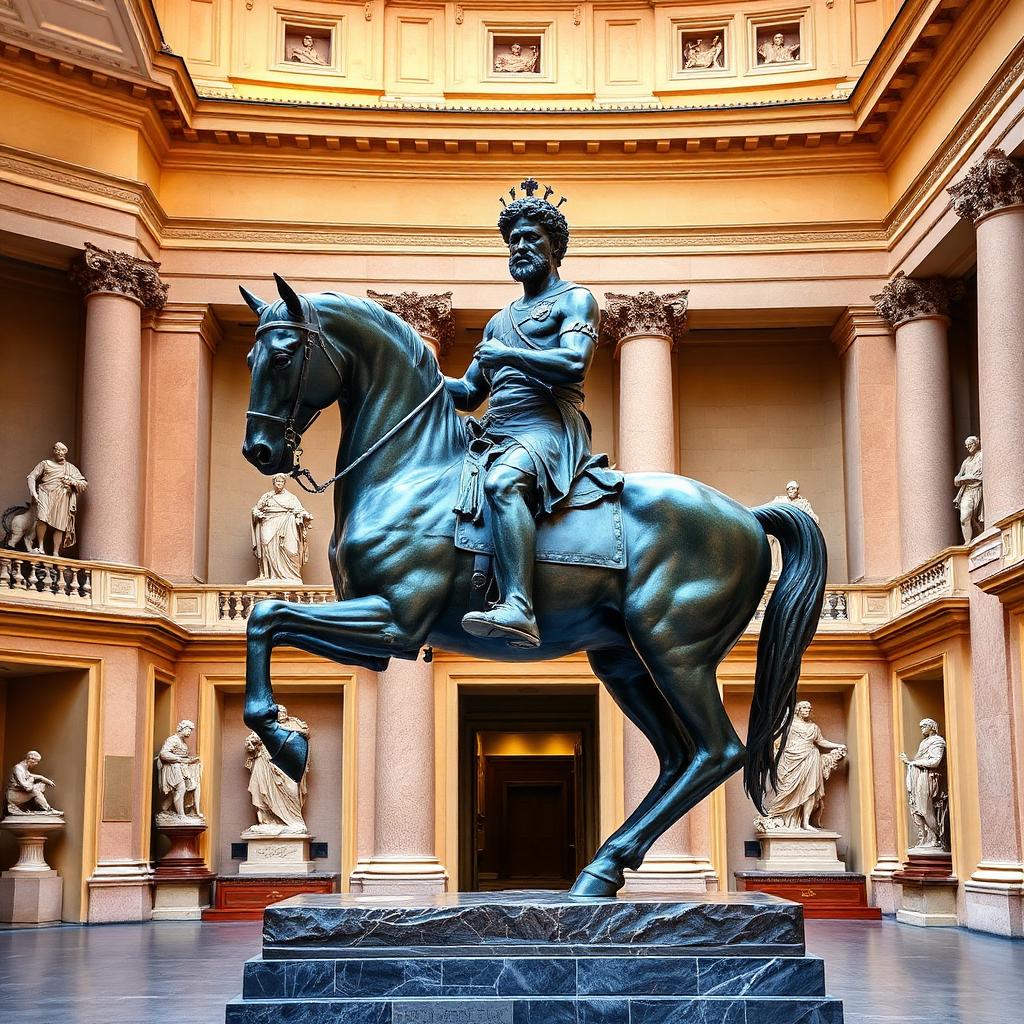
Rome has more museums than anyone can visit, and most lists just rank them. That is not the useful question. On a three- or four-day trip you will realistically visit two, and the decision is not "which is best" but "which is best for the day I have, the weather I get, and whether I remembered to book".
So this guide is built as a set of decisions. Below we compare ten museums on price, visit length and whether you need to book, then answer the seven questions that actually determine which one you should walk into.
The short answers
Best for ancient Rome
Capitoline Museums
The founding collection of Roman sculpture, on the hill the city was governed from, with the Forum visible from the Tabularium windows.
Runner-up: Baths of Diocletian (with Palazzo Massimo on the same ticket)
Best for Renaissance and Baroque art
Borghese Gallery
Bernini's sculpture in the room it was made for, plus six Caravaggios, seen in a capped timed slot with space to actually look.
Runner-up: Palazzo Barberini, if the Borghese is sold out
Best small museum
Galleria Spada
Four rooms, about €5, Borromini's perspective corridor, and you are back outside in 45 minutes.
Runner-up: Galleria Colonna for pure spectacle, if its opening day fits
Best modern museum
MAXXI
Rome's leading contemporary art and architecture museum, in a Zaha Hadid building worth the trip alone.
Runner-up: La Galleria Nazionale (National Gallery of Modern Art) for 19th–20th-century collections; Ara Pacis if you mainly want modern architecture
Best rainy-day choice
Vatican Museums
Hours of continuous indoor route — but book the slot, because everyone else has the same idea when it rains.
Runner-up: Palazzo Barberini or Baths of Diocletian if you did not pre-book
Best without advance booking
Palazzo Barberini
Major paintings, walk-up entry on almost any day, and it never reaches Vatican-level density.
Runner-up: Galleria Spada, Baths of Diocletian, MAXXI, Ara Pacis
Best for a one-hour visit
Ara Pacis Museum
One monument, clearly presented, indoors and central — the most complete short museum visit in Rome.
Runner-up: Galleria Spada
Compare all ten at a glance
Full-price adult admission and booking rules checked 25 September 2026. Each price links to the museum's official ticket information; temporary exhibitions and reduced categories can change the final amount.
| Museum | Price 2026 | Time needed | Advance booking | Usually closed | Best for |
|---|---|---|---|---|---|
| Vatican Museums & Sistine Chapel | €20 base admission, €25 with the official online reservation Official price | 3–4 hours | Essential — book a timed slot days ahead | Sundays (except the last Sunday of the month) | The largest collection in Rome, if you can handle crowds |
| Borghese Gallery | €16 full admission plus the mandatory €2 reservation fee; the final entry slot is cheaper and exhibition supplements may apply Official price | 2 hours per slot (the cheaper final slot is shorter) | Compulsory — timed slots regularly sell out weeks ahead | Mondays | Baroque sculpture in a focused, capped timed visit |
| Capitoline Museums | Varies with exhibitions and ticket combination — check the official civic-museum tariff. Roma Pass admission applies only when you use the museum as one of the pass's included entries Official price | 2–3 hours | Recommended in peak season, but walk-ups usually work | Check the official calendar | Ancient Rome — the best classical sculpture collection in the city |
| Palazzo Barberini | Around €15, usually a combined ticket valid for Palazzo Corsini too Official price | 1.5–2 hours | Not needed — walk-ups are normal | Mondays | Renaissance and Baroque painting without the crush |
| Galleria Doria Pamphilj | Around €16 including the audio guide Official price | 1.5 hours | Not needed | Check the official calendar | A private-palace collection still owned by the family |
| Galleria Colonna | Saturday short route €15, Saturday complete route €25, Friday guided complete route €35 Official price | 1–1.5 hours | Friday guided visits need a reservation; Saturday routes are walk-in | Sunday–Thursday (open Fridays and Saturdays only) | The most spectacular single room in any Rome museum |
| Galleria Spada | Around €5 Official price | 45 minutes | Not needed | Tuesdays | Best small museum, and the best value ticket in central Rome |
| Baths of Diocletian | €15 National Roman Museum combined ticket, valid for one entry to each participating venue within one week Official price | 1.5–2 hours | Not needed | Mondays | Ancient Rome at scale, two minutes from Termini |
| MAXXI | €15 at the ticket office, €14 online Official price | 1.5–2 hours | Not needed | Mondays | Best modern museum — contemporary art and architecture |
| Ara Pacis Museum | Non-resident admission varies with temporary exhibitions; Rome and metropolitan-area residents enter participating civic museums free with valid ID Official price | 45–60 minutes | Not needed | Check the official calendar | Best one-hour visit; one masterpiece, well explained |
Central Rome museums on the map


 📍
📍
📍
📍
📍
📍
📍
📍
📍
📍
+− Leaflet | © OpenStreetMap contributors
📍
📍
📍
📍
📍
📍
📍
📍
📍
📍
+− Leaflet | © OpenStreetMap contributorsMap data © OpenStreetMap contributors. Pair each museum with nearby sightseeing: Capitoline with the Forum, Doria Pamphilj and Colonna with the Pantheon and Trevi area, Spada with Campo de' Fiori. Pins are approximate.
The ten museums in detail
Vatican Museums & Sistine Chapel
Price: €20 base admission, €25 with the official online reservation — official details
Time: 3–4 hours
Booking: Essential — book a timed slot days ahead
Best for: The largest collection in Rome, if you can handle crowds
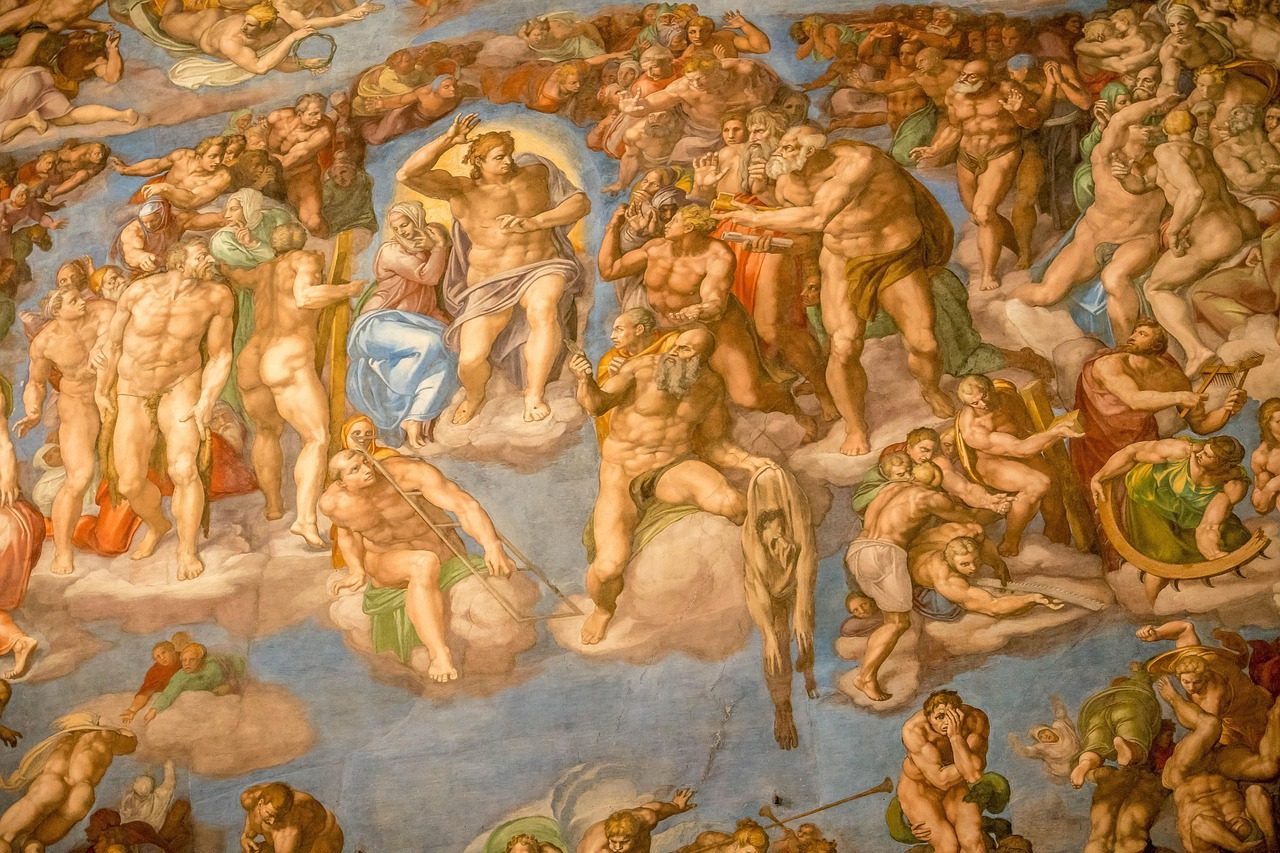
This is the biggest, richest and busiest museum in the city, and for most first-time visitors it is the one ticket they plan the trip around. The catch is that you do not get a calm museum experience: the route funnels everyone through the same corridors toward the Sistine Chapel, and mid-morning in high season it moves at shuffling pace. Go at the first slot of the day or in the last two hours of the afternoon, and accept that you will not see everything.
Skip it if: You have one day in Rome and dislike dense queues
Check Vatican Museums ticketsRead our full guideBorghese Gallery
Price: €16 full admission plus the mandatory €2 reservation fee; the final entry slot is cheaper and exhibition supplements may apply — official details
Time: 2 hours per slot (the cheaper final slot is shorter)
Booking: Compulsory — timed slots regularly sell out weeks ahead
Best for: Baroque sculpture in a focused, capped timed visit
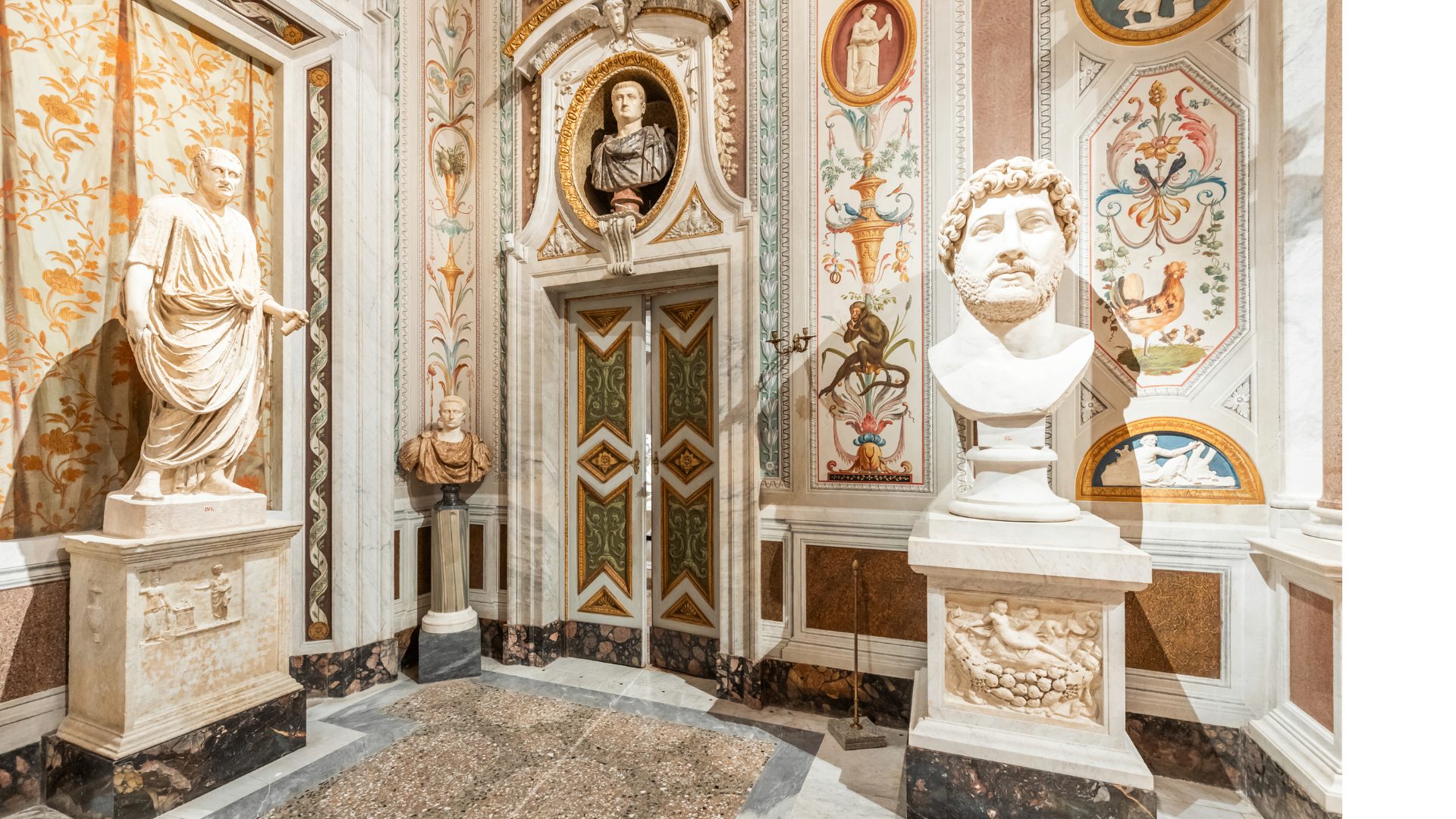
Visitor numbers are capped and visits are limited to a fixed time slot — two hours, except the shorter 17:45 final slot — which is why it feels like the opposite of the Vatican: quiet rooms, space around each work, and no fatigue. Bernini's Apollo and Daphne, The Rape of Proserpina and David are here, together with Caravaggios and Canova's Paolina Borghese. If you only book one museum in advance for your whole trip, make it this one.
Skip it if: You are deciding on the day — do not rely on arriving without a reservation
Check Borghese Gallery ticketsRead our full guideCapitoline Museums
Price: Varies with exhibitions and ticket combination — check the official civic-museum tariff. Roma Pass admission applies only when you use the museum as one of the pass's included entries — official details
Time: 2–3 hours
Booking: Recommended in peak season, but walk-ups usually work
Best for: Ancient Rome — the best classical sculpture collection in the city
The oldest public museum collection in the world, sitting on the Capitoline Hill above the Forum. The Capitoline Wolf, the colossal fragments of Constantine, the Dying Gaul and the original bronze Marcus Aurelius are all here, and the Tabularium gallery gives you the best indoor view over the Roman Forum in Rome. Pair it with the Forum on the same day and the ancient city finally makes sense as one story.
Skip it if: You are not interested in Roman sculpture or imperial history
Check Capitoline Museums ticketsRead our full guidePalazzo Barberini
Price: Around €15, usually a combined ticket valid for Palazzo Corsini too — official details
Time: 1.5–2 hours
Booking: Not needed — walk-ups are normal
Best for: Renaissance and Baroque painting without the crush
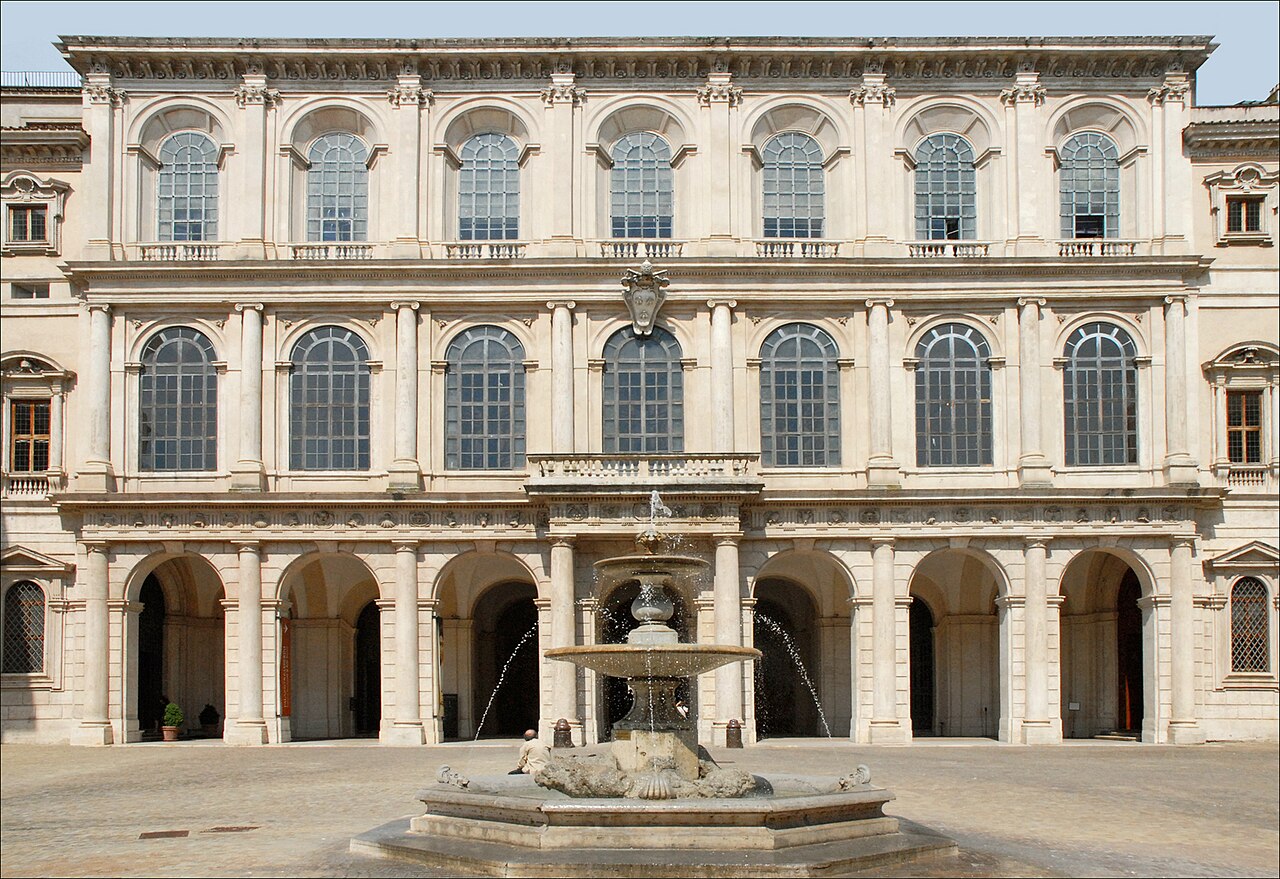
The National Gallery of Ancient Art in a Bernini and Borromini palace. Raphael's La Fornarina, Caravaggio's Judith Beheading Holofernes and Holbein's Henry VIII hang in rooms that are often nearly empty, and Pietro da Cortona's ceiling in the great salon is one of the great Baroque set pieces in the city. Borromini's oval staircase alone justifies the entry.
Skip it if: You have already committed a day to the Vatican Pinacoteca
Official Barberini Corsini siteGalleria Doria Pamphilj
Price: Around €16 including the audio guide — official details
Time: 1.5 hours
Booking: Not needed
Best for: A private-palace collection still owned by the family
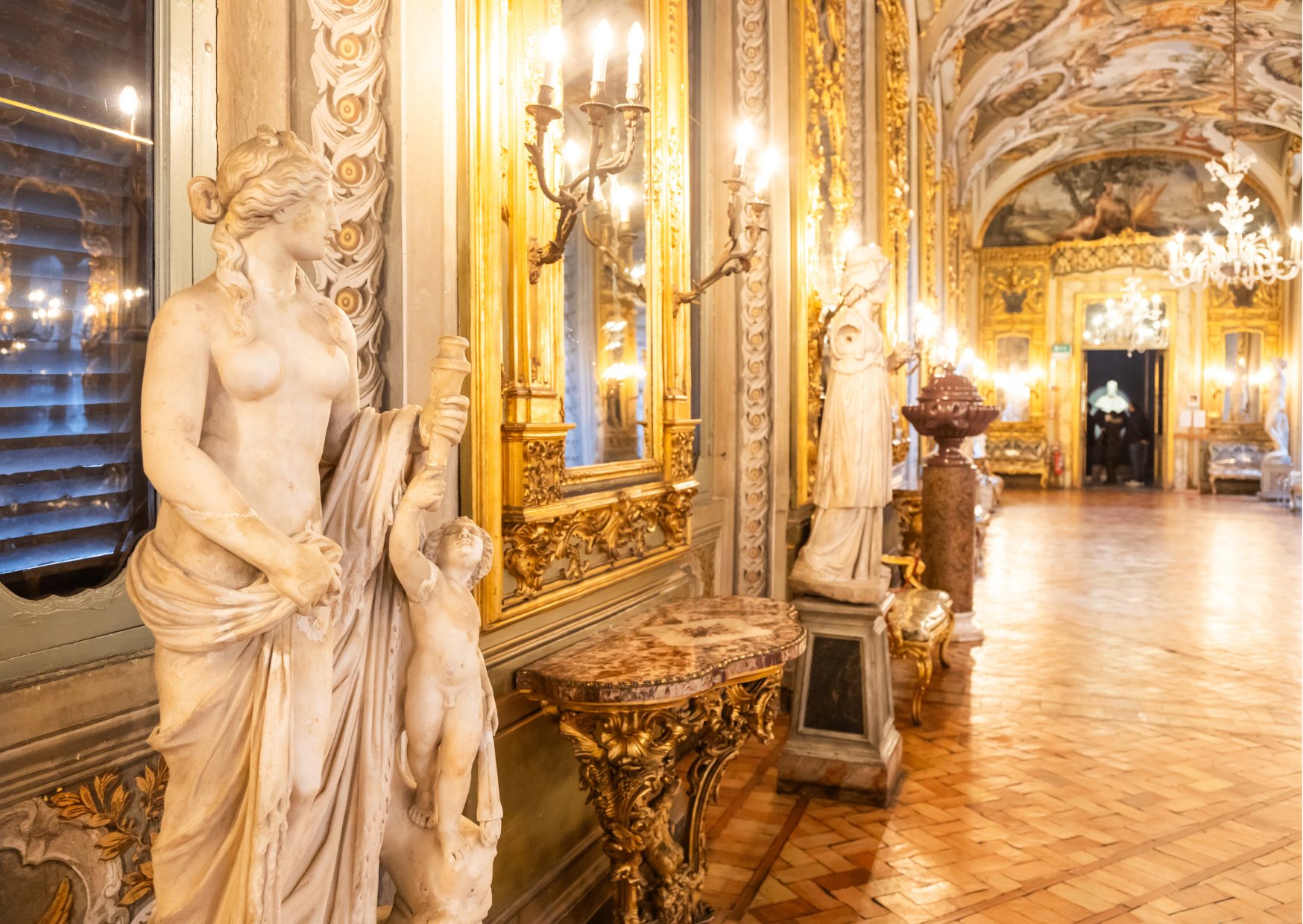
A working aristocratic palace on Via del Corso whose gilded gallery is hung floor to ceiling in the old manner. The prize is Velázquez's portrait of Innocent X, in its own small room, plus two early Caravaggios. The included audio guide is narrated by a member of the family and is genuinely one of the better ones in Rome.
Skip it if: You prefer museums organised by period rather than crammed salon-style
Check Doria Pamphilj ticketsRead our full guideGalleria Colonna
Price: Saturday short route €15, Saturday complete route €25, Friday guided complete route €35 — official details
Time: 1–1.5 hours
Booking: Friday guided visits need a reservation; Saturday routes are walk-in
Best for: The most spectacular single room in any Rome museum
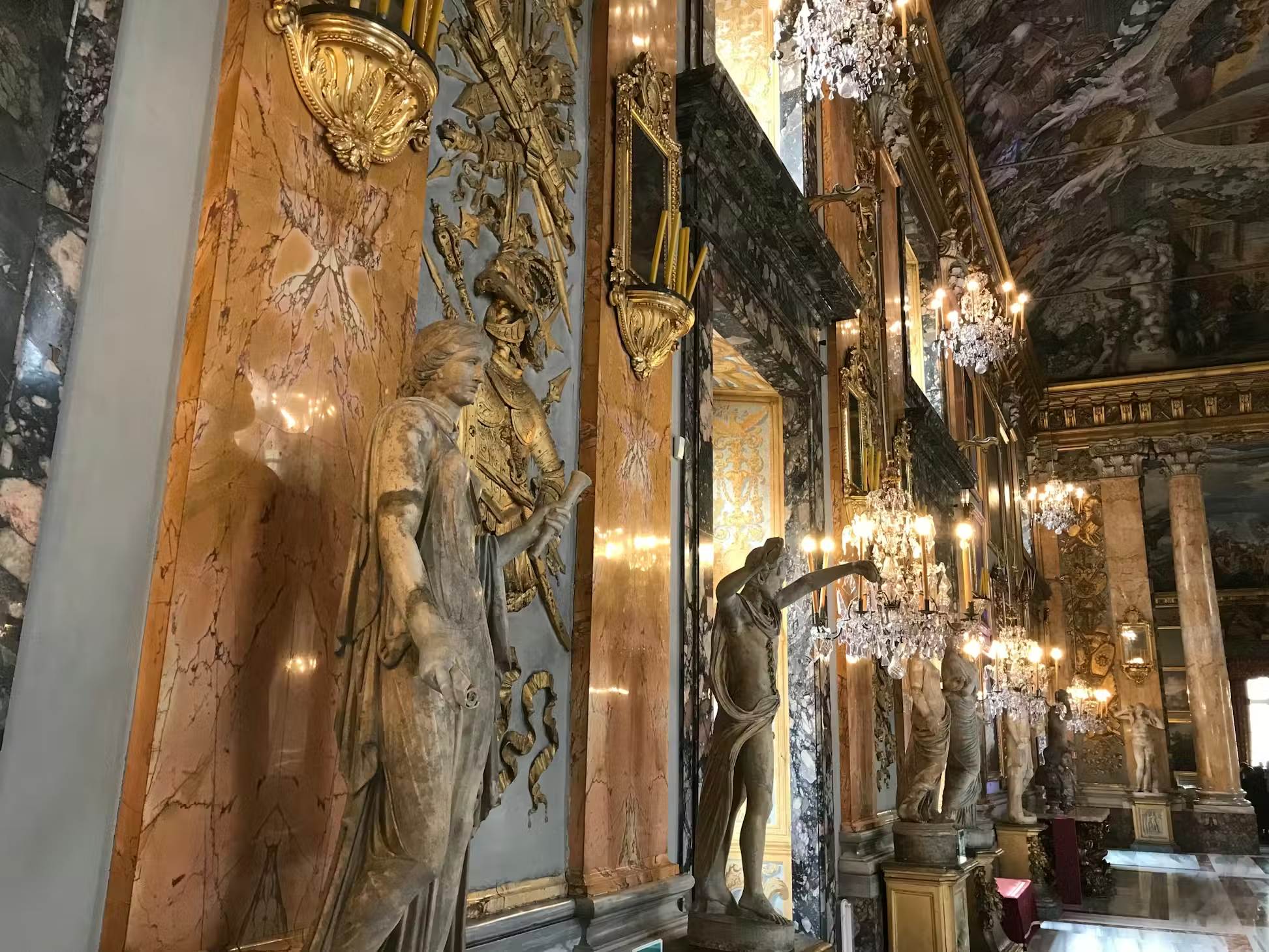
Open on Fridays for reserved guided visits of the complete route, and on Saturdays for walk-in visits (short or complete route) — check the current calendar before planning around it. The Great Hall is a 76-metre Baroque gallery of mirrors, marble and ceiling frescoes, with a cannonball from the 1849 siege still lodged in the staircase. It is a short visit and an unforgettable one.
Skip it if: You cannot make its restricted opening hours
Check Galleria Colonna ticketsRead our full guideGalleria Spada
Price: Around €5 — official details
Time: 45 minutes
Booking: Not needed
Best for: Best small museum, and the best value ticket in central Rome
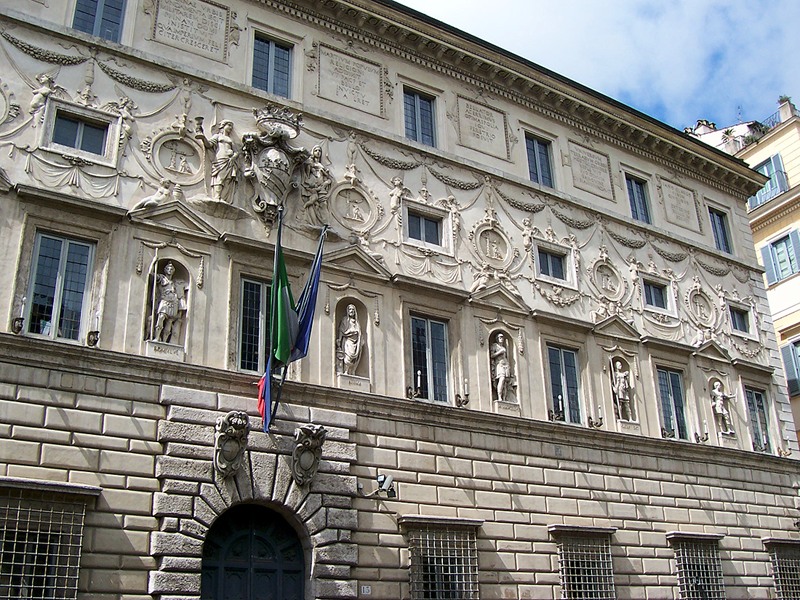
Four rooms of 17th-century painting in a courtyard palace behind Campo de' Fiori, plus Borromini's forced-perspective colonnade — a corridor that looks 37 metres long and is actually about 8. It is cheap, quick and rarely busy, and it slots neatly into a walk between Campo de' Fiori and Trastevere.
Skip it if: You want a large collection rather than four rooms and a trick
Official Galleria Spada siteRead our full guideBaths of Diocletian
Price: €15 National Roman Museum combined ticket, valid for one entry to each participating venue within one week — official details
Time: 1.5–2 hours
Booking: Not needed
Best for: Ancient Rome at scale, two minutes from Termini
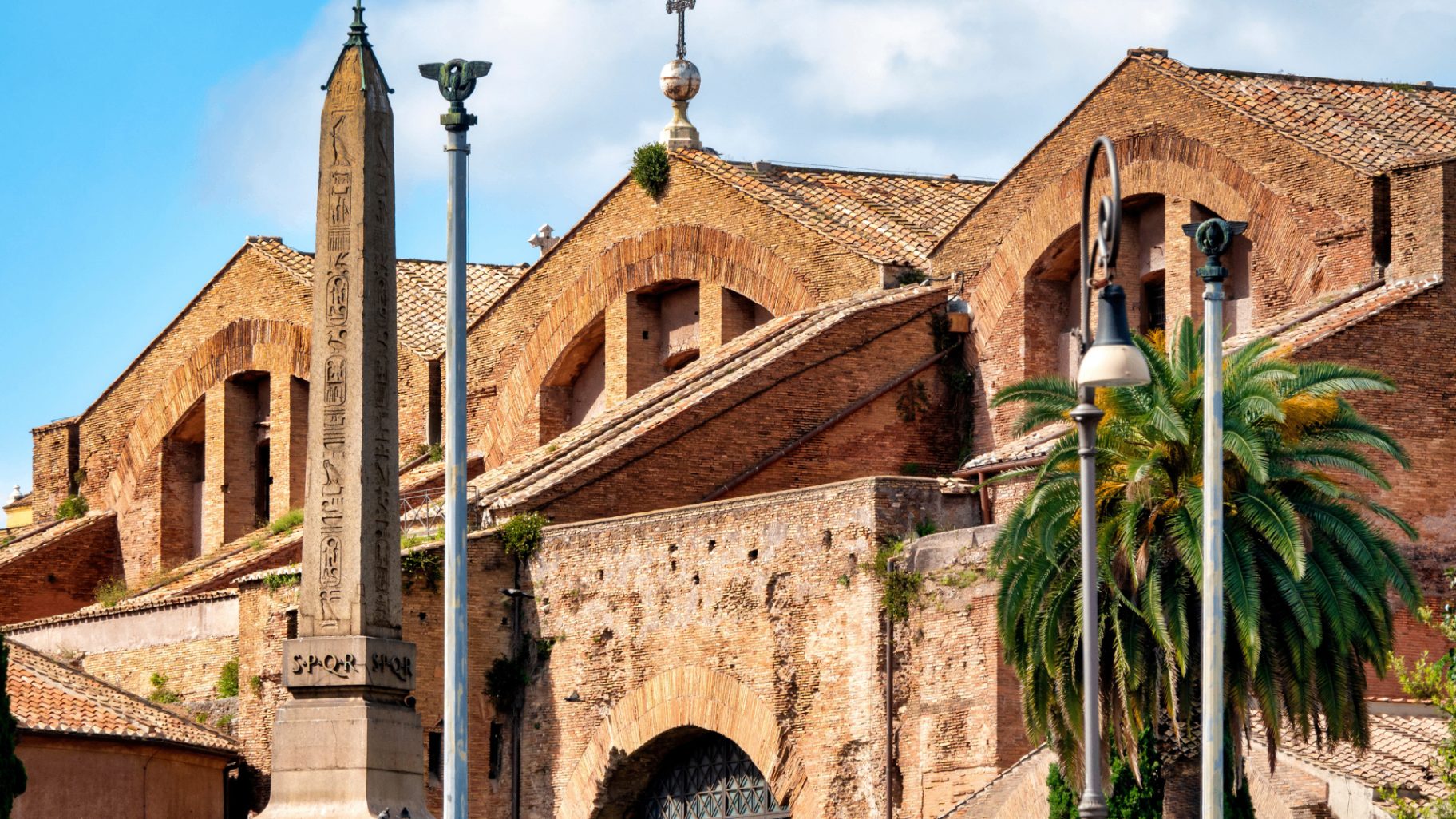
The largest bath complex ever built, now a museum with a Michelangelo-designed cloister and halls full of ancient inscriptions and sculpture. The adjoining basilica of Santa Maria degli Angeli e dei Martiri was adapted from the bath complex but is a separate active church with its own access, not part of museum admission. The €15 National Roman Museum ticket works as a system: one entry to each venue within a week. If you only have time for one, choose Palazzo Massimo for frescoes, mosaics and bronzes, and the Baths for scale and the cloister. The museum is one of the emptiest major ancient sites in Rome, and the €15 combined ticket also covers Palazzo Massimo across the road, where the Villa of Livia frescoes are. Ideal on an arrival or departure day because of the Termini location.
Skip it if: You have limited time and have already done the Capitoline
Official National Roman Museum siteRead our full guideMAXXI
Price: €15 at the ticket office, €14 online — official details
Time: 1.5–2 hours
Booking: Not needed
Best for: Best modern museum — contemporary art and architecture
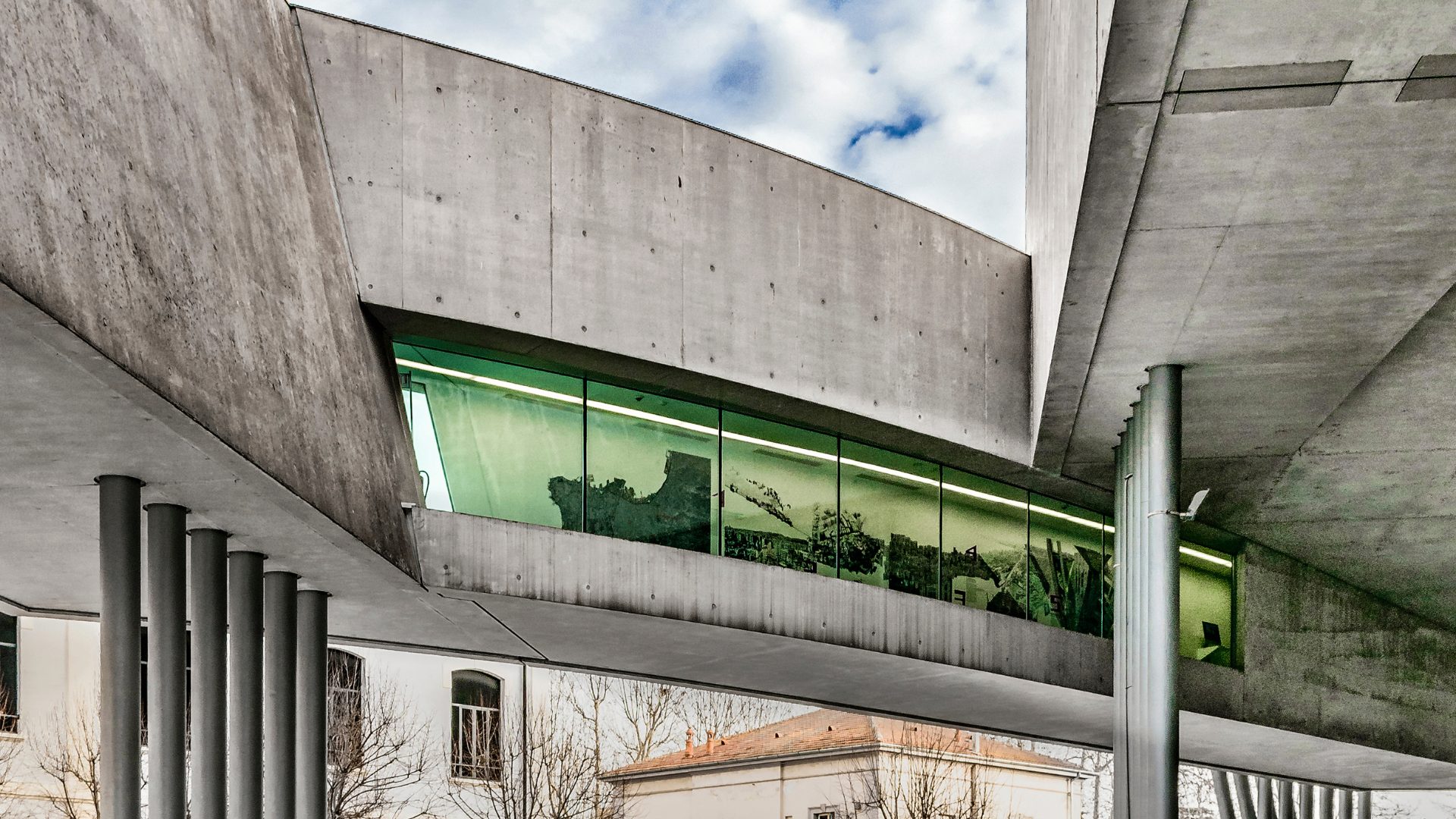
Zaha Hadid's building in Flaminio is the exhibit as much as the shows inside it: poured concrete ribbons, black staircases and skylit galleries. Programming is temporary-exhibition led, so check what is on before travelling out — tram 2 from Piazzale Flaminio gets you there in about ten minutes.
Skip it if: Your trip is short and centred on the historic core
Official MAXXI siteRead our full guideAra Pacis Museum
Price: Non-resident admission varies with temporary exhibitions; Rome and metropolitan-area residents enter participating civic museums free with valid ID — official details
Time: 45–60 minutes
Booking: Not needed
Best for: Best one-hour visit; one masterpiece, well explained
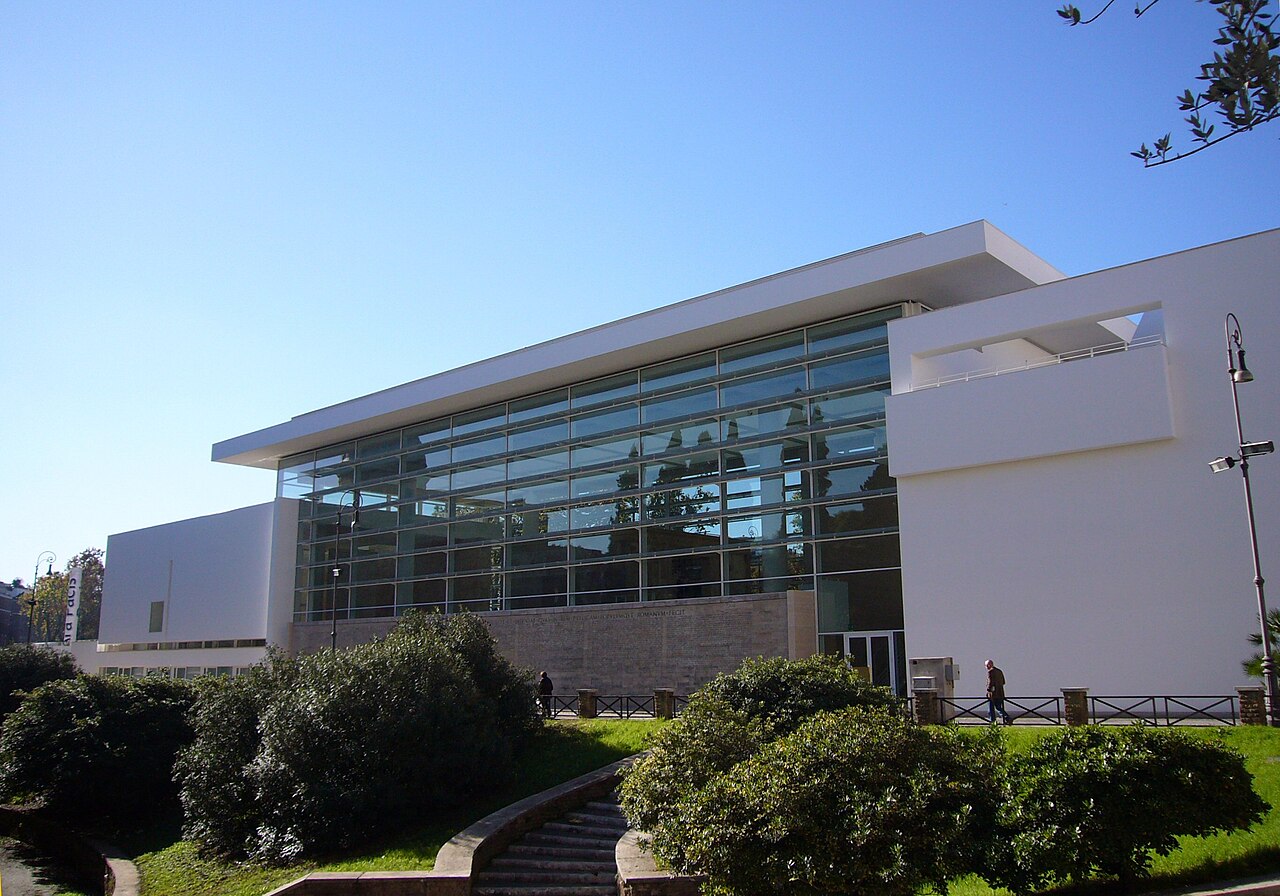
Augustus's Altar of Peace from 9 BC, housed in Richard Meier's glass pavilion by the Tiber. The relief carving of the imperial procession is among the finest surviving Augustan sculpture, and the museum explains it well. Small, air-conditioned and quick: a few minutes' walk from Piazza del Popolo, and roughly 10–15 minutes from the Spanish Steps depending on your route.
Skip it if: You want breadth rather than a single monument
Check Ara Pacis ticketsRead our full guideHow to sequence museums in a short trip
Two days: Vatican Museums on one morning, Capitoline Museums with the Forum on the other. At a relaxed pace that is enough; fast visitors can add a short one such as Galleria Spada without losing time for the streets.
Three to four days: add the Borghese Gallery in a late-afternoon slot — the villa and Villa Borghese park make a natural end to a day — and slot Galleria Spada or Ara Pacis into a gap rather than planning a day around them.
If it rains: Palazzo Barberini and the Baths of Diocletian both take walk-ups, which matters exactly on the day everyone reroutes indoors.
Arrival and departure days: the Baths of Diocletian and Palazzo Massimo are a two-minute walk from Termini and share one ticket, so they absorb an awkward half-day with luggage stored at the station.
Frequently asked questions
Which museum in Rome is actually worth paying for?
If you only pay for one, make it the Borghese Gallery: capped visitor numbers, a two-hour slot and Bernini's sculpture in the rooms it was made for. If you have never been to Rome, the Vatican Museums are the other unavoidable ticket, but expect crowds rather than calm.
Which Rome museums can you visit without booking ahead?
Palazzo Barberini, Galleria Spada, the Baths of Diocletian, MAXXI, Ara Pacis and usually the Capitoline Museums take walk-ups. The Borghese Gallery requires a reservation. At the Vatican Museums, the official reserved ticket is €25 and is strongly recommended; the €20 unreserved ticket depends on the queue and availability on the day.
What is the best museum in Rome for ancient Roman art?
The Capitoline Museums, followed by the National Roman Museum sites — the Baths of Diocletian and Palazzo Massimo, covered by one €15 combined ticket valid for a single entry to each participating venue within one week.
How many museums should you fit into a Rome trip?
One major museum per day is the realistic ceiling, and on a three-day trip two is usually enough alongside the Forum, Pantheon and Trastevere. Pair one large museum with one small one — for example the Capitoline in the morning and Galleria Spada late afternoon.
Are Rome museums free on the first Sunday of the month?
Many state museums, including the Baths of Diocletian and Palazzo Barberini, take part in free-entry Sundays, and the Vatican Museums are free on the last Sunday of the month. Free days are also the busiest days of the month, and the Borghese still requires a reservation. Check each museum's current schedule before relying on it.
Which Rome museum is best on a rainy day?
The Vatican Museums if you already hold a timed ticket, because the route keeps you indoors for hours. Without a booking, Palazzo Barberini and the Baths of Diocletian are the best wet-weather fallbacks.