Rome With Kids: 25 Attractions by Age, Weather and Location
Updated · 15 min read · By the AllTrips Rome editorial team
Planning a family trip to Rome involves balancing the interests of different age groups and managing local conditions. We have organized these 25 attractions to help you match activities to your children's ages, the weather, and your location in the city.
Under-18s receive free admission to Italian state sites such as the Colosseum and Ostia Antica, and the Pantheon is also free for children. However, booking procedures vary; for example, the Colosseum requires advance reservations even for free tickets. Pacing your trip is key: combining one major site with time in a local park or piazza is a practical way to manage the day.
Family attractions at a glance
| Attraction | Ages | Duration | Area | Booking |
|---|---|---|---|---|
| Casina di Raffaello | Editorial suggestion: 2–10; Official: Activities mostly for ages 3–8 | 1–2 hours | Inside Villa Borghese, central Rome | Tickets available |
| Luneur Park | Editorial suggestion: 2–12; Official: Rides have varying height restrictions | 3–4 hours or full day | EUR district, south of the centre — Metro B | Tickets available |
| Explora — Children's Museum of Rome | Editorial suggestion: 0–11; Official: No minimum age, best for 3–8 | 1 hour 45 minutes (fixed session) | Via Flaminia 80/86, near Villa Borghese | Book ahead |
| Bioparco di Roma | All ages | 2–3 hours | Villa Borghese, central Rome | Tickets available |
| Villa Borghese Gardens | All ages | 2 hours to full day | Central Rome, above the Spanish Steps | Tickets available |
| Museum of Illusions Rome | Editorial suggestion: 6–14; Official: All ages welcome | 1 hour | Via del Tritone 61, Central Rome | Tickets available |
| Leonardo da Vinci Museum (Piazza del Popolo) | Editorial suggestion: 6–13 | 1 hour | Piazza del Popolo 12, Central Rome | Tickets available |
| Leonardo da Vinci Experience (Via della Conciliazione) | Editorial suggestion: 8–14 | 1 hour | Via della Conciliazione 19, near the Vatican | Tickets available |
| Zoomarine | Editorial suggestion: 4–12; Official: Rides have height restrictions | Full day plus travel | Torvaianica, about 40 km south-west — car or shuttle | Tickets available |
| Hydromania | Editorial suggestion: 5–14; Official: Slides have height restrictions | 4 hours to full day | Casal Lumbroso, western outskirts | Tickets available |
| Aqua World at Cinecittà World | Editorial suggestion: 4–14; Official: Height restrictions apply | 3 hours to full day | Via Irina Alberti, south of Rome | Tickets available |
| Colosseum | Editorial suggestion: 8 and up; younger children may find shorter visits better | 1.5–2 hours | Central Rome, Metro B Colosseo | Book ahead |
| Ostia Antica | Editorial suggestion: 6 and up | 3–4 hours plus travel | 40 minutes by train from Piramide | Tickets available |
| Castel Sant'Angelo | Editorial suggestion: 7 and up | 1.5–2 hours | Central Rome, by the Tiber | Tickets available |
| MagicLand | Editorial suggestion: 6–15; Official: Height restrictions apply | Full day plus travel | Valmontone, south-east of Rome | Tickets available |
| Baths of Caracalla | Editorial suggestion: 9 and up | 1 hour | South of the Circus Maximus | Tickets available |
| Cinecittà Studios | Editorial suggestion: 10 and up | 2–3 hours | South-east Rome, Metro A Cinecittà | Tickets available |
| Capuchin Crypt | Editorial suggestion: 12 and up; Official: No minimum age, but parents should use discretion | 45–60 minutes | Via Veneto 27, central Rome | Tickets available |
| Catacombs of San Sebastiano | Editorial suggestion: 10 and up | 1 hour (guided visit) | Via Appia Antica | Book ahead |
| Appian Way and bike hire | Editorial suggestion: 8 and up for cycling | 2–3 hours | South of the city, Via Appia Antica | Tickets available |
| Pantheon | All ages | 20–30 minutes | Piazza della Rotonda, Central Rome | Book ahead |
| Trevi Fountain | All ages | 15–30 minutes | Piazza di Trevi, Central Rome | Usually flexible |
| Spanish Steps and Pincio | All ages | 30 minutes | Piazza di Spagna, Central Rome | Usually flexible |
| Villa Doria Pamphilj | All ages | 2 hours to full day | Monteverde district | Usually flexible |
| Villa Torlonia | Editorial suggestion: 8–14; Official: Technotown is for ages 12+ | 2–3 hours | Via Nomentana 70 | Usually flexible |
Recommended family day combinations
Villa Borghese HubGardens & Play
Combine the Bioparco zoo with a row on the lake and a visit to Explora (just outside the gate).
- • Villa Borghese
- • Bioparco Zoo
- • Explora Museum
Ancient Road
Perfect for a Sunday: cycle the ancient stones and head underground at San Sebastiano.
- • Appian Way
- • San Sebastiano Catacombs
- • Bike Hire & Picnic
Fountains & Temples
Walk the historic heart between iconic sights, finishing with gelato at Piazza Navona.
- • Pantheon
- • Piazza Navona
- • Trevi Fountain
Filter the list
1. Casina di Raffaello
Ages 2–5Rainy daysFree options- Ages:
- Editorial suggestion: 2–10; Official: Activities mostly for ages 3–8
- Cost:
- Roughly €3.50–€8 per activity; the children's library is free to use
- Duration:
- 1–2 hours
- Booking:
- Tickets available
- Where:
- Inside Villa Borghese, central Rome
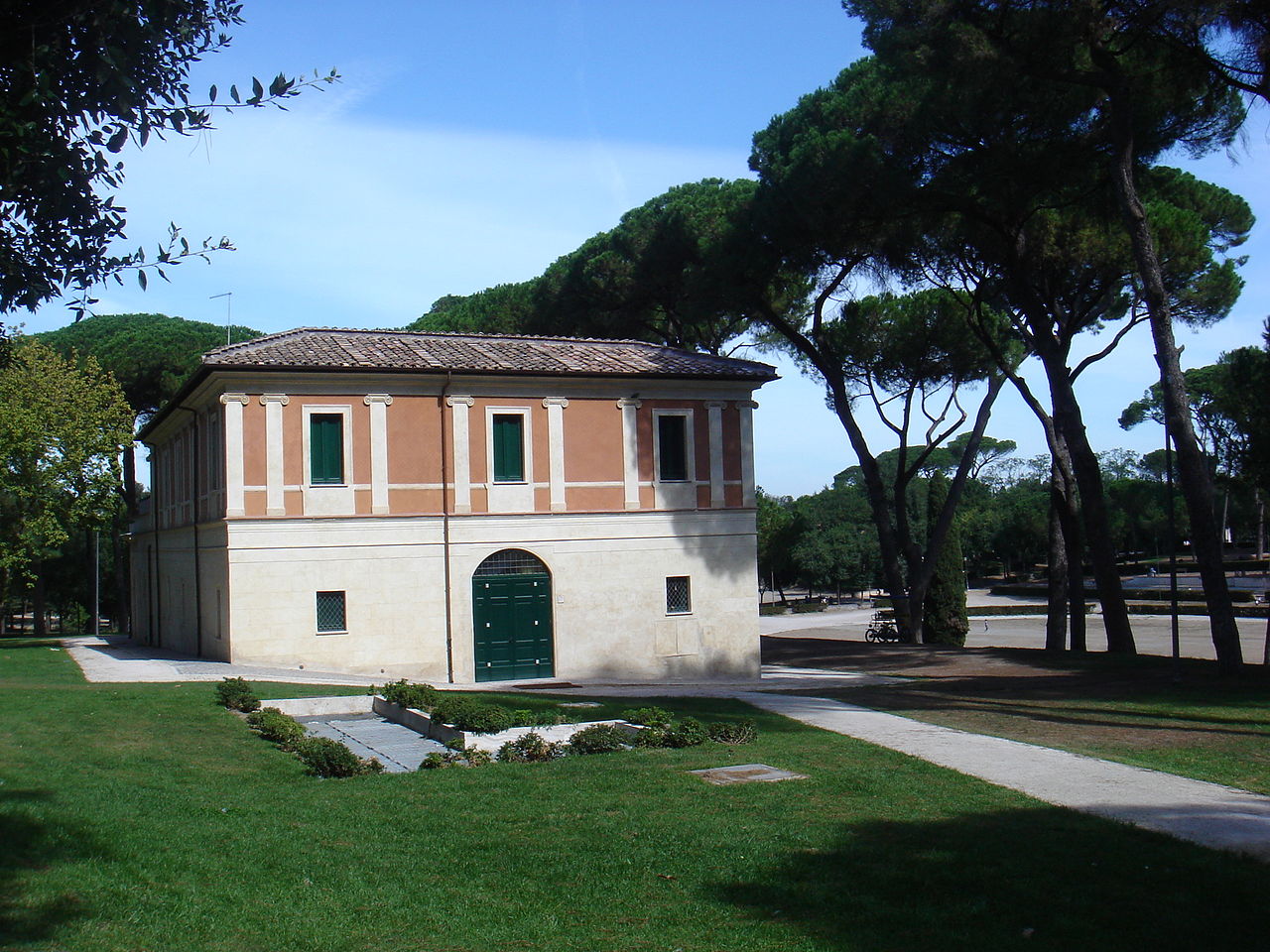
A municipal children's playhouse in the middle of Villa Borghese, with animated readings, craft workshops and a small library. Sessions are mostly in Italian, but the craft and play formats work for non-Italian speakers because the activity carries the session. Weekend slots fill fast, so reserve through the official site rather than turning up.
Best for: Toddlers and young children who need an hour indoors between park visits
Official: casinadiraffaello.itFull guide2. Luneur Park
Ages 2–5Ages 6–9Hot weatherOutside central Rome- Ages:
- Editorial suggestion: 2–12; Official: Rides have varying height restrictions
- Cost:
- Entry plus ride credits; check current ticket types before booking
- Duration:
- 3–4 hours or full day
- Booking:
- Tickets available
- Where:
- EUR district, south of the centre — Metro B

Rome's historic amusement park, relaunched as a gentle garden park rather than a thrill park. The rides are scaled to small children, there is a lot of shade and grass, and the pace suits families who cannot face a full day of queuing.
Best for: Under-8s and a half-day that does not involve ruins
Check tickets & availabilityFull guide3. Explora — Children's Museum of Rome
Ages 2–5Ages 6–9Rainy days- Ages:
- Editorial suggestion: 0–11; Official: No minimum age, best for 3–8
- Cost:
- Timed-session tickets sold on the official site
- Duration:
- 1 hour 45 minutes (fixed session)
- Booking:
- Book ahead
- Where:
- Via Flaminia 80/86, near Villa Borghese
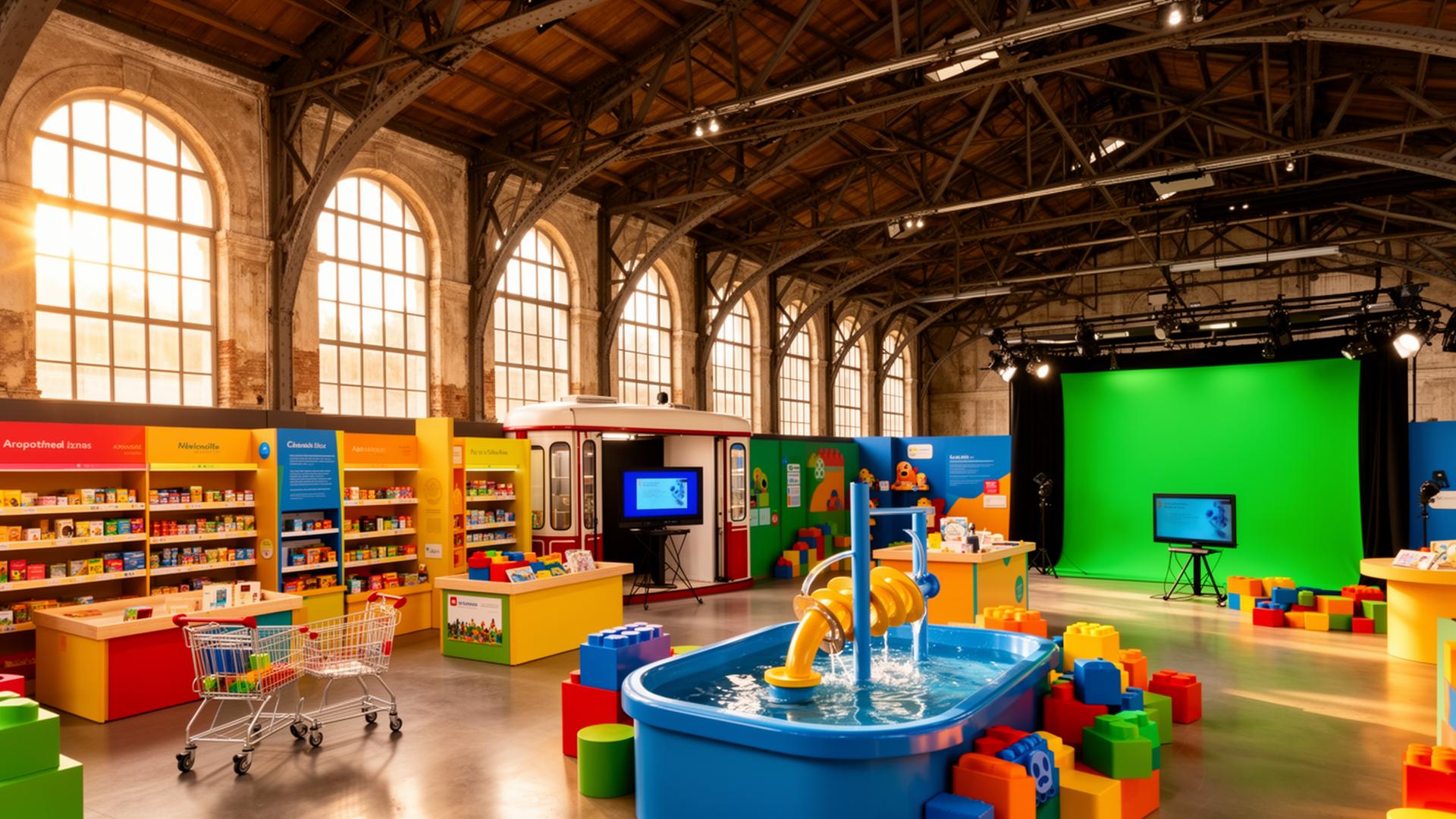
A hands-on museum in a converted 1880s tram depot, built around touching things rather than reading labels: a mini supermarket, a water area, a construction zone and an outdoor garden. Located just outside the Villa Borghese gates near Piazza del Popolo. Entry runs in fixed sessions and it is closed on Mondays, so book a slot several days ahead.
Best for: The single best rainy-day booking in central Rome for younger children
Official: mdbr.itFull guide4. Bioparco di Roma
Ages 2–5Ages 6–9Hot weather- Ages:
- All ages
- Cost:
- Standard adult and child tickets; under-1 metre free
- Duration:
- 2–3 hours
- Booking:
- Tickets available
- Where:
- Villa Borghese, central Rome
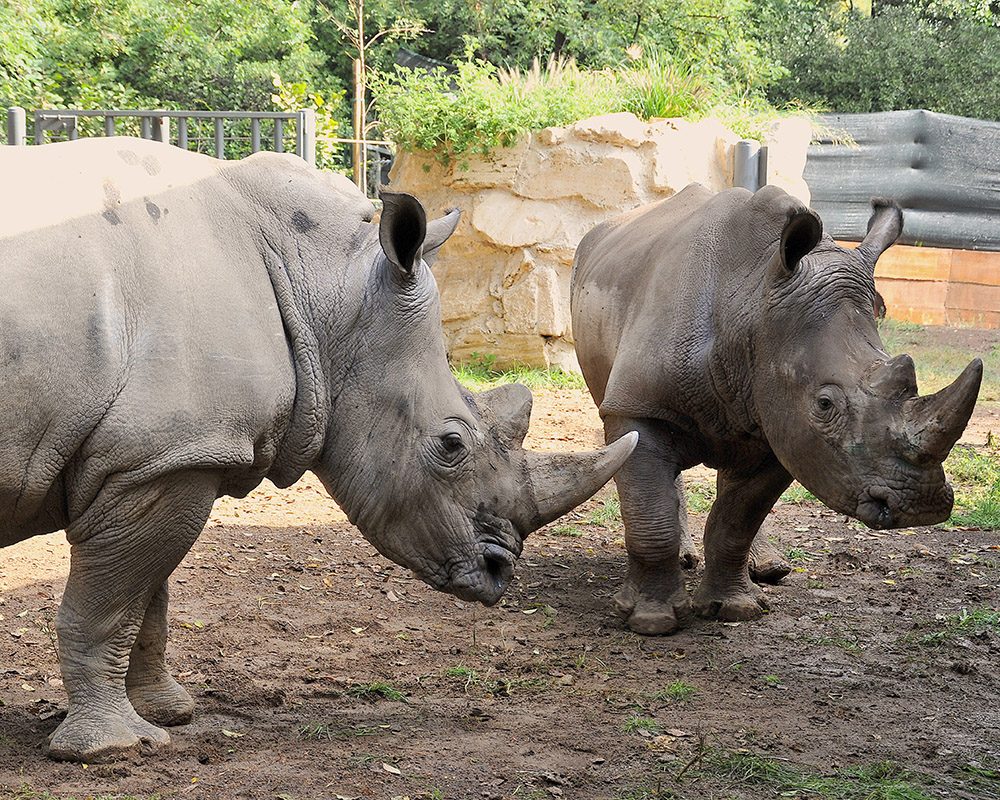
Rome's zoo sits inside Villa Borghese, so it combines with the park, the lake rowing boats and the Pincio terrace in one day without transport. It is a 19th-century layout, mid-sized rather than world-class, but the shaded paths, the reptile house and the giraffes carry an easy visit with small children.
Best for: Combining animals with a park day, no travel outside the centre
Check tickets & availabilityFull guide5. Villa Borghese Gardens
Ages 2–5Ages 6–9Free optionsHot weather- Ages:
- All ages
- Cost:
- Free; rowing boats, bike hire and the Galleria Borghese are paid extras
- Duration:
- 2 hours to full day
- Booking:
- Tickets available
- Where:
- Central Rome, above the Spanish Steps
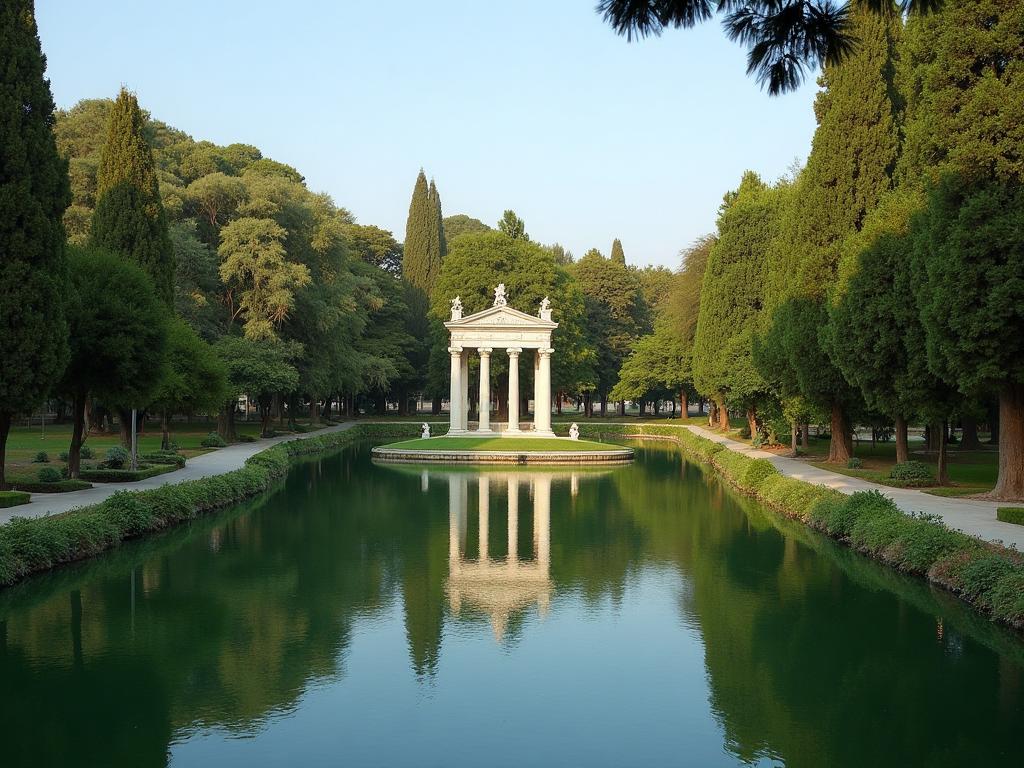
The default free morning with children in Rome: shaded avenues, a lake with rowing boats, family bike and rickshaw hire, playgrounds and the Pincio terrace over Piazza del Popolo. Bioparco, Casina di Raffaello and the Galleria Borghese are all inside the park, while Explora is right on the edge, so it works as the base for an entire family day.
Best for: A free anchor point that every other Villa Borghese attraction connects to
Check tickets & availabilityFull guide6. Museum of Illusions Rome
Ages 6–9Ages 10–13Rainy days- Ages:
- Editorial suggestion: 6–14; Official: All ages welcome
- Cost:
- Fixed adult and child admission
- Duration:
- 1 hour
- Booking:
- Tickets available
- Where:
- Via del Tritone 61, Central Rome

Tilted rooms, a vortex tunnel, holograms and optical puzzles — a photo-driven hour that children actively enjoy. It is compact and entirely indoors, making it a reliable rain plan or a filler between bigger sights.
Best for: An hour of indoor fun that produces the photos kids want to send home
Check tickets & availabilityFull guide7. Leonardo da Vinci Museum (Piazza del Popolo)
Ages 6–9Ages 10–13Rainy days- Ages:
- Editorial suggestion: 6–13
- Cost:
- Modest fixed admission, reduced child rate
- Duration:
- 1 hour
- Booking:
- Tickets available
- Where:
- Piazza del Popolo 12, Central Rome

Wooden working reconstructions of Leonardo's machines at the Basilica of Santa Maria del Popolo, many designed to be operated by hand. It rewards curious primary-school children and is one of the few museums in Rome where touching the exhibits is encouraged.
Best for: Engineering-minded children and a guaranteed indoor hour
Check tickets & availabilityFull guide8. Leonardo da Vinci Experience (Via della Conciliazione)
Ages 6–9Ages 10–13Rainy days- Ages:
- Editorial suggestion: 8–14
- Cost:
- Fixed admission, reduced child rate
- Duration:
- 1 hour
- Booking:
- Tickets available
- Where:
- Via della Conciliazione 19, near the Vatican

A separate Leonardo venue near the Vatican, mixing machine models with reproductions of the paintings. Useful as a decompression stop after the Vatican Museums, providing a hands-on contrast to the art galleries.
Best for: Pairing with a Vatican morning without adding another long queue
Check tickets & availabilityFull guide9. Zoomarine
Ages 6–9Hot weatherOutside central Rome- Ages:
- Editorial suggestion: 4–12; Official: Rides have height restrictions
- Cost:
- Day ticket; online rates are usually lower than the gate
- Duration:
- Full day plus travel
- Booking:
- Tickets available
- Where:
- Torvaianica, about 40 km south-west — car or shuttle

A marine and animal park with pools, slides and shows, built as a full-day trip rather than an add-on. Bring swimwear: the water areas are the primary draw. It is genuinely outside Rome, so budget the return journey time.
Best for: A major day out that balances the cultural sights of the city
Check tickets & availabilityFull guide10. Hydromania
Ages 6–9Ages 10–13Hot weatherOutside central Rome- Ages:
- Editorial suggestion: 5–14; Official: Slides have height restrictions
- Cost:
- Summer day tickets; afternoon rates are usually cheaper
- Duration:
- 4 hours to full day
- Booking:
- Tickets available
- Where:
- Casal Lumbroso, western outskirts
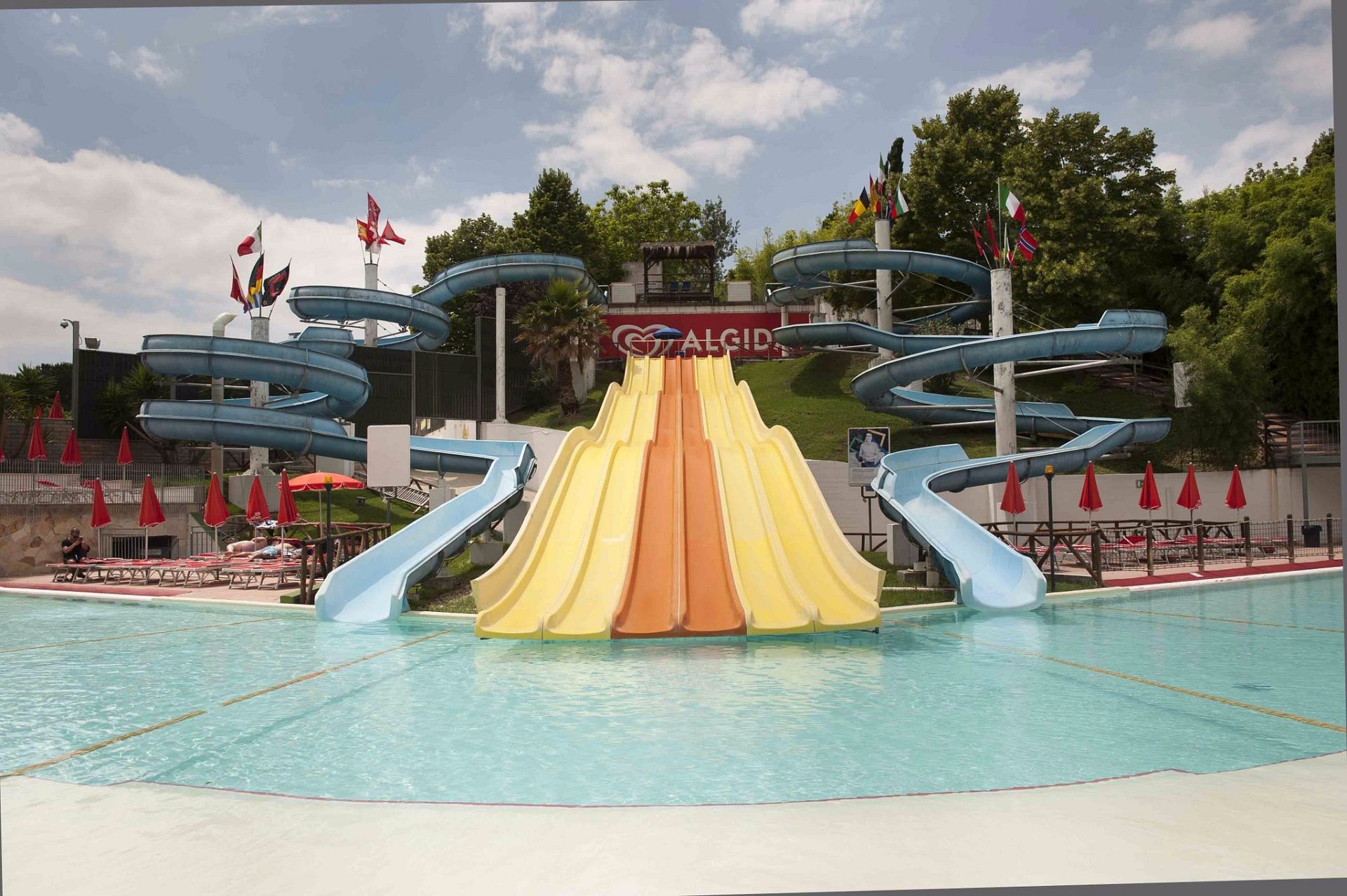
The closest full water park to central Rome, open in the summer season only. Slides, wave pool and lawns; facilities are functional and focused on high-energy water play. In a July heatwave, it is a practical escape from the city heat.
Best for: Escaping 38 °C in August without leaving the province
Official: hydromania.itFull guide11. Aqua World at Cinecittà World
Ages 6–9Ages 10–13Hot weatherOutside central Rome- Ages:
- Editorial suggestion: 4–14; Official: Height restrictions apply
- Cost:
- Included with Cinecittà World admission; separate Aqua World tickets also available
- Duration:
- 3 hours to full day
- Booking:
- Tickets available
- Where:
- Via Irina Alberti, south of Rome

Aqua World is the on-site water park at Cinecittà World. Access is typically included with the standard theme park ticket, but check seasonal opening dates before travelling. It works best as part of a full-day visit to the larger resort.
Best for: Combining water slides with a full day at Cinecittà World
Check tickets & availabilityFull guide12. Colosseum
Ages 10–13Teenagers- Ages:
- Editorial suggestion: 8 and up; younger children may find shorter visits better
- Cost:
- Standard combined ticket; under-18 tickets are free but must be reserved online
- Duration:
- 1.5–2 hours
- Booking:
- Book ahead
- Where:
- Central Rome, Metro B Colosseo
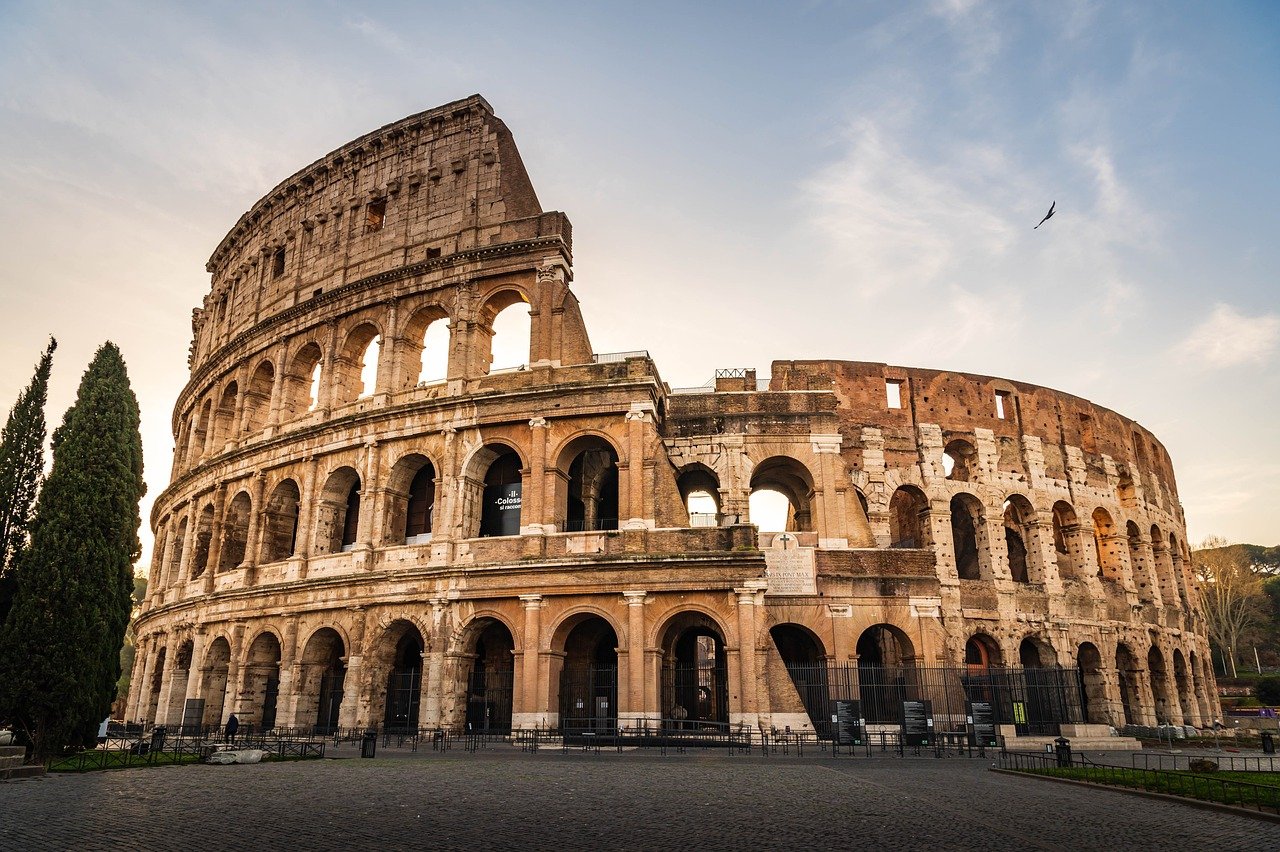
The headline ancient site. Be aware of uneven ancient surfaces and high steps; strollers can be cumbersome in some areas. Book an advance timed slot to avoid queues in the sun. Arena-floor and underground add-ons are particularly engaging for older children.
Best for: The trip's headline sight, with the arena floor upgrade for older kids
Check tickets & availabilityFull guide13. Ostia Antica
Ages 10–13Ages 6–9Outside central Rome- Ages:
- Editorial suggestion: 6 and up
- Cost:
- Integrated park ticket around €18; under-18s free
- Duration:
- 3–4 hours plus travel
- Booking:
- Tickets available
- Where:
- 40 minutes by train from Piramide
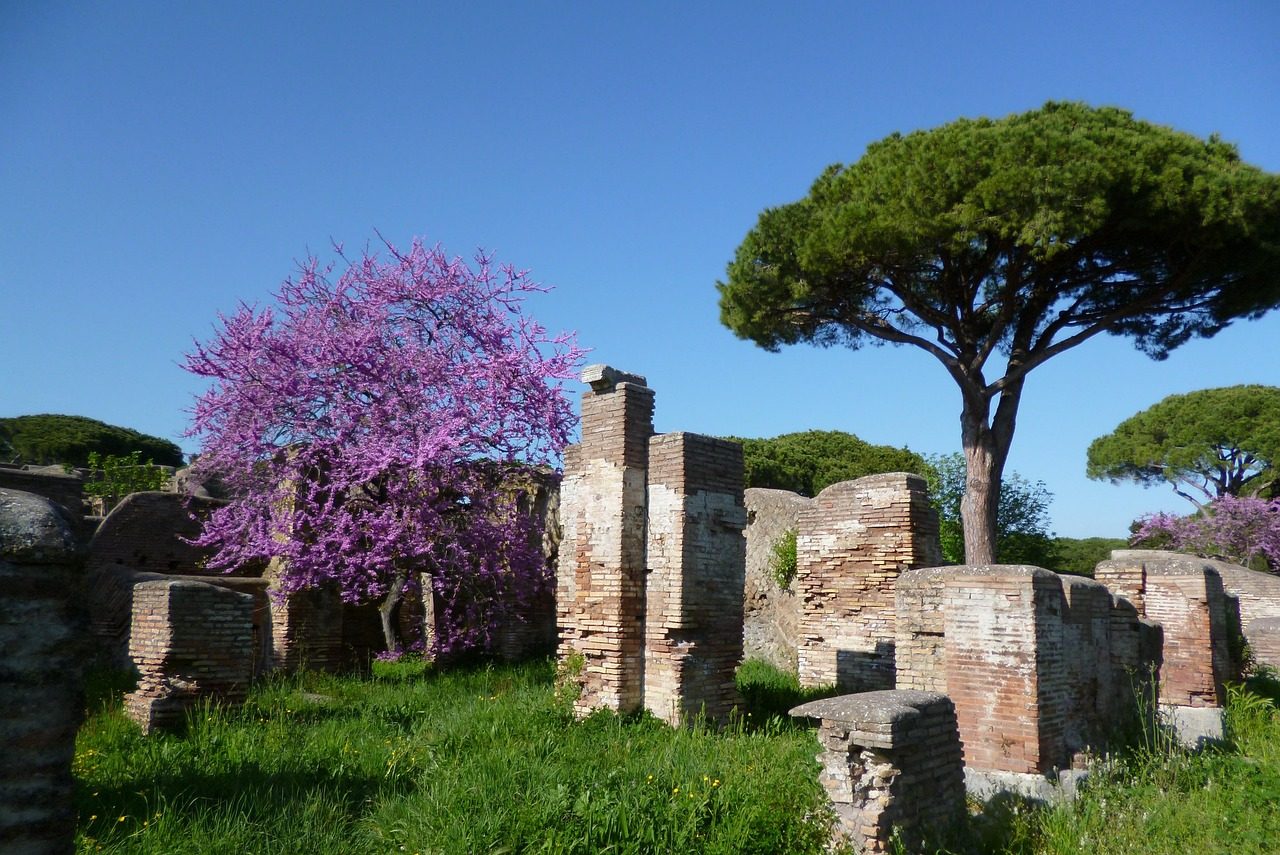
A preserved Roman port town with streets, an open theatre, and mosaic floors. Far less crowded than the Forum and much easier with kids than Pompeii due to the short direct train. The site is large and mostly outdoor, so plan for sun exposure.
Best for: Families who want real Roman ruins without a coach tour
Check tickets & availabilityFull guide14. Castel Sant'Angelo
Ages 10–13TeenagersRainy days- Ages:
- Editorial suggestion: 7 and up
- Cost:
- Standard admission; under-18s free
- Duration:
- 1.5–2 hours
- Booking:
- Tickets available
- Where:
- Central Rome, by the Tiber
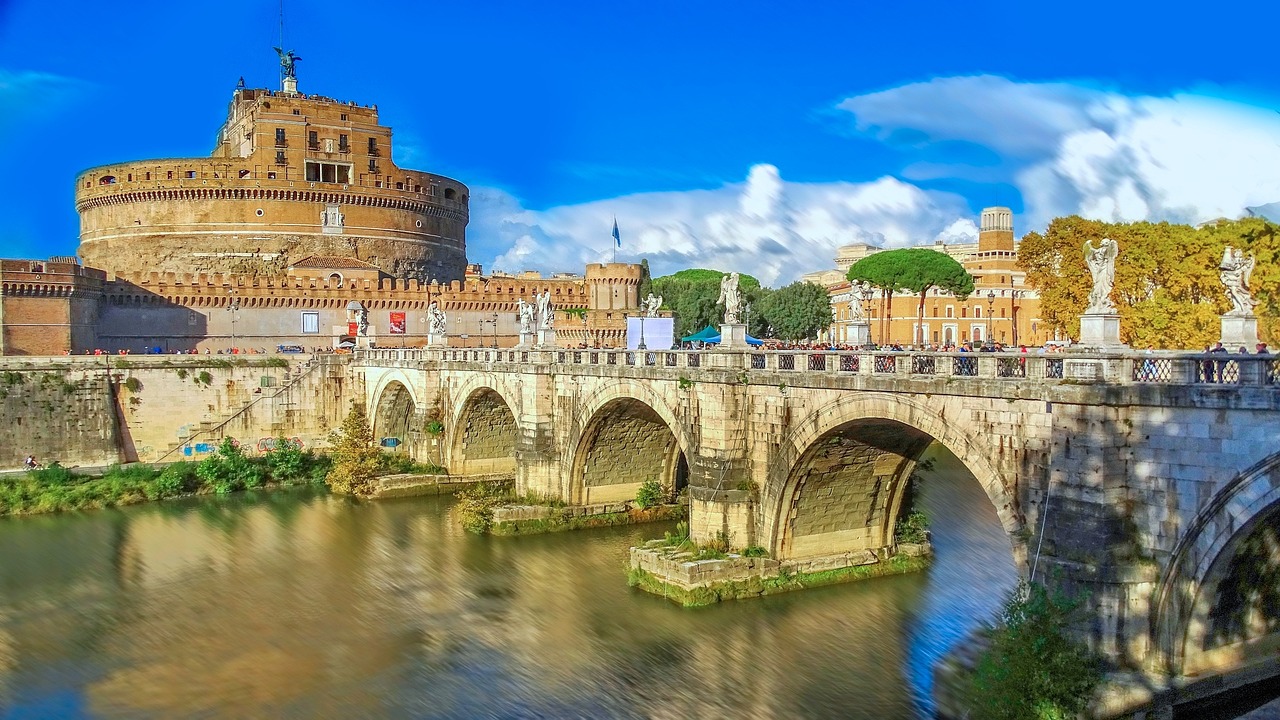
A former fortress and papal residence with a spiral ramp, cannonballs, and a rooftop terrace. Note that the climb involves some steep stairs and narrow passages. It offers excellent views over the city and a break from the usual church visits.
Best for: Children who enjoy exploring castles and fortresses
Check tickets & availabilityFull guide15. MagicLand
Ages 10–13TeenagersOutside central Rome- Ages:
- Editorial suggestion: 6–15; Official: Height restrictions apply
- Cost:
- Day tickets; online booking is normally cheaper
- Duration:
- Full day plus travel
- Booking:
- Tickets available
- Where:
- Valmontone, south-east of Rome

A major theme park with roller coasters and a summer water section. It requires a dedicated day trip including travel from Rome. It is a popular choice for families looking for high-energy entertainment alongside the city's history.
Best for: Pre-teens and teenagers who want theme park rides
Check tickets & availabilityFull guide16. Baths of Caracalla
Ages 10–13Teenagers- Ages:
- Editorial suggestion: 9 and up
- Cost:
- Standard admission; under-18s free
- Duration:
- 1 hour
- Booking:
- Tickets available
- Where:
- South of the Circus Maximus
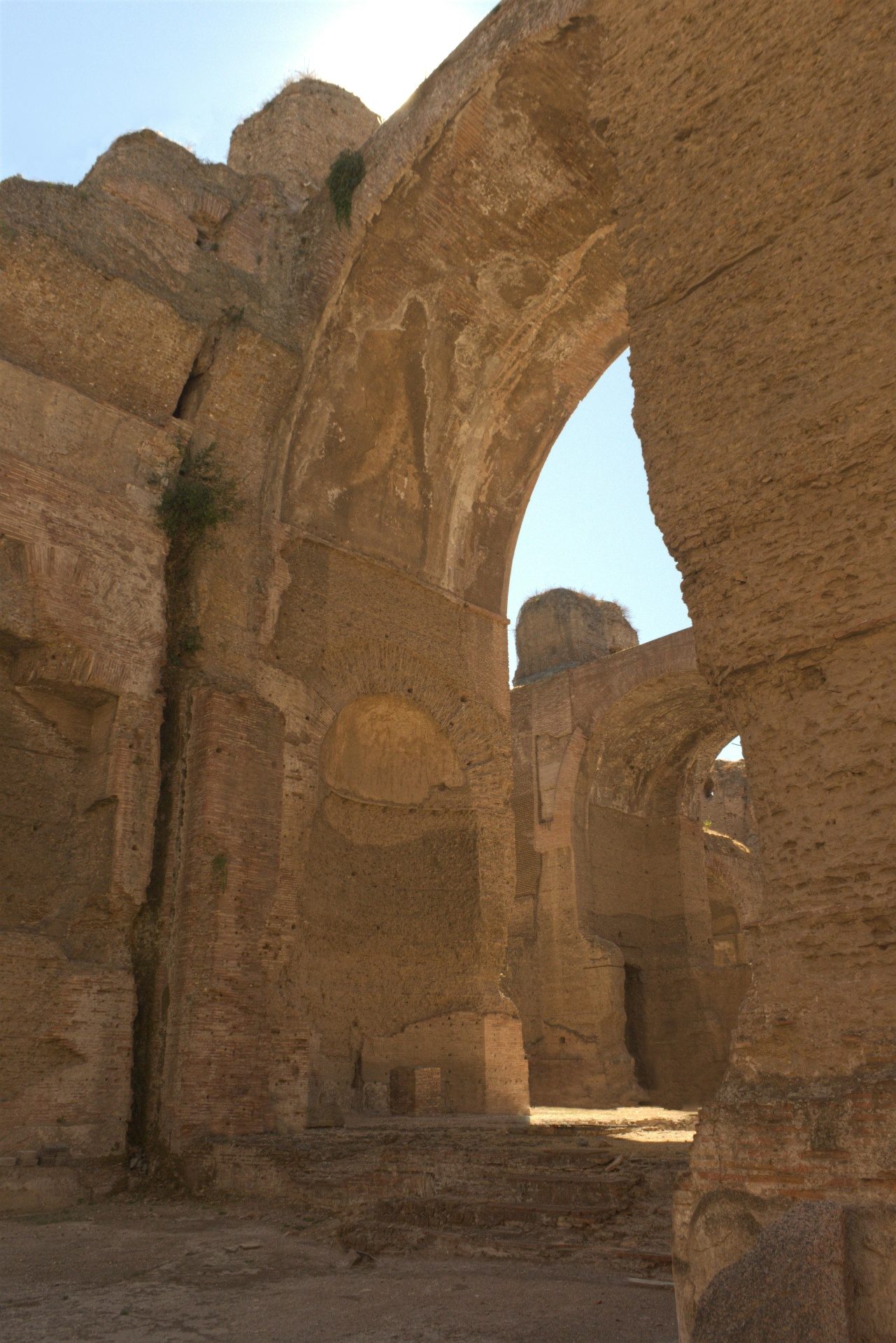
Vast open spaces and towering brick walls of a Roman bath complex. The sheer scale is impressive and the site is usually much quieter than the central ruins, allowing for a more relaxed visit.
Best for: Ancient Rome without the crowds of the Forum
Check tickets & availabilityFull guide17. Cinecittà Studios
TeenagersAges 10–13- Ages:
- Editorial suggestion: 10 and up
- Cost:
- Entry with optional guided studio tours
- Duration:
- 2–3 hours
- Booking:
- Tickets available
- Where:
- South-east Rome, Metro A Cinecittà

Working film studios with permanent sets like ancient Rome and Renaissance Florence. The visit is a mix of indoor exhibitions and outdoor sets, so it is not a pure rainy-day fallback. Guided tours are highly recommended for the best experience.
Best for: Film fans and families interested in behind-the-scenes movie history
Check tickets & availabilityFull guide18. Capuchin Crypt
TeenagersRainy days- Ages:
- Editorial suggestion: 12 and up; Official: No minimum age, but parents should use discretion
- Cost:
- Around €10 adult, reduced rates apply
- Duration:
- 45–60 minutes
- Booking:
- Tickets available
- Where:
- Via Veneto 27, central Rome
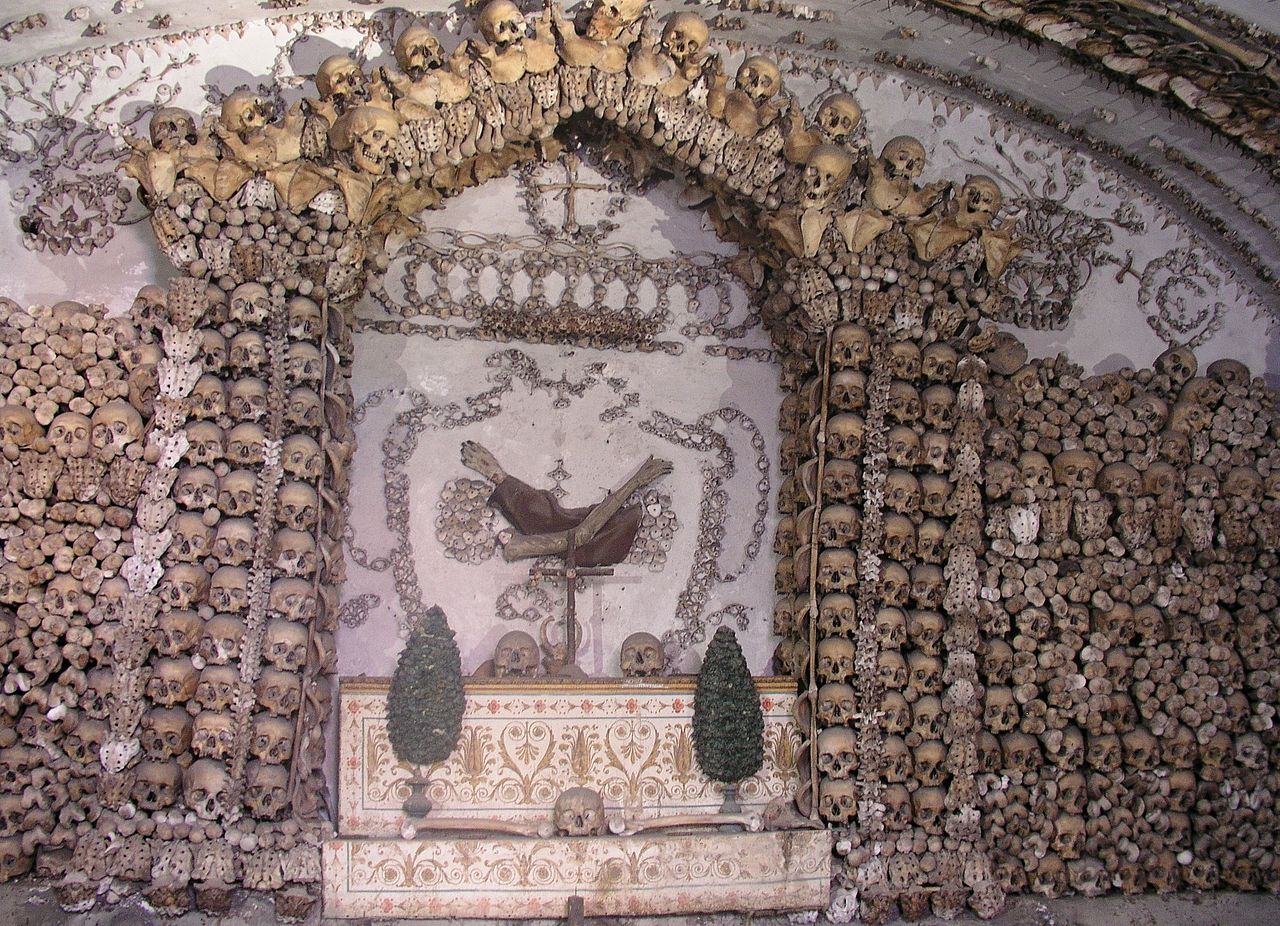
Chapels decorated with the bones of some 3,700 Capuchin friars. It is a respectful and quiet ossuary. Regarding photography and video, visitors must follow the published policy and on-site instructions (generally permitted for private non-commercial use, but check current signage).
Best for: Older children comfortable with human remains and quiet environments
Check tickets & availabilityFull guide19. Catacombs of San Sebastiano
TeenagersAges 10–13Hot weather- Ages:
- Editorial suggestion: 10 and up
- Cost:
- Around €10 adult, reduced 7–16, free under 7
- Duration:
- 1 hour (guided visit)
- Booking:
- Book ahead
- Where:
- Via Appia Antica
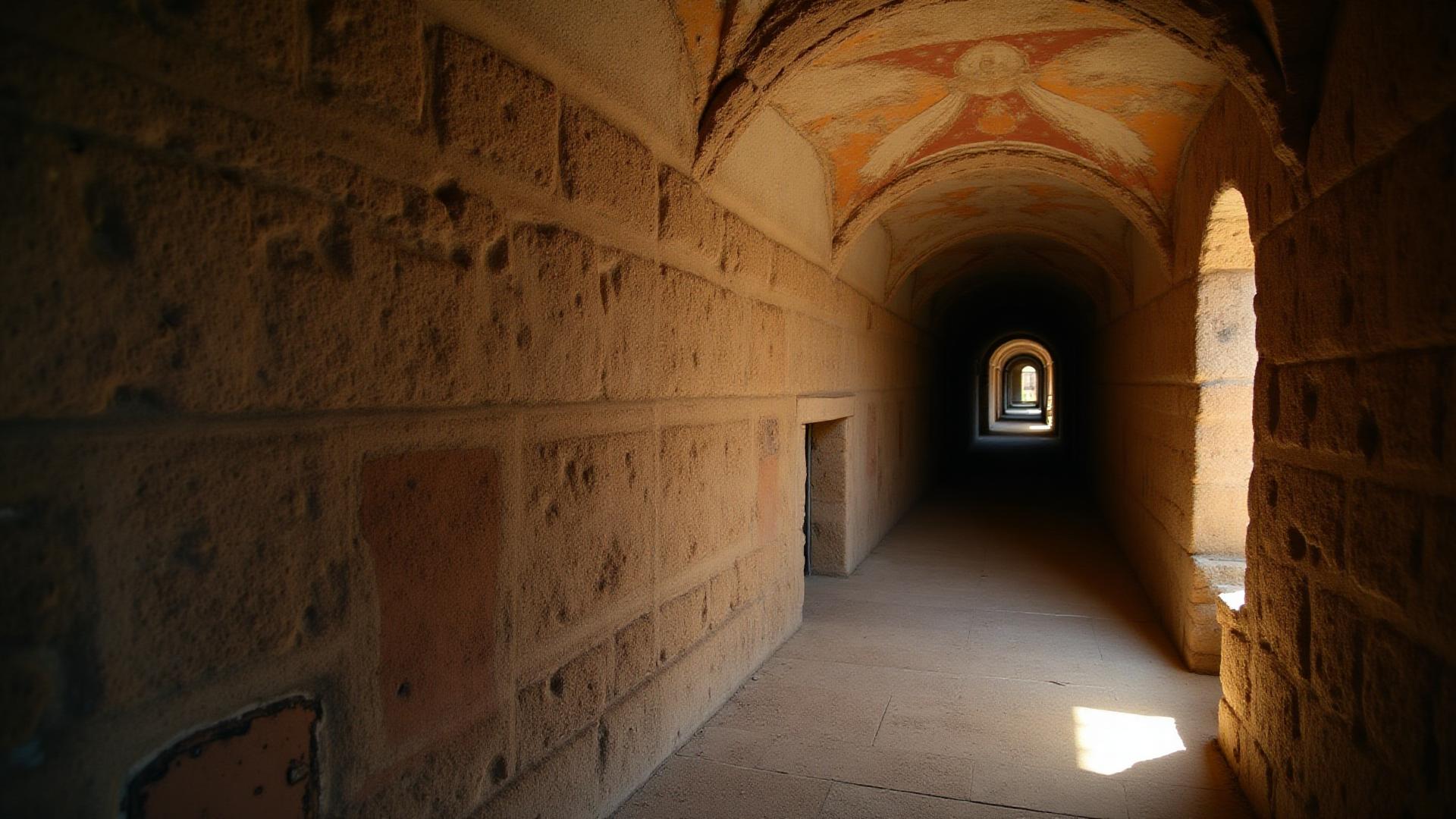
Guided visits take you through the underground tunnel networks below the basilica. This is a strictly underground visit involving steep, narrow stairs and enclosed spaces; it is not suitable for strollers. The temperature stays around 15 °C, offering a break from summer heat.
Best for: Older children interested in underground exploration
Check tickets & availabilityFull guide20. Appian Way and bike hire
TeenagersAges 10–13Free optionsOutside central Rome- Ages:
- Editorial suggestion: 8 and up for cycling
- Cost:
- The road is free; bike hire and catacomb tickets are paid
- Duration:
- 2–3 hours
- Booking:
- Tickets available
- Where:
- South of the city, Via Appia Antica
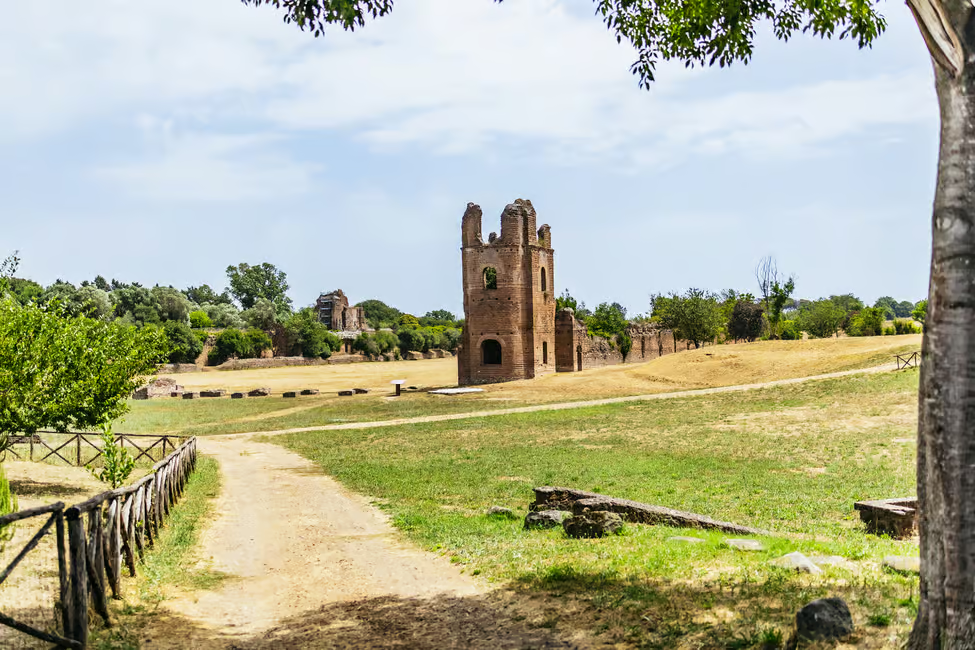
Cycling the ancient basalt paving past tombs and aqueducts. On Sundays, the road is closed to most traffic. Note that the ancient paving (basolato) is very bumpy; it requires confident cycling skills. Many rental shops offer child seats and trailers.
Best for: An active outdoor day, particularly on Sundays
Check tickets & availabilityFull guide21. Pantheon
TeenagersAges 10–13Rainy days- Ages:
- All ages
- Cost:
- €7 adult; free for under-18s
- Duration:
- 20–30 minutes
- Booking:
- Book ahead
- Where:
- Piazza della Rotonda, Central Rome
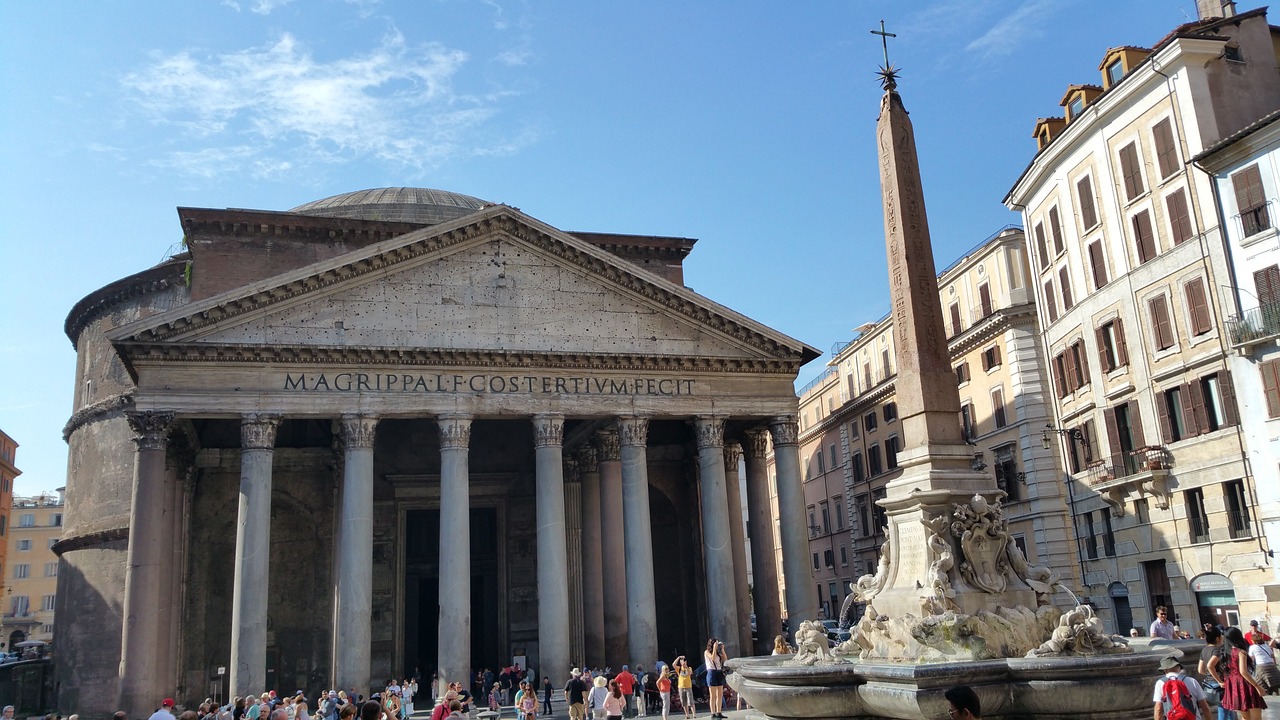
An ancient Roman temple with a massive dome and central oculus. Under-18s enter free but still need a ticket (obtainable online or on-site). The interior is compact and can be visited relatively quickly.
Best for: A high-impact short visit in the historic centre
Check tickets & availabilityFull guide22. Trevi Fountain
Free optionsTeenagersAges 2–5- Ages:
- All ages
- Cost:
- Free to view; fee for basin-level access
- Duration:
- 15–30 minutes
- Booking:
- Usually flexible
- Where:
- Piazza di Trevi, Central Rome
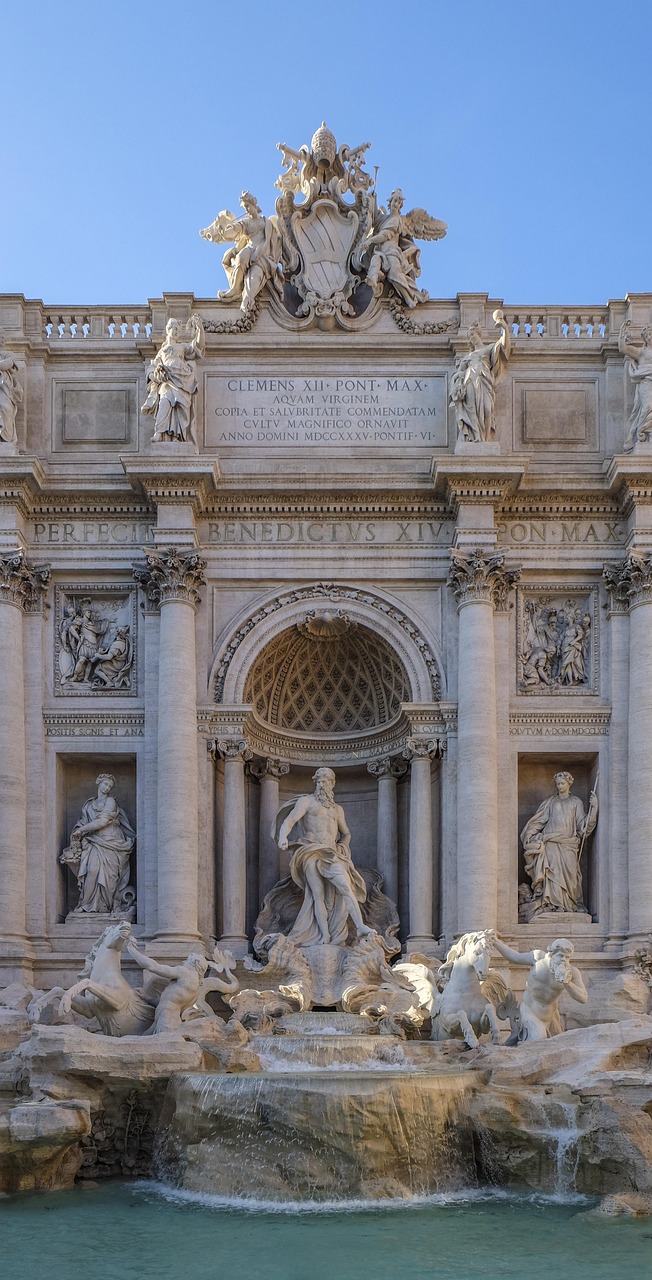
Rome's most famous fountain and the site of the coin-tossing ritual. Crowds are very dense here, making navigation difficult at peak times. Viewing from the square is free, while descending to the basin area requires a timed entry ticket.
Best for: A quick, iconic stop in the heart of Rome
Full guide23. Spanish Steps and Pincio
Free optionsAges 2–5Ages 6–9- Ages:
- All ages
- Cost:
- Free
- Duration:
- 30 minutes
- Booking:
- Usually flexible
- Where:
- Piazza di Spagna, Central Rome
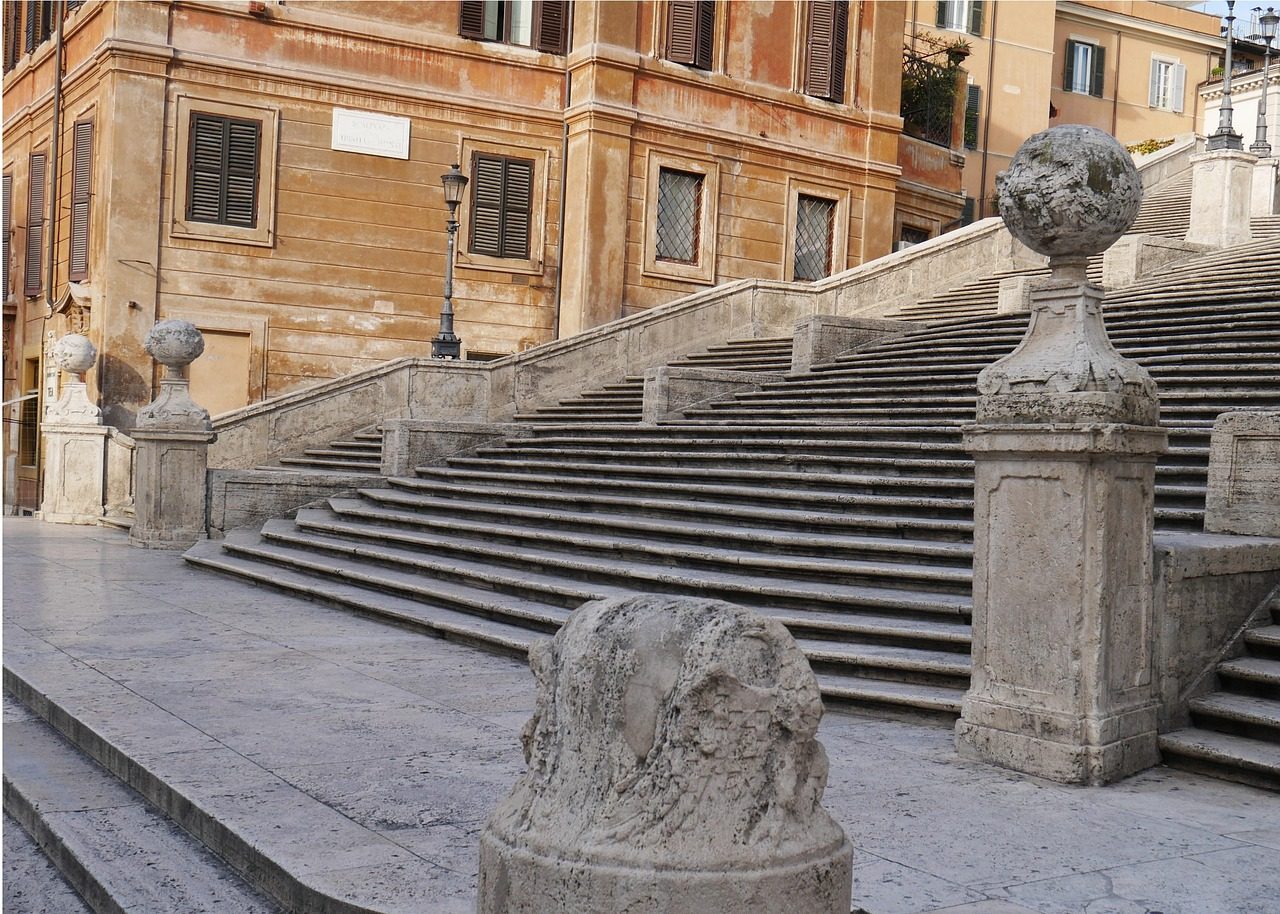
Climbing from Piazza di Spagna leads to the Pincio gardens and Villa Borghese. Note that sitting on the steps is prohibited. The climb is a good way to reach the park, but it does involve a significant number of stairs.
Best for: Linking the central shopping area to the parkland above
Full guide24. Villa Doria Pamphilj
Free optionsAges 2–5Ages 6–9Hot weather- Ages:
- All ages
- Cost:
- Free
- Duration:
- 2 hours to full day
- Booking:
- Usually flexible
- Where:
- Monteverde district
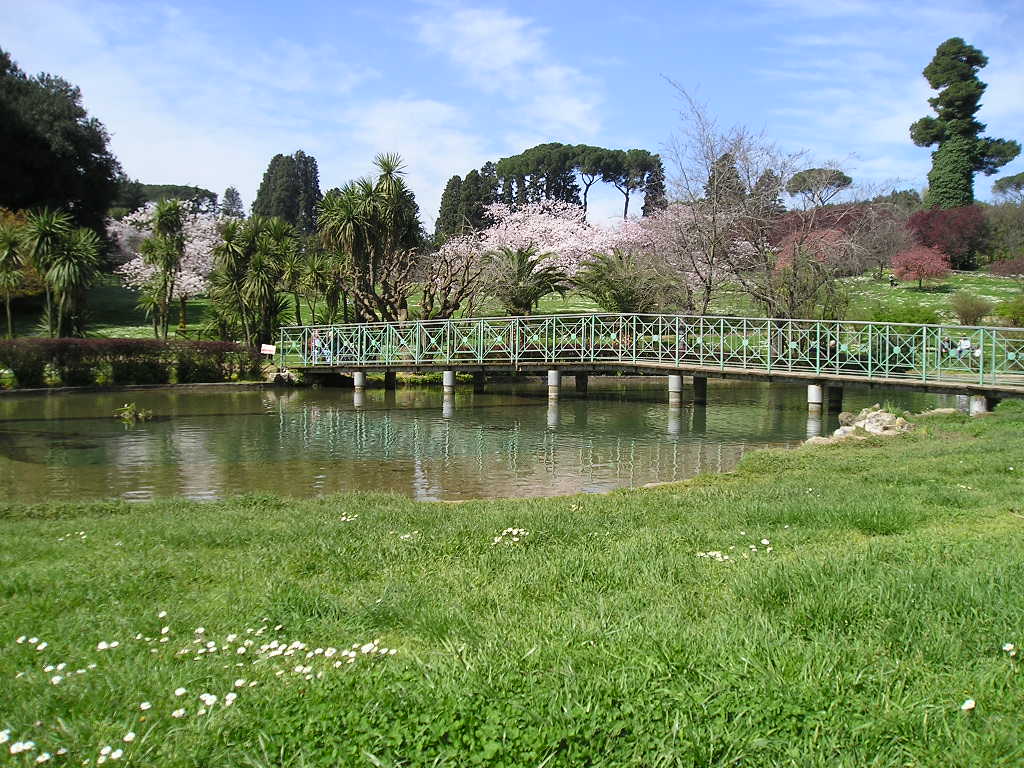
Rome's largest public park, offering vast lawns and shaded pine groves. It is much less crowded than Villa Borghese and provides plenty of space for children to move freely. A great option for a relaxed outdoor afternoon.
Best for: A quiet outdoor break away from the main tourist areas
Full guide25. Villa Torlonia
Free optionsAges 10–13Rainy days- Ages:
- Editorial suggestion: 8–14; Official: Technotown is for ages 12+
- Cost:
- Park free; museums and Technotown are paid
- Duration:
- 2–3 hours
- Booking:
- Usually flexible
- Where:
- Via Nomentana 70
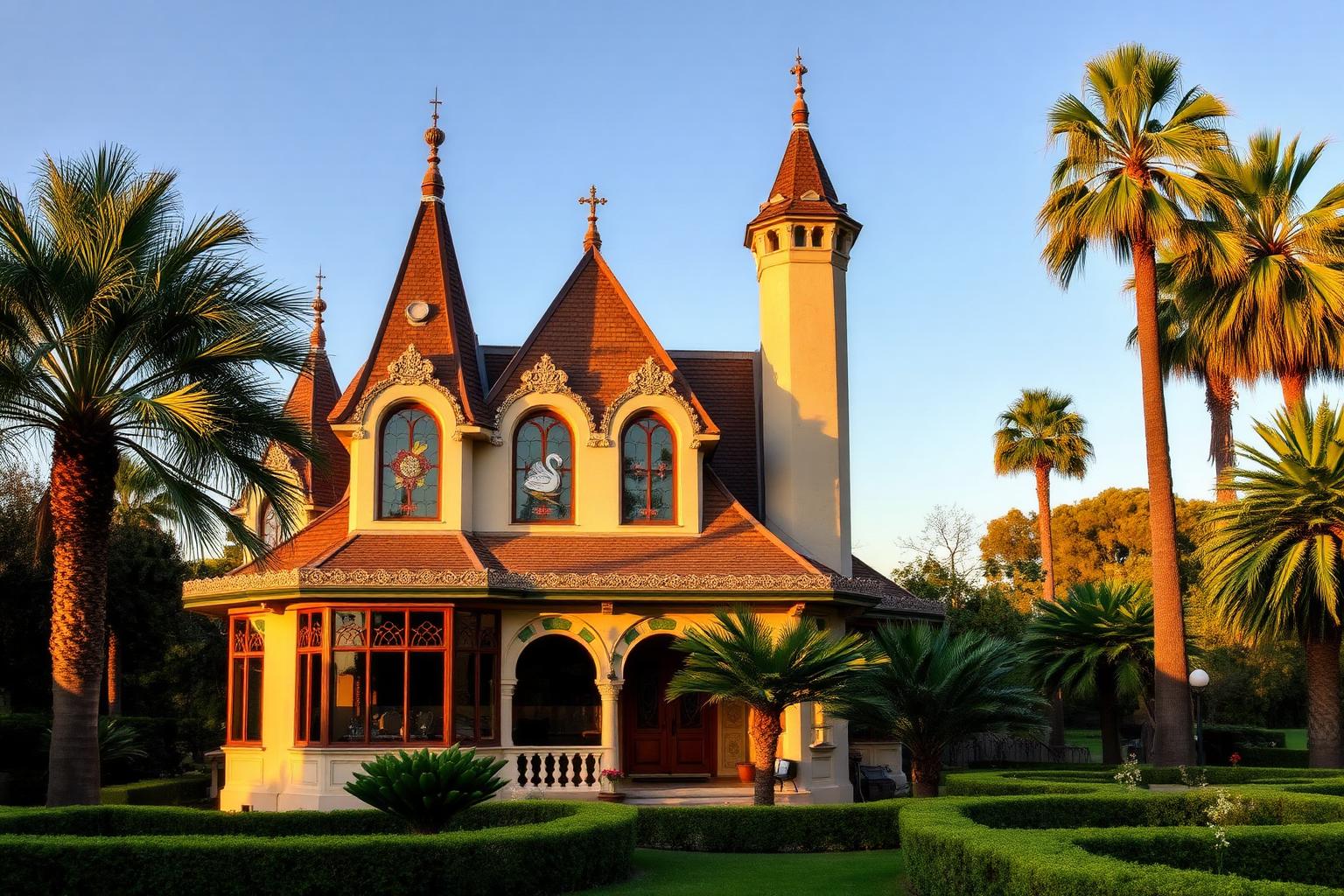
A park housing several small museums, including the whimsical Casina delle Civette (House of Owls). It also features Technotown, a science and creative hub specifically targeted at ages 12 and up. The grounds are free to explore.
Best for: A combination of outdoor park time and specific indoor interest points
Full guideHow to pick, band by band
Ages 2–5
Focus on Villa Borghese's central attractions like Bioparco and Casina di Raffaello, which are well-suited to younger children and offer plenty of space.
Ages 6–9
Interactive experiences and outdoor sites like Explora, the Museum of Illusions, and Ostia Antica typically engage children in this age group through hands-on activity and exploration.
Ages 10–13
This age range is ideal for exploring ancient history at the Colosseum and Baths of Caracalla, as well as enjoying more active pursuits like cycling the Appian Way.
Teenagers
Teenagers often find interest in the more unique sites such as Cinecittà Studios, the Capuchin Crypt, and the underground tunnels of the catacombs.
Rainy days
Indoor options like Explora, the Museum of Illusions, and the Leonardo venues are excellent for wet weather. These sites are popular, so advance booking is highly recommended.
Hot weather
In high summer, prioritize water parks (Hydromania, Zoomarine), shaded parks like Villa Doria Pamphilj, or the naturally cool underground catacombs.
Free options
Many of Rome's best family experiences are free, including major parks, iconic fountains, and Sunday visits to the Appian Way. Under-18s also receive free entry to Italian state archaeological sites.
Outside central Rome
Day trips like Ostia Antica, MagicLand, and Zoomarine offer a change of pace. Check travel times and confirm return transportation in advance.
Practical notes for families in Rome
- Under-18s receive free admission to Italian state sites, but advance reservations are often necessary. Check the official site for each attraction to secure your timed entry.
- Refillable bottles are essential; public drinking fountains (nasoni) provide cold water throughout the city centre.
- Water parks and theme parks are seasonal; always confirm opening dates and current weather policies before travelling.
- Prioritize bookings for popular sites like Explora, the Colosseum, and the catacombs, as these sell out quickly.
Ticket details checked 4 October 2026. Official information: Pantheon visitor and ticket rules, Colosseum free-ticket rules, official Colosseum ticket portal, and Aqua World FAQ.
Frequently asked questions
What is the best age to take children to Rome?
Children aged 8 to 13 often find Rome easiest, as they can navigate a full day of walking and engage with the history of the Colosseum and Ostia Antica. Younger children are well-catered for with attractions like Explora and Bioparco, provided the itinerary is paced appropriately.
What can you do in Rome with kids when it rains?
Explora Children's Museum, the Museum of Illusions, the Leonardo da Vinci venues, and Castel Sant'Angelo are top indoor choices. Technotown at Villa Torlonia is excellent for ages 12 and up. Book these in advance, especially during wet weather.
What can families do in Rome in a heatwave?
Water parks like Hydromania and Zoomarine are popular, alongside the shaded parks of Villa Doria Pamphilj and Villa Borghese. The catacombs stay cool year-round and offer a break from the sun.
Are Rome's attractions free for children?
Under-18s receive free admission to Italian state sites, including the Colosseum, Ostia Antica, and the Baths of Caracalla, though reservation rules apply. The Pantheon is also free for children. Private attractions like the Museum of Illusions and theme parks charge for child entry.
Is Ostia Antica or Pompeii better with children?
Ostia Antica is often preferred due to its proximity to Rome (40 minutes by train) and lower crowd levels. It allows for a more manageable day trip while still providing an authentic ancient Roman town experience.
How many attractions should we plan per day with kids?
A realistic pace is typically one major attraction combined with a park or piazza visit. This accounts for walking distances, queues, and the general pace of family travel in the city.