TL;DR — Quick Answer
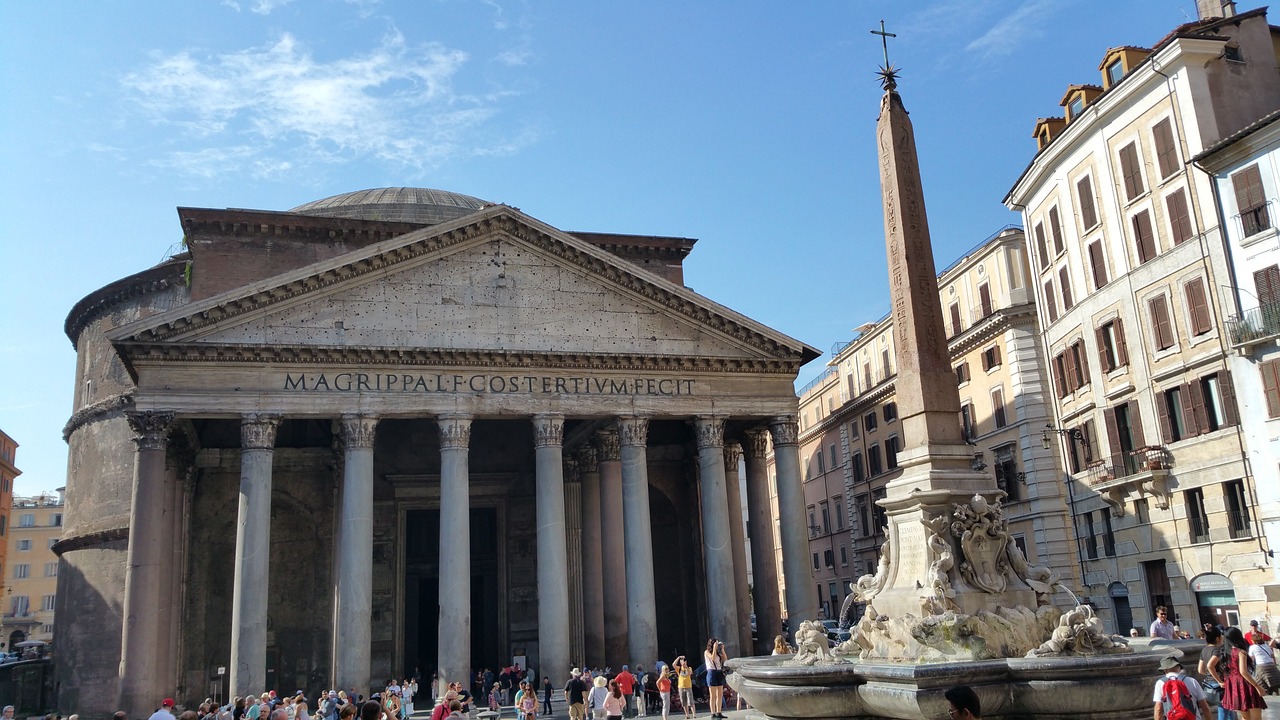
Pantheon (Rome)
Roman, begun under Trajan and completed under Hadrian, usually dated c. 113–126 AD. The name is usually read as "all the gods", though the exact ancient dedication is debated.
Circular rotunda with a giant concrete dome and open oculus.
Survives exceptionally complete, despite alterations and restorations, and is used as a Catholic church today.
Parthenon (Athens)
Greek, 447–432 BC, dedicated to Athena.
Rectangular Doric temple with columned porches — no dome, no roof.
An archaeological ruin, damaged by an explosion in 1687.
Side-by-Side Comparison
| Attribute | Pantheon (Rome) | Parthenon (Athens) |
|---|---|---|
| Location | Rome, Italy (Piazza della Rotonda) | Athens, Greece (top of the Acropolis) |
| Built | Begun under Trajan, completed under Hadrian, usually dated c. 113–126 AD | 447–432 BC (Pericles' Athens) |
| Age today | ~1,900 years | ~2,460 years |
| Dedicated to | Traditionally read as "all the gods"; the precise ancient dedication is debated. Christian since 609 AD as Santa Maria ad Martyres | Athena Parthenos, patron goddess of Athens |
| Style | Roman — portico + circular rotunda with concrete dome | Greek — rectangular Doric colonnade, no dome |
| Roof today | Surviving 43m concrete dome with central oculus | Open to the sky (roof destroyed in 1687 explosion) |
| Function today | Working Catholic church + monument | Archaeological ruin, no active worship |
| Ticket | €7 (free for all under 18 and on the first Sunday of the month; €2 for EU citizens 18–25) | Acropolis site ticket — check the current official rate |
| Visit time | 30–45 min | 2–3 hours (with Acropolis) |
| Famous for | The world's largest unreinforced concrete dome | The Elgin Marbles debate + peak of Classical Greek architecture |
Why Are the Names So Similar?
Both names come from ancient Greek roots. Pantheon means "all gods" — from pan (all) + theos (god). Parthenon means "of the maiden" — from parthenos, an epithet of the virgin goddess Athena.
So the Pantheon's name points towards all the gods — ancient sources are not explicit about which cults were actually housed there — while the Parthenon was built for one Greek goddess. Similar linguistic shell, entirely different meaning.
Heads up: the Pantheon does not offer an official skip-the-line entrance. Everyone uses the same access procedure. Third-party products may bundle the official €7 admission with a guide or audio experience — check exactly what's included before booking.
Pantheon Entry + Audio Guide
Best for: Independent visitors
~30–45 minOfficial €7 admission with a digital audio guide covering the dome, Raphael's tomb and details most visitors miss. Timed entry, explored at your own pace.
- Timed entry + audio guide
- Self-paced exploration
- Raphael's tomb & oculus details
- Cancellable per vendor's terms
🎟️ Compare Prices:
TiqetsKlookTrip.comPantheon Guided Tour
Best for: History enthusiasts
~45 min – 1 hourSmall-group tour with a licensed guide who explains Hadrian's engineering, the Agrippa inscription and the artists and kings buried inside.
- Professional live guide
- Timed entry included
- In-depth commentary
- Multiple languages available
🎟️ Compare Prices:
TiqetsKlookTrip.comPantheon + Attraction Bundles
Best for: Full-day explorers
~2–3 hoursCombine Pantheon entry with Castel Sant'Angelo, Navona Underground or other nearby sights. May offer convenience, but compare the total price with booking separately.
- Pantheon timed entry
- Second attraction included
- Compare against separate bookings
- Flexible scheduling
🎟️ Compare Prices:
TiqetsKlookTrip.com