Pompeii and Amalfi Coast Day Trip From Rome: Is It Too Much?
Updated · 13 min read · By the AllTrips Rome editorial team
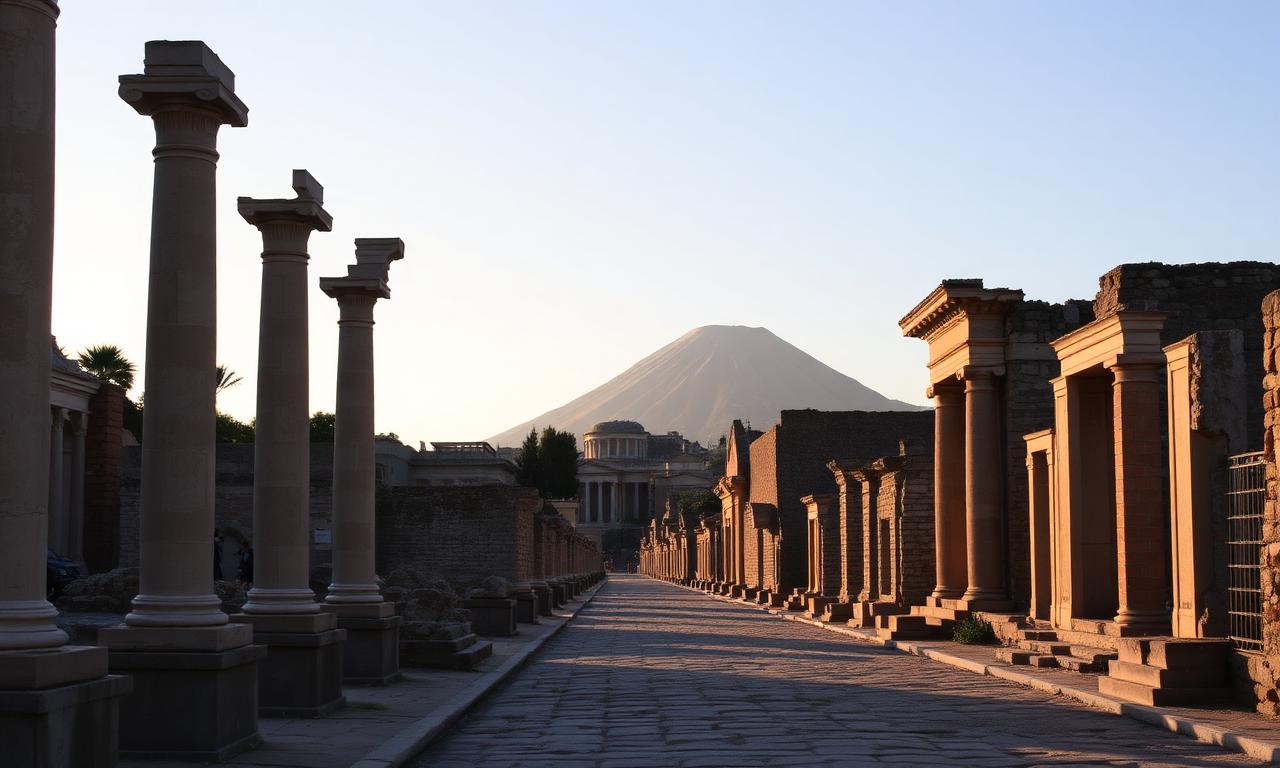
Pompeii and the Amalfi Coast can be visited from Rome in one day, but it is a long, tightly scheduled trip rather than a relaxed coastal experience. It makes sense for travellers who have only one available day and value seeing both places over exploring either one deeply.
Can You Really Visit Pompeii and the Amalfi Coast From Rome in One Day?
Geographically, yes. Pompeii lies roughly 240 km south of Rome and the first Amalfi Coast towns are another 30 to 50 km beyond it, depending on the route. A high-speed train reaches Naples in about 70 minutes, and the archaeological park sits close to the Circumvesuviana line from there. Once you are near Naples, the coast is relatively close — but note that Pompeii to Sorrento is not itself an Amalfi Coast visit: Sorrento sits on the neighbouring Sorrento Peninsula, and the actual Amalfi Coast towns (Positano, Amalfi) require a further bus, ferry or drive over or around the peninsula. The difficulty is not distance; it is that a single day has to absorb the journey south, a site visit, a coastal transfer on slow winding roads and the journey back.
That is why the combination is almost always sold as an organised tour. A tour solves the hardest part of the puzzle — moving a group from the ruins to a coastal town and back to a Rome-bound departure without a missed connection. It also front-loads the decisions: one booking, one meeting point, one return time you do not have to calculate yourself.
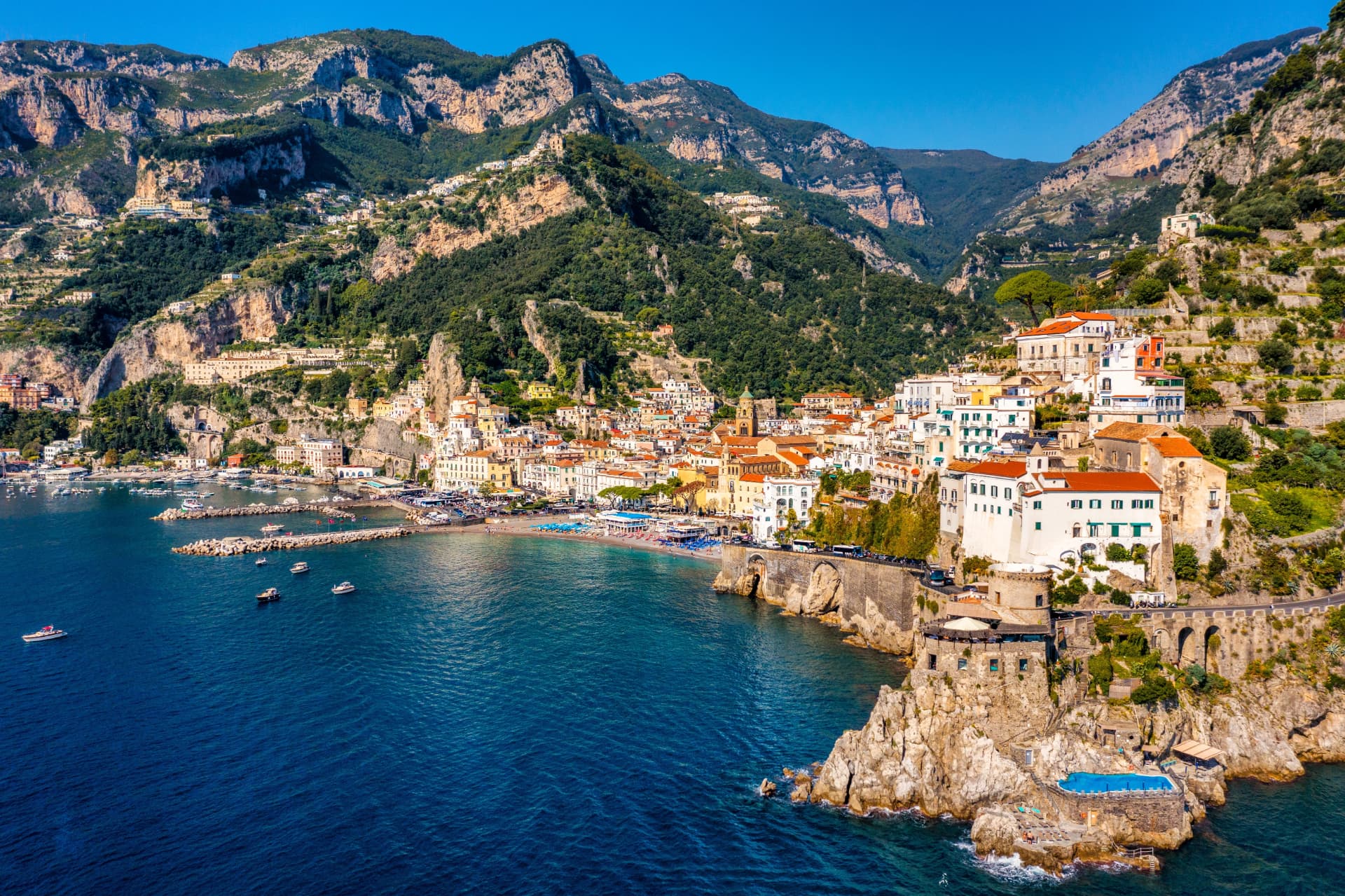
It is worth being honest about what “seeing the Amalfi Coast” means on a day like this. In practice it means one or two stops of roughly an hour or two, plus time on the SS163 coast road or a short boat leg. You get the view, the colour and a walk through one town. You do not get swimming, a long lunch on a terrace or a second town at your own pace.
Doing it independently is possible but fragile. The realistic chain is Rome to Naples by high-speed train, Naples to Pompeii on the Circumvesuviana, Pompeii to Sorrento or Salerno, then a bus or seasonal ferry along the coast, and a return against a fixed train — either the same way back or, if the timetables work on your date, a ferry to Salerno and a train from there. Four or five connections with little slack, and weather-dependent if you use a boat. A single delay costs you the coast, the ruins or a non-refundable seat home.
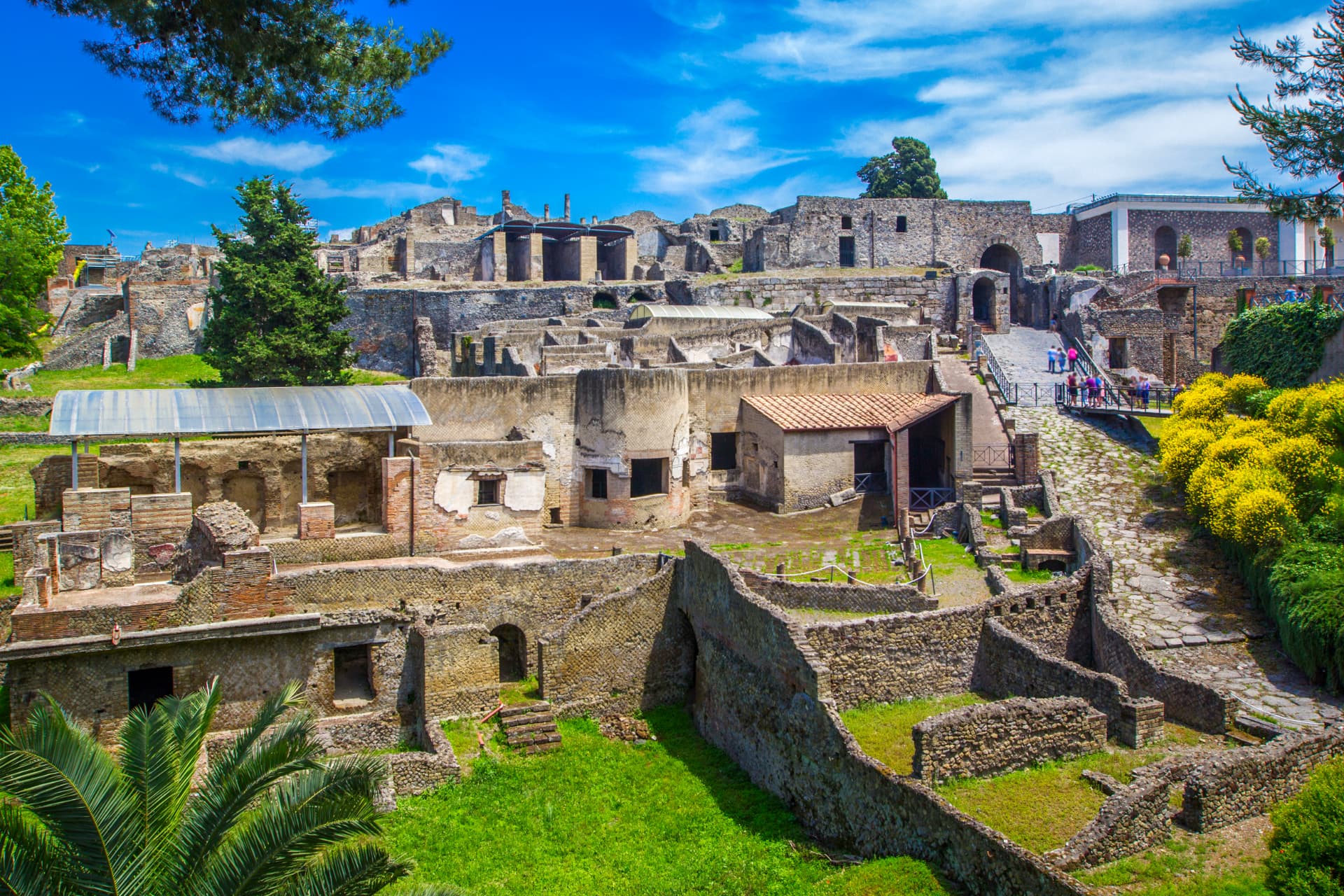
Is a Pompeii and Amalfi Coast day trip from Rome too much?
| Detail | What to expect |
|---|---|
| Total duration | Usually a very long full day, commonly 12–14 hours, or about 14–15 including assembly |
| Departure | Early morning from Rome, typically 06:00–07:00 |
| Pompeii time | Product-dependent, often around two hours |
| Coastal stops | Positano, Amalfi or a combination — Sorrento is on the Sorrento Peninsula, not the Amalfi Coast |
| Best for | Travellers with limited time who want to see both |
| Not ideal for | Slow travel, beach time or extensive archaeology |
How Much Time Will You Actually Spend in Each Place?
This is the section that decides whether the day suits you. A tour advertised at 13 hours is measuring from the Rome meeting point to the Rome drop-off. Inside that figure, sightseeing is usually the smaller share.
- Advertised duration: typically 12–14 hours, occasionally longer in summer traffic; the sample day below runs about 14–15 hours including assembly.
- Actual sightseeing: often four to five hours in total — roughly two hours in Pompeii and two to three hours across the coastal stops.
- Transport: six to eight hours of coach, train or ferry, including the slow, winding coastal section that cannot be rushed.
- Lunch and logistics: 45 to 90 minutes for meals, plus group assembly, headset handover, ticket collection and re-boarding at every stop.
None of that makes the tour bad value. What you are buying is coverage: two landmark destinations, a licensed guide at one of the best-preserved Roman sites in the world, and someone else absorbing the risk of every connection on a route that is genuinely awkward to self-manage. If you would rather have depth than coverage, that is a reason to split the two into separate days — not a flaw in the product.
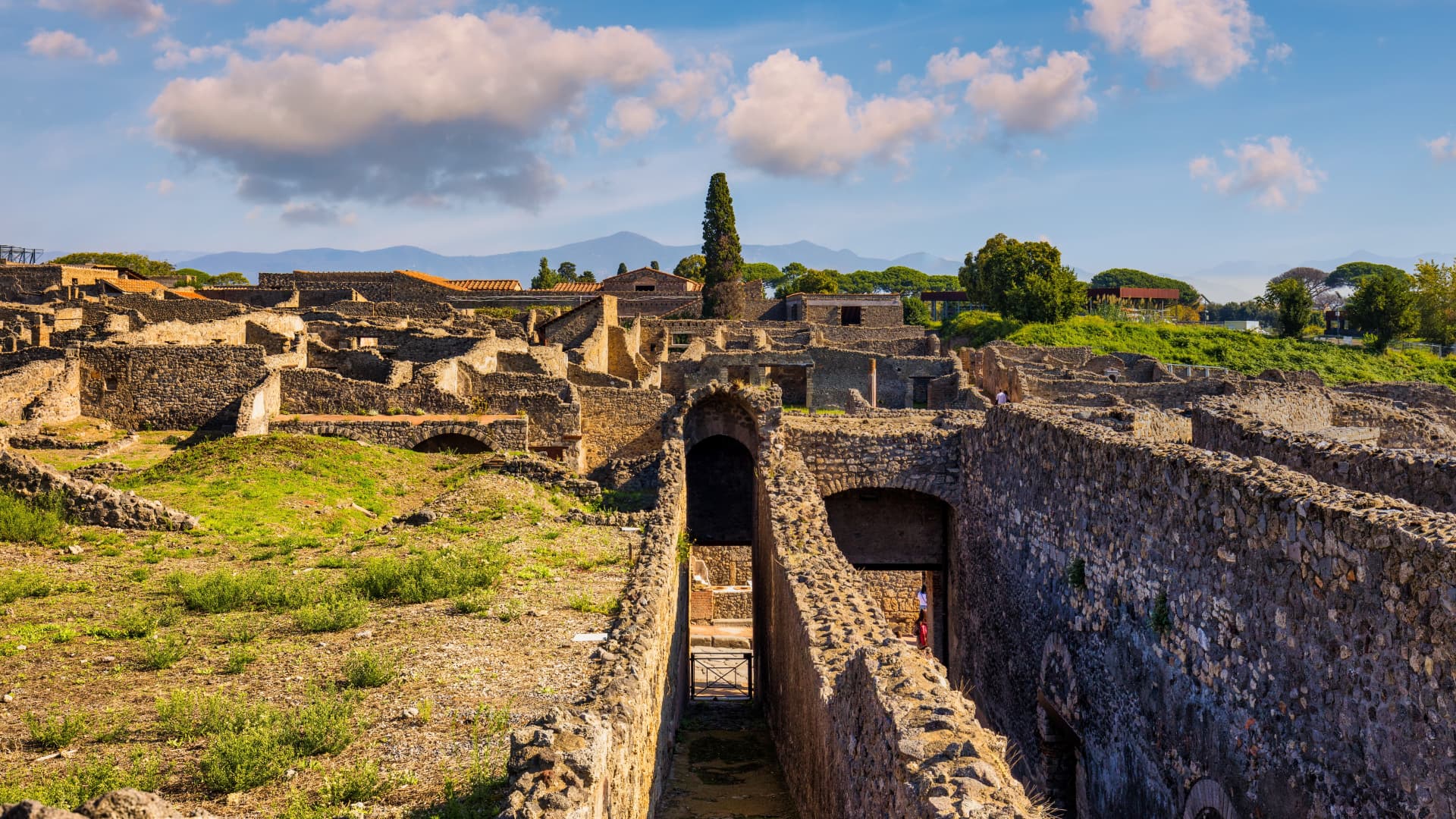
Which Tour Combination Should You Choose?
Pompeii, Amalfi Coast and Sorrento
Three famous names in one booking, and the version most travellers picture when they imagine the day. Check the coastal stop before booking: Positano and Amalfi are on the Amalfi Coast, but Sorrento is on the neighbouring Sorrento Peninsula. A tour that visits Pompeii and Sorrento may be a good day out, but it does not necessarily take you to the Amalfi Coast — read the listed stops and the time allowed at each one. This version is also normally the most rushed: Sorrento is added on the way through, so stops shorten and the schedule leaves little room for traffic. Choose it if ticking off recognisable places matters more than time in any of them.
Pompeii and Positano
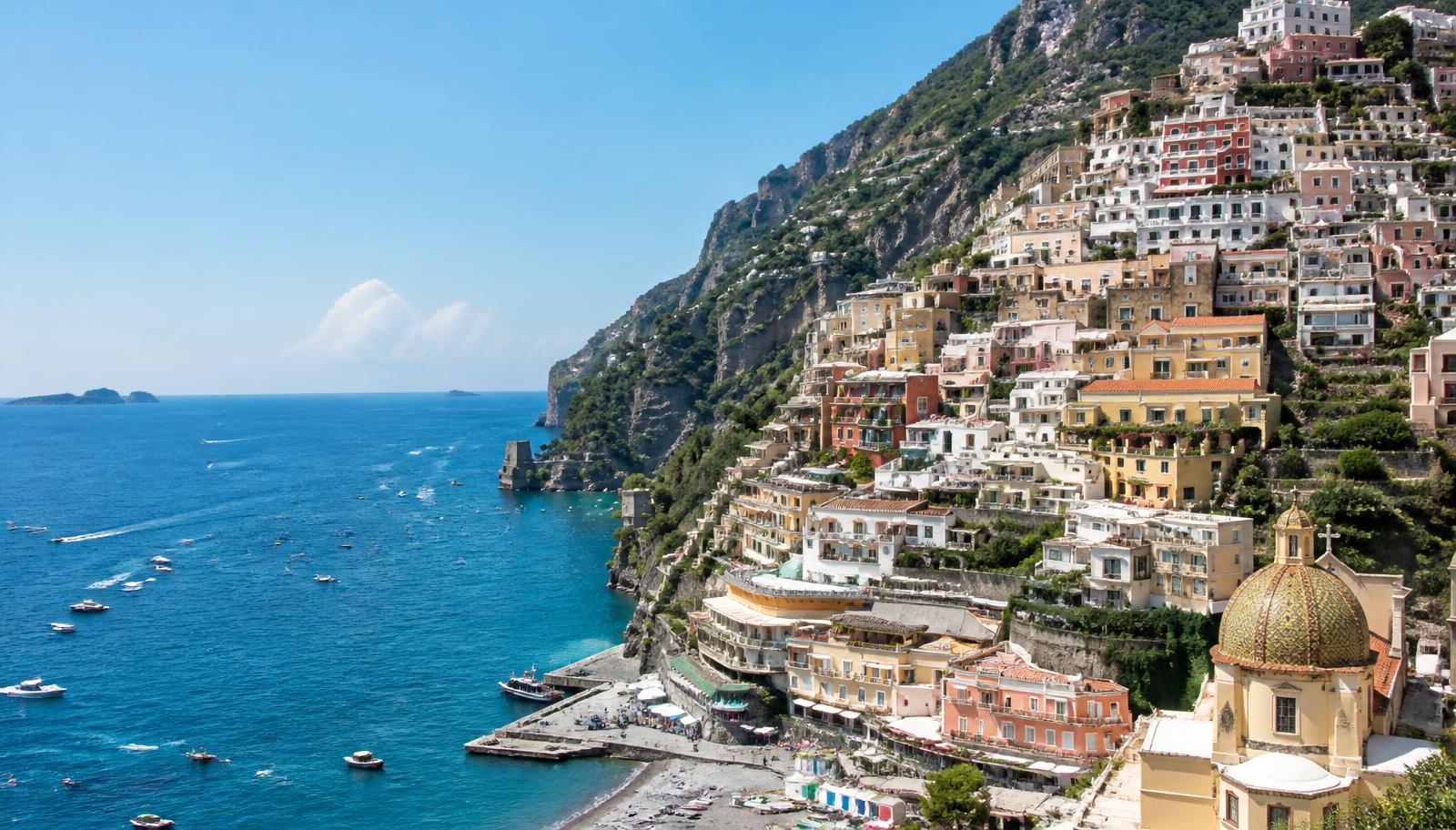
A cleaner pairing. One archaeological site, one coastal town, fewer transfers. Positano is the most photographed town on the coast and the stop is usually long enough to walk down through the shops to the beach and back up. Remember that the climb back is steep and the return time is not flexible.
Pompeii, Amalfi and Positano
Maximum sightseeing, minimum flexibility. You see the ruins and two coastal towns, but the coast road between Amalfi and Positano is slow, and every minute lost earlier is taken from the last stop. Suitable for travellers who like a full itinerary and do not mind being moved along.
Amalfi Coast With a Coastal Cruise
The best option for views, because the coast genuinely looks better from the water than from the road, and the boat avoids some of the traffic. It is also the most weather-dependent: sailings can be cancelled at short notice and the seasonal ferry network thins out sharply outside roughly April to October. Check the substitution terms before booking this version.
Affiliate link. You pay the same price and we may earn a small commission, which funds this site's research.
Compare Pompeii and Amalfi Coast tours from Rome
Check current itineraries, inclusions, availability and cancellation conditions before choosing a tour.
Compare Pompeii and Amalfi Coast tours from Rome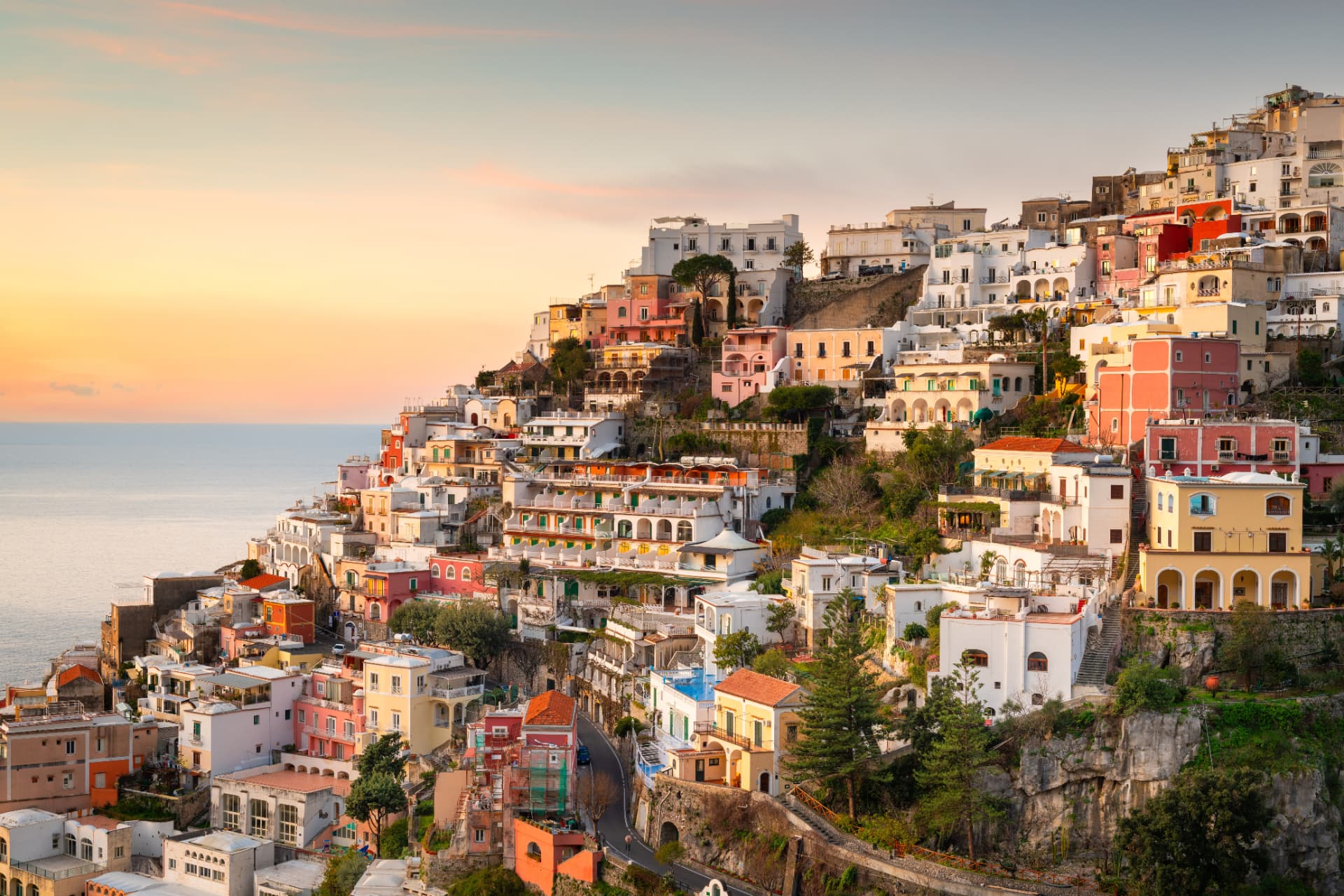
Coach Tour or High-Speed Train Tour?
| Factor | Coach tour | High-speed train tour |
|---|---|---|
| Travel time south | Around 3–3.5 hours each way with a service stop | About 70 minutes to Naples, then a local transfer |
| Road congestion | Exposed to motorway and coast-road traffic all day | Avoided on the long leg, still present on the coast |
| Convenience | One vehicle, luggage stays aboard, no changes | More changes, but far less time seated |
| Price | Often the cheaper option, but compare dated prices for your travel day | Often higher, because rail seats are pre-booked per person |
| Group size | Can be 40–50 people on large-coach products, slower to move | Small-group formats exist; check the stated maximum group size |
| Coastal boat ride | Sometimes offered as an upgrade | Included on some itineraries — verify on the product page |
These are general patterns, not guarantees — individual products vary in group size, inclusions and price, so compare two or three named, currently bookable tours on duration, stops, admission and group size before deciding. Broadly, the coach tends to be cheaper and simpler, while train-based formats can return an hour or two of daylight for a higher price. If motion sickness or long seated stretches are a concern, the train option is often worth the difference.
What Is Usually Included?
- Round-trip transport from a central Rome meeting point — almost always included, but confirm the return drop-off location.
- Tour leader versus licensed Pompeii guide. These are not the same thing. A tour leader accompanies the group; only a licensed guide can lead the archaeological visit. Some products include one and sell the other separately.
- Pompeii admission. Excluded on some products, included on others — inclusions vary by operator. Some currently listed combined products describe a two-hour guided Pompeii visit with entry included; others sell admission separately. Never assume a “Pompeii tour” includes entry to the archaeological park, and check the product page for your date.
- Headsets for the guided walk — usually included where a guide is, occasionally a small extra.
- Lunch. Sometimes a set menu, sometimes free time at your own cost.
- Coastal cruise. Only on cruise-branded products, and subject to weather and season.
- Hotel pickup. Rare on large coach tours, more common on small-group or private products, and often limited to a central zone.
- Gratuities. Almost never included; they are discretionary.
Read the inclusions list line by line rather than comparing headline prices. Two tours with the same title can differ by the cost of park admission, a licensed guide and lunch — which is most of the gap between a cheap product and an expensive one.
What does the day look like?
An illustrative shape of the day, not a guaranteed timetable. Every operator runs it slightly differently and traffic decides the rest.
06:00–07:00Meeting point in central Rome, group assembly and headset distribution.
07:00–10:30Travel south. Coach example: motorway with one service-station break. Train-based tours instead take the roughly 70-minute high-speed service to Naples, then a local transfer.
10:30–12:30Pompeii: guided walk through the Forum, baths, bakeries and a house or two.
12:30–14:00Transfer towards the coast, often with lunch either included or taken in free time.
14:00–17:00One or two coastal stops — Positano, Amalfi or Sorrento — plus coast-road driving or a boat leg.
17:00–21:00Return north to Rome, arriving late evening at a central drop-off point.
Is the Tour Worth the Price?
Price the independent version honestly before you judge the tour. Doing it yourself means a return high-speed ticket to Naples, Pompeii archaeological park admission, a Circumvesuviana or regional ticket, a coastal bus or seasonal ferry fare, and a guide or audio guide if you want the ruins to make sense. As a rough dated example (September 2026, checked against published fares): advance Rome–Naples high-speed returns can be found from around €40–90 depending on how early you book and the operator, Pompeii admission is €20 (Pompeii Express) or €25 (Pompeii Plus, wider site coverage) as listed by the official park in October 2026, local trains and a coastal bus or ferry add roughly €15–25, and an audio guide about €8 — an illustrative subtotal of roughly €81–147 per person before food or extra transfers. Pompeii tickets are named and daily admissions are capped, so book the right ticket in advance and follow its visitor requirements. Compare that figure with a named, dated tour price for your travel day rather than assuming the gap is large or small.
Then add the risk. On a tour, the operator manages the itinerary when a ferry is cancelled or a road is delayed — re-routing, substituting transport or adjusting stops as its booking terms allow. That is logistics management, not a guarantee: operators can and do change or cancel advertised stops, and the compensation you are owed is whatever the product’s terms promise, so read them. Independently, a disrupted connection is entirely yours — and the worst case is missing a non-refundable return train and paying twice.
Where the tour is poor value is if you would happily drop one destination. A Pompeii-only day by train costs less, gives you three to four hours on site and gets you back to Rome by early evening.
Who Should Book This Tour?
Book it if you are
- A first-time visitor to Italy with no spare days in the schedule.
- Uncomfortable coordinating four or five connections in a language you do not speak.
- Happy with highlights — the Forum, a coastal town, the view from the road or the water.
- Travelling outside the peak of summer, when road congestion is less punishing.
Skip it if you are
- Travelling with very young children — the day is too long and too seated.
- Limited in stamina or mobility; Pompeii’s streets and Positano’s steps are hard going.
- Hoping for beach time or swimming — beach time on these itineraries is usually very limited.
- A serious archaeology enthusiast who will resent leaving Pompeii after two hours.
- Able to stay overnight near Naples, Sorrento or Amalfi, which is simply a better trip.
What are the better alternatives?
Pompeii only. The strongest single-day option: high-speed train to Naples, local train to the site, three to four unhurried hours in the ruins and back in Rome for dinner. Full route in our Pompeii day trip from Rome guide.
Naples and Pompeii. Same train, two destinations that sit on one line. Morning at the ruins, afternoon in the historic centre or the archaeological museum, where the finest finds from Pompeii actually live.
Amalfi Coast only. Drop the ruins and the day becomes far more pleasant, with real time in one or two towns — see our Amalfi Coast day trip from Rome guide.
Ostia Antica. The easiest archaeological alternative: a Roman port city reachable in about 40 minutes on the Metromare line, with no long-distance travel at all. Compare the two in Ostia Antica vs Pompeii.
Affiliate link. You pay the same price and we may earn a small commission, which funds this site's research.
Only have time for the ruins?
Compare Pompeii tickets and guided tours from Rome, including admission-inclusive products and small-group options.
Compare Pompeii tickets and toursOfficial Planning Links
- Pompeii Archaeological Park — official site for opening hours, tickets and visitor information. Online tickets are sold through the official vendor Vivaticket, which is useful context when checking whether a tour’s admission is included.
- Trenitalia and Italo for Rome–Naples and Rome–Salerno high-speed timetables and fares.
- Travelmar for seasonal Salerno–Amalfi–Positano ferry timetables and service notices.
Frequently Asked Questions
How long is a Pompeii and Amalfi Coast tour from Rome?
Most combined tours are advertised at roughly 12 to 14 hours door to door, and some run longer when summer coast-road traffic is heavy. Departures are usually 06:00–07:00, and returns after 20:00 are normal. Treat return times as estimates, and check the exact meeting point and finish time before booking.
Is there enough time in Pompeii on a combined tour?
Usually around two hours, sometimes less once headsets are handed out. That covers a guided walk through the Forum, a bathhouse, a bakery, one or two houses and the theatre area. It does not cover the amphitheatre or the quieter eastern streets, and it is well short of a Pompeii-only day.
Will you actually visit Positano?
Only if the product says so explicitly. Some stop in Positano or Amalfi, some only in Sorrento, which is not on the Amalfi Coast, and some just drive the coast road. Where Positano is included, expect 60–120 minutes, with a steep walk back up. Read the itinerary, not the tour title.
Does the price include Pompeii tickets?
Not always. Plenty of products described as a Pompeii tour cover transport and a tour leader but charge archaeological park admission separately, or include entry but not a licensed Pompeii guide. Check the inclusions list for both the entry ticket and the guided visit before you compare prices between operators.
Is lunch included?
It varies. Some tours include a set lunch near Pompeii or in Sorrento; others give free time in a coastal town to buy your own. An included lunch saves decisions but usually uses 45–75 minutes of coastal time. If lunch is not included, carry water and a snack, because gaps between stops are long.
Can the coastal cruise be cancelled?
Yes. Boat legs on the Amalfi Coast depend on sea conditions and on seasonal ferry operations, which are much reduced outside roughly April to October. Operators may substitute road transport at short notice, and the compensation terms differ by product. If the cruise is the reason you are booking, read the cancellation and substitution conditions carefully.
What time will you get back to Rome?
Commonly between 20:00 and 22:00, occasionally later if the coast road is congested. Do not book a dinner reservation, a show or an early morning flight around this day. Also check where the tour ends, since drop-off is often at a central meeting point rather than at your hotel.
Keep planning
- Pompeii day trip from Rome: by train or tour?
- Amalfi Coast day trip from Rome: best tours and honest advice
- Ostia Antica vs Pompeii: which day trip is better?
- Best guided day trips from Rome
Some links on this page are affiliate links. You pay the same price and we may earn a small commission, which funds this site’s research.