Amalfi Coast Day Trip From Rome: Train, Ferry or Tour?
Updated · 12 min read · By the AllTrips Rome editorial team
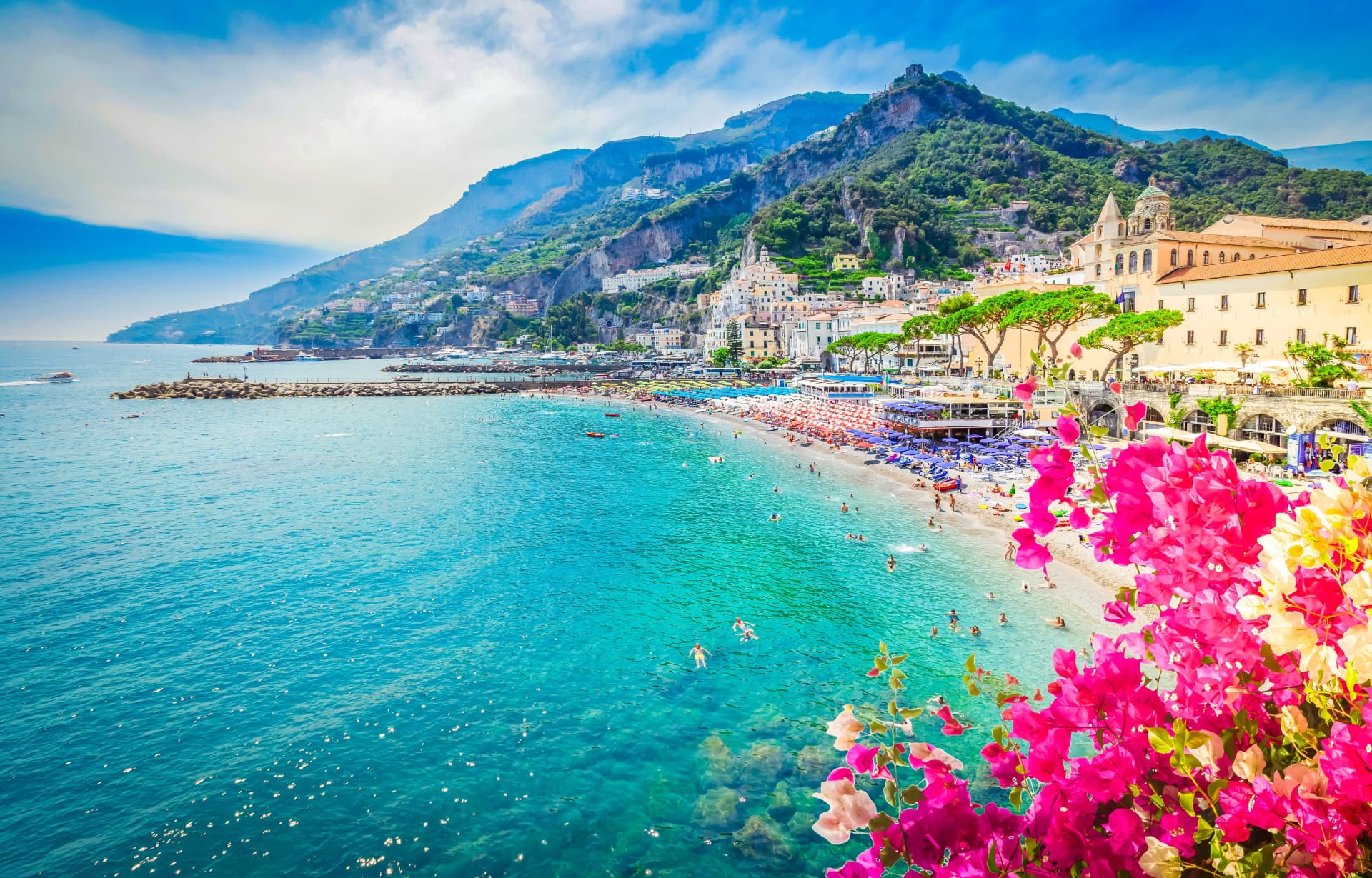
Yes, you can visit the Amalfi Coast from Rome in one day, but whether you should depends on how you feel about a 12 to 14-hour day in which six to eight hours or more are spent moving. Travelling independently means stringing together a high-speed train, a ferry or a coastal bus, and a return connection you cannot afford to miss. An organised tour handles the connections, but cannot remove traffic, rough seas or a late return. Here is how the options compare, and when the trip is genuinely a bad idea.
Rome to the Amalfi Coast at a glance
| Option | Total day | Changes | Weather sensitivity | Best for |
|---|---|---|---|---|
| Organised coach tour | Typically 12–14 hours | None for the traveller | Low, unless a cruise leg is included | Anyone who wants the coast handled end to end |
| High-speed train + ferry | About 13 hours door to door | Two to three | High — sailings are seasonal and sea-dependent | Confident travellers between roughly April and October |
| High-speed train + local bus/rail | 13–15 hours | Three to four | Moderate, but very traffic-sensitive | Off-season travel when ferries do not run |
| Private transfer or driver | 11–13 hours | None | Low, but exposed to coastal-road congestion | Groups and families; travellers with mobility needs after confirming an accessible vehicle and drop-off |
Durations are indicative and change with season and departure. Check Trenitalia or Italo for the Rome–Naples and Rome–Salerno legs, and the operator's own timetable — Travelmar, Alicost or NLG, depending on the route — for coastal ferries before relying on a connection.
Can you visit the Amalfi Coast from Rome in one day?
A qualified yes. By road, Rome to Amalfi town is roughly 270–280 km via the A1 motorway to Salerno or Naples and then the coast road, and the coastal stretch is the slow part: the SS163 coastal road is a single lane in each direction, cut into cliffs, with hairpins that coaches take one at a time. In summer it can take well over an hour to cover the stretch between Amalfi and Positano.
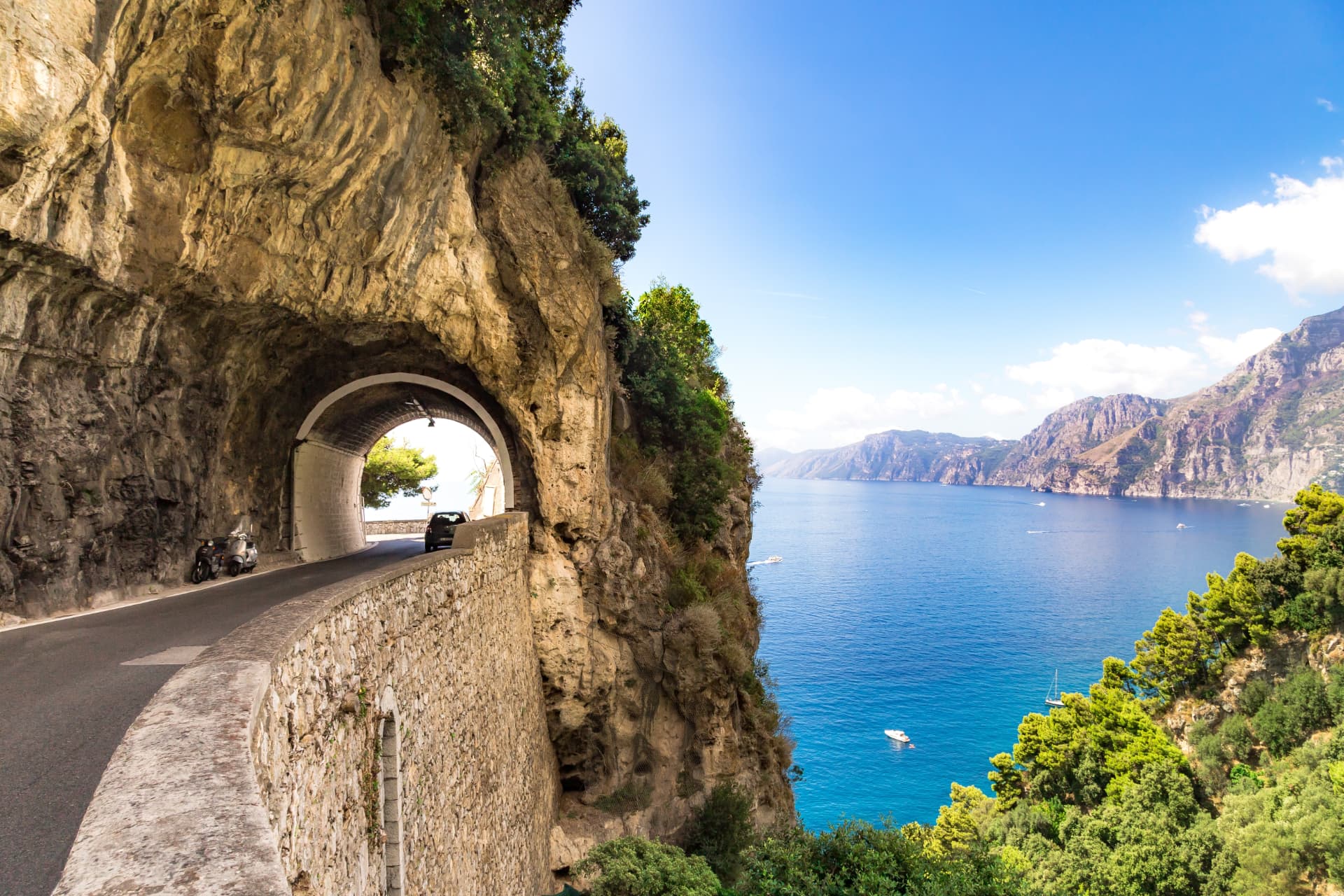
That is what makes this different from a Pompeii day trip, where the destination sits at the end of a train line. Here the transport is not a means to the day — it largely is the day. A realistic budget is six to eight hours or more moving, two to four hours in one or two towns, and a return to Rome somewhere between 20:00 and 22:00.
It is doable, and very popular in summer. It is not relaxing, and anyone selling it as a gentle seaside outing is not being straight with you.
Which Amalfi Coast towns can you realistically visit?
Choose one main destination independently, or at most two stops on an organised tour. You cannot see the whole coast in a day; do not add Capri to an already compressed independent trip. These are the four names that appear on almost every itinerary.
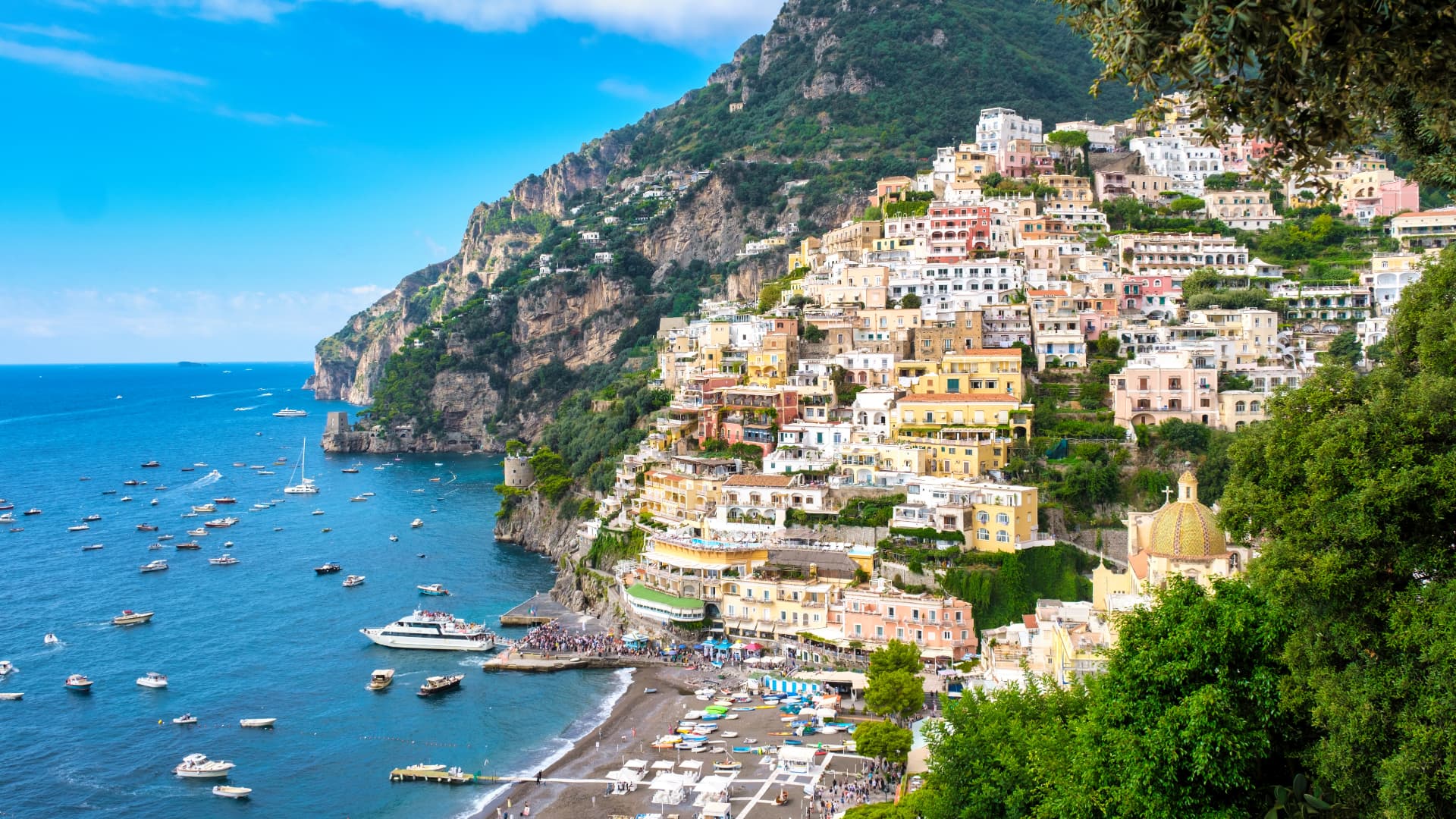
Positano
The image everyone has of the coast: pastel houses stacked down a ravine to a grey-sand beach. It is also the hardest stop to do quickly, because the town is essentially a staircase — walking down to the beach is easy, walking back up to the coach stop takes 20 to 30 minutes in the heat. Budget 90 minutes minimum and expect crowds from May to September.
Amalfi
Flatter, more compact and easier on a short visit. The cathedral steps, a lively main street and the ferry pier are all within a few minutes of each other, which makes it the natural hub for an independent day. Less photogenic than Positano from a distance, more practical up close.
Sorrento
Not technically on the Amalfi Coast at all — it sits on the opposite, northern side of the peninsula facing the Bay of Naples — but it is bundled into tours constantly because it is the easiest town to reach and has the parking. It is a pleasant, tourist-oriented town with good views over to Vesuvius, and it is where combined Pompeii itineraries usually put their lunch stop.
Salerno
The working city at the eastern end, and the key to independent travel rather than a destination in its own right. High-speed trains from Rome stop here, and the ferry pier is a short walk from the station. Most day-trippers see only the seafront, which is fine — its job is to get you onto a boat.
Positano, Amalfi or Sorrento?
| Town | Best for | Main trade-off |
|---|---|---|
| Positano | Iconic views and beach | Longer ferry ride; steep stairs and seasonal connections |
| Amalfi | A compact independent visit via Salerno | Still dependent on onward transport and weather |
| Sorrento | Rail access via Naples and bay views | On the Bay of Naples, not the Amalfi Coast |
Amalfi Coast from Rome by train and ferry
The independent route is genuinely scenic and, in the right months, the nicest way to arrive. Neither Positano nor Amalfi has a railway station: Rome to Salerno or Naples is only the first leg. It has four stages, and each one has to work.
- Roma Termini to Salerno by high-speed train. Direct high-speed journeys typically take around 1 hour 25 minutes to two hours on a Frecciarossa or Italo, depending on the service; some require a change at Naples, so check before booking. Fares are dynamic — book weeks ahead.
- Salerno station to the Concordia ferry pier. A walk of roughly 10 to 15 minutes for the Concordia departure. Other services use different Salerno piers: check your ticket before assuming this connection time.
- Ferry to your one chosen destination. Allow roughly 35–60 minutes to Amalfi or around 70–90 minutes to Positano, depending on operator and intermediate stops. Add time for boarding and waiting; verify the pier and sailing duration for your date.
- The same chain in reverse. The last useful sailing back to Salerno is commonly in the late afternoon or early evening, which is what fixes your day rather than the trains.
Seasonality is the catch. The coastal ferry network runs mainly from around April to late October, with the fullest timetable in high summer, and it is reduced or suspended in winter. Even in season, rough seas cancel sailings with little notice. Limited Salerno–Amalfi services may operate outside the main season, but do not assume Positano connections are available. Check dated operator schedules; if there is no suitable sailing, rebuild your plan around current SITA bus services from Salerno or Sorrento, allowing for queues and traffic.
A second catch is the buffer. With a train, a pier walk, a ferry and a fixed high-speed return, a delay anywhere cascades. Allow roughly 3–4 hours or more each way from Termini to your chosen town, including the pier transfer and waits. Build in at least an hour of slack before your train home, more in uncertain conditions, and do not book the last plausible train after a ferry connection. Treat any plan that has you sprinting between the pier and the platform as already broken.
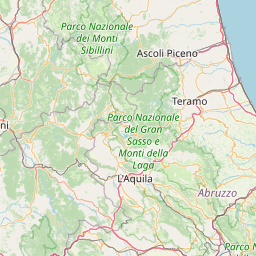
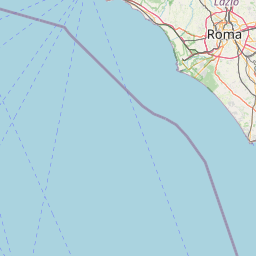
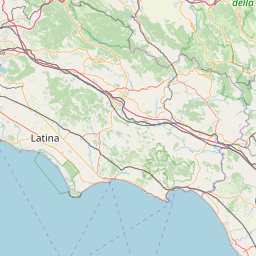
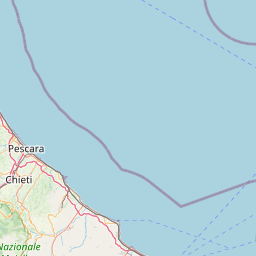
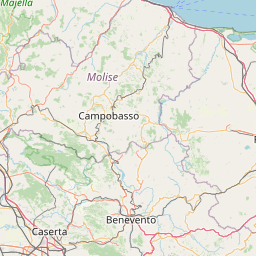
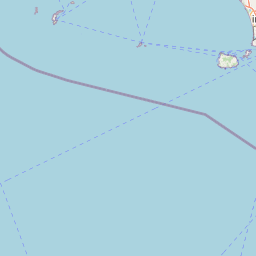
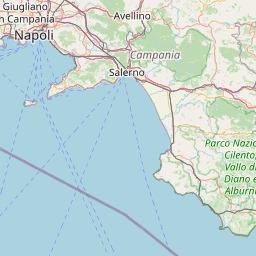
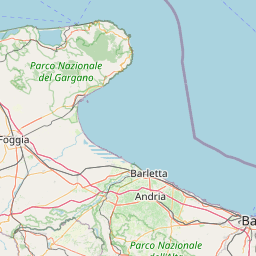
Rome–Salerno–Amalfi route map



 📍
📍
📍
📍
+− Leaflet | © OpenStreetMap contributors
📍
📍
📍
📍
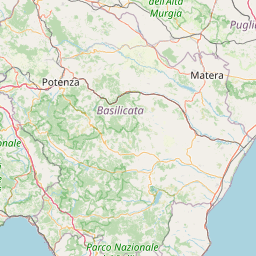
+− Leaflet | © OpenStreetMap contributorsMap data © OpenStreetMap contributors. High-speed train from Rome to Salerno, about ten minutes on foot to the Concordia pier, then the seasonal ferry to Amalfi. Pins are approximate; check the departure pier on your ticket.
Best organised Amalfi Coast tours from Rome
These are types of tour to compare rather than one named product — stops, included ferry legs, time in each town and cancellation terms vary by operator, so verify them on the specific product page before booking. The labels describe what each format is good for, not a measured ranking of price or frequency.
Small-group tour using the high-speed train
Most time on the coastRail to Naples or Salerno, then a minivan or ferry along the coast. It removes the worst part of the coach version — much of the long motorway journey — but the onward road or ferry connection still takes time. It usually costs more than a coach seat and may have fewer departure dates — compare live prices — but it can leave you with a real afternoon rather than a photo stop.
Amalfi and Positano coach tour
Both towns, no planningThe standard product: two proper stops with the coastal drive between them as the scenery. Stop lengths vary by product — around 90 minutes to two hours per town is a typical example, but confirm the figure on the specific itinerary. Long day, no decisions, and often good value if you simply want to see both towns. Ask where the coach parks in Positano, because the walk back up is the part people underestimate.
Amalfi Coast with a coastal cruise
Worth it in good weatherAdds a boat leg so you see the cliffs from the water, which is where the coast looks best. The trade-off is weather dependence: the sea section is the first thing cancelled or rerouted when conditions turn, and the replacement is usually more road time. Check the operator's cancellation policy rather than assuming a refund.
Pompeii and Amalfi Coast combined
Think twiceProducts vary: some stop in one coastal town on foot, some add a boat leg, others keep most of the coast to the coach window. A common pattern is around two hours at Pompeii — enough for selected highlights with a guide, not for a broad independent visit. Check the stop list before booking.
Pompeii, Amalfi and Sorrento in one day
Only for the determinedThree destinations in a 13 to 14-hour day, so each stop is short; on many itineraries the Sorrento portion is mainly lunch. Check how long each stop lasts before booking.
Before booking any of them, confirm the departure point in Rome, the return drop-off, whether lunch and ferry tickets are included, and how long each stop actually lasts — that last figure is what separates a good coast day from an expensive bus ride.
Affiliate link. You pay the same price and we may earn a small commission, which funds this site's research.
Prefer not to manage the train-and-ferry connection?
Compare Amalfi Coast tours from Rome with round-trip transport included, and check live prices and departure dates.
Compare Amalfi Coast tours from RomeA realistic one-day itinerary
Option A: organised coach tour
06:30Meet in central Rome. Departures are early because the drive is long.
07:00–10:00Motorway south past Naples, usually with one service-station break.
10:30First coastal stop, commonly Positano or Sorrento depending on the route.
12:30Coastal drive along the SS163 — slow, spectacular and the reason the schedule is loose.
13:30Amalfi: cathedral square, main street, lunch.
15:30Depart the coast.
19:00–21:00Return to Rome, arrival time depending on traffic around Naples.
Option B: independent trip through Salerno
Before using this plan, check the official Travelmar timetable (or your chosen operator's) for your exact date, and select your return sailing first — it, not the trains, fixes your day. Travelmar's Salerno pier is about a ten-minute walk from the station.
06:45Leave your accommodation for Roma Termini.
07:30High-speed train to Salerno — roughly 1 hour 25 minutes to two hours depending on the service. Times below are illustrative.
09:40Walk from Salerno station to the Concordia ferry pier.
10:15Ferry to Amalfi; allow roughly 35–60 minutes depending on stops and operator.
11:15–14:30Stay in Amalfi: cathedral, back lanes and lunch. Leave room for delays rather than adding another town.
15:00Illustrative return ferry to Salerno — choose an operating departure with later alternatives and check service notices that morning.
18:30High-speed train from Salerno.
20:45Back in Rome.
Option B requires confirmed ferry sailings for your date; these are illustrative times, not a timetable. In winter, do not simply substitute buses into this schedule: rebuild the day around current road services or choose an overnight stay.
Should you add Pompeii?
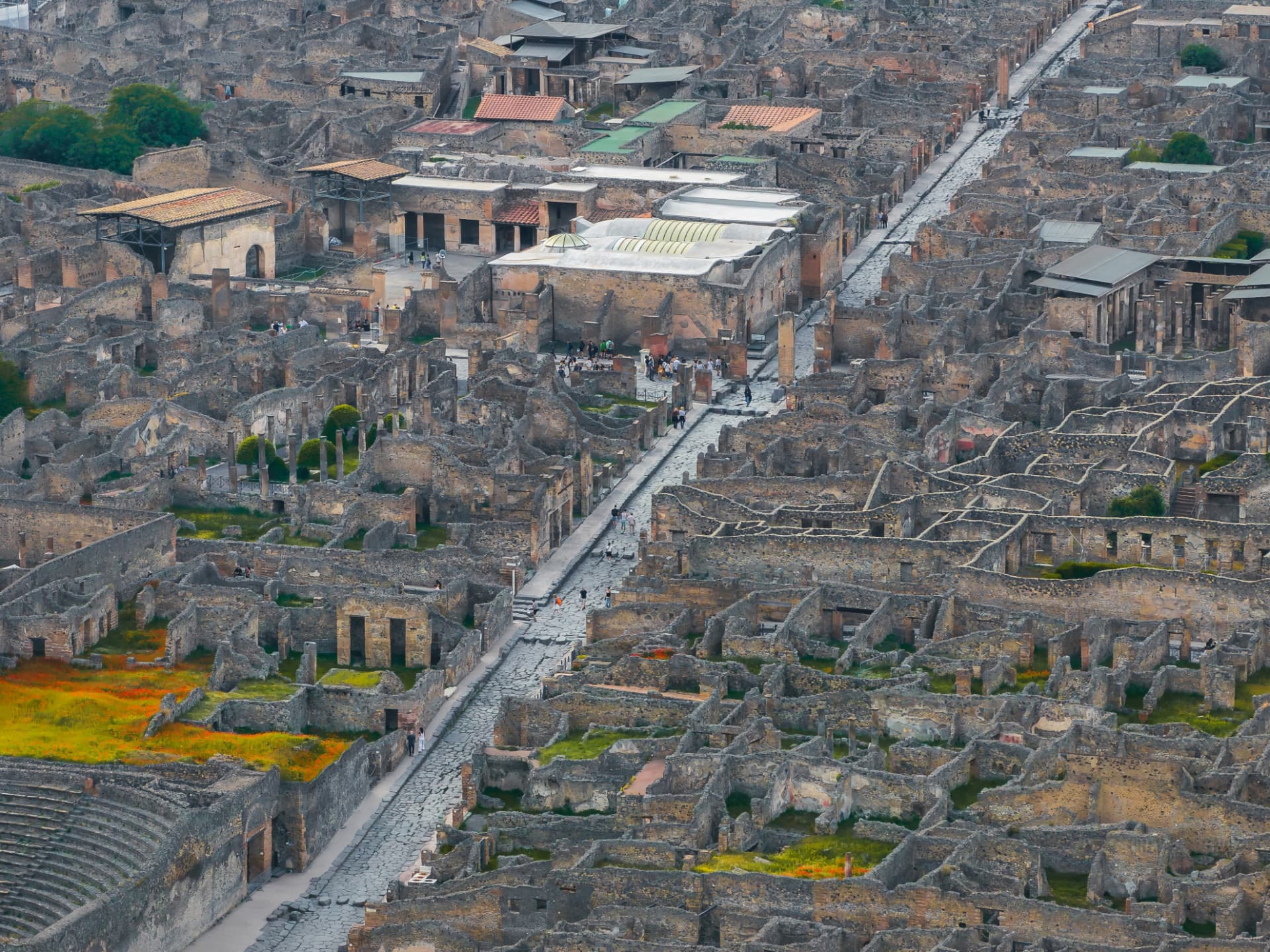
Adding Pompeii gives the day variety — ruins in the morning, sea in the afternoon — and it is the single most common upsell on coach itineraries. It also sharply reduces coastal time. A combined tour often allows around two hours at the archaeological park — enough for guided highlights, not a broad visit — and one coastal stop, though itineraries vary.
Our advice is to separate them. Pompeii works far better as its own day by high-speed train, allowing 10–12 hours door to door with three to four hours on site — the full route is in our Pompeii day trip guide. If you are set on combining them, our Pompeii and Amalfi Coast in one day guide walks through that specific itinerary. Combine only if this is your one free day and you would rather sample two famous places than properly see one.
What can go wrong?
The realistic failure modes
- Ferry cancellations. Sea conditions cancel sailings at short notice, sometimes after you have already travelled out. The fallback is the coastal bus, which adds hours.
- Road congestion. The SS163 can be severely congested on weekends, public holidays and in peak summer. Coaches sit in it like everyone else, and stop times get trimmed to protect the return.
- Missed connections. Independent travel links a train, a pier walk and a ferry each way. One late ferry can cost you a non-refundable high-speed seat back to Rome.
- Long driving times. Coach tours can involve six to eight hours or more in a seat. If motion sickness is an issue, the winding coastal section is the hardest part of the day.
- Unsuitable sea conditions. Cruise-inclusive tours may substitute road transport without a partial refund. Read the terms before booking.
- A very late return. Arrivals back in Rome after 21:00 are normal and after 22:00 are not unusual. Do not book anything for that evening, and do not schedule an early flight the next morning.
What happens if ferries are cancelled?
Check your operator’s notices before leaving Rome and again before boarding. If the outward sailing is cancelled, staying in Salerno or switching to a shorter outing may be wiser than forcing a road transfer. If the return is cancelled, ask about available sailings, SITA buses or a licensed taxi; queues, fares and road delays may make an overnight stay necessary. A separately booked train is not automatically protected by a ferry cancellation. Check both refund policies and keep enough money for a fallback.
Use the official Travelmar timetable or your booked operator’s own service notices. The fullest network is seasonal; limited off-season sailings on an individual route do not make the whole coastal itinerary year-round.
Best time of year
May, early June and September often balance daylight, visitor services and heat better than July and August, though popular dates remain busy. Spring and autumn ferry schedules vary by route and weather. Winter requires checking every connection and business opening rather than assuming the summer itinerary operates.
Amalfi Coast day trip without a car
In ferry season, high-speed rail to Salerno plus one confirmed return ferry is the simplest independent plan. Outside that season, train plus SITA bus can work, but road delays and connections often favour staying overnight. A car is not required, and parking in coastal towns adds another complication.
Rome to Positano in one day
Make Positano your only independent coastal stop. Take a confirmed Salerno–Positano sailing after the train, allow for the longer sea journey and the town’s steep steps, and leave early enough for a buffered return. If the sailing times do not leave a useful visit, choose Amalfi or an overnight stay instead.
Private transfer: convenient, not traffic-proof
A driver removes parking and connection logistics but is expensive and still uses congested roads. Request a dated round-trip quote covering waiting time, tolls, parking and the return deadline. Plan one main town. A car is not automatically accessible: confirm an accessible vehicle, where it can stop or park, boarding arrangements and the walking route in your chosen town — vehicle transport does not remove Positano’s stairs.
Is an Amalfi Coast day trip from Rome worth it?
Possible, but not ideal: choose an organised tour if this is your only available day; otherwise stay overnight. Book it if this is realistically your only chance to see the Amalfi Coast — a one-off trip to Italy, a fixed Rome base, no time for an overnight. Seeing Positano for two hours is genuinely better than not seeing it at all, and the coastal drive is memorable in its own right. It also suits travellers who enjoy a full, structured day and are happy to be moved around.
Skip it if long transport days wear you out, if you are travelling with small children, if you want beach time, swimming or a slow lunch, or if you are visiting between November and March, when ferry services are limited or suspended and many tourism businesses reduce their hours. Skip it too if you have only three days in Rome and have not yet seen the city itself — a shorter train day trip will cost you far less of the trip.
Frequently asked questions
Is Positano possible from Rome in one day?
Yes, but only as part of a long day. Organised coach tours normally include a stop of roughly 90 minutes to two hours in Positano, which is enough to walk down to the beach, look up at the famous tiered houses and buy a coffee. Independently, the realistic route is a high-speed train to Salerno and a seasonal ferry, which puts you in Positano late morning and requires you to leave by mid-afternoon.
Is an Amalfi Coast day tour from Rome worth it?
It is worth it if this is your only chance to see the coast and you accept a 12 to 14-hour day. The tour handles the transport arrangements, but traffic and weather can still change the itinerary. It is not worth it if you want swimming, a long lunch or unhurried time in the towns — for that the coast needs an overnight stay.
Is the Amalfi Coast ferry available all year?
Do not assume year-round availability. The full coastal ferry network between Salerno, Amalfi and Positano runs mainly from around April to late October, with the fullest timetable in July and August. Sailings are reduced or suspended in winter and can be cancelled at short notice in rough seas even in season. Outside the ferry months the independent route falls back on the SITA coastal bus, which is slower and vulnerable to traffic.
Is Naples or the Amalfi Coast a better day trip from Rome?
Naples is the easier day by a wide margin: a direct high-speed train of roughly 70 minutes, no onward connection, and a city that rewards a half-day. The Amalfi Coast is more spectacular but costs you six to eight hours or more of transport. If you have one spare day and dislike long travel, choose Naples or Pompeii; choose the coast if the scenery is specifically what you came for.
Should you stay overnight instead?
If your schedule allows it, yes. One night in Salerno, Sorrento or Amalfi turns a frantic day into two relaxed ones and lets you see the towns in the early morning and evening, when the coach crowds are gone. Salerno is the cheapest base and has the best rail connection back to Rome. A day trip is the compromise for travellers whose Rome accommodation is already booked and unmovable.