Table of Contents
- 1. The short answer
- 2. The art itself
- 3. Michelangelo the artist
- 4. The political stage
- 5. Papal conclaves
- 6. Cultural saturation
- 7. The legacy angle
Where to buy Vatican Museums tickets
Try the official Vatican Museums site first, then compare Tiqets, Klook, and Trip.com — trusted booking partners — if official slots are sold out.
OfficialVatican MuseumsFace-value timed tickets from the Vatican's official ticketing site.Official TicketsPartnerTiqetsSkip-the-line tickets and guided tours when official slots are gone.Check PricesPartnerKlookCheck alternative ticket and tour availability.Check PricesPartnerTrip.comBundle Vatican tickets with hotels and city passes.Check PricesThe short answer
The Sistine Chapel is famous because one genius made one of the largest and most influential fresco cycles of the Renaissance in the seat of the Catholic Church — a room that still hosts the election of popes today. Every factor amplifies the others. Remove any one and it drops out of the top 10.
The art itself
Michelangelo frescoed the vast vaulted ceiling — roughly 500 square metres of vault — with hundreds of figures. The Last Judgment on the altar wall adds several hundred more — scholarly counts vary, with around 300 figures the conventional estimate. Both are technical peaks — anatomy, composition, color, foreshortening — that art historians still study 500 years later. The major restoration campaign ran from 1980 to 1994, with the Last Judgment phase concluding in 1994; it revealed vivid original colors that changed the world's understanding of Renaissance painting. The frescoes received an extraordinary cleaning again in February–March 2026.
Michelangelo the artist
Michelangelo was already the most famous sculptor in Europe when he was pressed into painting the ceiling. He resisted — he considered himself a sculptor — but delivered a work that redefined the possibilities of the medium. He then returned 25 years later, at around age 61, to paint the Last Judgment on the altar wall. Few artists in history have produced two works of that stature in the same room.
The political stage
The Sistine Chapel is inside the world's smallest sovereign state, at the heart of an institution that shaped Europe for 1,500 years. Its art was commissioned by popes to project theological authority, and generations of visiting rulers, ambassadors and heads of state were received within the Apostolic Palace. That association gave it weight that no equivalent private commission ever had.
Papal conclaves
The first conclave held in the Sistine Chapel took place in 1492, and the chapel was used repeatedly thereafter; it was formally designated as the venue for papal elections under the 1996 apostolic constitution Universi Dominici Gregis. Locked inside, cut off from the outside world, the cardinals vote under Michelangelo's ceiling. For each conclave a temporary stove-and-chimney installation is built inside the chapel so that white or black smoke can announce the result. This ongoing ritual gives the Chapel active global relevance — the whole world watches a room they may never enter.
Cultural saturation
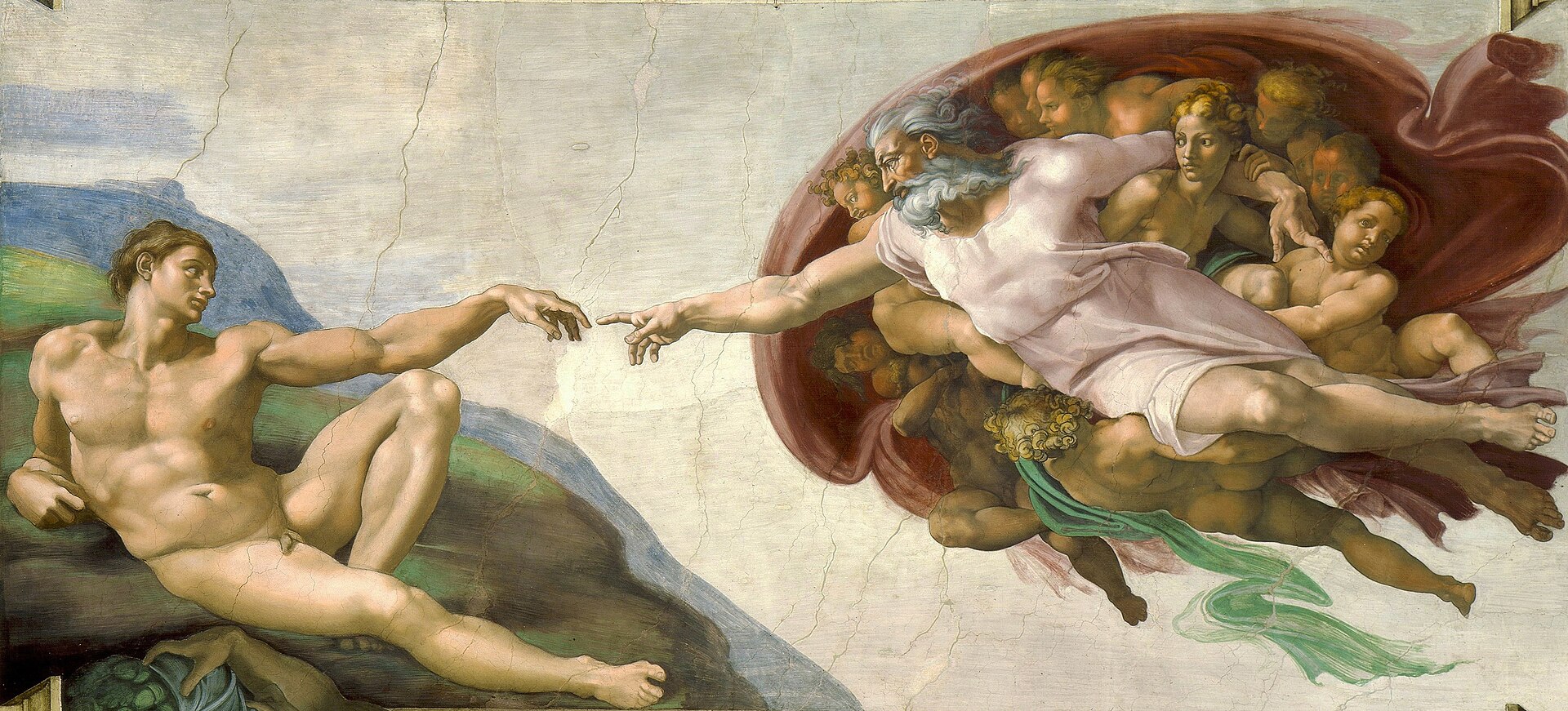
The Creation of Adam is arguably the most reproduced image in Western art — on posters, t-shirts, phone cases, tattoos, memes. Even people who've never heard of Michelangelo recognize those two fingertips. That saturation drives curiosity: what does it look like in person? The answer draws millions of Vatican Museums visitors through the room every year.
The legacy angle
The Sistine Chapel is also famous because it survived. Roof leaks, candle soot, structural cracks and centuries of wear — and it's still there, restored and open. Standing under a 500-year-old ceiling in the same room where Michelangelo balanced on scaffolding is a form of time travel you can't fake. That's the final reason people come.
Frequently Asked Questions
What makes the Sistine Chapel so famous?
The combination of Michelangelo's ceiling, the Last Judgment, its role in papal conclaves, and 500 years of cultural saturation. No single factor — the layering.Is it really that impressive in person?
Yes. The ceiling reproduces poorly in photos because of its scale and lighting. Standing under it produces a physical reaction most visitors don't expect.How many people visit each year?
The Vatican Museums report several million admissions a year, and the standard visitor route passes through the Sistine Chapel. Published totals vary by year and source, so treat any single figure as approximate — and note that Vatican City visitor counts are not the same as Vatican Museums admissions.Would it be as famous without Michelangelo?
No. The side walls by Botticelli and Perugino are excellent but would place the Chapel among many important Renaissance sites. Michelangelo's ceiling made it singular.Why isn't it just called 'Michelangelo's Chapel'?
Because Michelangelo didn't build it. It's named after Pope Sixtus IV (Sisto IV) who commissioned the building in 1473 — before Michelangelo was born.Related Vatican guides
Sistine Chapel Art Guide
What to look at once you're inside.
Paintings Explained Simply
The whole story in plain English.
Michelangelo at the Vatican
All his works in one visit.
Sistine Chapel Visitor Guide
Practical logistics before you go.
Full Vatican Museums attraction guide See Rome attractions by area on the map