 Travel Guide
Rome isn't just a city—it's an open-air museum. Every street corner tells a story, whether it's an ancient ruin, a Renaissance fountain, or the smell of fresh espresso drifting out of a café. It's no wonder visitors often ask: how many days should I spend in Rome?
The short answer: most travellers should plan 3 to 5 days in Rome. First-timers do well with 3–4 days, families and food-lovers should add a day, and returning visitors can have a great trip in just 2–3 days by going deeper instead of wider. Below we break it down by traveller type, with sample day-by-day plans, the best time of year, day trips, and the mistakes to avoid.
Planning your Rome trip right now?
Compare hotels, pre-book the airport transfer, grab skip-the-line tickets, or jump straight to a ready-made itinerary — the four things every Rome trip needs.
HotelsAirport transferTickets & toursItinerariesWatch: How Many Days in Rome?
28-second narrated guide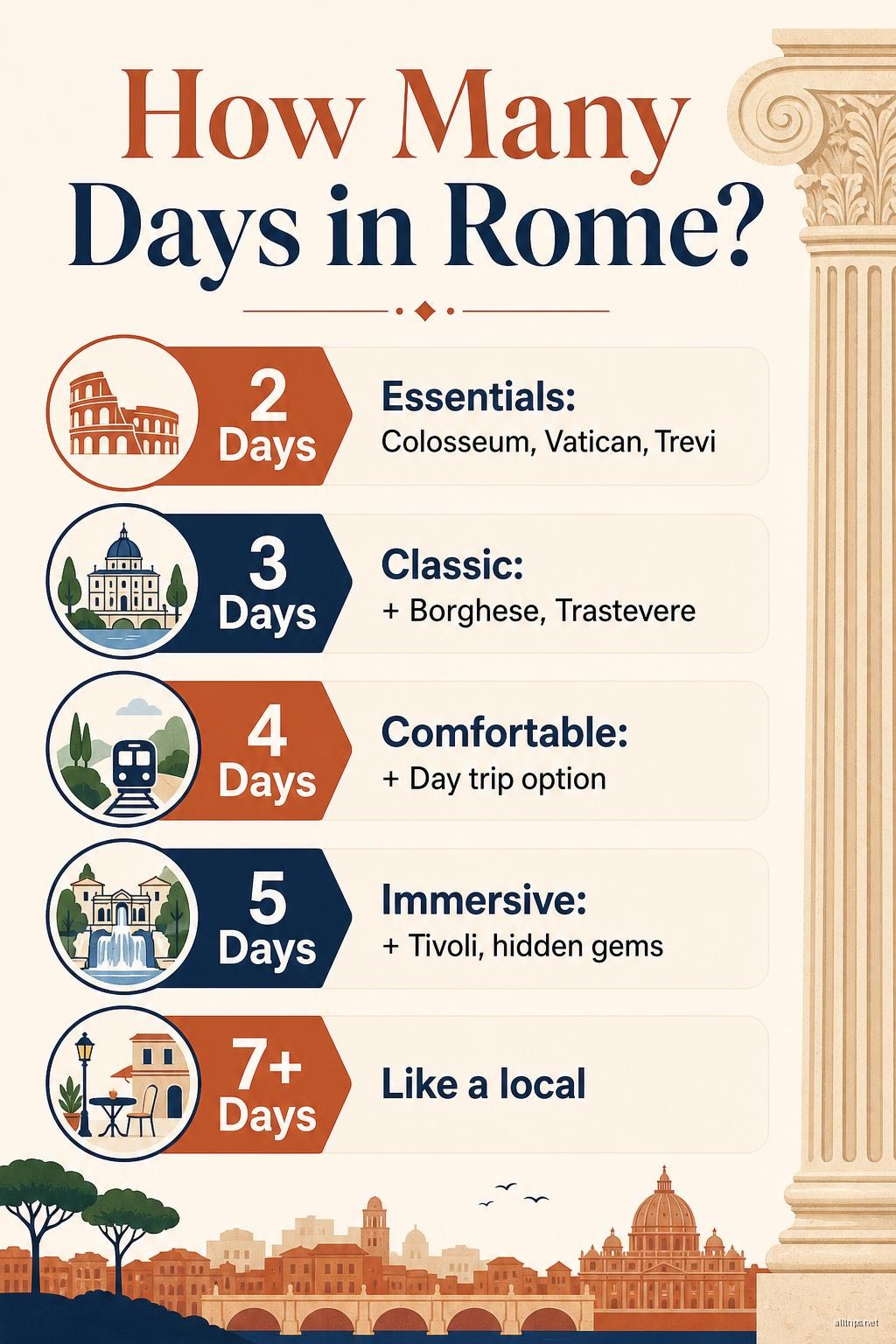 alltrips.net
Rome trip length compared at a glance
| Days | Best for | What you'll see | Biggest downside |
|---|---|---|---|
| 1 day | Cruise stopovers, layovers | Colosseum exterior, Trevi, Pantheon or Vatican (pick one) | Very rushed, no time for meals |
| 2 days | Quick city break | Colosseum + Forum, Vatican, walking loop of historic centre | Misses Borghese, Trastevere, day trips |
| 3 days Most popular | First-time visitors | All icons + one neighborhood evening (Trastevere or Monti) | Long walking days — pre-book tickets |
| 4 days | Families, slower pace | Above + Borghese Gallery, Castel Sant'Angelo, gelato breaks | One extra hotel night |
| 5–7 days | Foodies, returning visitors, day-trippers | All of the above + Tivoli, Ostia Antica, or Orvieto day trip | Higher hotel cost; risk of fatigue past day 6 |
Most travellers underestimate walking distances in Rome — a "short walk" between landmarks often takes 25 minutes on cobblestones. Build in one rest stop per half-day.
 alltrips.net
🎒 First-Time Visitors
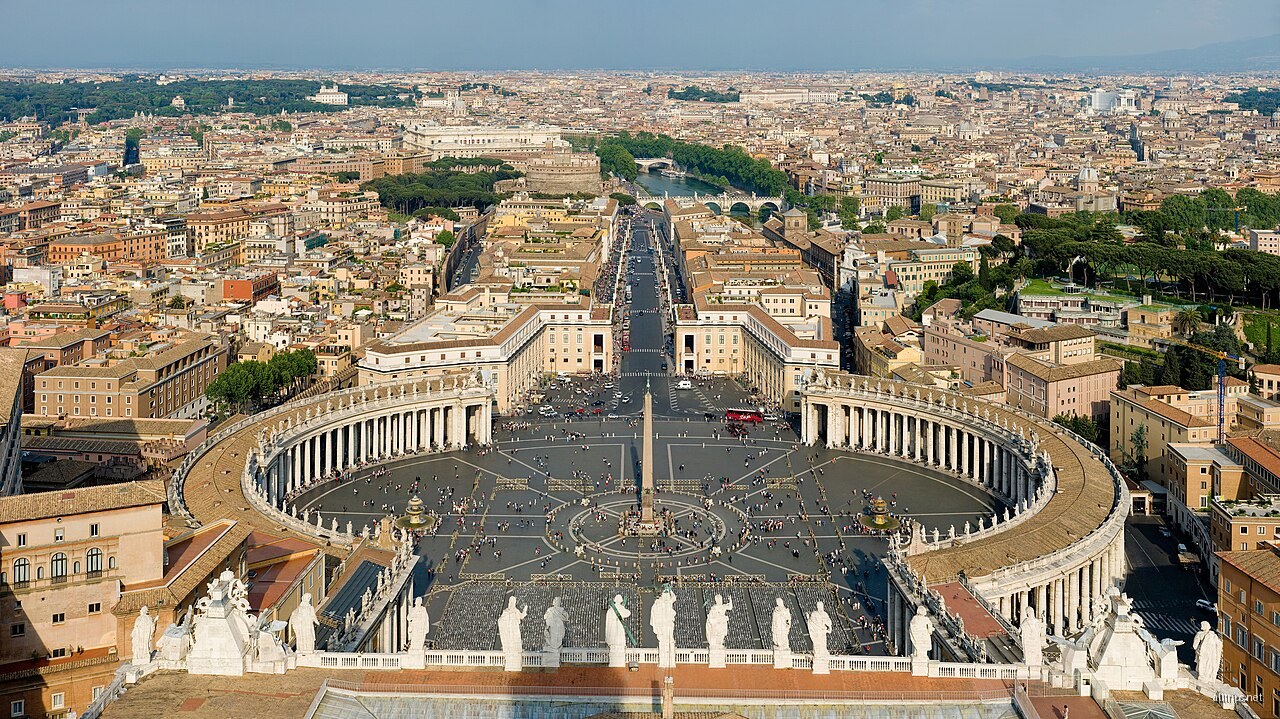
For those visiting Rome for the very first time, the goal is usually to cover the "must-see" sights while still enjoying the city's atmosphere.
Ideal stay: 3–4 days
Why: This gives you time to explore the Colosseum, Roman Forum, and Palatine Hill, spend a full morning or afternoon at the Vatican, and still have evenings free for piazza-hopping and enjoying Italian food.
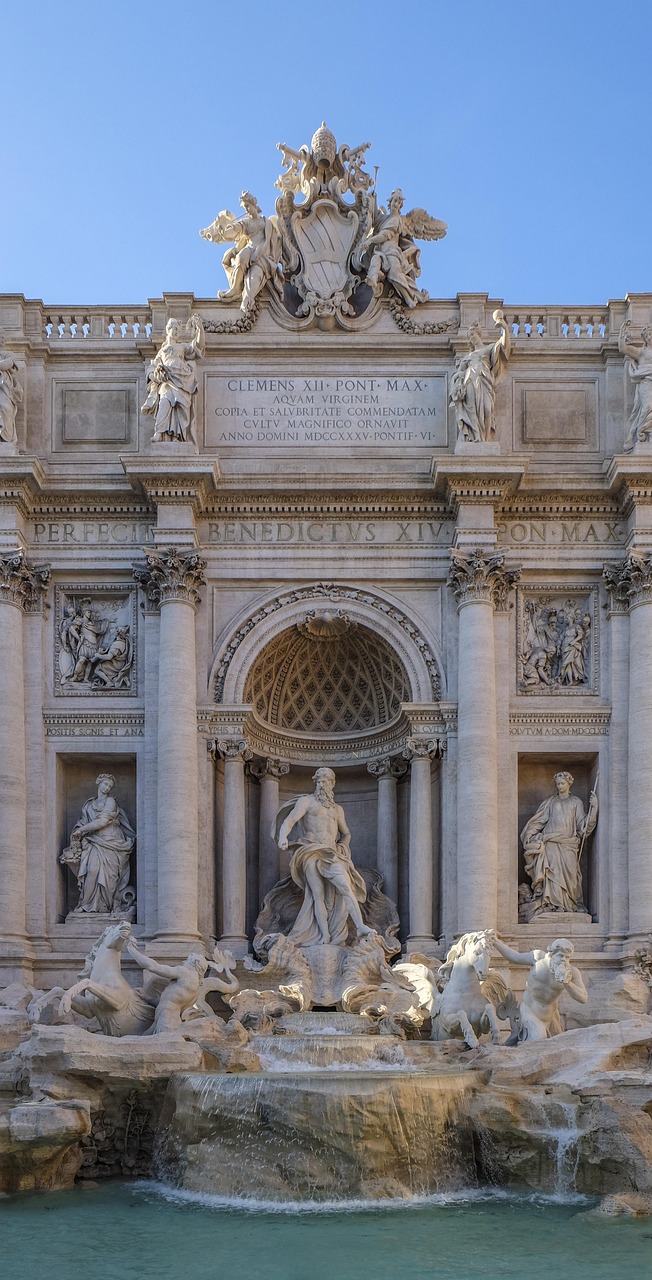
Three days allow you to hit the highlights, while four days add breathing room for wandering side streets, lingering at the Trevi Fountain at night, or enjoying a proper Roman dinner without rushing.
💡 Pro tip: Don't try to see everything in one trip. Focus on the classics and leave some treasures for your next visit. Rome will welcome you back.
 alltrips.net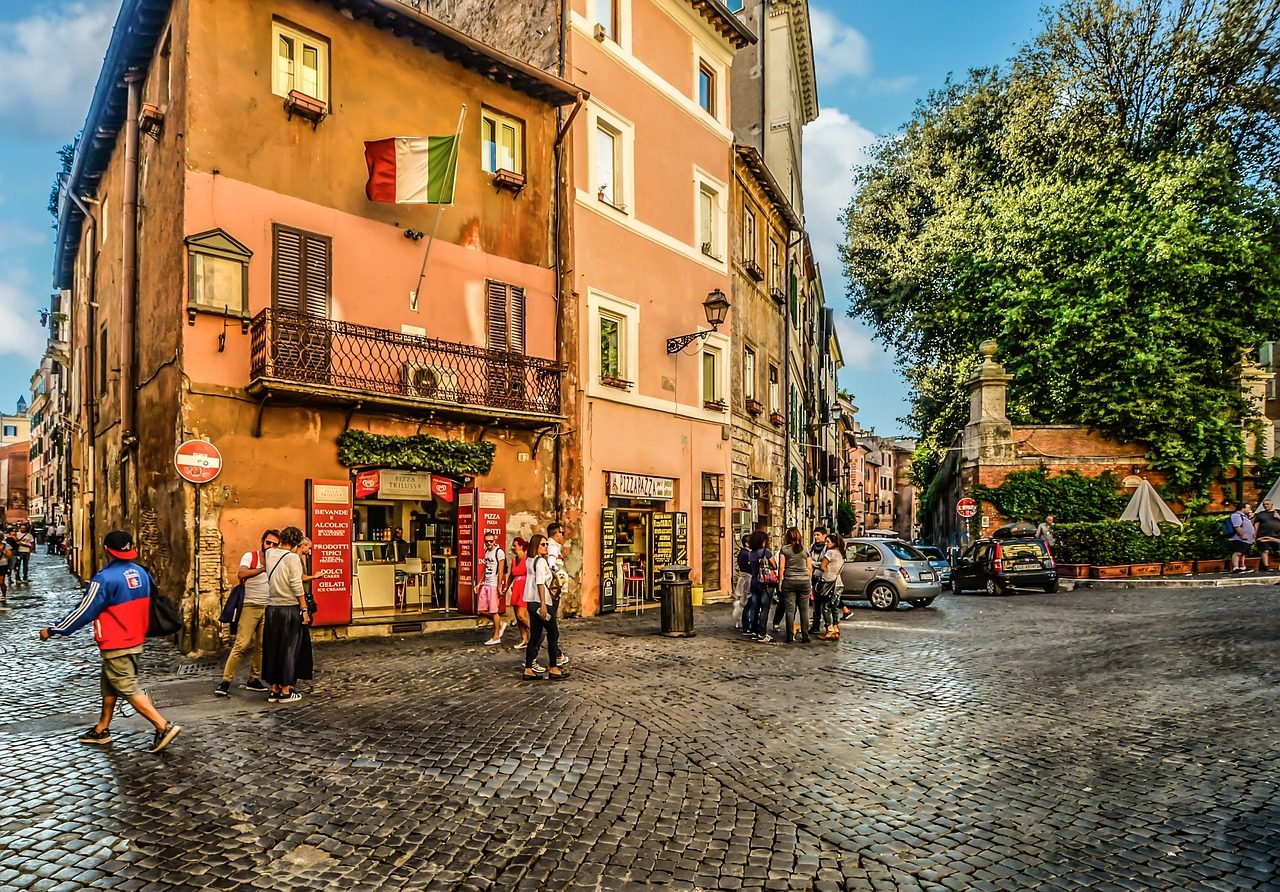
🔄 Returning Visitors
If you've already stood inside the Colosseum and craned your neck at the Sistine Chapel ceiling, your second trip is your chance to go deeper.
Ideal stay: 2–3 days (or longer if you want day trips)
Why: You can dedicate your time to hidden gems and experiences off the main tourist track. Think Borghese Gallery's world-class art, a stroll along the ancient Appian Way, or exploring the atmospheric Jewish Ghetto.
With more confidence navigating the city, returning visitors often enjoy the rhythm of Rome itself—ordering coffee at the bar like a local, shopping at Campo de' Fiori market, or enjoying an aperitivo in Monti.
💡 Pro tip: Consider a day trip. Ostia Antica is like a smaller, quieter Pompeii; Tivoli's gardens are magical; and Orvieto offers medieval charm and incredible views.
👨👩👧👦 Families
Traveling with kids means balancing sightseeing with fun breaks. Rome can be wonderful for families, but you'll want to pace yourselves.
Ideal stay: 4–5 days
Why: Families need time for shorter sightseeing sessions, gelato stops, and space to relax between activities. Trying to cram everything into a couple of days can leave everyone cranky.
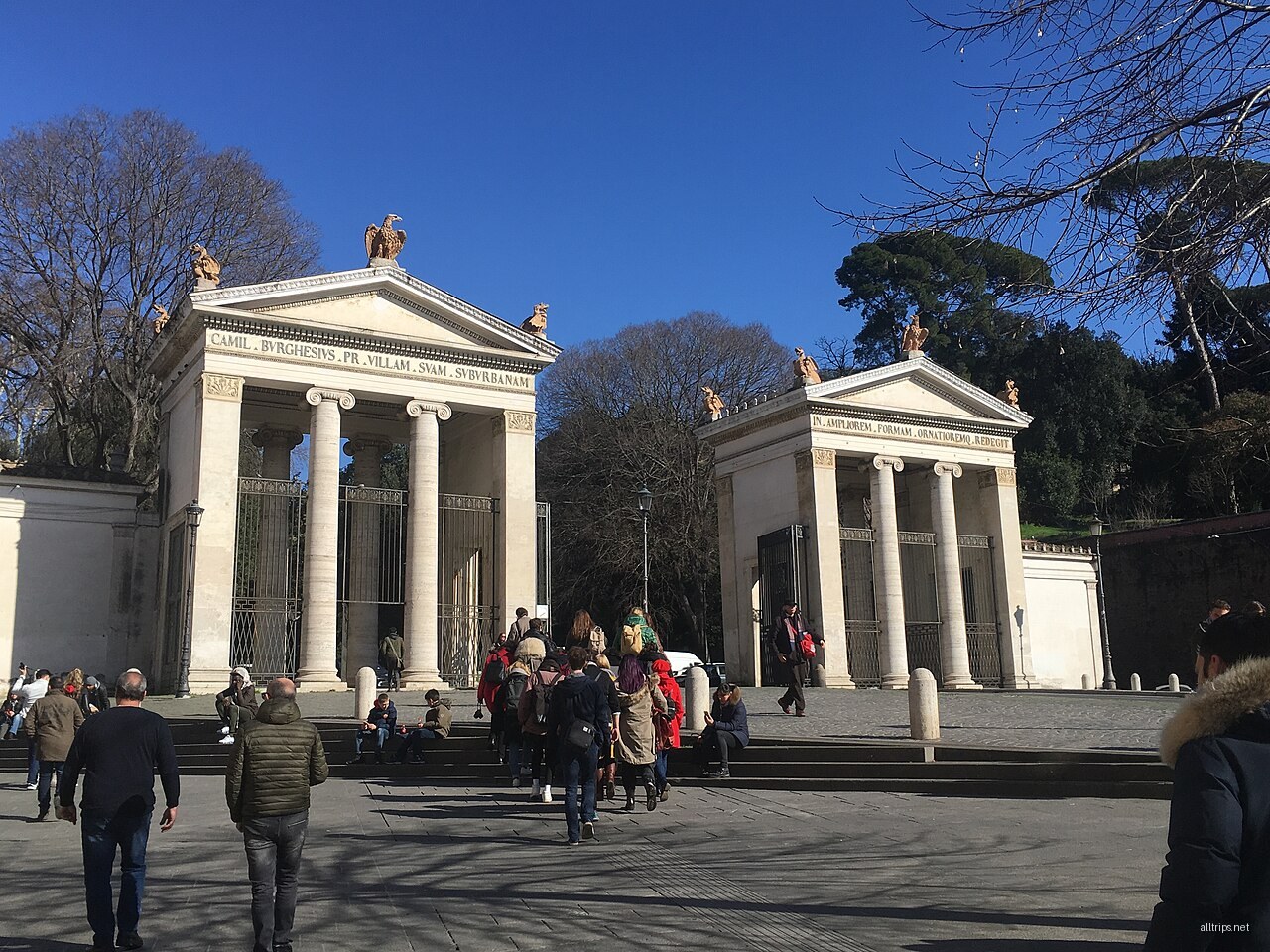
Kid-friendly highlights include Castel Sant'Angelo with its secret passages, Villa Borghese Gardens with playgrounds and boat rentals, and of course, gelato shops that double as bribes for tired legs. Parents can still enjoy the classics like the Pantheon and Trevi Fountain, but it helps to keep each day balanced with lighter activities.
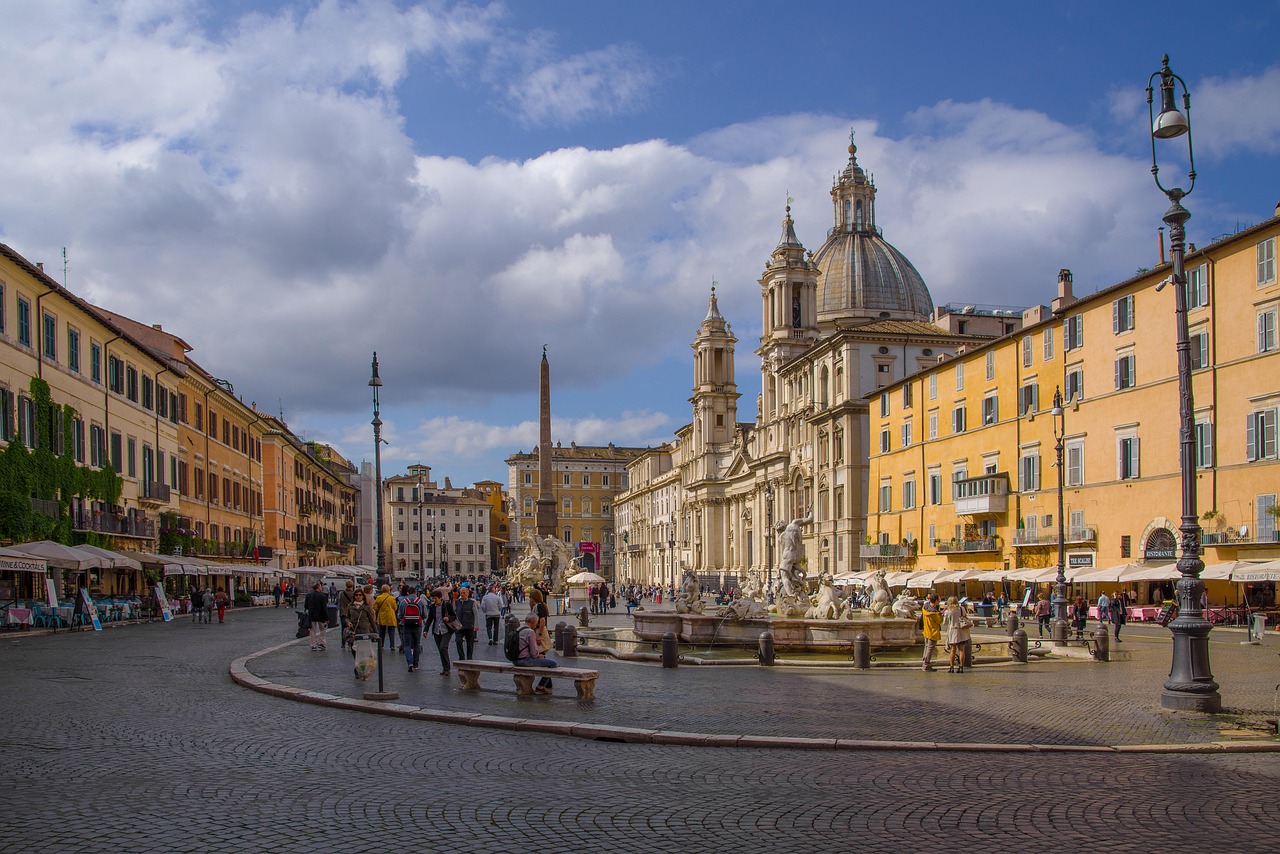
💡 Pro tip: Stay central—close to Piazza Navona or Campo de' Fiori—so you can return to your accommodation easily for rest breaks.
🚶♂️ Slower Travelers (Seniors, Relaxed Explorers, or Anyone Who Dislikes Rushing)
Rome is a feast for the senses, and some people prefer to savor it slowly.
Ideal stay: 5–7 days
Why: This allows you to see all the major landmarks without feeling rushed, while also giving you time to enjoy long lunches, quiet walks, and people-watching in piazzas.
Instead of rushing from one attraction to the next, slower travelers can spread out the big sights—Colosseum one day, Vatican the next, Borghese Gallery another day—while sprinkling in moments of rest. An afternoon spent reading by the Tiber or enjoying a cappuccino at a sunny café table is just as much a Roman experience as visiting a museum.
 alltrips.net
💡 Pro tip: Use taxis or buses for longer distances to save energy, and buy tickets online to avoid standing in long queues.
Suggested Itineraries Based on Your Trip Length
1 Day in Rome
Only have 24 hours? Hit every major landmark at a sprint
2 Days in Rome
Perfect for quick stopovers — see the essential highlights
3 Days in Rome
The classic first-timer route — Colosseum, Vatican & more
4 Days in Rome
Go beyond the basics — hidden corners and underground treasures
5 Days in Rome
The full experience — ancient wonders, art, and local life
Free Rome (2 Days)
Budget-friendly — explore Rome without spending a cent
Rome with Kids (3 Days)
Family-friendly activities with gelato breaks built in
Hidden Gems of Rome
For returning visitors — off-the-beaten-path discoveries
🍝 Foodies & Culture Lovers
For some travelers, Rome is less about ticking off landmarks and more about indulging in culture, cuisine, and daily life.
Ideal stay: 4–6 days
Why: Beyond the big sights, you'll want to join a food tour, explore Testaccio (a foodie neighborhood), or even take a cooking class to learn the secrets of Roman pasta.
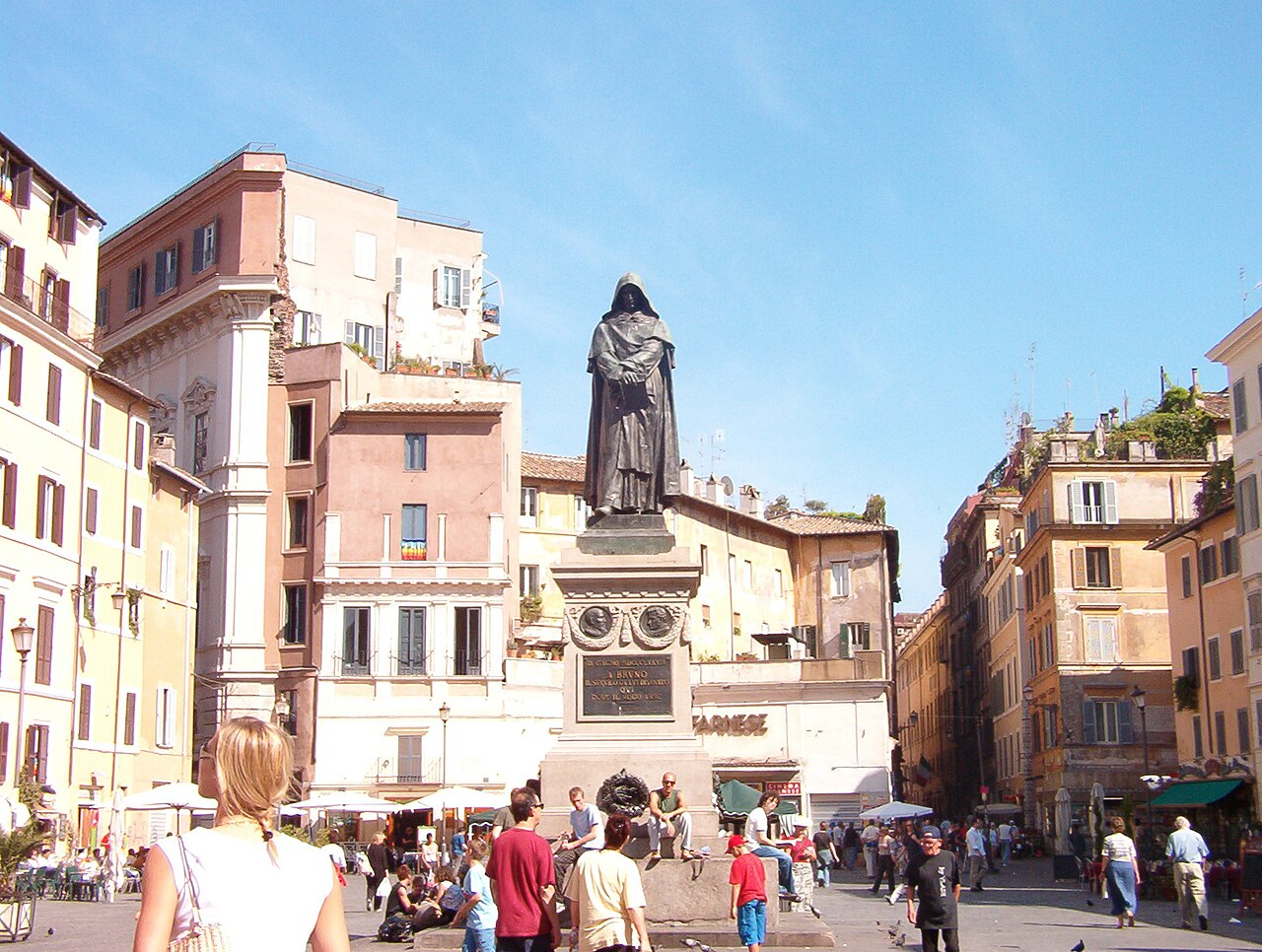
You could spend half a day wandering through markets like Campo de' Fiori, sampling street food like supplì (fried rice balls), and ending your evening with wine in Trastevere. Add in time for cultural experiences like the Opera, smaller museums, or even attending a local festival if you're lucky.
👉 Pro tip: Skip restaurants right next to major attractions. Walk a few streets away, and you'll find more authentic and reasonably priced meals.
⚡ Quick Stopover & Cruise Visitors
Sometimes Rome is just one leg of a bigger Italian itinerary, with Florence, Venice, or Amalfi also on the list.
Ideal stay: 2 days
Why: In a short visit, you can still see the Colosseum, Roman Forum, Pantheon, Trevi Fountain, and Vatican if you plan carefully.
Yes, it will be intense, but even a whirlwind trip to Rome is unforgettable. Watching the sunset at Piazza Navona or tossing a coin into the Trevi Fountain will leave you wanting to return for a longer stay.
💡 Pro tip: Book guided tours or skip-the-line tickets to maximize your limited time.
Sample 3-day Rome itinerary (the most popular length)
If you only read one section of this guide, make it this one. Three days is the sweet spot for first-timers — long enough to see the icons, short enough to feel achievable. Here is the structure that works best, refined from hundreds of trip plans:
Day 1 — Ancient Rome
Start at the Colosseum at opening, then walk through the Roman Forum and up Palatine Hill. Lunch in Monti, afternoon at the Capitoline Museums, sunset at Vittoriano's rooftop terrace.
Day 2 — Vatican City
Pre-booked early entry to the Vatican Museums and Sistine Chapel, then St. Peter's Basilica and the dome climb. Afternoon at Castel Sant'Angelo, evening crossing into Trastevere for dinner.
Day 3 — Historic centre
A walking loop: Spanish Steps → Trevi Fountain → Pantheon → Piazza Navona → Campo de' Fiori. Afternoon at the Borghese Gallery (timed entry only), gelato in Villa Borghese gardens to close.
Want it day-by-day with maps, opening hours and ticket links? Use our full 3-day Classic Rome itinerary — or extend it with the 4-day version if you have an extra day.
Best hotel area for your trip length
Where you sleep matters more than how many stars the hotel has — Rome's centre is walkable, so a great location saves you an hour of metro time every day. Here's the area we recommend for each trip length:
2–3 days → Centro Storico / Pantheon
Walk to Trevi, Pantheon, Piazza Navona in under 5 minutes. Best for short trips when every minute counts.
Compare Centro Storico hotels →3–4 days → Monti or Trastevere
Local atmosphere, good restaurants, walkable to ancient Rome (Monti) or Vatican (Trastevere). Best balance of charm and value.
Compare Monti / Trastevere hotels →4–5 days with kids → Prati / Vatican area
Quieter streets, bigger family rooms, easy walk to St. Peter's. Closer to Castel Sant'Angelo and Villa Borghese.
Compare Prati hotels →5–7 days → Aventine or Testaccio
Calm, leafy, and very Roman. Perfect for slower travellers and food-lovers — the Testaccio market is one of the city's best.
Compare Aventine hotels →Heads up: Spring and autumn weekends in central Rome book out 6–8 weeks ahead, and prices climb sharply in the final two weeks. If your dates are fixed, lock in a flexible-cancellation rate now and re-shop later.
Best time of year to visit Rome (and how it affects trip length)
The season changes how many days you actually need. Long July afternoons let you fit two attractions into one slot; a short, rainy January day shrinks your effective sightseeing time by a third.
Spring (Apr–May) & Autumn (late Sep–Oct)
Best balance: 18–24 °C, gardens in bloom, manageable crowds. 3–4 days is plenty.
Summer (Jun–Aug)
Hot (often 33–38 °C) and busy, but daylight stretches to 9 pm. Add a day for slower mornings — 4–5 days.
Winter (Nov–Feb)
Quietest and cheapest, magical at Christmas. Short days mean add a buffer day — 4 days instead of 3.
March & November
Shoulder months, unpredictable weather. Build in one indoor-museum day in case of rain.
Day trips worth adding (and how many extra days you need)
If you have 5 days or more in Rome, a day trip is one of the highest-value things you can do. Here are the ones we recommend most, each adding exactly one extra day to your trip:
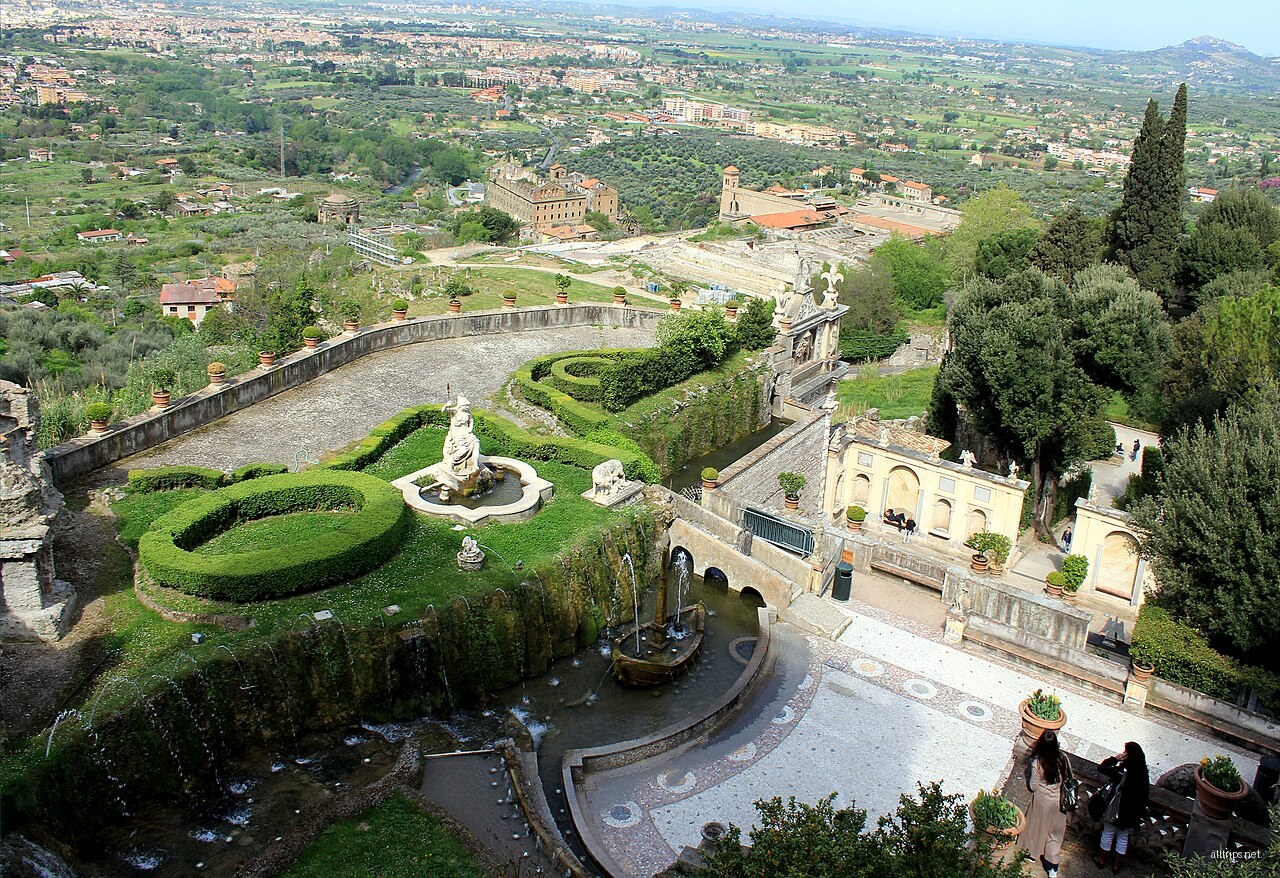
- Tivoli — Villa d'Este's terraced fountains and Hadrian's Villa. 1 hour by train, ~5 hours on site.
- Ostia Antica — a smaller, quieter Pompeii, 30 minutes by metro/train. Half a day.
- Orvieto — clifftop Umbrian town with one of Italy's most striking cathedrals. 75 minutes by fast train.
- Castel Gandolfo & the Roman Castles — papal lakeside village plus Frascati wineries. Half a day.
- Naples & Pompeii — doable but tight; 70 minutes each way on the high-speed train. Best with an overnight if possible.
 alltrips.net
Common mistakes when choosing how many days to spend in Rome
- Trying to "do" Rome in one day. You can see the Trevi Fountain and the Pantheon in 24 hours, but the Colosseum and Vatican are too big to cram into a single day. You can see the Colosseum and Vatican in one very full day, but two separate days let you do both justice.
- Underestimating the Vatican. Vatican Museums + Sistine Chapel + St. Peter's is a half-day minimum, and a full day if you queue or add the dome climb. Block it as its own day.
- Booking 7+ days without day trips. Rome is glorious, but after 5–6 days most travellers want a change of scene. Use the extra days for Tivoli, Orvieto, or the coast.
- Stacking museums back-to-back. Borghese, Vatican and Capitoline Museums in one day will burn you out. Spread them across the trip.
- Ignoring August heat. Romans leave the city in August for a reason. If you visit then, plan an extra "siesta" day.
- Waiting too long to book tickets. Colosseum underground and arena-floor tickets typically sell out 2–3 weeks ahead in spring and summer; Vatican early-entry slots go even faster. Lock these in before you finalise hotels.
Avoid the #1 mistake — book the high-demand tickets first:
Colosseum & Vatican tickets → Pre-book airport transfer →Frequently asked questions
Is 3 days in Rome enough?
Yes — 3 days is the most popular length and covers the Colosseum, Vatican, and historic centre comfortably with skip-the-line tickets.
Is 5 days too many in Rome?
No. Five days lets you add the Borghese Gallery, the Appian Way, a day trip to Tivoli or Ostia Antica, and a slower pace for meals.
How many days for Rome and the Vatican together?
Plan at least 3 days. The Vatican alone realistically takes a half to full day; another two days cover the rest of central Rome.
Can I see Rome on a cruise stopover from Civitavecchia?
Yes — direct trains reach central Rome in 60–80 minutes. Pick one half of the city (ancient Rome or the Vatican), not both.
What is the best time of year to visit Rome?
April–May and late September–October offer the best mix of weather, light and crowd levels.
Final Thoughts
So, how many days should you spend in Rome? It really depends on your style of travel:
Quick Reference
First-timers:3–4 daysReturning visitors:2–3 daysFamilies:4–5 daysSlower travelers:5–7 daysFoodies & culture lovers:4–6 daysQuick stopover:2 daysThe most common sweet spot for most travelers is 3 to 5 days in Rome. That's enough to see the city's icons, wander through charming neighborhoods, and enjoy at least one long, relaxed dinner where you forget about the time.
And remember: no matter how long you stay, you won't see everything—and that's part of Rome's magic. The city always leaves you with a reason to return.
📥 Download Printable Rome Itineraries
Get beautifully designed PDF itineraries with interactive Google Maps — perfect for offline use during your trip.
Visit Our Etsy ShopPlan your Rome trip faster
Skip hours of research. Use our ready-made itineraries with interactive maps, plus the booking shortcuts every Rome trip needs.
Ready-made itinerariesCompare hotelsSkip-the-line ticketsAirport transferAirport transfer guide·Colosseum guide·Vatican Museums guide·How to plan a Rome trip