7 Rome Secrets Most First-Time Visitors Miss
Updated August 2026 · 9 min read
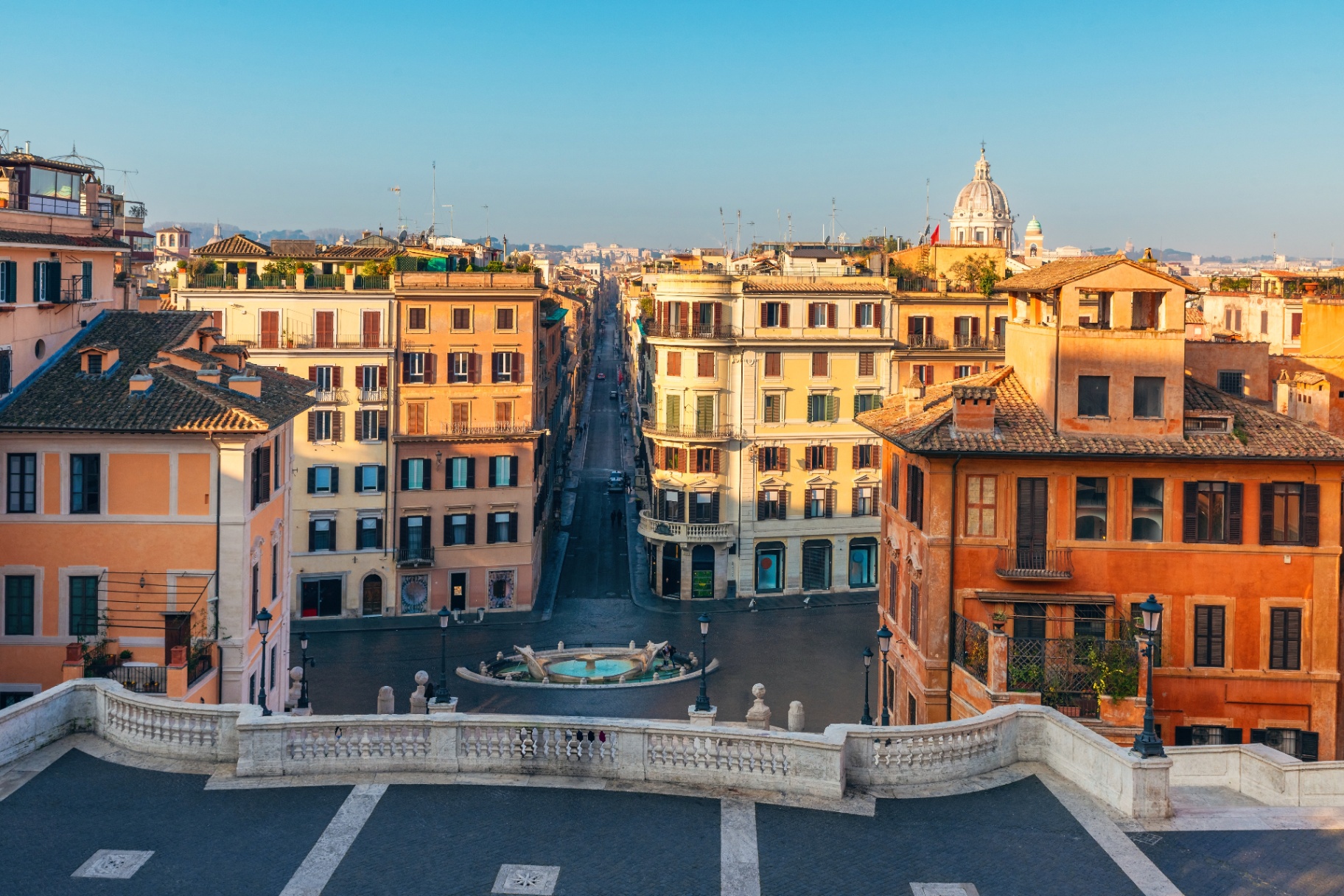
Rome rewards curiosity.
On a first trip, most visitors understandably focus on the big names: the Colosseum, Vatican Museums, Trevi Fountain, Pantheon and Spanish Steps. And you absolutely should see them. They are famous for a reason.
But Rome becomes much more interesting when you start looking beyond the obvious.
Sometimes the best discovery is hidden behind an ordinary-looking door. Sometimes it is a centuries-old tradition that happens every day. Sometimes you can walk into a church and find a masterpiece that would be the star attraction of a museum anywhere else in the world.
And sometimes the most useful Rome travel tip is simply knowing where to get free drinking water.
Here are 7 Rome secrets and lesser-known experiences that many first-time visitors miss — and that can make your trip feel far more memorable.
1. Look Through a Keyhole and See St. Peter's Dome Perfectly Framed

There is a door on the Aventine Hill that attracts a surprisingly orderly queue of people.
They are not waiting to go inside. They are waiting to look through the keyhole.
The famous Aventine Keyhole, located at the entrance to the Villa Magistrale of the Sovereign Order of Malta in Piazza dei Cavalieri di Malta, gives you a perfectly framed view of the dome of St. Peter's Basilica at the end of a tree-lined garden.
From the street, you would never guess what is waiting on the other side.
The current square was shaped by Giovanni Battista Piranesi in the 18th century, while the villa itself has a much longer history connected with religious orders including the Knights Hospitallers. Today, however, it is that tiny keyhole view that brings curious visitors to the Aventine.
But here is the real secret: don't come to the Aventine just for the keyhole. Walk a few minutes to the Orange Garden, officially Parco Savello. From its terrace, you get a beautiful panoramic view across Rome, with the Tiber and St. Peter's visible in the distance.
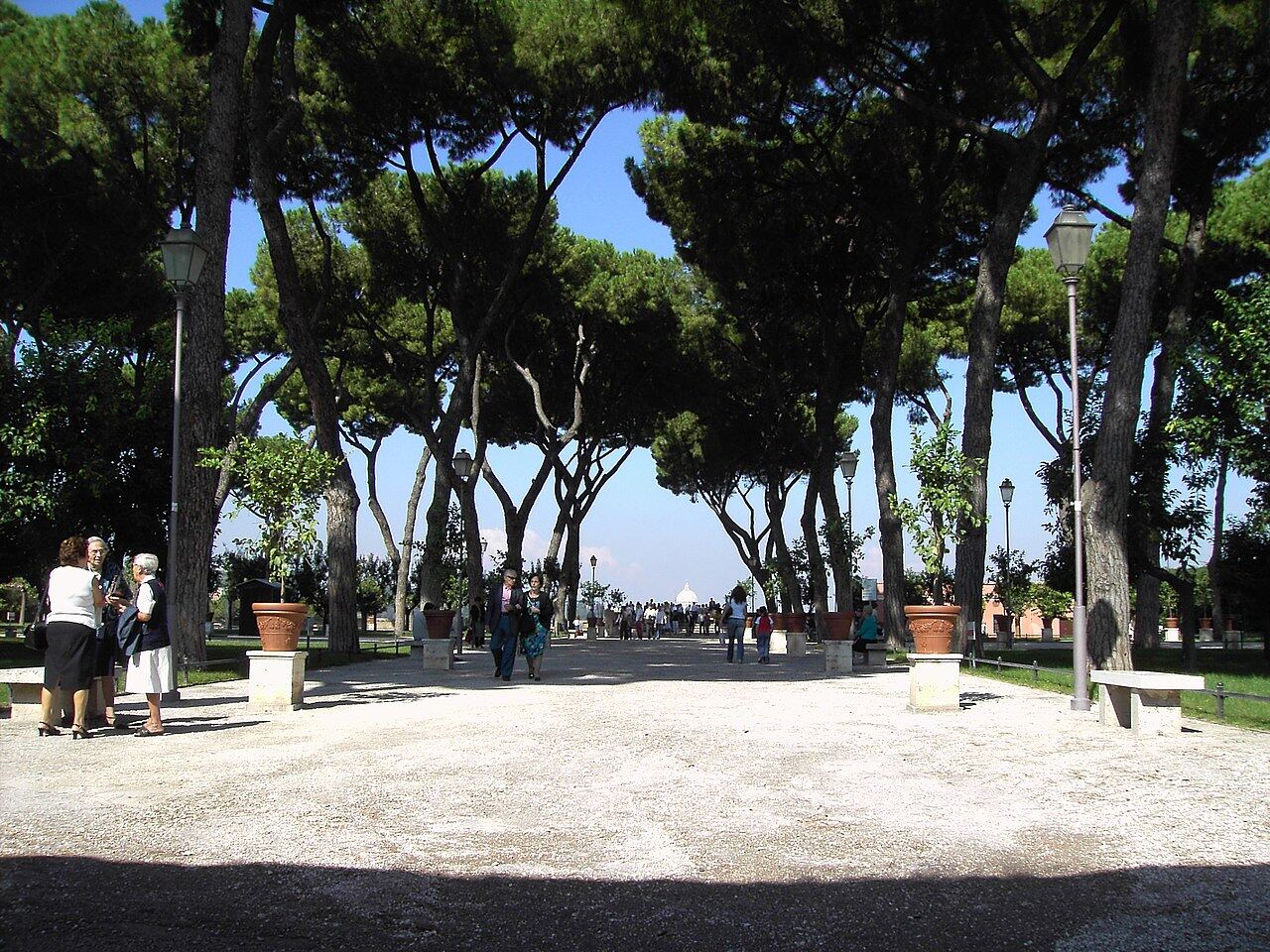
Make it a mini Rome itinerary: Aventine Keyhole → Basilica of Santa Sabina → Orange Garden → Circus Maximus (ancient Roman stadium)
This is one of those areas where Rome suddenly feels calmer, greener and far removed from the crowds around the Trevi Fountain.
Best for: Views, couples, photographers and anyone looking for a quieter side of Rome.
2. You Don't Have to Keep Buying Bottled Water
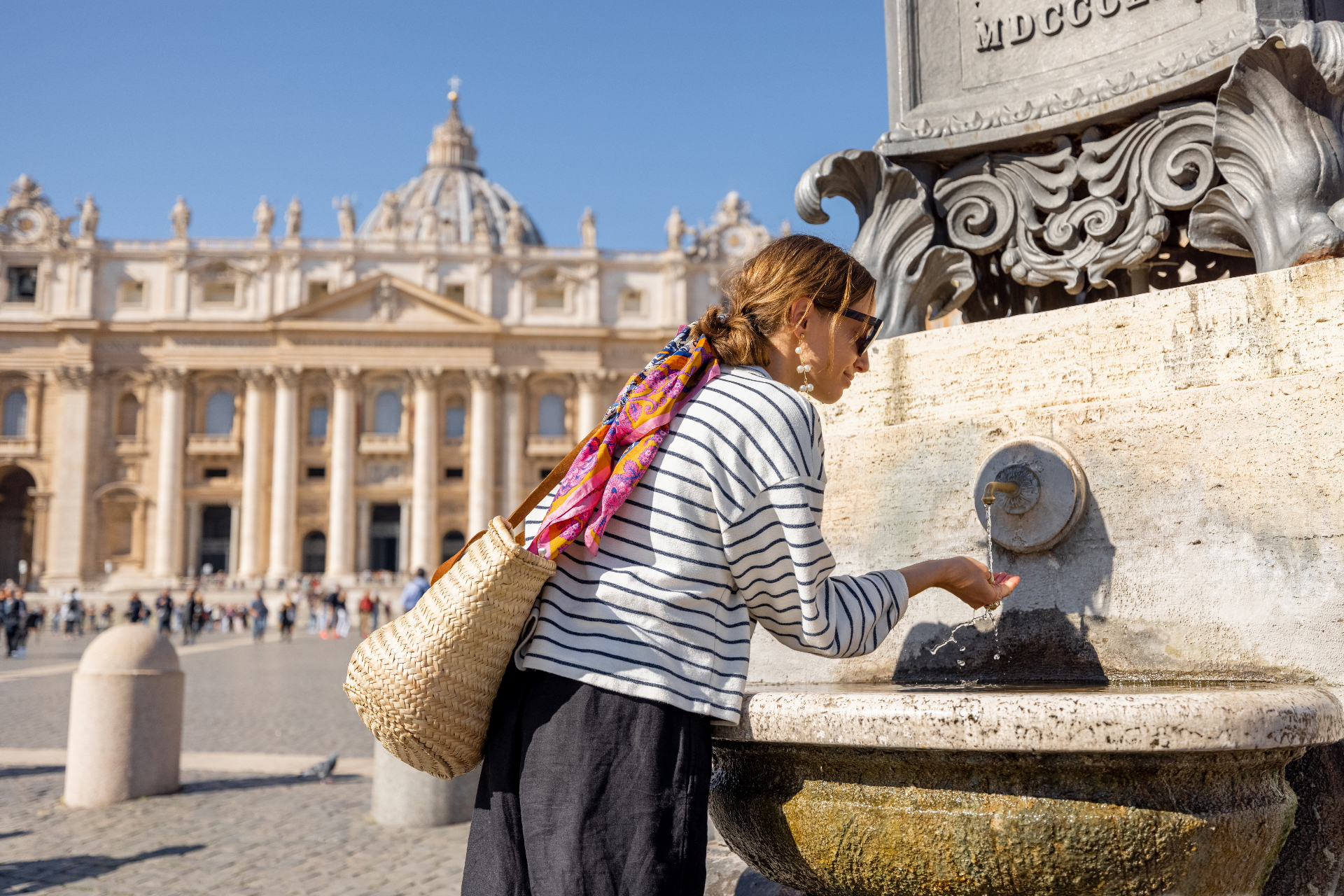
One of the most useful Rome secrets is sitting in plain sight on streets all over the city.
Those small cast-iron fountains with curved metal spouts are called nasoni, meaning something like "big noses" because of the shape of their spouts.
And yes, you can drink from them.
Rome's nasoni provide free drinking water, making them particularly useful when you are spending long days walking around the city in warm weather. They date back to 1874, and thousands can still be found around Rome.
There is also a little trick many first-time visitors don't notice.
Look at the top of the spout. You may see a small hole. Cover the main opening with your finger and the water shoots upward through that smaller hole, allowing you to drink without trying to put your head underneath the tap.
Just be prepared the first time you try it — getting the angle wrong is a quick way to give yourself an unexpected Roman shower.
Carry a reusable water bottle and refill it as you explore. It is one of the easiest ways to save a little money while sightseeing.
Rome travel tip: In summer, I would consider a refillable bottle almost essential. Rome involves far more walking than many first-time visitors expect.
3. Some of Rome's Greatest Art Is Hiding Inside Churches
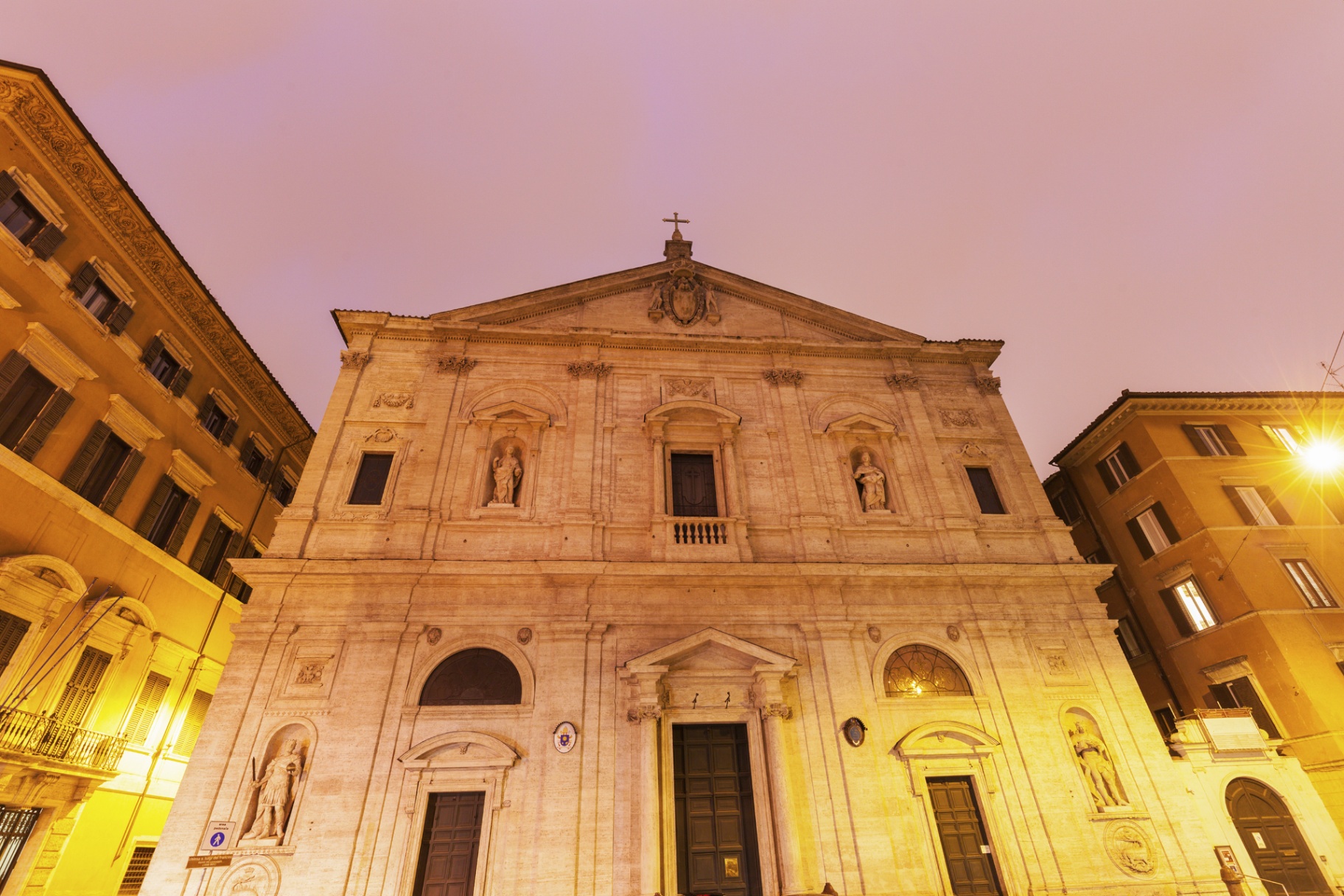
Rome's churches are not simply religious buildings. Many are effectively miniature art galleries filled with works by some of the most important artists in European history.
One of the best examples is San Luigi dei Francesi, located just a short walk from Piazza Navona and the Pantheon. Inside the Contarelli Chapel are three paintings by Caravaggio depicting scenes from the life of St. Matthew.
Then there is Santa Maria del Popolo, on Piazza del Popolo, where the Cerasi Chapel contains two more major Caravaggio works: The Crucifixion of St. Peter and The Conversion of St. Paul. The church also contains the Chigi Chapel, designed by Raphael and later completed with the involvement of Bernini. Access hours, chapel lighting and occasional restoration work can all affect what you actually see on the day, so the paintings cannot be guaranteed viewable on every visit — check the parish or official Santa Maria del Popolo information before making a special trip.
Many first-time visitors walk around Rome thinking in terms of "attractions":
- Colosseum. Done.
- Pantheon. Done.
- Vatican. Done.
But Rome doesn't really work like that.
Some of its greatest treasures appear when you step through a church door simply because you happened to be passing. So whenever you see an interesting church in Rome and the doors are open, consider taking a look inside.
You may be surprised by what you find.
Remember: These are active places of worship, so visit respectfully and check current opening hours and visiting conditions before making a special trip.
4. You Can Stand Near the Place Where Julius Caesar Was Assassinated
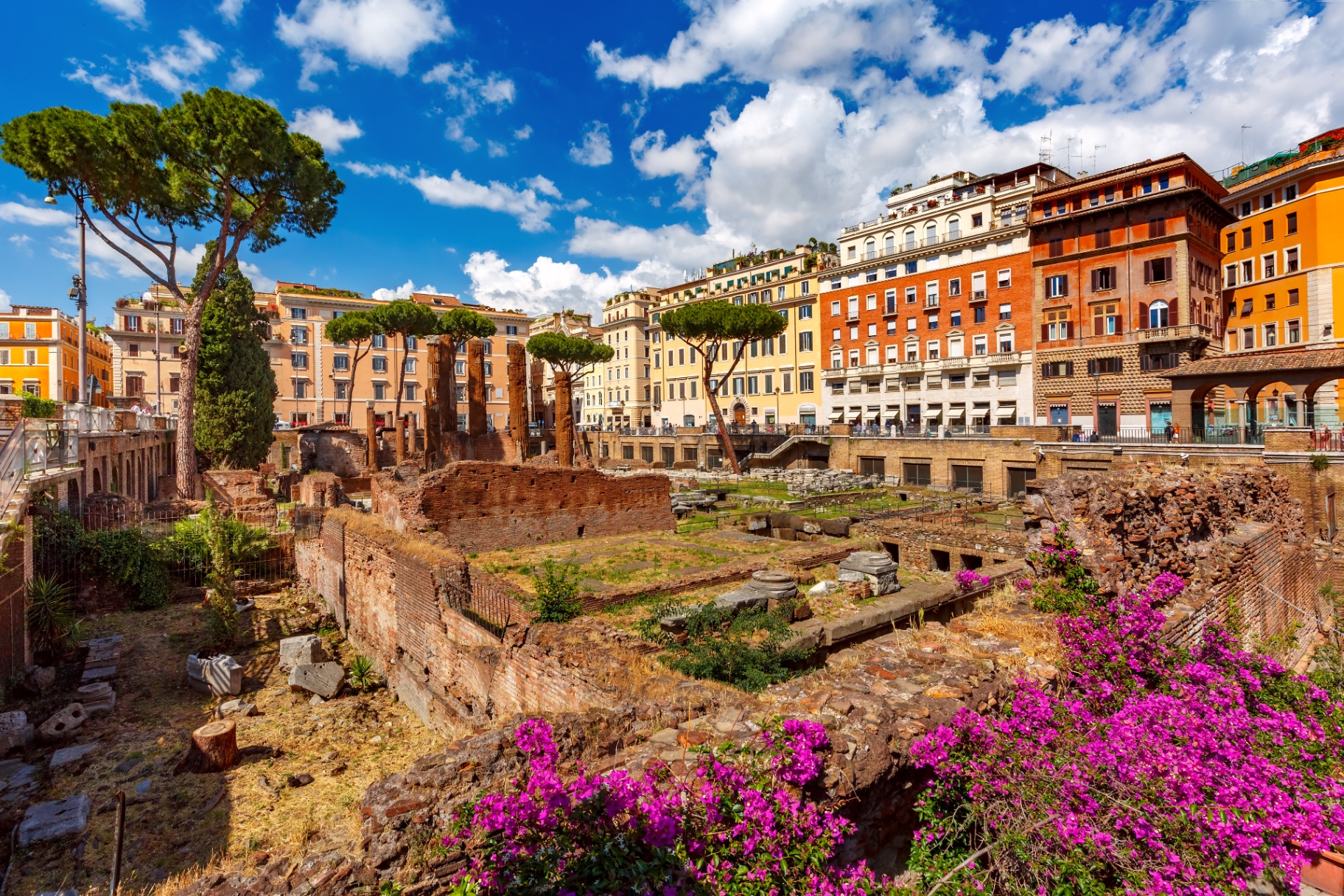
Right in the middle of busy central Rome sits Largo di Torre Argentina.
At first glance, it looks like another collection of ancient ruins below modern street level.
Look closer.
The archaeological area contains the remains of four Republican-era Roman temples, and forms the complex associated with Julius Caesar's assassination on the Ides of March in 44 BC.
That alone makes it one of the most fascinating historical places in central Rome.
Yet plenty of first-time visitors pass it while rushing between Piazza Navona, Campo de' Fiori and the Pantheon.
This is one of my favorite things about Rome: you can be walking through an ordinary modern intersection and suddenly realize that an event you learned about in school happened almost exactly where you are standing.
Largo di Torre Argentina is also well known among travelers for the cats that have long been associated with the archaeological area, which is why some visitors discover the site through Rome's famous cat sanctuary before realizing just how important the ruins themselves are.
Nearby places to combine with your visit:
Pantheon → Piazza Navona → Largo di Torre Argentina → Campo de' Fiori → Jewish Ghetto
You do not need to build an entire day around it. That is exactly what makes it such a good addition to a Rome walking route.
5. A Cannon Still Fires Over Rome Every Day at Noon
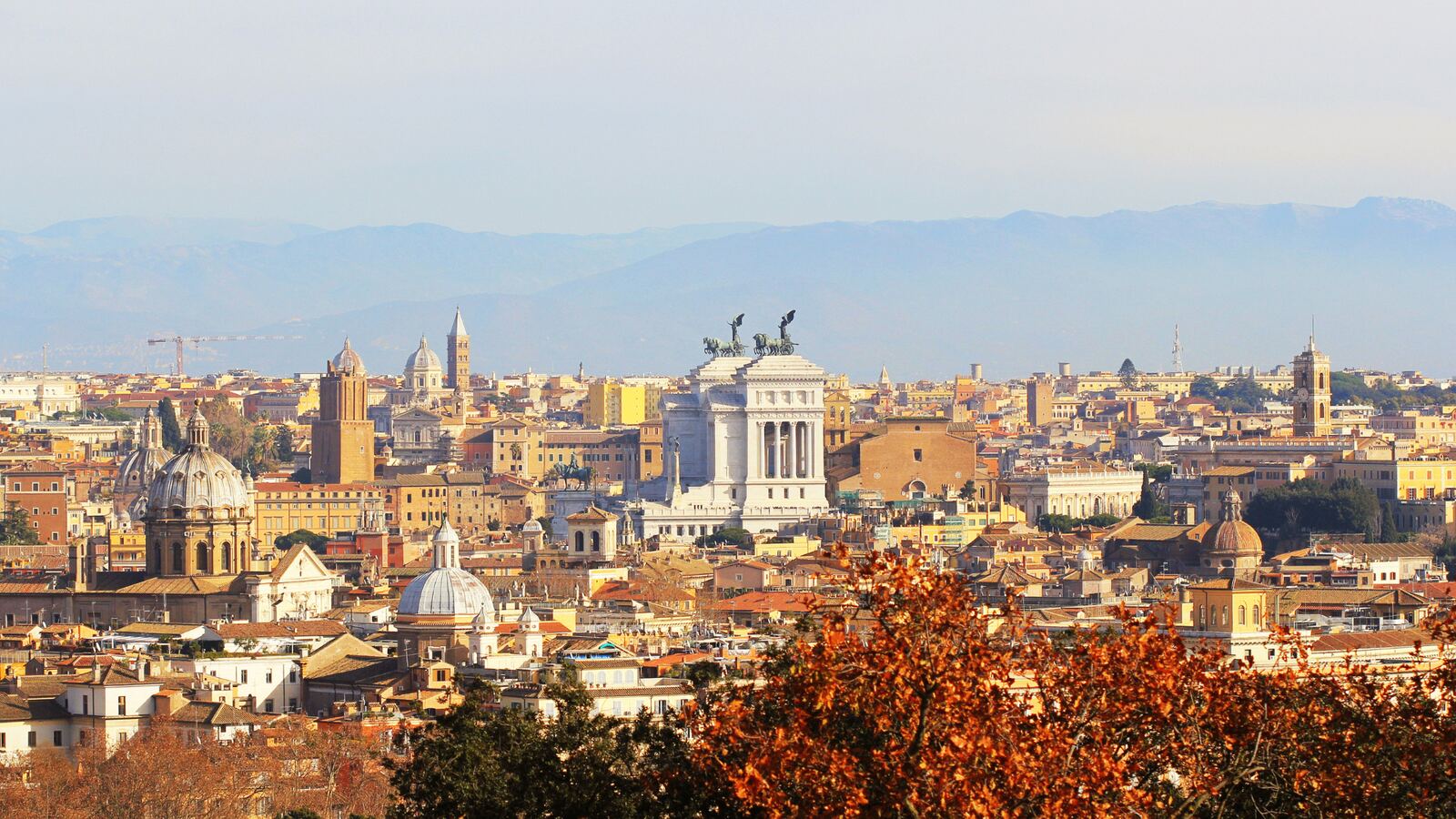
Imagine standing on a hill overlooking Rome. The clock reaches midday. Then — BOOM.
Don't panic. You have just witnessed one of Rome's stranger traditions.
Every day at 12 noon, a cannon fires a blank round from the Janiculum Hill, or Gianicolo.
The tradition began in 1847 under Pope Pius IX as a way of providing a single official time signal so the city's church bells could be synchronized. The cannon eventually moved to the Janiculum, where the daily tradition continues.
Many tourists visit the Janiculum because of its panoramic views, but far fewer plan their visit around the cannon. Arrive before noon, find the cannon, watch the ceremony and then spend some time exploring the hill.
The Janiculum is particularly worth knowing because it gives you a completely different perspective on Rome. Unlike viewpoints surrounded by ancient monuments and busy squares, here you can step back and see the city's domes and rooftops spread out below you.
Combine it with nearby Trastevere and you have an excellent half-day itinerary.
Try this route: Janiculum Hill before noon → Watch the cannon → Walk down toward Trastevere → Lunch in Trastevere → Continue toward Tiber Island
It is a wonderfully Roman experience — historical, slightly eccentric and completely unexpected.
6. Ancient Rome Doesn't End at the Colosseum
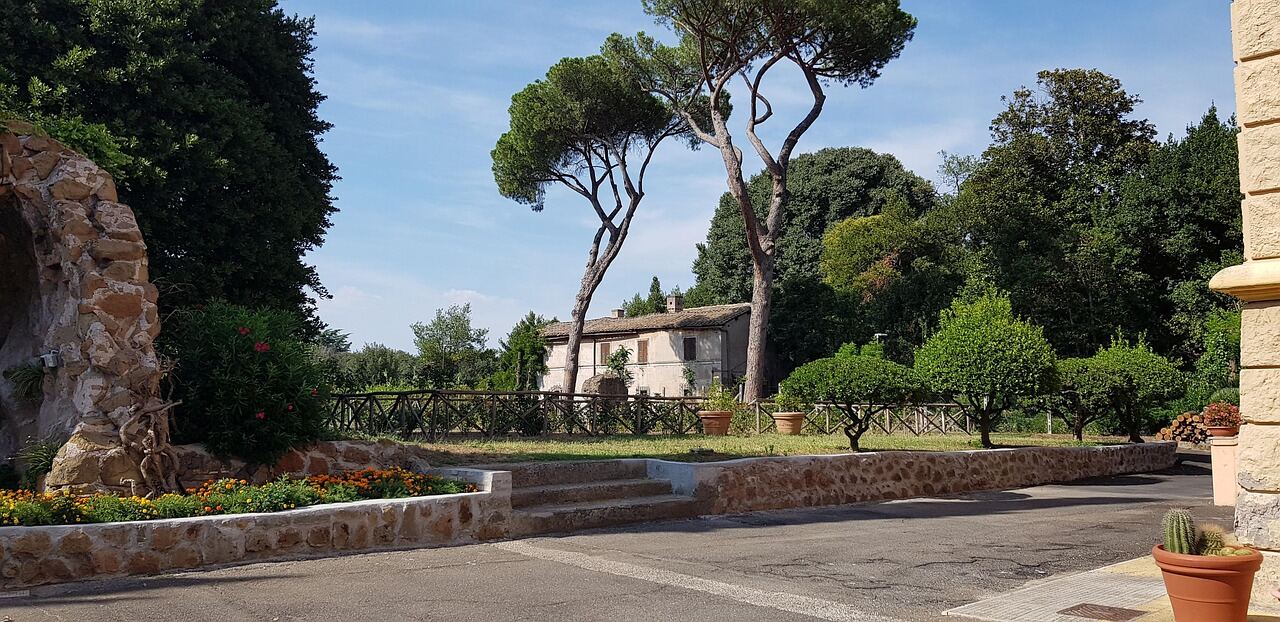
Ask a first-time visitor where to find ancient Rome and they will probably point toward the Colosseum and Roman Forum.
They are not wrong. But they are missing a lot.
Head farther from the historic center and you can discover the Via Appia Antica — the Appian Way, one of the great roads of the ancient Roman world.
The road's history stretches back to 312 BC, and today the wider archaeological park combines ancient remains with stretches of open landscape, monuments and archaeological sites.
This is a very different experience from visiting the Colosseum.
Instead of standing in a dense crowd looking at one enormous monument, you can walk or cycle through a landscape where ancient tombs, ruins and pieces of Roman history appear along your route.
It helps to keep three things separate here. Walking or cycling along the public road itself is free and open to everyone. Some individual archaeological sites within the park — such as the Tomb of Cecilia Metella and the catacombs — charge their own separate admission. And commercial e-bike rentals or guided tour bundles sold by third-party operators are a different, paid option again, distinct from both the free road and the official site tickets.
Bicycle rental and walking and cycling tours are available from the Appian Way visitor services, making it possible to explore the area in a completely different way from central Rome sightseeing.
It is particularly good if you have:
- already seen Rome's main attractions;
- more than three days in the city;
- an interest in ancient Roman history;
- children or teenagers who need a break from museums;
- or simply a desire to escape the busiest streets.
Reaching the Appian Way takes more planning than central Rome. It is well outside the metro network, so the practical option from the center is bus 118 or 660, which run on a normal city schedule (i.e., not high-frequency) rather than a dedicated shuttle service, and the oldest, most atmospheric stretches are a further walk or ride from where the bus drops you. Some individual archaeological sites within the Appian Way park require tickets, and access arrangements can change because of restoration work, so check the official park information before visiting specific monuments. As of July 2026, the park also introduced updated ticket arrangements for several managed sites.
My advice: Don't think of the Appian Way as another attraction you need to "tick off." Give it time. This is a place to slow down and experience Rome rather than race through it.
Prefer a guided experience? Book an Appian Way tour or e-bike rental through a reputable local operator or your hotel concierge.
7. There Is a Secret Passage Between the Vatican and Castel Sant'Angelo
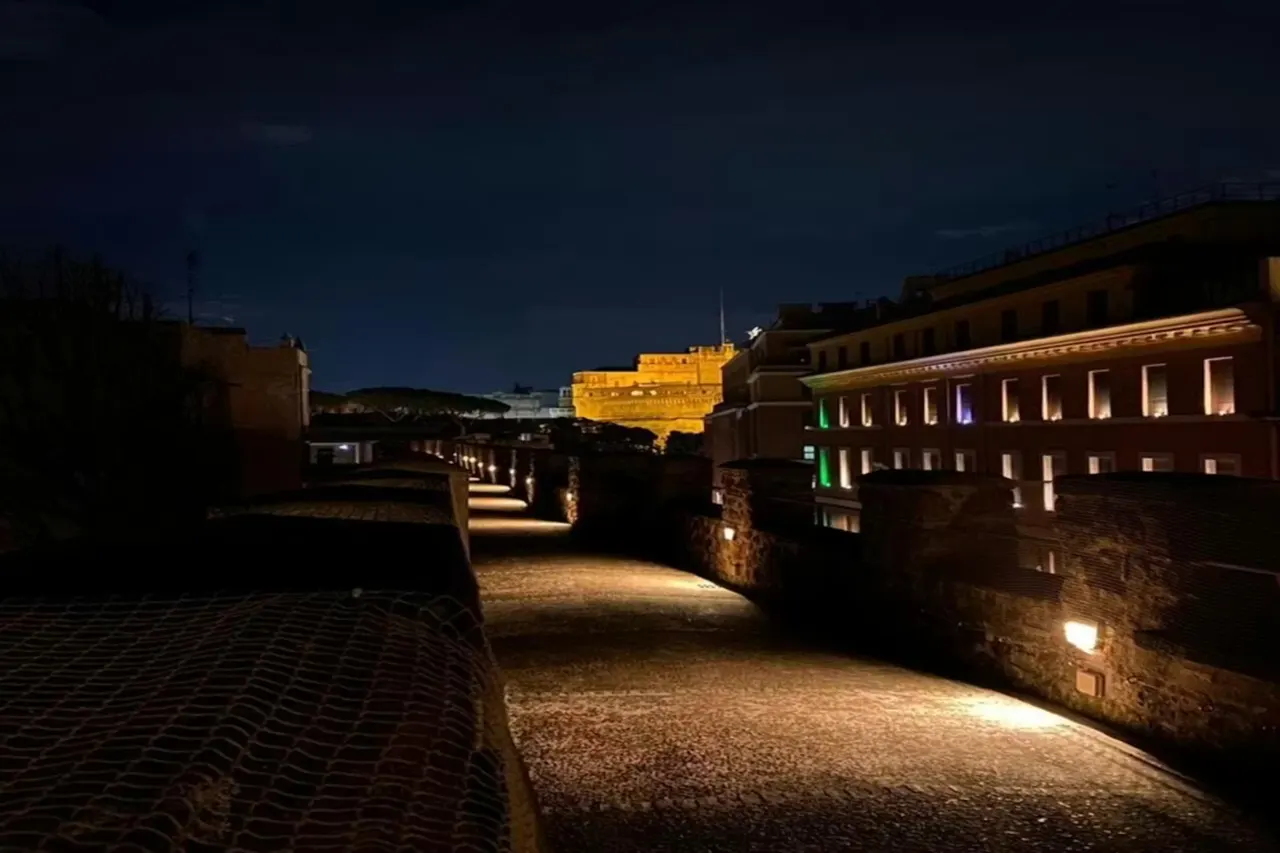
Walk between Vatican City and Castel Sant'Angelo and look carefully at the walls around you. You may notice a long fortified corridor.
This is the Passetto di Borgo.
The elevated passage links the Vatican area with Castel Sant'Angelo and formed part of the defensive structures around the Vatican. It allowed for protected movement between the papal palace area and the fortress of Castel Sant'Angelo.
It is one of those Rome landmarks that many visitors see without realizing what they are looking at.
Once you know the story, the entire walk between St. Peter's Square and Castel Sant'Angelo becomes more interesting. Instead of simply moving from one major attraction to another, you begin noticing the layers connecting them.
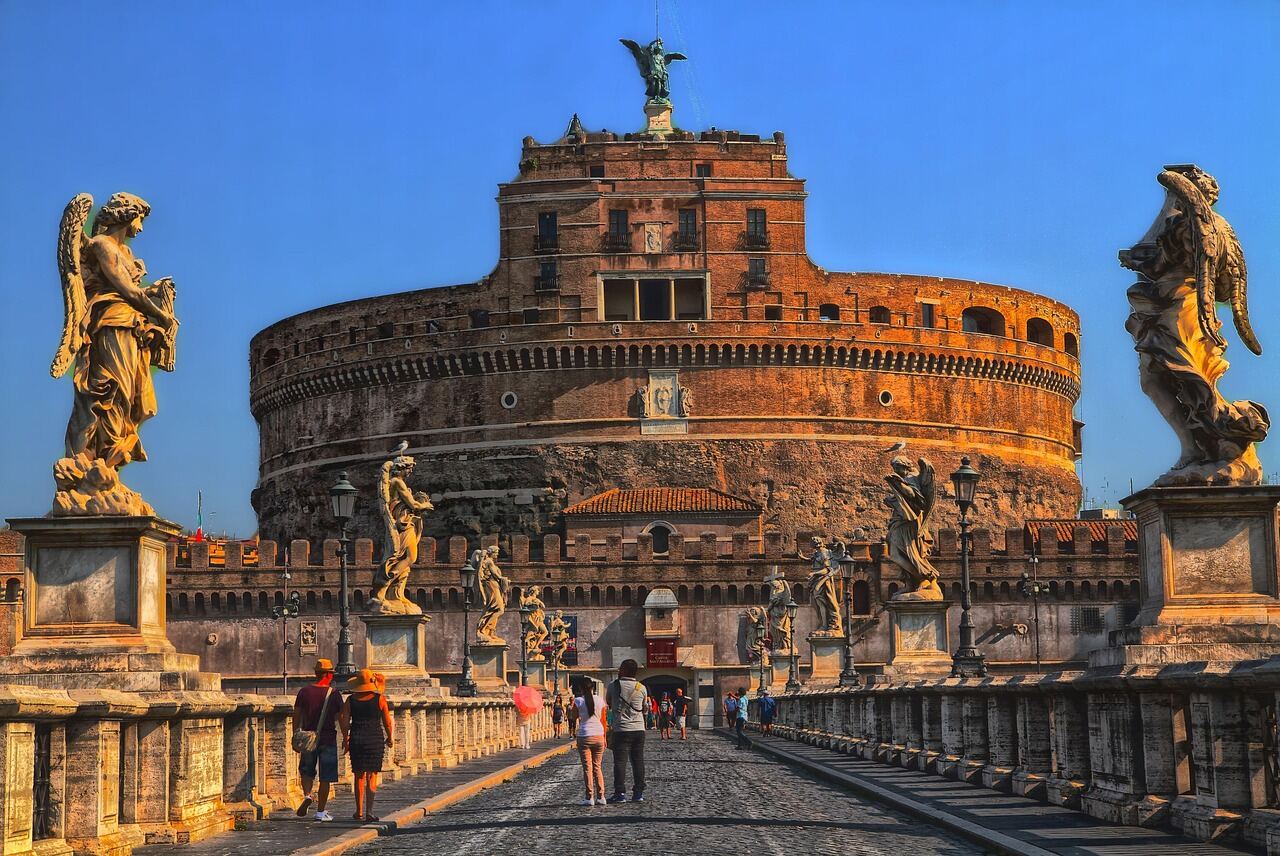
This is also a good example of why Rome rewards travelers who slow down.
The famous attractions are impressive.
But the walls, fountains, churches, courtyards and streets between those attractions often tell just as much of the city's story.
The Passetto's interior is only open as part of specific, limited access programmes rather than on a standard walk-in basis. Check the current official Castel Sant'Angelo access programme before planning a visit to the interior. But even seeing the passage from outside adds another layer to your walk around the Vatican and Borgo area.
The Real Secret to Seeing Rome? Stop Treating It Like a Checklist
Perhaps the biggest Rome secret is not a hidden attraction at all.
It is how you explore the city.
Trying to see the Colosseum, Vatican Museums, Pantheon, Trevi Fountain, Spanish Steps and Piazza Navona as quickly as possible will certainly give you photographs of Rome. But it may not give you much time to actually experience Rome.
Leave space in your itinerary.
- Walk down the street that looks interesting.
- Step inside an open church.
- Stop at a viewpoint.
- Drink from a nasone.
- Look through the keyhole.
- Watch the cannon fire.
- Sometimes, put Google Maps away for ten minutes and see where the next street takes you.
That is often where the best Rome memories begin.
Rome Attraction Tickets
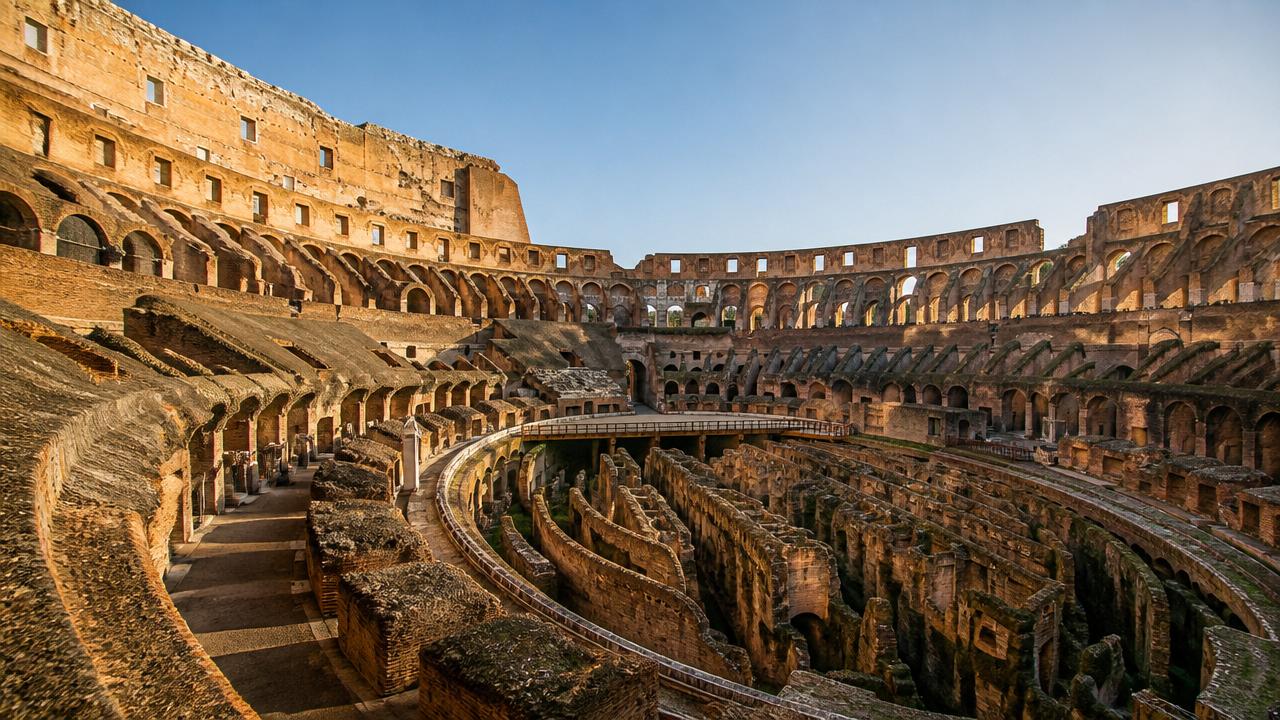
Book skip-the-line Colosseum tickets before you travel — the one sight in Rome that genuinely sells out.
Get Colosseum tickets →FAQ: Rome Secrets and Lesser-Known Places
What are some unusual things to do in Rome?
Some more unusual Rome experiences include looking through the Aventine Keyhole, watching the noon cannon on Janiculum Hill, exploring the Appian Way and discovering major artworks hidden inside Rome's churches.
Are there hidden gems near Rome's main attractions?
Yes. You don't necessarily need to travel far from central Rome to discover something unexpected. San Luigi dei Francesi is close to the Pantheon and Piazza Navona, while the Passetto di Borgo can be seen in the area between Vatican City and Castel Sant'Angelo.
Is the Aventine Keyhole worth visiting?
It can be, particularly when combined with the nearby Orange Garden and Santa Sabina. I wouldn't travel across Rome solely for a few seconds at the keyhole, but together these attractions make the Aventine one of the nicest areas for a quieter walk and city views.
Can you drink water from Rome's street fountains?
Rome's traditional nasoni provide free drinking water and can be found throughout the city. Carrying a reusable bottle makes them particularly useful during long sightseeing days.
How can I find less touristy places in Rome?
Start by exploring beyond the triangle formed by the Colosseum, Vatican and historic center. Areas such as the Aventine and Appian Way offer a different atmosphere, while even central Rome has lesser-noticed churches, archaeological sites and historical details hidden between major attractions.
Related reads