In This Guide
Dress Code: What to Wear
The Colosseum is a secular monument, so it's more relaxed than churches — but the 2026 visitor regulation requires clothing appropriate to the historical value of the site. In practice: no offensive prints, no swimwear-style clothing, no bare torsos, and closed footwear suitable for uneven archaeological surfaces.
Shorts, t-shirts and casual clothes are fine. What actually gets refused at the gate is inappropriate footwear — flip-flops, backless slides, heels — because the ancient stone is uneven and slippery.
Wear This
Comfortable walking shoes with gripBreathable, moisture-wicking layersSun hat and sunglasses (summer)Light jacket or sweater (spring/fall)Sunscreen applied before arrivalShorts, t-shirts, casual clothes — all fineAvoid This
Flip-flops or smooth-soled shoesHigh heels or wedge sandalsBrand new shoes (blisters guaranteed)Heavy clothing in summerAll-black in July/August (heat absorption)Costumes or gladiator outfits (really)Heading to the Vatican after? If you plan to visit Vatican Museums or St. Peter's Basilica the same day, wear clothes that cover your shoulders and knees. Those sites enforce a strict dress code that the Colosseum does not.
Footwear: The Most Important Choice
Footwear is the one thing that will genuinely make or break your Colosseum visit. The surfaces are 2,000-year-old stone — polished smooth, uneven, and slippery when wet. You'll walk 1.5–3 km including the Roman Forum and Palatine Hill (included with your ticket).
👟Best Choice
Closed-toe walking shoes or trail sneakers with rubber soles
🩴Not accepted
Flip-flops, backless slides, open sport sandals without a heel strap
👠Bad Idea
Flip-flops, heels, slides, or any smooth-soled shoe
What to Wear by Season
Summer (Jun–Sep)
Temperatures reach 35°C+ with zero shade inside. Wear light colors, breathable fabrics, a sun hat, and apply sunscreen before arrival. Bring 1–2 liters of water — there are drinking fountains near the entrance to refill.
Spring (Mar–May)
Ideal conditions, but mornings can be cool (10–15°C). Bring a light jacket you can tie around your waist. Unexpected rain showers are common — pack a compact rain jacket or umbrella.
Autumn (Oct–Nov)
Similar to spring. Layers work best — warm mornings often give way to cooler afternoons. October rain is frequent, and wet stone surfaces become slippery. Good-grip shoes are essential.
Winter (Dec–Feb)
Rome winters are mild (5–12°C), but the Colosseum is open-air and windy. Wear a warm coat, scarf, and waterproof shoes. Gloves recommended for early-morning slots. Fewer crowds make it worth the chill.
Banned Items — What You Can't Bring
There is no cloakroom at the Colosseum, so prohibited items have to be disposed of at the gate before you enter. Plan ahead and leave anything oversized at your hotel or in Termini luggage storage.
Glass bottles & containersUse plastic or metal instead
Sharp objectsKnives, scissors, multi-tools
Spray/aerosol cansIncludes spray sunscreen — bring lotion instead
Bags over 30×40×15 cm2026 official limit; no cloakroom on site
Tripods, monopods & trekking polesIncluding small travel tripods
DronesNot permitted and illegal to fly in central Rome
Selfie sticksProhibited under the official visitor regulation
Umbrellas wider than 1 metreCompact umbrellas are fine
Eating a meal inside the monumentMeals may only be consumed in designated areas; there are none inside. Eat before or after your visit.
PetsPet dogs are not admitted inside the Colosseum. Small dogs under 10 kg may enter the open Forum/Palatine areas in a carrier. Documented assistance/therapy dogs follow separate rules.
What You CAN Bring
Small backpack or daypackUnder 30×40×15 cm (2026 limit)
Water bottle (plastic/metal)Refill at nearby fountains
Smartphone & compact cameraPersonal photography OK
Compact umbrellaHandy for rain or sun
Sunscreen (lotion, not spray)Apply before entering
Water bottle (non-glass)Eat meals before or after — no eating areas inside
Baby strollerGround floor accessible
MedicationsKeep in original packaging
Portable phone chargerYou'll use your phone a lot
Light rain jacketPacks into your bag
Bag Size Limits
30 × 40 × 15 cm
Maximum bag dimensions
This is roughly the size of a standard school backpack. Most daypacks and small hiking bags fit within these limits.
There are no luggage lockers at the Colosseum. If your bag is too large, you'll be turned away and have to find storage elsewhere. The nearest left-luggage services are at Termini station (1.5 km away).
Tip for travelers between hotels: If you're checking out the same day, use luggage storage at Roma Termini or a service like Stasher/Bounce before heading to the Colosseum.
Security Screening: What to Expect
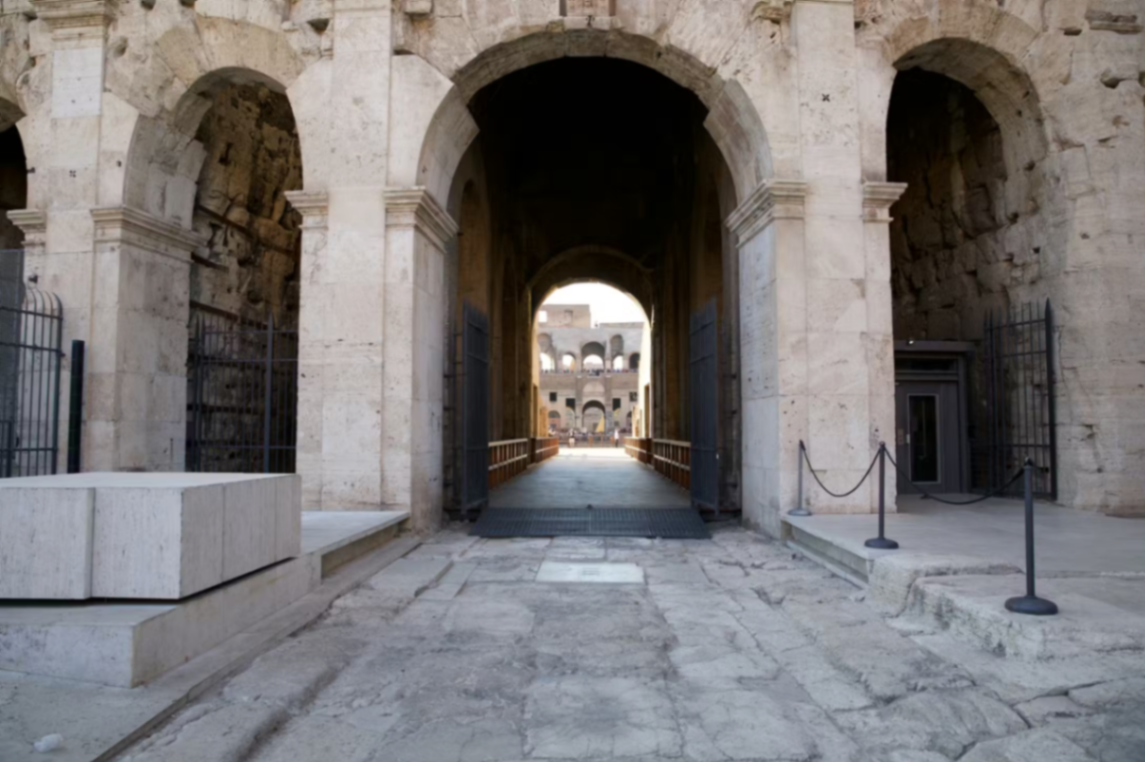
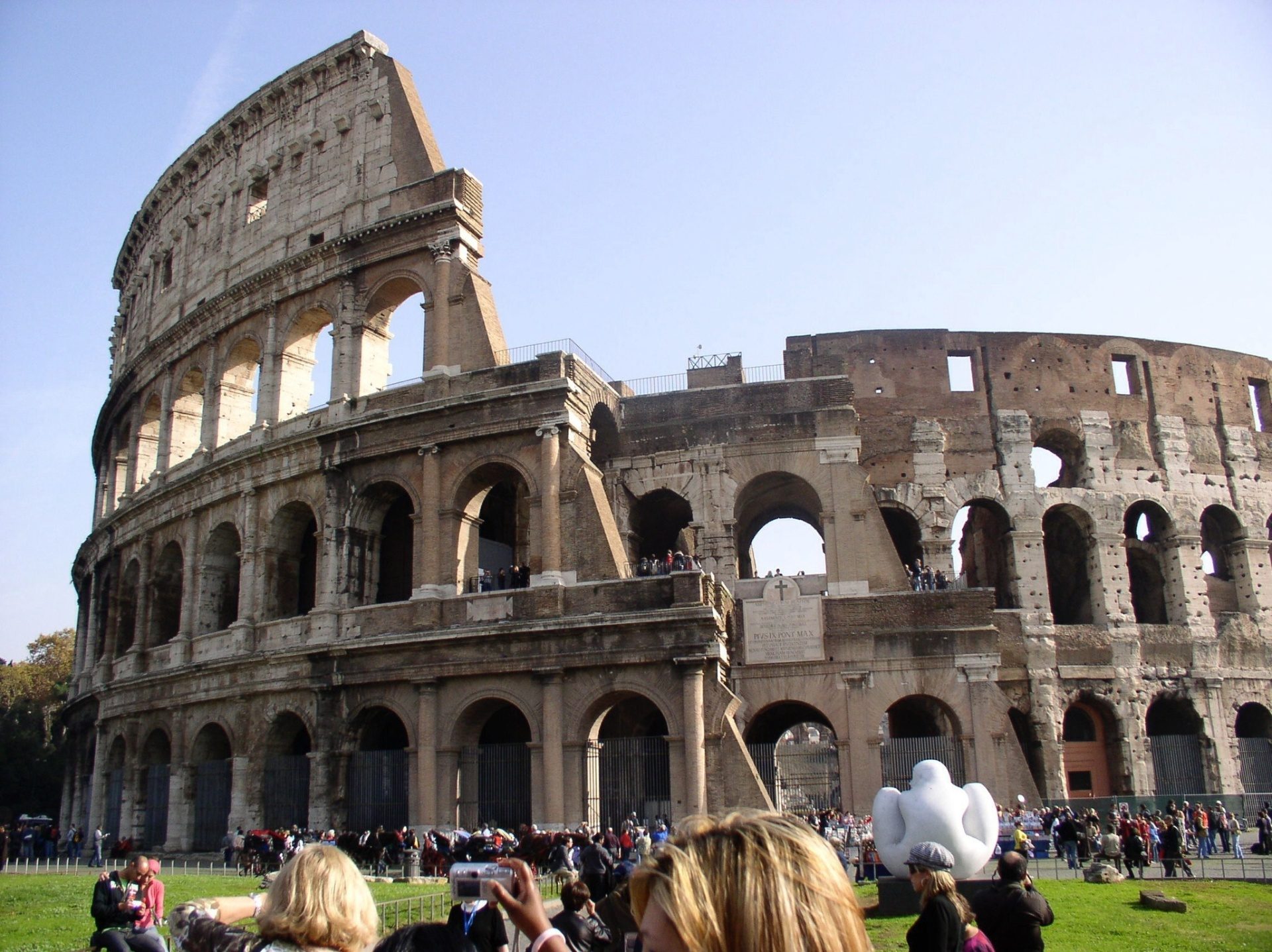
Every visitor passes through security screening with scanners and metal detectors. This is mandatory even if you have skip-the-line or guided tour tickets.
The Process, Step by Step
- 1Join the security line at the main entrance (east side, facing Via dei Fori Imperiali). Guided tours and skip-the-line tickets use the same security checkpoint.
- 2Open your bag and place it on the conveyor belt. Remove water bottles, umbrellas, and large metal objects.
- 3Walk through the metal detector. Empty pockets of keys, coins, and phones if asked.
- 4Collect your belongings and proceed to ticket validation. Have your ticket (paper or digital) ready to scan.
How Long Does Security Take?
Waits vary with season, time of day and staffing. Bag-and-metal-detector screening is universal, so plan buffer time either way.
Arrive 20–30 minutes before your timed entry to account for security. If you miss your time slot, read our missed entry time guide.
Photography & Video Rules
Personal photography is absolutely allowed — and the Colosseum is incredibly photogenic from every angle. But there are limits on equipment.
Allowed
Smartphones (photos & video)Compact & mirrorless camerasDSLR cameras (no tripod)Flash in open-air areasGoPro & action camerasNot Allowed
Tripods & monopodsDrones (illegal in central Rome)Selfie sticksProfessional photo/video/audio equipment without prior authorisationCommercial shoots (require permit)For the best photo spots and timing, see our best photo spots & hidden viewpoints guide.
Behavior Rules & Fines
Italy takes monument protection seriously. These rules are enforced, and fines are real.
Do not touch, sit on, or climb any ancient walls or structures
Substantial fines apply
Do not carve, scratch, or write on any surface
Criminal charges and heavy fines
Do not pick up or take stones, fragments, or souvenirs
Fines and confiscation
Do not litter — use designated bins
Fines apply
Do not smoke inside the monument
Fines apply
Do not enter restricted or roped-off areas
Immediate ejection
Do not eat or drink on ancient surfaces
Staff warning, possible ejection
These are enforced. Damaging cultural heritage is a criminal offence in Italy under the Codice dei Beni Culturali (art. 518-duodecies of the Criminal Code, introduced in 2022): fines can reach several thousand euros and, for defacement, imprisonment. Security cameras cover the monument — don't touch or carve into the walls.
Accessibility & Special Needs
Wheelchair access: Level 0 (ground floor) is accessible via ramps. Lifts serve the upper visitor tiers (levels 1 and 2), giving wheelchair users access to the main viewing points. Not all areas of the monument are step-free.Free entry: Visitors with a certified disability (any nationality) enter free with one companion via the dedicated free accessibility ticket on the official channels.Strollers: Allowed on level 0. Upper tiers are best reached via the lift; some interior routes still involve steps.Accessible restrooms: Available near the entrance and inside the monument.Book the accessibility ticket on the official site in advance so staff are ready to assist at the dedicated entrance.Visiting with Kids
Free entry for all visitors under 18 — regardless of nationality. ID showing date of birth is required at the gate.No height or age restrictions — babies, toddlers, and kids of all ages are welcome.Don't plan to eat inside the Colosseum — meals may only be consumed in designated areas, and there are none inside. Eat before or after your visit; bring water in a non-glass bottle.For a detailed family guide, see Tips for Visiting the Colosseum with Kids.Book Your Colosseum Tickets
Now that you know the rules, book with confidence. Compare trusted resellers:
Where to buy Colosseum tickets
Start with the official Colosseum site, then compare Tiqets, Klook, and Trip.com — trusted booking partners — if official tickets are sold out.
OfficialColosseum SiteFace-value timed tickets from the official source.Official TicketsPartnerTiqetsTours and skip-the-line tickets when official slots are gone.Check PricesPartnerKlookAnother strong backup for sold-out dates and tours.Check PricesPartnerTrip.comUseful for comparing availability and bundles.Check PricesWhat to Bring: Packing Checklist
You've cleared the dress code and bag rules — here's the compact packing list that actually gets used at the gate and inside.
Empty reusable water bottle
Must haveRefill free at nasoni fountains near the entrance. Full bottles slow security screening.
Comfortable walking shoes
Must haveAncient stone is uneven and slick when wet. No heels, no flip-flops.
Phone with QR ticket saved offline
Must haveSignal drops inside. Screenshot the ticket in advance.
Sun protection (lotion only)
Must haveHat, sunglasses, SPF 30+ lotion. Spray/aerosol cans are prohibited — bring lotion sunscreen instead.
Small crossbody bag or daypack
Must haveUnder 30×40×15 cm. No luggage storage on site — leave big bags at Termini.
Original photo ID matching your ticket
Must haveTickets are nominative — bring the original photo ID for the name on the ticket. ID is checked with the ticket at the gate.
Portable charger
RecommendedGPS + QR + photos drain the phone fast. A 5,000 mAh pack is enough for the day.
Water Bottles & Food Rules
Allowed
- • Empty or sealed plastic/metal water bottles (no glass)
- • Baby bottles and baby food
- • Refills at the free nasone fountain by the entrance
Not allowed
- • Glass bottles of any size
- • Eating a meal inside — meals may only be consumed in designated areas, and there are none inside the Colosseum
There are no restaurants or cafés inside the Colosseum, Forum or Palatine. Eat before you enter or plan a proper lunch after — see the Monti neighborhood guide for options 5 minutes away.
Identification & Ticket ID Match
Every timed Colosseum ticket is nominative. Under the current visitor regulation, you must show the original photo ID matching the name on your ticket together with the admission ticket at the gate.
- Accepted ID: passport, EU national ID card, driving licence with photo.
- EU 18–24 reduced ticket: ID must show EU citizenship and your date of birth.
- Free entry (under 18, any nationality, EU disability): ID for the child and any accompanying carer is checked.
- Wrong name on ticket: name-change rules vary by provider and product — check the booking conditions. See our booking mistakes guide.
Summer Essentials (Jun–Sep)
The Colosseum has almost no shade. Summer afternoons regularly hit 35–38 °C (95–100 °F) on the stone tiers. These extras turn a survivable visit into a comfortable one:
Wide-brim hat
Baseball caps don't cover ears or neck. A packable straw or bucket hat is best.
Electrolyte tablets
Add to your refill bottle — useful in extended summer heat.
Cooling towel
Wet at a nasone fountain and drape on your neck for a noticeable cool-down.
Lotion sunscreen (SPF 50)
Spray/aerosol cans are prohibited — bring lotion instead. Apply before arriving and reapply outside.
Light long-sleeve UPF shirt
Better UV protection than sunscreen and cooler than bare skin in direct sun.
Handheld fan or paper fan
Sold cheaply at Termini and every tabaccheria — a lifesaver on the arena floor.
In a July/August heatwave, book the first slot (8:30 AM) or the last two slots to avoid the hottest hours on exposed stone.
Frequently Asked Questions
Is there a dress code for the Colosseum?
Yes. The 2026 visitor regulation asks for clothing appropriate to a UNESCO archaeological site and requires closed footwear suitable for uneven ancient paths. Bare-chested visitors, swimwear, and open sandals or flip-flops can be refused entry.
Can I bring food and drinks?
Water in a non-glass bottle is fine. Meals may only be consumed in designated areas under the 2026 regulation and there are none inside the Colosseum — eat before or after your visit. Glass containers are banned.
Is there luggage storage at the Colosseum?
No. There are no lockers or storage facilities. If your bag exceeds 30×40×15 cm, you'll be refused entry. Use luggage storage at Termini station or services like Stasher/Bounce.
Can I re-enter the Colosseum after leaving?
No. Once you exit, your ticket is voided. See everything before you leave.
Are guided tours subject to the same rules?
Yes — same security screening, same banned items. Guided tours don't skip security, they just have reserved entry times. For a comparison, see our guide on guided tours vs regular tickets.
Can I bring my dog?
Pet dogs are not admitted inside the Colosseum. Small dogs under 10 kg may enter the open Forum and Palatine areas in a carrier. Documented assistance/therapy dogs follow separate rules.
Related Colosseum Guides
Best Colosseum Tickets ComparedHow to Skip the LineColosseum with KidsWhat to See in the ColosseumBefore Visiting the ColosseumMissed Entry Time GuideFirst-Time Visitor GuideColosseum Tickets Guide🏨 Staying Near the Colosseum?
We researched and ranked the 10 best hotels within walking distance of the Colosseum — from luxury boutiques to affordable gems, all rated 9.0+ by guests.
All rated 9.0+ Within 200m–1.8kmRead: 10 Best Hotels Near the Colosseum