 Neighborhood
Monti Neighborhood
Rome's trendiest ancient quarter with bohemian soul — five minutes from the Colosseum.
2–3 hoursFreeVintage ShopsAperitivo HeavenRione Monti, 00184 Roma RMOpen on MapPlan Your Visit
Compare tickets, tours and stays — booking ahead usually gives more choice
Book a TourHotels NearbyWhy visit Monti?
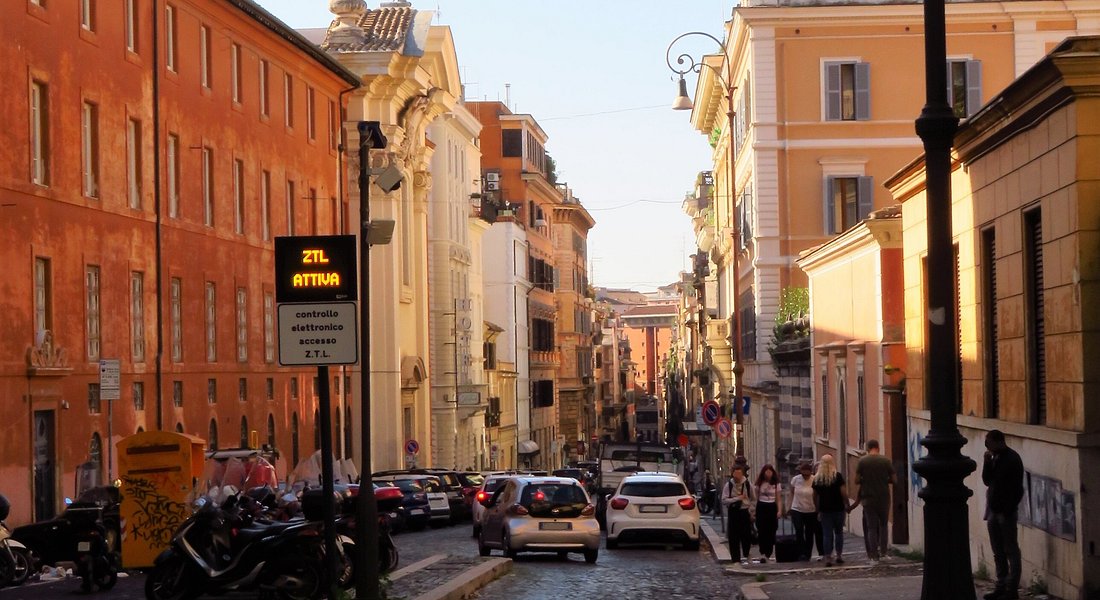
Just steps from the Colosseum lies a different Rome — a village of winding lanes, vintage boutiques and wine bars that keeps a strong residential feel. Monti was ancient Rome's slum (the infamous Subura where Julius Caesar grew up), then the city's 19th-century red-light district, and is now its hippest neighbourhood. Come for shopping by day and aperitivo by night.
- Vintage shopping capital: Via del Boschetto's boutiques, plus periodic independent design markets — some of the best independent shopping in central Rome.
- Aperitivo heaven: Ai Tre Scalini (since 1895), La Barrique, and the legendary fountain-step aperitivo on Piazza Madonna dei Monti.
- Foodie heaven: Fatamorgana gelato, classic Roman trattorias on Via Urbana, and pizza al taglio on every corner.
- Three Romes in one rione: the ancient Subura under your feet, medieval tower-houses on Via Baccina, Renaissance churches by Della Porta, and Michelangelo's Moses 5 minutes uphill.
- Genuine local character: a strong residential feel away from the busiest streets nearest the Colosseum, especially on weekday evenings.
Quick facts
Character
Bohemian-chic
Location
Between Colosseum & Termini
Known For
Vintage shops & aperitivo
Entry
Free to explore
Best Time
After 18:00 (aperitivo)
Metro
Cavour (Line B)
Top Bar
Ai Tre Scalini (since 1895)
Markets
Periodic — check listings
Local Hub
Piazza Madonna dei Monti
Table of Contents
Jump to any section of the itinerary
A brief history of Monti
In antiquity, the area now known as Monti was the Subura — the dense, narrow-streeted valley below the imperial palaces on the Palatine and the wealthy hills of the Quirinal and Esquiline. It was the most populous residential district of ancient Rome and infamous for its poverty, taverns, brothels, frequent fires and constant noise. Crucially, the Subura was the childhood home of Julius Caesar, whose family was modest enough that the future dictator grew up in the slum — a fact ancient Roman biographers loved to point out as evidence of his self-made greatness.
In the 1st century AD, Augustus walled off the Subura from his new imperial Forum of Augustus with a great 30-metre firewall — fragments of which still survive along the modern Via dei Fori Imperiali. The wall was both a fire break (the Subura burned constantly) and a status statement: the imperial family did not want to look at the slum.
In the medieval period the area became one of the seven historic rioni of Rome and took its modern name Monti ('the hills') from the three adjacent hilltops. Noble Roman families built fortified tower-houses here (the Borgia Tower at Via Cavour, the Capocci towers at Largo Venosta) — survivals of the violent 12th–13th-century Roman streetscape. In 1580, the great late-Renaissance architect Giacomo della Porta built the elegant church of Santa Maria dei Monti around a miraculous Madonna image, and in 1589 he added the little fountain in the adjacent piazza — the gathering point that still defines the neighbourhood's social life today.
By the 19th century, the rione had become Rome's main red-light district, with brothels concentrated along Via Panisperna and surrounding streets — a reputation that lingered in the dialect poetry of Belli and Trilussa long after the brothels were closed by national law in 1958. The 20th century then dealt Monti two blows: between 1924 and 1932, Mussolini bulldozed a wide avenue (the Via dei Fori Imperiali) from Piazza Venezia to the Colosseum, demolishing the entire western half of medieval Monti and severing it from the Forum and the Capitoline. Then through the 1960s and 1970s the rione remained a working-class district with cheap rents — attracting students, artists, and the early seeds of bohemia.
The transformation began in the 1990s, when vintage shops and wine bars started opening along Via del Boschetto and Via Urbana. By the 2010s, Monti had become Rome's coolest neighbourhood — and in 2026 it remains the most fashionable rione in central Rome, a delicate balance of original residents, independent designers, neighbourhood trattorias and savvy travellers seeking a real-Roman base steps from the Colosseum.
Monti through the centuries
Republican RomeThe Subura — Rome's notorious slum
Monti corresponds to the ancient Subura, the densely populated and infamous valley between the Esquiline, Viminal and Quirinal hills. Home to the urban poor, prostitutes, and the young Julius Caesar (whose family lived here before he became dictator).
1st century ADForum of Augustus & firewall
Augustus builds his vast forum complex on the western edge of the Subura and walls it off with a 30-metre firewall — fragments of which still survive along the modern Via dei Fori Imperiali.
Medieval periodTower-houses & churches
Noble Roman families build defensive tower-houses across the rione (the Borgia Tower, the Capocci towers); the area becomes one of the seven medieval rioni of Rome and takes the name Monti ('the hills') from the three adjacent hilltops.
1580Santa Maria dei Monti
Giacomo della Porta builds the elegant late-Renaissance church around a miraculous Madonna image discovered by chance — the spiritual centre of the rione ever since.
1589Fountain of the Madonna dei Monti
Della Porta also designs the little fountain that anchors the main piazza — the gathering point that still defines the neighbourhood's social life today.
1800sRed-light district
The rione becomes Rome's main red-light district, with brothels concentrated along Via Panisperna and surrounding streets — the reputation lingers in the 19th-century literature of Belli and Trilussa.
1924–1932Via dei Fori Imperiali cuts through
Mussolini bulldozes a wide avenue from Piazza Venezia to the Colosseum, demolishing the entire western half of medieval Monti and severing the rione from the Forum and Capitoline.
1990s–2010sBohemian renaissance
Vintage shops, wine bars and creative studios open along Via del Boschetto and Via Urbana. The combination of low rents, central location and authentic streetscape makes Monti the city's hippest quarter.
2026Rome's coolest neighborhood
Monti is now the most fashionable rione in central Rome — a delicate balance of original residents, independent designers, neighbourhood trattorias and savvy travellers seeking a real-Roman base steps from the Colosseum.
What to see in Monti
Via del Boschetto
- The main shopping artery of Monti — the densest concentration of independent boutiques anywhere in central Rome.
- Vintage clothing, handmade jewellery, leather goods, ceramics, and one-off designer pieces — almost no chain stores.
- Best browsing window: Tuesday–Saturday, 11:00–13:30 and 16:00–20:00 (most shops still observe the long lunch break).
- The street's name ('little wood') comes from a small grove that once stood here in the medieval period — a reminder that Monti was rural for most of its history.
Piazza della Madonna dei Monti
- The neighbourhood's living room — a small triangular piazza built around a Giacomo della Porta fountain (1589).
- Locals gather on the fountain steps with takeaway drinks from surrounding bars — one of the most authentic and affordable aperitivo scenes in Rome (drinks are paid for, not free).
- Surrounded by the church of Madonna dei Monti (1580), trattorias and the legendary Ai Tre Scalini wine bar.
- Liveliest from 19:00 to 23:00; magical in summer when the entire piazza spills out onto the cobblestones.
Churches & ancient remains
- Santa Maria dei Monti (1580) — Giacomo della Porta's elegant late-Renaissance church around a miraculous Madonna image.
- San Pietro in Vincoli (5 minutes uphill) — Michelangelo's Moses, one of the supreme sculptures of Western art.
- Medieval tower-houses on Via Baccina and Via Madonna dei Monti — surviving fragments of Monti's defensive 12th–13th-century streetscape.
- Ancient Roman walls and substructures of the Forum of Augustus visible along the western edge of the rione, just behind Via dei Fori Imperiali.
Food & drink scene
- Ai Tre Scalini (Via Panisperna) — Roman wine-bar institution since 1895, famous bruschetta and natural wines.
- La Barrique (Via del Boschetto) — small natural-wine bar with a serious Italian list and shareable plates.
- Fatamorgana Monti (Piazza degli Zingari) — among Rome's two or three best gelaterias, original and bold flavours.
- Pizzeria La Boccaccia, Forno Boccione-style bakeries on Via Leonina, and superb trattorias on Via Urbana for proper Roman dinner.
Photogenic corners
- Salita dei Borgia — a stepped lane connecting Via Cavour to the Borgia Tower with a postcard view of cobbled stairs and ivy walls.
- Via dei Serpenti at golden hour — long perspective from Largo Visconti Venosta down toward Piazza Madonna dei Monti.
- Vicolo del Boschetto — a hidden cobbled lane lined with vintage shops and hanging laundry.
- Piazza degli Zingari — the smallest, most intimate square in Monti, often empty in the morning.
Morning Monti
- Antico Caffè del Brasile (Via dei Serpenti) — one of Rome's serious coffee bars, a favourite of John Paul II when he was a cardinal.
- Forno La Renella outpost or Roscioli for a stand-up cornetto and cappuccino breakfast.
- Quietest hour in Monti is 09:00–10:30 — boutiques opening, deliveries arriving, residents walking dogs.
- Perfect window for photographers: empty cobblestones and soft east light bouncing off the ochre façades.
Vintage shopping in Monti
Monti is the single best independent shopping neighbourhood in central Rome — almost entirely free of chain stores, dominated by small artisan boutiques, vintage clothing shops and handmade jewellery studios. The density is highest along Via del Boschetto, with overflow into Via Urbana, Via Leonina, Via dei Serpenti and Via Panisperna.
For vintage clothing, the standouts are King Size Vintage and Pifebo on Via del Boschetto (huge selections of denim, leather and 70s–90s designer pieces). For handmade jewellery and accessories, Tina Sondergaard (custom-made dresses), Le Gallinelle (one-off womenswear) and the dozens of small ateliers along Via Urbana. For ceramics and homewares, Podere Vecciano on Via Leonina.
Monti has periodically hosted independent vintage and design markets, best known as Mercato Monti. Locations and schedules change, so check current local listings before planning around one. When it runs, the atmosphere is closer to a Brooklyn or Berlin design fair than to a tourist market, and the designers themselves are usually behind their tables.
Most boutiques observe the long Roman lunch break: open 11:00–13:30 and 16:00–20:00, closed Sundays except Mercato Monti. Many close for two to three weeks in mid-August.
Aperitivo & wine bars
The fountain-step aperitivo ritual and the general wine-bar culture of Monti are enduring neighbourhood traits, but the specific bars named below are individual businesses that can change — verify they are still open before making plans around them.
Aperitivo is the soul of Monti. After 18:00, the entire rione transforms — the boutiques close, the bars open, and Piazza Madonna dei Monti fills with locals holding takeaway drinks. The undisputed institution is Ai Tre Scalini (Via Panisperna 251), open since 1895 and still pouring excellent natural wines, serving exceptional bruschetta, polpette and Roman bar food in a tiny atmospheric room. Be prepared to queue or share a table — that is part of the experience.
For a more focused natural-wine experience, La Barrique (Via del Boschetto 41B) offers a serious Italian list and shareable plates in a refined small-room setting. Trimani il Wine Bar (technically just outside Monti on the Esquiline edge) is the city's classic serious wine bar.
One of the most authentic (and low-cost, though not free) Monti rituals is the fountain-step aperitivo on Piazza Madonna dei Monti: order a takeaway glass of wine from a nearby bar (most will sell you a plastic cup for €4–€5), sit on the steps of Della Porta's 1589 fountain and join the locals. Runs most evenings from around 19:00 until midnight, informally.
For cocktails rather than wine, Drink Kong (a few minutes east toward the Esquiline) is one of the world's top 50 bars and worth the short walk. Within Monti itself, the cocktail scene is smaller — wine and natural-wine bars dominate.
Where to eat in Monti
Monti's trattoria-and-wine-bar culture is an enduring part of the neighbourhood's character, but individual businesses open, close and change hands — the specific names below can change. Always verify a place is still open and check current hours before travelling.
La Carbonara
Open since 1906 on Piazza Madonna dei Monti — the classic Roman trattoria for the four cardinal pasta dishes (carbonara, amatriciana, gricia, cacio e pepe). Touristic but reliable.
Trattoria Monti
Refined cucina marchigiana run by the Camerucci family — outstanding handmade pasta, the famous timballo and a deep wine list. The most reservation-worthy address in the rione.
Urbana 47
Modern Italian bistronomy on Via Urbana — kilometre-zero ingredients, all-day brunch, excellent for vegetarians. Style-conscious crowd.
Alle Carrette
Long-running Roman pizzeria on Vicolo delle Carrette — thin Roman-style pizza, cheap, lively, perfect for a casual family dinner.
Fatamorgana Monti
On Piazza degli Zingari — one of the two or three best gelaterias in Rome. Original flavours (basil-walnut-honey, gorgonzola-pear, chocolate-tobacco) alongside the classics.
Pizzeria La Boccaccia
Pizza al taglio (by the slice) on Via Leonina — Roman style, sold by weight, perfect cheap lunch on the go.
Suggested walking route
This 2–3 hour route takes you through Monti's best streets, from vintage shopping to wine bars. Best done in late afternoon into evening for the full aperitivo experience. Total walking distance: approximately 2 km on cobblestones.
1StartMetro Cavour
Gateway to the neighbourhoodExit Metro B at Cavour station. Turn right and walk briefly up Via Cavour, then turn left into Via dei Serpenti to enter Monti from the north — the classic approach.
215 minVia dei Serpenti
Ancient meets bohemianThe street's perspective frames the Colosseum at its southern end. Walk south past artisan shops, tiny bars and the Borgia Tower — Monti starts to feel like a village within minutes.
345 minVia del Boschetto
Prime shopping streetThe main shopping artery. Browse vintage boutiques, artisan jewellery and unique fashion. Don't rush — the best finds need patience and the willingness to walk in and out of every door.
430 minPiazza della Madonna dei Monti
Heart of MontiThe neighbourhood's living room. Grab a takeaway drink from a nearby bar and join the locals on Della Porta's 1589 fountain steps — the essential Roman experience.
520 minVia Urbana
Wine bar territoryWine bars and trattorias line this charming street. Check out La Barrique for natural wines, then continue uphill toward Via Panisperna.
620 minVia Panisperna
Historic atmosphereNamed after a medieval bread distribution ('panis et perna'). Today home to artisan workshops, cafés, the Forno Boccione-style bakery and the legendary Ai Tre Scalini.
7As neededAi Tre Scalini aperitivo
Perfect finishEnd at the legendary wine bar (open since 1895) for proper aperitivo. Order a glass of natural wine, bruschetta and polpette — and watch the neighbourhood come alive at golden hour.
Monti vs other Rome neighborhoods
| Feature | Monti | Trastevere | Testaccio | Pigneto |
|---|---|---|---|---|
| Atmosphere | Bohemian, designer | Tourist-medieval | Working-class foodie | Edgy hipster |
| Best for | Vintage + aperitivo | Dinner + nightlife | Food market + trattorias | Cocktails + street art |
| Distance from Colosseum | 5 min walk | 20 min walk / tram 8 | Metro B, 2 stops | Metro/tram, 15–20 min |
| Tourist saturation | Medium (rising) | Very high | Low–medium | Low |
| Best meal type | Aperitivo + small plates | Roman trattoria classics | Cucina romana, offal | Pizza, ethnic, cocktails |
| Shopping | Excellent (vintage) | Limited (souvenirs) | Market only | Independent stores |
| Best night to go | Thursday–Saturday | Any night | Friday–Saturday | Weekend |
Verdict: Monti is the only central Rome neighbourhood that combines proximity to the Colosseum, genuine vintage shopping, and a serious aperitivo culture. For dinner-and-nightlife only, Trastevere is louder; for serious cucina romana, Testaccio is purer; for hipster edge, Pigneto wins. For a balanced central base — Monti.
Best time to visit
Time of day
After 18:00 (the magic hour)
Aperitivo begins, locals fill Piazza Madonna dei Monti, the wine bars open up. The neighbourhood is unrecognisable from its daytime self.
11:00–13:30 for shopping
Boutiques open and the cobblestones are empty. Lunch break 13:30–16:00 — most independent shops shut.
09:00–10:30 for photographers
Empty cobblestones, soft east light bouncing off ochre façades, residents walking dogs. The most peaceful hour.
Avoid 14:00–16:00
Shops shut, bars quiet, neighbourhood at its least characteristic moment.
Best day & season
Saturday for Mercato Monti
Independent vintage and design markets run periodically in Monti — check current listings before planning around one.
Spring & autumn (peak)
April–early June and September–October give comfortable evenings for outdoor aperitivo and full shopping hours.
Avoid mid-August
Many independent boutiques close for 2–3 weeks. Bars and trattorias stay open but the neighbourhood empties.
Getting there
Metro Line B — Cavour (easiest)
You exit straight into the rione. Walk west on Via Cavour and turn left into Via dei Serpenti to enter the heart of Monti within 2 minutes.
From Termini Station
Two metro stops on Line B (direction Laurentina), or a 10-minute walk south through the Esquiline.
From the Colosseum
5-minute walk via Via dei Serpenti or Via Cavour — the natural after-Colosseum extension. Far better lunch options here than the tourist traps next to the arena.
Bus from Trastevere
ATAC bus routes connecting Trastevere to the Via Cavour area exist, but routes and numbers change over time — check current ATAC information before relying on a specific line.
Address
Rione Monti, 00184 Rome. The boundaries: Via dei Fori Imperiali (south), Via Nazionale (north), the Quirinal (west), Via Merulana / Santa Maria Maggiore (east). Most of the action is concentrated in the south-western quarter around Piazza Madonna dei Monti.
Common mistakes to avoid
Going at midday for shopping
Most Monti boutiques close 13:30–16:00 for lunch. Arriving at 14:00 means walking past shuttered shops. Browse 11:00–13:30 or 16:00–20:00 instead.
Eating dinner at Piazza Madonna dei Monti restaurants
The piazza-front restaurants are charming but average and expensive. Walk one street back to Via Urbana, Via Panisperna or Via del Boschetto for the actual neighbourhood trattorias.
Confusing it with Monteverde
Monti = the rione next to the Colosseum. Monteverde = a residential district 4 km west, beyond Trastevere. They sound similar; they are completely different parts of the city.
Skipping the weekend Mercato Monti
Monti has periodically hosted independent vintage and design markets. Locations and schedules change, so check current local listings before planning around one.
Visiting only at lunchtime
Monti is a sleepy daytime quarter that comes alive after 18:00 with the aperitivo crowd. A 14:00 visit shows you the neighbourhood at its quietest and least characteristic moment.
Missing San Pietro in Vincoli
Michelangelo's Moses is a 5-minute uphill walk from Piazza Madonna dei Monti. It is one of the supreme sculptures of Western art and entry is free — yet many Monti visitors never make the climb.
Insider tips from locals
The fountain-step aperitivo
Order a glass of wine to-go from a nearby bar (most will sell you a plastic cup), sit on the fountain steps in Piazza Madonna dei Monti, and join the locals. A cheap, authentic Monti ritual — but you do pay for the drink.
Salita dei Borgia for sunset photos
The stepped lane between Via Cavour and Largo Venosta is a postcard composition at golden hour — empty in early morning, magical 30 minutes before sunset.
Stay in Monti, not next to the Colosseum
Hotels and apartments inside the rione (Via Urbana, Via dei Serpenti, Via Panisperna) put you 5 minutes from the Colosseum but in a real neighbourhood — far better value and atmosphere than the tourist hotels along Via Cavour itself.
Mercato Monti before lunch on Saturday
If a weekend market is running, arrive late morning while the designers are still behind their tables. Lunch nearby on Via Urbana, then back to the streets in the afternoon.
End the night at Ai Tre Scalini
Ai Tre Scalini (Via Panisperna 251) has been pouring wine since 1895 and remains the soul of Monti. Order a glass of Cesanese (the Lazio red), bruschetta and the polpette — and stay late.
Practical visitor tips
Time your visit right
Shops open around 10:30 AM; many close 13:30–16:00 for lunch. The real magic happens after 18:00 when aperitivo begins and the locals emerge.
Mercato Monti
Monti has periodically hosted independent vintage and design markets featuring local designers and curated vintage. Locations and schedules change, so check current local listings before planning around one.
Morning coffee ritual
Antico Caffè del Brasile on Via dei Serpenti for serious espresso, or Roscioli's nearby outpost for a stand-up cornetto and cappuccino.
Combine with the Colosseum
Perfect post-Colosseum escape — 5 minutes on foot via Via dei Serpenti or Via Cavour. Far better lunch options than the tourist traps next to the arena.
Where to Stay Near Monti Neighborhood
Looking for convenient accommodation near Monti Neighborhood? Stay within walking distance to make the most of your visit.
Hotels Near This AttractionTop Rated HotelsBudget-Friendly OptionsLuxury HotelsCentral locations with easy access to Monti Neighborhood and other attractionsFrequently Asked Questions
What makes Monti special in 2026?
Monti is Rome's trendiest ancient neighbourhood — a former red-light district transformed into a bohemian-chic enclave of vintage boutiques, artisan workshops, wine bars and small trattorias. Despite being a 5-minute walk from the Colosseum, it still feels like a village: cobblestone lanes, hanging laundry, original residents chatting on stoops. Away from the streets closest to the Colosseum it keeps a strong residential feel, especially on weekday evenings.
What does the name 'Monti' mean?
Monti means 'the hills' — the rione takes its name from the three adjacent hills it occupies (the Esquiline, the Viminal and part of the Quirinal). It is officially Rione I, the very first of Rome's medieval rioni, and one of the largest. In antiquity the same area was the Subura — the densely populated valley below the imperial palaces, infamous as the slum of ancient Rome.
Is Monti safe?
Generally considered safe, with normal city precautions. It is a residential central neighbourhood with restaurants, bars and pedestrian foot traffic until well past midnight. Standard urban precautions (watch your bag in crowded bars) but no special concerns.
When does Monti come alive?
After 18:00 every night. The aperitivo crowd fills Piazza Madonna dei Monti, the wine bars on Via Urbana and Via Panisperna, and the trattorias on Via del Boschetto. Thursday, Friday and Saturday are liveliest. Weekday mornings and early afternoons are sleepy by contrast — the neighbourhood is essentially residential during the day.
What are the best streets to explore?
Via del Boschetto for shopping (vintage, jewellery, designer boutiques). Via Urbana for wine bars and restaurants. Via Panisperna for atmosphere and the legendary Ai Tre Scalini. Via dei Serpenti for the long perspective toward the Colosseum and several great cafés. Piazza della Madonna dei Monti is the social heart — every walk should pass through it.
What can I buy in Monti?
Vintage clothing (leather jackets, denim, designer pieces from the 1970s–90s), handmade jewellery, artisan leather goods, ceramics, prints and stationery, niche perfumes, and one-off independent designer fashion. Periodic independent markets (Mercato Monti) add emerging Italian designers and curated vintage when they run — check current listings.
Where should I eat in Monti?
For aperitivo: Ai Tre Scalini (Via Panisperna, since 1895), La Barrique (Via del Boschetto, natural wines), or any takeaway drink on the Piazza Madonna dei Monti fountain steps. For dinner: La Carbonara on the piazza for classic Roman dishes, Trattoria Monti for refined cucina marchigiana, Urbana 47 for modern Italian. For gelato: Fatamorgana on Piazza degli Zingari. Note that individual restaurants, bars and shops change over time — treat named venues as a starting point and verify they are still open before you go; the neighbourhood's wine-bar and trattoria character is more reliable than any single address.
How do I get to Monti?
Easiest: Metro Line B to Cavour — you exit straight into the rione. Alternative: Metro A or B to Termini, then a 7-minute walk south. From the Colosseum it is a 5-minute walk via Via dei Serpenti or Via Cavour. Some ATAC bus routes also connect Trastevere with the Via Cavour area, but bus routes change — check current ATAC information before travelling.
Is Monti good for families with children?
Yes for daytime visits — playgrounds at Largo Venosta and Piazza degli Zingari, gelato at Fatamorgana, easy walking distances and lots of small trattorias that welcome families. Less suitable for evening aperitivo crowds, when the bars and piazzas fill with adults.
What was the ancient Subura?
The Subura was the densely populated valley between the Esquiline, Viminal and Quirinal hills — corresponding closely to modern Monti. In antiquity it was the most crowded residential district of Rome, infamous for poverty, brothels, fires, taverns and crime. Crucially, the Subura was the childhood home of Julius Caesar, whose family was modest enough that he grew up in the slum before becoming dictator — a fact ancient Roman writers loved to point out.
Why was Monti called the red-light district?
In the 19th century the rione concentrated most of Rome's licensed brothels along Via Panisperna and surrounding streets — partly inheriting an ancient Subura reputation, partly because the area was poor, central and densely populated. The brothels were closed by national law in 1958 ('Legge Merlin'), but the literary memory lingers in 19th-century Roman dialect poetry by Belli and Trilussa.
Can I see Michelangelo's Moses from Monti?
Yes — the church of San Pietro in Vincoli, which contains Michelangelo's Moses (part of the unfinished tomb of Pope Julius II), sits at the top of the steep climb from Via Cavour, on the eastern edge of the rione. It is a 5-minute uphill walk from Piazza Madonna dei Monti and entry is free. One of the supreme sculptures of Western art.
What's the weekend market in Monti?
Monti has periodically hosted independent vintage and emerging-designer markets, best known under the name Mercato Monti. Locations and schedules change, so check current local listings before planning around one. When running, expect curated stalls of Italian independent fashion designers, vintage clothing, handmade jewellery, ceramics, prints and small artisan goods.
How does Monti compare with Trastevere?
Monti is bohemian-chic, designer, calmer, and dominated by vintage shopping and aperitivo culture; Trastevere is medieval-tourist, louder, dominated by trattoria dinners and late-night bars. Monti is closer to the Colosseum (5 minutes vs 20). Trastevere is far more saturated by tourists. For a creative, neighbourhood feel choose Monti; for postcard cobblestones and a big nightlife choose Trastevere.
When is the best season to visit Monti?
Spring (April–early June) and autumn (September–October) are ideal — comfortable evenings for outdoor aperitivo and full shopping hours. Summer evenings are lively but daytime is hot and many independent boutiques close for two weeks in mid-August. Winter is quietest and most local — perfect for an authentic feel.
Where should I stay in Monti?
Inside the rione for the best atmosphere — try boutique hotels and apartments on Via Urbana, Via del Boschetto, Via dei Serpenti or Via Panisperna. Hotels along the wider Via Cavour are more conventional but also cheaper and convenient for the metro. Either way, you wake up 5 minutes from the Colosseum, 7 minutes from Termini and right inside the most fashionable neighbourhood in central Rome.
Related Attractions
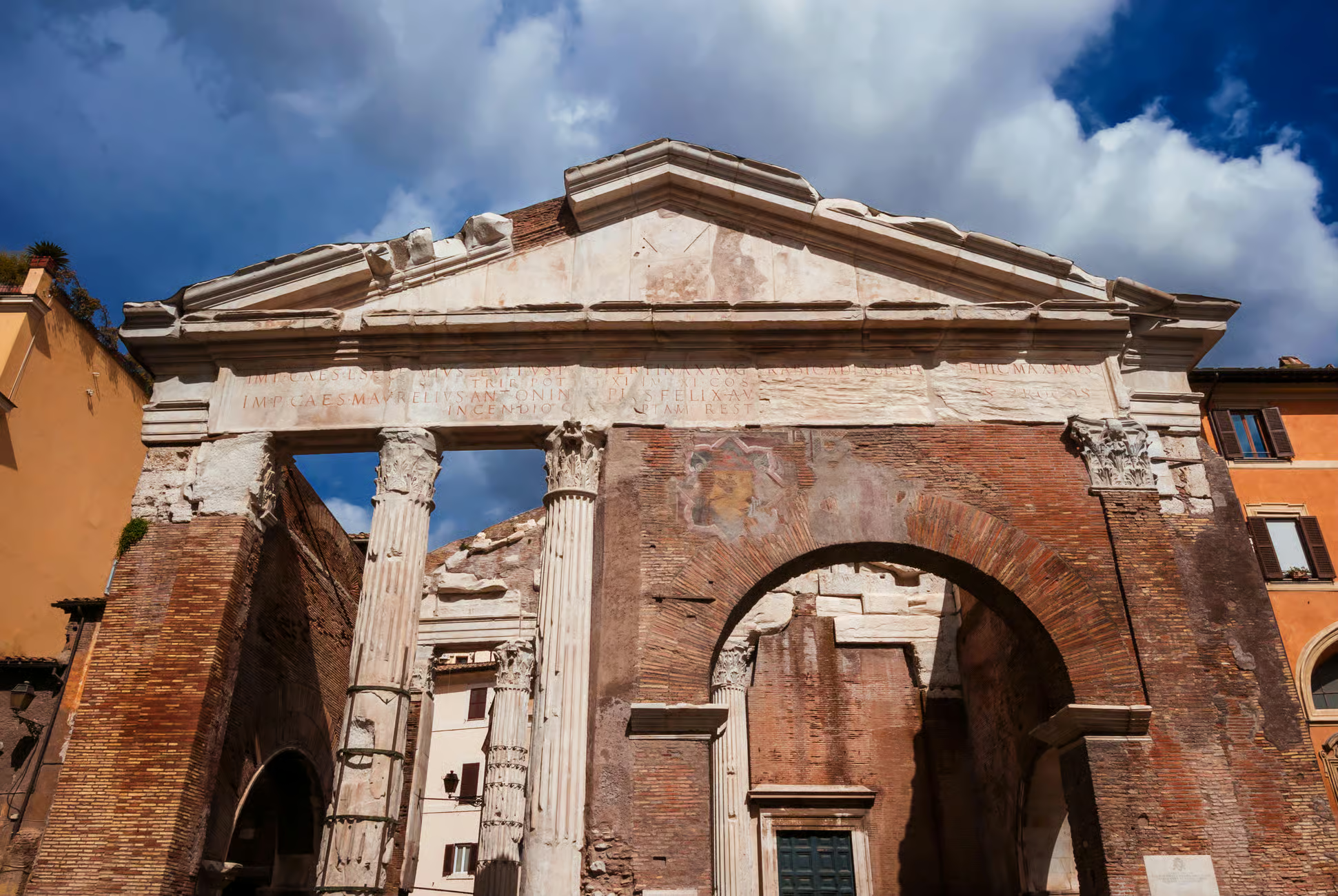
Jewish Ghetto
Historic Jewish quarter with unique cuisine and heritage
Explore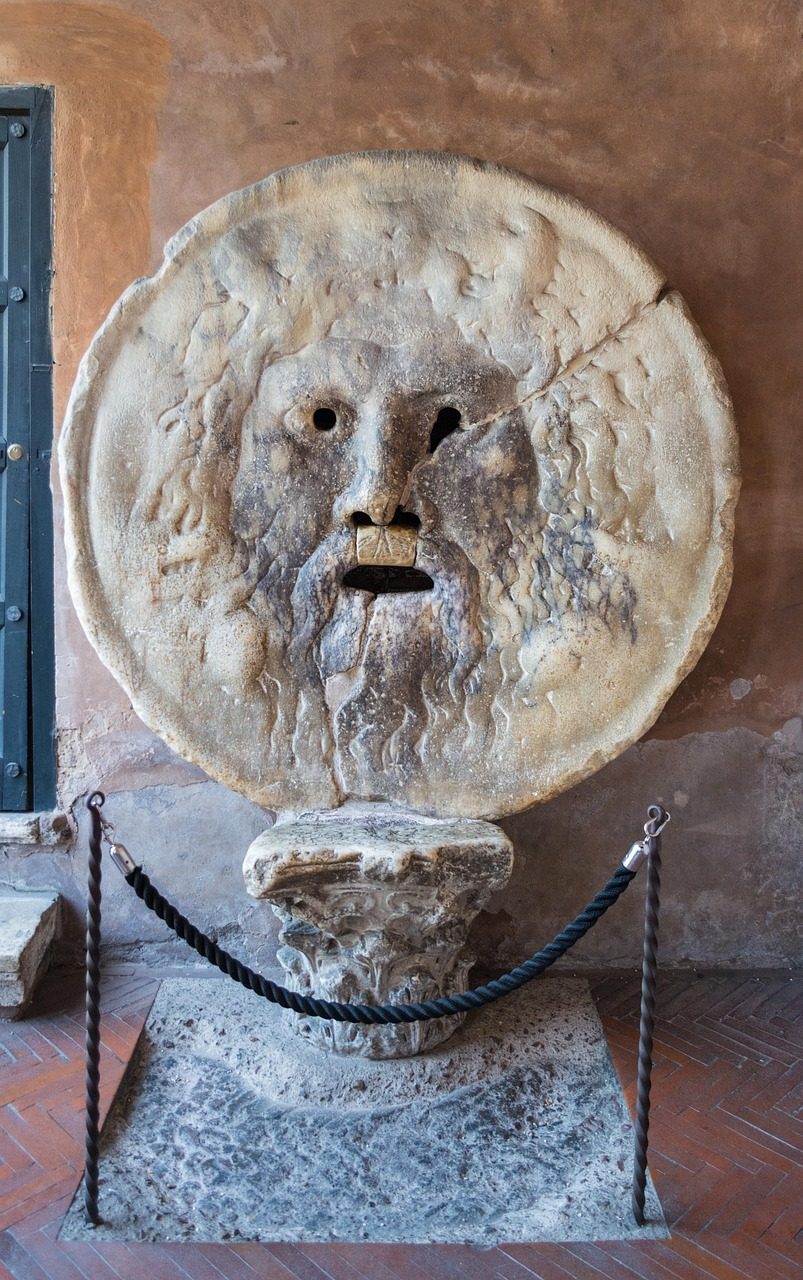
Mouth of Truth
Rome's famous lie detector—legendary marble mask
Explore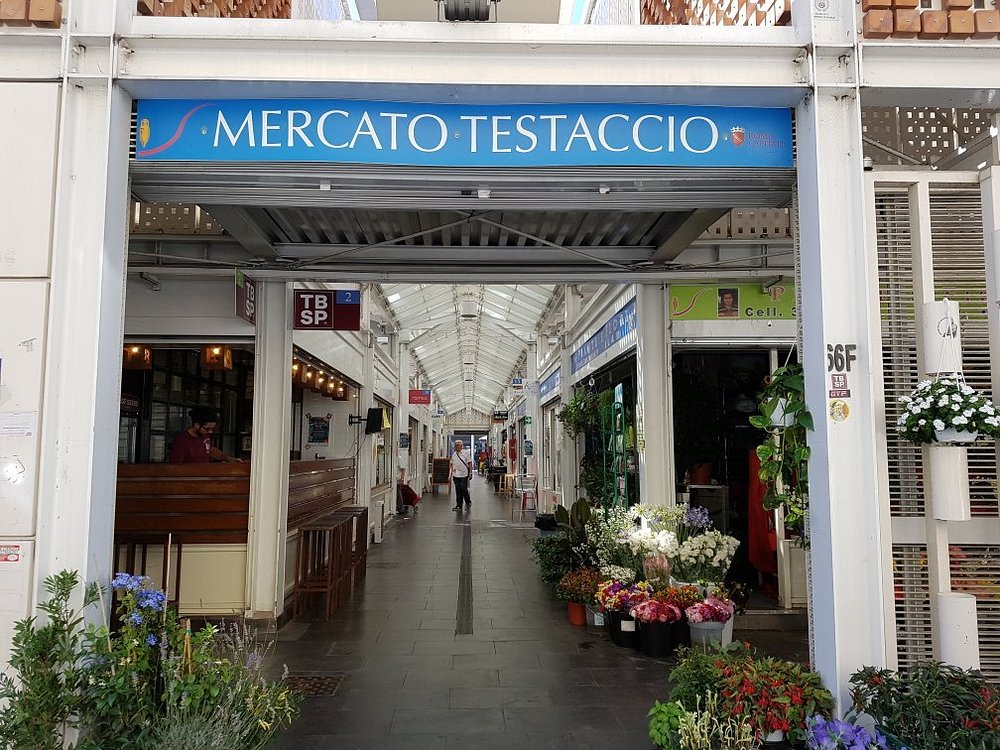
Testaccio Market
Rome's best food market with street food stalls
Explore
Leonardo da Vinci Experience
Immersive exhibition near Vatican with reproductions
Explore
Aurelian Walls
Surviving sections of Rome's late-3rd-century defensive walls
Explore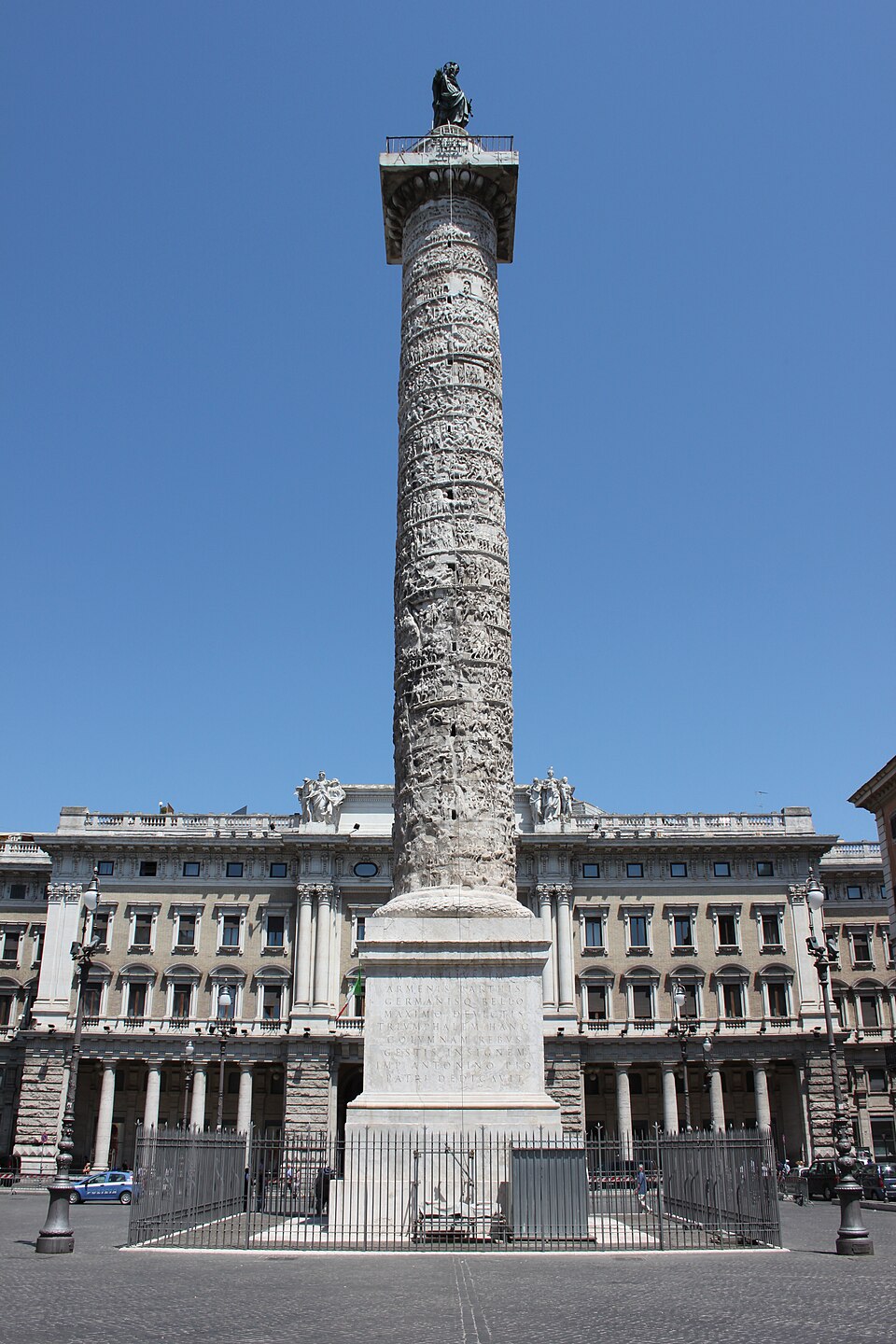
Column of Marcus Aurelius
Towering spiral column depicting Roman military campaigns
ExploreQuick Planning Guide
⏱️ Time Needed
2–3 hours
💰 Cost
Free to explore
🎫 Reservation
Not required
♿ Accessibility
Cobblestone streets
📅 Best Time
Late afternoon / evening
👨👩👧👦 Family Friendly
Yes (daytime)
Nearby Attractions
Colosseum5-minute walk
Roman Forum5-minute walk
San Pietro in Vincoli5-minute walk
Santa Maria Maggiore10-minute walk
You May Also Like
ColosseumSan Pietro in VincoliDomus AureaFeatured In These Itineraries
Rome Like a LocalHidden Gems of RomeClassic Rome in 3 DaysEssential Tips
- ✓ Come after 18:00 for aperitivo
- ✓ Periodic vintage/design markets — check listings
- ✓ Via del Boschetto for shopping
- ✓ Piazza Madonna dei Monti hub