 Partially Free
Pyramid of Cestius
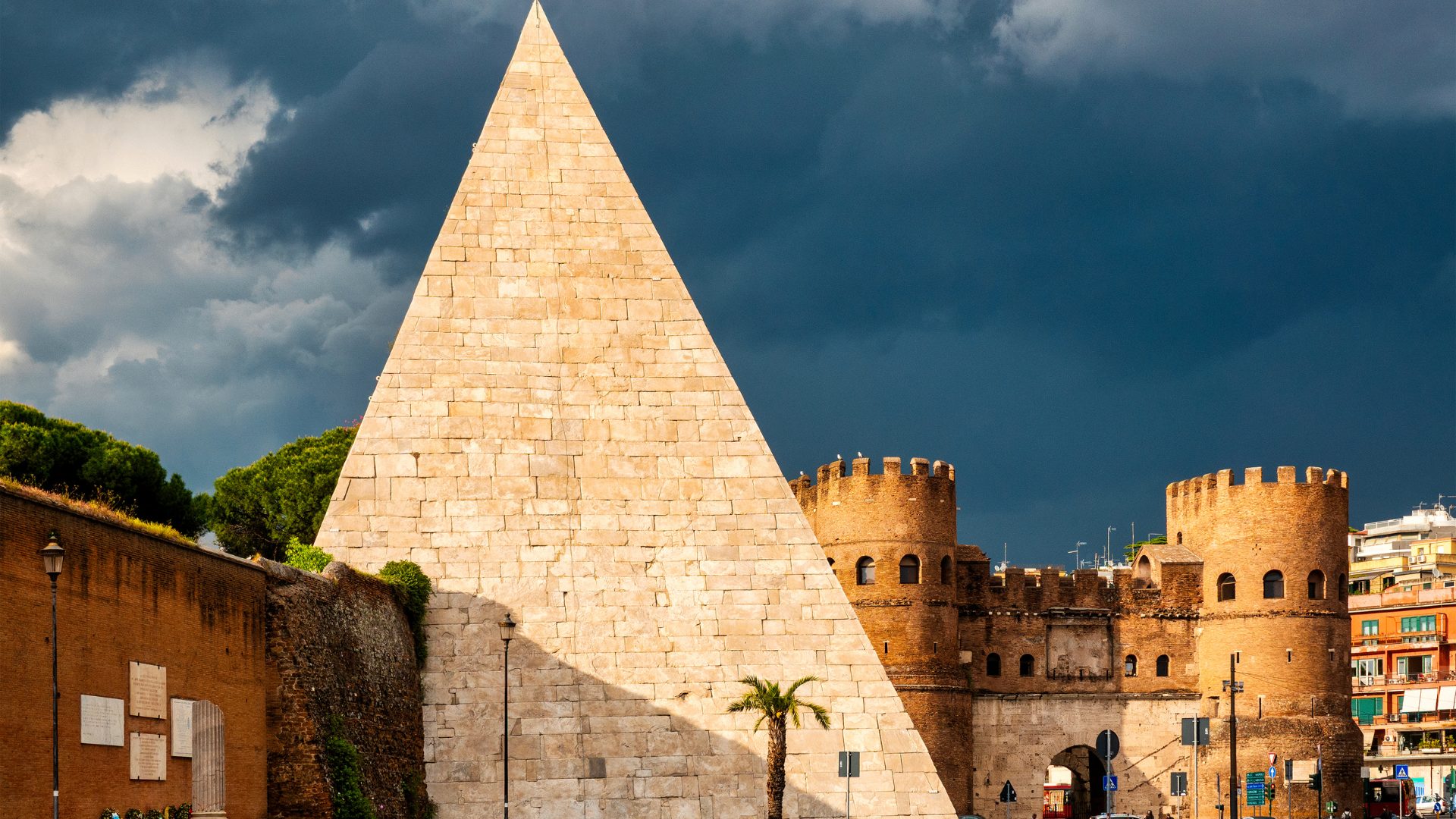
Rome's only surviving ancient Egyptian-style pyramid — a 36-metre Carrara-marble tomb built between approximately 18 and 12 BC. The exterior is always visible and free; interior access is limited to scheduled, reservation-based openings.
25–35 minPartially Free*Metro B: PiramideScheduled accessPiazzale Ostiense, 00153 RomaOpen on MapPlan Your Visit
Compare tickets, tours and stays — booking ahead usually gives more choice
Get TicketsBook a TourHotels NearbyThe Pyramid of Cestius is Rome's most surprising ancient monument — a 36-metre Carrara-marble pyramid built between approximately 18 and 12 BC as the private tomb of the Roman magistrate Gaius Cestius Epulo. It is the only surviving member of the dozens of pyramid tombs that once dotted Rome during the Augustan craze for all things Egyptian, saved by being absorbed into the Aurelian Walls in 271 AD. Today the exterior is always visible and free; interior access is limited to scheduled, reservation-based openings; check the official calendar for availability. The romantic Non-Catholic Cemetery, where John Keats and Percy Shelley are buried in sight of the pyramid, lies three minutes' walk away.
Why visit the Pyramid of Cestius?
Most travellers are stunned to learn there is an ancient pyramid in Rome — and most never make it the 8 minutes south of the Colosseum to see it. That's a mistake: the Pyramid of Cestius is one of the most extraordinary objects in the Western capital and arguably the strangest tomb of the entire Roman world.
- Rome's only ancient pyramid: 36 metres of Carrara marble, the sole survivor of the Augustan Egyptomania craze.
- Built in 330 days: Cestius's will set the deadline — one of antiquity's most precise construction records.
- Frescoed burial chamber inside: 1st-century BC paintings of Victories, priestesses and floral motifs — limited scheduled access.
- Embedded in the Aurelian Walls: the structural joint of three centuries of Rome visible in a single view.
- Keats & Shelley next door: the most romantic literary pilgrimage in Rome is three minutes' walk away.
Quick facts
Built
c. 18–12 BC, in 330 days
Height
36.4 m (119 ft)
Exterior
Free, 24/7
Interior tour
Scheduled openings
Metro
Line B – Piramide
Location
Piazzale Ostiense, 00153
Table of Contents
Jump to any section of the itinerary
A brief history
The story of the Pyramid of Cestius begins not with a pharaoh but with a Roman senator's strange will. Gaius Cestius Epulo — praetor, tribune of the plebs, member of the prestigious priestly college of the Septemviri Epulones — died between 18 and 12 BC. He left precise instructions: his heirs were to build him a pyramid tomb within 330 days or forfeit their entire inheritance. Even more curiously, the will referenced a recent Augustan anti-luxury law (the Lex Iulia sumptuaria) which forbade the inheritance of certain expensive Attalid tapestries — so the heirs sold them and used the proceeds to fund the pyramid instead.
Why a pyramid? After Augustus annexed Egypt in 30 BC, Rome went mad for everything Egyptian. Obelisks were shipped to the Circus Maximus and Piazza del Popolo, sphinxes appeared in private gardens, and at least four pyramid tombs were built in the city: Cestius's, the so-called Meta Romuli near the Vatican (demolished 1499), and at least two others documented in 16th-century drawings. Cestius's is the only one that survived — and only because in 271–275 AD Emperor Aurelian incorporated it into his defensive walls as a structural corner bastion at the gate of Porta Ostiensis (today Porta San Paolo).
By the early Middle Ages the original Latin inscriptions had become illegible and Romans, casting around for an explanation, decided the pyramid was the tomb of Remus — Romulus's mythical twin brother. They renamed it Meta Remi ("Cone of Remus") and treated it as a foundational monument of the city. This protective misattribution lasted until 1660–1663, when Pope Alexander VII commissioned major excavations, cleared the centuries of debris, restored the marble cladding, opened the burial chamber for the first time since antiquity and re-read the original inscriptions — finally identifying Cestius and confirming the c. 18–12 BC construction date.
From 1734, foreign Protestants began to be buried in the meadow next to the pyramid — what would become the celebrated Non-Catholic Cemetery, holding the graves of Keats (1821), Shelley (1822), Goethe's son and Antonio Gramsci. Shelley's elegy for Keats, "Adonais", was inspired in part by the view of the pyramid from the cemetery: "the slope of green access where a pyramid… makes the light of laughing flowers along the grass be seen". Italian unification (1870) cleared the buildings still clinging to the pyramid's east and north sides, and a major €2 million restoration funded entirely by Japanese fashion magnate Yuzo Yagi (2014–2015) cleaned 2,000 years of pollution from the marble, returning the pyramid to its original brilliant white.
The Soprintendenza Speciale di Roma continues to offer a limited schedule of reservation-based interior openings. Visitors should consult the official calendar for specific dates, prices and any special seasonal events.
The Pyramid of Cestius through the centuries
30 BCAugustus annexes Egypt
After the suicides of Cleopatra and Mark Antony, Egypt becomes a Roman province. A wave of 'Egyptomania' sweeps the Roman elite — obelisks, sphinxes and pyramids become fashionable.
c. 18 BCLex Iulia sumptuaria
Augustus's anti-luxury law forbids the inheritance of certain valuable goods, including Attalid tapestries — a detail that will shape Cestius's will a few years later.
c. 18–12 BCDeath of Gaius Cestius Epulo
The praetor, tribune and septemvir epulonum dies. His will demands a pyramid tomb built within 330 days, financed by the sale of his banned tapestries — heirs lose inheritance if they fail.
c. 18–12 BCPyramid completed
Built of concrete and brick faced with Carrara marble, 36.4 m tall on a 29.5 m square base. The steep ~70° angle reveals Roman builders worked from descriptions, not direct knowledge.
271–275 ADEmbedded in the Aurelian Walls
Emperor Aurelian's defensive walls absorb the pyramid as a corner bastion at Porta Ostiensis. This embedding will save it from the medieval marble-quarrying that destroyed every other Roman pyramid.
c. 1130Renamed Meta Remi
Romans, having forgotten the Latin inscriptions, call the monument 'Meta Remi' (Cone of Remus) and believe it marks the tomb of Romulus's twin brother. A second pyramid near the Vatican is called Meta Romuli (demolished 1499).
1660–1663Pope Alexander VII's excavations
The pope clears centuries of debris, restores the marble cladding, opens the burial chamber and rediscovers the original inscriptions — finally identifying Cestius and the true 12 BC date.
1734Beginning of the Non-Catholic Cemetery
Foreign Protestants begin to be buried in the meadow next to the pyramid — the future Cimitero Acattolico, which will hold Keats (1821), Shelley (1822) and Gramsci (1937).
1821Keats buried beside the pyramid
John Keats is buried in the Non-Catholic Cemetery within sight of the pyramid; his epitaph reads 'Here lies one whose name was writ in water'. The view inspires Shelley's 'Adonais' a year later.
1870–1873Lateral isolation
After Italian unification, the buildings clinging to the pyramid's east and north sides are demolished, finally exposing the monument from all four angles for the first time since antiquity.
2014–2015Major restoration
A €2 million restoration funded entirely by Japanese fashion magnate Yuzo Yagi cleans 2,000 years of pollution from the marble, returning the pyramid to its original brilliant white. Interior tours resume in 2015.
OngoingScheduled interior openings continue
The Soprintendenza Speciale di Roma continues to offer occasional, reservation-based interior openings. Dates, prices and availability change — check the official calendar.
Engineering: how the pyramid was built in 330 days
Concrete core
A solid mass of opus caementicium — the famous Roman concrete made of pozzolana, lime and rubble. This rapid pour-and-set technique was the only way to meet Cestius's 330-day will deadline.
Brick facing
A 1-metre-thick layer of fired bricks bonded to the concrete, providing a smooth surface for the marble cladding. Visible today in the few areas where marble has been lost.
Carrara marble cladding
Bright white slabs from the famous Apuan Alps quarries — about 80% of the original cladding survives. The 2014–2015 cleaning removed centuries of pollution, returning the marble to its brilliant white appearance.
What to see at the Pyramid of Cestius
The Carrara marble exterior
- 36.4-metre pyramid clad in slabs of bright white Carrara marble — about 80% original, the rest restored after the 2014–2015 cleaning campaign.
- Square base of 29.5 m per side, oriented along the Roman cardinal points. The four faces converge at a sharp ~70° angle (vs Giza's gentler 51°).
- Beneath the marble: a concrete (opus caementicium) core faced with bricks — a typically Roman engineering choice that allowed rapid construction in 330 days.
- The 2014–2015 cleaning removed centuries of pollution and returned the marble to its bright white appearance.
The Latin inscriptions
- East face — large dedication: 'C·CESTIVS·L·F·POB·EPVLO·PR·TR·PL·VII·VIR·EPVLONVM' (Gaius Cestius, son of Lucius, of the Poblilia tribe, Epulo, praetor, tribune of the plebs, septemvir of the epulones).
- West face — heirs' inscription: 'OPVS·APSOLVTVM·EX·TESTAMENTO·DIEBVS·CCCXXX' (work completed according to the will, in 330 days). One of antiquity's most precise construction-time records.
- Below — fragmentary inscription naming the heirs: Marcus Valerius Messalla Corvinus (the famous Augustan general), Lucius Cestius (brother) and Publius Rutilius Lupus.
- These inscriptions, illegible for most of the Middle Ages, were rediscovered and cleaned by Pope Alexander VII's 1660–1663 excavations — finally identifying the monument as Cestius's tomb, not Remus's.
Embedding in the Aurelian Walls
- The 271–275 AD walls of Emperor Aurelian abut directly onto the pyramid's north and east faces, using it as a structural corner bastion — a brilliant act of urban recycling.
- This embedding is the only reason the pyramid survived: the other Roman pyramids (Meta Romuli at the Vatican, plus at least two more documented ones) were quarried for marble in the Middle Ages.
- The adjacent Porta San Paolo (the ancient Porta Ostiensis) is the gate that grew up around the embedded pyramid — its current twin-towered form dates to the 5th century AD.
- From the south side you can clearly see the joint between the Augustan marble of the pyramid and the brick of Aurelian's walls — three centuries of construction in a single view.
Porta San Paolo & Museo della Via Ostiense
- The twin-towered medieval gate immediately adjacent (free entry, Tue–Sun 09:00–13:30) — it was the ancient Porta Ostiensis, departure point for the road to the port of Ostia.
- Inside: the small Museo della Via Ostiense — Roman milestones, a 1st-century AD model of the harbour at Ostia, and a detailed 18th-century model of the pyramid.
- From the upper terrace of the gate (free, accessed via the museum) you get the best 'over-the-walls' view of the pyramid's east face.
- The piazza in front witnessed the Battle of Porta San Paolo on 10 September 1943 — the Italian army's last stand against the Wehrmacht. A memorial plaque commemorates the fallen.
The Non-Catholic Cemetery (3 minutes' walk)
- The romantic 'Cimitero Acattolico' (Via Caio Cestio 6) — open Mon–Sat 09:00–17:00, Sun 09:00–13:00, free entry; a €5 donation is suggested to support cemetery upkeep.
- Tomb of John Keats (died 1821, age 25) — the famous epitaph 'Here lies one whose name was writ in water' faces the pyramid he could see from his sickbed.
- Tomb of Percy Bysshe Shelley (died 1822) — whose elegy for Keats, 'Adonais', was inspired by the view of the pyramid from the cemetery.
- Other notable graves: Antonio Gramsci (founder of Italian Communism), Carlo Emilio Gadda, Belinda Lee, Goethe's son August. A flock of resident cats roams the cypresses.
Inside the burial chamber
At the heart of the pyramid, 4 metres below modern ground level, lies the small barrel-vaulted burial chamber: 5.95 m long, 4.10 m wide, 4.80 m high. The chamber was robbed in antiquity — probably during the chaos of the 4th–5th centuries AD — so no funerary goods, urn or human remains have ever been recovered. What survives, miraculously intact, is the original 1st-century BC fresco decoration.
The frescoes are painted in the so-called Third Pompeian Style — slender architectural fantasies on a white background, characteristic of the late Augustan age. The vaulted ceiling shows a delicate candelabrum motif at the apex; the walls are divided into panels by elegant garlands. Four standing female figures occupy the corner panels — variously interpreted as priestesses, the Four Seasons, or allegories of the four cardinal points. Smaller Victory figures with palm branches fly between them.
The chamber was sealed in antiquity — there is no door. Visitors today enter through a 19th-century tunnel cut by Pope Alexander VII's excavators in 1660–1663, descending a steep narrow staircase from the south side. Temperature inside is constant at ~14°C; bring a light layer.
Why the chamber matters
Outside Pompeii and Herculaneum, complete in-situ Roman wall paintings of the Augustan age are extraordinarily rare — most have been detached and moved to museums. The Pyramid of Cestius preserves one of Rome's only intact frescoed funerary chambers from the 1st century BC, in its original location, just as Cestius's heirs left it.
How to book the interior tour
2026 schedule
- • Frequency: Occasional scheduled openings only
- • Dates & times: See the official calendar for current reservation-based openings
- • Duration: Varies by opening
- • Capacity: Limited per slot
- • Language: Varies by opening — check the current official announcement
Booking essentials
- • Cost: Varies by opening — check the official calendar
- • Where: Booking provider varies; follow the link supplied in the official Soprintendenza announcement.
- • When to book: As early as possible — availability is limited
- • Meeting point: Via Raffaele Persichetti (south-west side)
- • Arrive: Ahead of your confirmed slot
- • Bring: printed confirmation + ID
Not wheelchair accessible
The chamber is reached by a steep narrow ancient staircase 4 m below ground. Visitors with mobility issues, claustrophobia or who can't manage uneven steps should not book the interior tour — but the exterior is fully accessible on flat sidewalks.
Pyramid of Cestius walking itinerary
A 2.5-hour, 7-stop walk covering the pyramid, the Aurelian Walls junction, the medieval Porta San Paolo, the Non-Catholic Cemetery (Keats & Shelley) and an authentic Roman lunch in Testaccio. Total distance ~1.5 km, completely flat. Optionally add the interior burial-chamber tour, if booked in advance.
Walking route map


 📍
📍
📍
📍
📍
📍
📍
+− Leaflet | © OpenStreetMap contributors
📍
📍
📍
📍
📍
📍
📍
+− Leaflet | © OpenStreetMap contributorsClick on markers for stop details. Numbers indicate the walking order.
1StartMetro Piramide
Starting pointExit Metro B at Piramide. The pyramid is right in front of you — a startling first view of Carrara marble against the dark Aurelian Walls.
210 minWest façade & marble photos
Best photo angleWalk to the west side on Via Raffaele Persichetti. Best afternoon light — the Carrara marble glows against the dark brick of the Aurelian Walls.
310 minLatin inscriptions (east & west faces)
2,000-year-old textRead the dedicatory inscription identifying Cestius and the heirs' inscription recording the 330-day construction deadline.
48 minAurelian Walls junction (south side)
Wall-pyramid junctionWalk to the south face to see the structural joint where Aurelian's 3rd-century walls meet the Augustan marble — three centuries of Rome in one view.
520 minPorta San Paolo & Museo Via Ostiense
Free museum + terrace viewCross the piazza to the twin-towered medieval gate. Free entry to the small museum (Tue–Sun 09:00–13:30) — Roman milestones and a model of the pyramid.
660 minNon-Catholic Cemetery
Keats & ShelleyWalk 3 min east to Via Caio Cestio 6. Visit the graves of Keats and Shelley among the cypresses, with the pyramid as backdrop — one of Rome's most romantic views. A €5 donation is suggested to support cemetery upkeep.
775 minLunch in Testaccio
Authentic Roman cuisineWalk 8 min south-west into authentic Testaccio for Roman lunch at Trattoria Da Bucatino, Flavio al Velavevodetto, or the covered Mercato Testaccio (~€22–28 a head).
Pyramid of Cestius vs the Pyramids of Giza
| Feature | Pyramid of Cestius | Great Pyramid (Cheops) |
|---|---|---|
| Date built | c. 12 BC | c. 2560 BC (Cheops) |
| Height | 36.4 m (119 ft) | 147 m / 482 ft (Cheops, original) |
| Slope angle | ~70° (very steep) | ~51° (gentler) |
| Materials | Concrete core + Carrara marble cladding | Solid limestone blocks |
| Construction time | 330 days (per will) | ~20 years (Herodotus) |
| Function | Private tomb (one magistrate) | Royal tomb (Pharaoh + family) |
| Burial chamber | Single small frescoed room (5.95 × 4.10 m) | Multi-chamber complex with corridors |
| Entry cost | Free exterior / interior tour price varies by opening | EGP 540 (~€10) Giza Plateau ticket |
Verdict: the Pyramid of Cestius is not a smaller Giza — it's a fundamentally different monument. Built 2,500 years later by a single magistrate's heirs in less than a year, with Roman concrete and marble, it represents the elite Roman fascination with Egypt rather than the Egyptian funerary tradition itself. The frescoed chamber inside has no Egyptian parallel.
Best time to visit
Time of day
Late afternoon (16:00–18:00 winter / 18:00–20:00 summer)
Best — warm side-light makes the Carrara marble glow pink-gold against the dark Aurelian Walls.
Early morning (07:30–09:00)
Good for the east face and for empty piazza shots before metro and traffic intensify.
Avoid noon
Harsh top-light flattens the marble. The piazza also gets very hot in summer with little shade.
Best days & seasons
Scheduled interior openings
Interior access is limited to occasional reservation-based openings; check the official calendar for current scheduled dates.
Spring & autumn
Generally ideal weather and soft light outdoors; interior tour availability depends on the official calendar.
Occasional special openings
The Soprintendenza occasionally organises special seasonal or evening openings — check coopculture.it for current offerings.
Getting there
Metro (best)
Line B (blue), station Piramide — named after the monument. 8 minutes from Termini, €1.50. The pyramid is right in front of the metro exit. Working lift available.
Tram
Line 3 from Trastevere or Circus Maximus, stop "Piramide". Line 3 Termini–Trastevere is one of Rome's most scenic tram rides.
Bus
Lines 23, 30, 75, 83, 280, 716, 769 all stop at Piazzale Ostiense. From the Vatican area take the 23 along the Lungotevere (15 min).
On foot
15 minutes flat walk from the Aventine Orange Garden; 20 minutes from Circus Maximus; 8 minutes from Testaccio Market.
Common mistakes to avoid
Showing up for the interior without booking
The burial chamber is open only on occasional scheduled dates set by the official archaeological authority, and advance reservation is required. Booking provider, languages and lead times vary; follow the current official Soprintendenza announcement.
Trying to enter from the metro side
The Soprintendenza tour meeting point is on Via Raffaele Persichetti (south-west side), NOT at the Piramide metro exit. Allow 5 minutes to walk around to the correct meeting point.
Visiting at noon
Harsh top-light flattens the marble and washes out the inscriptions. Come in late afternoon (16:00–18:00 winter, 18:00–20:00 summer) for warm side-light against the dark walls.
Skipping the Non-Catholic Cemetery
Most pyramid visitors don't realise that Keats's grave is 3 minutes' walk away — and that the most famous view of the pyramid is from inside the cemetery, framed by cypresses. Don't miss it.
Forgetting Porta San Paolo museum
The free museum inside the medieval gate (Tue–Sun 09:00–13:30) has the best models of the pyramid and a fantastic upper-terrace view of the east face. Yet it's almost always empty.
Confusing it with Egyptian pyramids
Cestius is a Roman private tomb, not an Egyptian royal pyramid. Built 2,500 years later than Cheops, much smaller, much steeper, and made of concrete clad in marble — not solid limestone.
Insider tips from locals
The metro platform view
The southbound Metro B platform at Piramide sits at the same height as the pyramid's mid-point and offers a unique elevated perspective unavailable from the street. Free, no detour required — just take the platform stairs and look out.
Best photo: from the cemetery
Walk into the Non-Catholic Cemetery, head to the eastern wall and turn around — the pyramid framed by cypress trees and 19th-century tombstones is Rome's most evocative photograph. A €5 donation is suggested to support cemetery upkeep.
Read the inscriptions with Google Lens
Open Google Lens on the east-face dedication: instant English translation of Cestius's titles and the unique 330-day construction record. The text mentions specific Roman magistracies still understandable today.
Combine with Testaccio Market
After the pyramid, walk 8 minutes south-west into Testaccio for the covered market (Mon–Sat 07:00–15:30) — gourmet street food, supplì, mortadella sandwiches and the cleanest neighbourhood in Rome.
Check for special seasonal openings
The Soprintendenza occasionally organises special evening or seasonal openings. Check coopculture.it and the official Soprintendenza calendar for current offerings.
Free 'over-the-walls' view
Climb the upper terrace of Porta San Paolo (free, via the Museo della Via Ostiense) for an unusual elevated angle on the pyramid's east face — perfect at sunset when the Aurelian Walls are in shadow.
Where to Stay Near Pyramid of Cestius
Looking for convenient accommodation near Pyramid of Cestius? Stay within walking distance to make the most of your visit.
Hotels Near This AttractionTop Rated HotelsBudget-Friendly OptionsLuxury HotelsCentral locations with easy access to Pyramid of Cestius and other attractionsFrequently Asked Questions
Related Attractions
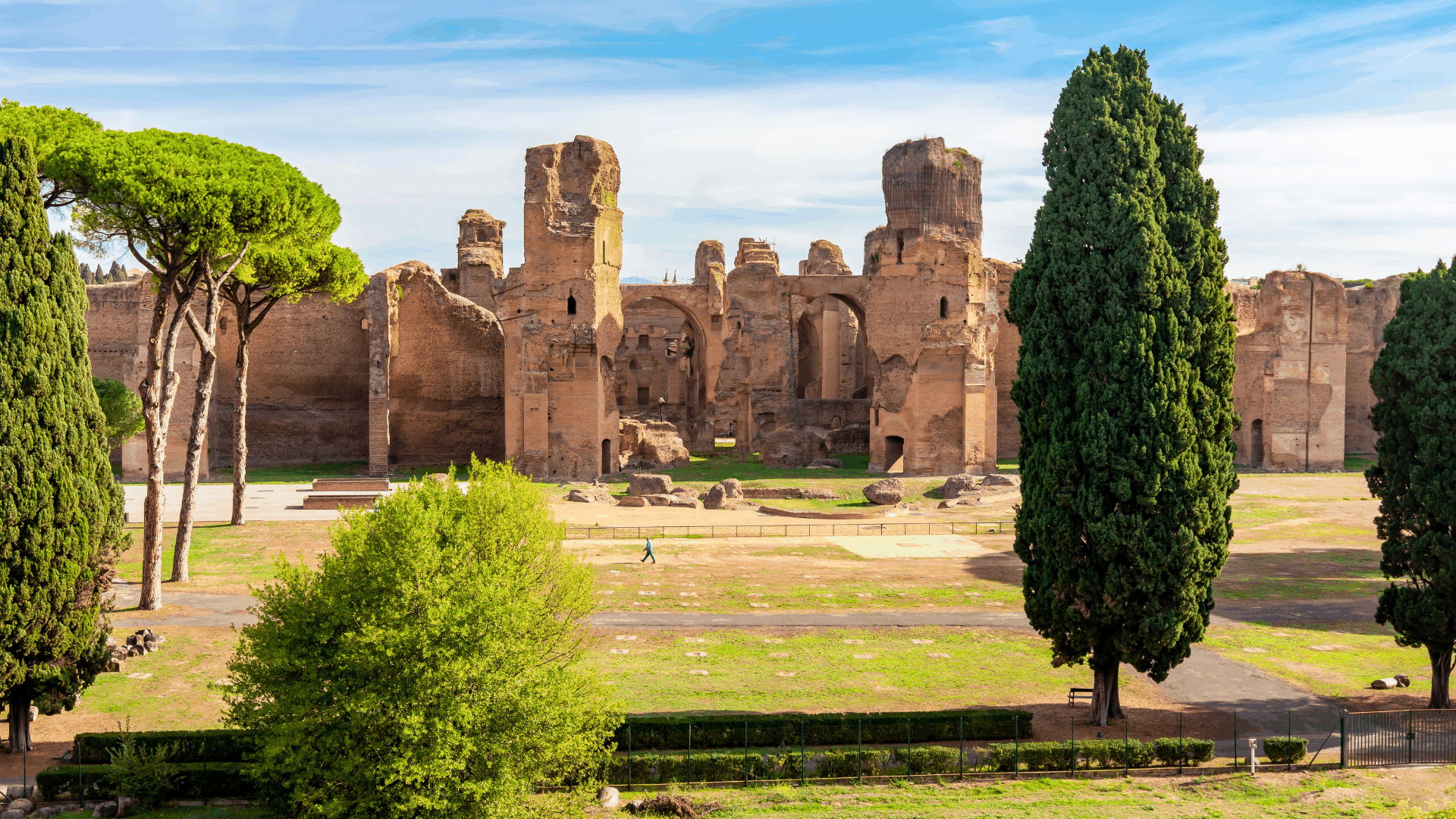
Baths of Caracalla
Ancient Rome's most magnificent public baths with towering ruins
Explore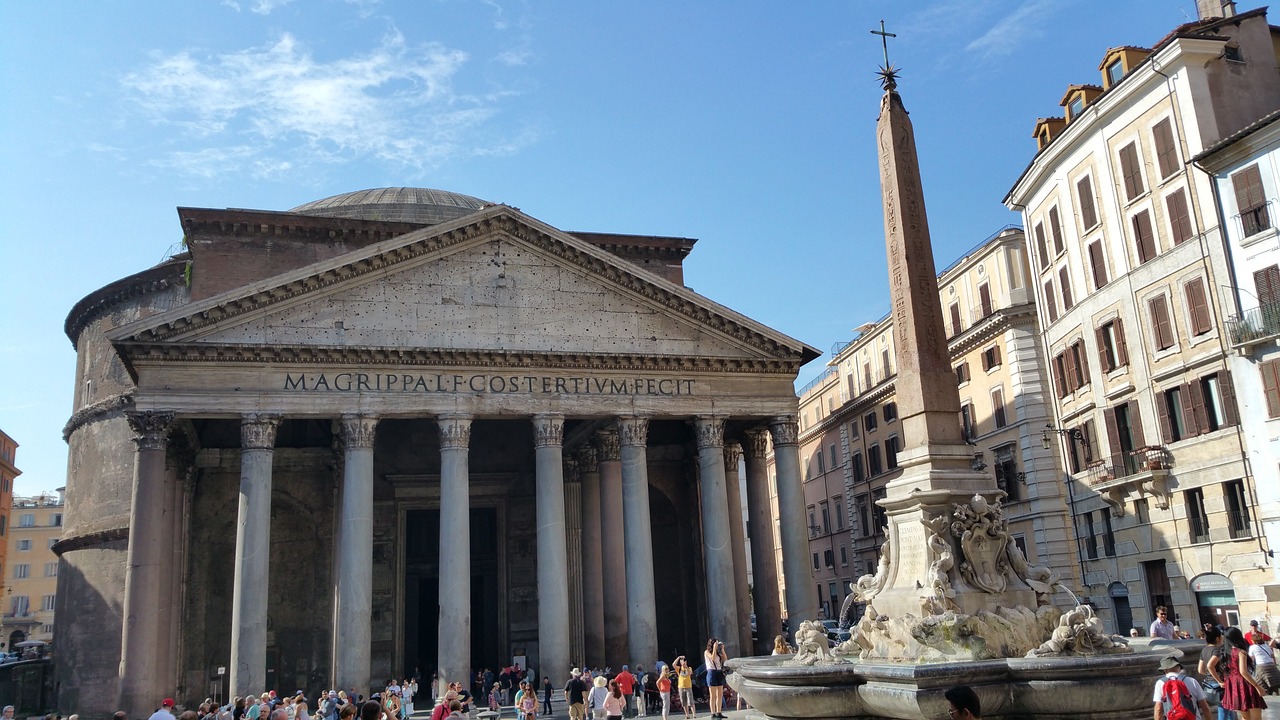
Pantheon
Best-preserved Roman building with the world's largest unreinforced concrete dome
Explore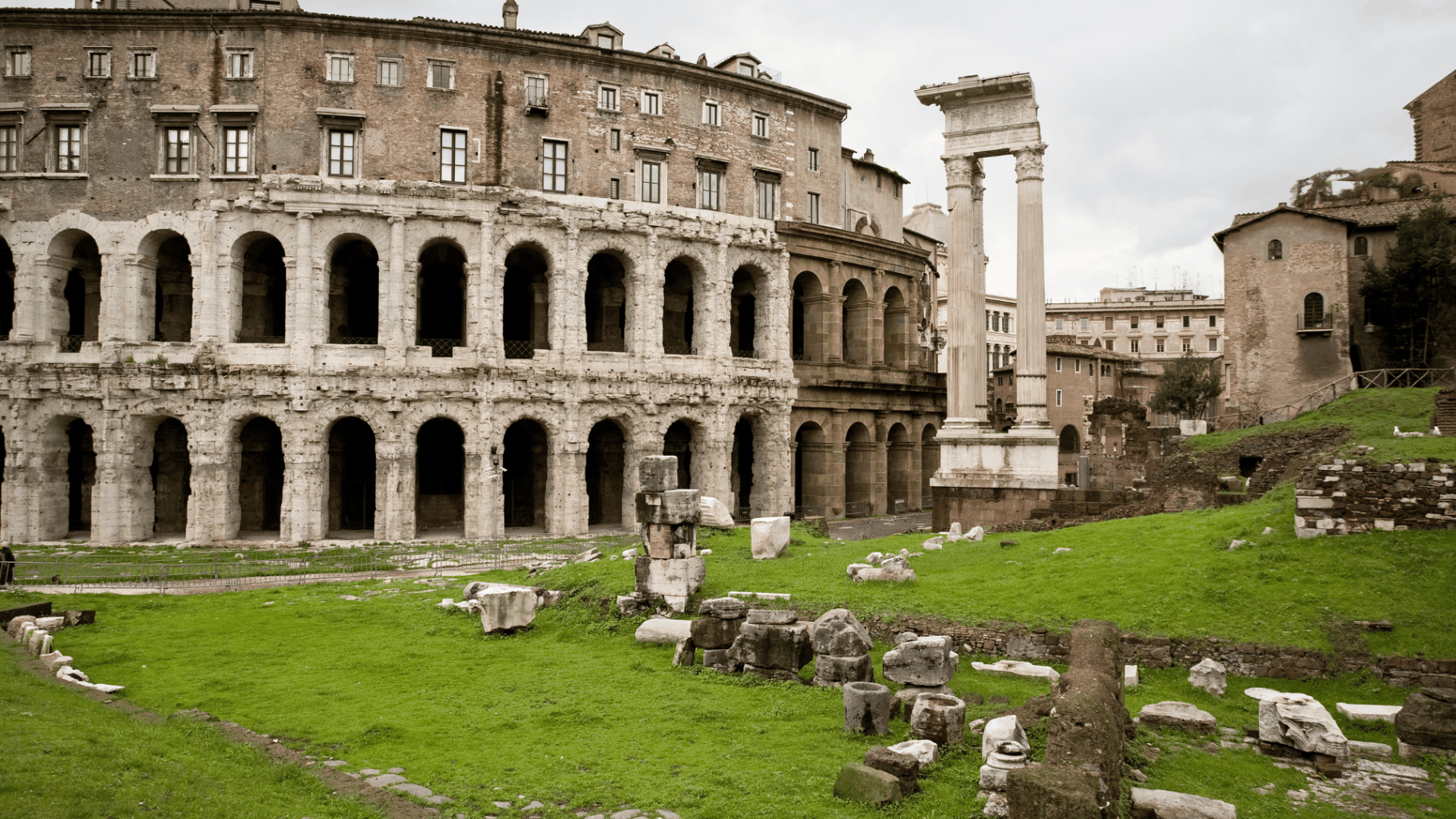
Theatre of Marcellus
Ancient Roman theater that inspired the Colosseum
Explore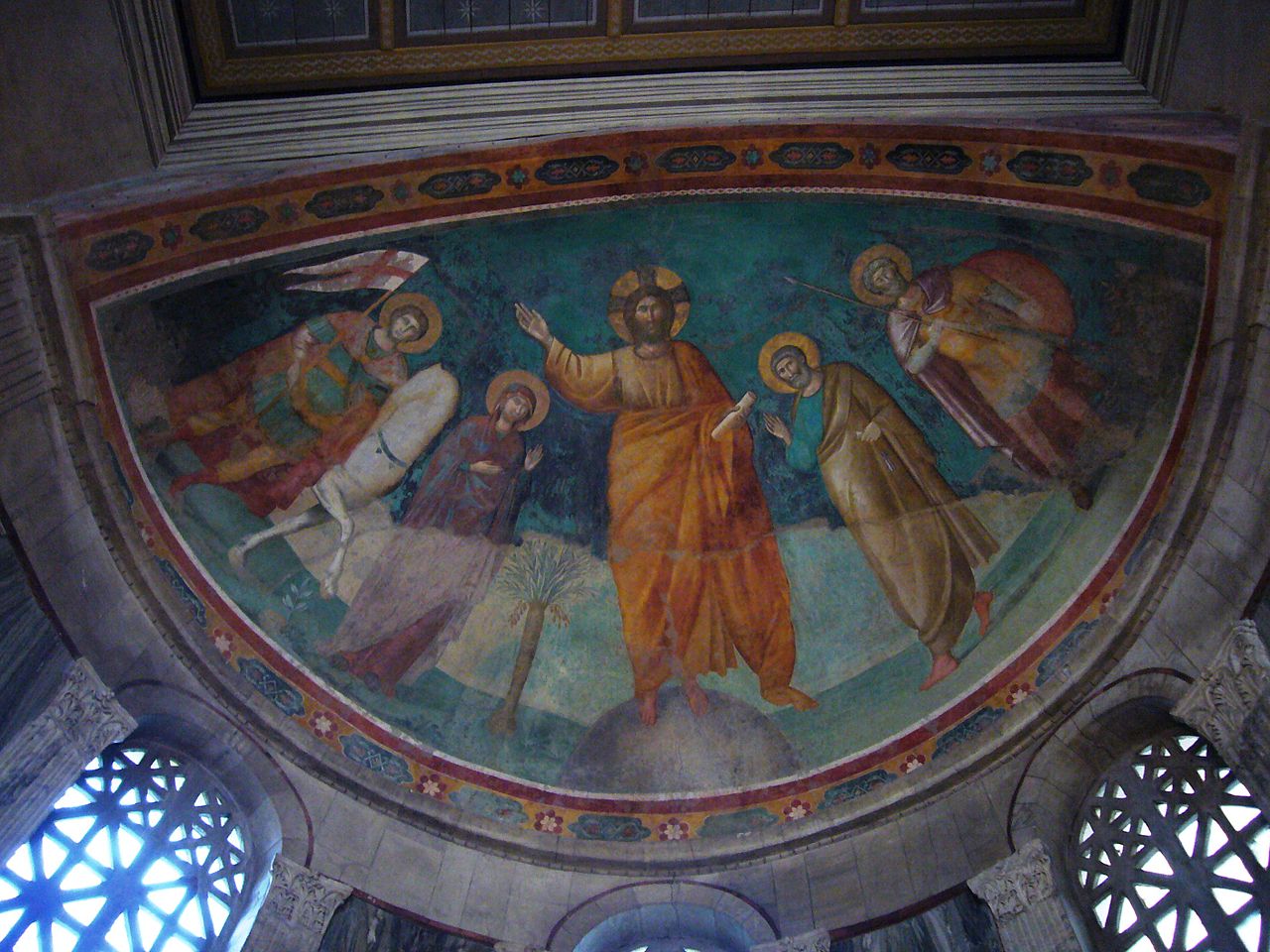
San Giorgio in Velabro
Early medieval church beside Rome's only surviving ancient quadrifrons arch
Explore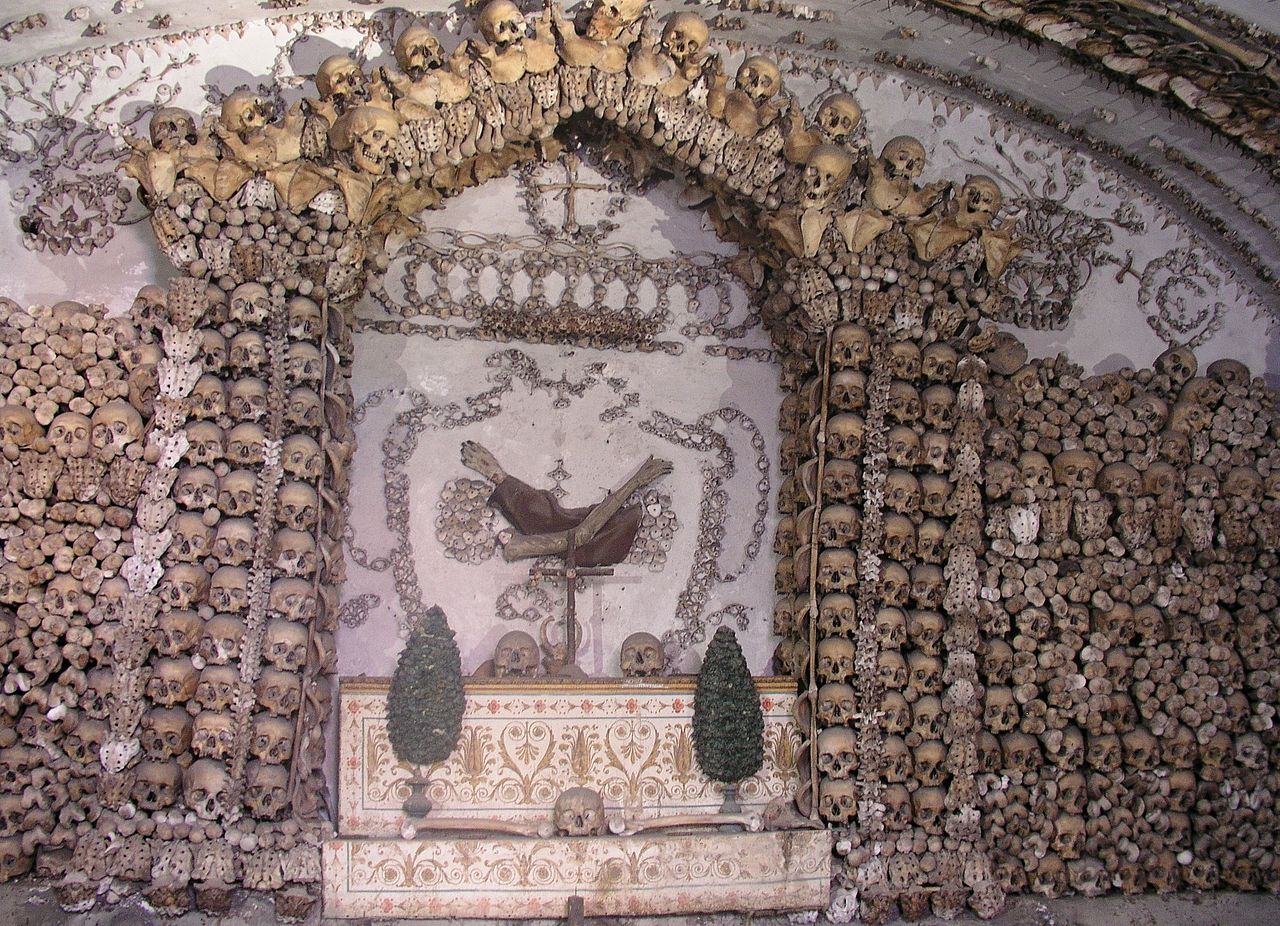
Capuchin Crypt
Haunting ossuary with 3,700 friars' bones arranged artistically
Explore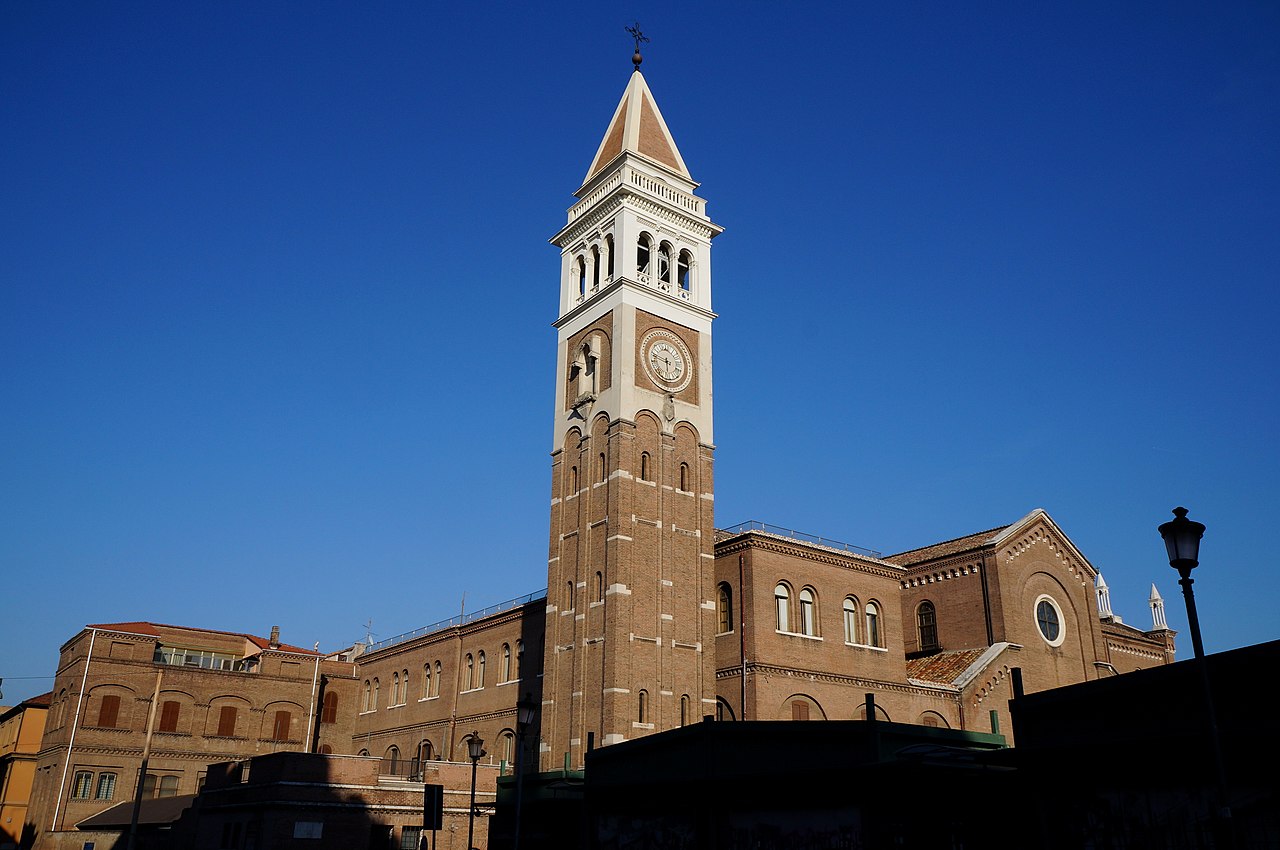
Chiesa di Santa Maria Immacolata e San Giovanni Berchmans
Free active parish church with distinctive neo-Romanesque bell tower
ExploreQuick Planning Guide
⏱️ Time Needed
25–35 min exterior / +60 min interior
💰 Cost
Partially Free (Exterior free; interior limited guided access when scheduled)
🎫 Reservation
Required for interior (coopculture.it)
♿ Accessibility
Exterior fully accessible / interior not
📅 Best Time
Late afternoon for golden light
👨👩👧👦 Family Friendly
Yes — flat, traffic-calmed piazza
🌡️ Weather
Outdoor monument
Nearby Attractions
Non-Catholic Cemetery3 min walk
Porta San Paolo & Museo1 min walk
Testaccio Market8 min walk
Centrale Montemartini12 min walk
Aventine Hill15 min walk
Featured In These Itineraries
Hidden Gems of RomeFree Rome Itinerary5 Day Rome ItineraryEssential Tips
- ✓ Interior openings are occasional and require advance reservation — booking provider, languages and lead times vary, so follow the current official Soprintendenza announcement
- ✓ Visit late afternoon for warm side-light on the marble
- ✓ Don't miss the Non-Catholic Cemetery (Keats & Shelley)
- ✓ Climb the Porta San Paolo terrace for over-the-walls view
- ✓ Pair with a Testaccio lunch for a perfect half-day